
Zurich captivates visitors with its perfect blend of medieval charm and modern sophistication. Nestled along the shores of Lake Zurich and framed by the Swiss Alps, this cosmopolitan city offers experiences that range from wandering cobblestone streets in the historic Old Town to savoring world-class chocolate and exploring cutting-edge museums.
Whether you have 48 hours or a full week, Zurich rewards travelers with diverse activities. The city combines stunning natural beauty with rich cultural heritage, making it an ideal destination for art lovers, food enthusiasts, outdoor adventurers, and history buffs alike.
This comprehensive guide reveals 24 must-do experiences that showcase the best of Zurich. From iconic landmarks to hidden local favorites, you’ll discover everything needed to plan an unforgettable trip to Switzerland’s largest city.
Getting Around Zurich: Transportation Essentials
Zurich boasts one of the world’s most efficient public transport systems. The integrated network of trams, buses, trains, and boats makes navigating the city remarkably easy, even for first-time visitors.
Public Transport Options
The city’s transport network operates with Swiss precision. Trams glide through the streets every few minutes, connecting major attractions and neighborhoods. Buses reach areas where trams don’t run, while S-Bahn trains provide rapid transit to surrounding regions.
Water transport adds a scenic dimension to getting around. Boats and ferries crisscross Lake Zurich during warmer months, offering both practical transit and leisure cruises. The system uses a zone-based fare structure, with most tourist attractions located in Zone 110.
Walking Through the City
Zurich’s compact city center rewards exploration on foot. The Old Town’s pedestrian zones create a car-free haven perfect for leisurely strolls. Most major attractions cluster within a 30-minute walk of each other.
The flat riverside paths and lakeside promenades make walking particularly pleasant. Well-maintained sidewalks and clear signage help visitors navigate confidently. During summer, the city comes alive with street performers, outdoor cafes, and pop-up markets.
Save Money with the Zurich Card
Get unlimited public transport, free admission to 40+ museums, and discounts on tours and restaurants. The Zurich Card pays for itself after just a few attractions and includes transport to/from the airport.
24-Hour Card Benefits
- Unlimited public transport use
- Free museum admission (40+ venues)
- Airport transfer included
- Restaurant discounts up to 50%
- Reduced rates on tours
- Lake cruise discounts
72-Hour Extended Pass
- All 24-hour benefits
- Cable car discounts
- Additional tour reductions
- Better value for longer stays
- Access to special events
- Priority booking at attractions
Explore Zurich Old Town: Medieval Heart of the City

Zurich Old Town transports visitors back centuries with its winding medieval lanes and well-preserved architecture. This historic district splits into two distinct areas across the Limmat River, each offering unique character and countless discoveries.
Niederdorf District Highlights
The Niederdorf pedestrian zone buzzes with energy day and night. Narrow alleys lined with guild houses lead to hidden courtyards and quaint squares. Boutique shops occupy ground floors of buildings that have stood for hundreds of years.
Colorful building facades create a picturesque backdrop for photos. Street musicians often perform near the churches, adding to the area’s charm. The district transforms after dark into a vibrant nightlife hub with bars and restaurants.
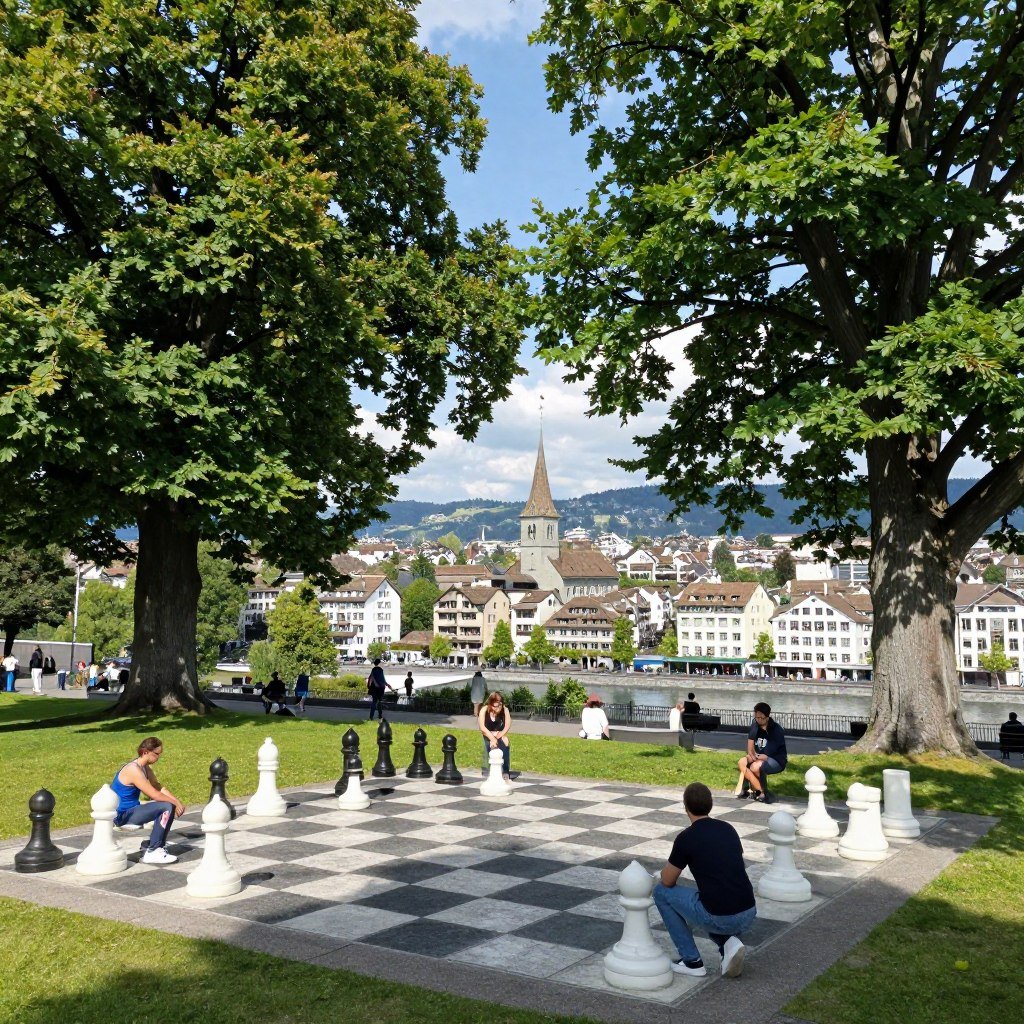
Lindenhof Hill
This elevated park offers stunning panoramic views over the Old Town and river. Ancient trees shade stone benches where locals gather to play giant chess. The site marks where Romans built their fort 2,000 years ago.
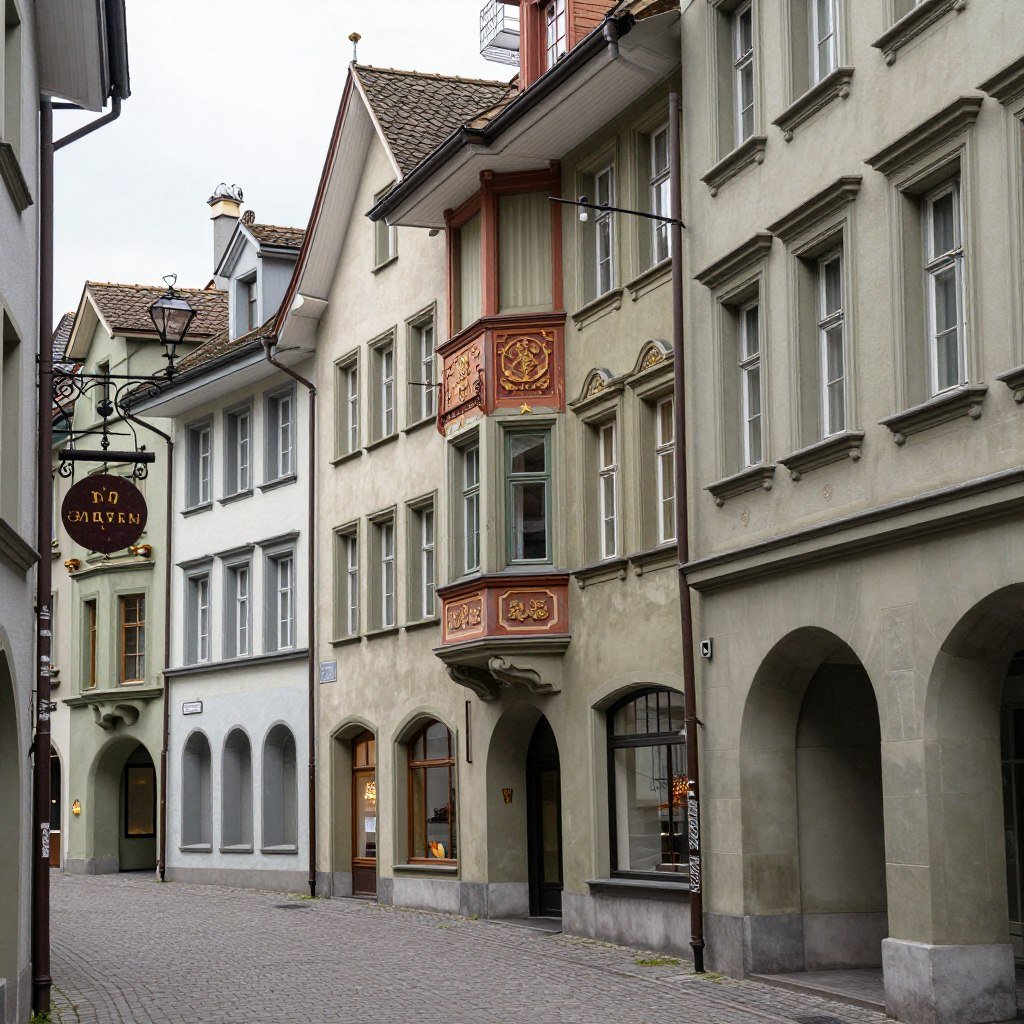
Guild Houses
Elaborately decorated guild houses showcase the wealth of medieval trade associations. Each building displays unique architectural details and painted facades. Many now house atmospheric restaurants serving traditional Swiss cuisine.
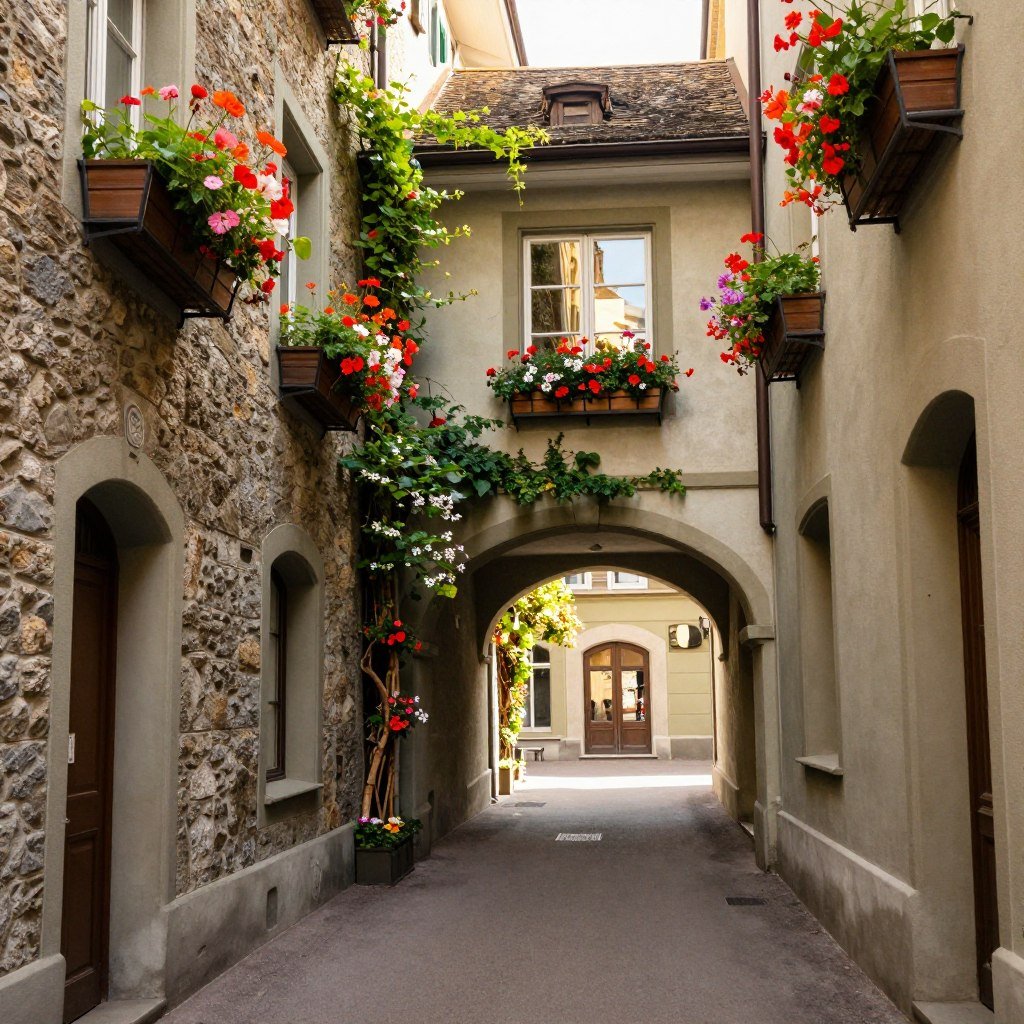
Hidden Courtyards
Secret courtyards hide behind unassuming doorways throughout the Old Town. These peaceful spaces often contain fountains, gardens, and outdoor seating. They provide quiet retreats from the busier main streets.
Rennweg Shopping Street
Rennweg represents Zurich’s second most exclusive shopping destination after Bahnhofstrasse. This wide medieval street maintains its historical character despite housing luxury boutiques and designer stores. Flags hanging overhead create a festive atmosphere year-round.
The street follows the hillside below Lindenhof, offering a pleasant gradual slope. Architecture buffs appreciate the mix of building styles spanning several centuries. Window shopping here costs nothing but reveals Swiss taste in fashion and design.
Join a Guided Walking Tour
Local guides bring Zurich’s history to life with fascinating stories and insider knowledge. Tours cover major landmarks while revealing hidden spots most tourists miss. Expert commentary helps visitors understand the city’s evolution from Roman settlement to modern metropolis.
Two-hour walking tours explore the Old Town’s highlights at a comfortable pace. Guides share legends about the city’s patron saints and explain architectural details. Small group sizes ensure personalized attention and opportunities for questions.
Historic Churches: Architectural Masterpieces
Zurich’s churches stand as monuments to centuries of faith and artistry. These sacred buildings showcase remarkable architecture while housing priceless artworks and offering peaceful contemplation spaces in the city center.
Grossmünster Church
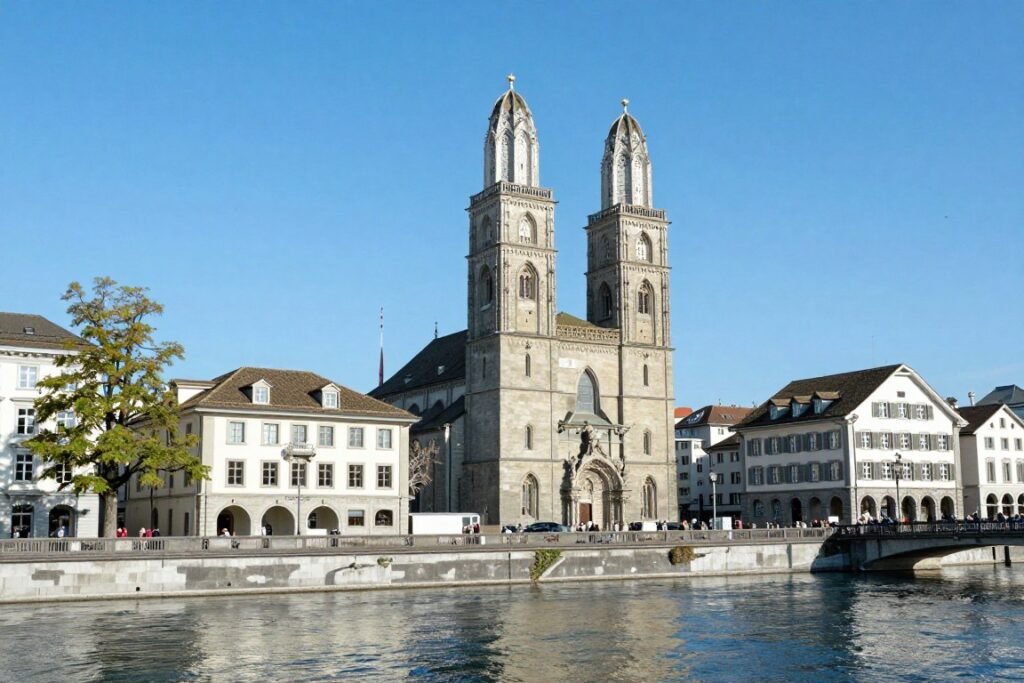
The twin towers of Grossmünster define Zurich’s skyline and represent the city’s most recognizable landmark. This Romanesque Protestant church played a pivotal role in the Swiss Reformation during the 16th century when reformer Huldrych Zwingli preached here.
The church’s austere interior reflects Protestant simplicity, though modern stained glass by Sigmar Polke adds contemporary artistic flair. Climbing the 187 steps to Karlsturm tower rewards visitors with breathtaking 360-degree views across the city, lake, and distant Alps.
Legend claims Charlemagne founded the church on the graves of Zurich’s patron saints Felix and Regula. The Romanesque crypt dates to the 11th century and contains remnants of earlier structures. Bronze doors and the cloister display intricate medieval craftsmanship.
Fraumünster Church
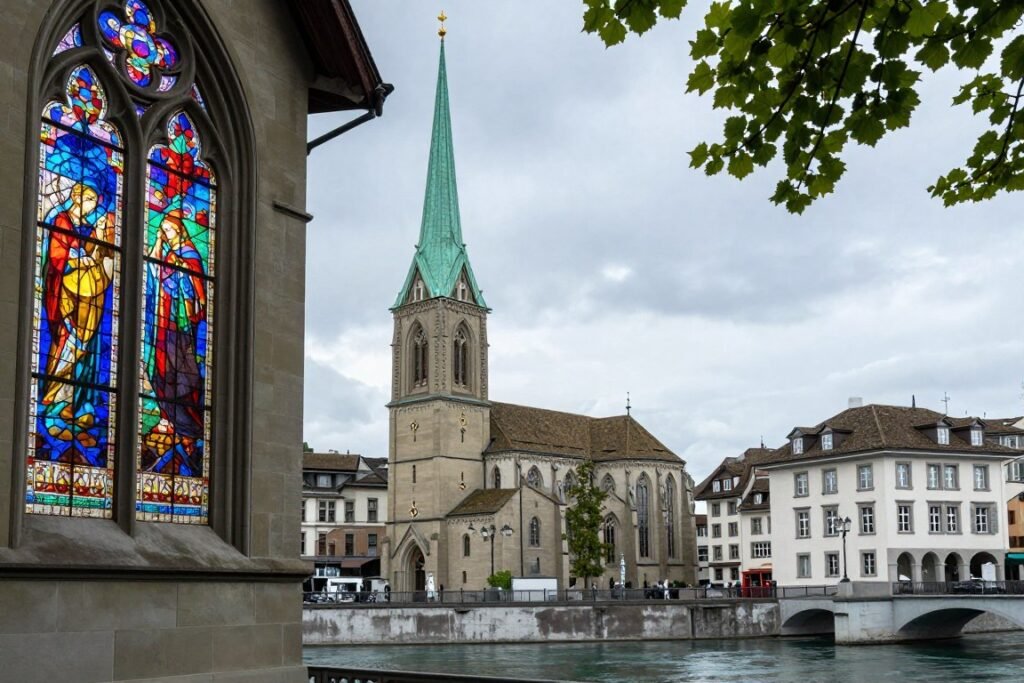
Fraumünster captivates art lovers with its stunning stained glass windows created by Marc Chagall in 1970. The Russian-French artist designed five luminous windows that bathe the choir in ethereal colored light. Each window features a dominant hue and depicts biblical stories in Chagall’s dreamlike style.
Founded in 853 by King Louis the German for aristocratic women, the church originally served as an abbey for European nobility. The convent wielded considerable power in medieval Zurich, with abbesses minting coins and holding jurisdiction over the city.
Paul Bodmer’s frescoes in the cloister portray the church’s legendary founding. The Gothic structure’s graceful lines contrast beautifully with the modern artwork inside. A seventh window by Augusto Giacometti glows in the transept with geometric patterns.
St. Peter's Church
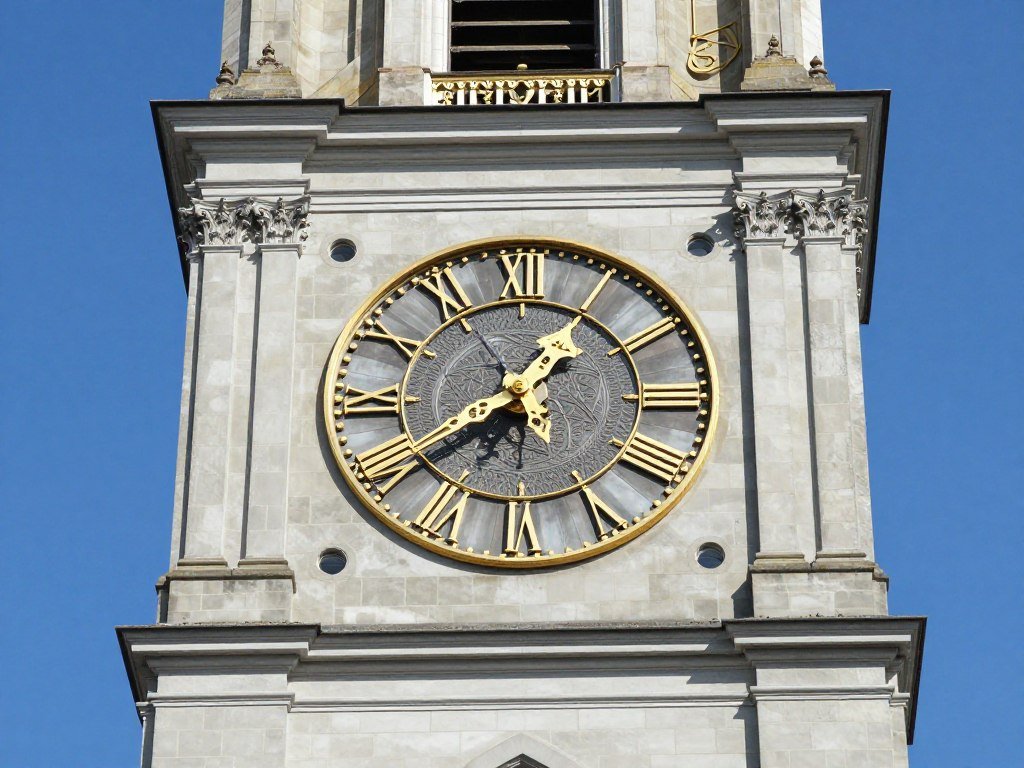
St. Peter’s Church claims fame for Europe’s largest clock face, measuring an impressive 8.64 meters in diameter. This timepiece has served as Zurich’s official clock since the 13th century, with all other public clocks once required to match its time.
The church itself predates the famous clock, with origins in the 9th century. The current Baroque structure dates to the late 17th century and features an elegant interior with pale stone columns and ornate stucco work.
The massive minute hand stretches 5.73 meters long, making it visible from considerable distances across the Old Town. The tower rises from medieval foundations and offers another excellent viewpoint over the historic district.
World-Class Museums: Art and Culture
Zurich’s museum scene rivals major European capitals with collections spanning art, history, science, and culture. The city hosts over 50 museums, many offering free or reduced admission with the Zurich Card.
Swiss National Museum
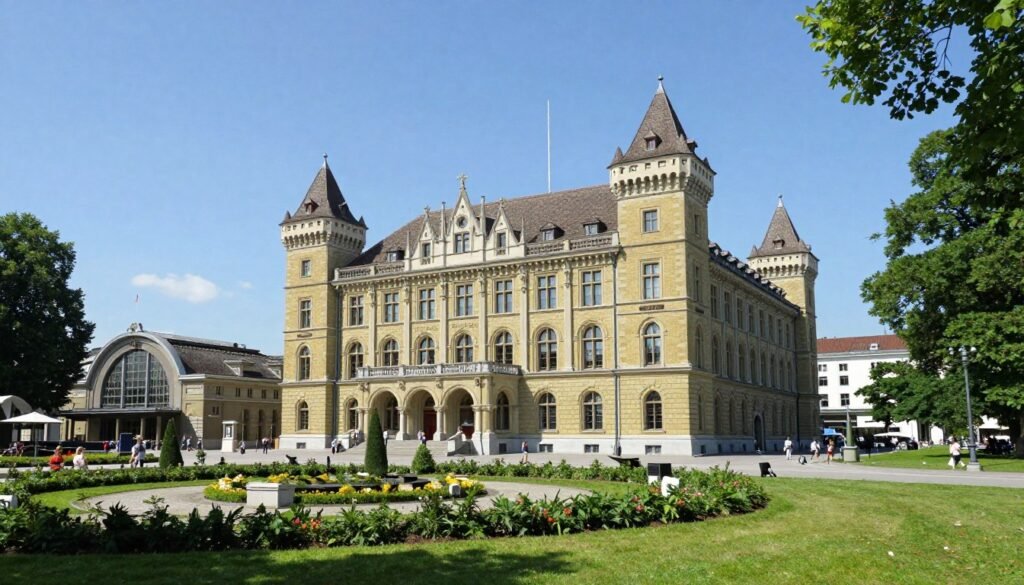
The Swiss National Museum occupies a fairytale castle-like building near the main train station. This institution showcases Switzerland’s cultural history from prehistoric times through the present day, making it essential for understanding the country’s heritage.
Permanent exhibitions cover Swiss archaeology, medieval art, weapons, textiles, and everyday objects spanning centuries. Interactive displays engage visitors of all ages with multimedia presentations. The museum recently expanded with a stunning modern wing that contrasts beautifully with the historic structure.
Highlights include intricate carved wooden interiors from historic Swiss homes, a comprehensive weapon collection, and religious artifacts. The museum shop sells quality Swiss-made crafts and design objects. Platzspitz Park behind the building provides lovely grounds for a post-visit stroll.
Kunsthaus Zürich
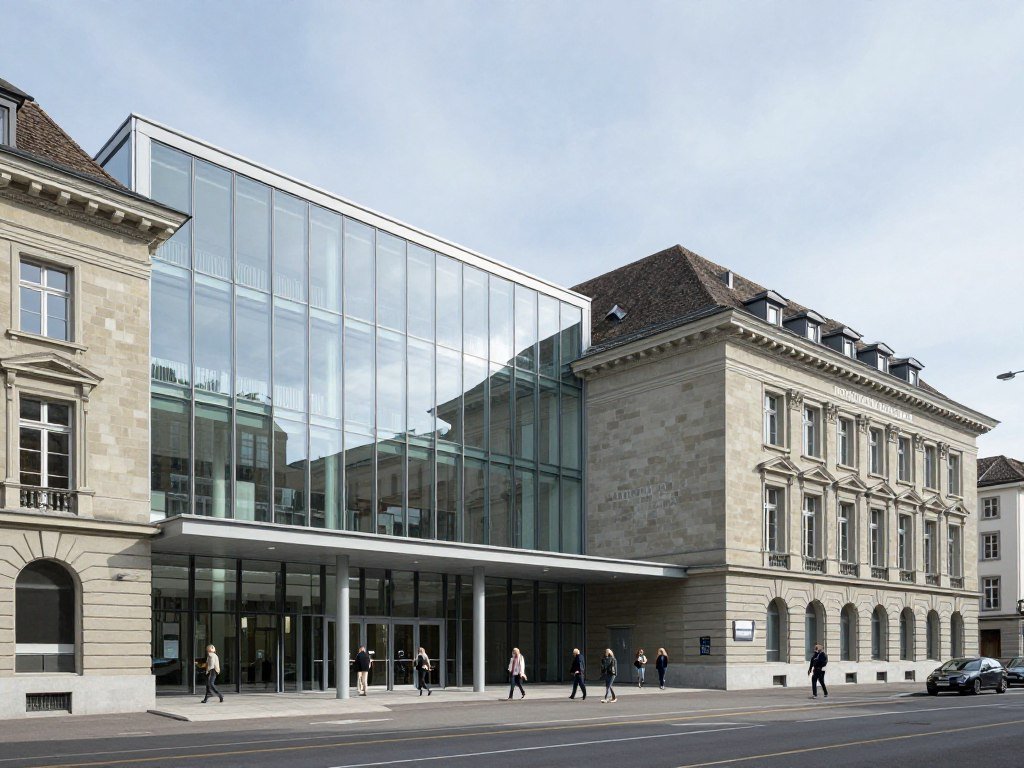
Kunsthaus Zürich ranks among Europe’s most important art museums, housing an exceptional collection from the Middle Ages to contemporary works. The museum holds Switzerland’s largest art collection and features rotating exhibitions by international artists.
The collection includes the world’s largest Edvard Munch holdings outside Norway, with masterpieces by the expressionist painter. Works by Monet, Picasso, Chagall, and other impressionist and modern masters fill multiple galleries. Swiss artists including Alberto Giacometti receive comprehensive representation.
Recent expansion added 5,000 square meters of exhibition space in a striking new building. The museum balances old masters with cutting-edge contemporary art, ensuring something for every taste. Special exhibitions attract art lovers from across Europe.
Museum Rietberg
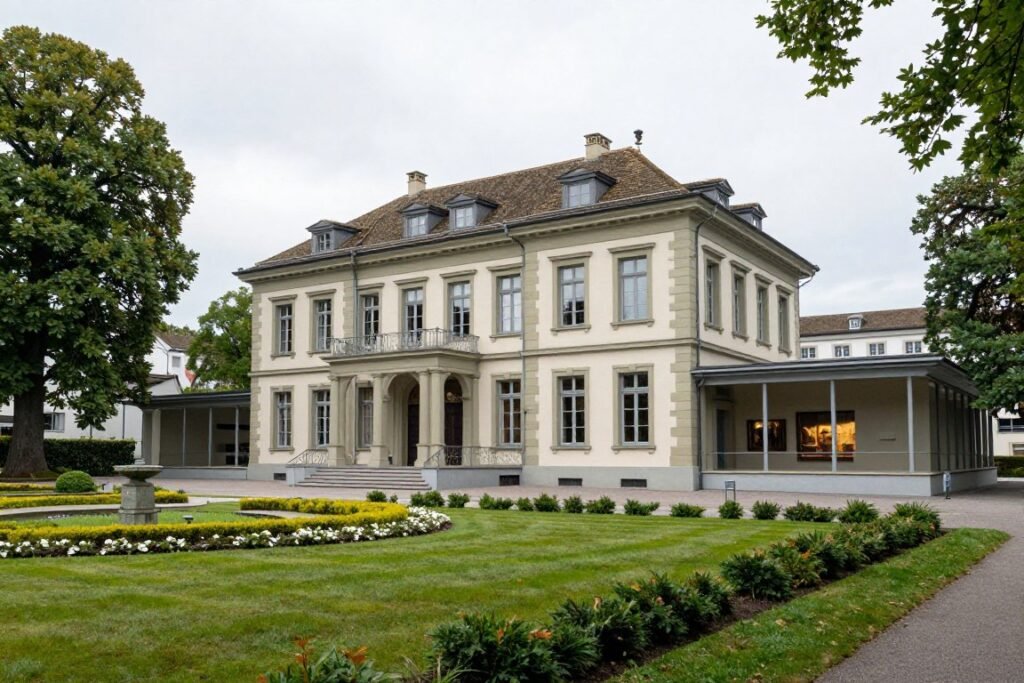
Museum Rietberg focuses exclusively on non-European art and cultures, making it unique in Switzerland. The collection spans Asian, African, American, and Oceanic art across several centuries, offering perspectives rarely seen in European institutions.
Three historic villas and a modern underground extension house the collection. Buddhist sculptures from Asia, African masks, pre-Columbian artifacts, and Pacific Island carvings create a global artistic journey. The museum’s park setting enhances the contemplative experience.
Temporary exhibitions explore specific cultures or artistic movements in depth. The museum cafe overlooks Rieter Park’s gardens, perfect for reflection after viewing the collections. Sculptures dot the surrounding parkland, blending art with nature.
More Museums Worth Visiting
- FIFA Museum – soccer history and interactive exhibits
- Museum of Design – contemporary design and visual arts
- Zoological Museum – natural history collections
- Clock Museum – Swiss watchmaking heritage
- Cabaret Voltaire – birthplace of Dada art movement
- Haus Konstruktiv – concrete and constructivist art
Museum Visit Tips
- Many museums close Mondays – plan accordingly
- Zurich Card includes free admission to 40+ museums
- Audio guides available in multiple languages
- Museum shops offer quality Swiss souvenirs
- Cafes in museums provide lunch options
- Check websites for special evening openings
Lake Zurich: Waterfront Pleasures
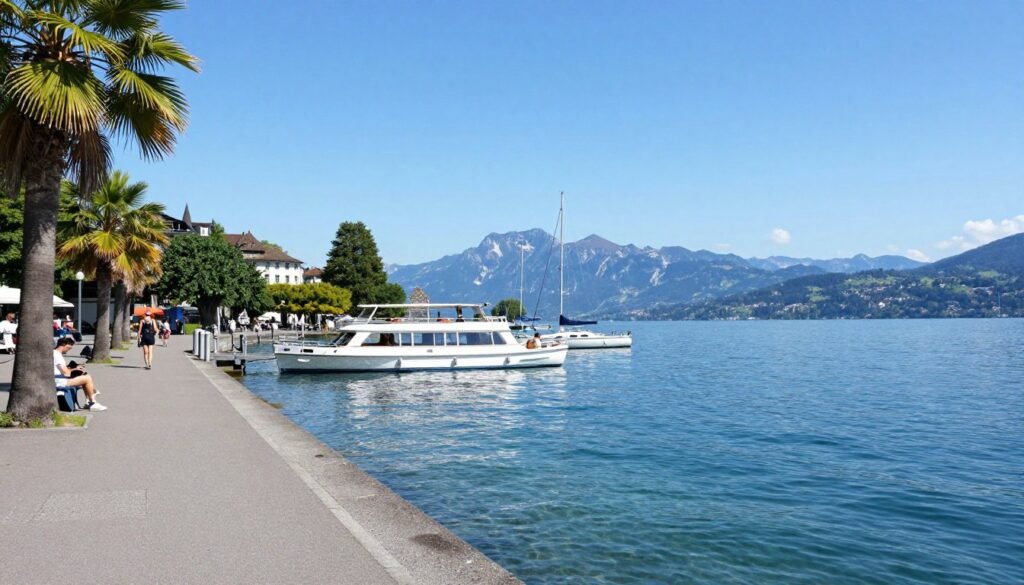
Lake Zurich serves as the city’s sparkling centerpiece, offering recreational activities, stunning scenery, and a refreshing escape from urban streets. The crescent-shaped lake stretches 40 kilometers with the city occupying its northern tip.
Lake Cruises and Boat Tours
Passenger boats operate regular services across Lake Zurich from April through October. These vessels function as both public transport and scenic leisure cruises, connecting lakeside towns and villages. The Zurich Card covers many boat routes, making water travel an economical option.
Short cruises last 90 minutes and circle the city’s immediate lakefront, offering views of elegant villas, parks, and the Old Town skyline. Longer excursions venture to charming villages like Rapperswil, where a medieval castle overlooks the water. Some boats feature onboard restaurants serving Swiss specialties.
Sunset cruises provide romantic experiences as alpenglow paints the surrounding peaks. Fondue cruises combine sightseeing with traditional cheese dining. Brunch boats operate on Sundays, offering buffet meals while touring the lake.
Lake Zurich Cruise Experience
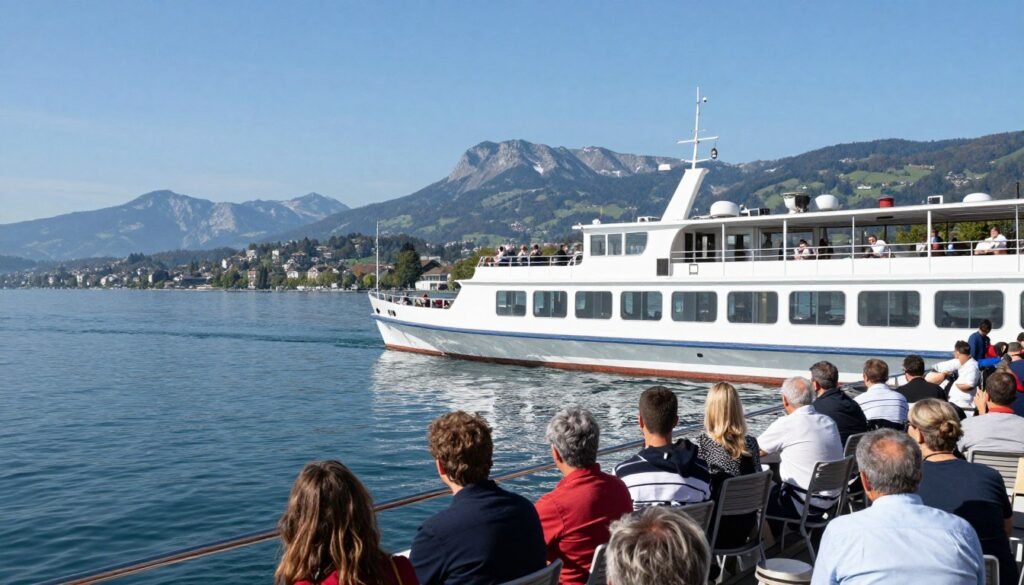
A lake cruise offers unbeatable perspectives of Zurich’s setting between water and mountains. Most routes depart from Bürkliplatz near the city center, with hourly service during peak season. Choose from short city tours or longer journeys exploring the full lake length.
- 90-minute city circuit – perfect introduction
- 2-hour cruises to nearby lakeside villages
- 4-hour excursions to Rapperswil castle town
- Onboard refreshments and meals available
Swimming in the Lake
Lake Zurich maintains excellent water quality, with numerous public bathing areas inviting swimmers during summer months. The water temperature reaches comfortable levels from June through September, typically 20-24°C.
Lakeside lidos provide changing facilities, lockers, and lawn areas for sunbathing. Many offer diving platforms, water slides, and beach volleyball courts. The most popular spots include Mythenquai, Tiefenbrunnen, and China Garden beach.
Lakeside Promenade
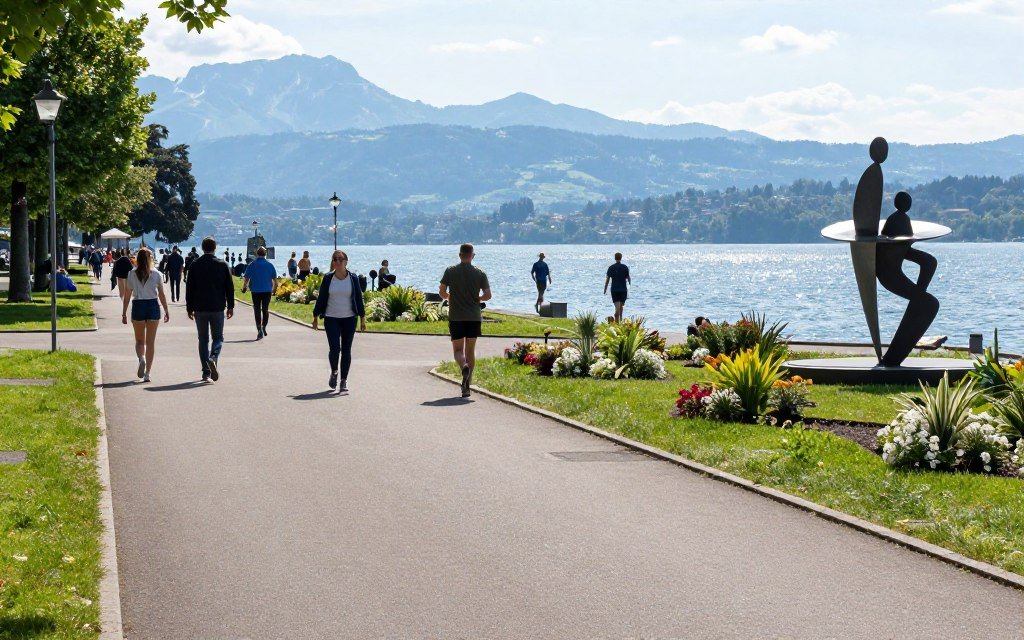
A continuous promenade follows both sides of the lake for kilometers, creating perfect walking and cycling routes. The path passes parks, sculptures, cafes, and viewing points. Street performers and artists gather near Bürkliplatz during summer weekends.
The eastern shore promenade stretches from the city center to Tiefenbrunnen and beyond. Joggers favor this scenic route, especially during golden hour. The western shore offers equally pleasant pathways with different perspectives across the water.
Uetliberg: Zurich's Local Mountain
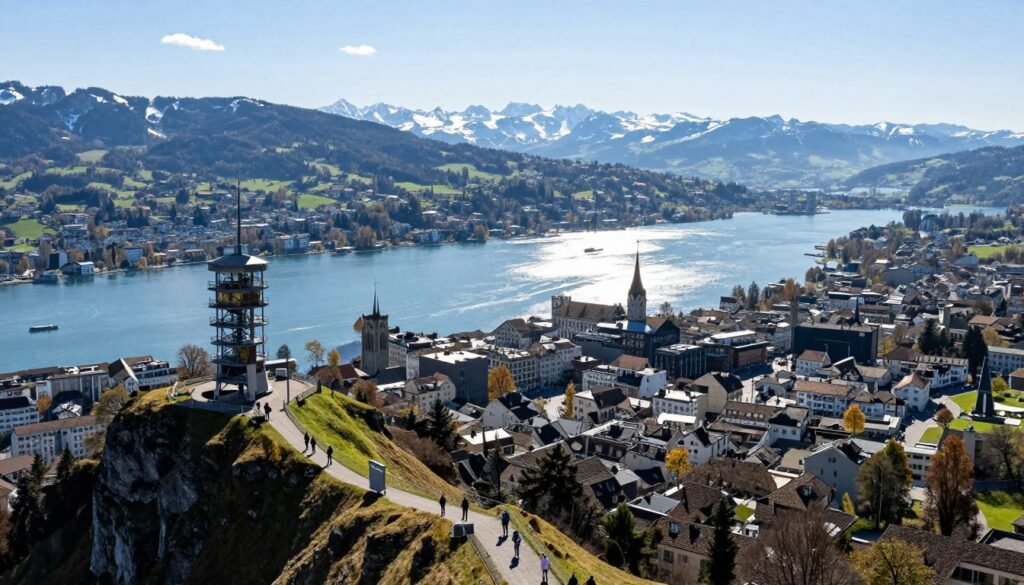
Uetliberg provides Zurich residents with a backyard mountain retreat just 20 minutes from the city center. Rising 871 meters above sea level, this peak offers spectacular panoramas across the city, lake, and distant Alpine peaks.
Reaching the Summit
Regular trains depart from Zurich main station to Uetliberg, making the ascent effortless. The journey climbs through forests and meadows, with views improving as elevation increases. From the final station, a 10-minute walk on a paved path reaches the summit area.
The observation tower at the top adds another 72 meters of height, delivering even more impressive vistas. On clear days, the view extends to distant peaks including Säntis and the Glarus Alps. Sunset draws crowds who come to watch the city lights begin twinkling below.
Hiking Trails
An extensive network of marked trails crisscrosses Uetliberg’s slopes, ranging from easy walks to more challenging mountain hikes. The Planet Trail offers a unique experience, following a scale model of the solar system from Uetliberg to Felsenegg. Each planet sits at proportional distances along the two-hour route.
Forest paths provide shaded hiking during summer heat. Wildflowers carpet meadows in spring and early summer. Winter trails remain open when snow falls, with the restaurant offering warm drinks after cold-weather walks.
Mountain Restaurant
The summit restaurant serves Swiss specialties and international dishes with unbeatable views. The terrace accommodates large numbers during pleasant weather. Inside dining provides refuge when conditions turn unfavorable.
The Uto Kulm hotel allows visitors to spend the night on the mountain. Waking to sunrise over the Alps makes for an unforgettable experience. The hotel restaurant offers higher-end dining than the self-service summit facility.
Best Times to Visit
- Sunrise – watch city wake up
- Midday – clearest visibility
- Sunset – magical alpenglow
- Night – twinkling city lights
What to Bring
- Camera for panoramic photos
- Jacket – cooler at summit
- Comfortable walking shoes
- Sunscreen in summer
Trail Options
- Summit circuit – 30 minutes
- Planet Trail – 2 hours
- Felsenegg descent – 1.5 hours
- City return hike – 2 hours
Swiss Chocolate: Sweet Temptations

Switzerland’s chocolate reputation is legendary, and Zurich delivers world-class confections at historic chocolatiers and modern chocolate museums. The city provides multiple opportunities to taste, learn about, and experience Swiss chocolate culture.
Lindt Home of Chocolate
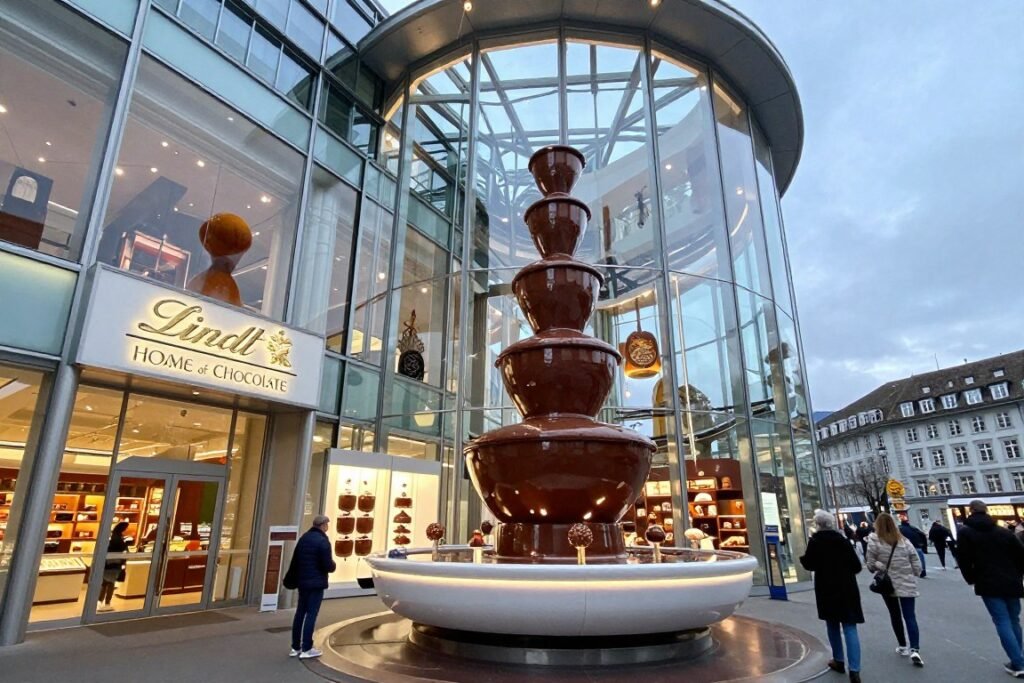
The Lindt Home of Chocolate museum opened in 2020 as the ultimate chocolate lover’s destination. This state-of-the-art facility combines interactive exhibits, chocolate-making demonstrations, and the world’s largest chocolate fountain, standing over nine meters tall.
Interactive exhibits trace chocolate’s journey from cacao bean to finished bar. Visitors learn about Lindt’s history and Swiss chocolate-making traditions. The museum shop offers the complete Lindt range, including exclusive products unavailable elsewhere. A café serves chocolate-based treats and beverages.
Tickets must be booked in advance as the museum maintains capacity limits. The location in Kilchberg sits just 15 minutes from downtown by public transport. Lake ferries also stop nearby, making the journey part of the experience.
Lindt Chocolate Museum Visit
Experience the complete Lindt chocolate story through multimedia exhibits and interactive displays. Watch master chocolatiers demonstrate their craft. Marvel at the world’s largest chocolate fountain. Sample fresh chocolates and create your own personalized Lindt bar.
- 2-3 hour recommended visit duration
- Includes chocolate tastings throughout
- Create personalized chocolate bar
- Massive shop with exclusive products
- Café serving chocolate specialties
Important: Tickets sell out weeks in advance during peak season. Book early to avoid disappointment.
Historic Chocolatiers
Zurich’s traditional chocolate shops provide intimate experiences and handcrafted confections. These establishments maintain centuries-old recipes and techniques, creating chocolates that represent Swiss artisanal excellence.
Confiserie Sprüngli
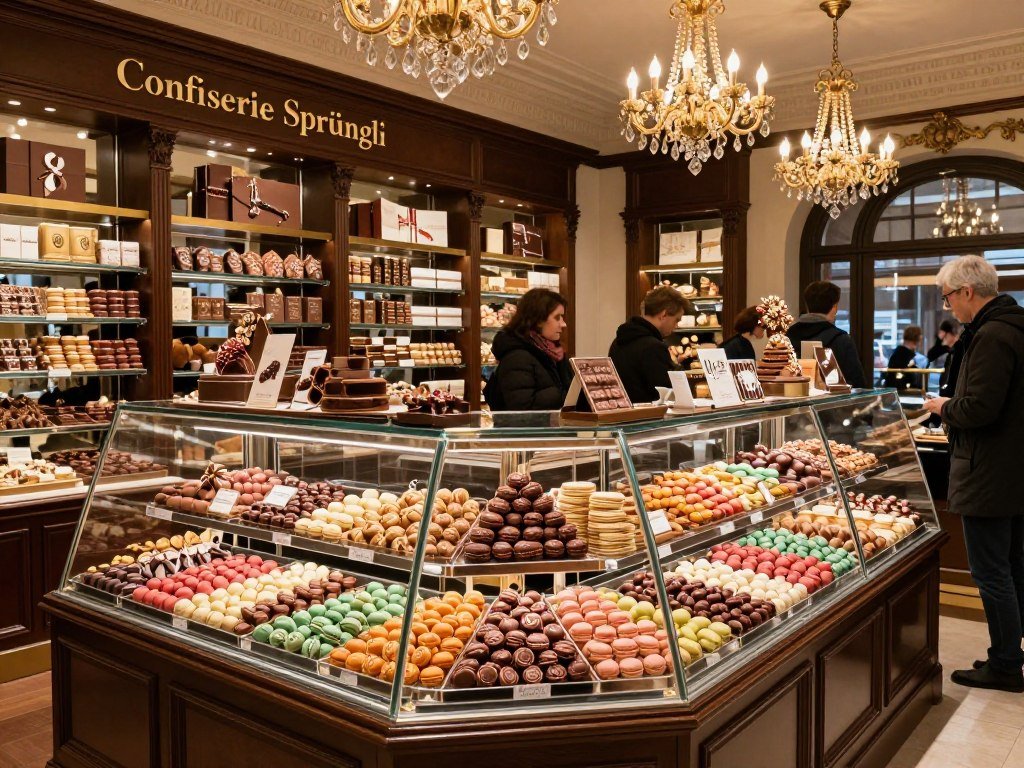
Sprüngli has crafted chocolate in Zurich since 1836, becoming a city institution. The flagship store at Paradeplatz attracts both tourists and locals who queue for the famous Luxemburgerli macarons. These delicate treats come in numerous flavors and represent Zurich’s signature confection.
The shop’s chocolate selection includes pralines, truffles, and seasonal specialties. A café upstairs serves breakfast, lunch, and afternoon tea with views over busy Paradeplatz. The hot chocolate ranks among Zurich’s finest.
Teuscher
Teuscher specializes in champagne truffles, made with Dom Pérignon and fresh cream. These ganache-filled chocolates melt instantly on the tongue. The shop eschews preservatives, meaning chocolates must be consumed within days of purchase.
The elegant Storchengasse location maintains old-world charm with wood fixtures and careful presentation. Staff offer samples and expert guidance through the selection. Gift boxes make excellent souvenirs for chocolate connoisseurs.
Läderach
Läderach popularized FrischSchoggi (fresh chocolate), a Swiss innovation featuring chocolate bark loaded with nuts, fruits, and other ingredients. Visitors watch staff break fresh slabs and package custom selections. The shop smells intoxicating with cocoa and roasted hazelnuts.
Chocolate Walking Tours
Guided chocolate tours combine tastings at multiple shops with historical background about Swiss chocolate traditions. These tours visit family chocolatiers, explain different chocolate-making methods, and sample various styles from milk to dark chocolate.
Tours typically include 10-12 tastings, providing enough chocolate to constitute lunch. Guides share stories about Zurich’s chocolate heritage and the city’s role in establishing Swiss chocolate’s worldwide reputation.
Bahnhofstrasse: World-Class Shopping
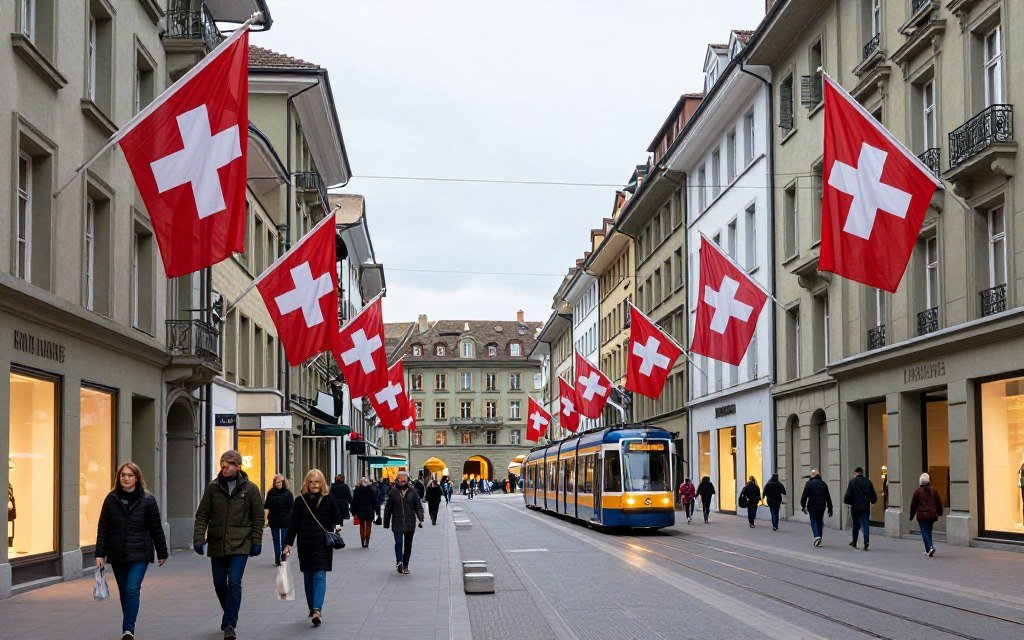
Bahnhofstrasse ranks among the world’s most expensive and exclusive shopping streets. This grand boulevard stretches 1.4 kilometers from the main train station to Lake Zurich, lined with luxury brands, department stores, and Swiss watchmakers.
Luxury Shopping Experience
Every major luxury brand maintains a presence on Bahnhofstrasse. Flagship stores showcase the latest collections in architect-designed spaces. Window displays change seasonally with elaborate presentations that draw crowds even during closing hours.
Swiss watch brands dominate certain stretches, offering timepieces ranging from accessible to astronomical in price. Rolex, Patek Philippe, Omega, and dozens of other makers present their finest creations. Many stores welcome browsers, though serious buyers receive VIP treatment in private salons.
Department Stores
Jelmoli occupies a massive building midway along Bahnhofstrasse, offering multiple floors of fashion, home goods, and a food hall. The rooftop restaurant provides lunch with city views. Manor and Globus department stores present similar variety with different focuses.
These stores offer more accessible price points alongside luxury goods. The cosmetics floors rival Parisian grands magasins. Food halls stock Swiss specialties perfect for gifts or picnic supplies.
Swiss Watches and Jewelry
Zurich serves as the gateway to Swiss watchmaking, and Bahnhofstrasse showcases this heritage. Bucherer operates multiple locations, including a flagship near Paradeplatz. The stores function as museums, displaying rare vintage pieces alongside current collections.
Expert staff explain complications, movements, and heritage. Even window shopping provides education in horological excellence. Some stores offer watch servicing and will ship purchases internationally with proper documentation.
Shopping Tips for Bahnhofstrasse
- Tax-free shopping available for non-EU visitors – bring your passport
- Most stores close Sundays except during special shopping weekends
- Late shopping available Thursdays until 9 PM
- Window shopping costs nothing and offers people-watching entertainment
- Side streets offer more affordable boutiques and Swiss brands
- Christmas decorations transform the street into a winter wonderland
Get Your Free Zurich Travel Planning Guide
Download our comprehensive Zurich travel checklist with day-by-day itineraries, money-saving tips, local restaurant recommendations, transportation hacks, and insider secrets from experienced travelers. Plus receive our monthly newsletter with special deals and travel inspiration.
Swiss Cuisine: Traditional Flavors
Zurich’s culinary scene extends far beyond chocolate and cheese, though these staples remain essential to the Swiss food experience. The city offers traditional Alpine dishes alongside international cuisine reflecting its cosmopolitan character.
Must-Try Swiss Dishes
Cheese Fondue
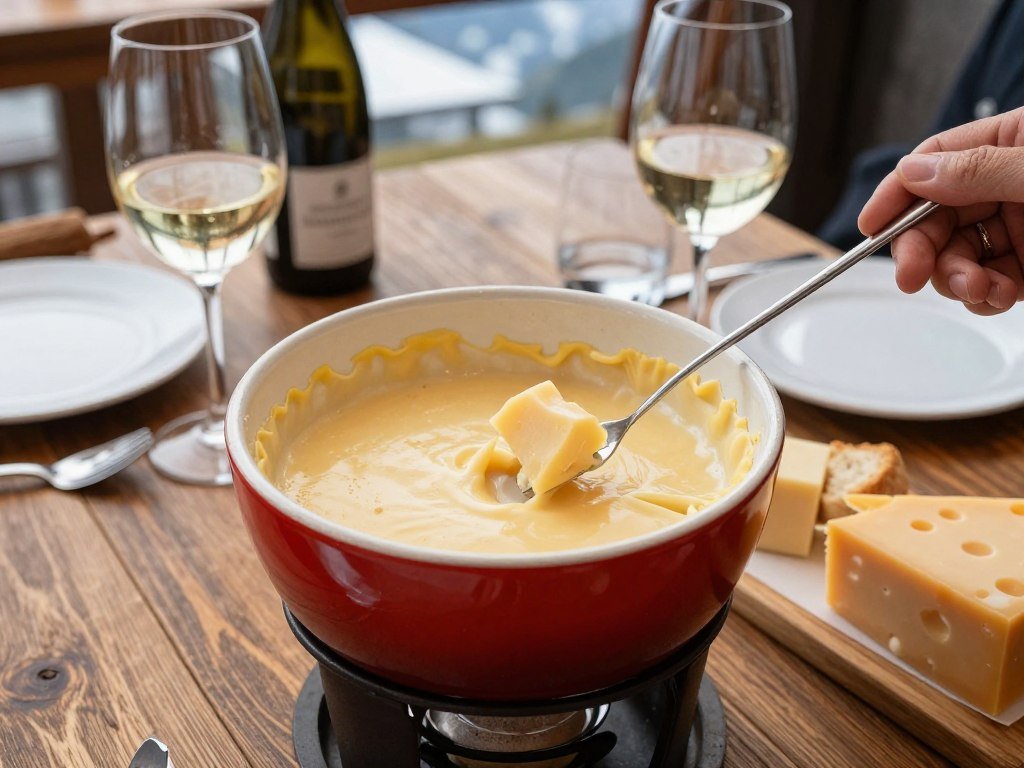
No visit to Zurich is complete without experiencing cheese fondue. This communal dish combines melted Gruyère and Emmentaler cheeses with white wine, garlic, and a touch of kirsch brandy. Diners spear bread cubes on long forks and swirl them through the molten cheese.
Fondue originated as a peasant dish using stale bread and aged cheese during winter months when fresh food was scarce. Today it represents Switzerland’s most iconic culinary tradition. Restaurants serve fondue in traditional caquelon pots over small burners.
Raclette
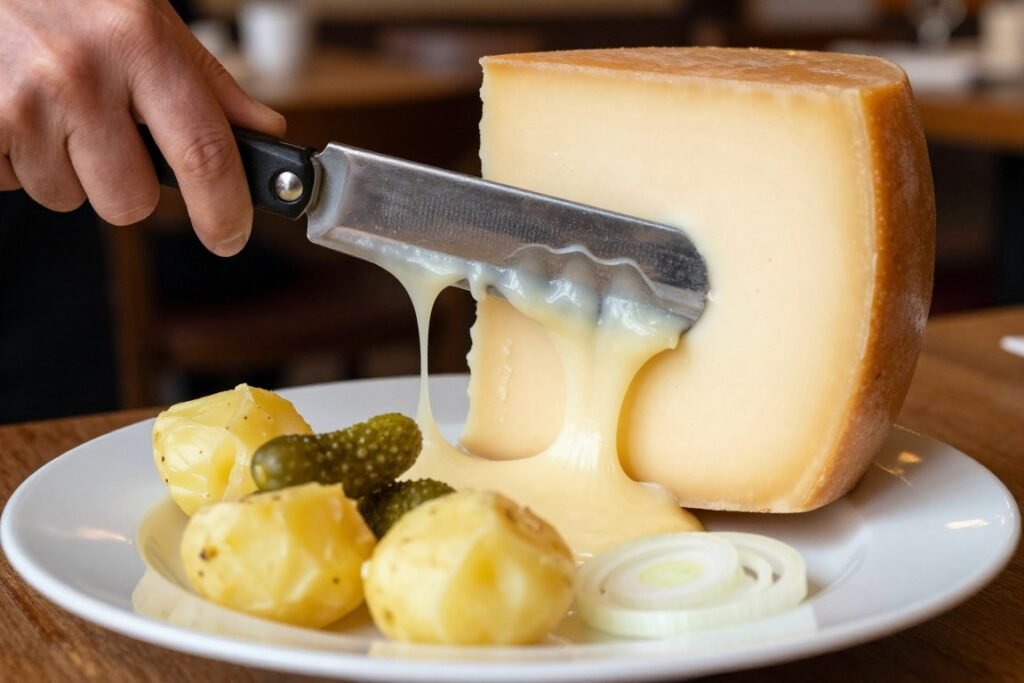
Raclette involves melting a half-wheel of cheese and scraping the molten portion onto boiled potatoes, pickles, and onions. The name comes from the French “racler” meaning “to scrape.” Alpine shepherds originally melted cheese by their fires during cold mountain nights.
Modern raclette restaurants provide individual grills allowing diners to melt cheese at their own pace. The dish pairs perfectly with Swiss white wine or beer. Raclette Factory in the Old Town offers casual raclette dining at reasonable prices.
Rösti
Rösti, Switzerland’s answer to hash browns, consists of grated potatoes pan-fried until golden and crispy. Originally a farmer’s breakfast in German-speaking Switzerland, rösti now appears on menus throughout the day. It serves as a side dish or base for various toppings.
The best rösti achieves a delicate balance – crispy exterior with tender potato inside. Restaurants top it with everything from fried eggs and bacon to mushrooms and melted cheese. Sternen Grill near the lake serves excellent rösti variations.
Traditional Restaurants
Zeughauskeller
This atmospheric restaurant occupies a 15th-century armory, with vaulted ceilings, wooden beams, and medieval character. The menu focuses on hearty Swiss-German fare including various sausages, schnitzel, and rösti variations. Portions are generous and prices reasonable for the location.
Swiss Chuchi
Swiss Chuchi specializes in fondue and raclette, offering multiple cheese combinations. The rustic interior features wood paneling and traditional Alpine decor. Staff patiently explain proper fondue etiquette to first-timers. Located in the Old Town, it attracts both tourists and locals.
Zunfthaus zur Waag
This historic guild house restaurant serves refined Swiss cuisine in elegant surroundings. The building dates to 1315, with period details and formal service. The menu elevates traditional dishes with modern techniques. Reservations are recommended for dinner.
Affordable Dining Options
Hiltl
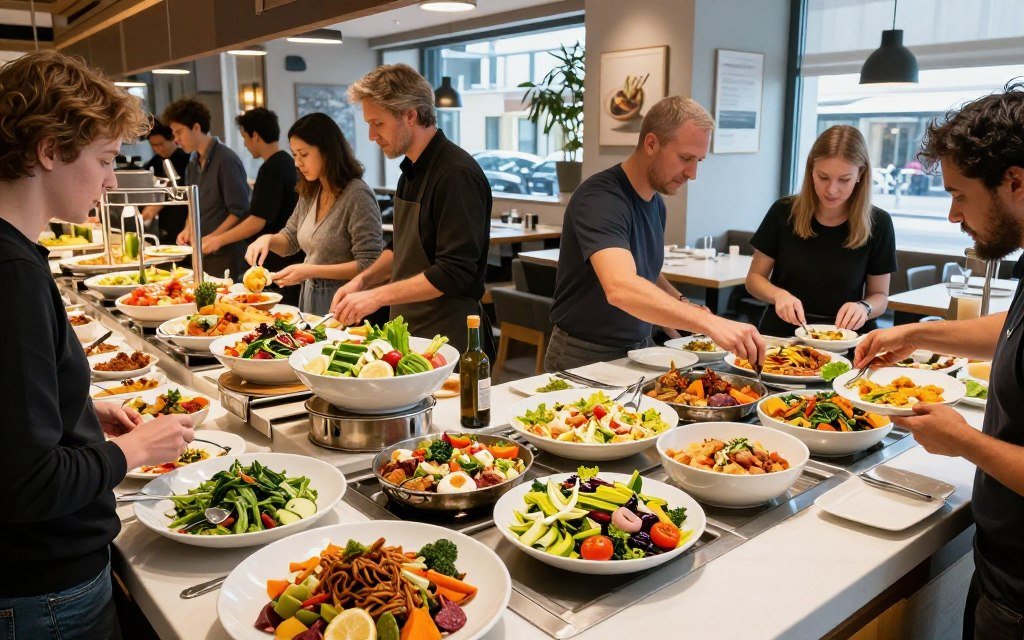
Hiltl holds the Guinness World Record as the world’s oldest vegetarian restaurant, operating since 1898. The massive buffet offers over 100 dishes from salads to curries to desserts. Diners pay by weight, allowing budget control.
The restaurant spans multiple floors with different dining areas including a bar, formal restaurant, and casual buffet zones. Quality remains consistently high despite the volume. Even carnivores appreciate the variety and freshness. A second location operates near the train station.
Sternen Grill
This beloved takeaway stand near Bellevue serves outstanding bratwurst and currywurst to late-night crowds. Lines form on weekends but move quickly. The sausages are grilled to order and served with crusty bread and mustard. Prices are remarkably low for Zurich.
Manor Food Halls
Department store food halls provide quality prepared food, salad bars, and hot dishes at reasonable prices. The top-floor restaurants offer city views while serving everything from sushi to pizza. Self-service format keeps costs down.
Nightlife: After Dark Entertainment
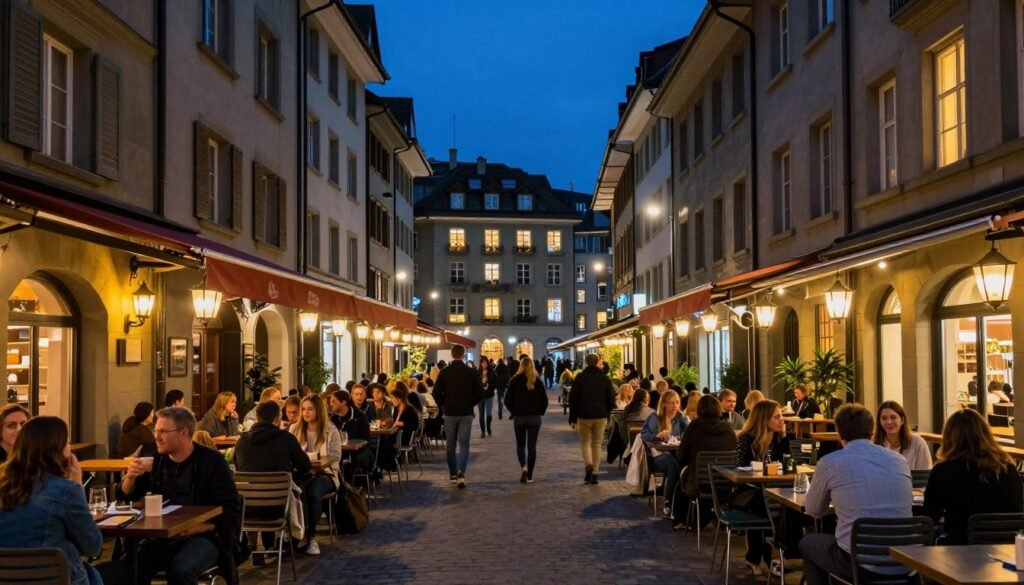
When darkness falls, Zurich transforms into a surprisingly vibrant nightlife destination. The city offers options ranging from sophisticated cocktail bars to underground clubs, historic beer halls to rooftop lounges.
Trendy Bar Districts
Langstrasse
Langstrasse represents Zurich’s edgiest nightlife district, packed with diverse bars, clubs, and late-night eateries. This multicultural neighborhood attracts artists, students, and young professionals. The area feels grittier than polished downtown but offers authentic local atmosphere.
Bars range from dive bars to craft cocktail lounges. Street art covers building facades. The district stays lively until early morning hours on weekends. While generally safe, exercise normal urban caution late at night.
Niederdorf
The Old Town’s Niederdorf district offers more traditional nightlife with historic buildings housing modern bars. Outdoor seating fills narrow lanes during summer months. The atmosphere skews slightly touristy but remains enjoyable.
Rooftop Bars and Lounges
Clouds Bar
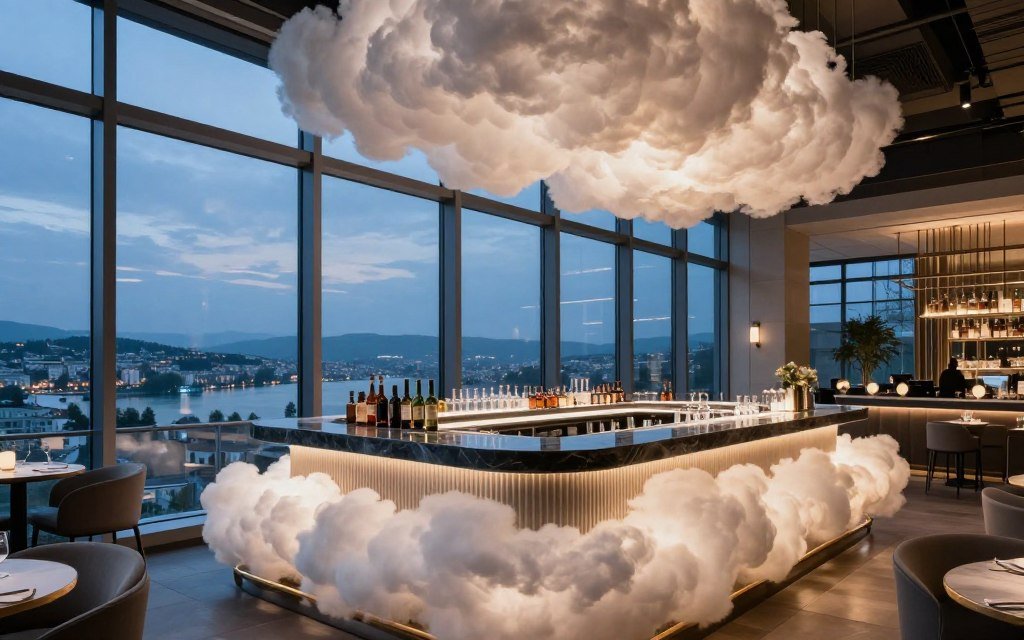
Clouds occupies the top floor of Prime Tower, Switzerland’s tallest building. Floor-to-ceiling windows provide spectacular 360-degree views across the city, lake, and mountains. The sophisticated atmosphere attracts a well-dressed crowd willing to pay premium prices for the setting.
Cocktails are expertly crafted though expensive by any standard. The adjacent restaurant serves fine dining if drinks lead to dinner. Sunset timing offers magical light as the city transitions from day to night. Reservations recommended for window tables.
Dachterrasse Hiltl
The vegetarian restaurant Hiltl operates a rooftop terrace bar serving creative cocktails alongside its food offerings. The more casual vibe and reasonable prices make it accessible. Views extend across Old Town’s rooftops. Open only during warmer months.
Historic and Unique Venues
Widder Bar
Widder Bar ranks among Zurich’s most atmospheric cocktail bars, located in the boutique Widder Hotel. The space occupies medieval vaulted cellars with stone walls and intimate lighting. Live piano music plays most evenings. The cocktail list includes classics and innovative house creations.
Old Crow
This speakeasy-style bar channels 1920s prohibition era atmosphere with period decor and classic cocktails. Bartenders take their craft seriously, using quality spirits and fresh ingredients. The intimate space fills quickly on weekends.
Frau Gerolds Garten
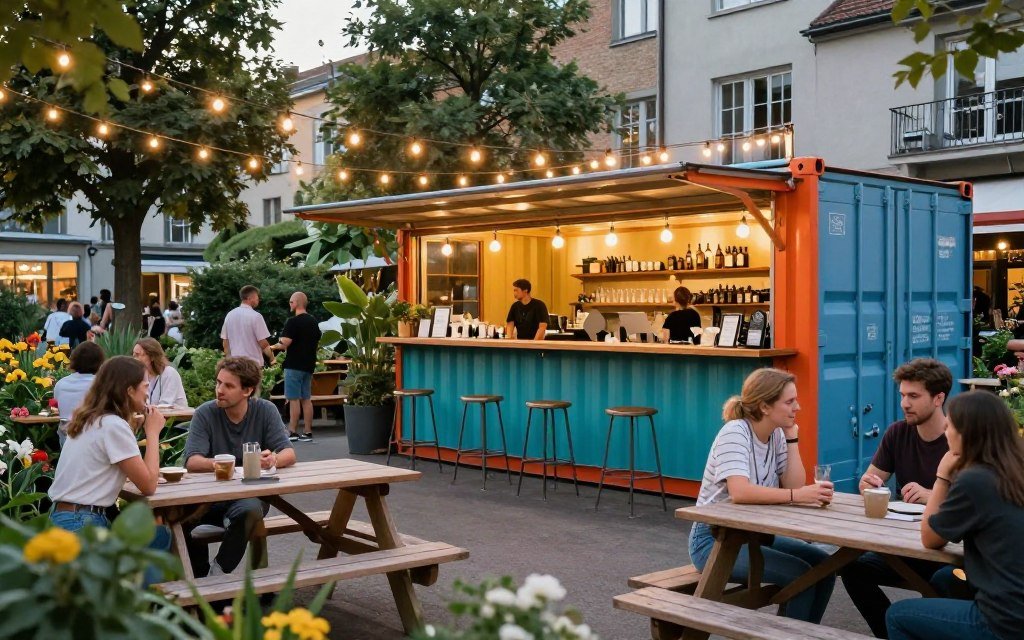
This unique urban garden occupies repurposed shipping containers and industrial space near rail tracks. Outdoor seating dominates during summer when the place transforms into Zurich’s coolest beer garden. Small shops occupy some containers. Street food vendors rotate regularly.
The casual atmosphere attracts diverse crowds from students to professionals. Prices remain reasonable for central Zurich. DJs play on weekends. The setting feels very un-Swiss in the best possible way.
Dance Clubs
Zurich’s club scene caters to electronic music fans with venues ranging from intimate spaces to large warehouse-style clubs. Admission prices vary widely, typically CHF 15-30. Most clubs don’t get busy until after midnight on weekends.
Zukunft specializes in electronic and experimental music in an industrial setting. Mascotte offers multiple floors with different music styles. Hive Club books international DJs for underground techno events. Dress codes generally lean smart casual.
Parks and Gardens: Urban Nature

Zurich provides abundant green space despite its urban density. Parks ranging from formal gardens to wild meadows offer relaxation, recreation, and natural beauty within city limits.
Chinese Garden
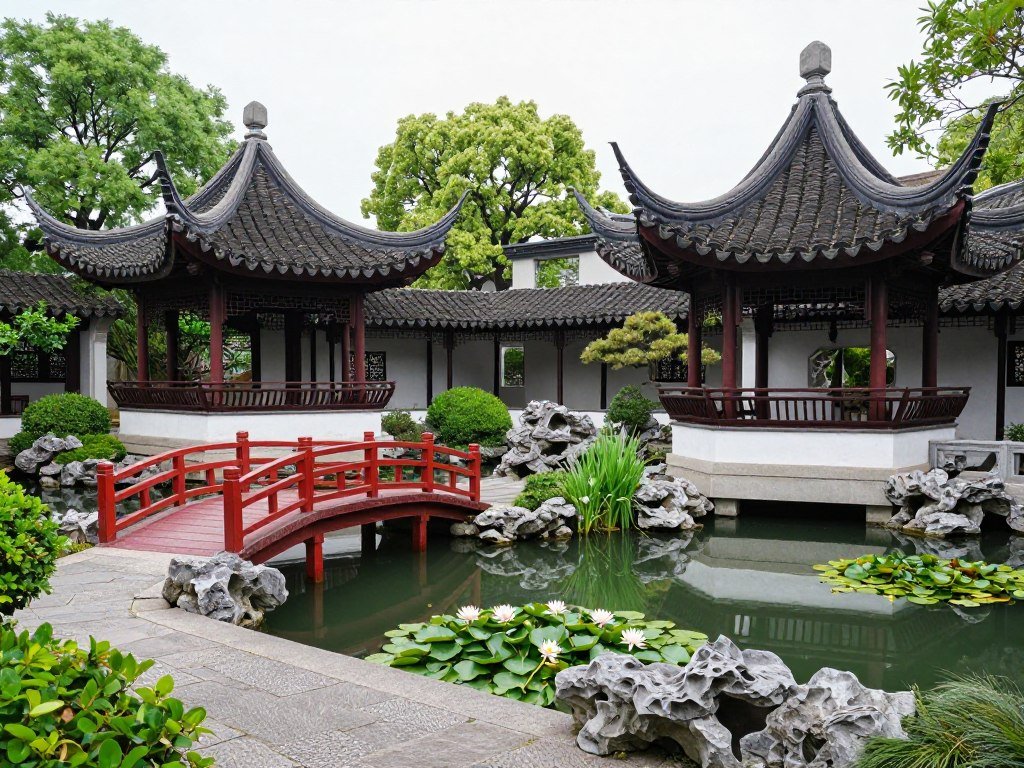
This authentic Chinese garden along the lake represents a gift from Zurich’s sister city Kunming. Pavilions, bridges, and carefully arranged rocks follow classical Chinese garden principles. The space provides serene escape from urban bustle.
A small admission fee maintains the garden. Visitors remove shoes before entering pavilions. The pond contains koi and water lilies. Cherry blossoms create stunning displays in spring. A tea house serves Chinese tea and snacks.
Botanical Garden
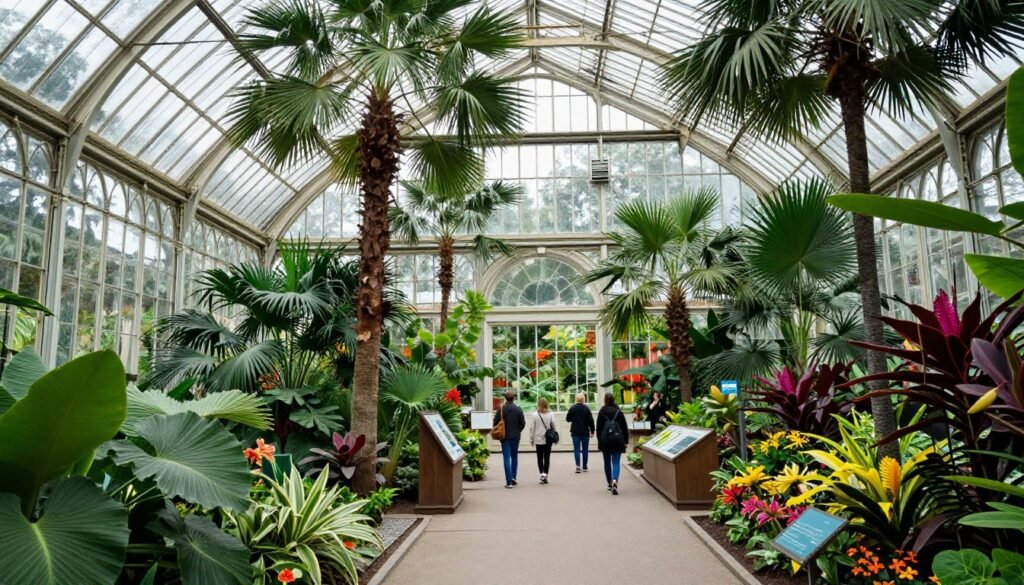
The University of Zurich’s Botanical Garden cultivates over 15,000 plant species across multiple environments. Three climate-controlled domes house tropical, subtropical, and savanna plants. Outdoor gardens feature alpine flowers, medicinal herbs, and geographic plantings.
A large pond attracts frogs, ducks, and other wildlife. Benches throughout allow quiet contemplation. The garden offers free admission and serves as a popular local hangout. Guided tours explain plant collections and conservation efforts.
Rieter Park
This large park surrounds Museum Rietberg and climbs a hillside overlooking the city. Mature trees shade winding paths. Sculptures dot the grounds, extending the museum’s collection outdoors. The rose garden peaks in June and July.
Locals use the expansive lawns for picnics and sunbathing. Children’s playgrounds occupy one section. The park’s elevation provides views across the city. Villa Wesendonck, where Richard Wagner once lived, occupies a prominent position.
Lakeside Parks
Multiple parks line both shores of Lake Zurich, creating a green necklace around the waterfront. These spaces blend manicured lawns with natural shoreline. Most include children’s play areas, barbecue facilities, and swimming access.
Arboretum park preserves rare and heritage trees with informational plaques. Zurichhorn Park hosts outdoor theater and concerts during summer. Enge Park features large open lawns perfect for volleyball and frisbee.
Cable Car Adventures: Scenic Viewpoints

Several cable car systems operate near Zurich, lifting visitors to elevated viewpoints. These rides combine practical transport with spectacular scenery, offering different perspectives on the region’s landscape.
Felsenegg Cable Car
The Felsenegg cable car departs from Adliswil, reached by a short train ride from central Zurich. The journey ascends 800 meters in just five minutes, delivering passengers to a summit station with panoramic views across the lake and city.
A restaurant at the top serves traditional Swiss dishes on a terrace with outstanding vistas. Hiking trails connect to other peaks including a scenic route to Uetliberg. The cable car operates year-round, though schedules reduce during winter.
The Zurich Card provides discounted cable car tickets. Sunset timing creates special lighting conditions. Photographers should ride during midday for the clearest visibility.
Rigiblick Funicular
This short funicular climbs steeply through a residential neighborhood to the Rigiblick viewpoint and restaurant. The journey takes only a few minutes but gains significant elevation. Views from the top extend over the city and northward.
The restaurant serves classic Swiss cuisine in an elegant setting. The outdoor terrace maximizes the vista. A small park at the summit provides space for short walks.
Planning Your Cable Car Visit
What to Bring
- Camera with charged battery
- Light jacket – temperatures drop with elevation
- Sunglasses and sunscreen
- Comfortable shoes for walking
- Zurich Card for discounts
Best Conditions
- Clear days offer best visibility
- Early morning reduces crowds
- Sunset creates dramatic lighting
- Avoid foggy or rainy days
- Winter offers snow-covered peaks
Unforgettable Day Trips from Zurich
Zurich’s central location makes it an ideal base for exploring Switzerland’s most spectacular destinations. Efficient train connections and organized tours put Alpine peaks, medieval towns, and natural wonders within easy reach for day trips.
Jungfraujoch: Top of Europe
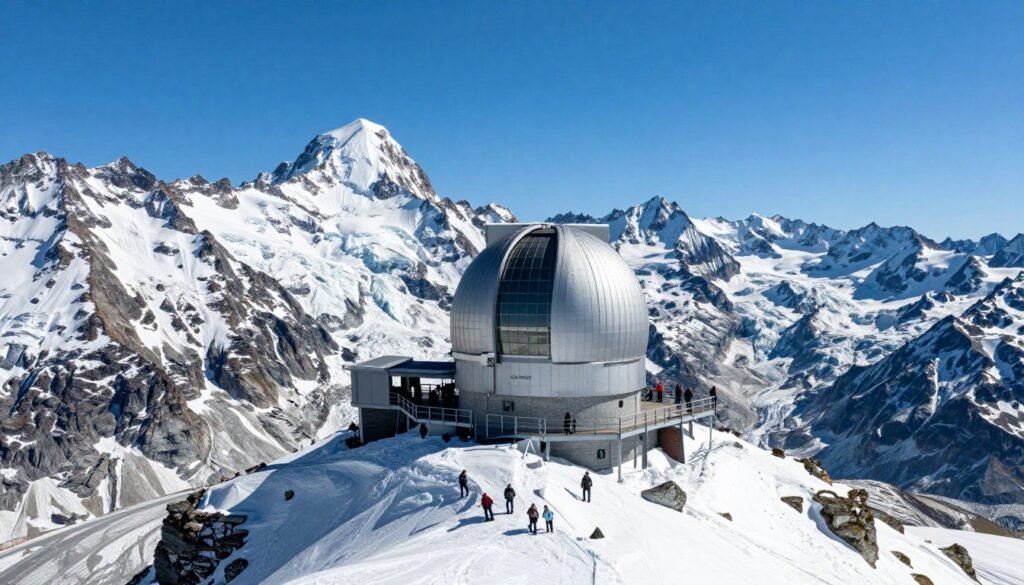
Jungfraujoch stands as one of Switzerland’s most iconic destinations, reached by cogwheel train climbing to 3,454 meters altitude. The station bills itself as the “Top of Europe” and delivers truly spectacular Alpine scenery.
The journey from Zurich takes approximately three hours each way via Interlaken and Lauterbrunnen. Trains climb through meadows and forests before entering tunnels blasted through the Eiger mountain itself. Viewing windows allow glimpses of the dramatic north face.
At the summit, multiple attractions await. The Sphinx Observatory provides 360-degree views of the surrounding peaks and the massive Aletsch Glacier, Europe’s longest. An ice palace carved into the glacier features sculptures and tunnels. Restaurants serve meals at Europe’s highest altitude dining.
The thin air at this elevation affects many visitors. Take time to acclimatize before attempting stairs or physical activity. Dress in warm layers as temperatures remain below freezing year-round. Sunglasses and sunscreen are essential due to intense UV reflection off snow.
Jungfraujoch Day Trip from Zurich
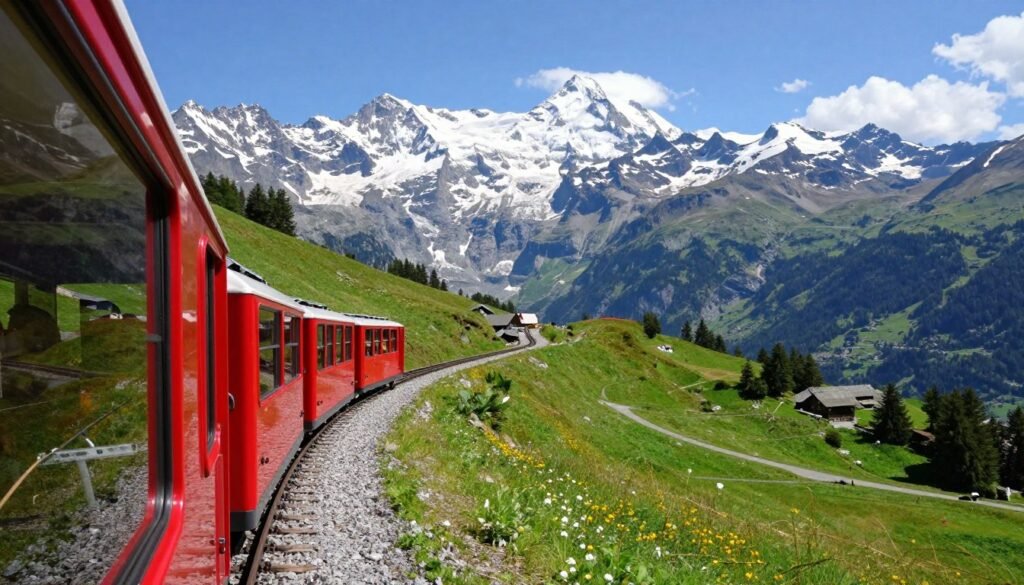
Experience the magnificent Swiss Alps on this full-day excursion to Jungfraujoch. Travel by scenic train through the Bernese Oberland, ascending to Europe’s highest railway station. Enjoy panoramic views of the Aletsch Glacier and surrounding 4,000-meter peaks.
- Round-trip train journey from Zurich
- Entrance to Top of Europe attractions
- Ice Palace and Sphinx Observatory access
- Time to explore at your own pace
- Professional guide provides commentary
- Full day tour approximately 10-12 hours
Price from $388 per person
Lucerne and Mount Pilatus
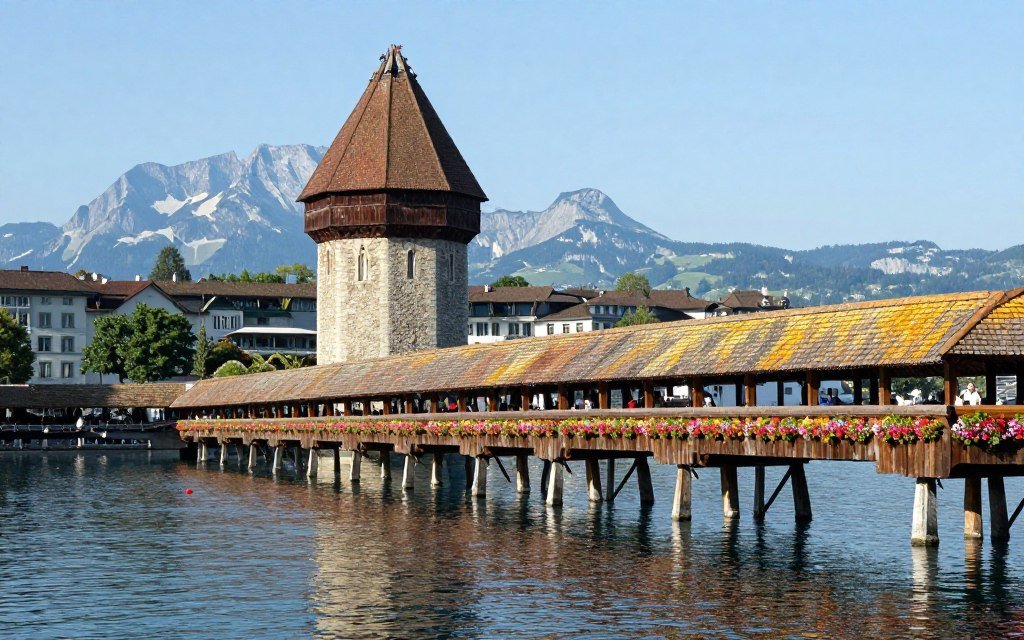
Lucerne combines medieval charm with mountain access, making it one of Switzerland’s most popular destinations. The journey from Zurich takes just 50 minutes by train, passing through scenic countryside.
Lucerne’s old town centers around the iconic Chapel Bridge, a covered wooden footbridge dating to the 14th century. Painted panels under the roof depict scenes from Swiss history. The adjacent Water Tower served as a prison and torture chamber in medieval times.
The sorrowful Lion Monument commemorates Swiss Guards killed during the French Revolution. Carved into a sandstone cliff, the dying lion remains one of Switzerland’s most photographed sculptures. Nearly parkland provides quiet reflection space.
Mount Pilatus looms over Lucerne, accessible by the world’s steepest cogwheel railway. The train climbs at gradients reaching 48%, with views improving at every turn. Summit facilities include restaurants, viewing platforms, and hiking trails. The descent can be made by cable car and boat, creating a panoramic round trip.
Rhine Falls
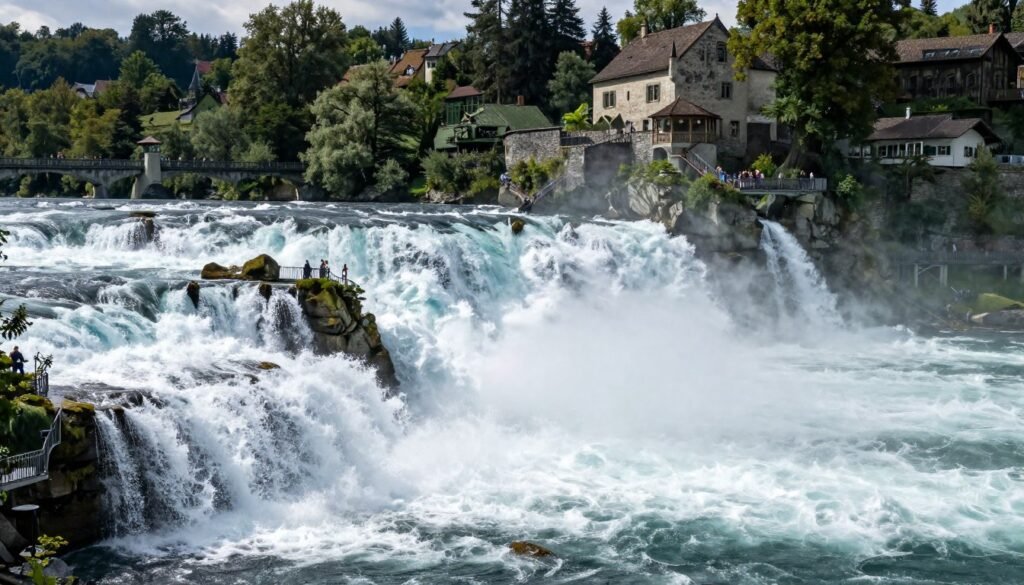
Europe’s most powerful waterfall crashes just 50 minutes north of Zurich near Schaffhausen. Rhine Falls spans 150 meters wide and drops 23 meters, creating a thunderous spectacle visible and audible from considerable distance.
Multiple viewing platforms on both banks provide different perspectives. The best views come from platforms accessed by boat, which navigate remarkably close to the falls. Spray drenches observers who venture nearest. A large rock sits in the center of the falls, accessible by boat with stairs to its summit.
Laufen Castle perches on a cliff overlooking the falls, housing a restaurant and exhibition about the river and waterfall formation. The surrounding park includes walking trails through forests. Visit during spring when snowmelt swells the volume, creating maximum drama.
Rhine Falls and Stein am Rhein Tour
Discover Europe’s largest waterfall and one of Switzerland’s prettiest medieval towns on this half-day excursion. Stand close to the thundering Rhine Falls and explore the perfectly preserved painted houses of Stein am Rhein.
- Rhine Falls viewing platform access
- Optional boat ride to falls (additional cost)
- Guided walk through Stein am Rhein
- Round-trip coach transport from Zurich
- 4-5 hour tour duration
Price from $110 per person
Grindelwald and Interlaken
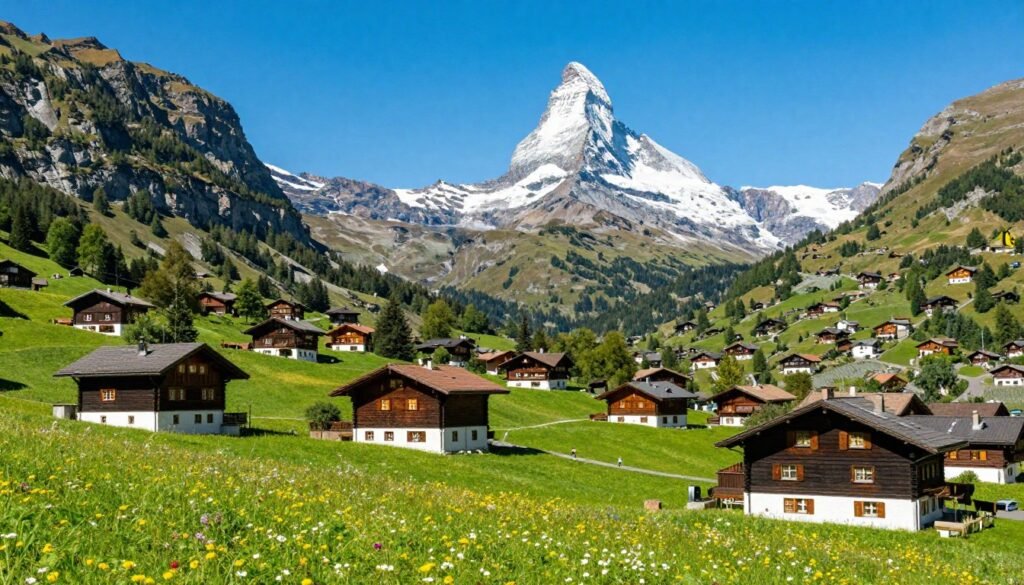
The Jungfrau region offers some of Switzerland’s most dramatic mountain scenery. Grindelwald serves as the gateway to this Alpine wonderland, with the imposing Eiger North Face dominating the skyline. The village retains traditional Swiss character despite tourism development.
Cable cars ascend from Grindelwald to First, a summit offering hiking trails, mountain coasters, and zip lines. The views encompass glaciers, peaks, and valleys. Summer visitors find meadows covered in wildflowers, while winter brings world-class skiing.
Interlaken occupies a valley between two lakes, acting as a transportation hub for the region. The town offers shopping, dining, and adventure sports booking. Paragliders launch from surrounding peaks, landing on meadows near the town center.
Lauterbrunnen Valley features 72 waterfalls cascading from sheer cliffs. The valley inspired Tolkien’s Rivendell and remains one of Switzerland’s most photogenic locations. The cable car to Mürren provides access to more high-altitude trails and views.
Mount Titlis and Engelberg
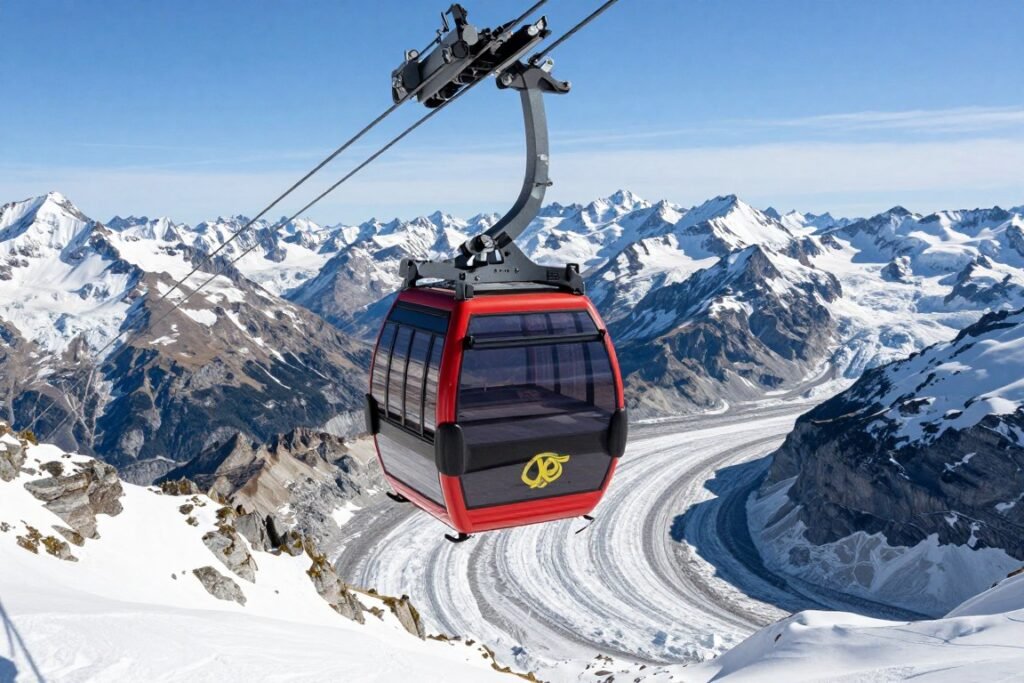
Mount Titlis rises to 3,238 meters and can be reached via a series of cable cars from the valley town of Engelberg. The final stage uses the world’s first rotating cable car, completing a full 360-degree turn during the ascent for panoramic views.
The summit offers year-round snow and glacier attractions. A cliff walk suspension bridge spans a 500-meter deep ravine. Ice Grotto tunnels lead through the glacier’s interior. Restaurants and viewing platforms provide comfortable spaces to absorb the Alpine grandeur.
Engelberg itself warrants exploration, with a magnificent Benedictine monastery dating to 1120. The abbey church displays impressive Baroque architecture. The town offers more affordable dining than summit restaurants.
Explore More Swiss Day Trips
Switzerland’s efficient rail network and stunning scenery make it perfect for day trip adventures. From Alpine peaks to medieval towns, experience the best of Switzerland from your Zurich base.
Unique Zurich Experiences
Beyond standard tourist attractions, Zurich offers distinctive experiences that provide deeper insight into Swiss culture and local life. These activities reveal different aspects of the city’s character.
Public Bathhouses
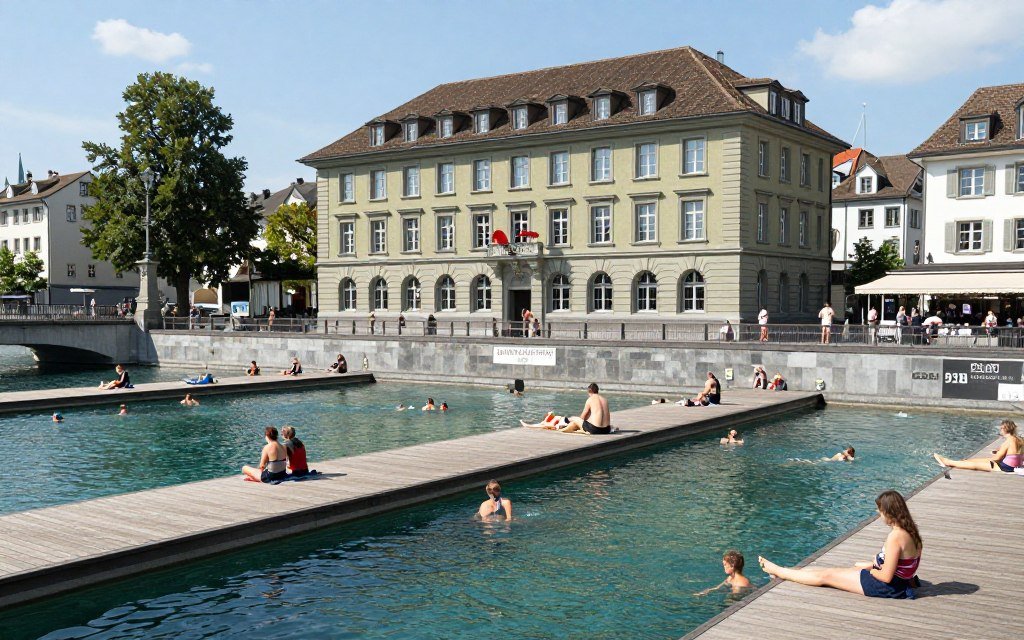
Zurich’s public river baths represent a unique urban swimming tradition dating back over 150 years. These facilities occupy platforms built over the Limmat River, allowing swimmers to enter directly from wooden docks.
Frauenbad Stadthausquai serves women only during daytime hours but transforms into a bar welcoming all genders on select evenings. Männerbad at Schanzengraben caters exclusively to men. Both charge nominal entrance fees and provide lockers, changing facilities, and areas for sunbathing.
The river’s current requires reasonable swimming ability. Water temperature refreshes during summer but never becomes truly warm. Locals consider these baths essential to Zurich summer culture. The experience provides an authentic glimpse into local leisure habits.
Public Fountains
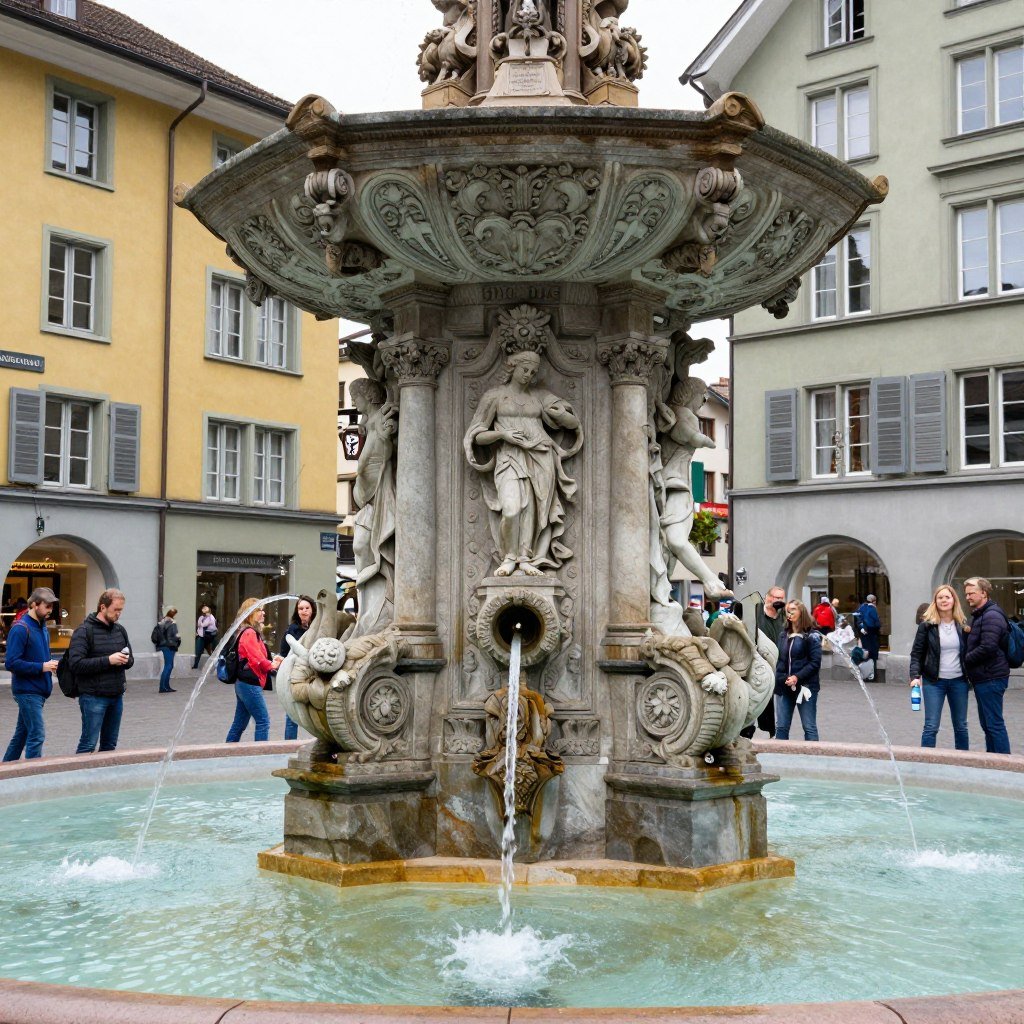
Over 1,200 public fountains dot Zurich’s streets and squares, serving both practical and aesthetic purposes. These fountains deliver fresh drinking water straight from nearby mountains, eliminating the need to buy bottled water.
Many fountains feature artistic designs by renowned sculptors. Some date back centuries and represent important historical figures or events. The fountains function year-round, even during winter when special heating systems prevent freezing.
Locals routinely fill water bottles at fountains during walks or bike rides. The water quality meets or exceeds bottled water standards. Each fountain tells a story through its decoration and location, making fountain-spotting an engaging activity.
Street Parade
Every August, Europe’s largest techno music parade transforms Zurich into one massive open-air party. The Street Parade attracts over one million visitors who dance through the streets to electronic music blasted from elaborate floats called “Love Mobiles.”
The parade follows a route around the lake, with dozens of floats representing different music styles and themes. Participants dress in colorful, often outrageous costumes. The atmosphere remains remarkably peaceful and positive despite the enormous crowds.
Stages set up around the city feature DJs and live performances throughout the day and into the night. The event is free to attend, though accommodation becomes expensive and scarce. Book hotels months in advance if planning to attend.
Sechseläuten Spring Festival
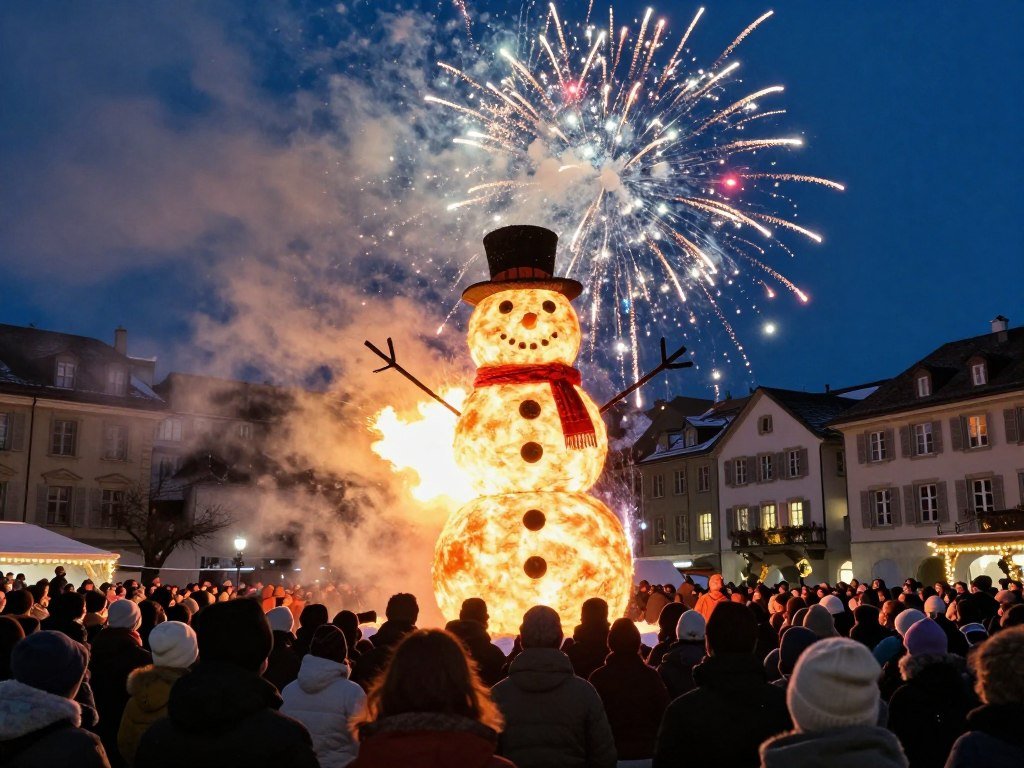
This traditional spring festival celebrates winter’s end with a ritual burning of a snowman effigy called the Böögg. According to legend, the faster the Böögg’s head explodes, the better the summer weather will be.
The festival begins with a parade of guild members in historical costumes. Children participate in a smaller parade the previous day. The main event occurs on the third Monday of April when the Böögg burns at 6 PM, surrounded by thousands of spectators.
Guild members ride horses around the burning figure as it explodes spectacularly. The entire city follows the event via television, with betting on the explosion time. The festival represents living history connecting modern Zurich to its medieval guild traditions.
Family-Friendly Activities
Zurich welcomes families with numerous attractions and activities designed for children. The city combines education with entertainment, keeping young visitors engaged while parents enjoy the experience.
Zoo Zürich
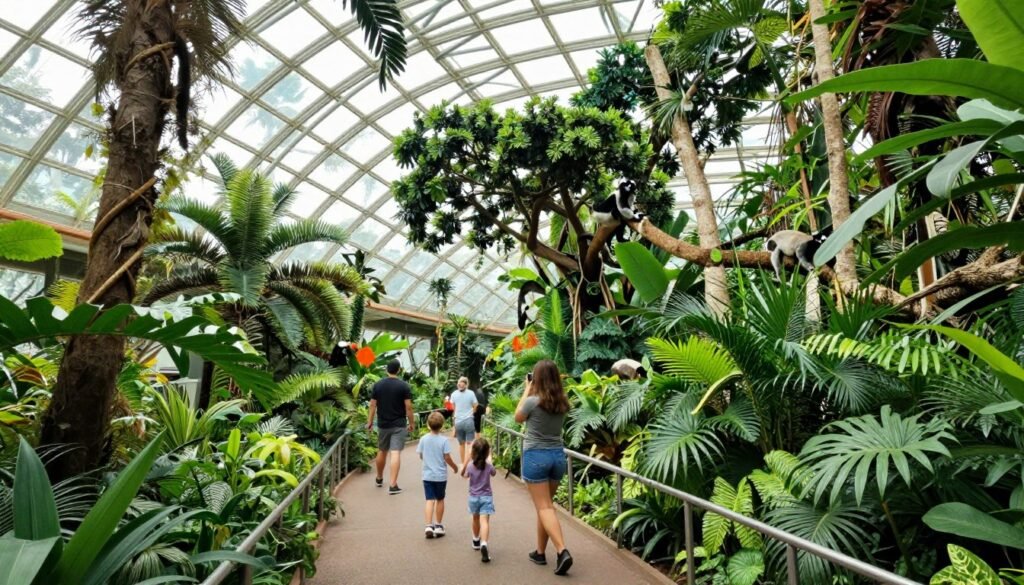
Zoo Zürich ranks among Europe’s finest zoological institutions, housing over 360 species in thoughtfully designed habitats. The zoo emphasizes conservation and education while providing engaging experiences for all ages.
The Masoala Rainforest Hall recreates Madagascar’s ecosystem under an enormous dome. Visitors walk through genuine rainforest environment where lemurs leap overhead and exotic birds fly freely. Temperature and humidity match tropical conditions.
The Kaeng Krachan Elephant Park provides Thailand-inspired habitat for Asian elephants with both indoor and outdoor areas. Underwater viewing allows watching elephants swim. Penguin and monkey exhibits draw constant crowds.
Interactive zones let children learn through hands-on activities. Feeding times throughout the day show animals’ natural behaviors. The zoo restaurant offers kid-friendly meals with views over animal enclosures. Plan at least half a day to see highlights.
Swiss Science Center Technorama
Located in nearby Winterthur, this hands-on science museum encourages children to experiment and discover scientific principles through interactive exhibits. Over 500 stations explore physics, chemistry, and biology through play.
Children can create lightning, make giant bubbles, and explore illusions. The museum’s philosophy emphasizes learning through direct experience rather than reading explanations. Exhibits work equally well for different age groups from toddlers to teenagers.
The outdoor area features more large-scale experiments with water, sound, and mechanics. Demonstrations throughout the day showcase spectacular phenomena. Plan several hours as children rarely want to leave.
Toy Museum
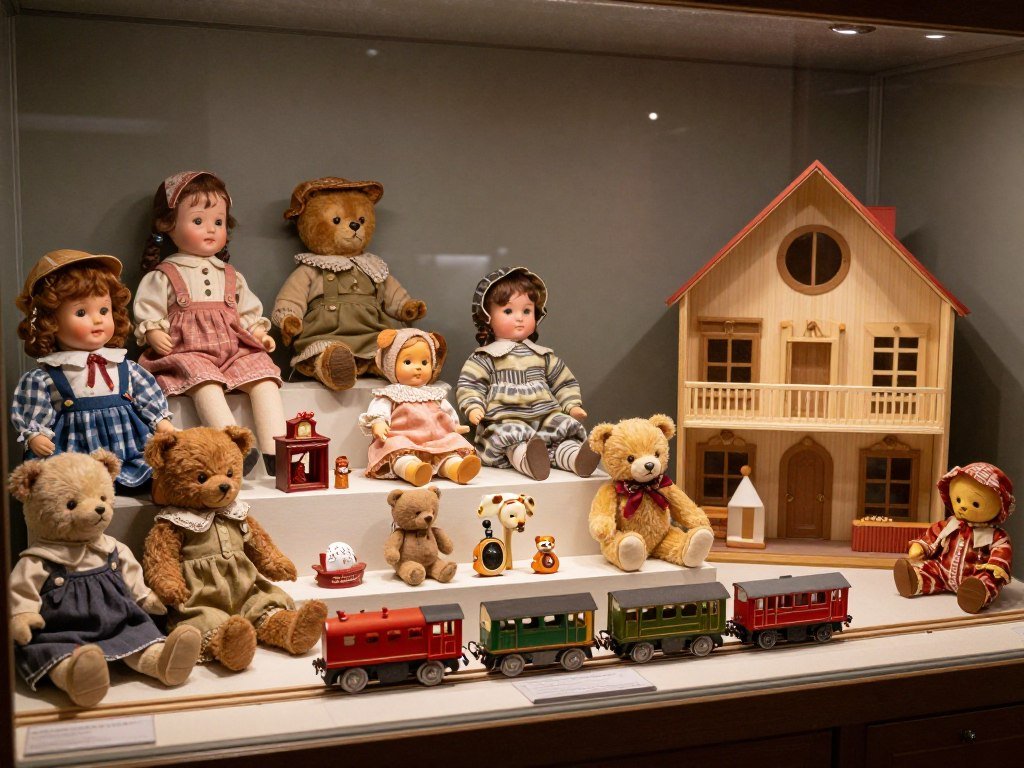
The Zurich Toy Museum occupies a historic townhouse in the Old Town, displaying toys spanning centuries. Antique dolls, model trains, tin soldiers, and teddy bears fill multiple floors. The collection shows how children’s toys evolved alongside technology and society.
Many exhibits represent toys from Zurich manufacturers. Some displays allow interactive play with reproduction toys. The museum appeals to adults through nostalgia while entertaining children with unusual playthings from past eras.
Playground Parks
Numerous parks throughout Zurich feature excellent playgrounds with modern equipment. Many lakeside parks include water play areas welcome during hot summer days. Rieter Park’s large playground occupies a hillside with views.
Chinese Garden park includes a playground near the entrance. Irchelpark features a large adventure playground with elaborate wooden structures. Most parks provide clean public restrooms and nearby cafes.
Family Dining
- Hiltl – vegetarian buffet, kids love choosing
- Zeughauskeller – hearty Swiss food, tolerant staff
- Manor Food Halls – variety for picky eaters
- Zoo restaurant – convenient, kid-friendly
Transportation Tips
- Children under 6 ride free on public transport
- Family passes offer good value
- Trams easier than buses with strollers
- Most boats accommodate families well
Money Saving
- Many museums offer family tickets
- Parks and playgrounds are free
- Picnic supplies from supermarkets
- Free fountain water eliminates drink costs
Seasonal Highlights
Zurich transforms with the seasons, each period offering unique activities and atmospheres. Understanding seasonal variations helps visitors plan timing for optimal experiences.
Spring (March-May)
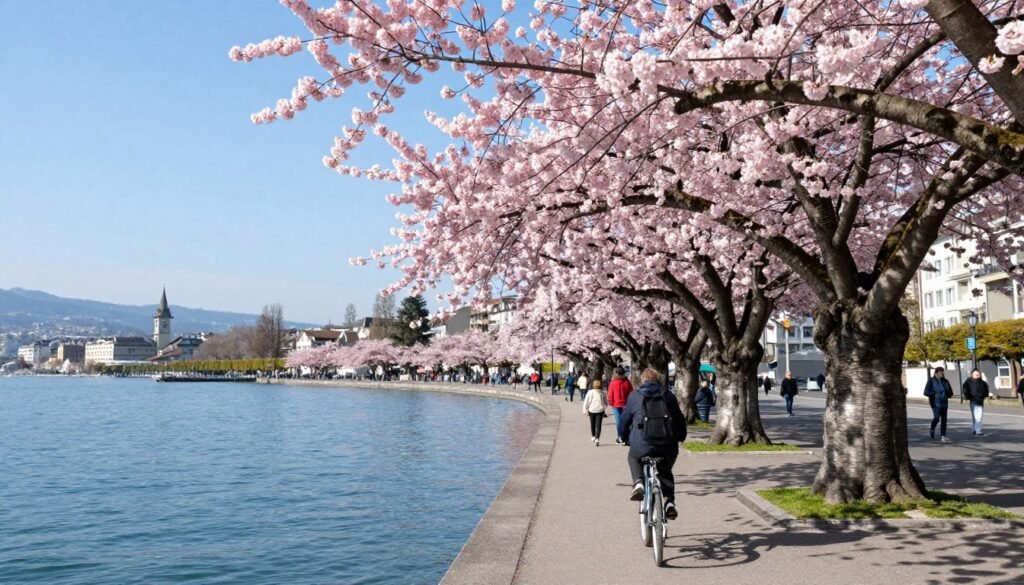
Spring awakens Zurich with blossoming trees and warming temperatures. Parks explode with tulips, magnolias, and cherry blossoms. The Sechseläuten festival marks winter’s official end in April. Outdoor cafes reopen for the season.
Hiking trails become accessible as snow melts from lower elevations. Alpine meadows fill with wildflowers by May. Boat services resume on the lake. Spring brings variable weather, so pack layers.
Summer (June-August)
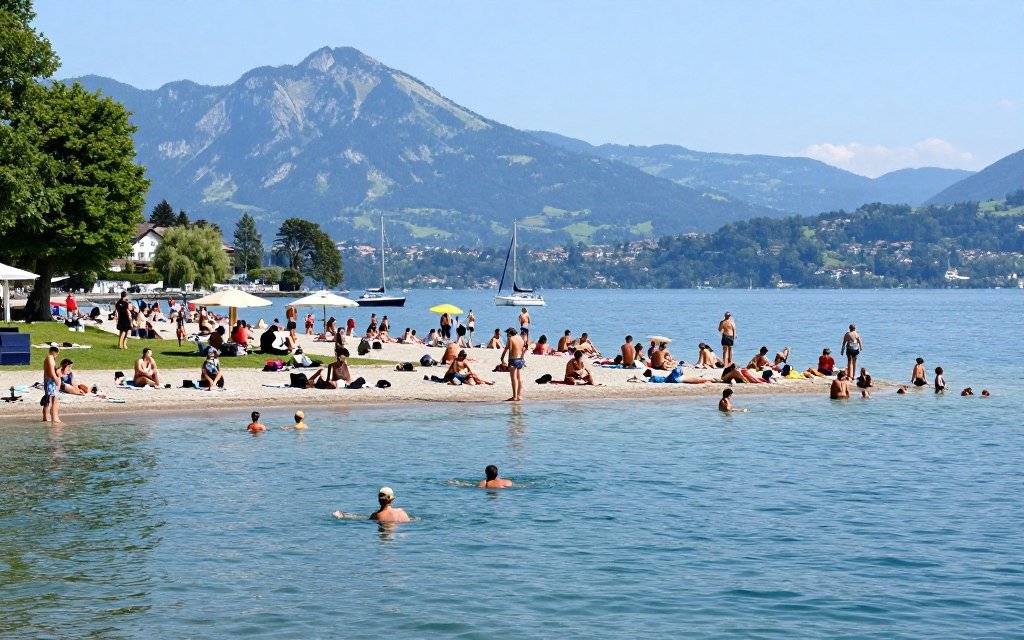
Summer represents Zurich’s peak tourism season with long days and warm weather. Lake swimming becomes popular, with locals flocking to beaches and river baths. Outdoor festivals occur nearly every weekend, featuring music, food, and cultural celebrations.
The Street Parade in August draws massive crowds. Open-air cinemas operate throughout the city. Rooftop bars and outdoor dining create lively evening scenes. Book accommodations well in advance as hotels fill quickly.
Day trips to Alpine destinations offer escape from occasional heat. Most attractions maintain extended hours. Prices reach their highest during this period.
Autumn (September-November)
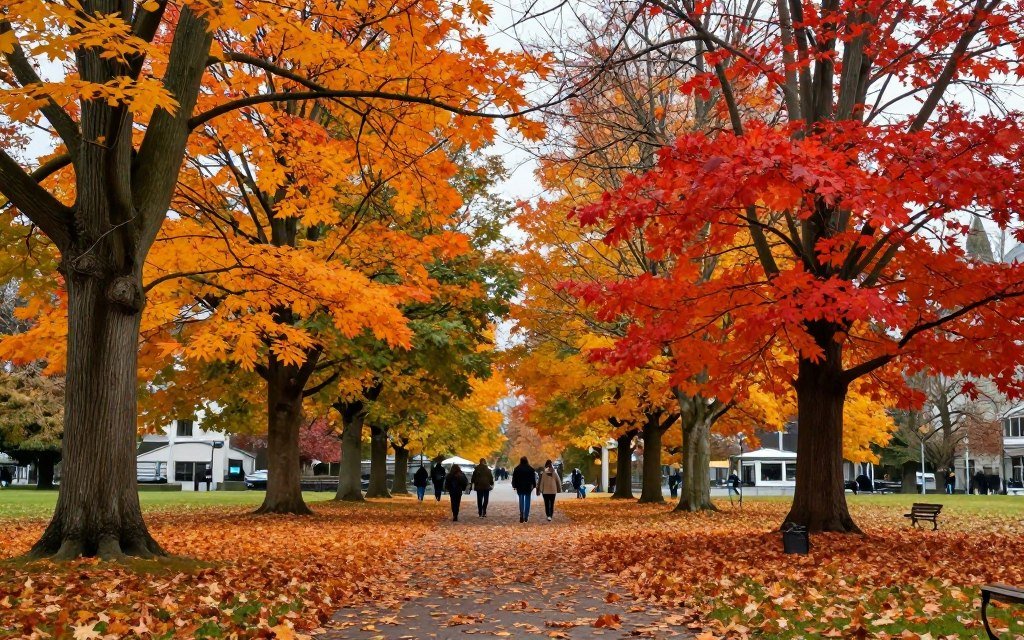
Autumn paints Zurich in warm colors as leaves turn gold and orange. Temperatures remain pleasant through September and early October. Harvest festivals celebrate regional wine and produce. The autumn light creates excellent photography conditions.
Crowds thin as summer tourists depart, while cultural institutions launch new exhibitions. Theater and concert seasons begin. Christmas markets start appearing in late November. Pack for cooler evenings and possible rain.
Winter (December-February)
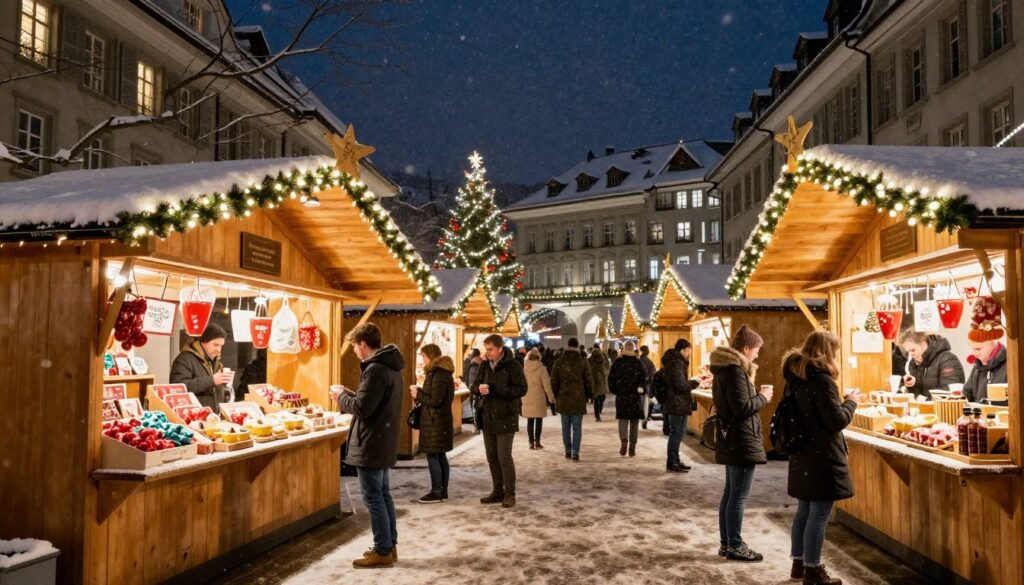
Winter transforms Zurich into a fairytale setting, especially during the Christmas market period. Markets occupy Hauptbahnhof and multiple squares, selling crafts, food, and mulled wine. The Christmas lighting along Bahnhofstrasse ranks among Europe’s most elaborate.
Museums and cultural venues provide warm refuge during cold days. Fondue restaurants reach peak popularity. The opera and philharmonic offer full seasonal programs. New Year’s Eve celebrations fill the Old Town with parties.
Nearby ski areas become accessible for winter sports day trips. The city itself rarely sees significant snowfall, though the surrounding mountains turn white. Hotel rates drop except during Christmas and New Year periods.
Essential Travel Tips
Understanding practical details makes any Zurich visit smoother. These tips cover common questions and situations travelers encounter.
Money Matters
Switzerland uses the Swiss Franc (CHF), not the Euro, despite being surrounded by EU countries. Zurich ranks among the world’s most expensive cities, with prices significantly higher than other European capitals.
Credit cards work almost everywhere, including vending machines and public transport. Contactless payment is standard. ATMs are widespread but may charge withdrawal fees. Exchanging currency at banks provides better rates than airports or hotels.
Tipping is not required as service charges are included in bills, though rounding up or leaving small amounts for excellent service is appreciated. Restaurant prices include all taxes and service.
Language
Zurich speaks Swiss German (Züritüütsch), a distinct dialect differing significantly from standard German. However, most residents speak excellent English, especially in tourist areas. Restaurant menus and signs frequently appear in multiple languages.
Basic phrases appreciated by locals include “Grüezi” (hello), “Merci vilmal” (thank you very much), and “Auf Wiederluege” (goodbye). Staff in hotels, restaurants, and shops default to English when they detect non-German speakers.
Safety
Zurich ranks among Europe’s safest cities with very low crime rates. Violent crime is rare. Pickpocketing occasionally occurs in crowded tourist areas and on public transport, so maintain awareness of belongings.
Emergency numbers are 112 for general emergencies, 117 for police, and 144 for ambulance. The city is well-lit at night and public transport runs until after midnight on weekends.
Best Times to Visit
Peak Season (June-August)
Maximum daylight and warmest weather make summer ideal for outdoor activities and lake enjoyment. However, expect highest prices, largest crowds, and advance booking requirements. Many Swiss take holidays during July and August.
Shoulder Season (May, September-October)
These months offer excellent weather with fewer tourists and lower prices. Cultural events resume in September after summer break. Spring brings flowers and festivals. These periods provide the best balance of good conditions and value.
What to Pack
- Light layers – temperature varies
- Sunscreen and sunglasses
- Comfortable walking shoes
- Swimsuit for lake activities
- Light rain jacket
- Reusable water bottle
- Smart casual evening wear
Summer Packing
- Warm coat and layers
- Waterproof boots
- Gloves, scarf, hat
- Umbrella for rain
- Thermal underlayers
- Moisturizer for dry air
- Formal clothes for venues
Winter Packing
Accommodation Areas
The Old Town (Altstadt) offers maximum charm and walkability but comes with premium prices and potential noise. Kreis 1 (city center) provides convenience and excellent public transport connections.
Kreis 4 and 5 (West Zurich) offer more affordable options with trendy restaurants and bars nearby. These areas are slightly farther from major sights but well-connected by tram. Lakeside areas cost more but provide beautiful settings.
Near the train station suits travelers with early departures or day trip plans. Airport area hotels make sense only for very early flights. Book well ahead during peak season and major events like Street Parade.
Where to Stay in Zurich
Zurich offers accommodation ranging from budget hostels to luxury five-star hotels. Location significantly affects both price and experience.
Luxury Options
Baur au Lac

This legendary hotel has welcomed distinguished guests since 1844. Situated in its own park on the edge of Lake Zurich, the property combines historic elegance with modern luxury. Rooms feature antiques and contemporary amenities. The hotel houses two Michelin-starred restaurants.
The spa offers treatments using Swiss products. Concierge services arrange everything from helicopter tours to private shopping experiences. The location allows walking to Old Town while maintaining peaceful distance from crowds.
Mid-Range Choices
The Sorell Hotel St. Peter occupies a quiet street in the Old Town, offering excellent location at reasonable prices. Rooms blend modern comfort with historic building character. Breakfast includes local products and the staff provides helpful local recommendations.
25hours Hotel Zürich West brings funky design and personality to the industrial district. The rooftop terrace and restaurant overlook the city. The area buzzes with trendy bars and restaurants. Tram connections reach downtown in 15 minutes.
Budget Accommodations
Youth Hostel Zürich provides clean, modern accommodation near the lake. Private rooms and dorms available. The hostel includes a restaurant, bar, and terrace. Guest kitchen allows self-catering to save on dining costs.
Ibis Budget Zürich City West offers basic but comfortable rooms at competitive rates. The chain maintains consistent standards. Location outside the center requires tram use but reduces costs significantly. Perfect for travelers spending days exploring rather than relaxing in hotels.
Find Your Perfect Zurich Hotel
Compare prices, read reviews, and book accommodations across all budgets. From luxury lakeside hotels to budget-friendly hostels, find the perfect base for your Zurich adventure with free cancellation options available.
Plan Your Zurich Adventure
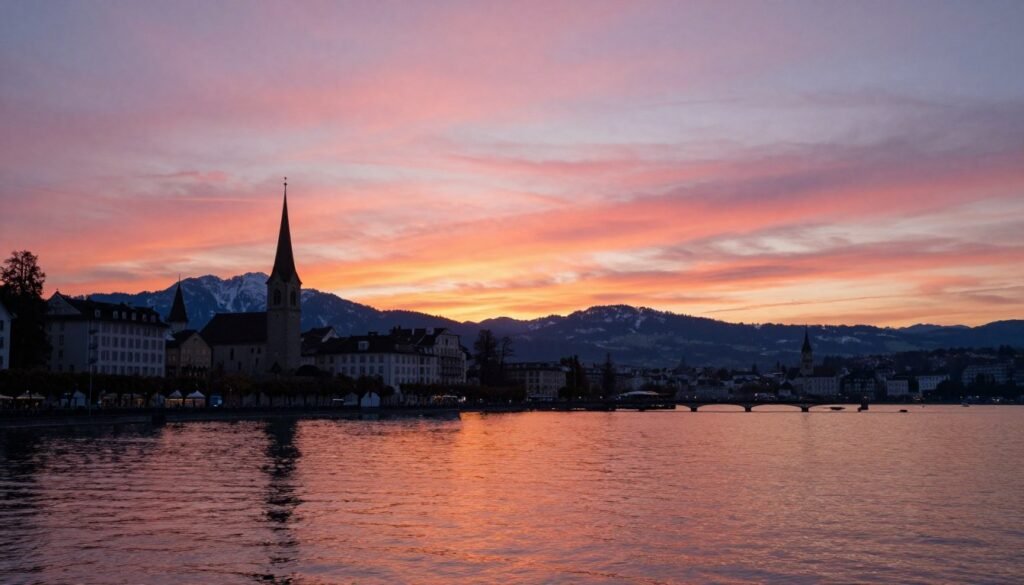
Zurich rewards visitors with remarkable diversity packed into an accessible urban package. The city manages the difficult balance between preserving medieval heritage and embracing modern innovation, creating experiences that satisfy varied interests.
From world-class museums to Alpine adventures, historic churches to contemporary nightlife, chocolate tastings to fine dining, Zurich delivers experiences that justify Switzerland’s reputation for quality. The efficient public transport system and compact city center make exploration straightforward even for first-time visitors.
The surrounding region amplifies Zurich’s appeal with easy access to spectacular mountain scenery, pristine lakes, and charming towns. Day trips transform a city break into a comprehensive Swiss experience. Whether visiting for a weekend or using Zurich as a base for longer exploration, the city provides an excellent introduction to Switzerland.
Start planning your Zurich adventure by securing accommodation and considering the Zurich Card for maximum value. Book popular attractions like the Lindt Museum and major day trips in advance to avoid disappointment. Pack for variable weather and prepare for Switzerland’s prices, but know that the exceptional experiences justify the investment.
Zurich awaits with Alpine vistas, cultural treasures, culinary delights, and Swiss efficiency that makes every moment count. Your Swiss adventure begins here.
