
Munich stands as one of Europe’s most captivating cities, where centuries-old traditions meet modern innovation in perfect harmony. As you plan your 2026 adventure to Bavaria’s capital, you’ll discover a city that offers far more than its world-famous Oktoberfest. The year 2026 brings exciting new exhibitions, cultural milestones, and carefully preserved traditions that continue to enchant millions of visitors each year.
Whether you’re drawn to magnificent palaces that rival Versailles, world-class museums housing priceless art, sprawling green spaces perfect for summer relaxation, or traditional beer gardens where locals have gathered for generations, Munich delivers experiences that create lasting memories. The city’s efficient public transport system makes exploring effortless, while its welcoming atmosphere ensures every visitor feels at home in this Bavarian gem.
This comprehensive guide reveals the best things Munich has to offer in 2026, from iconic landmarks and hidden neighborhood treasures to seasonal highlights and day trips that showcase Bavaria’s stunning landscapes. We’ve curated insider tips that help you avoid crowds, discover authentic experiences, and make the most of your time in this extraordinary city.
Experience Marienplatz: Munich's Historic Heart
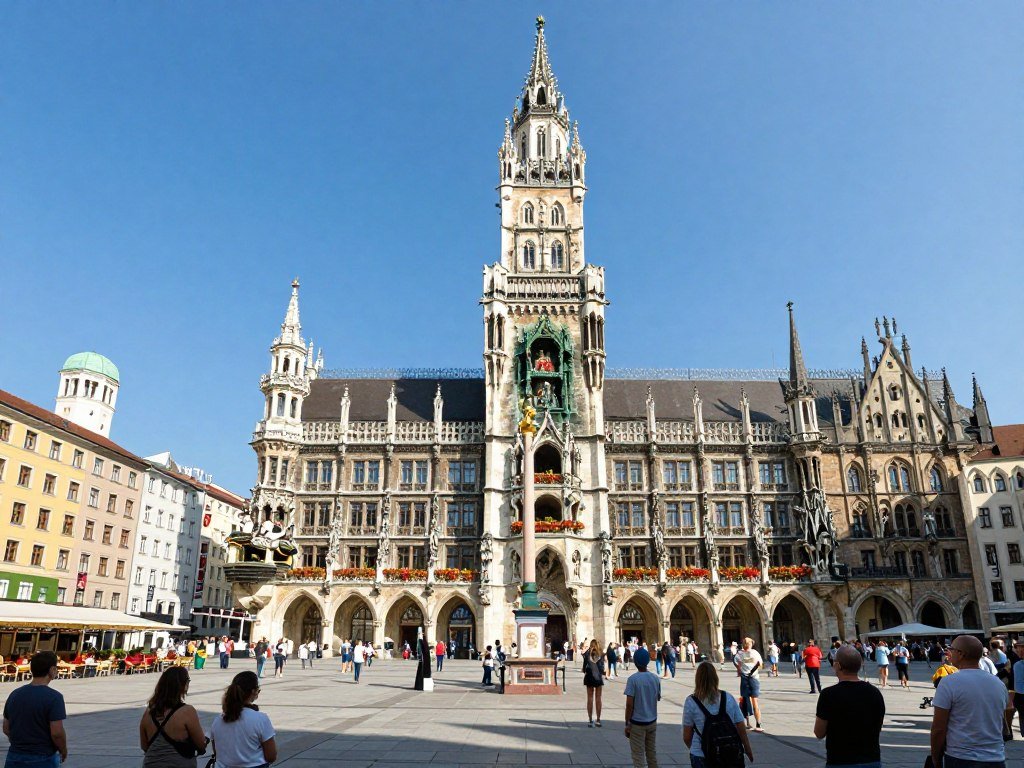
Marienplatz has served as Munich’s central square since the city’s founding in 1158, and today it remains the perfect starting point for any Munich adventure. This bustling plaza pulses with energy as locals and visitors converge beneath the shadow of the magnificent New Town Hall, whose neo-Gothic architecture dominates the skyline with elaborate gargoyles, towering spires, and intricate stonework.
The square’s most famous attraction draws crowds three times daily when the Glockenspiel springs to life at eleven in the morning, noon, and five in the evening from March through October. This mechanical marvel features forty-three bells and thirty-two life-size figures that reenact two beloved stories from Munich’s past. The upper tier depicts a sixteenth-century jousting tournament celebrating a royal wedding, while the lower level shows the Schäfflertanz, the coopers’ dance performed after a devastating plague.
Beyond the spectacle, Marienplatz offers prime people-watching opportunities from surrounding cafes. The square connects to the pedestrianized old town area, where you’ll find the historic Viktualienmarkt food market just steps away. Street musicians add to the ambiance, while the central Mariensäule column honors Bavaria’s patron saint with its golden statue reaching toward the heavens.
Insider Tip for 2026: Visit Marienplatz early in the morning around eight o’clock to photograph the square without crowds. The soft morning light creates stunning shadows across the New Town Hall facade, and you’ll have space to capture the architecture without hundreds of tourists in your frame.
Discover the English Garden: Europe's Largest Urban Park
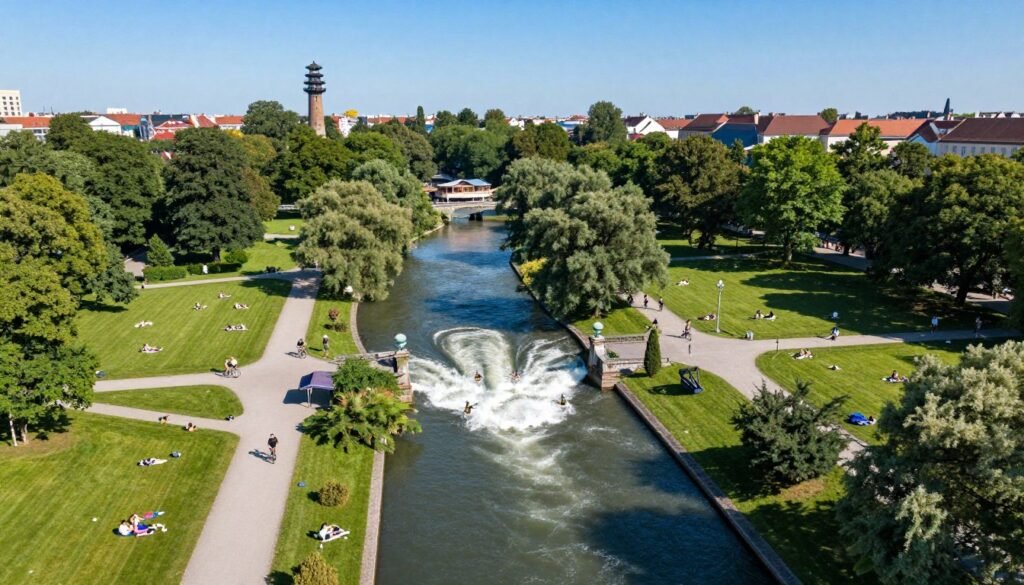
Stretching from the city center to Munich’s northeastern limits, the English Garden encompasses more than nine hundred acres of rolling meadows, shaded groves, and winding waterways. This beloved green space surpasses even New York’s Central Park in size and offers Münchners and visitors alike an urban oasis where nature and recreation blend seamlessly with Bavarian tradition.
The park’s name reflects its informal English landscaping style, featuring natural-looking hills and open vistas rather than the geometric patterns of French gardens. Four traditional beer gardens scattered throughout provide refreshment spots where you can enjoy a cold beer beneath century-old chestnut trees. The Chinesischer Turm beer garden, surrounding a twenty-five-meter pagoda built in the eighteenth century, hosts traditional brass bands on summer weekends and transforms into one of Munich’s most atmospheric Christmas markets come December.
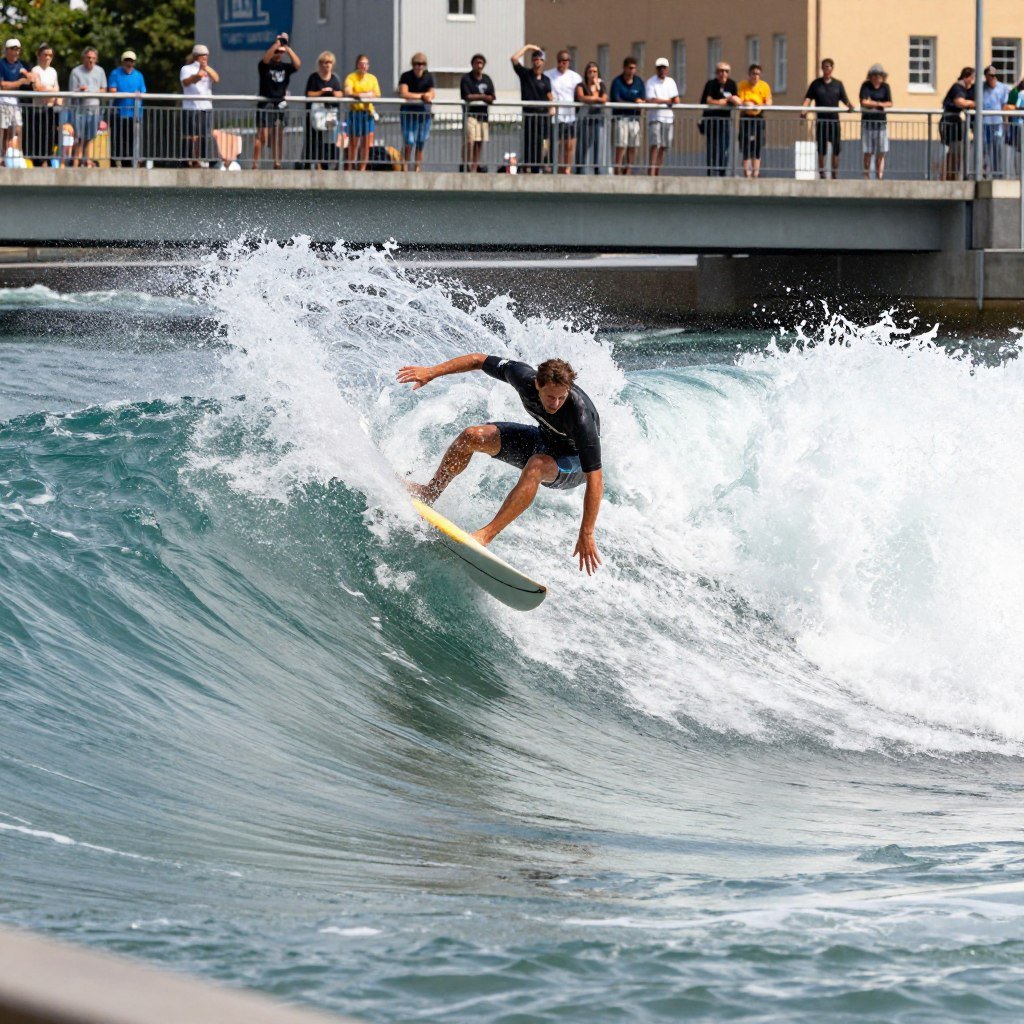

At the park’s southern entrance, the Eisbach wave attracts river surfers year-round who ride the standing wave created by the rushing current. This unique spectacle draws crowds to the bridges above, where you can watch experienced surfers perform tricks on the perpetual wave regardless of the season. The Monopteros, a neoclassical Greek temple perched atop a gentle hill, offers panoramic views across the park and toward Munich’s skyline, making it a favorite spot for sunset picnics.
2026 Planning Note: The English Garden hosts numerous summer festivals and open-air concerts throughout the year. Check the official events calendar closer to your visit to catch free performances, yoga sessions, and cultural celebrations that showcase Munich’s vibrant community spirit.
Tour the Munich Residence: Bavaria's Royal Palace
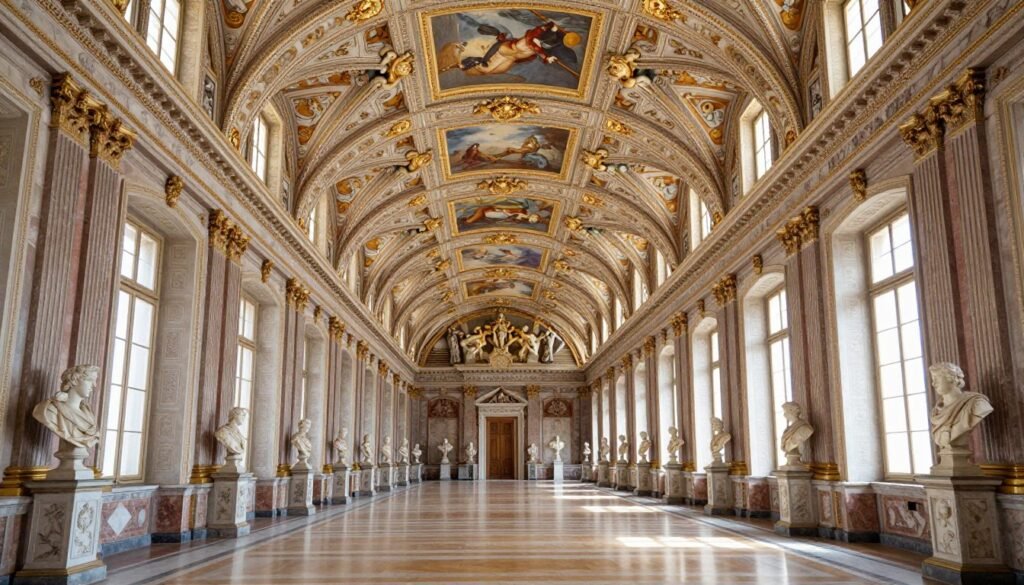
The Munich Residence stands as Germany’s largest city palace, a sprawling complex that served as the seat of Bavarian rulers from fifteen hundred eight through nineteen eighteen. What began as a modest Gothic castle evolved over four centuries into a magnificent showcase of Renaissance, Baroque, rococo, and neoclassical architecture as successive generations of the Wittelsbach dynasty expanded and embellished their royal home.
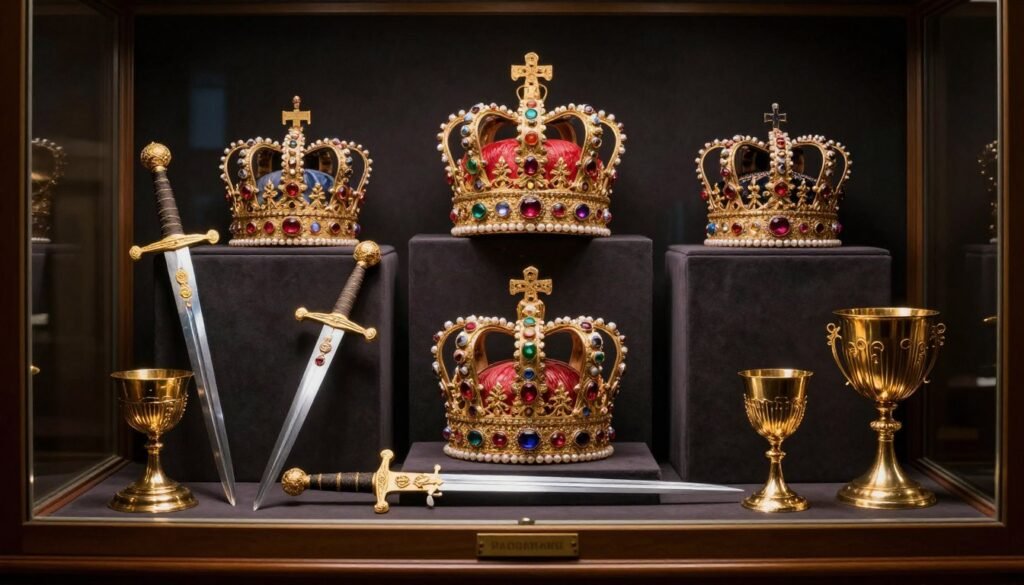
Today visitors can explore more than one hundred fifty rooms filled with priceless treasures spanning European art history. The treasury alone justifies the admission price, displaying ten halls of crowns, jeweled swords, intricate goblets, and ceremonial regalia that demonstrate the wealth and power of Bavaria’s former rulers. King Ludwig I’s neoclassical apartments showcase a more restrained elegance, while the rococo rooms burst with gold leaf, elaborate stucco work, and ceiling frescoes that seem to dissolve solid walls into heavenly visions.
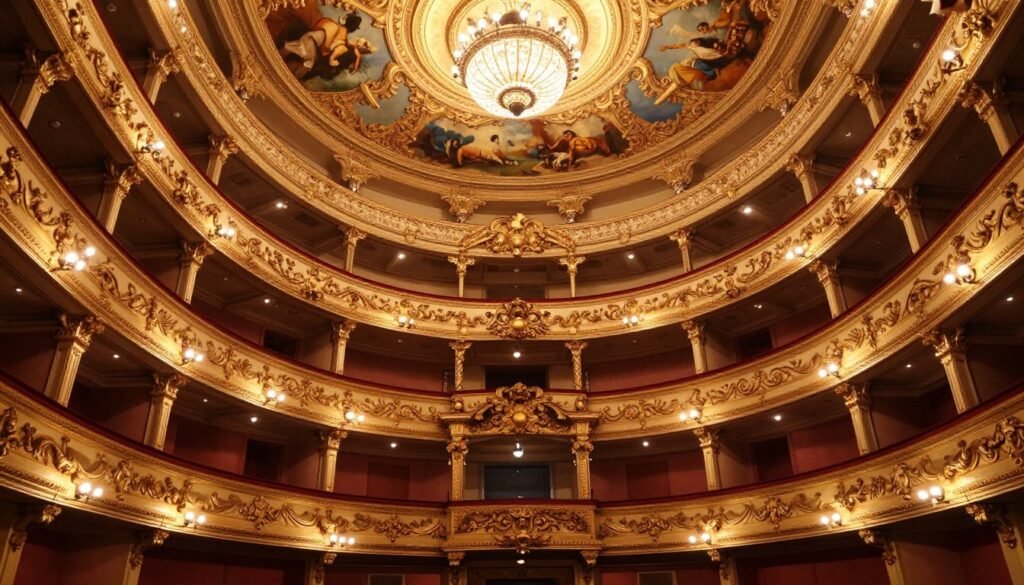
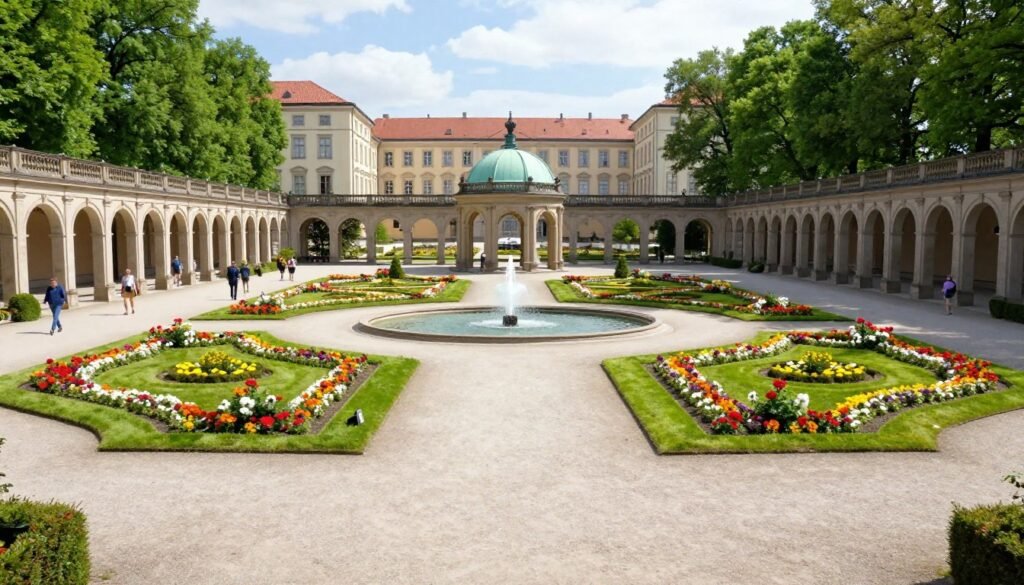
The adjacent Cuvilliés Theatre represents rococo design at its most exuberant. This intimate opera house, named for its architect François de Cuvilliés, dazzles with carved wooden boxes painted in red and gold, creating an enchanting space that still hosts performances today. The Court Garden provides a peaceful retreat after exploring the palace’s opulent interiors, with its Renaissance-style arcades, fountains, and carefully manicured flower beds offering a glimpse of how royalty once relaxed.
Practical Visiting Information
- Plan minimum two to three hours to explore the main apartments and treasury
- Audio guides available in multiple languages enhance the experience significantly
- Combination tickets covering multiple Munich palaces offer good value for extensive touring
- Photography permitted in most areas without flash
- Accessible entrance and elevators accommodate visitors with mobility challenges
Taste Authentic Bavaria: Traditional Beer & Food Tour
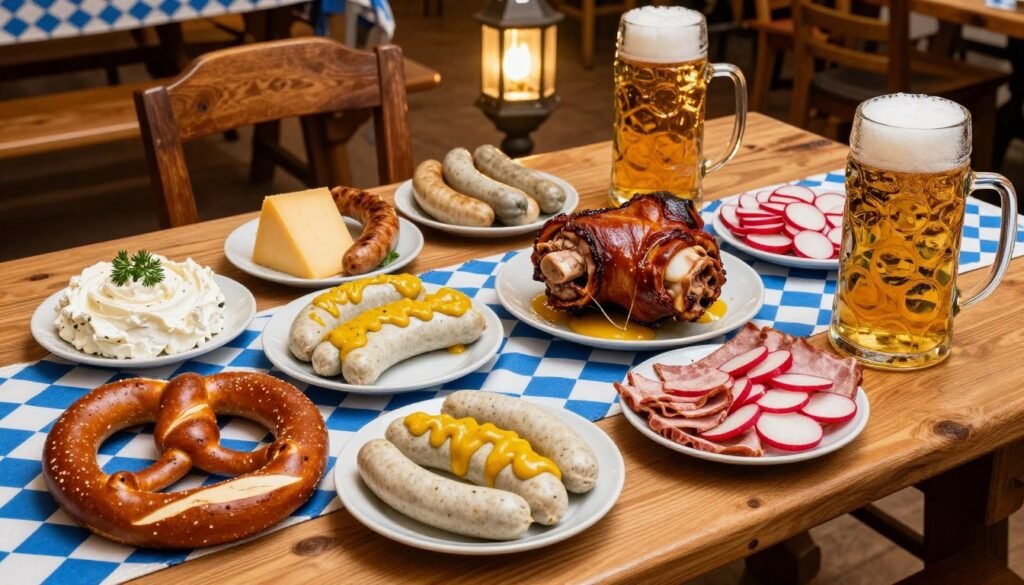
Experience Munich like a local on this highly-rated walking tour through historic beer halls and hidden food spots. Sample ten traditional Bavarian specialties paired with local beers while learning the city’s culinary history from expert guides. Limited spots available for 2026 – tours fill months in advance.
Tour Highlights
- Visit three traditional beer halls and taverns
- Sample ten Bavarian specialties and local beers
- Learn beer brewing traditions and food history
- Small group size ensures personal attention
- Skip tourist traps – eat where locals eat
From $119 per person
What's Included
- Expert local guide (English-speaking)
- All food and drink tastings
- Walking tour of historic neighborhoods
- Small groups (maximum 12 people)
- Insider tips for your Munich visit
Duration: 3.5 hours | Start time: Multiple daily options
Free cancellation up to 24 hours
Admire Nymphenburg Palace: Summer Residence Splendor
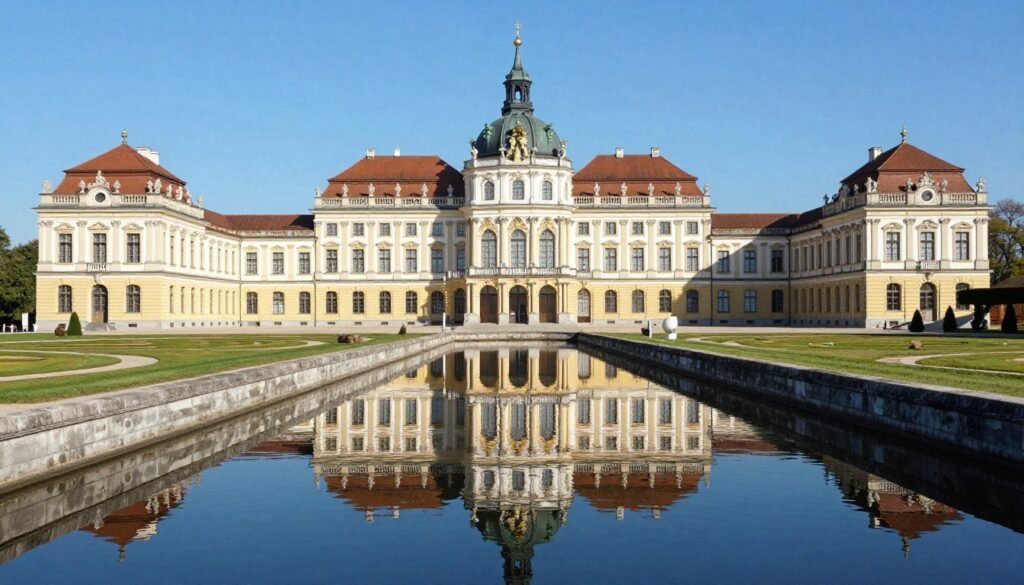
Located in Munich’s northwest, Nymphenburg Palace began as a gift from Elector Ferdinand Maria to his wife Henriette Adelaide of Savoy in sixteen sixty-four, celebrating the birth of their long-awaited heir. Italian architect Agostino Barelli designed the original summer villa in Baroque style, though subsequent generations transformed it into the massive complex visitors explore today, complete with extended wings, elaborate pavilions, and expansive gardens that rival the finest European palace grounds.
The palace interior showcases the evolution of European decorative arts across three centuries. The centerpiece Steinerner Saal (Stone Hall) rises two stories high with elaborate frescoes celebrating the Wittelsbach dynasty, while King Ludwig I’s Gallery of Beauties displays thirty-six portraits of the most beautiful women of his era, regardless of social class. The Marstallmuseum housed in the southern wing exhibits an extraordinary collection of ornate royal carriages and sleighs that transported Bavarian rulers in style.
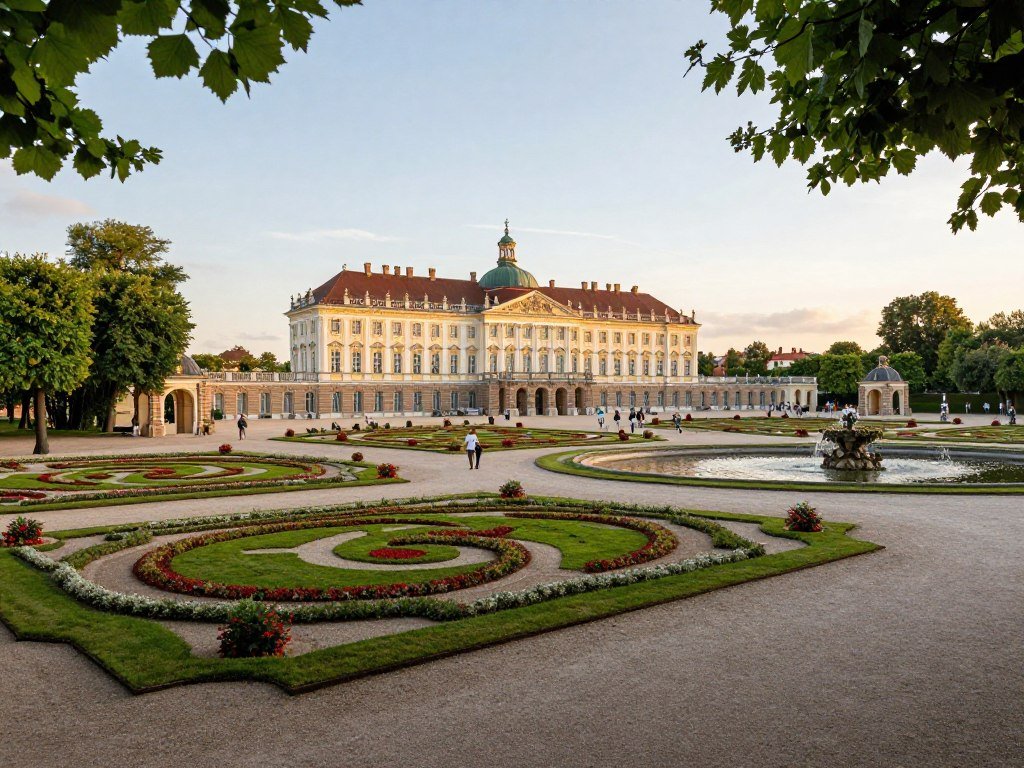
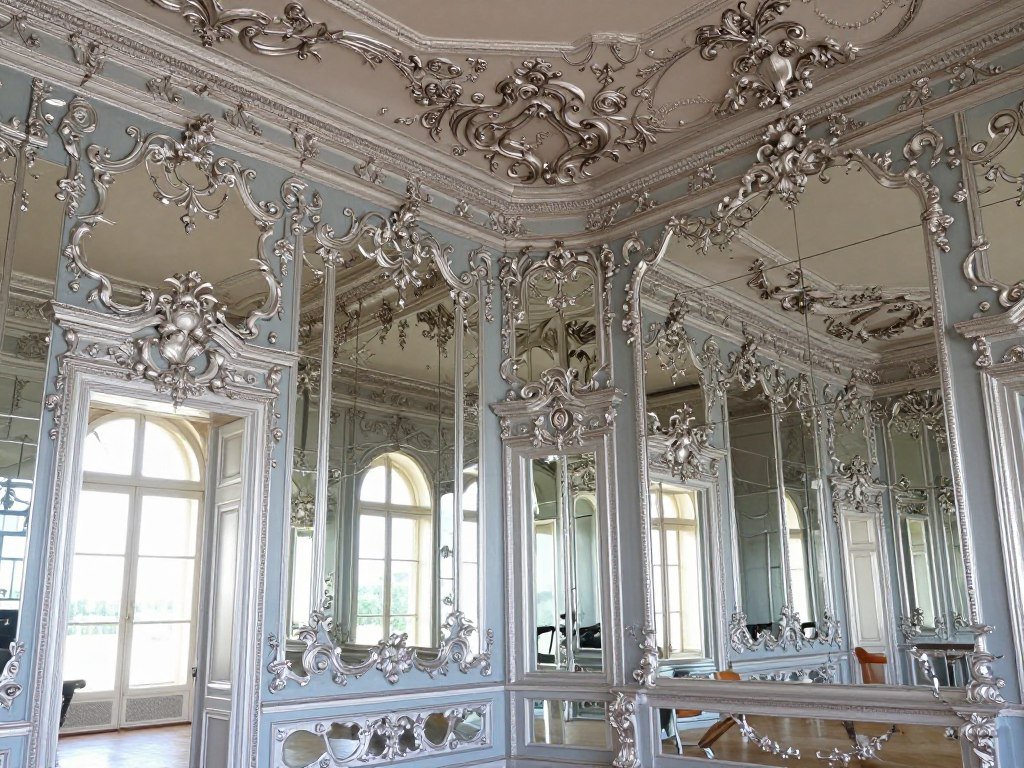
The palace park extends far beyond formal gardens into an English-style landscape park covering five hundred acres. Winding paths lead to hidden gems including the Amalienburg hunting lodge, whose hall of mirrors ranks among rococo’s finest achievements. The Magdalenenklause, built to resemble artificial ruins, served as a meditation retreat, while the Pagodenburg showcases early European fascination with Asian design. In winter, the frozen canals attract ice skaters, and summer brings picnickers to shaded lawns beneath ancient trees.
Unlike the more centrally located Residence, Nymphenburg offers space and tranquility that make it perfect for spending an entire afternoon. The palace remains less crowded than Munich’s main attractions, especially if you visit during weekday mornings. Combination tickets allow access to all pavilions and museums, though the palace and Amalienburg hunting lodge alone justify the trip. The surrounding neighborhood features charming cafes and the Nymphenburg Porcelain Manufactory, where you can watch artisans create delicate pieces using traditional methods.
2026 Closure Alert: Check the official website before visiting as certain pavilions undergo seasonal closures for maintenance. The main palace and Marstallmuseum remain open year-round except major holidays, but garden pavilions typically close from November through March.
Shop Viktualienmarkt: Munich's Legendary Food Market
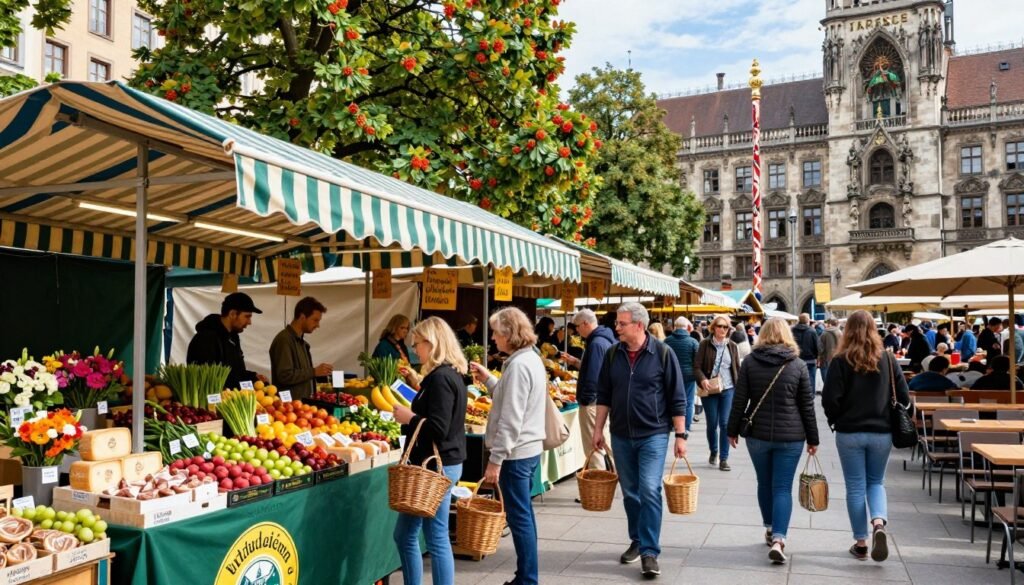
Just steps from Marienplatz, Viktualienmarkt has served as Munich’s premier food market since eighteen hundred seven when it moved from the increasingly crowded Marienplatz. Today this six-acre site hosts more than one hundred permanent stands offering everything from Alpine cheeses and artisan breads to exotic spices and fresh flowers. The market represents the beating heart of Munich’s culinary scene, where locals shop daily for ingredients and visitors sample Bavaria’s gastronomic traditions.
The market layout encourages meandering discovery rather than efficient shopping. You’ll find specialized vendors who’ve perfected single products over generations – one stall dedicated entirely to mushrooms, another to honey from different Alpine regions, a third to over fifty varieties of olives and pickled vegetables. Butchers display traditional Bavarian wursts alongside premium cuts, while fishmongers offer both Mediterranean seafood and fresh catches from Bavaria’s lakes and rivers. During asparagus season in spring, white asparagus dominates numerous stands, celebrated with an almost religious fervor.
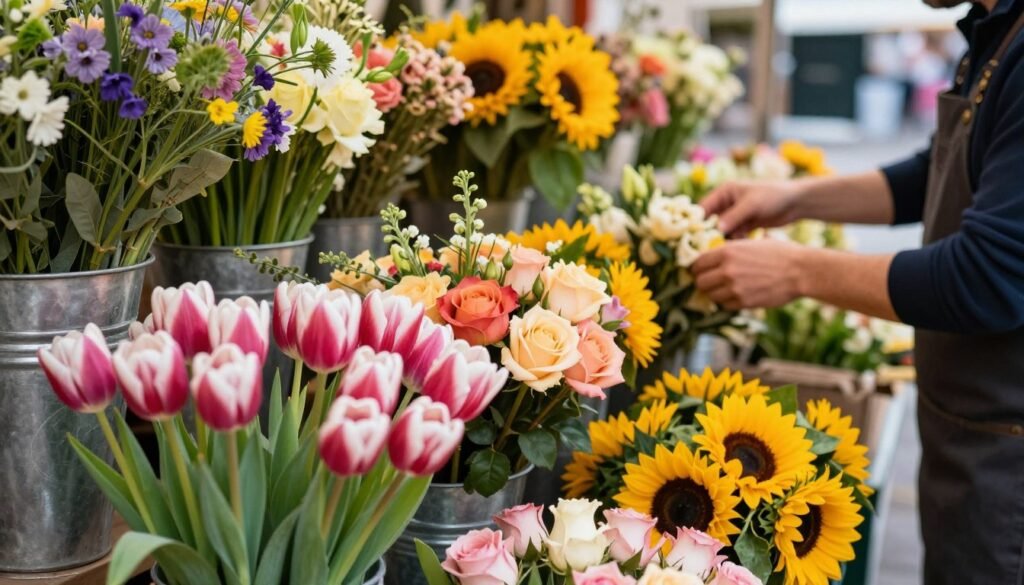
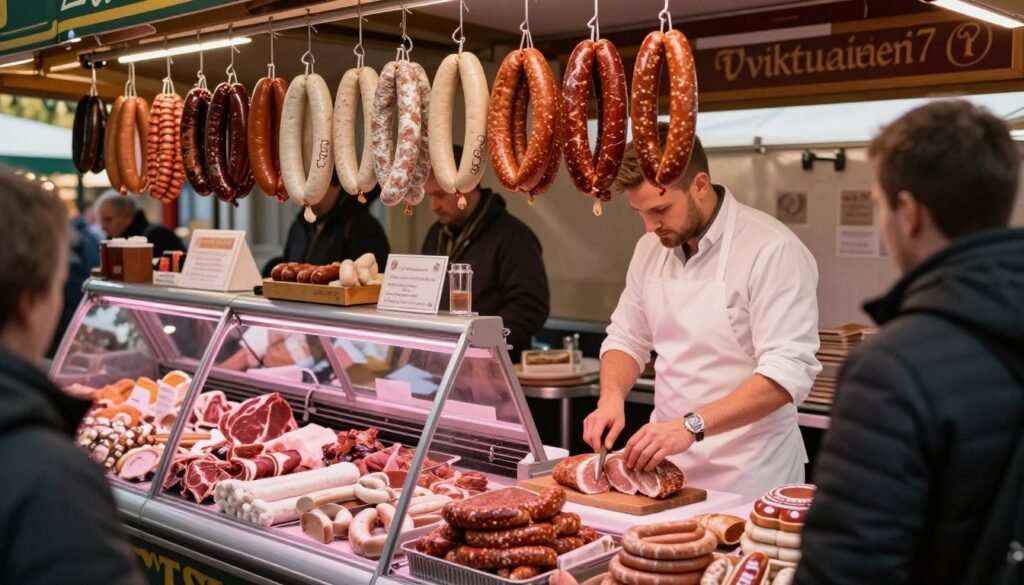
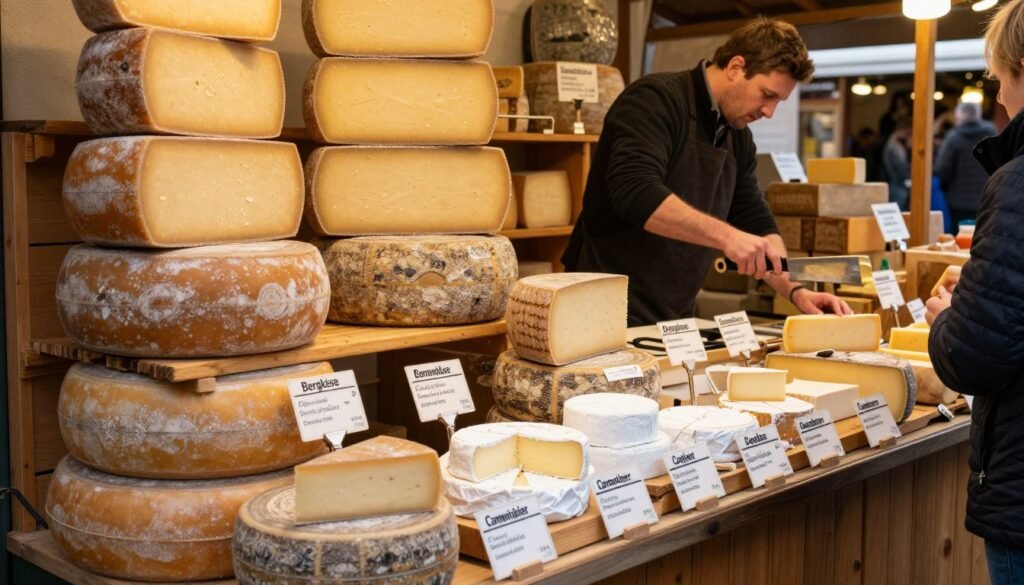
At the market’s center, a traditional beer garden shaded by mature chestnut trees provides the perfect spot to enjoy purchases alongside a locally brewed beer. The surrounding fountains feature statues honoring famous Munich comedians, actors, and folk singers, while the towering maypole painted with scenes depicting Bavarian life serves as a favorite meeting point. Small food stands selling ready-to-eat items offer quick lunches – try the fish sandwiches, fresh pretzels with obatzda cheese spread, or seasonal specialties like strawberries with fresh cream.
Market Visiting Tips
Best Times to Visit
- Early morning (8-10 AM) for freshest selection and fewer crowds
- Saturday mornings when locals do weekend shopping
- Avoid peak lunch hours (12-2 PM) when tour groups arrive
What to Buy
- Fresh pretzels and baked goods for breakfast
- Regional cheeses for picnics in English Garden
- Seasonal fruits and vegetables at peak ripeness
- Local honey and jams as edible souvenirs
Wander Munich's Old Town: Historic Streets and Hidden Gems
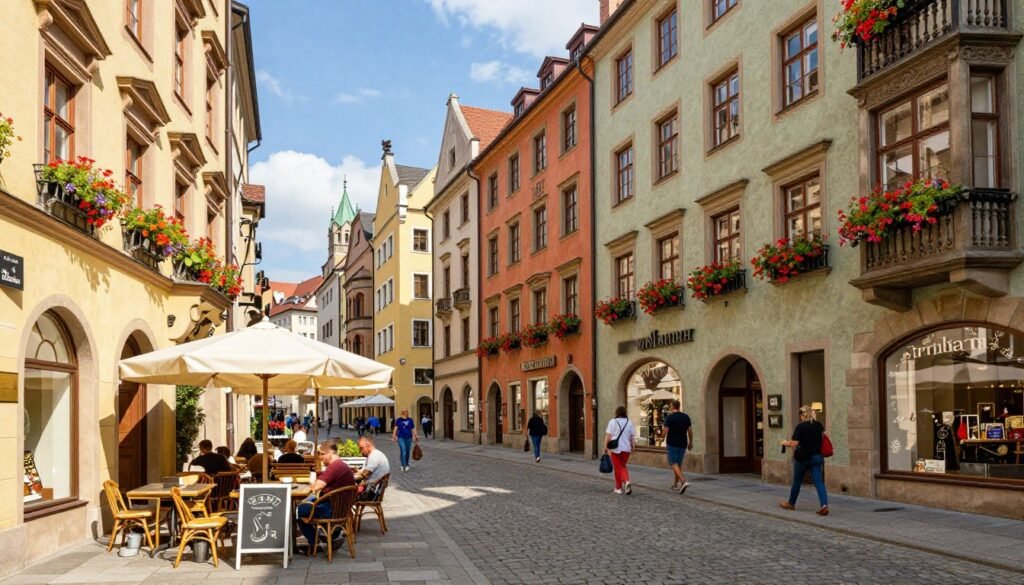
Munich’s Altstadt radiates outward from Marienplatz in a network of pedestrianized streets that reward aimless wandering. The medieval street plan survived centuries of development, creating a compact historic center where you can easily explore on foot. Buildings display centuries of architectural evolution, from Gothic churches to Renaissance townhouses to art nouveau facades, each telling stories of Munich’s transformation from medieval market town to modern metropolis.
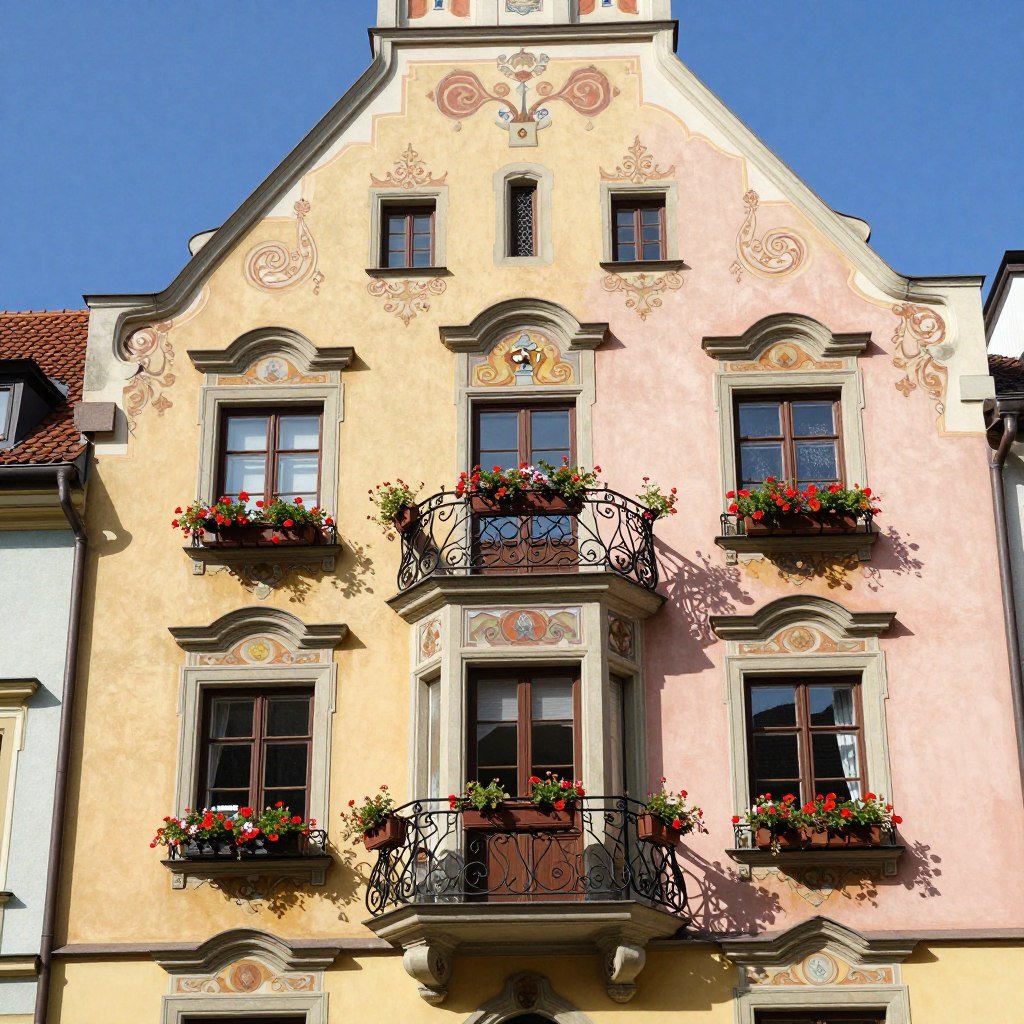
Kaufingerstrasse and Neuhauser Strasse form the main east-west shopping corridor, lined with international retailers occupying historic buildings. Side streets reveal more interesting discoveries – Sendlinger Strasse leads to the Asam Church, while narrow Hotterstrasse showcases traditional Bavarian painted facades. The Gärtnerplatzviertel neighborhood south of the center has evolved into Munich’s most eclectic area, where vintage shops, independent boutiques, and multicultural restaurants attract a younger creative crowd.
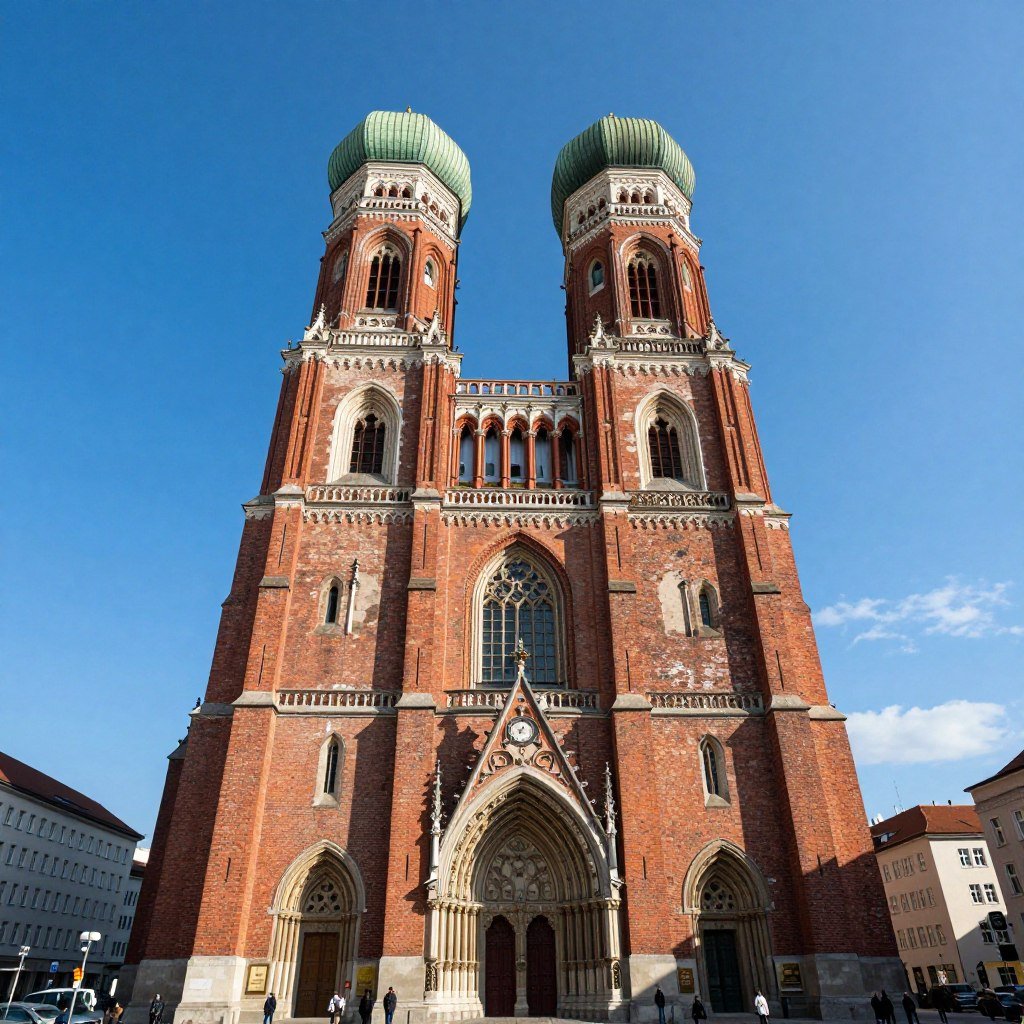
The Frauenkirche (Cathedral of Our Dear Lady) dominates the skyline with twin brick towers topped by distinctive copper onion domes. Municipal law prohibits constructing buildings taller than the cathedral’s ninety-nine-meter towers, preserving Munich’s historic profile. Inside, surprisingly plain white walls create a stark contrast to ornate Bavarian churches, the result of both Protestant Reformation influence and twentieth-century bombing damage. Legend claims the devil left his footprint near the entrance after the architect tricked him during construction.
Hidden Gem Alert: Duck into the covered walkways known as “Durchgänge” that connect streets through building courtyards. These passages, particularly around the Fünf Höfe complex, reveal unexpected architectural spaces, small galleries, and cafes hidden from the main tourist routes.
Step Inside Asam Church: Baroque Masterpiece
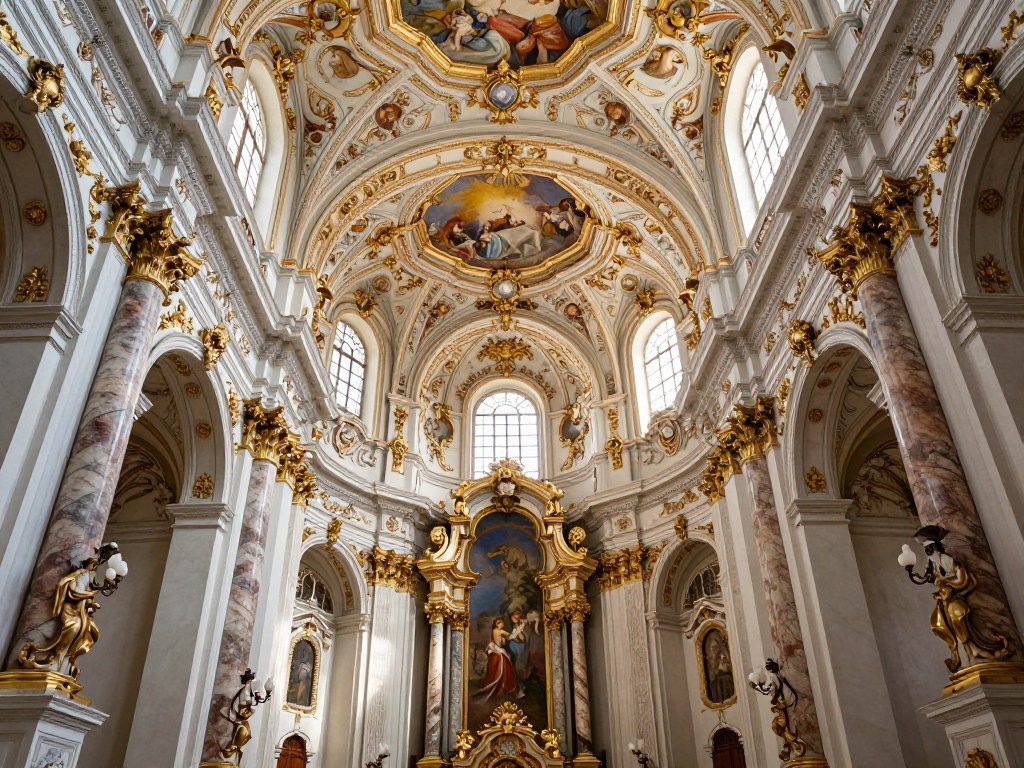
Tucked inconspicuously on Sendlinger Strasse between modern shops, the Asam Church (officially St. Johann Nepomuk) represents Late Baroque design at its most extravagant. Brothers Egid Quirin Asam and Cosmas Damian Asam built this church in the seventeen thirties as their private chapel, investing their considerable artistic talents and personal fortunes to create a space that pushes rococo decoration to nearly overwhelming heights.
The narrow exterior gives no hint of the explosion of gilt, frescoes, and sculptural drama inside. Every surface receives elaborate treatment – walls disappear behind marble columns and gilded stucco, the ceiling dissolves into heavenly visions, and theatrical lighting from hidden windows creates mystical effects. The altar composition stages the life of Saint John Nepomuk with such three-dimensional detail that the boundary between sculpture and architecture vanishes. Despite measuring barely ten meters wide, clever design tricks create an illusion of greater space and height.
Visiting Information: The church welcomes visitors free of charge, though donations support maintenance. Remain respectful as it functions as an active place of worship. Photography is permitted without flash. Visit during weekday afternoons to avoid group tours, and allow your eyes fifteen minutes to adjust and appreciate the layers of artistic detail.
Explore World-Class Art: The Pinakothek Museums
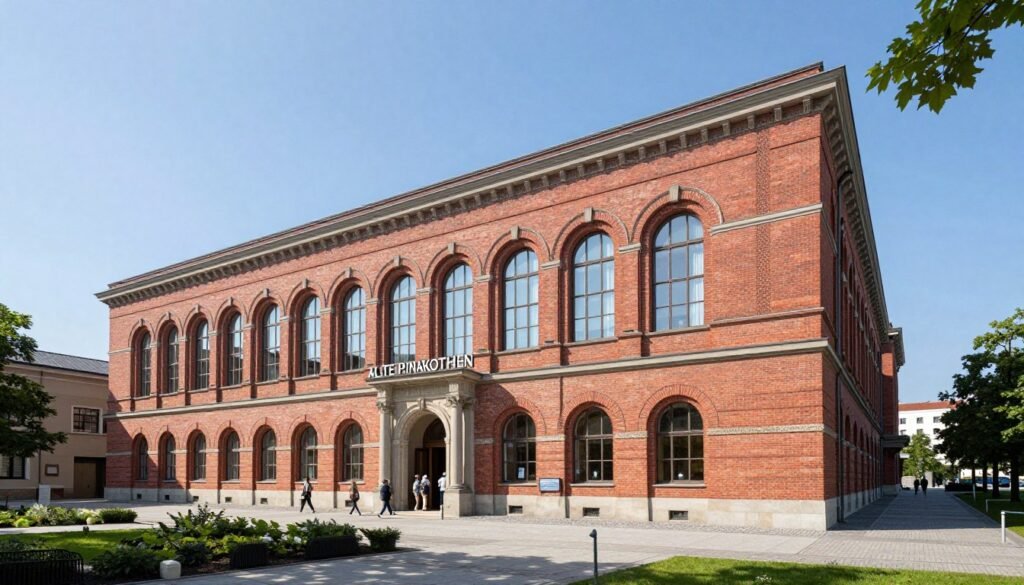
Munich’s Kunstareal (Art Quarter) concentrates an extraordinary density of museums and galleries within walking distance. The three Pinakothek museums form the centerpiece of this cultural district, collectively housing one of the world’s most comprehensive art collections spanning seven centuries of European masterpieces. Art enthusiasts could spend days here without exhausting the treasures on display.
The Alte Pinakothek focuses on European painting from the fourteenth through eighteenth centuries, with particular strength in German, Dutch, and Flemish masters. Dürer’s self-portrait, Rubens’ enormous canvases, and Rembrandt’s intimate portraits represent just a fraction of the eight hundred paintings on display. The collection originated with the Wittelsbach rulers’ royal collection, giving it exceptional depth in certain areas. Natural lighting floods the galleries through skylights, the same illumination system admired when the museum opened in eighteen thirty-six.
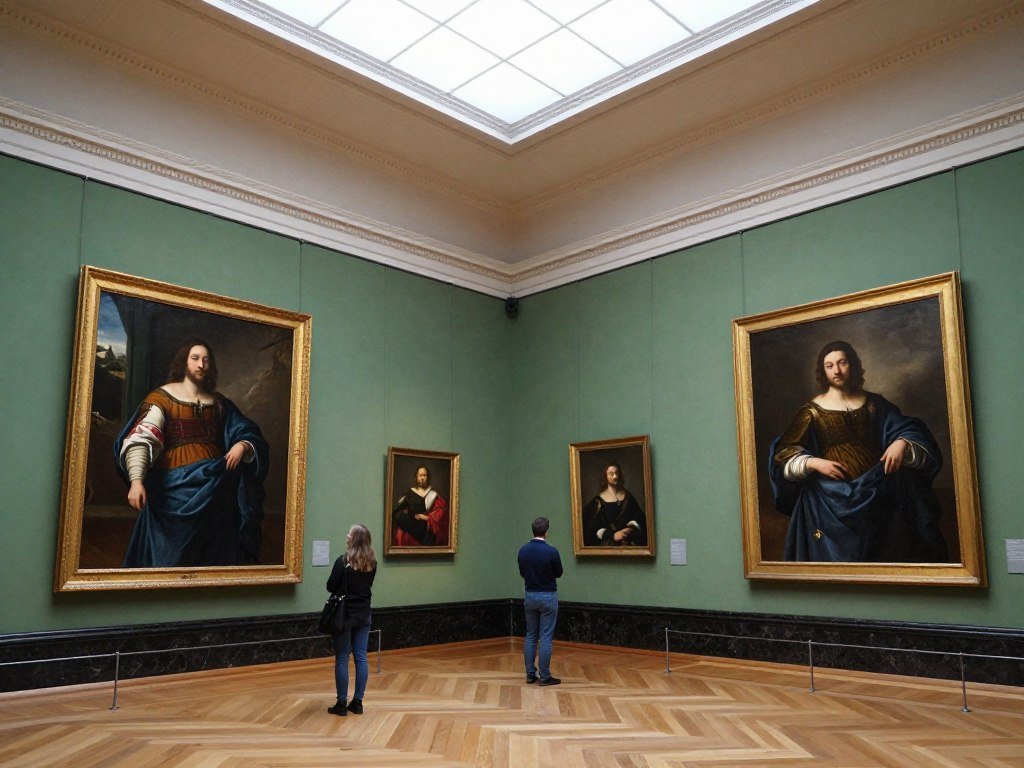
Across the street, the Neue Pinakothek covers nineteenth-century art with major holdings in German Romanticism, French Impressionism, and Symbolist painting. The building itself represents thoughtful contemporary museum architecture, designed with natural light and visitor flow carefully considered. Highlights include major works by Van Gogh, Monet, Manet, and a comprehensive survey of German artists who rival their better-known French contemporaries.
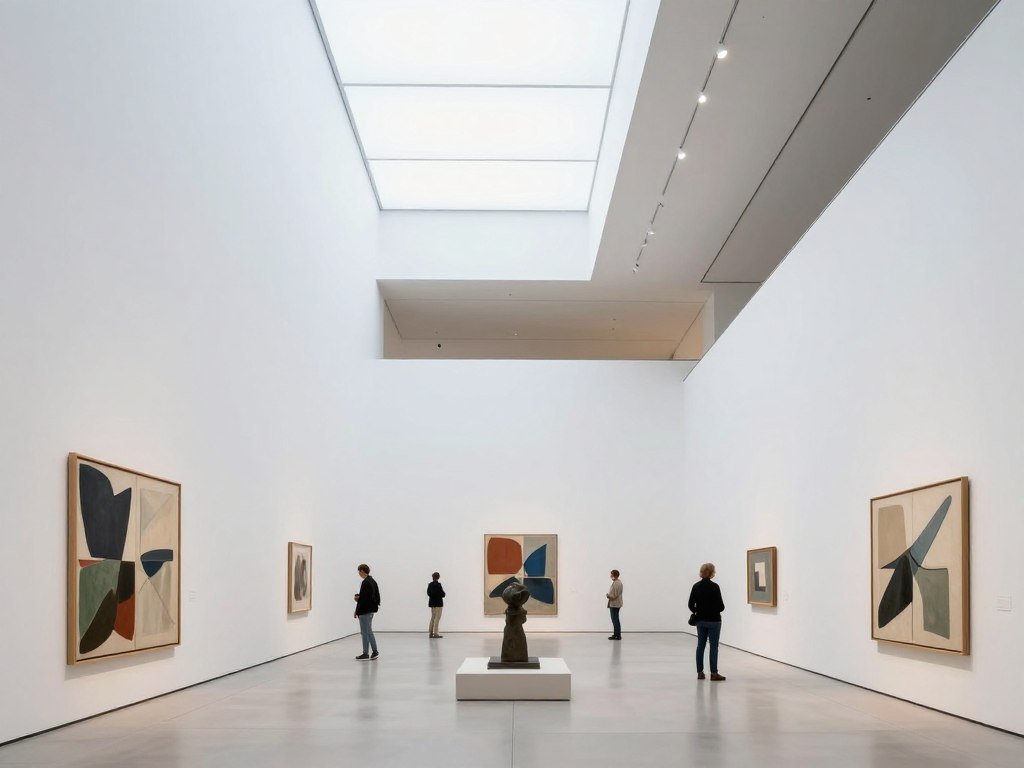
The Pinakothek der Moderne occupies a striking contemporary building housing four museums under one roof – modern art, design, architecture, and works on paper. The art collection traces twentieth and twenty-first-century movements from Expressionism through Pop Art to current installations. The design museum exhibits everything from classic chairs to contemporary fashion, while rotating exhibitions ensure return visits reveal new perspectives on art, design, and cultural production.
Museum Visiting Strategy for 2026
- Purchase a day ticket covering all three Pinakotheks for best value
- Start at Alte Pinakothek when doors open to see Old Masters before crowds arrive
- Break for lunch at museum cafes or nearby restaurants in Maxvorstadt neighborhood
- Dedicate afternoon to either Neue Pinakothek or Pinakothek der Moderne based on preferences
- Download the official apps for self-guided audio tours in multiple languages
- Sunday admission costs just one euro, though expect significantly larger crowds
Visit Neuschwanstein Castle: Bavaria's Fairy Tale Icon
Experience King Ludwig II’s masterpiece on this unforgettable day trip from Munich. This best-selling tour includes castle skip-the-line tickets, expert guide, and stunning Alpine scenery. Neuschwanstein books solid months ahead for 2026 – secure your spot now before availability disappears.
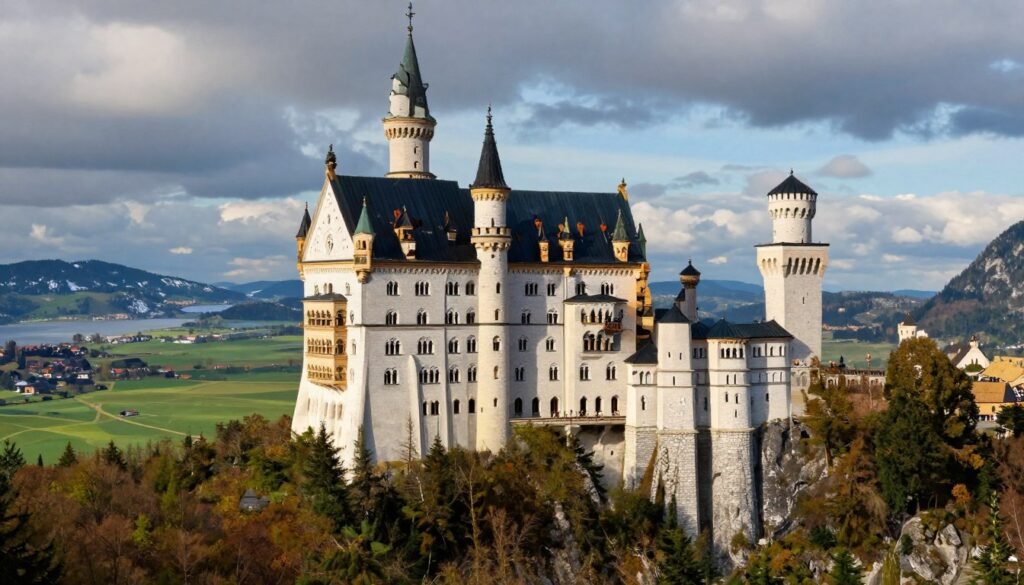
Full-Day Castle Tour from Munich
- Skip-the-line Neuschwanstein interior tour
- Visit to Linderhof Palace (summer palace)
- Photo stops at Marienbrücke bridge
- Traditional Bavarian village lunch break
- Round-trip transport from Munich
- Expert English-speaking guide
Duration: 10-11 hours | Group size: Maximum 25 people
From $96 per person
Free cancellation 24 hours before
Why Book This Tour
Neuschwanstein Castle requires advance timed-entry tickets that sell out weeks ahead, especially during summer 2026. This tour guarantees your castle access and eliminates the stress of complex public transport connections.
- Skip ticket lines that add 2+ hours wait time
- Guaranteed castle entry even when sold out
- Professional photography guidance at best viewpoints
- Historical context enriches your experience
- Visit two castles in one efficient day
2026 Alert: Peak season tours (June-September) typically sell out 2-3 months in advance. Book early to secure your preferred date.
Discover Science at Deutsches Museum: World's Largest Technology Museum
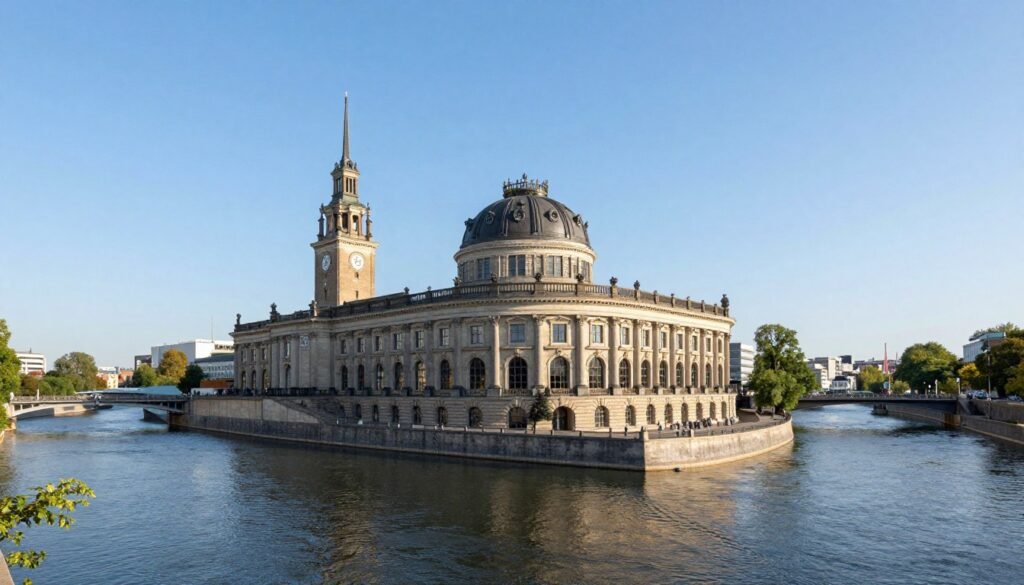
Occupying an entire island in the Isar River, the Deutsches Museum ranks as one of the world’s largest science and technology museums, with exhibits spanning everything from ancient mining techniques to space exploration. Founded in nineteen hundred three, the museum underwent extensive renovations and reopened in twenty twenty-two with completely redesigned exhibitions that make complex scientific concepts accessible through interactive displays and hands-on demonstrations.
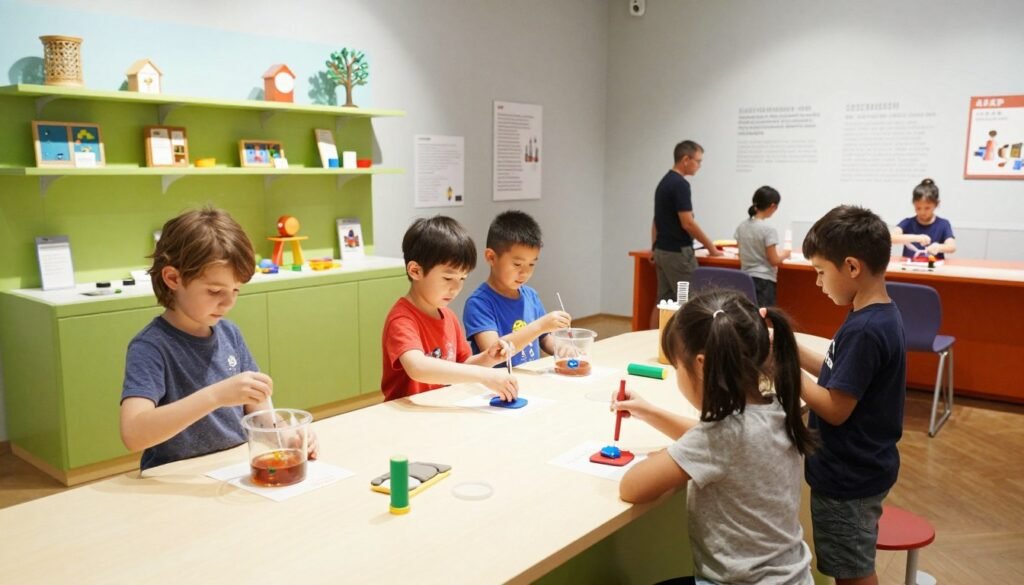
The collection encompasses two hundred thousand square feet of exhibition space organized into nineteen themed sections. Aviation enthusiasts can examine historic aircraft suspended from the ceiling, while maritime history comes alive with a full-size fishing boat and submarine periscule you can actually use. The musical instrument section demonstrates acoustic principles through playable exhibits, and the mining section recreates underground tunnels complete with authentic equipment. Kids particularly love the Kinderreich, a dedicated area where three-to-eight-year-olds can explore science through age-appropriate interactive installations.
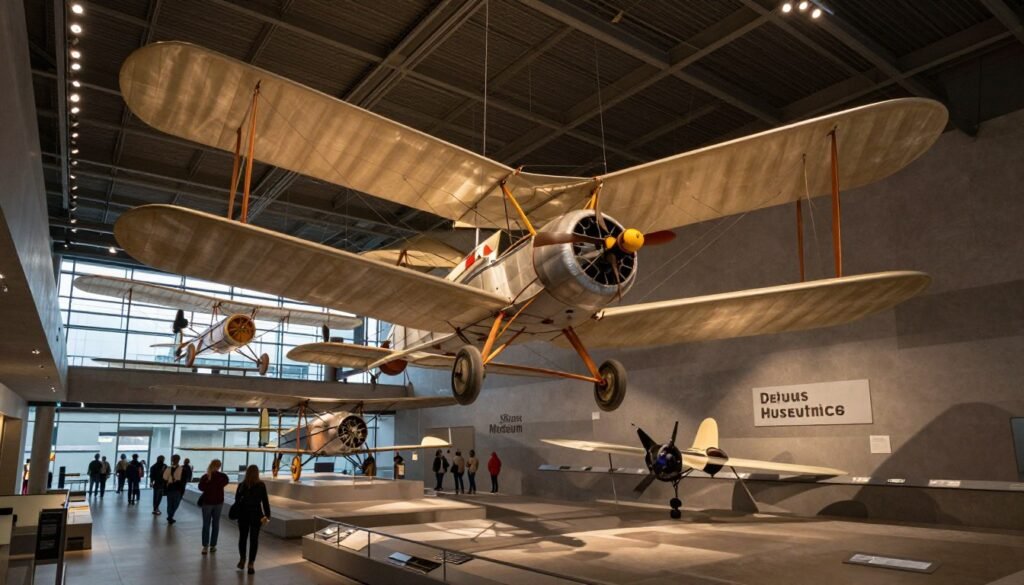
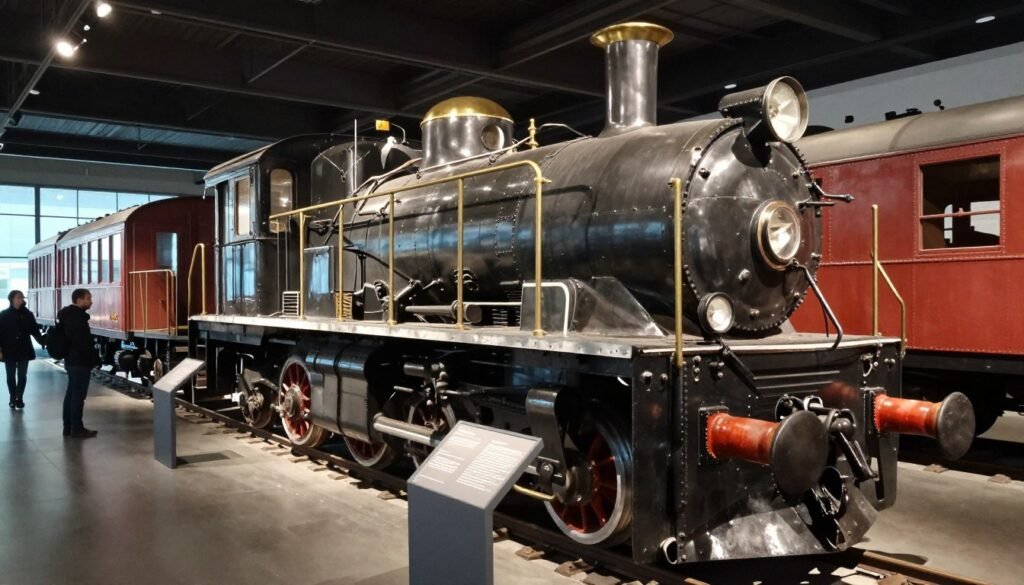
Daily demonstrations bring exhibits to life – watch high-voltage electricity arc between Tesla coils, see glassblowing techniques, or learn about chemical reactions in the chemistry theater. The planetarium presents shows about astronomy and space exploration throughout the day. Even visitors with limited interest in technology find something captivating, whether examining Leonardo da Vinci’s engineering drawings or watching model trains navigate intricate landscapes. The rooftop restaurant offers panoramic views across Munich between exhibitions.
Planning Your Deutsches Museum Visit
What to Know
- Allocate minimum three to four hours for even selective touring
- Full exploration could easily consume an entire day
- Most exhibits feature English translations and descriptions
- Planetarium shows require separate tickets purchased onsite
- Photography allowed throughout most exhibitions
- Facility fully wheelchair accessible with elevators
Considerations
- Massive size means you can’t see everything in one visit
- Some technical exhibits assume basic scientific knowledge
- Popular with school groups on weekday mornings
- Limited food options beyond rooftop restaurant
- Can feel overwhelming without a focused plan
Experience Olympiapark: Legacy of the 1972 Olympics
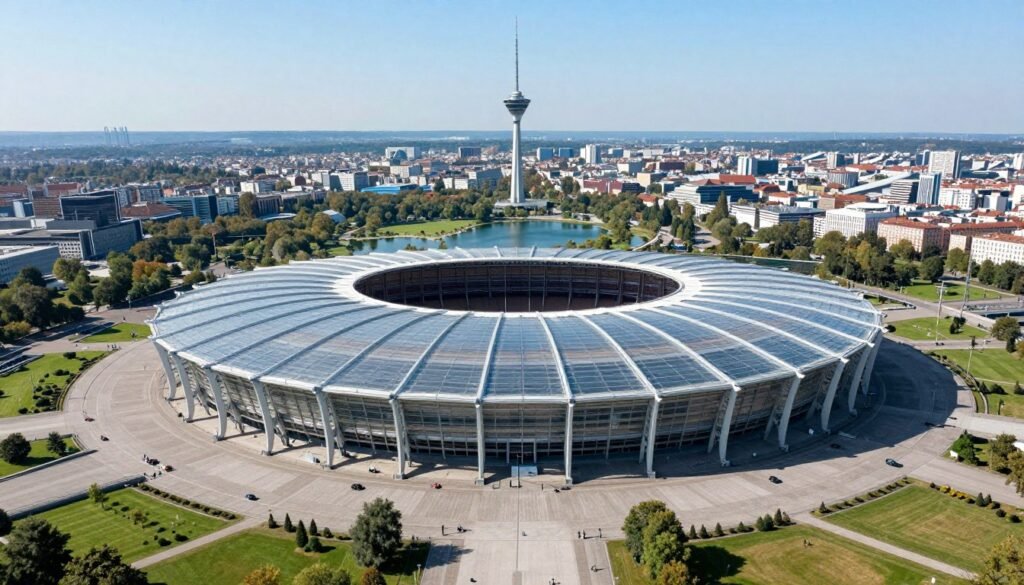
Built for the nineteen seventy-two Summer Olympics, Olympiapark transformed a former World War Two rubble dump into one of Munich’s most beloved recreation spaces. The revolutionary tent-like acrylic roof structure designed by architect Frei Otto still impresses with its sweeping curves and transparent panels that seem to float above the Olympic Stadium. More than fifty years later, the park serves both as sports facility and public green space where Münchners jog, picnic, and attend concerts at the stadium that once hosted Olympic ceremonies.
The Olympic Tower provides the best views across Munich and the Alps on clear days. At nearly three hundred meters tall, this telecommunications tower includes an observation platform and revolving restaurant where you can dine while completing a full rotation every fifty-three minutes. The Olympia-Schwimmhalle swimming complex offers lap pools and diving facilities open to the public, while the extensive park grounds feature tennis courts, mini golf, and in winter, sledding hills that attract families when snow blankets the slopes.
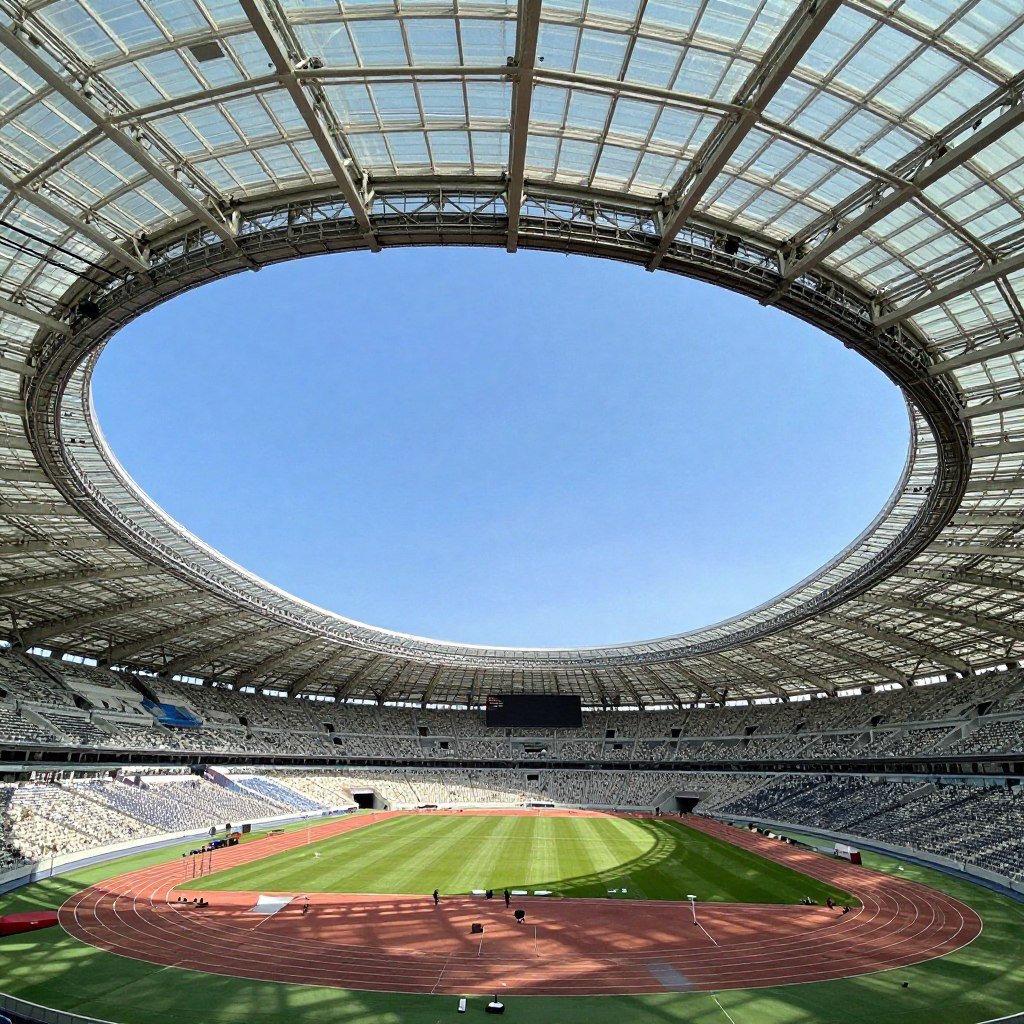
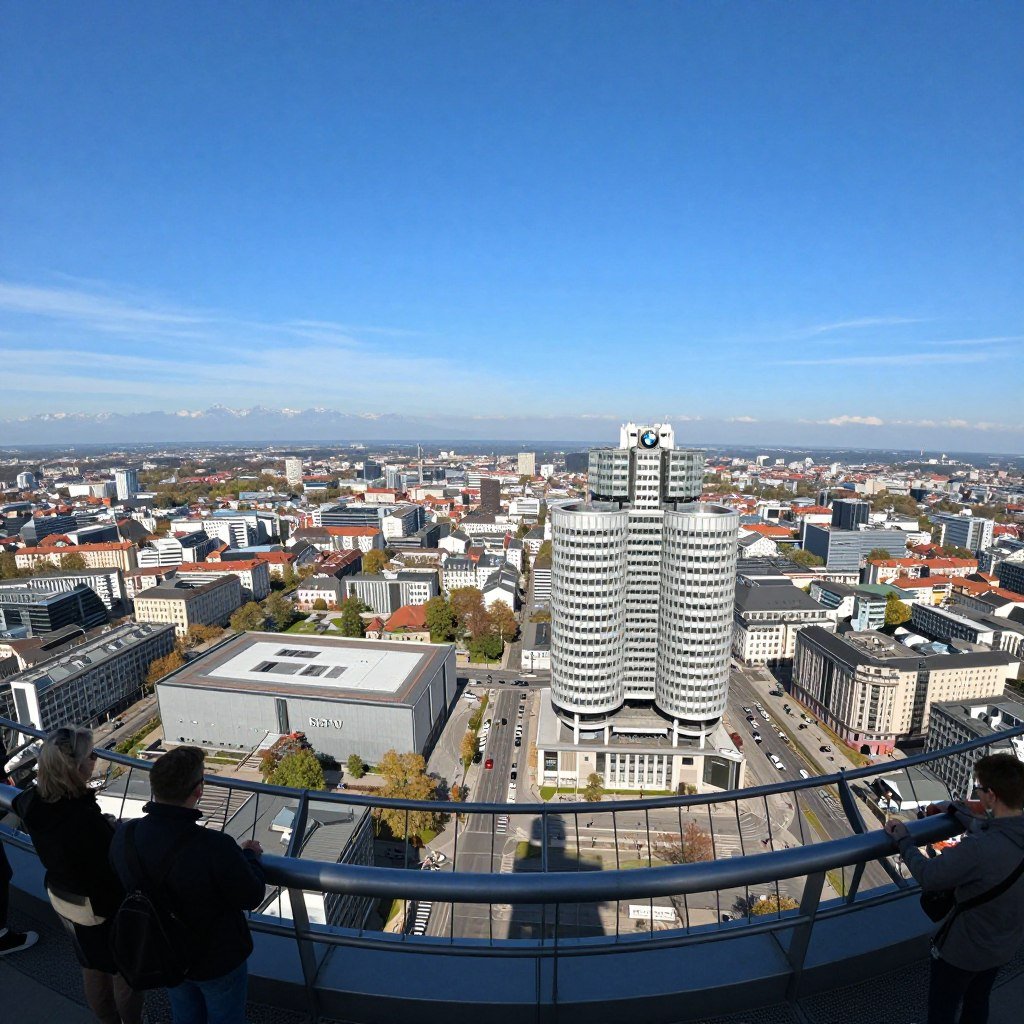
Adventure seekers can book roof climbing tours that take you across the stadium’s tent roof structure with safety harness and guides, offering unique perspectives and adrenaline rushes. The Olympic Hill (Olympiaberg), built from war rubble and landscaped with walking paths, provides panoramic views without tower admission fees. Throughout summer, the park hosts major concerts and festivals, transforming the grounds into Munich’s largest outdoor entertainment venue. The area also houses Sea Life München aquarium and the BMW Museum for non-sports diversions.
2026 Events: Check the Olympiapark event calendar for concerts, sports events, and festivals scheduled during your visit. Major international touring acts frequently perform here, and the stadium hosts FC Bayern Munich occasional matches when Allianz Arena undergoes maintenance.
Embrace Beer Garden Culture: Munich's Social Heart
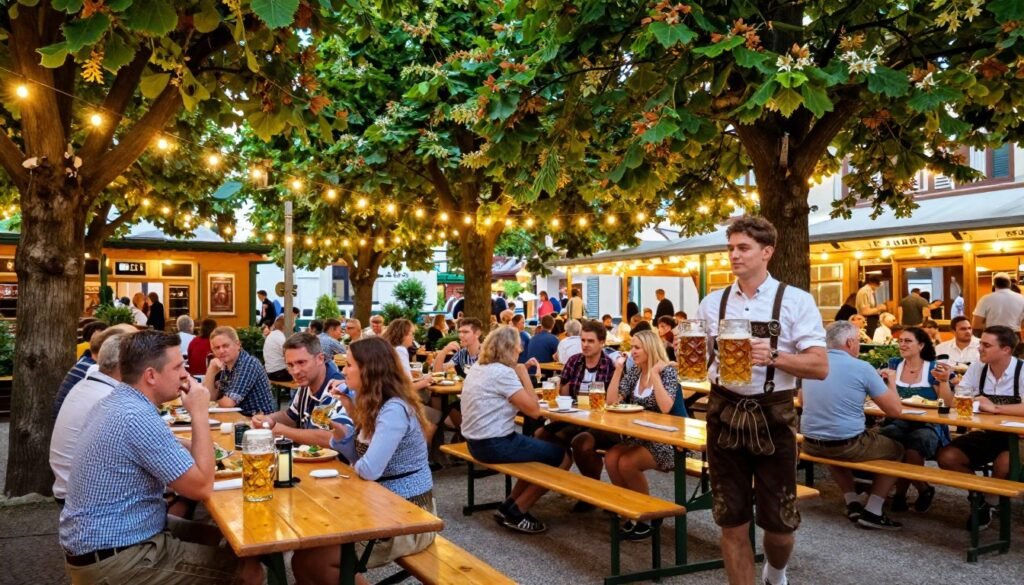
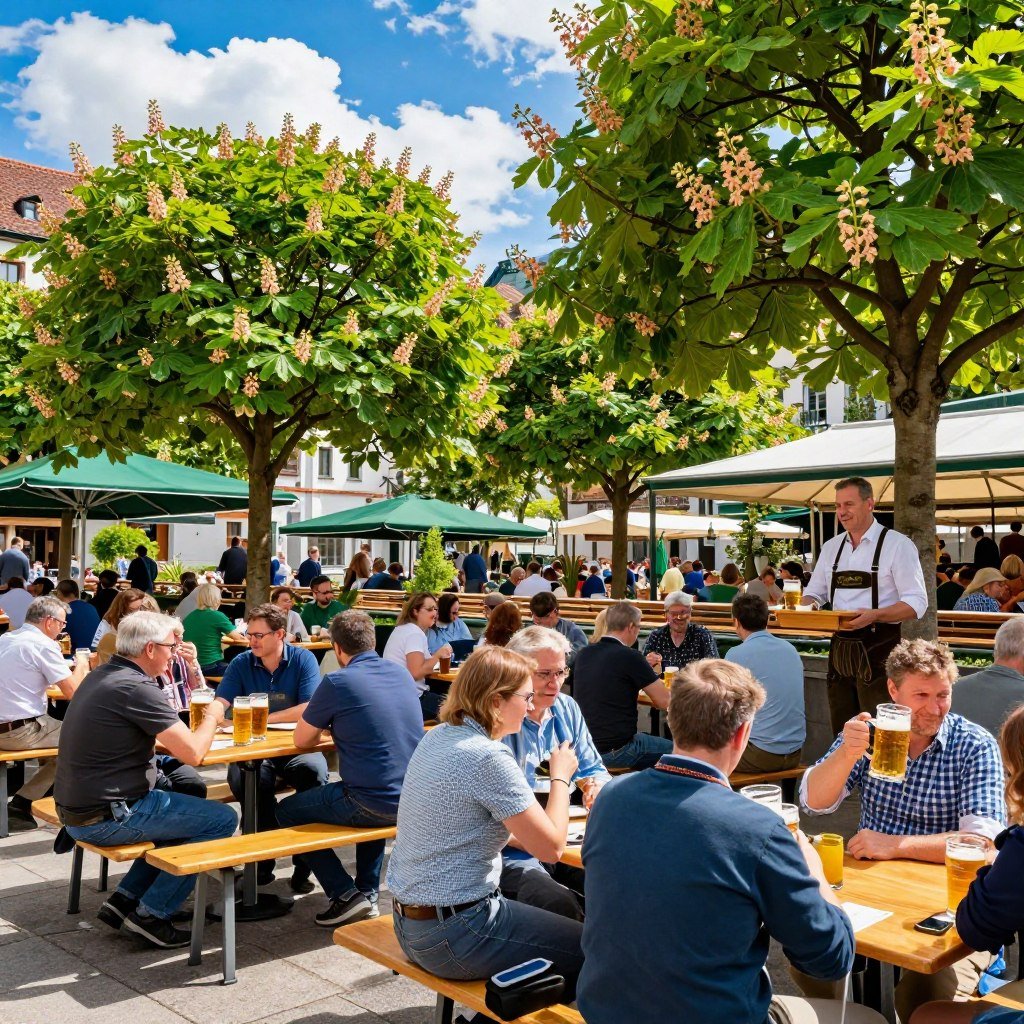
Beer gardens represent Munich’s most authentic social institution, where social class dissolves at communal tables beneath spreading chestnut trees and locals and visitors alike gather to enjoy cold beer and Bavarian specialties. These outdoor spaces follow traditions dating back centuries, when breweries needed shaded areas to keep their beer cool before refrigeration. Today’s beer gardens maintain strict rules – service only from traditional one-liter steins, food brought from home permitted in designated areas, and opening hours determined by weather rather than arbitrary schedules.
Augustiner-Keller near the main train station claims status as Munich’s oldest beer garden, with five thousand seats beneath century-old trees and traditional wooden barrels serving the city’s most beloved brewery. The beer here comes from wooden kegs rather than metal, a rarity that connoisseurs claim produces superior taste. You can sample classic Bavarian dishes like roast pork, käsespätzle, and obatzda cheese spread, or follow local tradition and bring your own food while purchasing drinks from the garden.
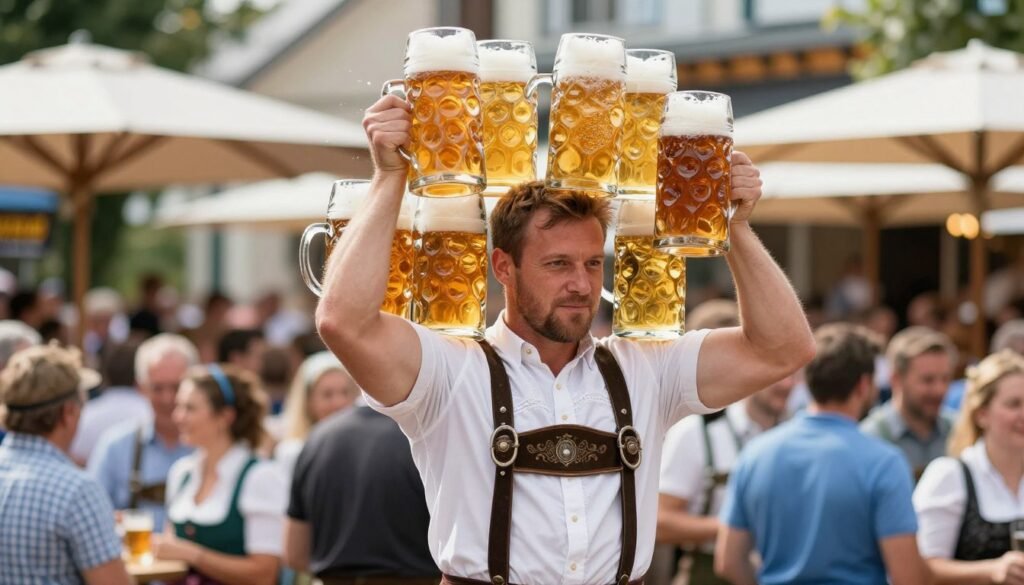

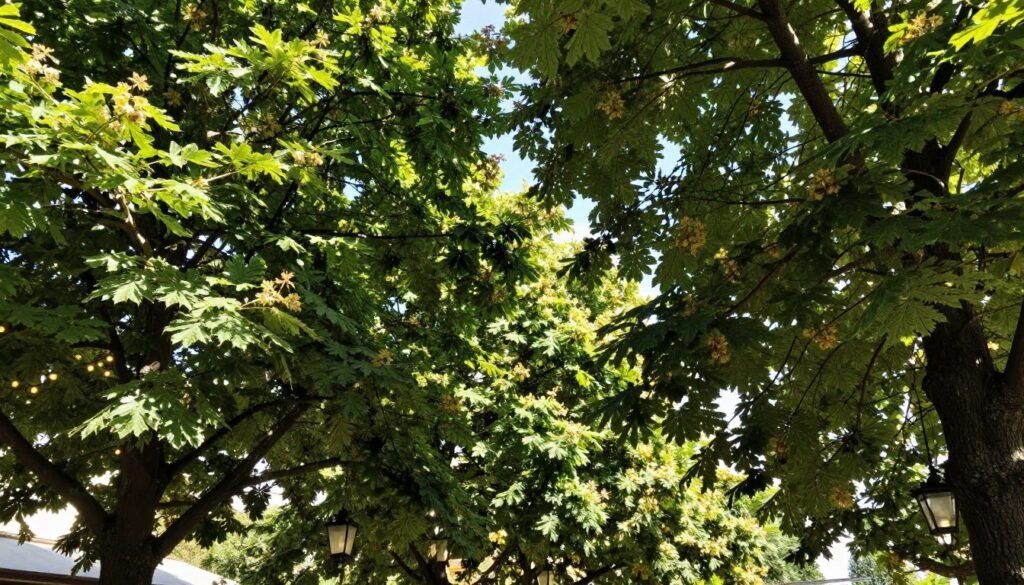
The Chinese Tower beer garden in the English Garden seats seven thousand under chestnut trees surrounding the park’s iconic pagoda. Brass bands perform traditional music on weekend afternoons from the tower’s upper levels, creating festive atmosphere where spontaneous dancing occasionally breaks out. Hirschgarten claims the title of world’s largest beer garden with eight thousand seats, plus a deer enclosure where visitors feed the resident animals. Each beer garden develops its own character – some attract families, others business crowds, and a few become neighborhood meeting spots where regulars occupy the same tables year after year.
Beer Garden Etiquette and Tips
- Sit at tables without tablecloths if bringing own food
- Order beer by the “Maß” (one liter) for authentic experience
- Share tables with strangers – it’s expected and encouraged
- Say “Prost!” and make eye contact when clinking glasses
- Visit between opening time and four PM to avoid crowds
- Bring cash as many gardens don’t accept cards
Do This
- Don’t sit at reserved tables marked with signs
- Never bring own drinks – buy from the garden
- Don’t expect table service – order at the counter
- Avoid loud behavior that disturbs others
- Don’t try to reserve entire tables for small groups
- Skip peak dinner hours (six to eight PM) if seeking calm atmosphere
Avoid This
Climb St. Peter's Church Tower: Munich's Best Viewpoint
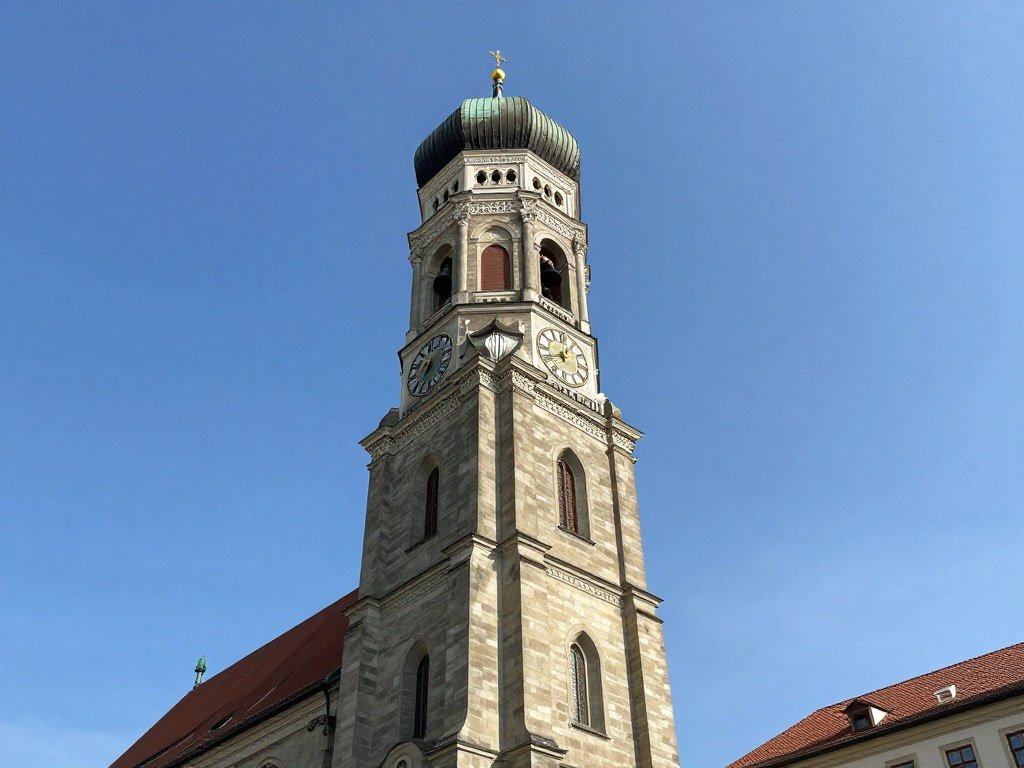
St. Peter’s Church holds distinction as Munich’s oldest parish church, with origins stretching back to before the city’s founding. The current structure dates primarily to the seventeenth century, though the tower – affectionately known as Alter Peter (Old Peter) by locals – underwent multiple reconstructions after fires and war damage. Today visitors flock here not primarily for the ornate baroque interior, beautiful though it is, but for the panoramic views from the tower’s observation platform.
The climb demands effort – two hundred ninety-four narrow steps wind upward with no elevator option and several tight spiral sections that require patience when descending traffic meets ascending visitors. Your reward for this cardiovascular workout materializes at the top, where three hundred sixty-degree views encompass the entire city center. On clear days, the Bavarian Alps form a stunning backdrop beyond Munich’s rooftops, while below you can identify the Frauenkirche towers, the New Town Hall glockenspiel, and the expansive English Garden stretching northward.
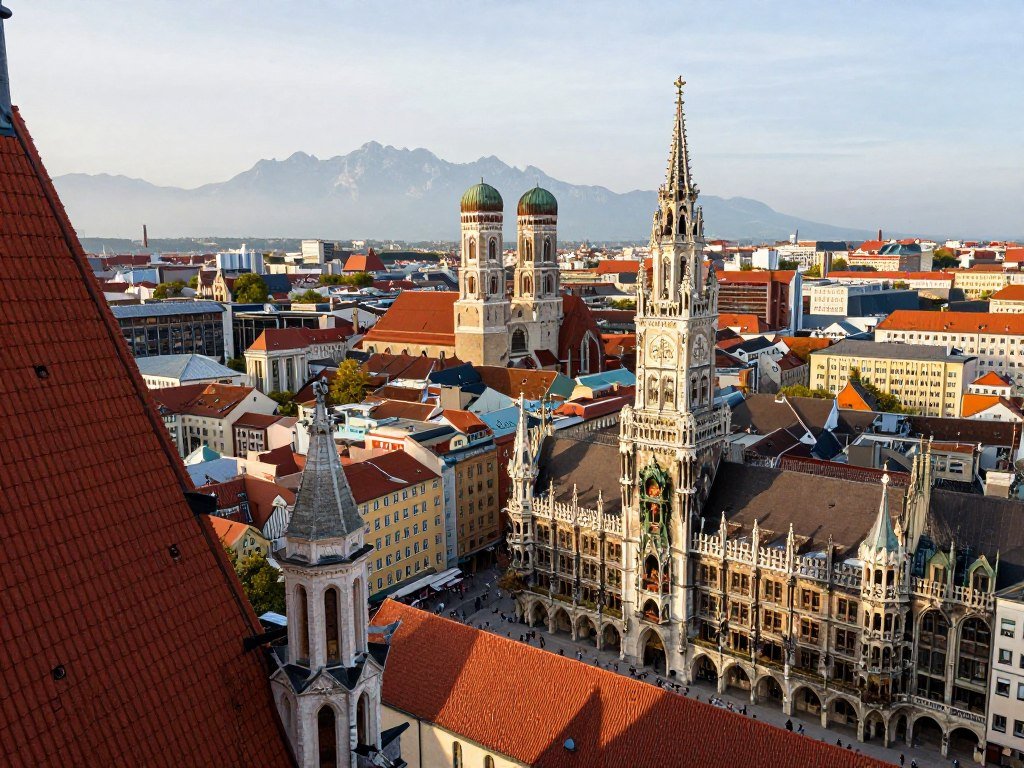
Inside the church itself, the lavish baroque interior contrasts sharply with the brick exterior. Gold leaf covers much of the ornate altar area, while the ceiling frescoes depict scenes from St. Peter’s life. The most unusual treasure sits in a glass case – the jewel-encrusted skeleton of St. Munditia, an early Christian martyr. The bones, brought from Roman catacombs in the eighteenth century, wear elaborate clothes and jewelry that create an arresting if somewhat macabre display.
Visiting Alert: The tower closes during bad weather and in winter due to dangerous conditions on the narrow outdoor platform. Check weather forecasts and arrive early on clear days to avoid long queues, especially during peak summer season when waits can exceed thirty minutes.
Visit Hofbräuhaus: World's Most Famous Beer Hall
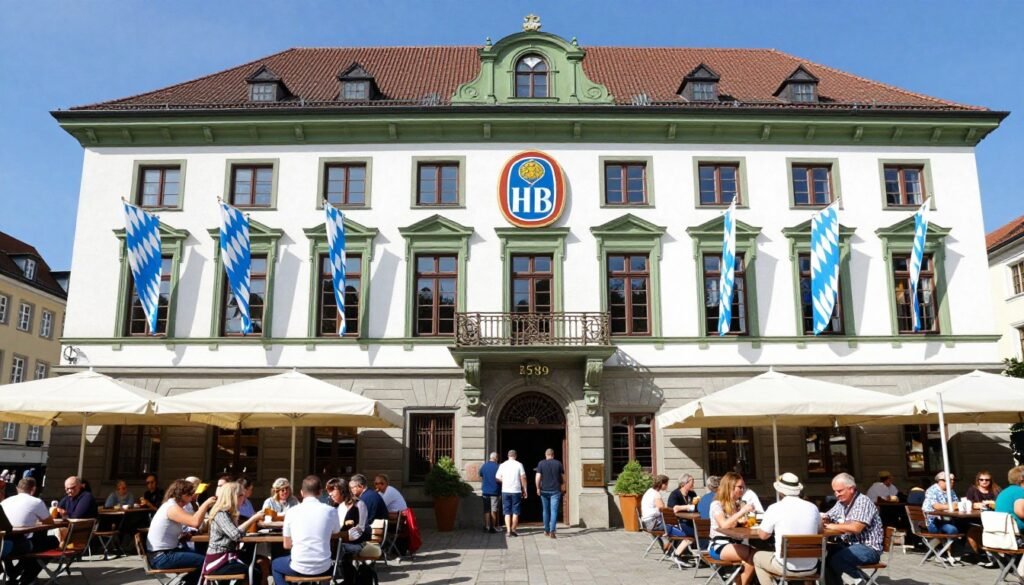
The Hofbräuhaus München occupies a unique position in beer culture – simultaneously a major tourist attraction and a genuine Bavarian institution where locals maintain their reserved seats in certain sections. Founded in fifteen eighty-nine as the royal court brewery, this massive beer hall has survived centuries of history, from hosting Mozart’s concerts to serving as a beer hall where Hitler delivered early speeches. Today it operates as one of Munich’s most visited sites, serving thousands of visitors daily in spaces that preserve traditional atmosphere while accommodating mass tourism.
The main hall seats over one thousand people at long communal tables where oompah bands perform traditional music on an elevated stage. Servers in traditional dirndls navigate the crowds carrying impossible numbers of heavy beer steins, while the din of conversation in dozens of languages creates overwhelming sensory atmosphere. The beer flows from massive copper tanks visible behind glass, and the menu offers all the Bavarian classics – schweinshaxe (pork knuckle), hendl (roast chicken), obatzda cheese spread, and of course plenty of sausages and sauerkraut.
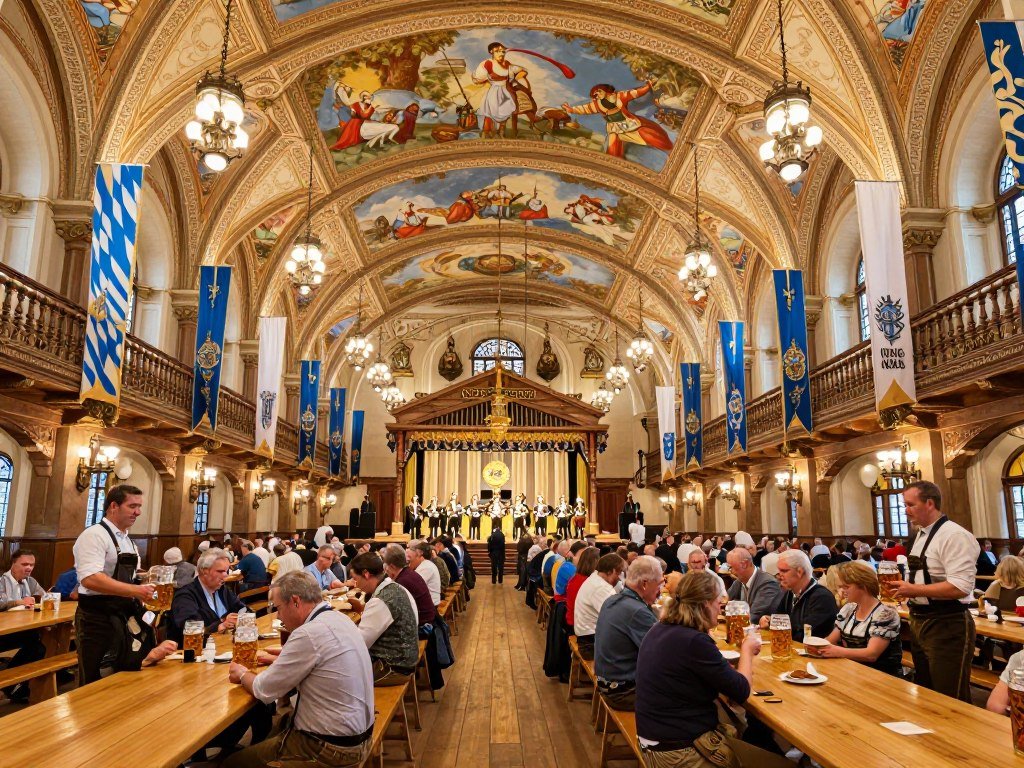
Many visitors don’t realize the Hofbräuhaus complex extends beyond the famous main hall. Upstairs rooms provide quieter dining spaces with the same menu but more subdued atmosphere, while the outdoor beer garden offers fresh air and shade under chestnut trees. A small museum documents the brewery’s history with artifacts, photographs, and explanations of traditional brewing methods. Across the street, the Hofbräuhaus shop sells branded steins, clothing, and other souvenirs for those wanting to bring home a piece of this legendary institution.
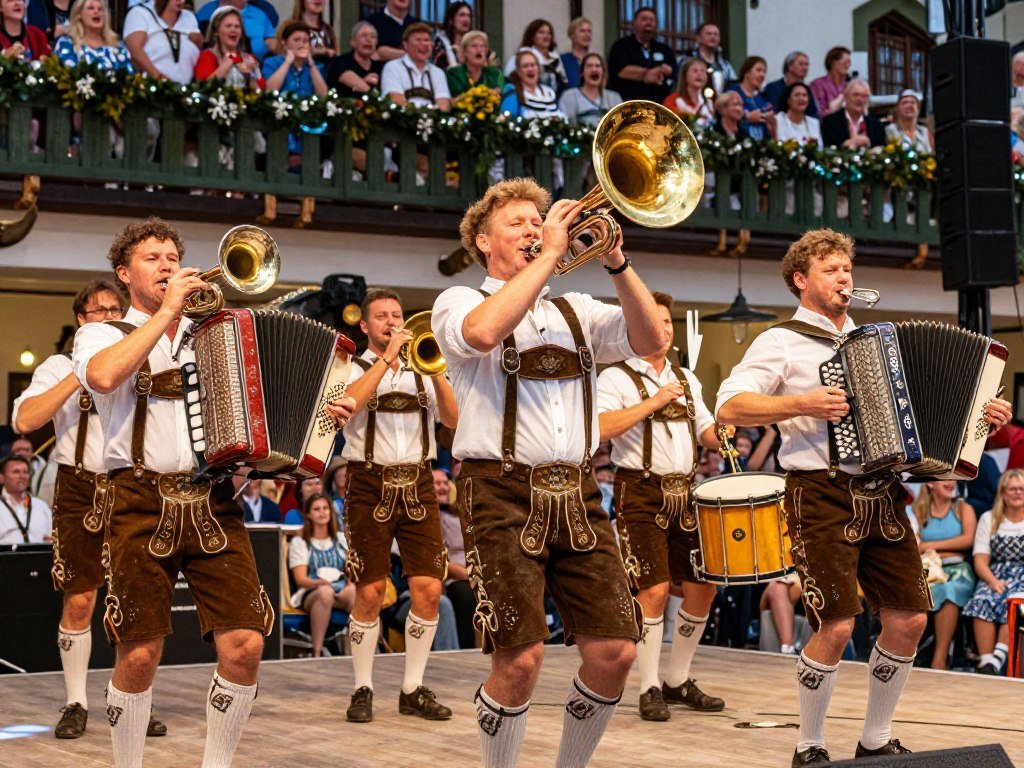
Insider Strategy for 2026: Visit in late afternoon around three or four o’clock to experience authentic atmosphere with fewer tour groups. Locals typically occupy their regular tables in the “Stammtisch” sections, and you’ll find better seating availability before evening dinner crowds. Skip the ground floor if overwhelmed by noise and head upstairs for the same experience with lower decibel levels.
Admire Odeonsplatz: Munich's Italian-Inspired Square
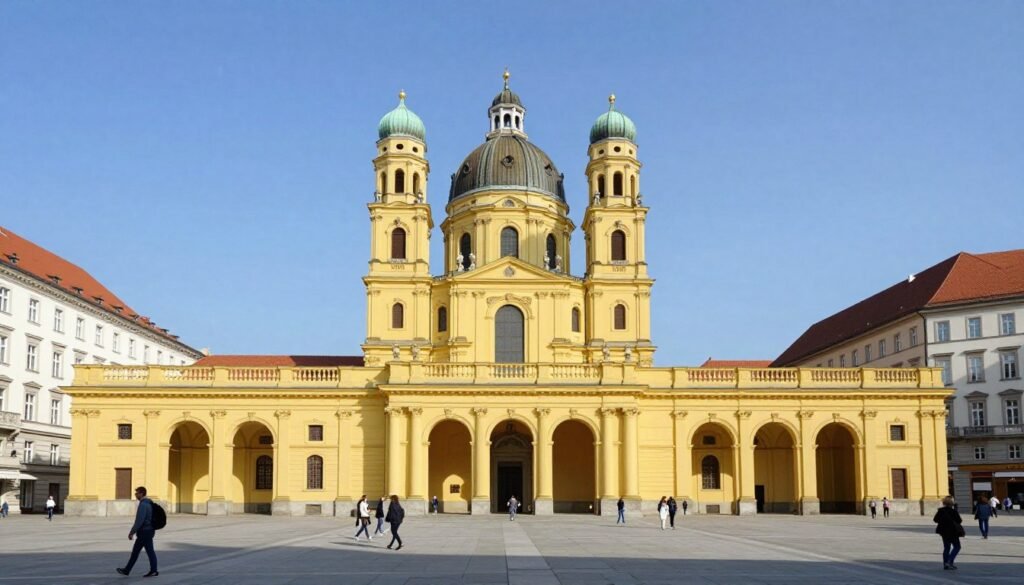
Odeonsplatz exemplifies Munich’s reputation as Germany’s most southern city, where Mediterranean architectural influence mingles with Bavarian tradition. This grand square resulted from nineteenth-century urban planning by King Ludwig I, who dreamed of transforming Munich into a cultural capital rivaling Italian cities. The square’s name comes from the former Odeon concert hall, though today the space is defined by two commanding structures that bracket its open plaza.
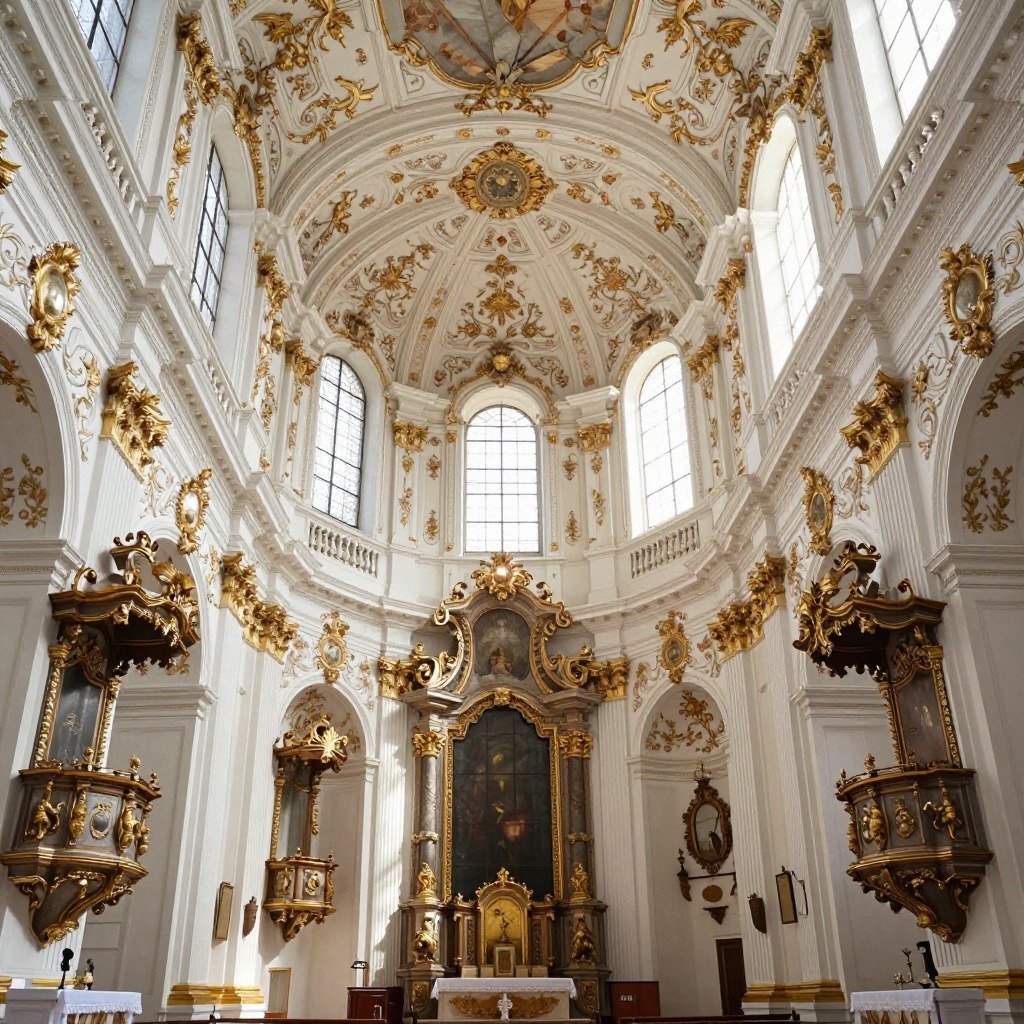
The Theatine Church (Theatinerkirche) dominates the square with its bright yellow facade and distinctive twin towers topped with copper domes. This baroque church, built in the mid-seventeenth century to celebrate the birth of a Bavarian heir, contains an ornate interior where white stucco and gold decoration create luminous atmosphere. The church serves as the final resting place for several Wittelsbach rulers, and its prominent position makes it one of Munich’s most recognizable landmarks.
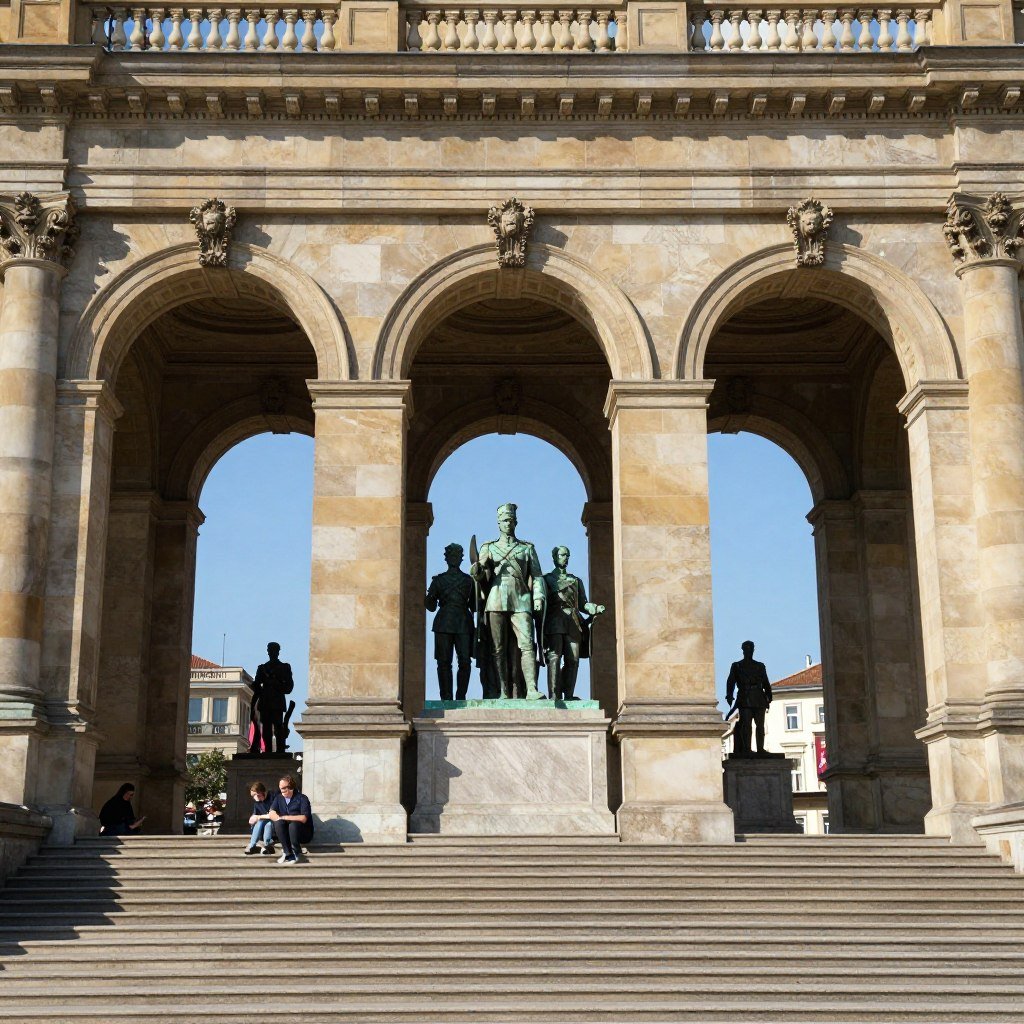
At the square’s southern end, the Feldherrnhalle (Field Marshals’ Hall) creates deliberate reference to Florence’s Loggia dei Lanzi with its three open arches and prominent position. Built in the eighteen forties, this monument honors Bavarian military leaders with bronze statues positioned beneath the vaulted ceiling. The structure gained darker historical significance as the site of the nineteen twenty-three Beer Hall Putsch, where Nazi Party members clashed with police in a failed coup attempt. Today the steps provide popular seating where locals and tourists alike rest while admiring the square’s proportions.
Surrounding Attractions: From Odeonsplatz, the Hofgarten (Court Garden) extends northward offering peaceful green space, while Ludwigstrasse stretches north toward the university district lined with impressive neoclassical buildings. The square marks the western edge of Munich’s old town and provides excellent public transport connections via U-Bahn station.
Experience World-Class Opera at Bavarian State Opera House
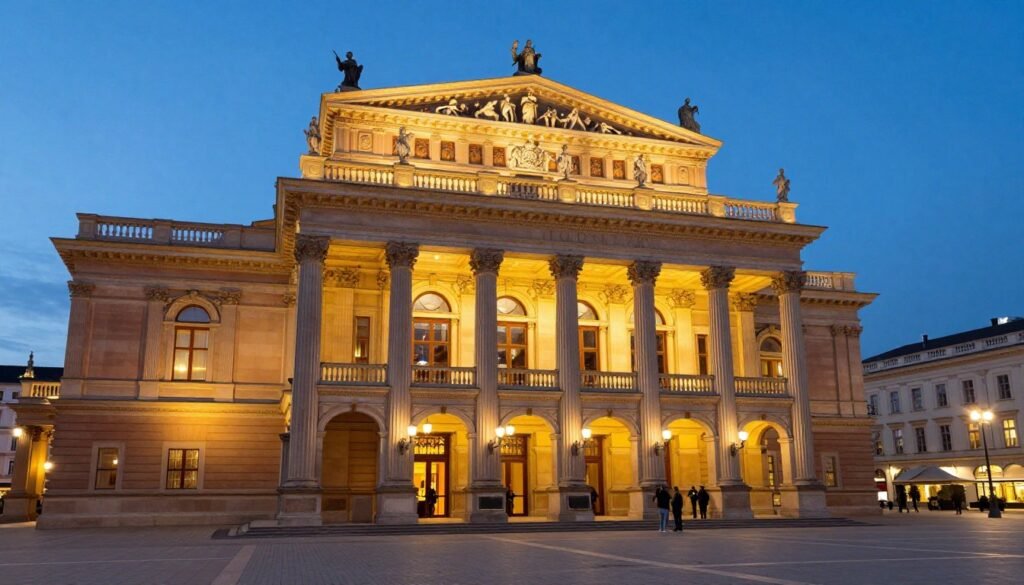
Secure tickets for unforgettable performances at one of Europe’s finest opera houses. The 2026 season features spectacular productions, acclaimed international performers, and the world-renowned Bavarian State Orchestra. Premium seats sell out quickly – book early to guarantee the best selection.
Why Attend Munich Opera in 2026
The Venue
The National Theatre ranks among the world’s most prestigious opera houses, with acoustics designed to showcase vocal brilliance and orchestral depth. The neoclassical building seats twenty-one hundred across multiple tiers offering excellent sightlines from virtually every position.
- One of Europe’s largest opera stages
- Home to Bavarian State Opera since 1818
- World-renowned Bavarian State Orchestra
- Historic premieres of Wagner operas
2026 Season Highlights
The diverse program includes classic operas, contemporary works, and the annual Munich Opera Festival in summer featuring international stars and sold-out performances.
- Wagner, Verdi, Mozart masterpieces
- Contemporary opera premieres
- Ballet performances by State Ballet
- Summer festival (June-July 2026)
Booking Tip: Tickets release approximately six weeks before each performance. For the summer festival, tickets become available much earlier. Standing room tickets offer affordable access and excellent acoustics for those on tighter budgets.
Tour BMW Welt and Museum: Automotive Excellence

Adjacent to Olympiapark, the BMW complex showcases one of Germany’s most iconic brands through two complementary facilities. BMW Welt (BMW World) opened in two thousand seven as a futuristic exhibition and delivery center where new owners collect their vehicles in theatrical ceremony. The striking building itself, with its twisted double-cone roof and massive glass facades, represents architectural boldness matching the innovative vehicles displayed inside. Admission costs nothing, making it one of Munich’s best free attractions.
Inside BMW Welt, the latest BMW, MINI, and Rolls-Royce models fill the vast exhibition space. Interactive displays explain engineering innovations, design philosophies, and sustainability initiatives. You can sit in concept cars, explore electric vehicle technology, and watch the customer delivery ceremony where new owners descend a spiral ramp in their fresh-from-factory vehicles. The building houses multiple restaurants, a BMW lifestyle boutique, and rotating special exhibitions that keep the experience fresh for return visitors.
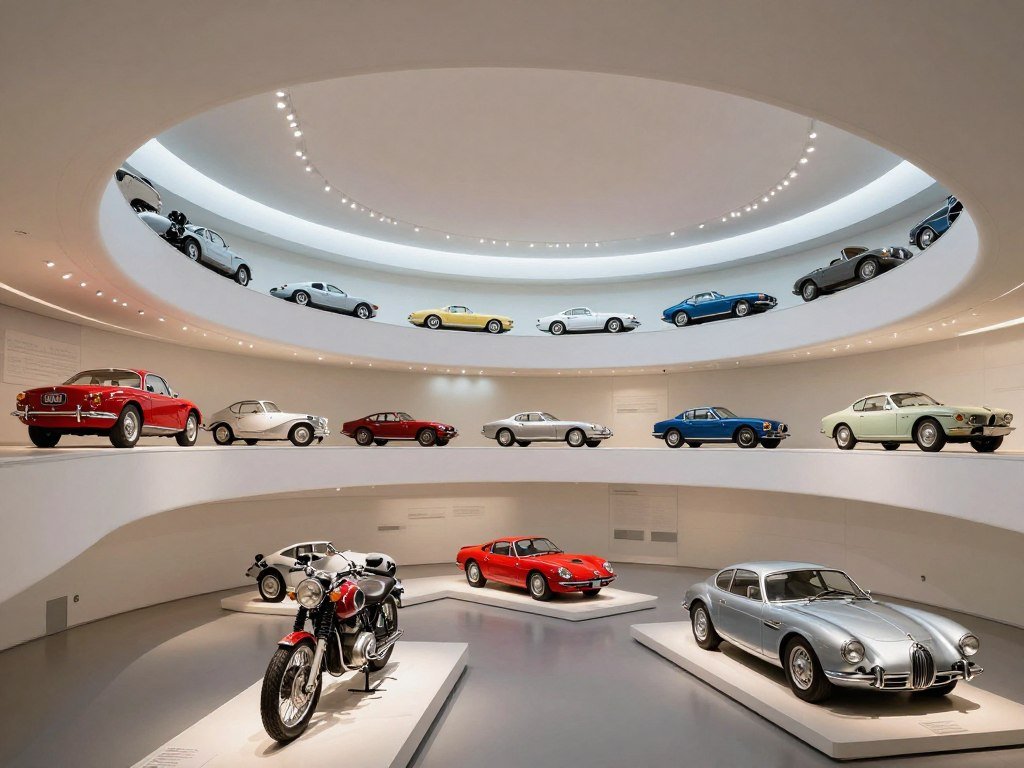
The BMW Museum next door requires paid admission but rewards automotive enthusiasts with a comprehensive journey through the company’s century-long history. The distinctive bowl-shaped building spirals upward chronologically, displaying everything from early aircraft engines (BMW began as an aviation company) through classic motorcycles and cars to current Formula One racing vehicles. Themed sections explore design evolution, technical innovations, and BMW’s cultural impact beyond mere transportation.
The museum appeals even to non-car enthusiasts through excellent storytelling and striking presentation. Each era receives careful contextualization showing how historical events and social changes influenced automotive design. The architecture itself creates drama, with vehicles suspended from ceilings and arranged along curving ramps that encourage organic exploration rather than linear progression through exhibits.
Visiting BMW Attractions
| Facility | Admission | Duration | Highlights |
| BMW Welt | Free entry | 1-2 hours | Latest models, architecture, vehicle delivery ceremonies |
| BMW Museum | €10 adults | 2-3 hours | Historic vehicles, brand evolution, racing heritage |
| Plant Tour | €12 adults | 2.5 hours | Production line, manufacturing process (advance booking required) |
Munich's Seasonal Highlights Throughout 2026
Spring in Munich (March-May)
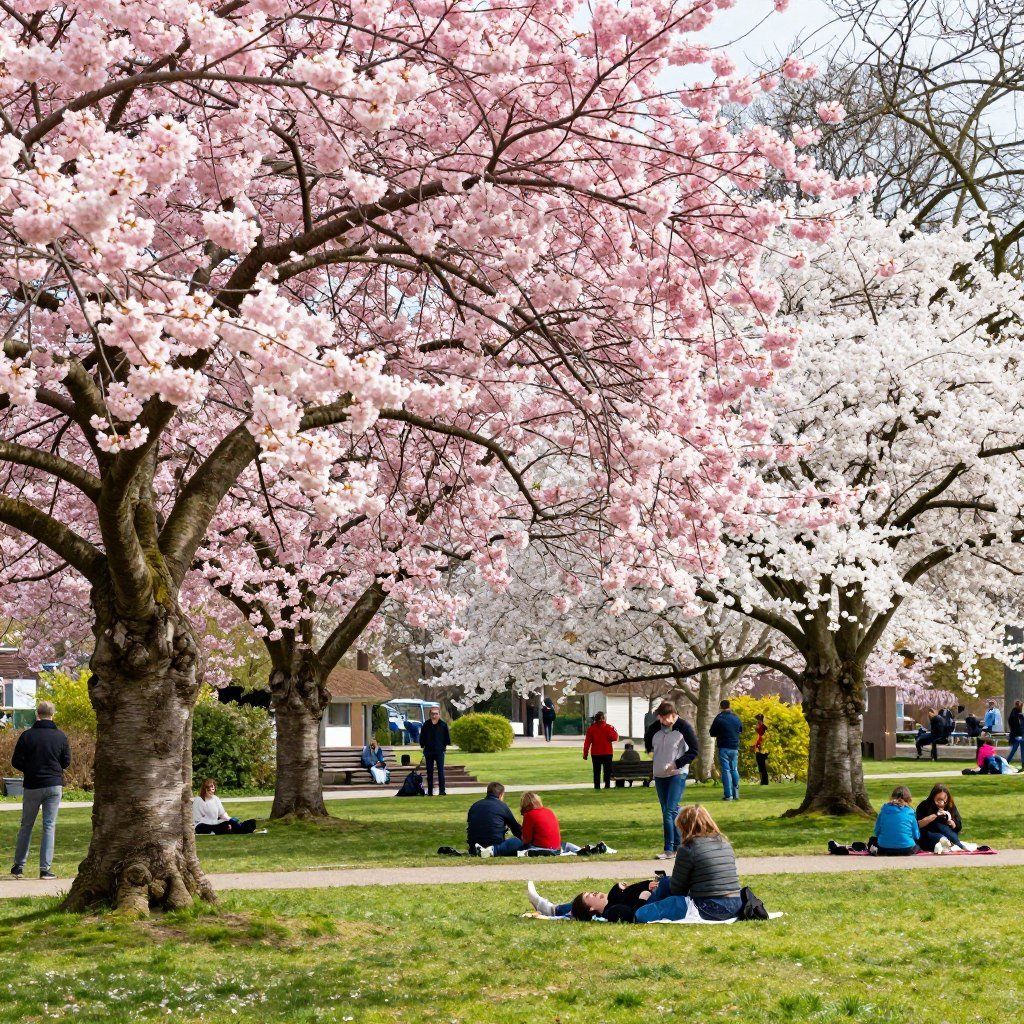
Spring brings Munich to life as beer gardens reopen, parks burst with color, and outdoor cafe terraces fill with locals emerging from winter hibernation. The Viktualienmarkt celebrates spring with special asparagus festivals, while the Strong Beer Festival (Starkbierfest) continues Lenten traditions with potent seasonal brews served in monastery beer halls. May Day sees maypoles erected throughout the city, and the Auer Dult market transforms Mariahilfplatz into a treasure trove of antiques, crafts, and traditional goods.
Summer in Munich (June-August)
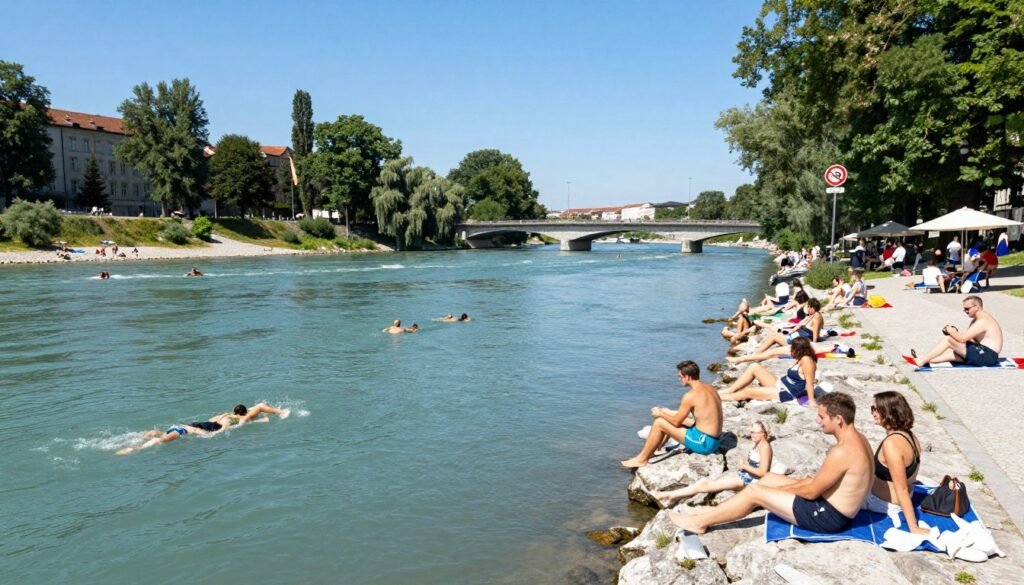
Summer represents peak season when the city operates at full throttle. Beer gardens overflow nightly, the English Garden becomes the city’s living room with thousands sunbathing and picnicking, and the Isar River attracts swimmers and surfers. The Munich Opera Festival in late June and July draws international audiences for world-class performances. Tollwood Summer Festival transforms Olympic Park into a multicultural celebration with music, theater, and international cuisine. Open-air cinemas pop up throughout the city screening everything from classics to recent releases under the stars.
Autumn in Munich (September-October)
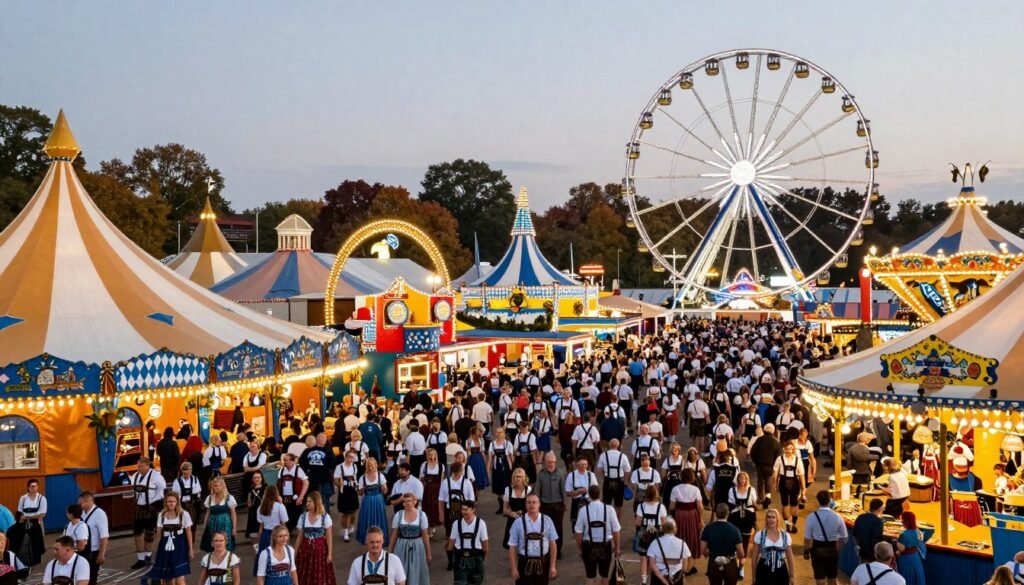
Autumn belongs to Oktoberfest, the world’s largest beer festival attracting over six million visitors to the Theresienwiese grounds from mid-September through early October. Beyond the festival, autumn colors transform parks and the surrounding countryside into photographer’s paradise. The Auer Dult returns in October with its antiques and crafts market, and theaters begin their main seasons after summer break. Cooler temperatures make city walking tours pleasant while harvest menus feature seasonal specialties like duck, venison, and mushrooms.
2026 Oktoberfest Dates: The 193rd Oktoberfest runs from September 19 through October 4, 2026. Book accommodation well in advance as hotels fill completely, often a year ahead. Consider staying outside the center and using public transport to reach the festival grounds.
Winter in Munich (November-February)
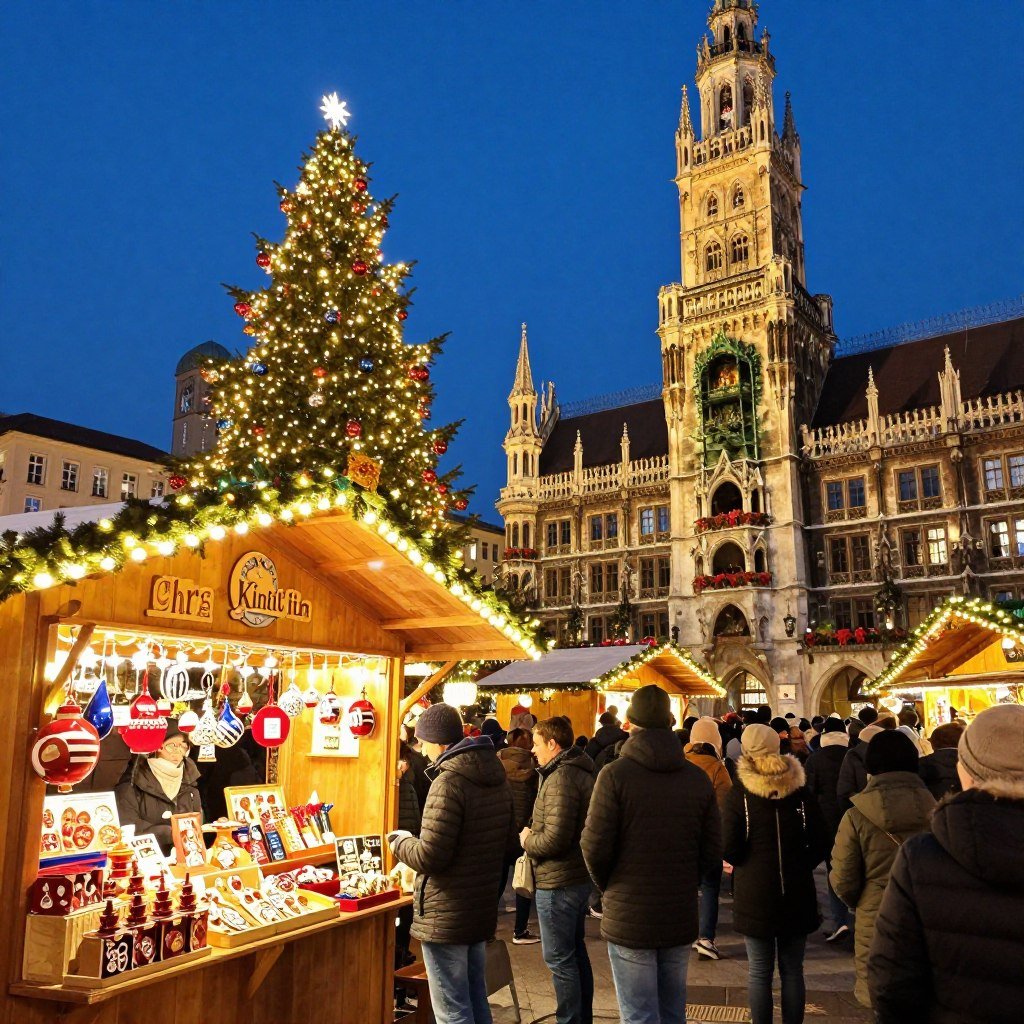
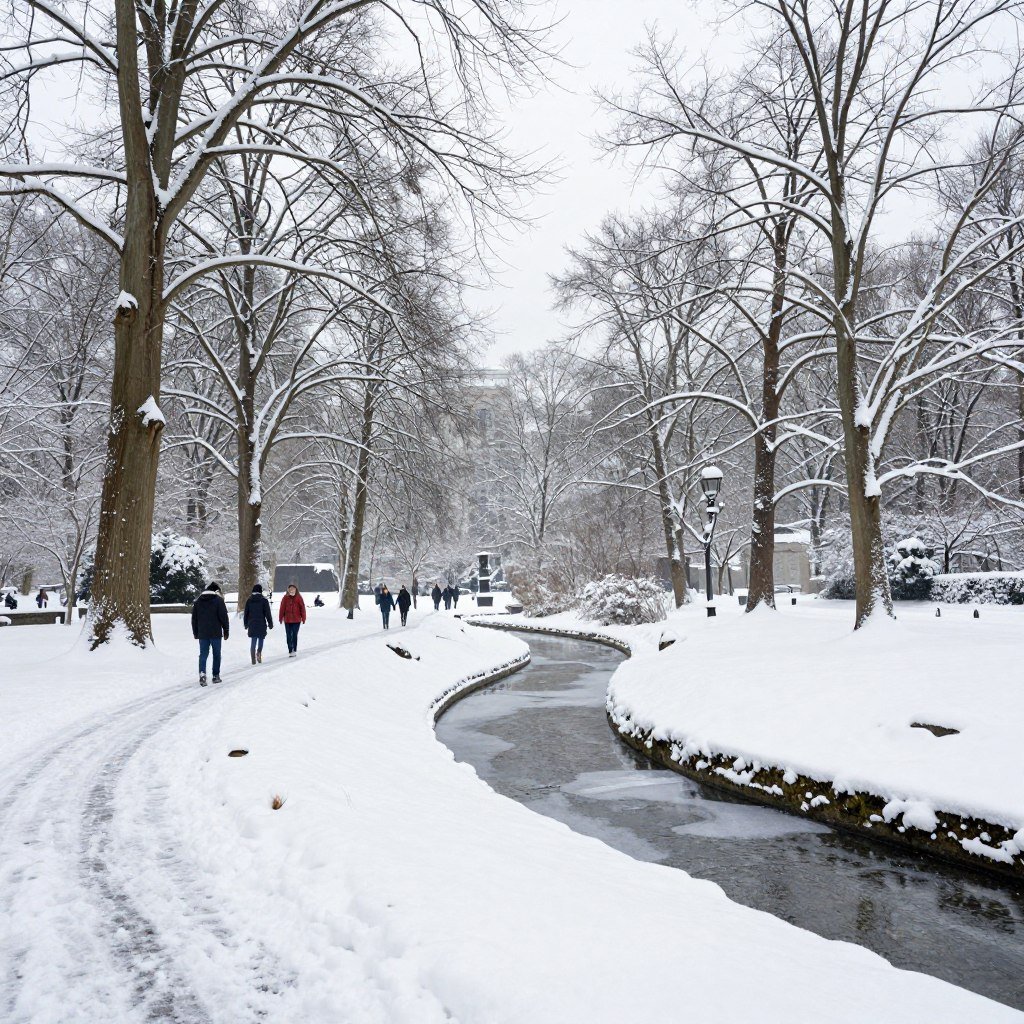
Winter transforms Munich into a magical wonderland when Christmas markets illuminate the city from late November through December twenty-fourth. The Christkindlmarkt at Marienplatz represents Munich’s largest and most traditional market, while smaller neighborhood markets offer more intimate atmospheres. Museums become prime destinations during short winter days, and when snow falls, sledding on Olympic Park slopes provides family entertainment. New Year’s Eve celebrations center around the city hall, and January sales attract bargain hunters to shopping districts.
Unforgettable Day Trips from Munich
Salzburg, Austria
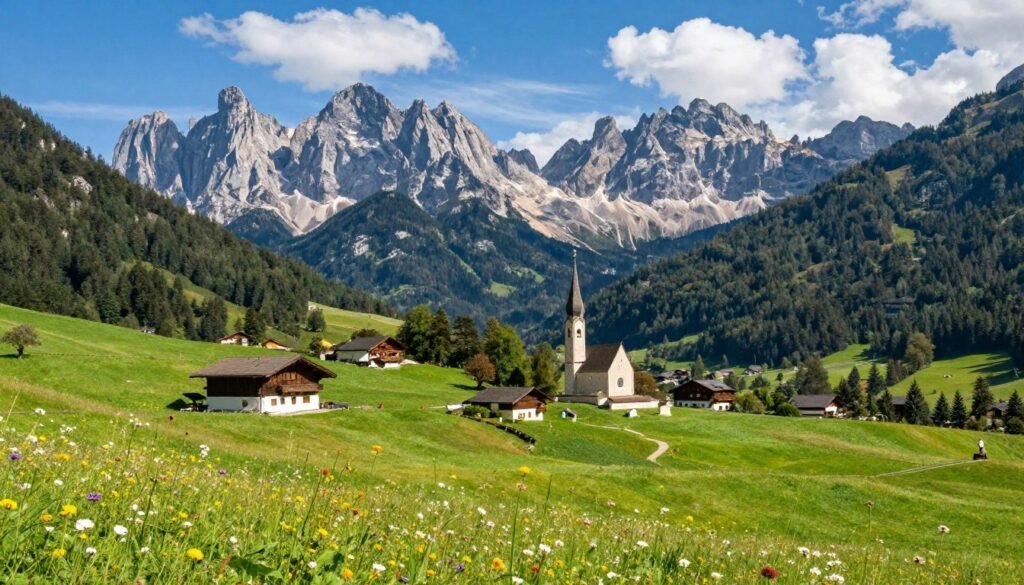
Just ninety minutes by train, Mozart’s birthplace offers a complete change of scenery. The UNESCO-listed old town nestles beneath Hohensalzburg fortress, featuring baroque architecture, Sound of Music filming locations, and Austrian cafe culture. Getreidegasse shopping street, Mirabell Gardens, and the fortress tour fill a full day, or simply wander the charming streets soaking up the unique Salzburg atmosphere that blends mountain grandeur with urban elegance.

Getting There
Regional trains depart Munich Hauptbahnhof hourly, reaching Salzburg in ninety to one hundred twenty minutes. Bavaria Ticket offers economical group travel allowing up to five people unlimited regional transport for one day. Trains require no advance booking, providing flexibility to catch whichever departure suits your schedule. Return trains run until late evening.
Dachau Concentration Camp Memorial
Located just outside Munich, the Dachau memorial site preserves the first Nazi concentration camp as an educational center teaching this dark chapter of history. The somber visit includes barracks reconstructions, memorial sculptures, extensive documentation, and the moving museum exhibition. Guided tours provide essential historical context making the experience more meaningful. This emotionally demanding but important visit typically requires three to four hours.
Visiting Respectfully: Dress appropriately for a memorial site. Remain quiet and respectful. Photography is permitted in most areas but use discretion. The site operates free of charge though donations support educational programs. Audio guides available in multiple languages. Public transport connections via S-Bahn take forty minutes from central Munich.
Romantic Road and Medieval Towns
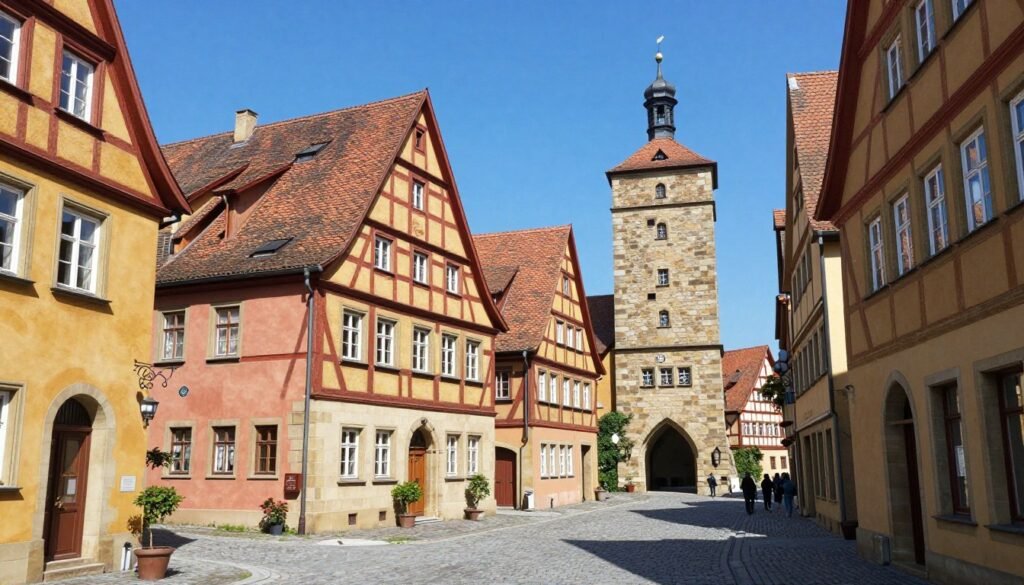
Germany’s famous Romantic Road begins just west of Munich, offering access to perfectly preserved medieval towns. Rothenburg ob der Tauber, ninety minutes north, appears frozen in the sixteenth century with intact town walls, cobblestone streets, and half-timbered houses. Augsburg, thirty minutes from Munich, combines Roman ruins with Renaissance architecture and claims status as Bavaria’s oldest city after Munich. Both make excellent day trip destinations showcasing the region beyond Munich’s urban environment.
Alpine Lakes and Mountains
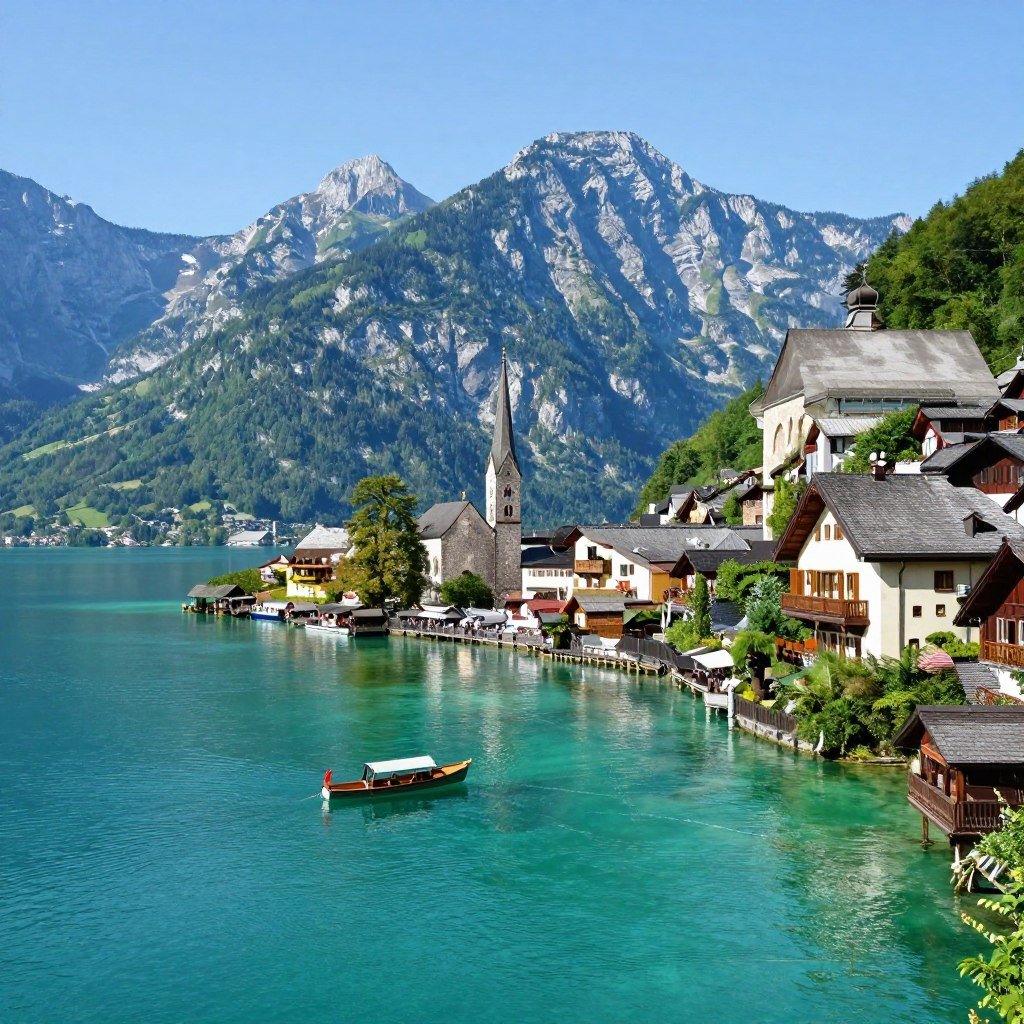
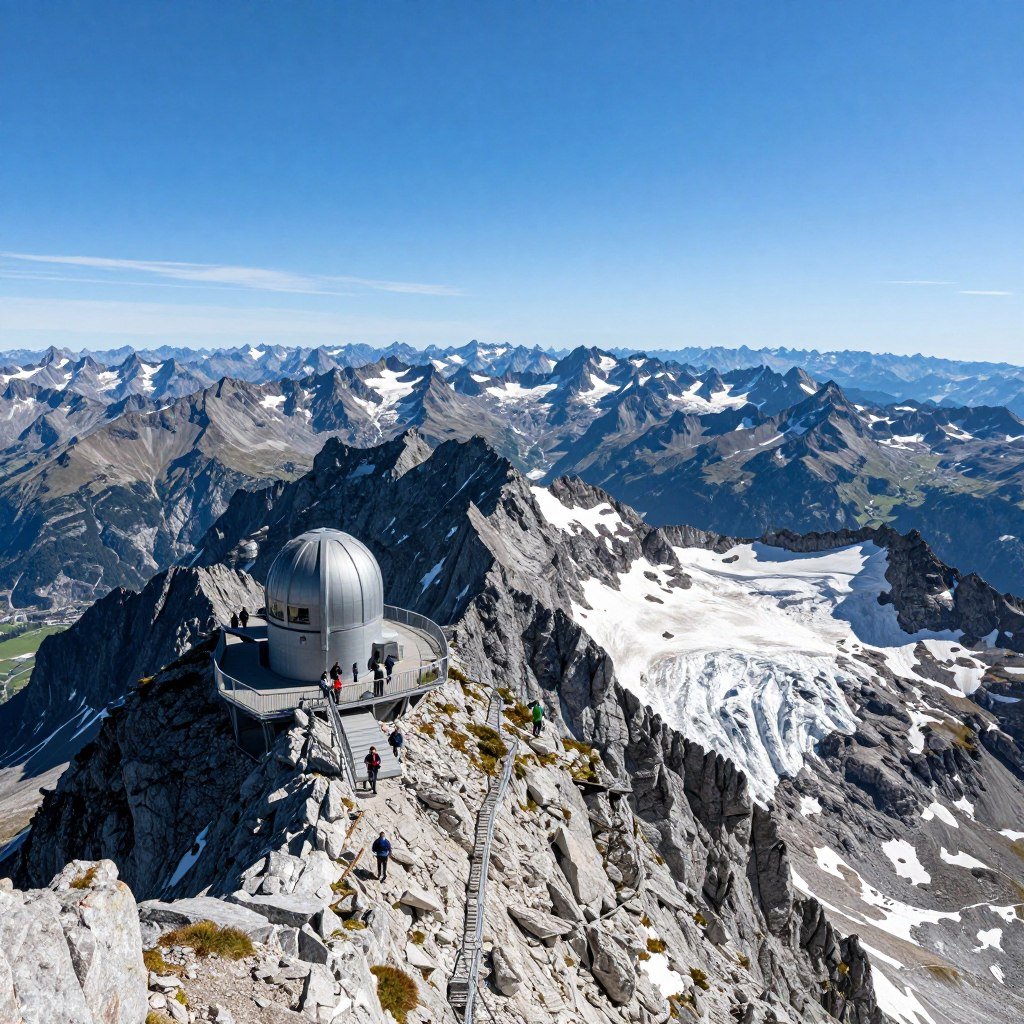
The Bavarian Alps begin just south of Munich, offering spectacular mountain and lake scenery. Tegernsee lake, one hour away, combines pristine Alpine setting with upscale resort atmosphere. Chiemsee, Bavaria’s largest lake, features a magnificent palace on Herreninsel Island. Garmisch-Partenkirchen provides access to Germany’s highest peak, Zugspitze, where cable cars ascend to nearly three thousand meters. These natural destinations offer hiking, swimming, or simply scenic relaxation away from urban environments.
Discover Munich's Vibrant Neighborhoods
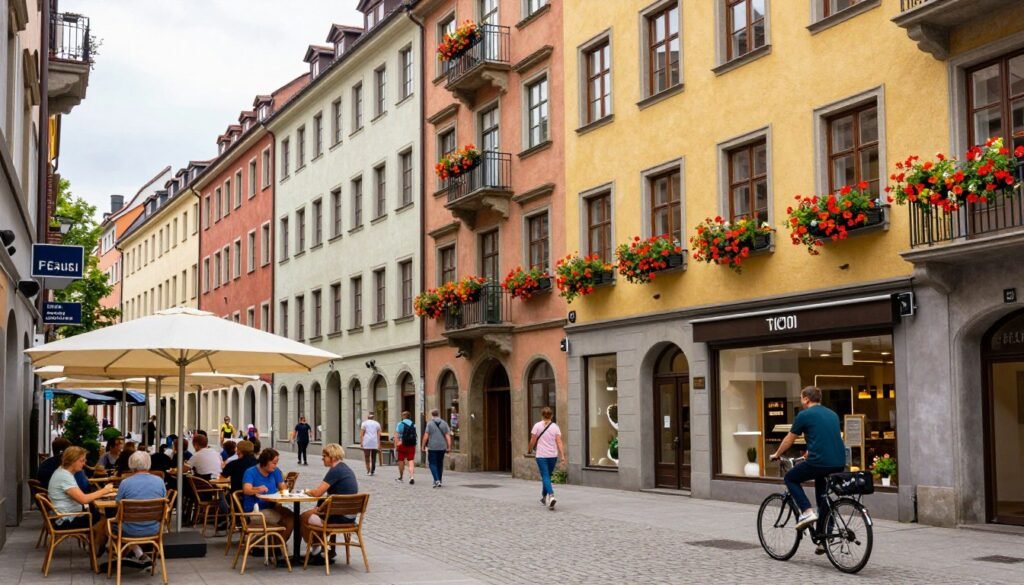
Schwabing: Munich's Bohemian Quarter
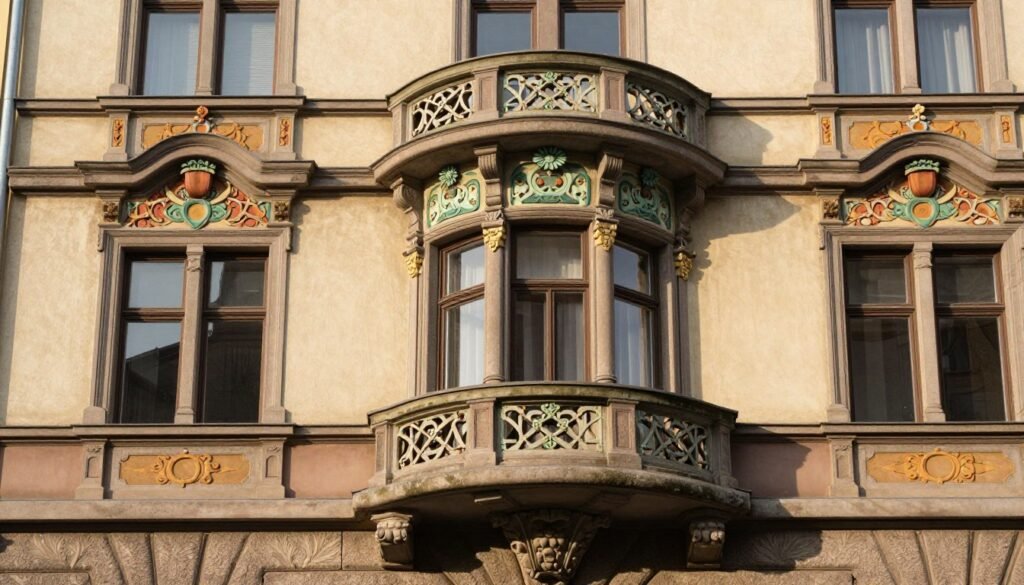
North of the city center, Schwabing evolved as Munich’s artistic and intellectual neighborhood where painters, writers, and revolutionaries gathered in the early twentieth century. Though gentrified, the area maintains creative spirit through independent bookstores, art galleries, and cafes where locals debate philosophy over coffee. Leopoldstrasse forms the main artery, while side streets reveal beautiful art nouveau architecture. The university district adds student energy with affordable restaurants and evening bars.
Haidhausen: Village Atmosphere
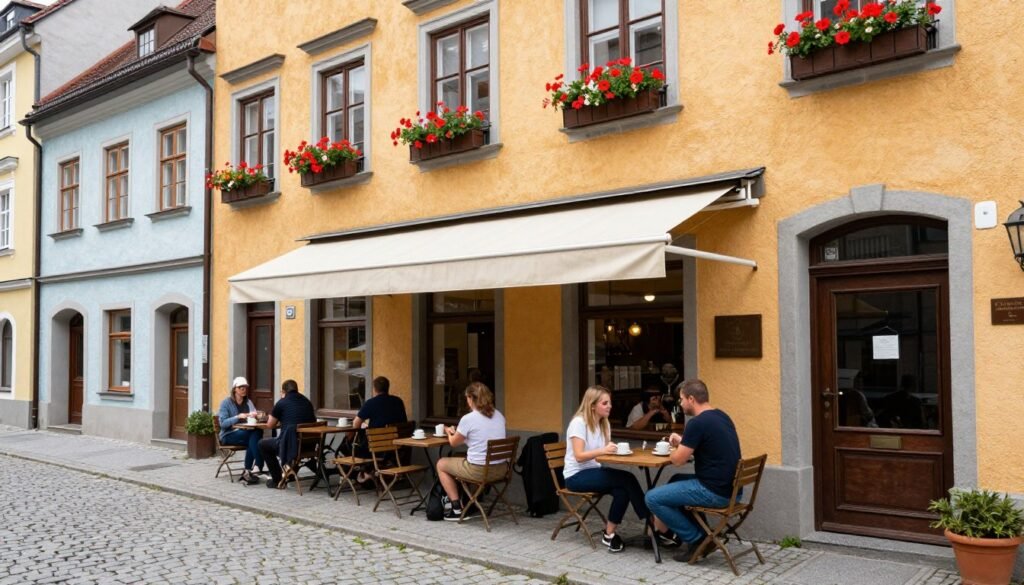
East of the Isar River, Haidhausen preserves small-town character despite proximity to downtown. Narrow streets lined with colorful low-rise buildings create intimate urban spaces where neighborhood shops and family restaurants dominate over chains. Weißenburger Platz and Pariser Platz serve as focal points with fountains, cafes, and Saturday markets. The French Quarter (Franzosenviertel) features streets named after French cities, while Wiener Platz hosts one of Munich’s best farmers markets every day except Sunday.
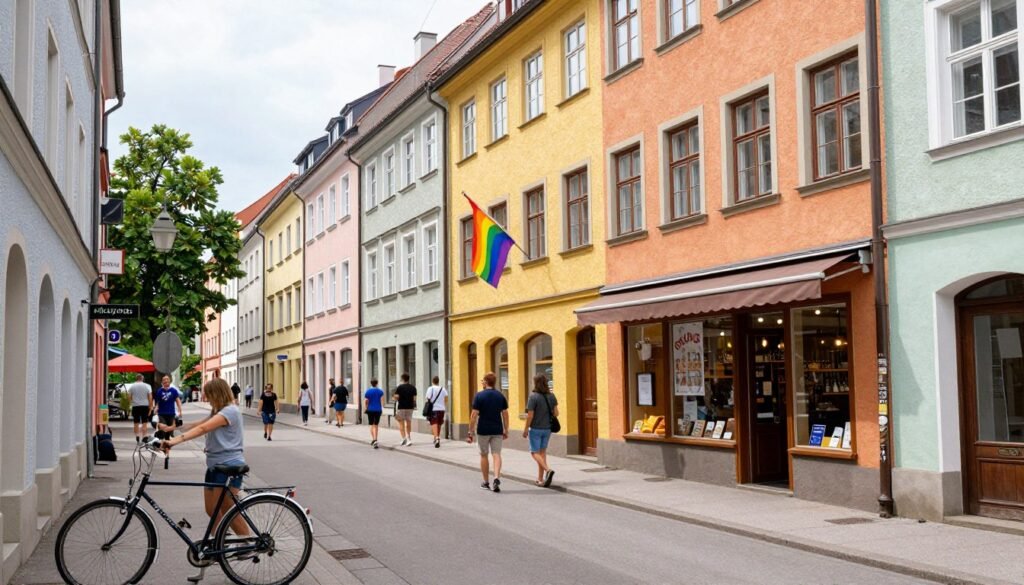
Glockenbachviertel: Creative and Diverse
Southwest of the center, Glockenbachviertel attracts young creative professionals and Munich’s LGBTQ+ community. Hans-Sachs-Strasse and Müllerstrasse host vintage boutiques, record stores, and eclectic restaurants serving everything from Vietnamese to vegan. The Isar riverbank offers green space for jogging and relaxing. Night brings vibrant bar scene with craft cocktails and DJ sets replacing the day’s coffee culture. This neighborhood shows Munich’s contemporary face beyond historic attractions.
Neuhausen-Nymphenburg: Residential Charm
Surrounding Nymphenburg Palace, this western neighborhood combines grand palace architecture with residential streets where locals live their daily lives. Rotkreuzplatz serves as the lively heart with farmer’s market, cafes, and excellent public transport connections. The massive Hirschgarten beer garden and park provide weekend recreation. Away from tourist crowds, you’ll find authentic restaurants serving regular customers rather than tour groups, plus the Nymphenburg Porcelain Manufactory continuing centuries-old craftsmanship traditions.
Essential Planning Information for Munich 2026

Getting Around Munich
Munich operates an integrated public transport network combining U-Bahn (subway), S-Bahn (commuter rail), trams, and buses under the MVV system. The network ranks among Europe’s best – clean, punctual, safe, and comprehensive. Single tickets cost around three euros within the central zone, while day passes offer unlimited travel making financial sense for tourists planning multiple trips. Purchase tickets from machines at stations or via the MVV app on smartphones. Validate tickets before boarding using the blue stamping machines.
Munich Transport Options
| Ticket Type | Price (2026 est.) | Best For | Coverage |
| Single Journey | €3.40 | One-time trips | Central zone, 3 hours validity |
| Day Pass Single | €8.80 | Solo travelers making 3+ trips | All day until 6 AM next day |
| Day Pass Group | €16.80 | Groups of 2-5 people | All day, up to 5 adults |
| 3-Day Tourist Pass | €25.00 | Multi-day visitors | 3 consecutive days |
| City Pass | €49-89 | Museum visitors | Transport + 45+ attractions |
When to Visit Munich
Each season offers distinct advantages and challenges. Summer (June-August) brings best weather and longest days but also peak crowds and highest prices. Book accommodation months ahead for summer, especially during June Opera Festival. Shoulder seasons (April-May and September-October) provide excellent weather, fewer crowds, and moderate prices. Oktoberfest in September requires very early booking but offers once-in-lifetime atmosphere. Winter appeals to Christmas market enthusiasts and bargain hunters, though many attractions reduce hours and some beer gardens close.
Best Times to Visit
- May & early June: Perfect weather before summer crowds arrive
- September & October: Gorgeous fall colors, Oktoberfest atmosphere
- December: Magical Christmas markets throughout city
- January-February: Lowest prices, museum season, winter sports nearby
Times to Avoid (or Plan Extra Early)
- Oktoberfest: Massive crowds, prices triple, book year ahead
- July-August: Peak tourist season, highest prices, booking essential
- Major holidays: Christmas, New Year, Easter – many closures
- Conference periods: Check Munich trade show calendar – hotels fill
Money and Practical Tips
Germany uses euros, and while cards work most places, carry cash for small purchases, beer gardens, and markets. ATMs widely available but check your bank’s international fees. Tipping runs ten percent in restaurants, round up taxi fares, and leave small change for hotel housekeeping. Munich ranks as expensive by German standards – budget around one hundred fifty euros daily for mid-range travel including accommodation, meals, and attractions.
Money-Saving Tips: Many museums offer free or reduced admission on Sunday evenings. Day passes for public transport quickly pay for themselves. Beer gardens allow bringing your own food while buying drinks. Grocery stores (Edeka, Rewe) provide picnic supplies far cheaper than restaurants. The Munich City Pass combines transport and attractions if you plan intensive museum visiting.
Munich's Culinary Scene: From Traditional to Contemporary
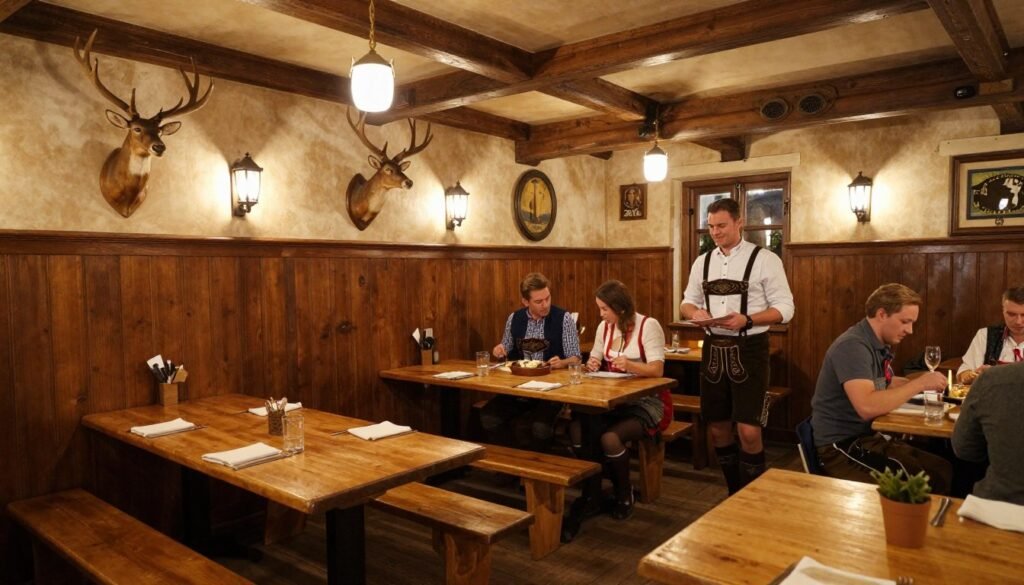
Traditional Bavarian Cuisine
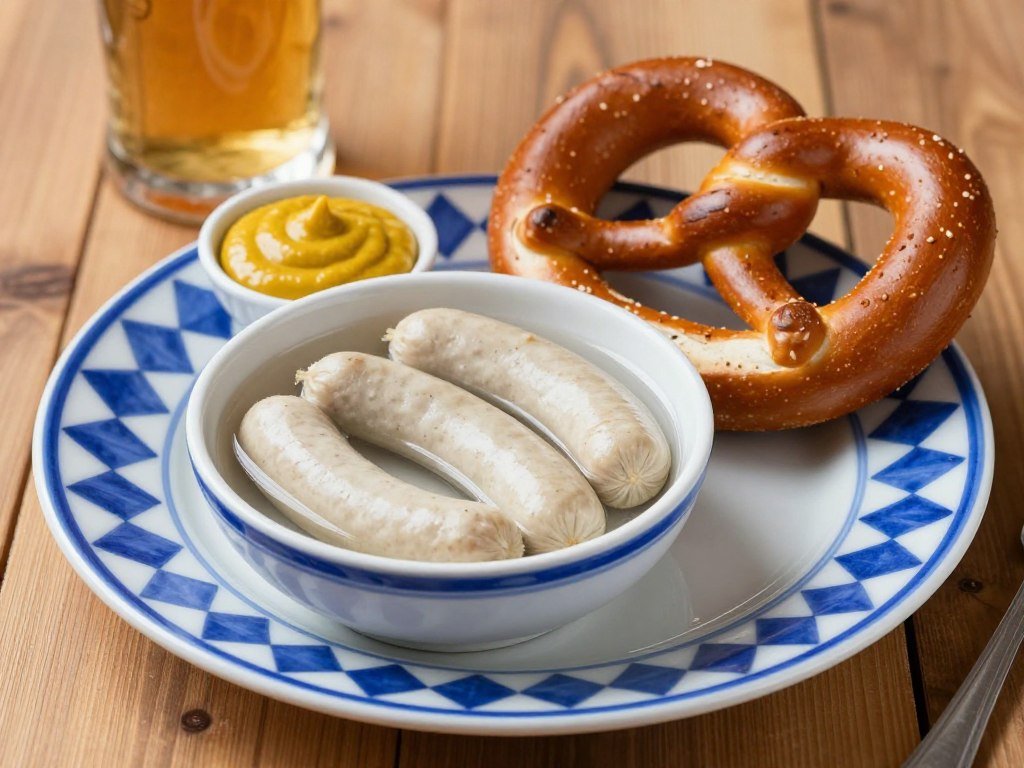
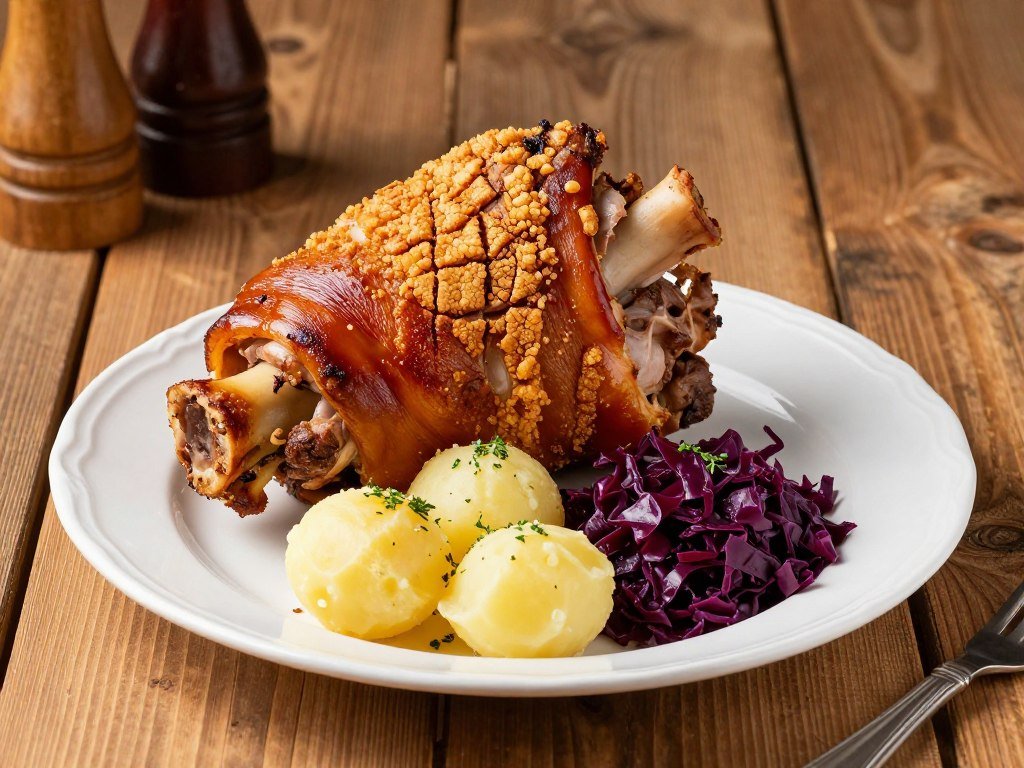
Munich’s culinary identity centers on hearty Bavarian specialties designed for cold alpine winters and physical labor. Schweinshaxe (roasted pork knuckle) arrives at the table crispy-skinned and tender inside, typically accompanied by potato dumplings and sauerkraut. Weißwurst, the traditional white breakfast sausage made from veal and pork, follows strict rules – never eaten after noon, always served with sweet mustard and fresh pretzels, and properly consumed by sucking the filling from its casing. Leberkäse, despite its name suggesting liver and cheese, contains neither, but this baked meat loaf remains a beloved snack served in semmel (bread rolls) at every butcher shop.
Obatzda cheese spread combines Camembert with butter, onions, paprika, and beer to create a tangy appetizer served with radish spirals and fresh pretzels at every beer garden. Käsespätzle translates as cheese noodles, the Bavarian answer to mac and cheese featuring hand-scraped egg noodles buried under melted cheese and topped with crispy fried onions. During autumn, venison and wild boar appear on menus alongside chanterelle mushrooms gathered from Bavarian forests. The cuisine makes no concessions to modern dietary trends – meat, fat, and carbohydrates dominate with vegetables appearing mainly as sauerkraut or cucumber salad.
Sweet treats include Dampfnudel, a yeasted dumpling served with vanilla sauce or fruit compote, and Auszogne, fried dough circles eaten plain or with jam. Bakeries display pretzels in dozens of variations – with cheese, topped with seeds, stuffed with butter, or simply salted. The Christmas season brings Lebkuchen (spiced gingerbread), Stollen (fruit bread with marzipan), and countless regional cookie varieties sold at markets and specialty shops. These sweets paired with coffee create the afternoon Kaffee und Kuchen tradition that brings friends and families together between lunch and dinner.
Modern Munich Dining
Beyond traditional taverns, Munich embraces international cuisine and contemporary cooking. The city hosts numerous Michelin-starred restaurants where creative chefs reimagine Bavarian ingredients through modern techniques. Asian restaurants cluster around the university district, while Turkish, Greek, and Italian communities maintain authentic eateries throughout residential neighborhoods. The vegetarian and vegan scenes grow annually, with dedicated restaurants proving that Munich can accommodate all dietary preferences despite its meat-heavy reputation.
Where to Eat in Munich
Traditional Bavarian
- Augustiner Bräustuben – authentic brewery restaurant
- Wirtshaus in der Au – local favorite tavern
- Haxnbauer – specializes in pork knuckle
- Schneider Bräuhaus – historic brewery
Contemporary/International
- Atelier – Michelin-starred modern cuisine
- Pageou – creative bistro dining
- Tian – upscale vegetarian restaurant
- Goa – Indian fusion in Glockenbachviertel
Quick & Casual
- Viktualienmarkt stands – diverse street food
- Rischart – bakery chain for pretzels/sandwiches
- Bergwolf – gourmet bratwurst varieties
- Flushing Meadows – bagels and breakfast
Munich's Rich Musical and Cultural Heritage

Munich ranks among Europe’s great music cities with traditions stretching back centuries. The Bavarian State Opera leads operatic life with one of the world’s finest ensembles performing in the opulent National Theatre. The Munich Philharmonic Orchestra calls the modernist Gasteig cultural center home, while the Bavarian Radio Symphony Orchestra performs at the Herkulessaal in the Munich Residence. Chamber music thrives in intimate venues scattered throughout the city, and summer brings open-air concerts to parks and historic courtyards.
Beyond classical music, Munich embraces diverse musical expressions. Jazz clubs like Jazzbar Vogler present nightly performances in intimate settings. Electronic music thrives in former industrial spaces converted to techno clubs where world-renowned DJs headline weekend events. The Muffathalle and Backstage represent mid-size venues hosting touring rock and indie bands. Folk music festivals celebrate Bavarian musical traditions with traditional instruments and dance forms that predate recorded history.
Museums and Galleries Beyond the Pinakotheks
The Lenbachhaus specializes in German Expressionism, particularly the Blue Rider (Der Blaue Reiter) movement that revolutionized early twentieth-century art. The collection includes masterworks by Kandinsky, Marc, and Münter, many created while these artists lived and worked in Munich. The Museum Brandhorst focuses on contemporary art from the nineteen sixties onward, with particular strength in Cy Twombly and Andy Warhol. The Jewish Museum chronicles Jewish life in Munich across centuries, while the Munich City Museum explores local history through comprehensive permanent exhibitions.
Theater and Performing Arts
Multiple theater companies stage everything from experimental works to classic dramas in venues across Munich. The Residenztheater and Volkstheater present contemporary productions, while English Theatre Munich stages performances for the international community. Puppet theater traditions continue at the Munich Marionette Theatre, and cabaret revues offer sharp political satire at venues like the Münchner Lach- und Schießgesellschaft. The city’s cultural calendar remains packed year-round with performances appealing to diverse tastes and languages.
Family-Friendly Munich: Activities for Children
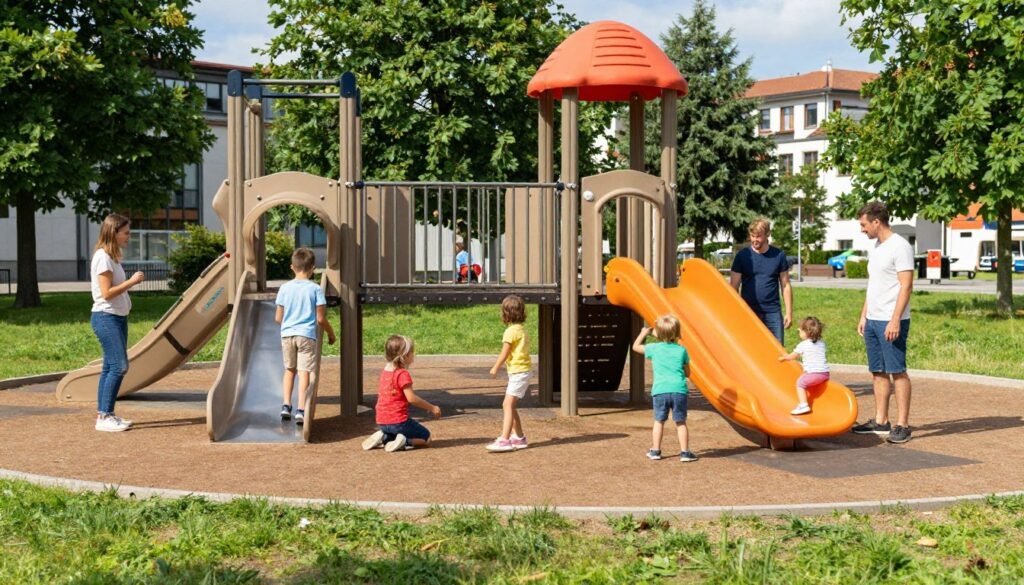
Munich welcomes families with children through exceptional infrastructure, from public transport stroller-accessibility to changing facilities in major attractions. The Deutsches Museum’s Kinderreich section provides hands-on science exploration for ages three to eight. Tierpark Hellabrunn, Munich’s zoo, houses animals in spacious natural habitats organized by geographic regions. Sea Life München features underwater tunnels where children walk beneath swimming sharks and rays. These dedicated attractions ensure children remain engaged while parents enjoy cultural experiences.
Outdoor Activities
- English Garden – massive playground, streams for wading
- Westpark – adventure playground, rose garden
- Isar River – shallow sections for supervised swimming
- Olympic Park – summer sledding, climbing walls
- Nymphenburg Palace grounds – space to run and explore
Indoor Entertainment
- Müller’sches Volksbad – family swim sessions
- Munich Marionette Theatre – puppet shows
- Spielhaus – creative workshops for children
- Galaxy Bowling – rainy day entertainment
- Toy Museum – historic toy collections
Educational Fun
- Deutsches Museum Kinderreich – hands-on science
- Tierpark Hellabrunn – excellent zoo
- Sea Life München – aquarium tunnels
- BMW Museum – car enthusiasts of all ages
- Museum Mensch und Natur – natural history
Many restaurants provide children’s menus and high chairs, though traditional Bavarian cuisine may not appeal to picky eaters. Beer gardens welcome families during daytime hours, often featuring playgrounds adjacent to seating areas. The compact city center means short walking distances between attractions, though public transport provides relief when young legs tire. Munich’s safe environment, clean facilities, and generally child-friendly culture make it among Europe’s most family-accommodating destinations.
Shopping in Munich: From Luxury to Vintage Finds
Luxury Shopping Districts
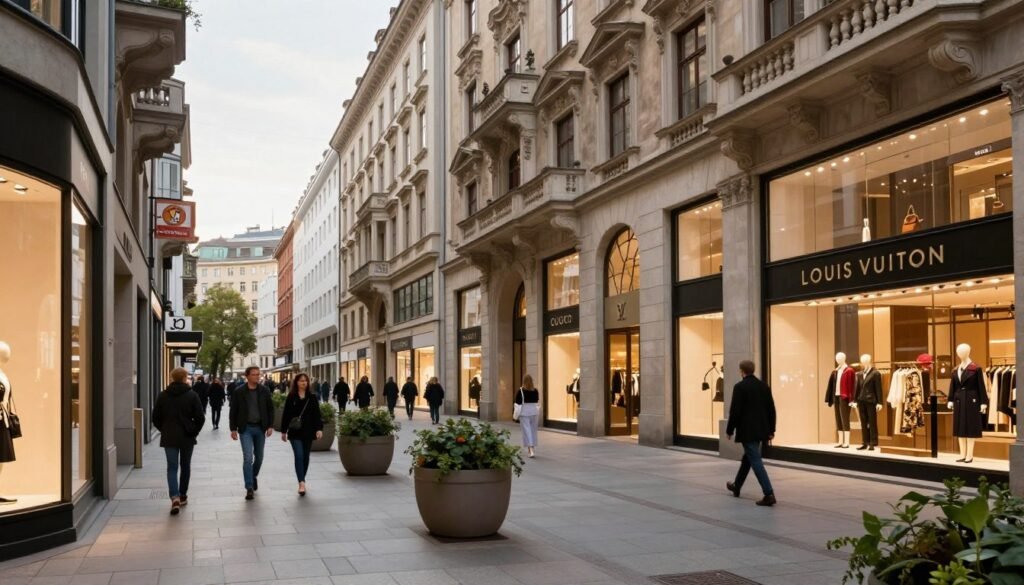
Maximilianstrasse ranks among Europe’s most expensive shopping streets, where international luxury brands occupy historic buildings. Louis Vuitton, Chanel, Gucci, and German brands like Hugo Boss maintain flagship stores along this prestigious boulevard. The street extends from the National Theatre toward the Isar River, with the elegant Hotel Vier Jahreszeiten marking its midpoint. Window shopping costs nothing and provides insight into high fashion, while the occasional cafe allows budget travelers to enjoy the atmosphere without breaking the bank.
Department Stores and Shopping Streets
Kaufingerstrasse and Neuhauser Strasse form Munich’s main pedestrian shopping zone, hosting international chains alongside German retailers. Galeria Kaufhof and Karstadt department stores anchor the area, while specialized shops sell everything from lederhosen to kitchen equipment. Ludwig Beck, an upscale department store, occupies a prominent corner of Marienplatz with particularly strong music and cosmetics departments. These streets become extremely crowded on Saturdays when locals complete weekend shopping.
Markets and Unique Finds
Beyond Viktualienmarkt’s food focus, Munich hosts several specialty markets. The Auer Dult, held three times annually at Mariahilfplatz, sells antiques, crafts, and household goods in a traditional market atmosphere dating back centuries. Flea markets appear on weekends at various locations – Theresienwiese and Olympiapark host the largest. The Christmas markets (Christkindlmärkte) transform squares throughout the city into shopping destinations featuring handcrafted ornaments, gifts, and decorations from late November through December.
Local Specialties and Souvenirs
Serious shoppers seek authentic Bavarian products beyond generic souvenirs. Traditional dirndls and lederhosen from quality makers like Loden-Frey and Moser Trachten represent significant investments but authentic regional clothing. Nymphenburg Porcelain maintains its manufactory where you can purchase handcrafted pieces. Local breweries sell branded steins and glassware. Food specialties like Lebkuchen spice cookies, local honey, and Bavarian mustards make excellent edible souvenirs that capture Munich’s flavors.
Munich After Dark: Nightlife and Evening Entertainment
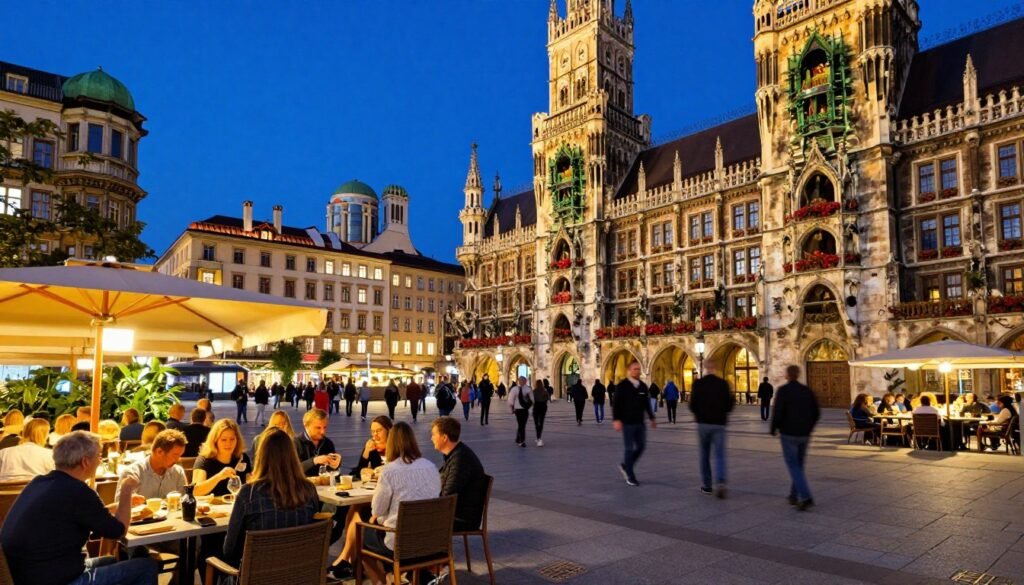
Munich’s nightlife reveals multiple personalities depending on where you explore. The Gärtnerplatz area around Gärtnerplatztheater attracts a mixed crowd to its bars, cafes, and clubs playing everything from chart hits to indie rock. Nearby Glockenbachviertel centers Munich’s LGBTQ+ scene with welcoming bars and clubs that stay open until early morning. The Maxvorstadt student quarter offers affordable beer and casual atmospheres where university students gather, while Haidhausen provides neighborhood bars where locals outnumber tourists significantly.
Beer Halls and Traditional Venues
Beyond the famous Hofbräuhaus, numerous traditional beer halls provide evening entertainment with live music, dancing, and local atmosphere.
- Augustiner Bräustuben – authentic brewery experience
- Löwenbräukeller – massive beer hall with garden
- Paulaner am Nockherberg – historic strongbeer venue
- Schneider Bräuhaus – Weissbier specialists
Clubs and Late-Night Venues
Munich’s club scene caters to electronic music fans and those seeking dancing until dawn.
- Harry Klein – renowned techno club
- Blitz Club – underground electronic music
- Rote Sonne – house and techno institution
- Muffathalle – live music and DJ nights
Public transport’s late-night services continue through weekends, with U-Bahn and S-Bahn lines running all night Friday and Saturday. During the week, night buses cover major routes after midnight. The city maintains reputation for safety even late at night, though standard precautions apply. Many venues require cash payments, so visit ATMs before heading out. Dress codes remain relatively casual compared to other European capitals, though some upscale venues expect smart casual attire.
Sustainable Travel in Munich
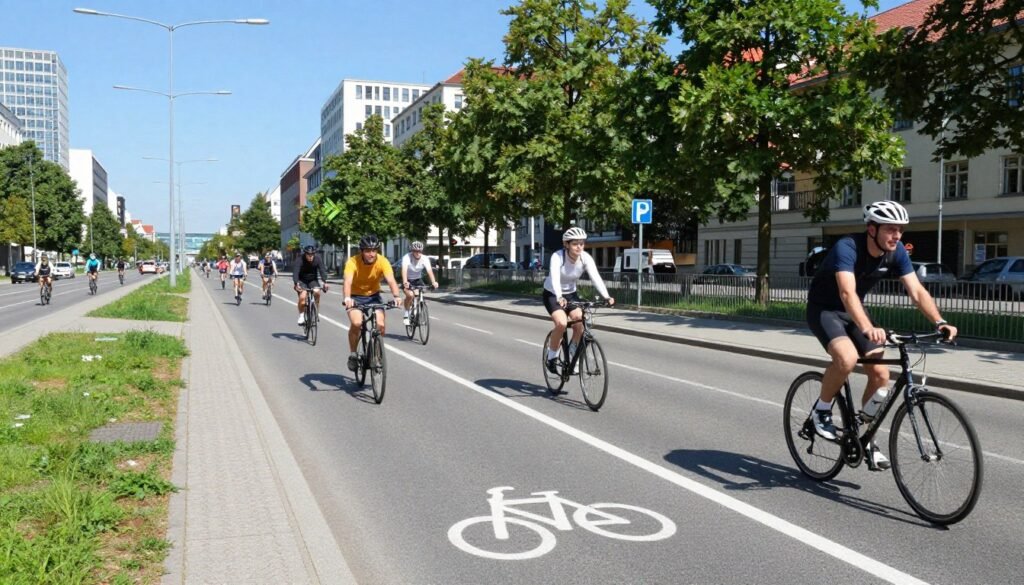
Munich actively promotes sustainable tourism through excellent public transport, extensive cycling infrastructure, and environmental initiatives. The city encourages visitors to explore via bike, with dedicated lanes covering over seven hundred kilometers and bike-sharing systems offering convenient rental options. Most attractions concentrate within areas easily reached without private vehicles, reducing environmental impact while enhancing the travel experience through walkable neighborhoods and efficient connections.
Eco-Friendly Transportation
Munich’s MVV public transport network runs largely on renewable energy. Visitors can rent bikes through MVG Rad (Munich’s bike-share system) for short-term use or from rental shops for longer periods. E-scooters offer another option, though controversial among locals due to safety and parking concerns. Walking remains the most sustainable option for exploring the compact city center, where major attractions lie within reasonable distances of each other.
Responsible Tourism Practices
Support local businesses rather than international chains, particularly in neighborhoods beyond the tourist core. Choose restaurants sourcing ingredients regionally and seasonally. Respect residential areas by keeping noise levels down, especially in beer gardens located near homes. Follow recycling guidelines – Munich takes waste separation seriously with multiple bins for different materials. Consider offsetting flight emissions and choosing direct trains over flights for regional travel within Germany and to neighboring countries.
Your 2026 Munich Adventure Awaits
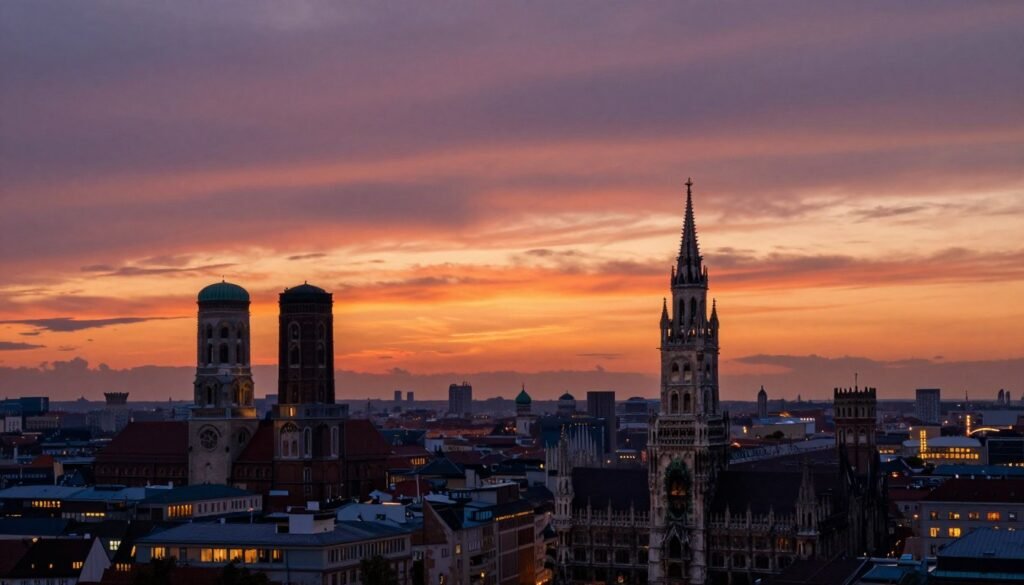
Munich stands ready to enchant you in twenty twenty-six with its perfect blend of time-honored traditions and contemporary vitality. From morning coffee in a historic square to evening performances at world-class venues, from museum masterpieces to alpine day trips, this remarkable city delivers experiences that satisfy every travel preference. The Bavarian capital welcomes millions of visitors annually while maintaining authentic character that distinguishes it from more tourist-dominated European destinations.
The key to an exceptional Munich experience lies in balancing iconic attractions with unexpected discoveries. Certainly tour the magnificent palaces and renowned museums, but also wander residential neighborhoods, sample street food at markets, and spend lazy afternoon hours in shaded beer gardens among locals. Munich rewards those who move beyond checklists to embrace the city’s relaxed rhythm and genuine Bavarian hospitality.
Planning ahead ensures you maximize your time in this multifaceted city. Book accommodations early, especially if visiting during peak seasons or special events. Purchase attraction tickets online when possible to skip lines. Download transport apps and familiarize yourself with the excellent public transit network. Yet leave room for spontaneity – some of Munich’s best moments come from unexpected encounters and unplanned detours down charming side streets.
Whether you’re raising a stein at Oktoberfest, admiring masterworks in quiet galleries, cycling through the vast English Garden, or watching sunset illuminate alpine peaks from a palace garden, Munich promises memories that last lifetimes. The city’s ability to honor its past while embracing the present creates an atmosphere found nowhere else. Start planning your twenty twenty-six Munich adventure today, and prepare to discover why this Bavarian gem continues captivating travelers generation after generation.
