
Nestled in the heart of Europe, Luxembourg punches far above its weight when it comes to unforgettable experiences. This tiny nation—barely larger than Rhode Island—packs medieval castles, dramatic gorges, world-class museums, and Michelin-starred restaurants into every corner. Whether you’re wandering the cobblestone streets of the UNESCO-listed old town, exploring underground casemates carved into cliffsides, or hiking through the fairy-tale Mullerthal forest, Luxembourg offers a remarkable blend of history, culture, and natural beauty that surprises even seasoned travelers.
What makes Luxembourg truly special is how much you can experience in such a compact area. The capital city alone deserves at least two full days, with its layered neighborhoods perched at different elevations, connected by scenic elevators and dramatic bridges. Beyond the city limits, spectacular castles, riverside vineyards, and charming medieval towns lie just minutes away. With all public transport completely free throughout the country, exploring couldn’t be easier.
This comprehensive guide reveals the absolute best things to do in Luxembourg, from must-see historical landmarks to hidden local favorites. We’ve organized activities by category—historical attractions, outdoor adventures, cultural experiences, family activities, and day trips—so you can craft the perfect itinerary whether you have a weekend or a full week. Plus, you’ll find practical tips on transportation, costs, and the best times to visit each attraction to maximize your Luxembourg adventure.
Explore Luxembourg City's Historic Old Town
The heart of Luxembourg City, designated a UNESCO World Heritage Site in 1994, presents one of Europe’s most dramatic urban landscapes. The historic center sprawls across multiple levels, with the upper town (Ville Haute) perched on rocky promontories and the charming Grund neighborhood nestled in the valley below. This vertical city creates breathtaking viewpoints at every turn, where ancient fortifications meet modern architecture in surprising harmony.
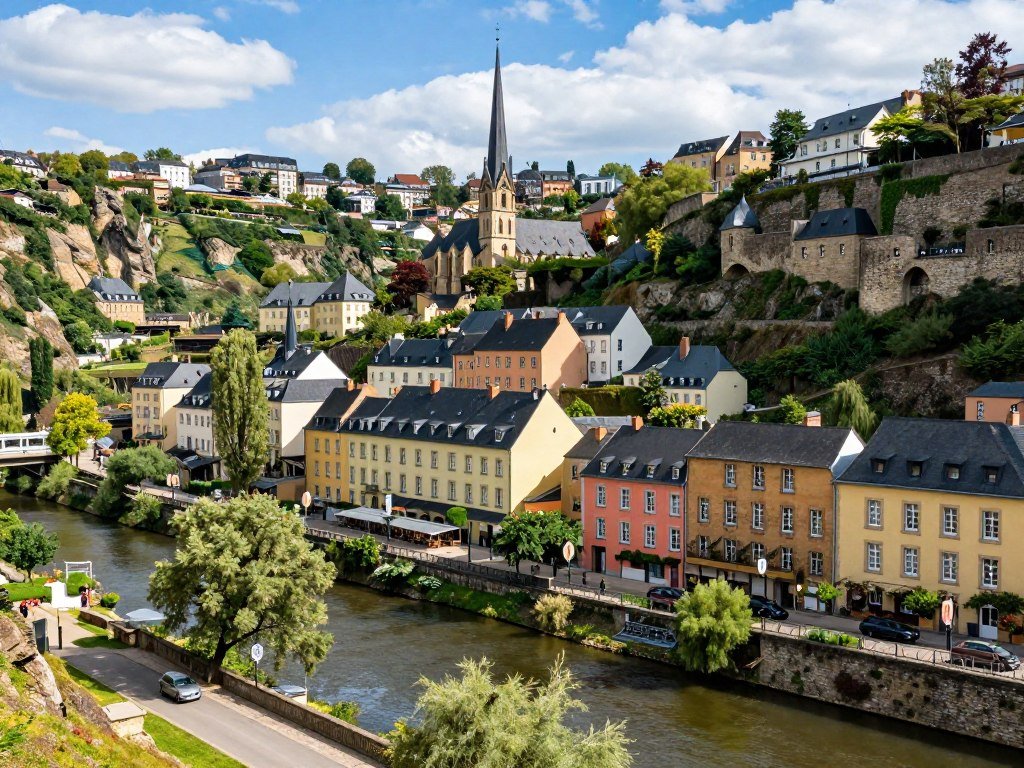
Walk the Chemin de la Corniche
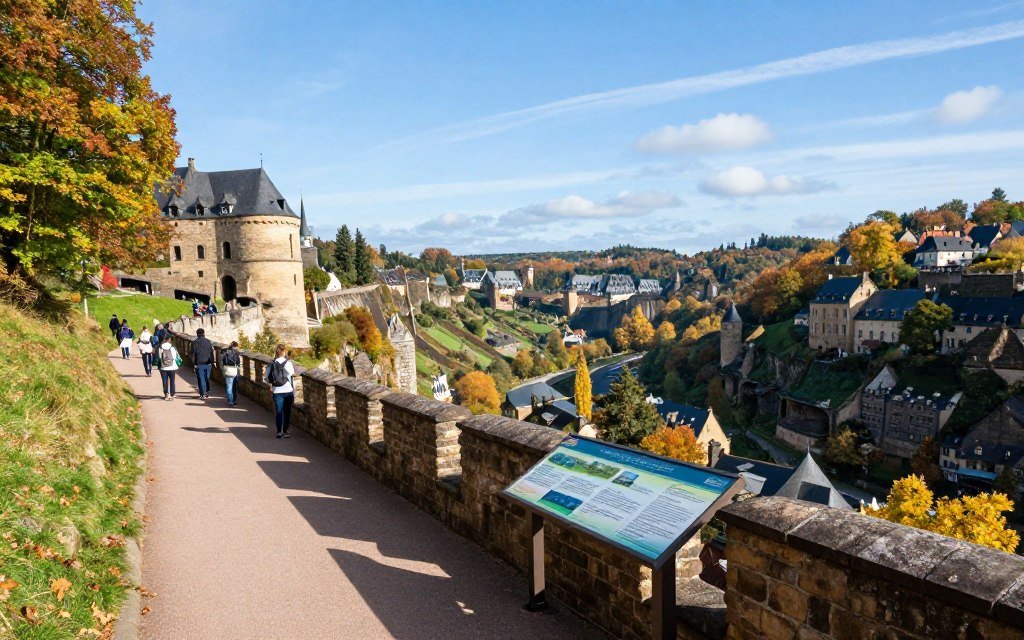
Often called “Europe’s most beautiful balcony,” the Chemin de la Corniche delivers on this lofty promise with spectacular panoramic views across the Alzette River valley. This elevated pedestrian promenade follows the line of 17th-century ramparts, offering perspectives that showcase Luxembourg’s unique geography and architectural heritage. The walkway stretches for several hundred meters, with multiple viewpoints revealing different aspects of the fortified city below.
As you stroll along the Chemin de la Corniche, you’ll see the Grund neighborhood spread out beneath you, its tightly packed houses with terracotta roofs creating a mosaic of warm colors. The massive Wenzelsmauer fortification wall rises from the valley, testament to the military engineering that earned Luxembourg the nickname “Gibraltar of the North.” Beyond the immediate valley, the Rham Plateau and modern European Quarter create an interesting contrast between old and new Luxembourg.
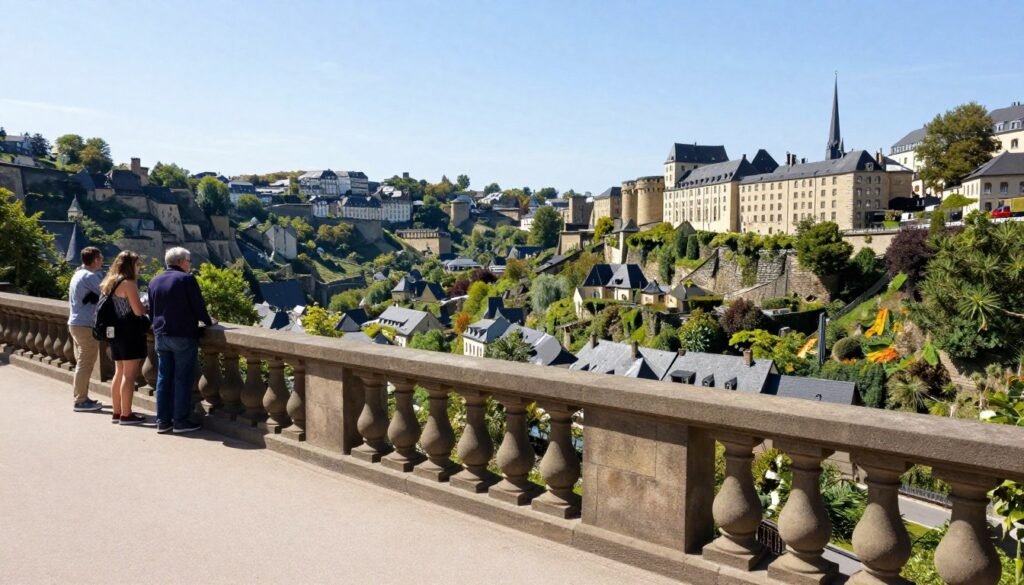
Insider Tip: Visit the Chemin de la Corniche during late afternoon for the best lighting and fewer crowds. The golden hour before sunset transforms the valley into a photographer’s dream. Access is free year-round, and the walkway is easily reached from Place du Saint-Esprit or the Bock promontory.
Discover the Bock Casemates
Beneath Luxembourg City’s streets lies a subterranean maze of tunnels and chambers known as the Bock Casemates. This underground fortress network stretches for 23 kilometers, though only a fraction is open to visitors. Originally carved into the sandstone cliff starting in 1644, these casemates housed soldiers, horses, workshops, kitchens, and even a bakery capable of producing bread for thousands. During World War II, these tunnels provided shelter for up to 35,000 people during air raids.
Today, exploring the Bock Casemates offers a fascinating journey through military history. The tour route leads you through dimly lit passages carved directly from rock, emerging periodically at cannon openings with stunning views across the city. Information panels throughout explain the ingenious defense strategies employed here. The temperature remains cool year-round—around 8-10°C (46-50°F)—making it a perfect rainy-day activity, though a light jacket is recommended even in summer.
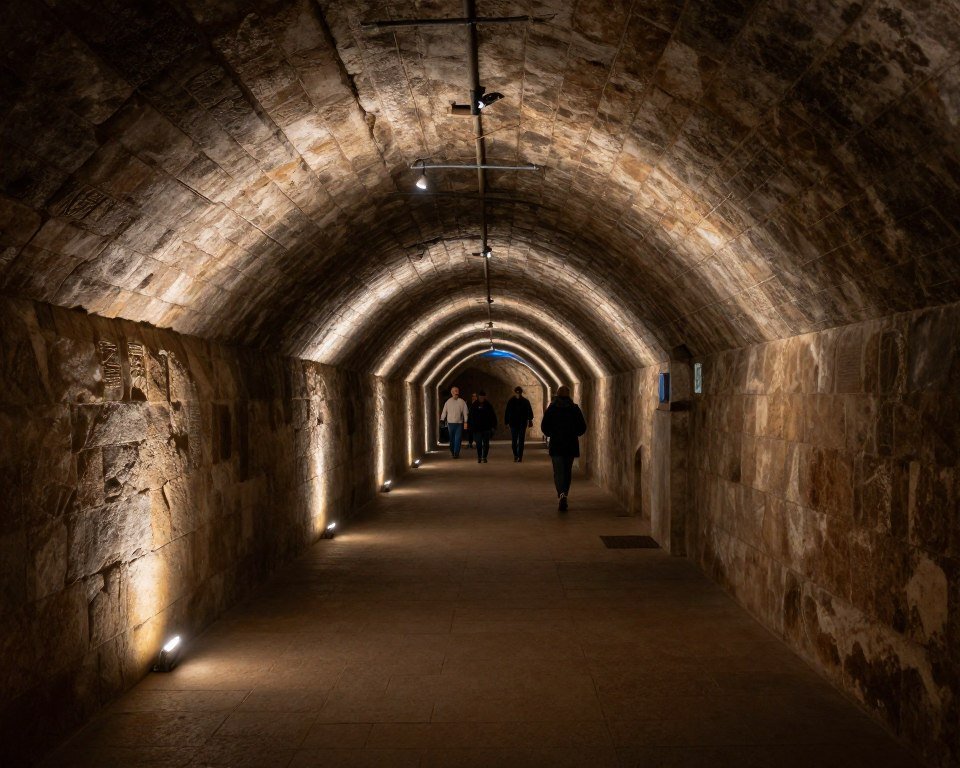
Practical Information: The Bock Casemates are open March through October, 10:00-17:00 daily. Entry requires timed tickets purchased in advance (€8 adults, reduced rates available). The tour is self-guided and takes 45-60 minutes. Not suitable for those with mobility issues due to stairs. Purchase tickets at the official tourism website.
Stroll Through the Grund Neighborhood
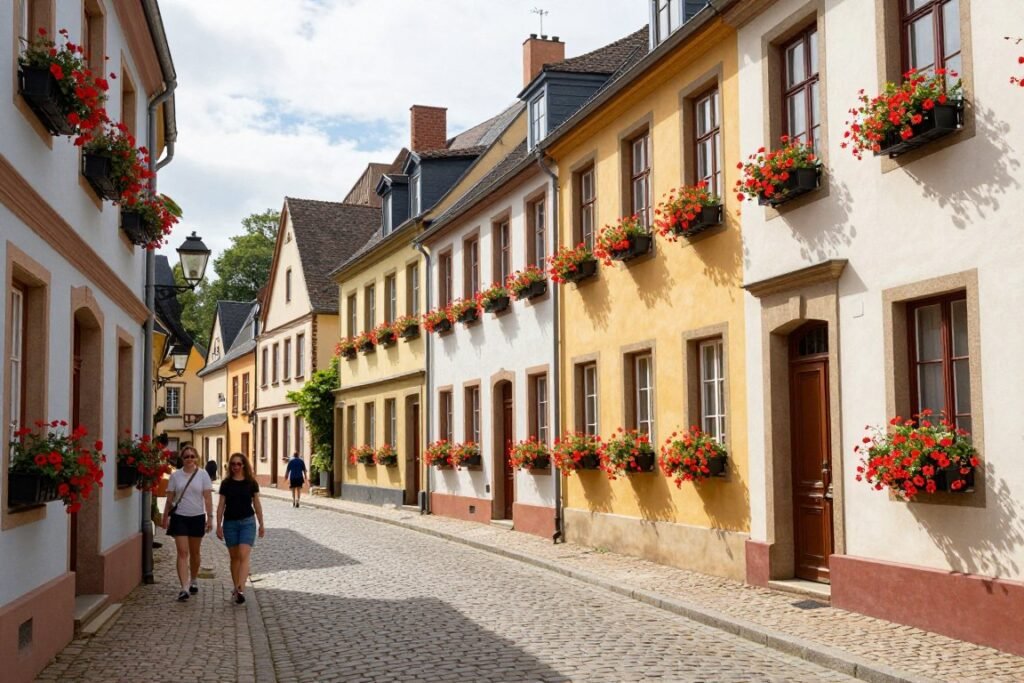
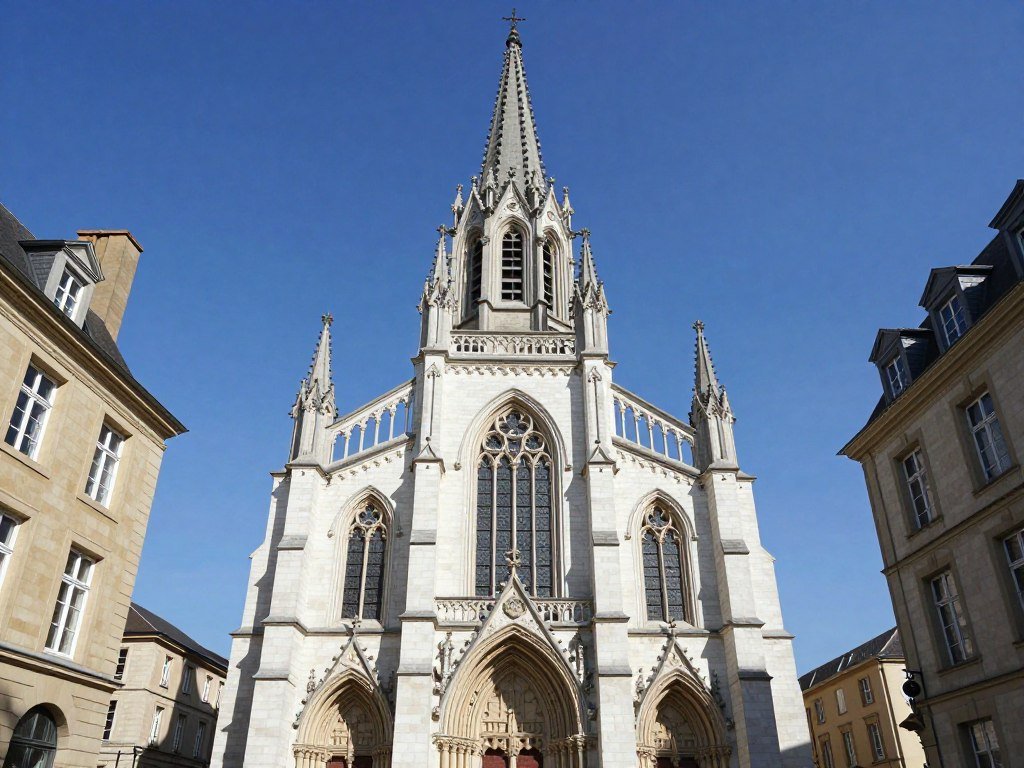
The Grund quarter represents Luxembourg at its most picturesque and authentic. This former working-class neighborhood nestles in the Alzette Valley, where artisans, fishermen, and tanners once plied their trades. Today, Grund has transformed into one of the city’s most charming areas, with its narrow cobblestone streets, pastel-painted houses, and lively café culture attracting both locals and visitors.
A walk through Grund feels like stepping back in time. The quarter centers around the beautiful St. Jean du Grund church, with its distinctive Gothic tower, while the riverside promenade along the Alzette offers peaceful walks beneath towering fortification walls. Small bridges cross the river at several points, each providing postcard-perfect views. The neighborhood particularly shines in the evening, when restaurants and bars illuminate the streets and locals gather at outdoor terraces.
Getting to Grund
The easiest way to reach Grund from the upper town is via the Pfaffenthal-Kirchberg funicular or the Plateau St-Esprit elevator—both free to use. Alternatively, take the scenic route down the Montée du Grund stairway for excellent photo opportunities along the way.
Best Grund Experiences
- Explore the Neumünster Abbey cultural center
- Walk along the Alzette riverbank promenade
- Dine at traditional Luxembourgish restaurants
- Visit on weekends for the lively nightlife scene
Visit the Grand Ducal Palace
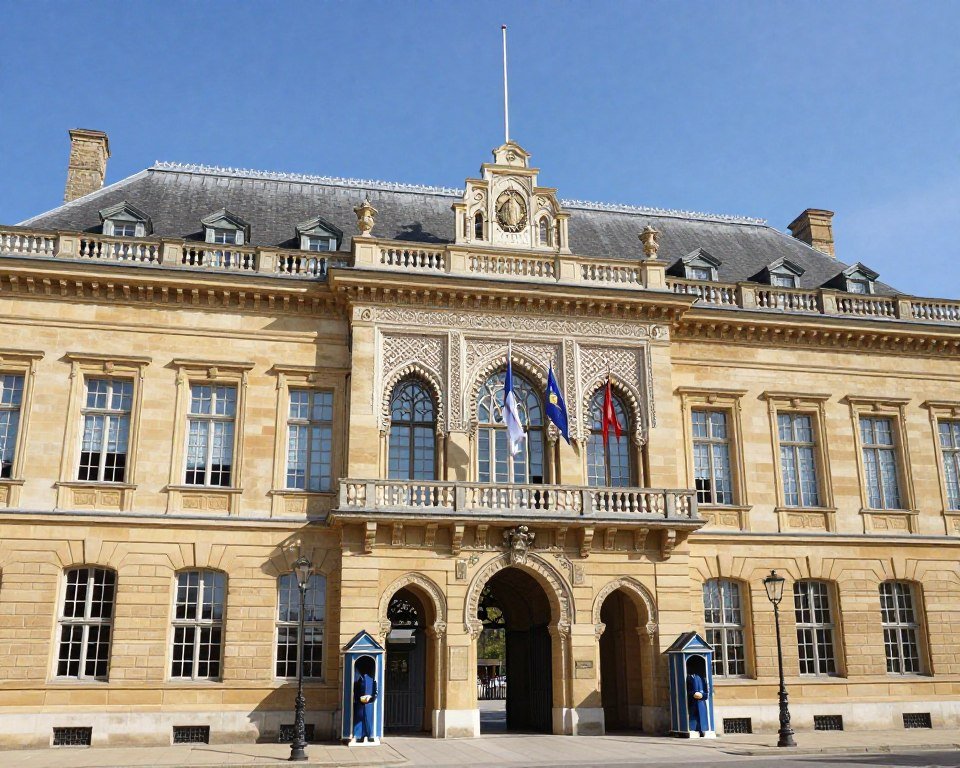
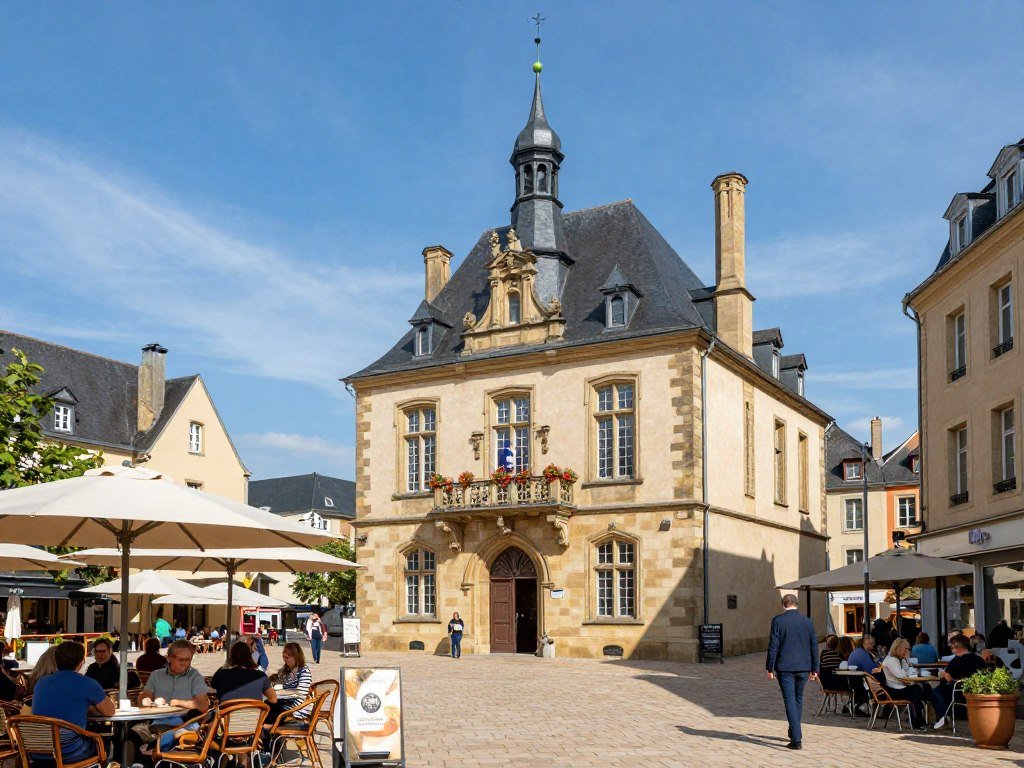
The official residence of Luxembourg’s Grand Duke stands as one of the country’s most photographed buildings. Built in 1572 as Luxembourg’s first town hall, this Renaissance-style palace features an ornate facade decorated with Moorish-style columns and intricate stonework. The building serves multiple purposes: part official residence, part administrative office, and during summer months, a museum open to the public.
The Grand Ducal Palace can only be visited on guided tours, available from mid-July through early September. These 75-minute tours provide fascinating insights into Luxembourg’s monarchy and take visitors through lavishly decorated rooms including the Yellow Room, King’s Room, and Banquet Hall. The decor ranges from medieval Gothic elements to sumptuous Romanticism, with gilded furniture, elaborate chandeliers, and priceless artwork throughout.
Book Your Palace Tour
Palace tours sell out quickly during the summer season. Reserve your spot in advance through the Luxembourg City Tourist Office. Tours are conducted in English, French, German, and Luxembourgish.
Tour Details: €15 per person | 75 minutes | Mid-July to early September only | Advance booking required
Experience the Wenzel Circular Walk
The Wenzel Circular Walk offers one of the best ways to understand Luxembourg City’s complex history and dramatic topography in a single self-guided tour. This well-marked 5.5-kilometer route winds through 1,000 years of history, descending from the old town into the valleys and back up again, passing fortifications, historic buildings, and scenic viewpoints along the way.
The walk begins at the Bock Casemates and takes roughly three hours at a leisurely pace, though you can easily spend longer stopping at cafés or exploring sites in more detail. The route is marked with distinctive blue signposts featuring the logo of Wenceslas II, the Duke of Luxembourg who enlarged the fortress in the 14th century. Along the way, you’ll traverse parts of the Grund, cross ancient bridges, walk through tunnels, and discover hidden corners most tourists miss.
Immerse Yourself in Luxembourg's Cultural Treasures
Beyond its fortress walls, Luxembourg City has emerged as a sophisticated cultural destination with world-class museums, cutting-edge art galleries, and innovative cultural spaces. The compact city center makes museum-hopping effortless, and with the LuxembourgCard, you can access virtually all attractions for one reasonable price. From contemporary art to military history, Luxembourg’s cultural institutions punch well above the country’s weight, offering exhibitions that rival those in much larger European capitals.
Explore MUDAM Luxembourg
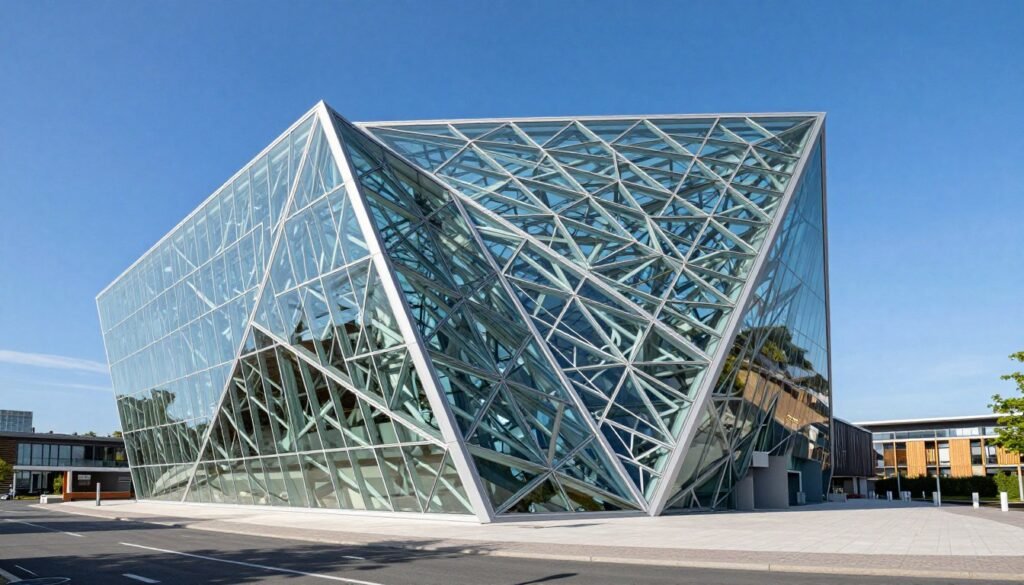
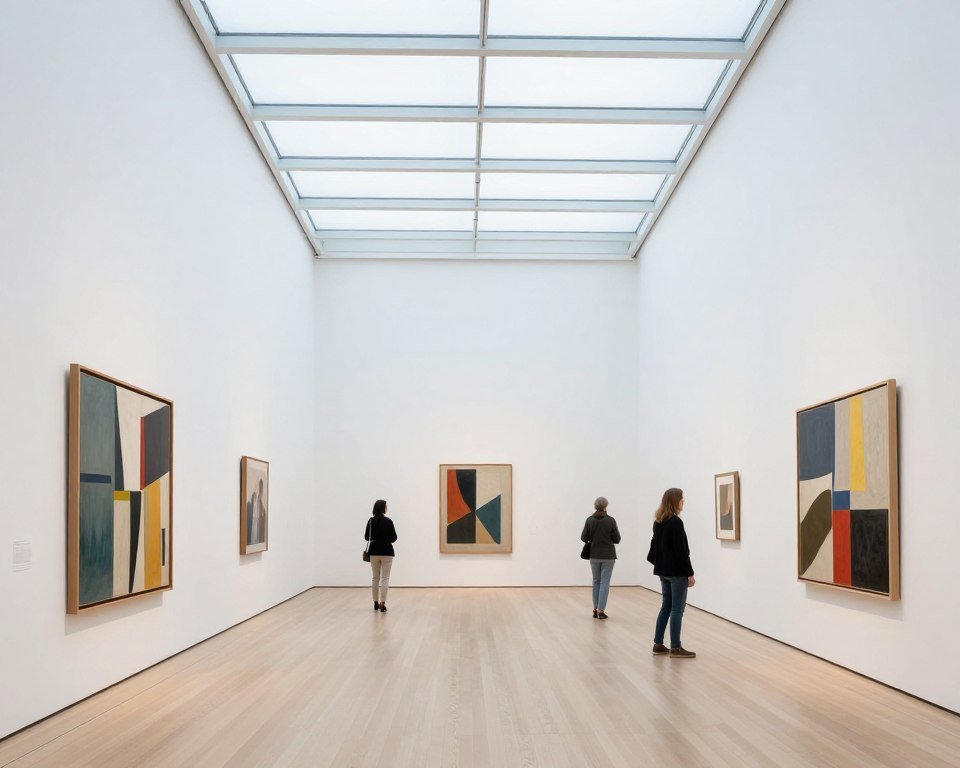
The Musée d’Art Moderne Grand-Duc Jean (MUDAM) stands as Luxembourg’s flagship contemporary art museum. Designed by renowned architect I.M. Pei, the building itself is a masterpiece of light and space, with glass walls and geometric forms creating an inspiring environment for modern art. The museum’s collection and temporary exhibitions showcase cutting-edge contemporary art from Luxembourg and around the world, spanning painting, sculpture, photography, video, and installation art.
MUDAM’s location in the European Quarter, adjacent to Fort Thüngen’s historic fortifications, creates a fascinating juxtaposition of old and new. The museum regularly rotates its exhibitions, so there’s always something fresh to discover. The on-site café offers excellent coffee and light meals with outdoor seating overlooking the fort, making it a perfect spot to reflect on what you’ve seen.
Discover the National Museum of History and Art
The National Museum of History and Art (MNHA) takes visitors on a comprehensive journey through Luxembourg’s past, from prehistoric times to the present day. Housed in a beautifully restored complex that incorporates both historic buildings and modern additions carved into the rock, the museum’s collection spans archaeology, fine arts, decorative arts, and contemporary works. The archaeological sections are particularly impressive, with Roman artifacts, medieval sculptures, and weaponry telling Luxembourg’s story as a strategic crossroads of Europe.
The art collection includes works by major European masters as well as Luxembourg artists, while the contemporary galleries showcase works by photographers like Edward Steichen, Luxembourg’s most famous artistic export. The museum frequently hosts temporary exhibitions exploring specific aspects of Luxembourg culture and history. Best of all, admission is free, making it an excellent rainy-day activity.
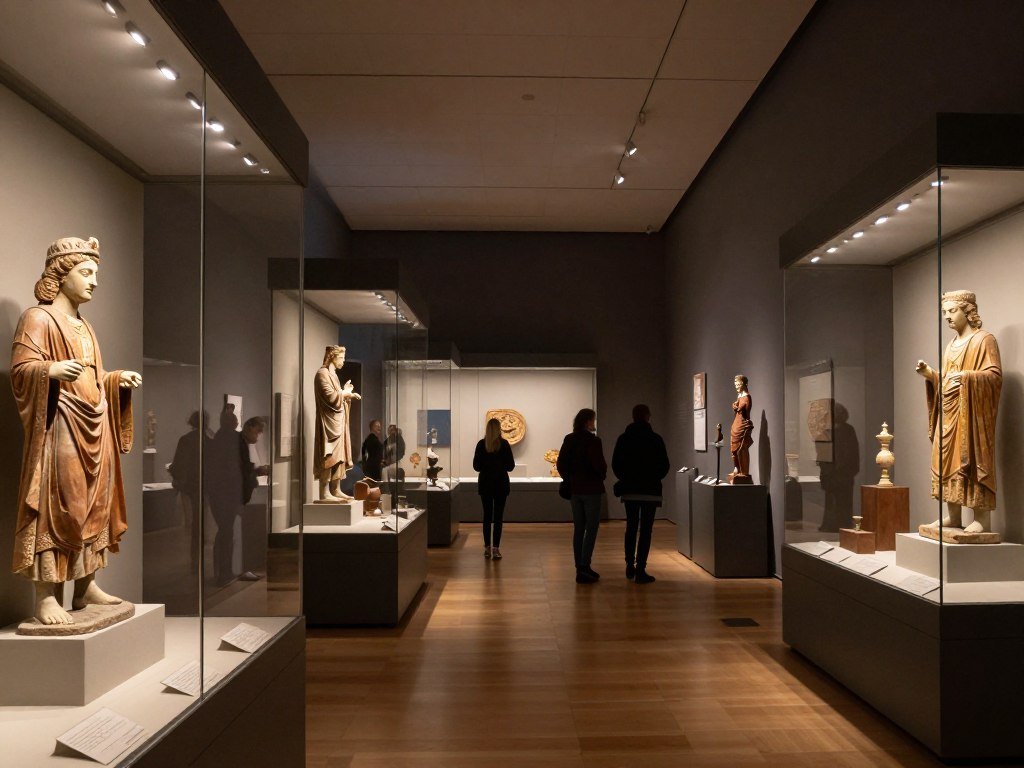
Museum Hours: MNHA is open Tuesday-Sunday, 10:00-18:00, with late hours until 21:00 on Thursdays. The museum is closed Mondays and select public holidays. Free admission. Located at Marché-aux-Poissons in the old town center, easily walkable from major hotels.
Tour Fort Thüngen and the History Museum
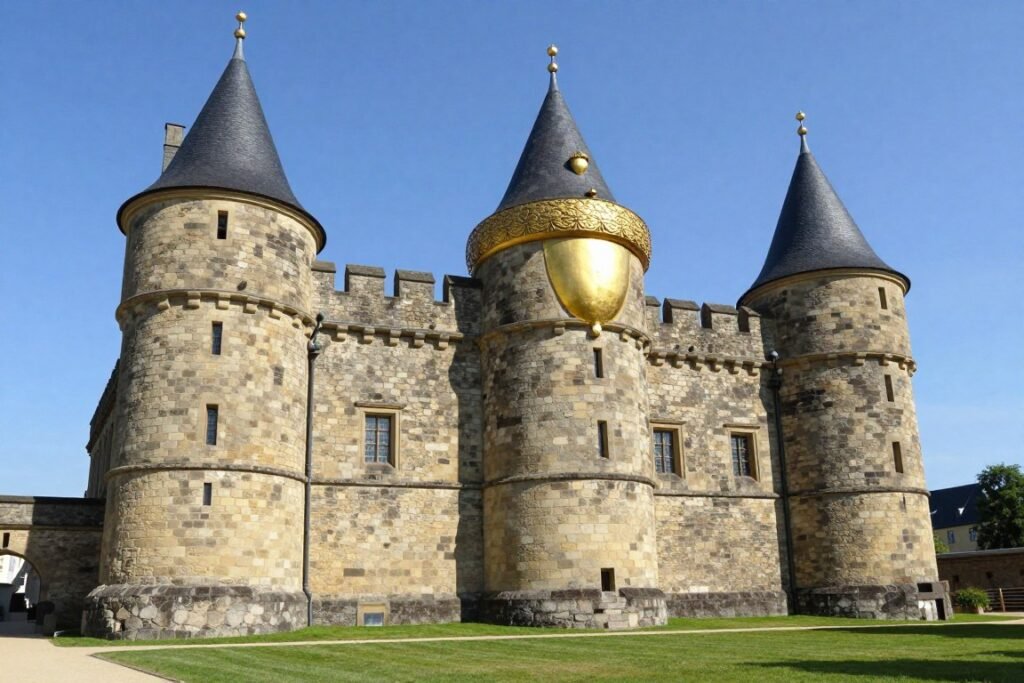
Fort Thüngen, also known as the “Three Acorns” for its distinctive turrets topped with golden acorns, houses the Luxembourg Fortress History Museum. This museum focuses exclusively on the city’s role as one of Europe’s most formidable fortresses, explaining how military engineering shaped Luxembourg’s development over nearly 900 years. Interactive displays, models, and multimedia presentations make complex fortification strategies accessible and engaging.
The fort itself is as interesting as the museum it contains. Built in 1732 by Austrian engineers, Fort Thüngen formed a key part of Luxembourg’s outer defenses. Visitors can explore the restored fort structure, walk along ramparts, and understand how this small hilltop position could control approach routes to the city. The views from the fort across the Kirchberg plateau toward the old town are exceptional, particularly at sunset.
Visit the Casino Luxembourg Contemporary Art Forum
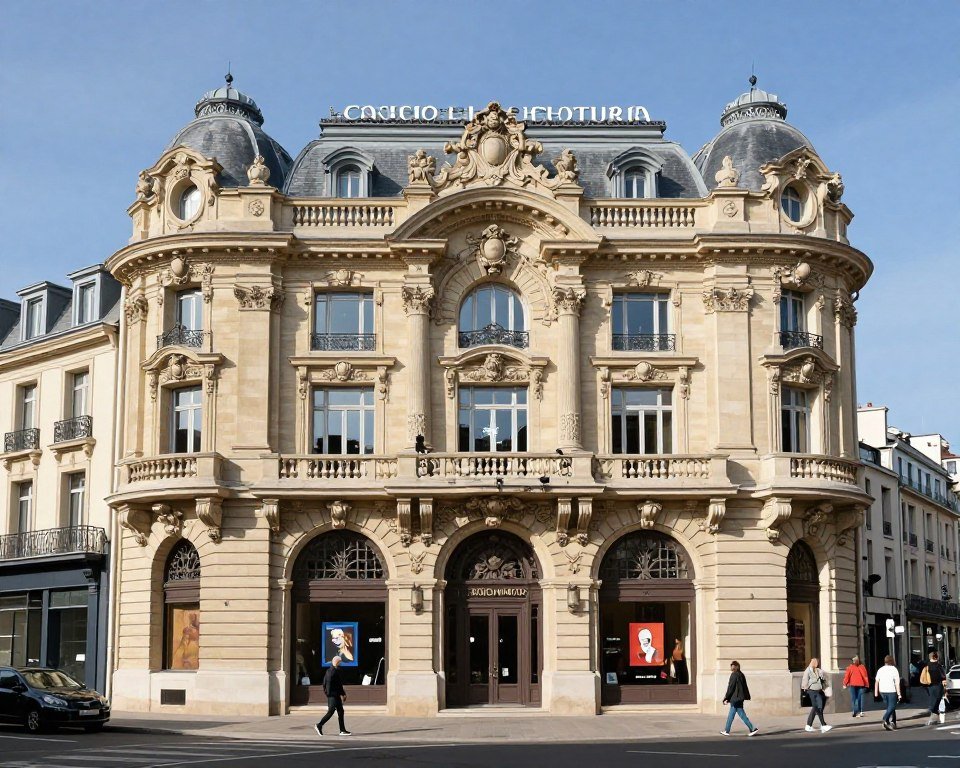
Despite its name, Casino Luxembourg has nothing to do with gambling—it’s one of the city’s premier contemporary art spaces. Housed in a beautiful Belle Époque building that once served as a casino and ballroom, this art forum focuses on emerging and experimental contemporary art. The programming is consistently innovative, featuring installations, performances, video art, and multimedia works that push boundaries and challenge expectations.
What makes Casino Luxembourg special is its commitment to making contemporary art accessible. The staff are enthusiastic and happy to discuss exhibitions, and many shows include interactive elements. The building itself deserves attention, with its ornate historic interiors providing an intriguing contrast to the cutting-edge art displayed within. Located right in the city center on Rue Notre-Dame, it’s easy to pop in during a day of sightseeing.
Save Money with the LuxembourgCard
Access over 90 attractions throughout Luxembourg, including all major museums, castles, and guided tours, with one convenient card. Available for 1, 2, or 3 consecutive days. Includes free public transport.
| Card Duration | Individual Price | Family Price (2-5 people) | Best For |
| 1 Day | €13 | €28 | Day trips from nearby countries |
| 2 Days | €20 | €48 | Weekend city breaks |
| 3 Days | €28 | €68 | Comprehensive Luxembourg exploration |
Experience Luxembourg's Natural Beauty
Beyond its urban attractions, Luxembourg surprises visitors with diverse natural landscapes. Despite being one of Europe’s smallest countries, Luxembourg packs remarkable variety into its 2,586 square kilometers—from the dramatic Mullerthal rock formations to the gentle Moselle Valley vineyards. The country’s extensive network of well-marked hiking and cycling trails makes exploring these natural areas easy and rewarding for all fitness levels.
Hike the Mullerthal Trail
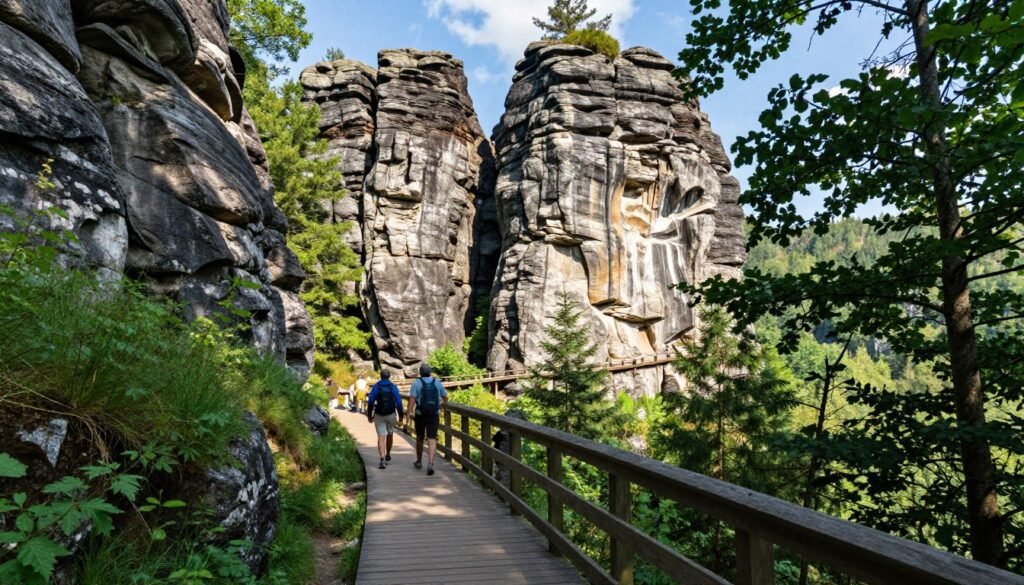
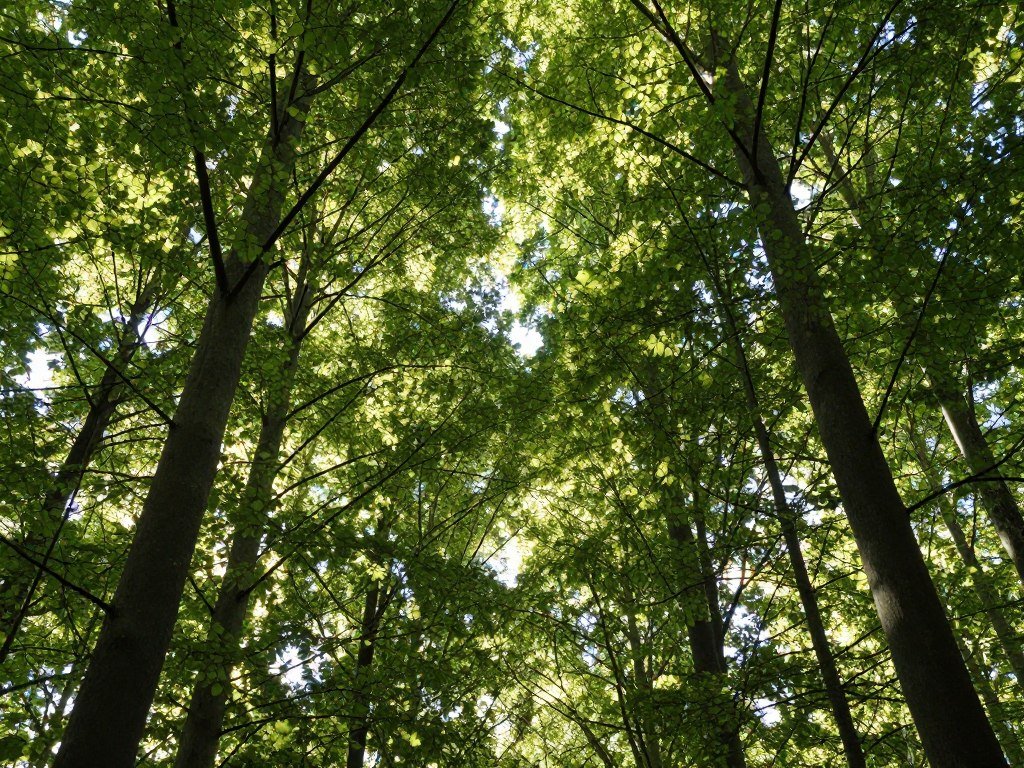
The Mullerthal region, often called “Luxembourg’s Little Switzerland,” offers the country’s most spectacular hiking. The headline attraction is the Mullerthal Trail, a 112-kilometer route divided into three circuits that wind through enchanting beech forests, narrow rock canyons, and past dramatic sandstone formations. Even if you’re not up for the full multi-day trek, shorter day-hike options provide access to the most spectacular scenery.
The most popular section runs from Echternach through the Wolfsschlucht (Wolf’s Gorge) to Berdorf, a 6-kilometer route taking about three hours. This stretch includes the famous Labyrinth rock formations, where narrow passages squeeze between towering rock walls, and the Predigtstuhl viewpoint with sweeping forest vistas. The trail is excellently marked with white triangles on blue backgrounds, and the terrain, while occasionally requiring scrambling over rocks, is manageable for anyone with reasonable fitness.

Practical Mullerthal Tips: Start your hike from Echternach or Berdorf, both accessible by public bus from Luxembourg City (routes 111, 110, 400). Bring sturdy hiking shoes as rocks can be slippery. Several sections include ladders and steep stairs—not suitable for very young children. Multiple cafés in Echternach and Berdorf offer perfect post-hike refreshments.
Cycle the Luxembourg Countryside
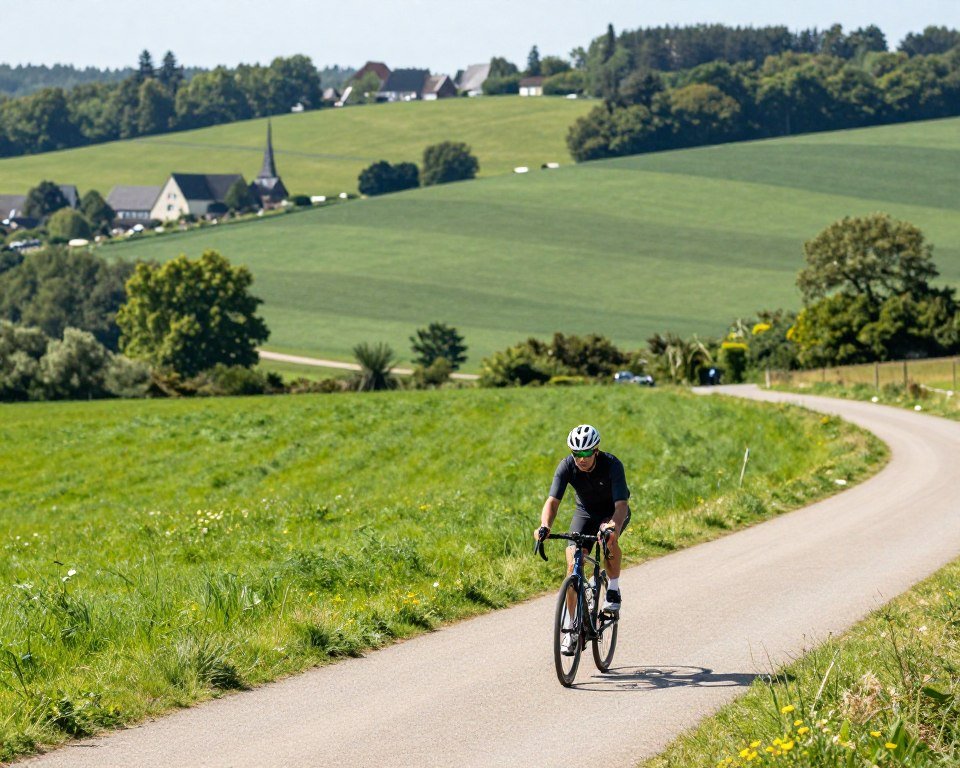
Luxembourg has invested heavily in cycling infrastructure, creating over 600 kilometers of dedicated cycling paths that crisscross the country. These routes follow former railway lines, river valleys, and quiet country roads, making cycling both safe and scenic. The relatively flat terrain in many areas makes Luxembourg ideal for casual cyclists, while the Ardennes region in the north offers challenges for more experienced riders.
One of the most popular routes is the Vennbahn cycle path, which follows a former railway line through the German-Belgian-Luxembourg border region. Closer to Luxembourg City, the PC1 path leads west toward Arlon, passing through forests and farming country. Bike rentals are available throughout the country, and many accommodations offer secure bicycle storage and repair facilities.
Explore the Upper Sûre Natural Park
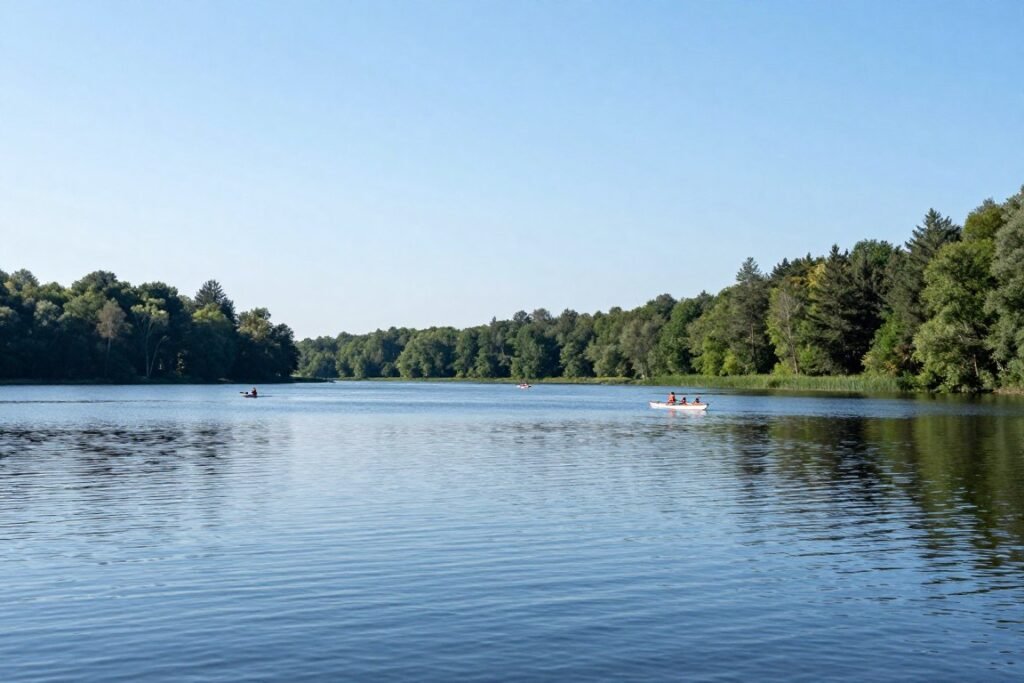
The Upper Sûre Natural Park protects Luxembourg’s largest lake and surrounding wilderness, offering a peaceful retreat from city life. The Upper Sûre Lake is actually a reservoir created in 1959, but nature has reclaimed much of the shoreline, creating a haven for wildlife. Activities here focus on gentle outdoor recreation—kayaking, stand-up paddleboarding, swimming at designated beaches, and walking the shoreline trails.
The park headquarters in Esch-sur-Sûre provides information about the area and rents kayaks and other equipment. The medieval village of Esch-sur-Sûre itself is worth exploring, with its dramatic castle ruins perched on a hilltop overlooking a hairpin bend in the river. Several marked walking trails of varying difficulty lead through the surrounding forests and along the lakeshore.
Discover the Moselle Valley Wine Region
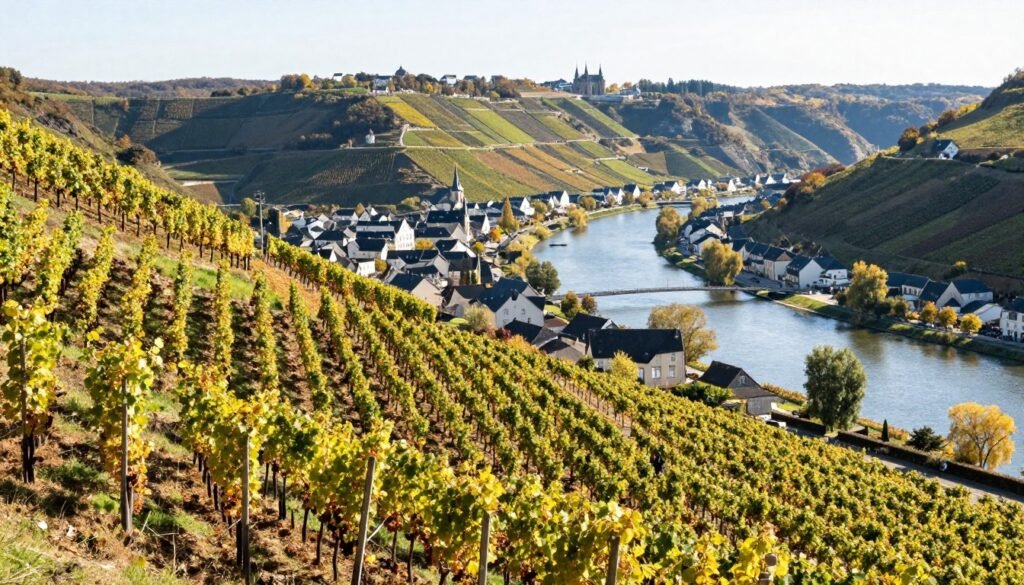
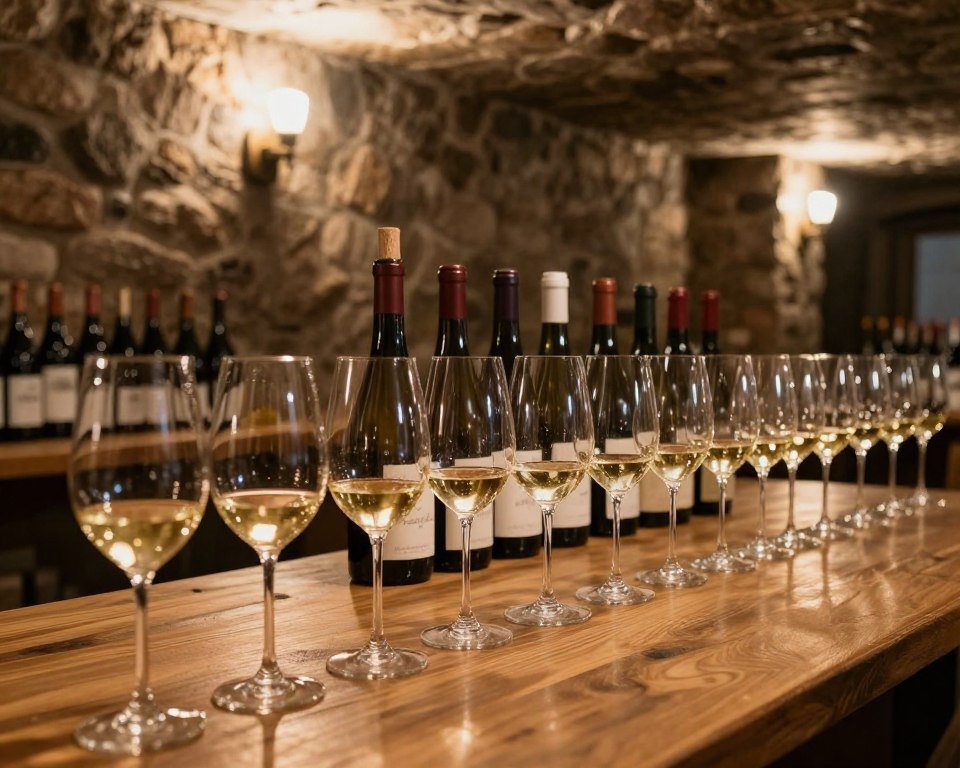
The Moselle River forms Luxembourg’s southeastern border with Germany, and its steep valley sides are covered with vineyards producing excellent white wines and crémants (sparkling wines). The Route du Vin (Wine Route) stretches for 42 kilometers from Schengen to Wasserbillig, passing through picturesque wine villages where cellar doors welcome visitors for tastings. The wines, particularly the Rieslings and Pinot Blancs, surprise many first-time visitors with their quality.
Several wineries offer tours explaining Luxembourg’s wine-making traditions. Domaine Henri Ruppert in Schengen and Bernard-Massard in Grevenmacher provide guided visits through their cellars and vineyards, followed by tastings. The towns along the route—Remich, Grevenmacher, and Wormeldange—feature waterfront promenades, wine festivals throughout summer and autumn, and restaurants serving local specialties paired with regional wines.
Moselle Valley Wine Tour
Discover Luxembourg’s hidden wine country on a guided day tour. Visit family-owned wineries, taste exceptional crémants and white wines, explore charming riverside villages, and enjoy a traditional Luxembourgish lunch.
- Half-day and full-day options available
- Small group tours with knowledgeable guides
- Transportation from Luxembourg City included
- Suitable for all wine knowledge levels
Venture Beyond the City: Castles and Historic Towns
Luxembourg’s compact size makes it ideal for day trips—you can reach any corner of the country within an hour from the capital. The countryside is dotted with magnificent castles, each with unique architecture and history. Combined with charming towns, battlefield sites, and scenic landscapes, these destinations provide compelling reasons to explore beyond Luxembourg City. Best of all, free public transport makes these excursions incredibly affordable.
Vianden Castle: Luxembourg's Crown Jewel
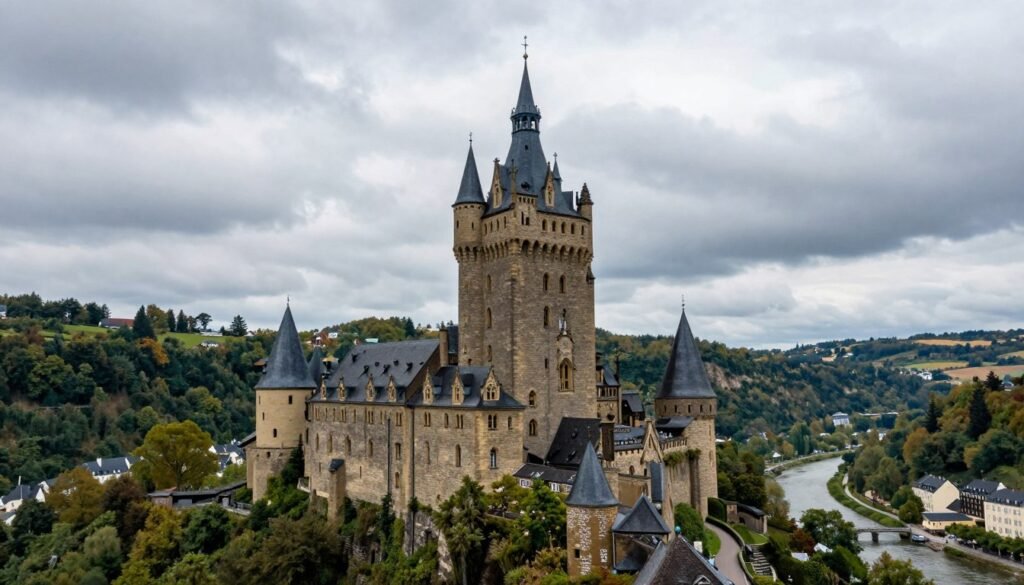
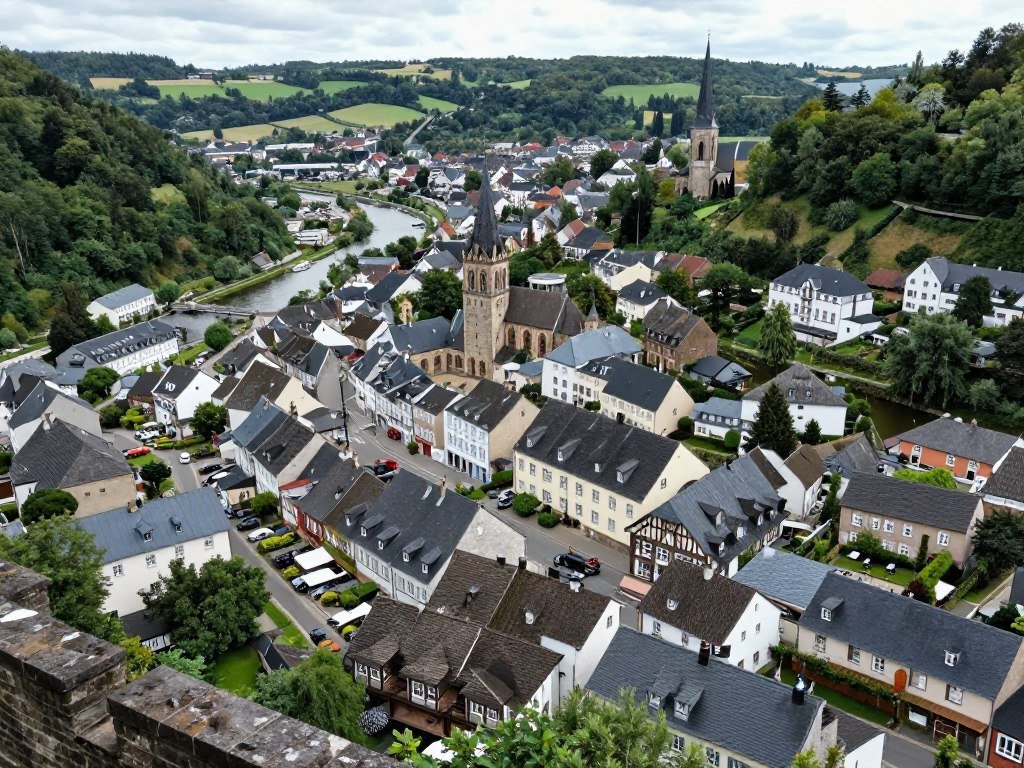
Vianden Castle stands as one of Europe’s finest feudal residences, a massive fortress rising dramatically above the Our River valley. Built between the 11th and 14th centuries, this castle served as home to Luxembourg’s Counts before falling into ruin in the 19th century. A meticulous restoration beginning in 1977 returned Vianden to its medieval glory, and today it’s Luxembourg’s most-visited castle and most photographed landmark.
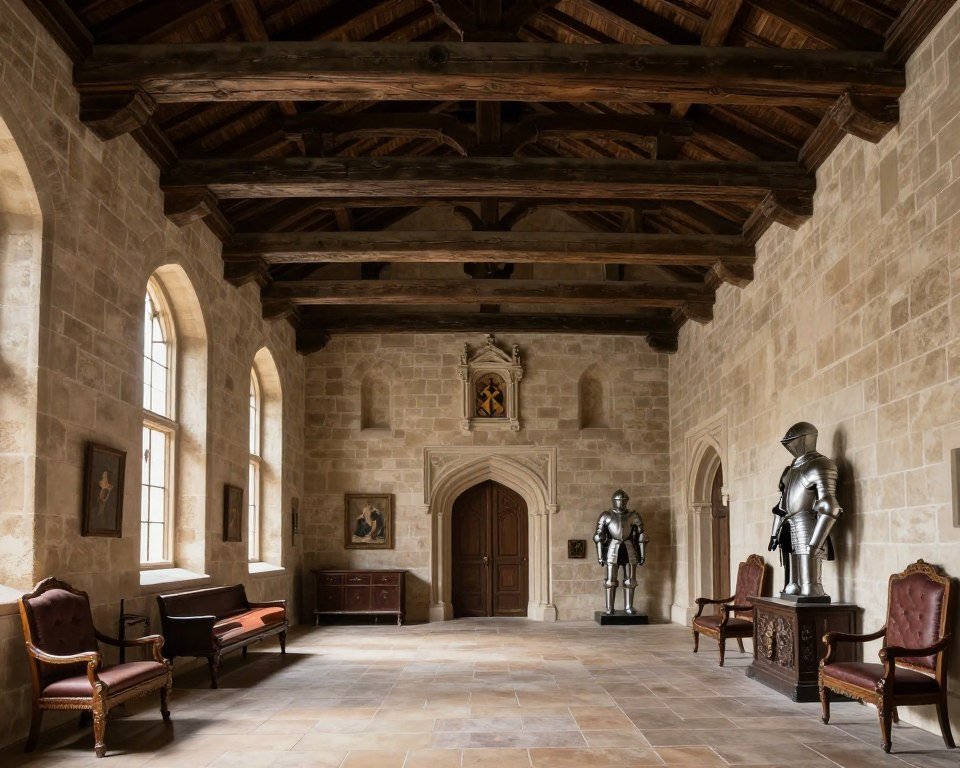
The self-guided tour route leads through dozens of rooms spread across multiple levels, each reconstructed to reflect different periods in the castle’s history. Highlights include the grand Knights’ Hall with its impressive dimensions, the palace chapel with Byzantine-style frescoes, and the small museum documenting the restoration process. The rampart walk provides spectacular views across the town and surrounding Ardennes forest. Allow at least two hours to fully explore the castle.
Getting to Vianden
From Luxembourg City, take bus 570 directly to Vianden (approximately 1 hour 15 minutes). Buses depart from Luxembourg Gare (central station) several times daily. The castle sits on a steep hill above the town—you can walk up (15 minutes, steep) or take the chairlift (€6 round trip) from the town center for scenic views during the ascent.
Vianden Castle Information
- Open daily year-round (hours vary by season)
- Admission: €12 adults, €8 students/seniors, €6 children
- Free with LuxembourgCard
- Audio guide included in admission
- Castle website: castle-vianden.lu
Beaufort Castle: Two Castles in One
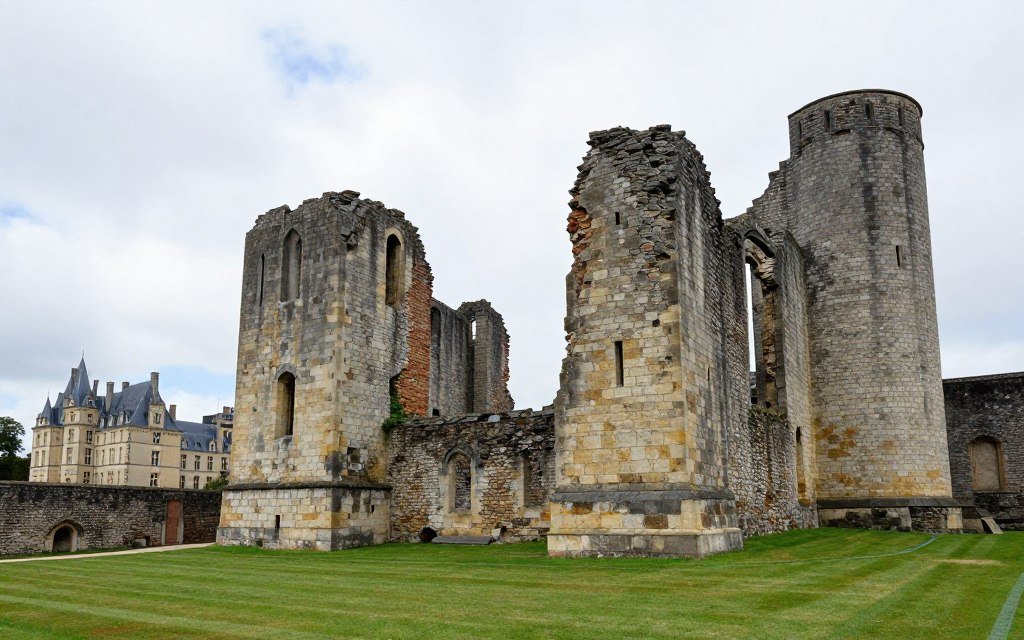
The town of Beaufort offers a unique two-for-one castle experience. The medieval ruins date from the 11th century and sprawl across a hilltop, with crumbling towers, partial walls, and vaulted chambers that imagination can reconstruct into their former glory. A walk through these atmospheric ruins, complete with explanatory panels, takes about 45 minutes. Right beside it stands the Renaissance château, built in the 17th century, which now houses a small museum of local history.
Beaufort is also famous for its black currant liqueur, Cassis de Beaufort, produced at a distillery in the town. After exploring the castles, many visitors stop at the distillery for a tasting or visit one of Beaufort’s pleasant cafés for the local specialty: Cassero (black currant juice mixed with sparkling wine). The surrounding Mullerthal region offers excellent hiking trails if you want to extend your visit.
Bourscheid Castle: Luxembourg's Largest Fortress
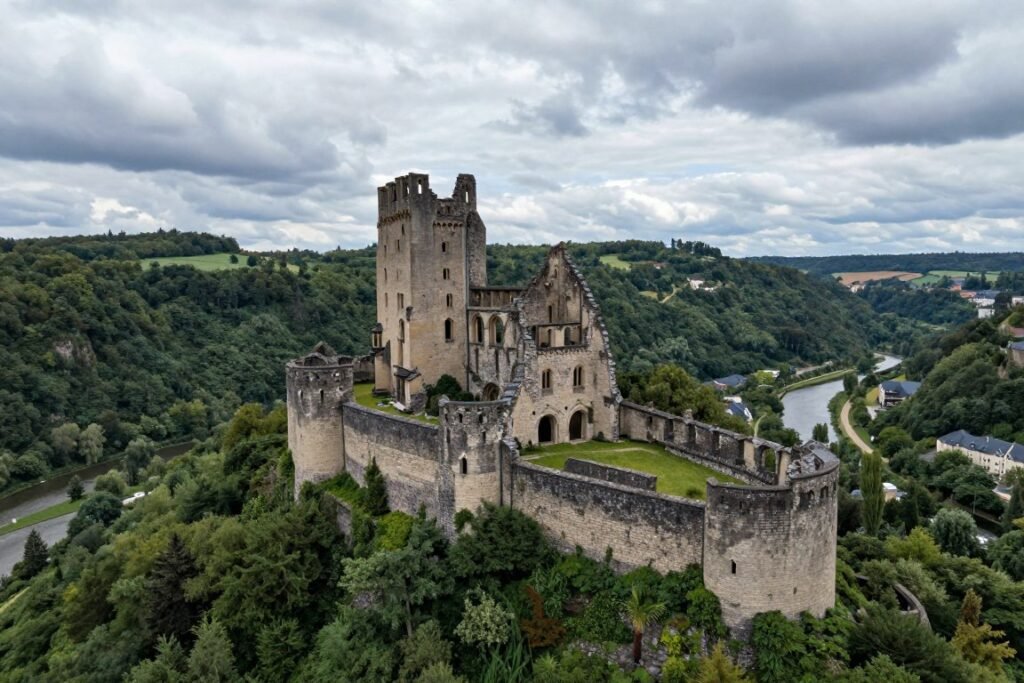
Bourscheid Castle claims the title of Luxembourg’s largest castle by area, sprawling across a forested hilltop high above the Sûre River. Less visited than Vianden, Bourscheid offers a more atmospheric, less crowded experience. The castle complex consists of an upper and lower castle connected by a fortified path, dating from approximately 1000 CE with additions through the centuries. Though much of the structure is ruined, enough remains to convey the fortress’s impressive scale.
Restoration work continues at Bourscheid, revealing more of the original structure each year. Visitors can explore the keep, walk along portions of the walls, and investigate various towers and chambers. Information panels explain what each space was used for, bringing the ruins to life. The views from the castle across the Sure Valley are exceptional. Evening illumination makes Bourscheid particularly photogenic—consider timing a drive-by to see the dramatically lit castle against the night sky.
Clervaux: Abbey Town in the Ardennes
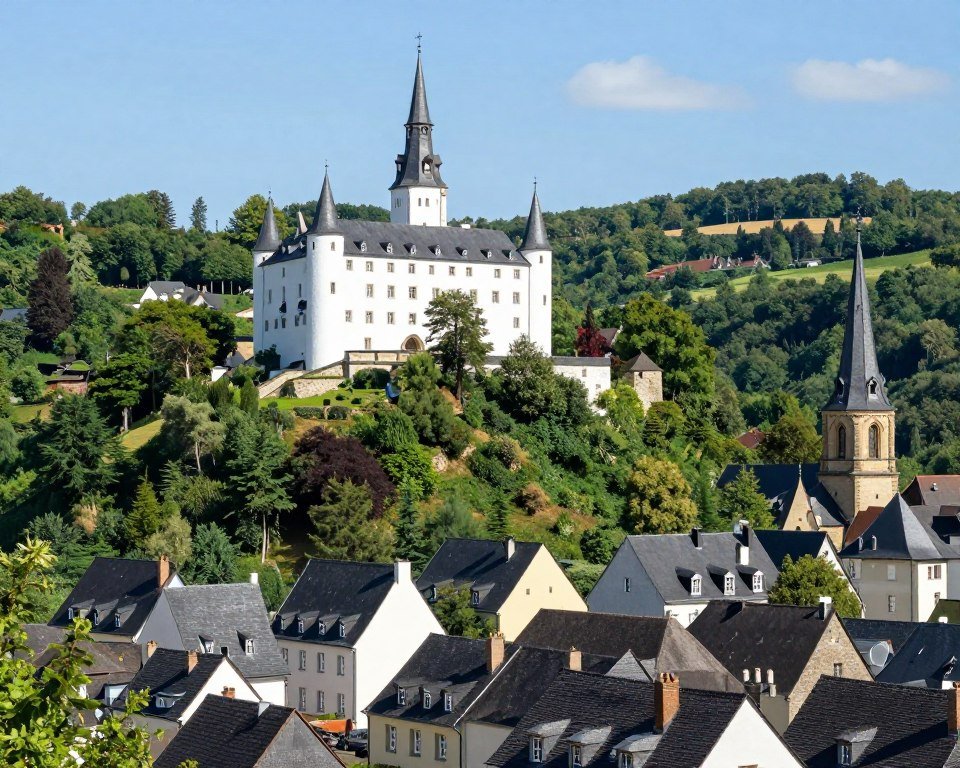
The northern town of Clervaux deserves a full day trip, combining castle, abbey, and one of photography’s most important exhibitions. Clervaux Castle houses not only historical exhibits but also “The Family of Man,” an exhibition of 503 photographs by 273 photographers from 68 countries, curated by Edward Steichen in 1955. This UNESCO-listed collection explores universal human experiences and remains deeply moving nearly 70 years after its creation.
Above the town, Clervaux Abbey (Abbaye Saint-Maurice) is home to a community of Benedictine monks who welcome visitors to their modern abbey church, gift shop selling monk-made products, and museum of monastic life. The abbey’s contemporary architecture contrasts beautifully with the surrounding medieval town. Clervaux also serves as a gateway to hiking in the northern Ardennes, with several excellent trails starting from the town.
Echternach: Luxembourg's Oldest Town
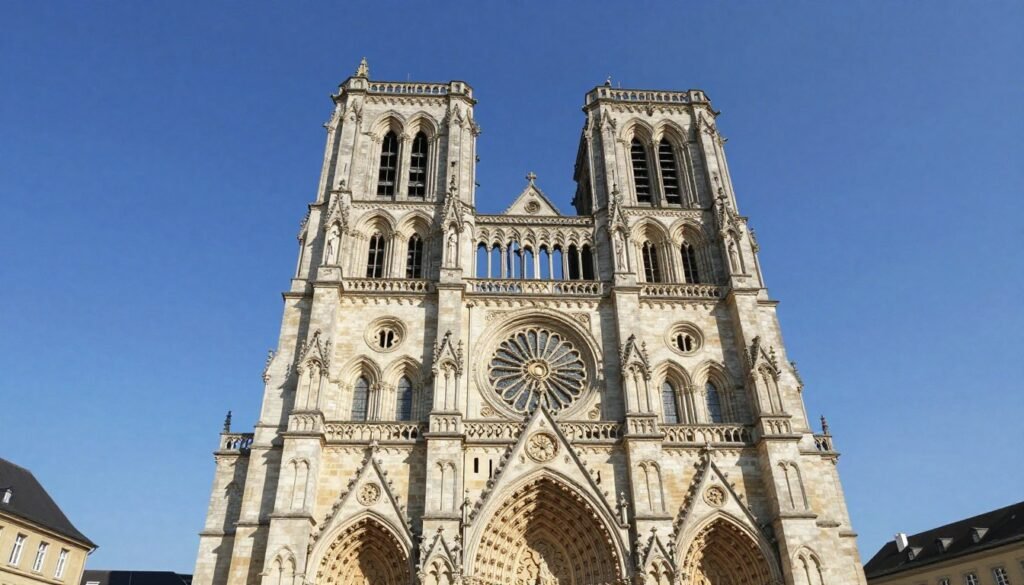
Founded in 698 CE by Anglo-Saxon missionary Willibrord, Echternach claims the title of Luxembourg’s oldest town. The town centers around the impressive Basilica of Saint Willibrord, rebuilt after World War II destruction in its original Romanesque style. The adjacent abbey complex, partly dating to medieval times, now houses a museum and the Orangery gardens—a peaceful retreat with fountains and manicured lawns.
Echternach’s compact old town features charming squares lined with cafés and the photogenic Dënzelt, a 15th-century courthouse with neo-Gothic features. The town serves as the primary gateway to the Mullerthal Trail, with several hiking routes starting right from the town center. Every Whit Tuesday, Echternach hosts its famous Dancing Procession, a unique UNESCO-listed religious tradition drawing thousands of participants and spectators.
Explore Luxembourg's Castles
Join a guided day trip visiting multiple Luxembourg castles with expert commentary, including Vianden, Bourscheid, and Beaufort. Transportation, entrance fees, and lunch included.
Family-Friendly Things to Do in Luxembourg
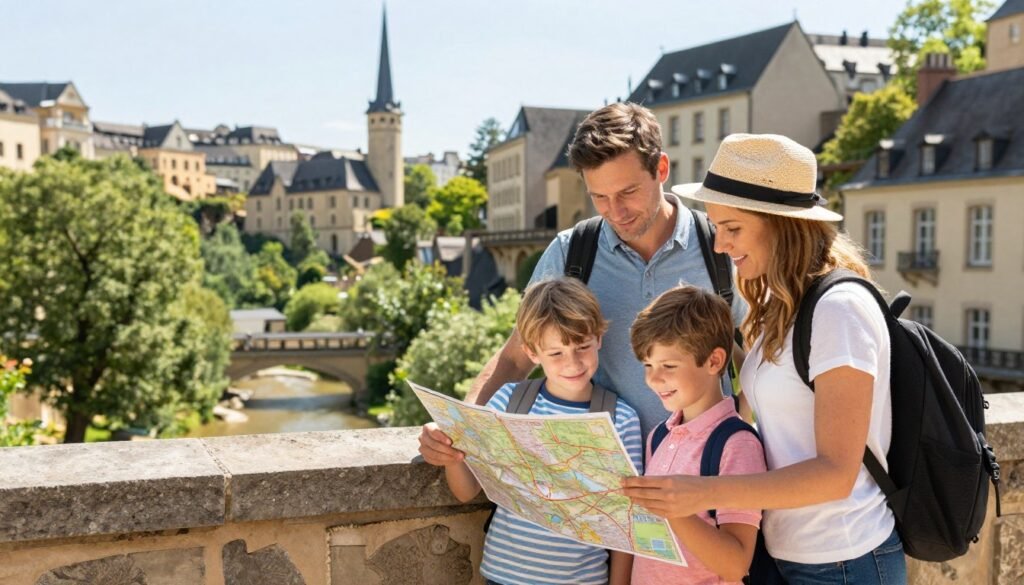
Luxembourg excels as a family destination, offering numerous attractions that engage children while remaining interesting for adults. The country’s small size means short travel times between activities, and the free public transport makes getting around with children stress-free. Many attractions specifically cater to families, with interactive exhibits, outdoor playgrounds, and child-focused programming.
Visit Parc Merveilleux
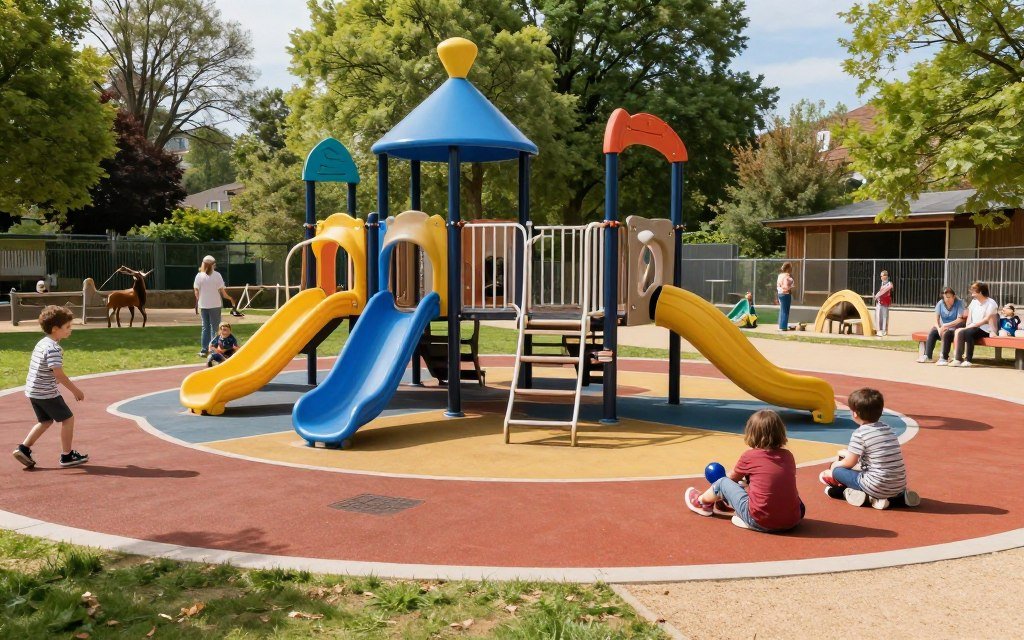
Parc Merveilleux in Bettembourg ranks as Luxembourg’s top family attraction, combining a zoo, playground, fairytale displays, and miniature train rides in one expansive park. The zoo section houses over 200 animals, including exotic species like lemurs and exotic birds alongside domestic farm animals that children can interact with in the petting zoo area. Unlike traditional zoos, Parc Merveilleux maintains a more intimate scale that doesn’t overwhelm young children.
The park’s fairytale-themed areas bring stories to life with animated displays—Little Red Riding Hood, Sleeping Beauty, and many others appear in charming dioramas. Multiple playgrounds cater to different age groups, from toddler-safe equipment to adventure playgrounds for older children. A miniature train circles the park, providing a fun way to see everything while giving little legs a rest. Several restaurants and snack bars mean you can easily spend a full day here.
Parc Merveilleux Practicalities: Located in Bettembourg, 20 minutes from Luxembourg City by car or regional train. Open April through October, 9:30-18:00 daily. Admission €22 adults, €19 children 3-12, free under 3. Free parking. Food service available or bring a picnic. Plan for 4-6 hours. Website: parc-merveilleux.lu
Explore the National Museum of Natural History
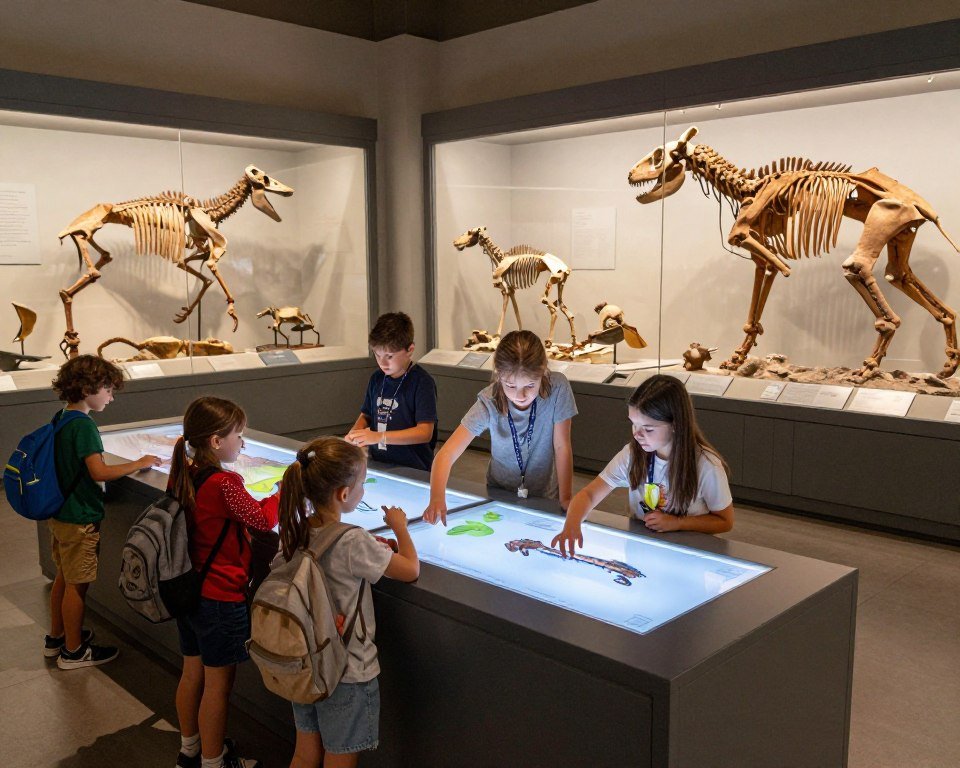
Luxembourg City’s National Museum of Natural History (NATUR MUSÉE) provides an engaging indoor option, perfect for rainy days. The museum focuses on natural sciences with particular emphasis on Luxembourg’s geology, ecosystems, and wildlife. Interactive displays allow children to explore concepts hands-on—touching rock samples, examining fossils, and engaging with multimedia exhibits about biodiversity and environmental conservation.
Special family programs run regularly, including weekend workshops where children can participate in scientific experiments, nature crafts, and wildlife observation activities. The museum also features a lovely science shop with educational toys and books. As an added bonus, admission is free, making this an excellent budget-friendly activity for families.
Adventure at Adventure Park Kockelscheuer
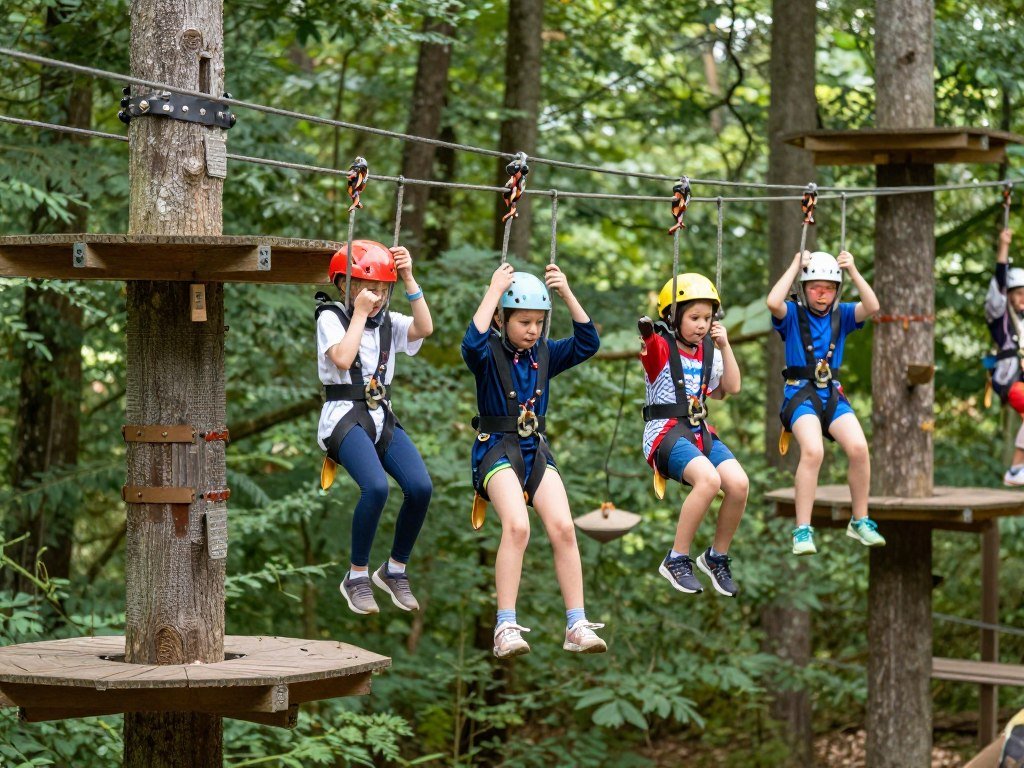
For active families, Adventure Park Kockelscheuer offers outdoor challenges in a forest setting just outside Luxembourg City. This treetop adventure park features multiple courses of varying difficulty—from low courses suitable for children as young as four to extreme courses that challenge even athletic teenagers and adults. Activities include zip lines, rope bridges, climbing walls, and obstacle courses suspended among the trees.
Safety is paramount, with professional equipment and staff instruction ensuring everyone participates securely. The park also includes a traditional playground for younger children and picnic areas for breaks between activities. Most families spend 2-3 hours here. The nearby Kockelscheuer sports complex includes ice skating rinks and swimming pools if you want to combine activities.
Ride the Petrusse Express Tourist Train
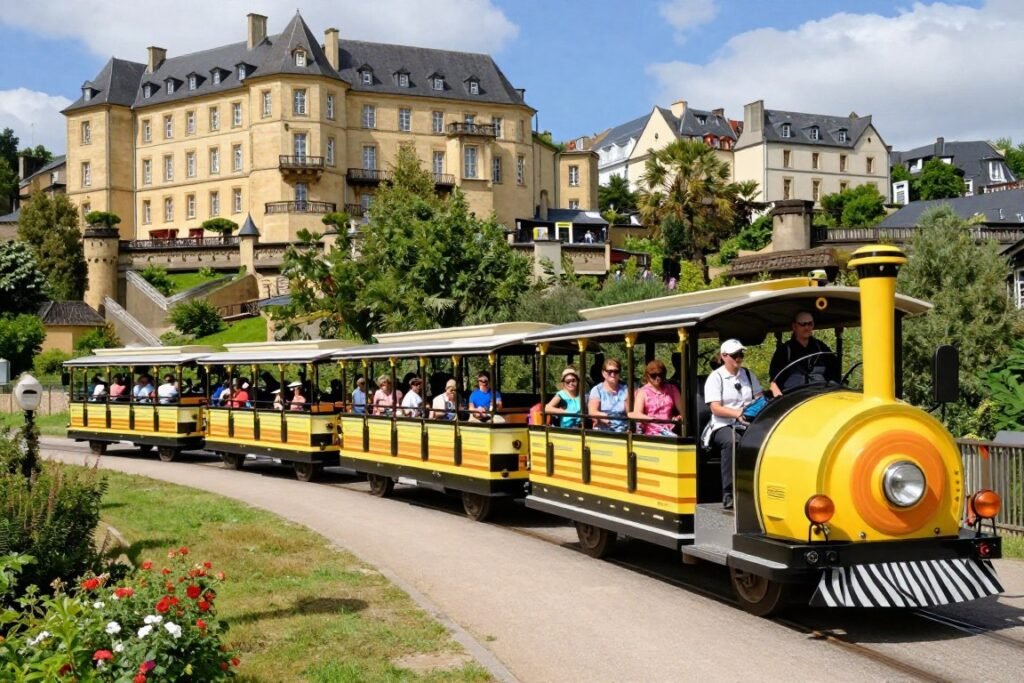
For a fun orientation to Luxembourg City that keeps children entertained, hop aboard the Petrusse Express, a road train that tours the city’s main sights. The 50-minute route begins at Place de la Constitution and descends into the Pétrusse Valley before climbing back up to the old town, passing major landmarks with recorded commentary available in eight languages. The open-air train format feels like an adventure for kids while giving parents a helpful overview of the city’s layout.
The route covers ground that would be tiring for little legs to walk—particularly the steep valley descents and ascents. Running from March through October (daily in summer, weekends only in shoulder season), the train provides an easy way to see a lot in a short time. You can combine this with walking portions of the Wenzel Walk or Corniche promenade afterwards, focusing your walking energy on the areas that most interested you from the train tour.
Luxembourg Through the Seasons
Luxembourg transforms throughout the year, with each season bringing unique activities and atmospheres. Understanding these seasonal variations helps you plan the perfect visit based on your interests. Summer offers the fullest range of activities with everything open, but spring and autumn provide arguably better experiences with fewer crowds and stunning natural colors. Winter brings its own magic, particularly around Christmas.
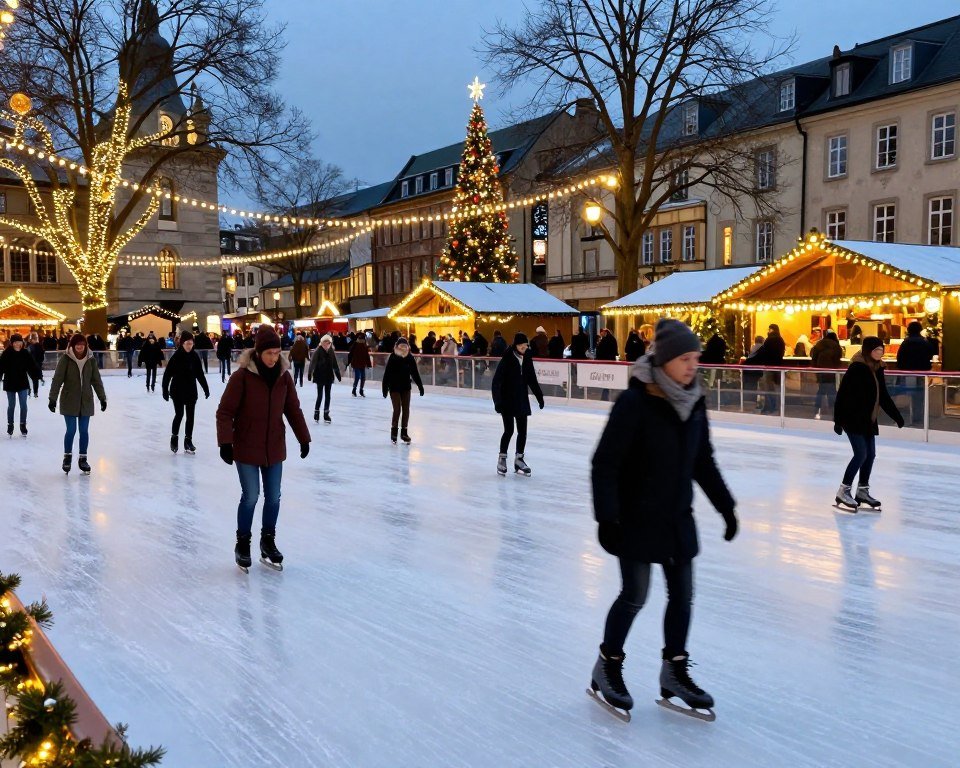
Winter: Christmas Markets and Cozy Culture
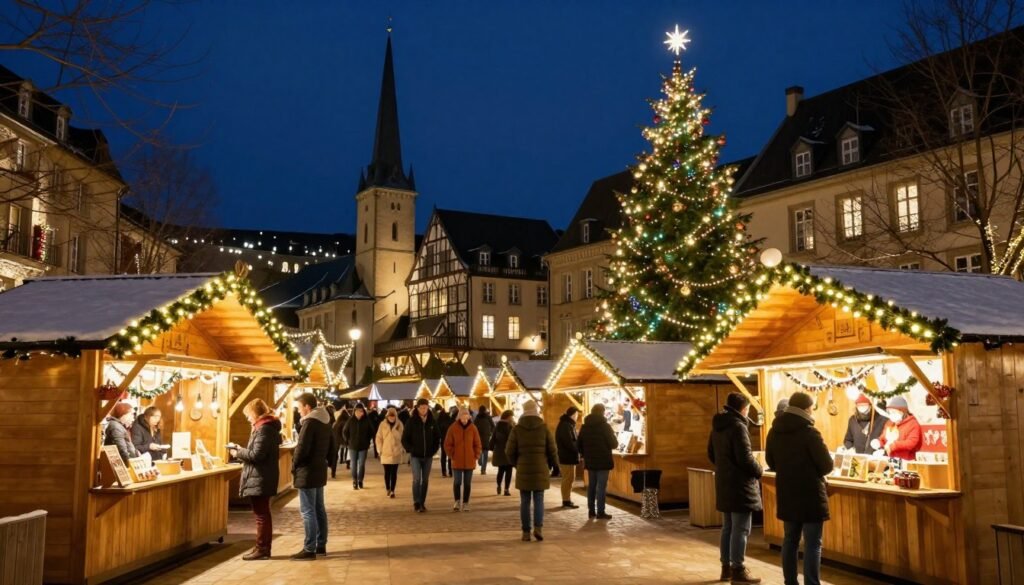
Luxembourg City’s winter markets transform the old town into a magical wonderland from late November through early January. The main Christmas market centers on Place d’Armes, where traditional wooden chalets sell artisanal gifts, seasonal foods, and mulled wine. The ice skating rink in Parc Municipal and the illuminated heart installation add to the festive atmosphere. The Winterlights Festival extends the season, with concerts, exhibitions, and performances throughout the city until January 7th.
Winter is also ideal for indoor cultural activities—museums are less crowded, and cozy cafés invite lingering over hot chocolate. The philharmonic and theater seasons are in full swing, offering world-class performances. Several castles, including Vianden, host special Christmas markets and medieval festivals that transport visitors back in time.
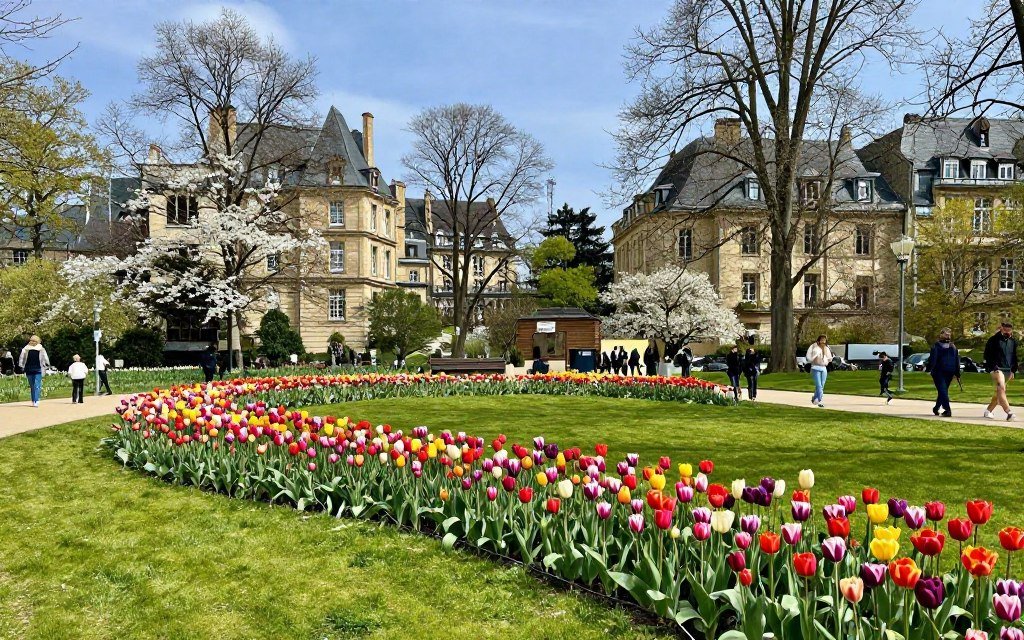
Spring: Blooms and Outdoor Revival
Spring in Luxembourg brings a burst of color and renewed outdoor activity. The Moselle Valley vineyards turn bright green with new growth, city parks fill with tulips and daffodils, and hiking trails become accessible again after winter. Easter markets provide a gentler alternative to the Christmas crowds, featuring spring crafts, flowers, and traditional foods. This is an excellent time for cycling, as temperatures warm but summer heat hasn’t yet arrived.
Many attractions reopen in April after winter closures, including the Bock Casemates and outdoor castles. The Dancing Procession in Echternach (Whit Tuesday, usually May or early June) draws thousands for this unique UNESCO-listed tradition. Spring festivals celebrate everything from asparagus season to the opening of outdoor café terraces.
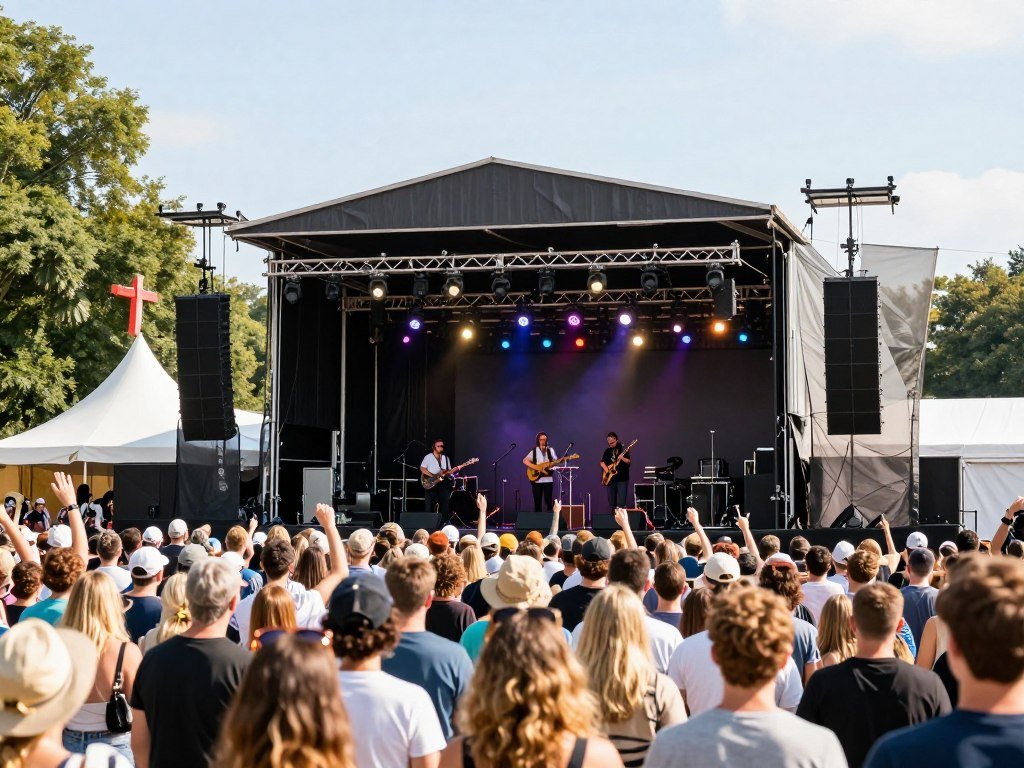
Summer: Festival Season and Peak Experiences
Summer brings Luxembourg fully to life with open-air concerts, cultural festivals, and the longest operating hours at attractions. The National Holiday on June 23rd features fireworks, concerts, and celebrations throughout the country. Music festivals range from Blues ‘n’ Jazz Rallye (July) to Rock um Knuedler and Fête de la Musique, with free performances filling the streets. The Grand Ducal Palace opens for tours only during summer months.
This season offers the best weather for outdoor activities—hiking, cycling, and wine tasting in the Moselle Valley. However, it’s also peak tourist season, meaning crowds at major attractions and higher accommodation prices. Book castle tours and popular restaurants in advance. The long summer days (sunset around 9:30 PM in June) maximize sightseeing time.
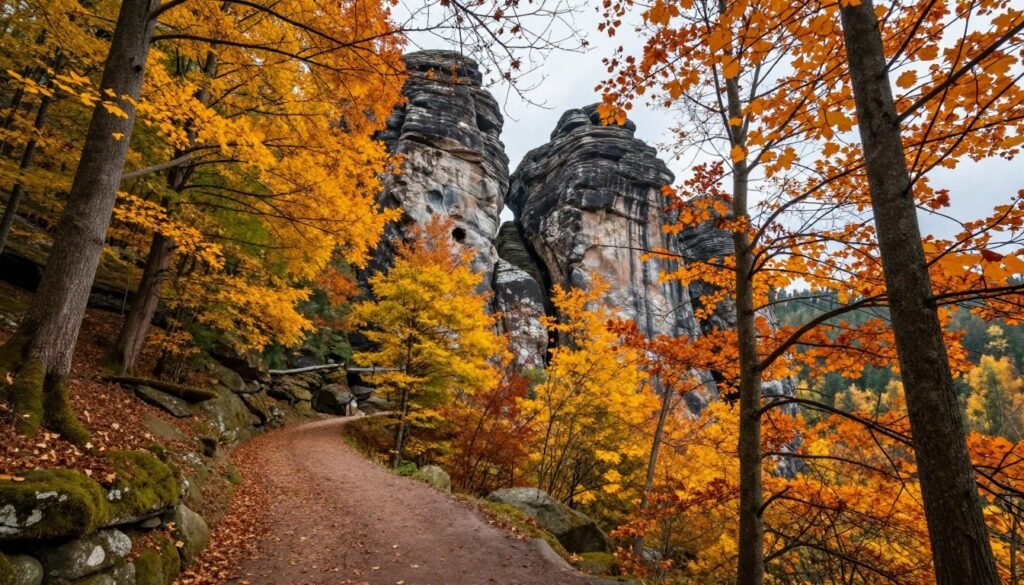
Autumn: Wine Harvest and Golden Landscapes
Autumn rivals spring as Luxembourg’s most beautiful season. The Mullerthal forest turns spectacular shades of gold and rust, making hiking especially photogenic. The Moselle Valley celebrates grape harvest with wine festivals throughout September and October—Grevenmacher’s Grape and Wine Festival is the largest. This is the perfect time for wine tasting, as cellars showcase their newest vintages.
Temperatures remain comfortable for outdoor activities into October, while September often delivers the year’s most stable weather. Autumn also means fewer tourists than summer, with accommodation returning to normal prices after the peak season ends. Many restaurants feature seasonal specialties like game and mushrooms, celebrating Luxembourg’s culinary traditions.
Practical Information for Visiting Luxembourg
Planning a trip to Luxembourg is remarkably straightforward thanks to the country’s excellent infrastructure, multilingual population, and tourist-friendly policies. This section covers everything you need to know about getting around, where to stay, what to budget, and practical tips to make your visit smooth and enjoyable.

Getting Around Luxembourg
Luxembourg’s greatest travel bargain is its completely free public transport throughout the entire country. This includes buses, trains, and trams—covering everything from Luxembourg City’s local routes to regional trains connecting major towns. Only first-class train compartments require tickets. This system makes Luxembourg incredibly easy and affordable to explore without a car.
Luxembourg City’s network includes an efficient tram line connecting the train station with the European Quarter, with airport extension opening in 2025. Frequent buses serve neighborhoods and suburbs. The Pfaffenthal-Kirchberg funicular and two public elevators navigate the city’s dramatic elevation changes for free. Regional trains and buses connect Luxembourg City with every town and village, with surprisingly frequent service even to smaller destinations.
Transportation Tips
- Download the Mobiliteit.lu app for schedules and route planning
- Trains are faster than buses for longer distances
- Sunday service runs less frequently—plan ahead
- Buses display destination names in Luxembourgish—check route numbers
- Luxembourg City is very walkable despite hills
Key Transport Hubs
- Luxembourg Gare: Central train station, bus terminal
- Place Hamilius: Major city bus interchange
- Airport: Express bus 16 to city (25 min), free
- P+R lots: Free parking at city edges with bus service
Where to Stay in Luxembourg
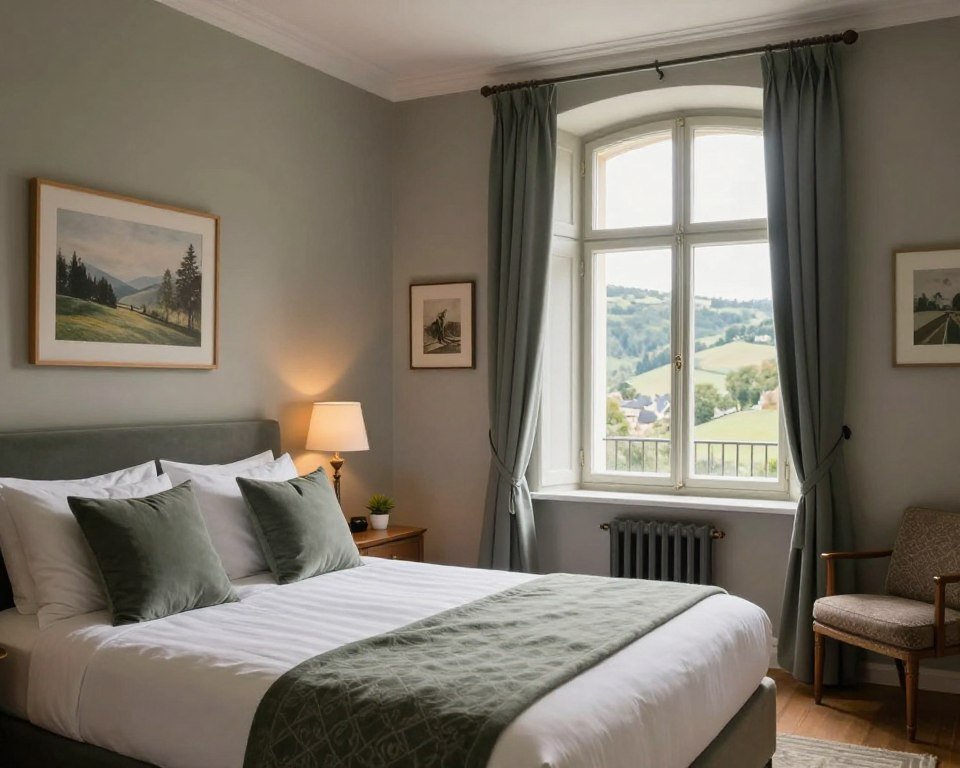
Luxembourg City offers accommodation for all budgets, though it tends to be more expensive than neighboring countries. The most atmospheric area to stay is the Grund neighborhood, where you’ll find charming B&Bs and boutique hotels in historic buildings. The Ville Haute (upper town) provides easy access to attractions, restaurants, and shopping, with everything walkable. The Gare district near the train station offers more budget options and excellent transport connections.
For countryside exploration, consider basing yourself in Echternach for Mullerthal access, Vianden for castle proximity, or one of the Moselle Valley wine villages like Remich or Grevenmacher. Luxembourg’s small size means even staying outside the capital keeps you within an hour of most attractions. Youth hostels provide excellent budget options in Luxembourg City, Echternach, and several other towns.
Budget Planning
Luxembourg has a reputation for being expensive, which is partially true for accommodation and dining, but the free public transport and many free museums offset these costs. A mid-range daily budget might look like €150-200 per person, covering hotel, meals, and attraction entry. Budget travelers can manage on €80-100 by staying in hostels, using supermarkets for some meals, and focusing on free attractions.
| Expense Category | Budget Option | Mid-Range Option | Luxury Option |
| Accommodation (per night) | €30-60 (hostel/budget hotel) | €100-150 (3-star hotel/B&B) | €200+ (luxury hotel) |
| Meals (per day) | €20-30 (supermarket + casual) | €40-60 (restaurants) | €100+ (fine dining) |
| Attractions | €0-15 (free museums + one paid) | €28 (LuxembourgCard 3-day) | €50+ (guided tours) |
| Transportation | €0 (all public transport free) | €0 (all public transport free) | €50+ (car rental per day) |
Best Time to Visit
Luxembourg can be visited year-round, with each season offering distinct advantages. May through September provides the most reliable weather and fullest range of open attractions, making these months most popular (and most crowded). April and October offer excellent alternatives with mild weather, autumn colors or spring blooms, and fewer tourists. Winter (December-January) appeals to Christmas market enthusiasts, while February-March are the quietest months with some attractions closed.
Recommended Visit Duration: Allow a minimum of 3-4 days to experience Luxembourg properly—2 days for Luxembourg City and 1-2 days for countryside attractions. A full week lets you explore thoroughly without rushing, including multiple castle visits, hiking in Mullerthal, and wine tasting in the Moselle Valley.
Language and Communication
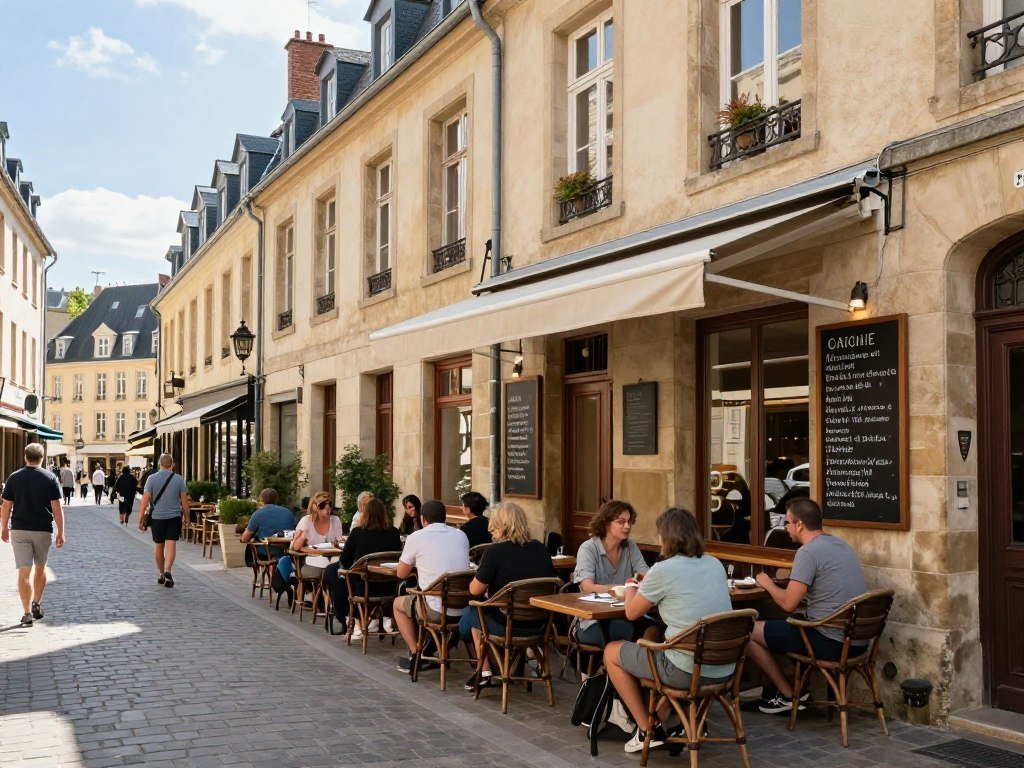
Luxembourg is impressively multilingual. While Luxembourgish is the national language, French and German are also official languages, and English is widely spoken, particularly in Luxembourg City and tourist areas. Virtually everyone working in hospitality speaks excellent English. Restaurant menus typically appear in multiple languages. This linguistic diversity makes Luxembourg one of Europe’s easiest non-English countries to navigate as an English speaker.
Hidden Gems: Off-the-Beaten-Path Luxembourg
Beyond the main tourist circuit, Luxembourg hides numerous lesser-known treasures that reward curious travelers. These spots see far fewer visitors but offer equally memorable experiences. If you have extra time or return for a second visit, these hidden gems reveal Luxembourg’s authentic character away from the crowds.
Pfaffenthal Neighborhood
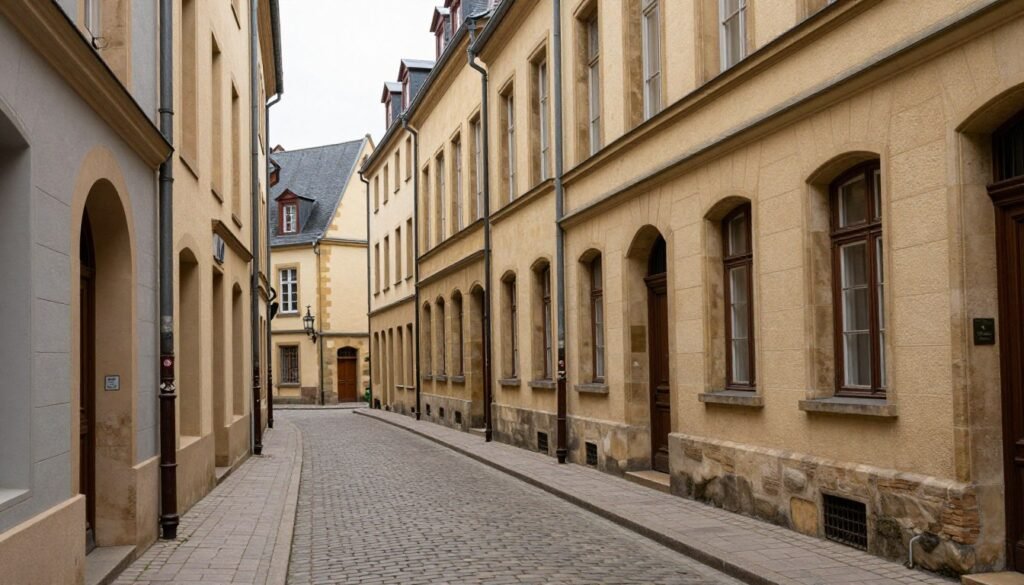
While most visitors take the Pfaffenthal lift between the city center and Kirchberg, few explore the Pfaffenthal neighborhood itself. This small valley quarter retains a village-like atmosphere within the capital, with narrow streets, small gardens, and local bars where regulars gather. The riverside walk along the Alzette connects to Grund, passing under dramatic viaducts and beside ancient walls. Several cafés here offer much better value than their touristy counterparts in the upper town.
Valley of the Seven Castles
The Eisch Valley northwest of Luxembourg City is known as the Valley of the Seven Castles for the concentration of fortresses along this scenic route. While most tourists head to Vianden, this valley sees far fewer visitors despite offering beautiful countryside, interesting castle ruins, and charming villages. The route connects Mersch to Koerich, passing castles at Septfontaines, Hollenfels, Ansembourg, and others—some ruins, some private residences, all photogenic.
The drive takes about 45 minutes without stops but deserves half a day with time to explore ruins and stop in villages. Ansembourg’s Grand Château opens its beautiful formal gardens to visitors free of charge—a peaceful oasis rarely crowded. The route also passes several excellent restaurants serving traditional Luxembourg cuisine at prices lower than the capital.
Schengen European Museum
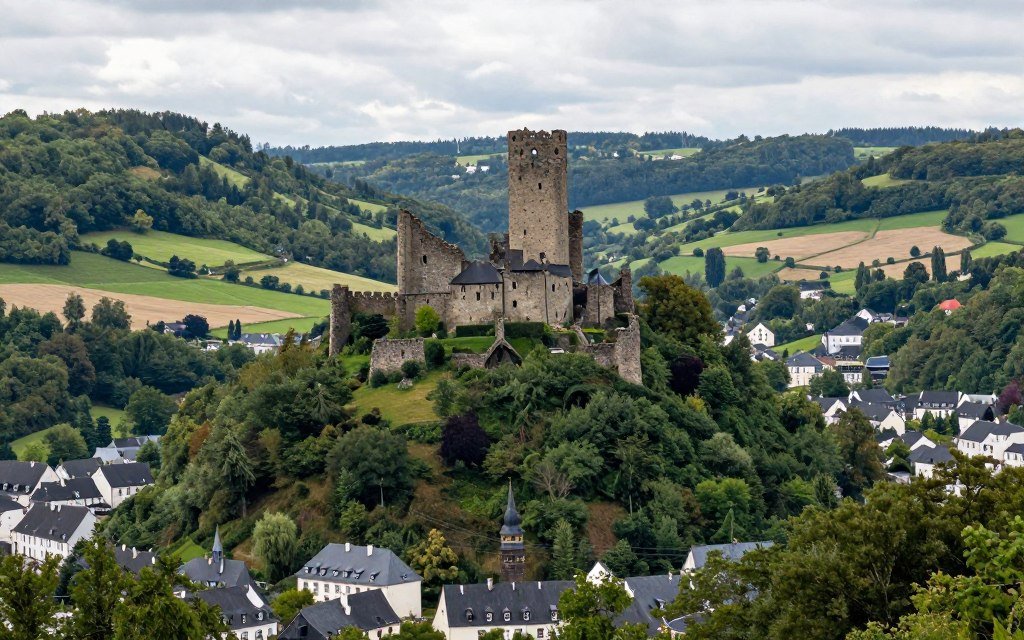
The tiny Moselle village of Schengen gave its name to the Schengen Agreement that abolished internal border controls between most European countries. The European Museum in Schengen explores this history with engaging multimedia exhibits explaining how this small-town signing created one of the EU’s most significant achievements. The museum is small but fascinating, particularly for anyone interested in European politics and history.
After visiting the museum, walk to the actual spot where the agreement was signed—marked by a monument at the confluence of the Moselle, Rhine, and Sure rivers where France, Germany, and Luxembourg meet. The village itself is charming, with excellent wine cellars and riverside restaurants. This makes a perfect addition to a Moselle Valley wine tour.
Dudelange's Industrial Heritage
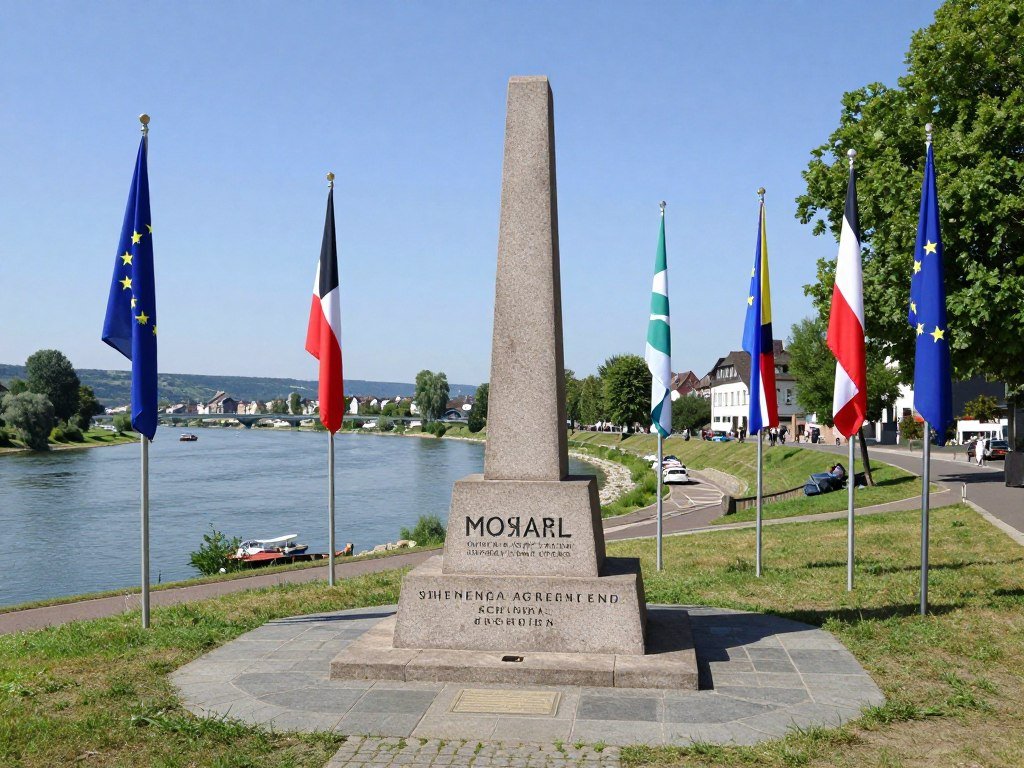
The southern city of Dudelange offers a completely different Luxembourg experience—post-industrial regeneration with an artistic edge. The former steel town has transformed slag heaps into parks and old factories into cultural spaces. The National Audiovisual Center hosts film screenings and exhibitions, while the VEWA creative space houses artist studios, galleries, and a microbrewery. The town’s Italian Quarter recalls the wave of Italian immigrants who came for steel work in the early 20th century.
Dudelange won’t appeal to everyone, but urban explorers and those interested in how industrial cities reinvent themselves will find it fascinating. The nearby Völklinger Hütte, just across the border in Germany, is a UNESCO World Heritage industrial site offering even more extensive exploration of the region’s steel heritage.
Lake Echternach
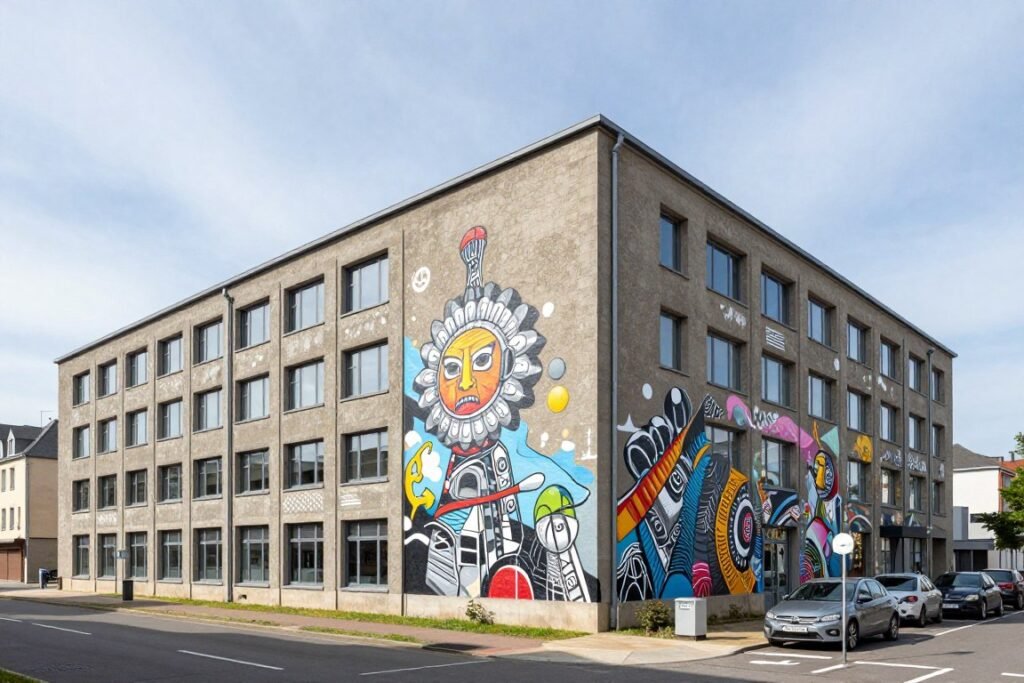
Just outside the town of Echternach, Lake Echternach (Echternacher See) offers a peaceful natural retreat rarely visited by international tourists. This small artificial lake features a walking trail around its perimeter (approximately 3 km), swimming beaches in summer, and a campground. Families from Luxembourg City come here for weekend outings, but weekdays see very few visitors. It’s an ideal spot for a picnic, swim, or gentle walk before or after exploring Echternach town and the Mullerthal Trail.
Luxembourg's Culinary Scene: What and Where to Eat
Luxembourg’s culinary identity reflects its location between France and Germany, blending influences from both while maintaining distinct national dishes. The tiny country punches well above its weight in fine dining, boasting more Michelin stars per capita than almost anywhere on Earth. But equally appealing are traditional cuisine and cozy wine bars serving local specialties.
Must-Try Luxembourg Dishes
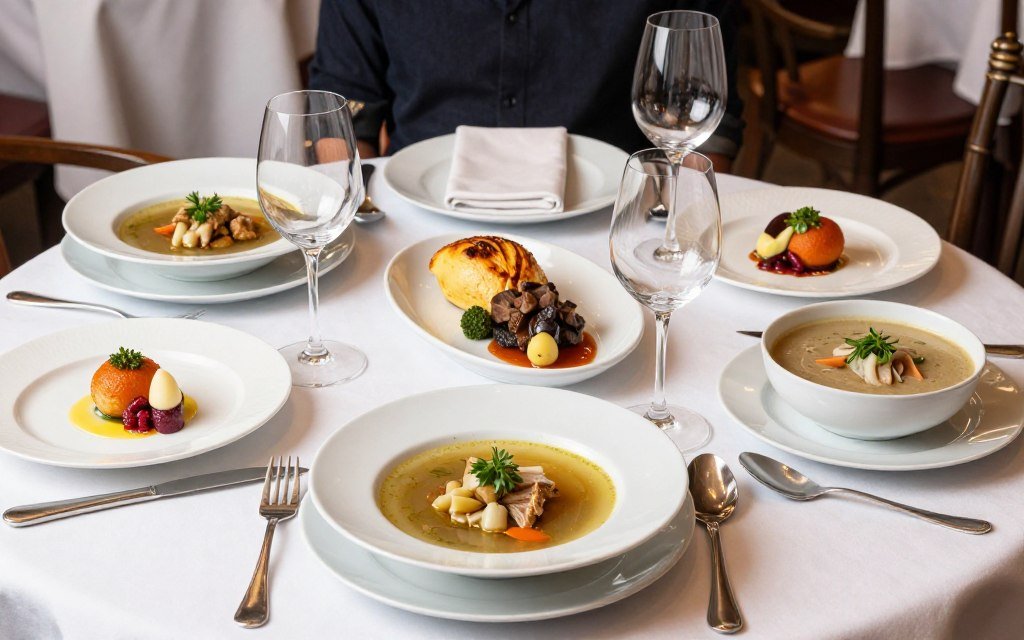
Traditional Luxembourg cuisine tends toward hearty, filling dishes reflecting the country’s agricultural heritage and cool climate. The national dish, Judd mat Gaardebounen, consists of smoked pork collar with broad beans and potatoes—comfort food at its finest. Bouneschlupp, a rich green bean soup, appears on most traditional menus. Gromperekichelcher are crispy potato pancakes, perfect street food at Christmas markets or festivals.
Luxembourg’s pastries deserve special mention. Quetschentaart (plum tart) celebrates autumn’s plum harvest, while the Kachkéis (similar to Camembert) spread on crusty bread makes a perfect light lunch. For sweets, try Verwurelter (fried pastries) or Äppelkraut (apple butter). The country’s German influence shows in excellent wursts and schnitzel, while French patisserie traditions produce wonderful croissants and tarts.
Traditional Luxembourgish Dishes
- Judd mat Gaardebounen: Smoked pork with broad beans
- Bouneschlupp: Green bean soup with bacon and potatoes
- Träipen: Black pudding (blood sausage)
- Friture de la Moselle: Small fried fish from Moselle River
- F’rell am Rèisleck: Trout in Riesling sauce
Where to Try Traditional Food
- Um Dierfgen: Classic Luxembourg cuisine, Grund
- Brasserie Guillaume: Traditional menu, Place Guillaume II
- Chiggeri: Modern takes on classics, city center
- Kamakura: Mix of Asian and Luxembourg dishes
Luxembourg's Wine and Crémant
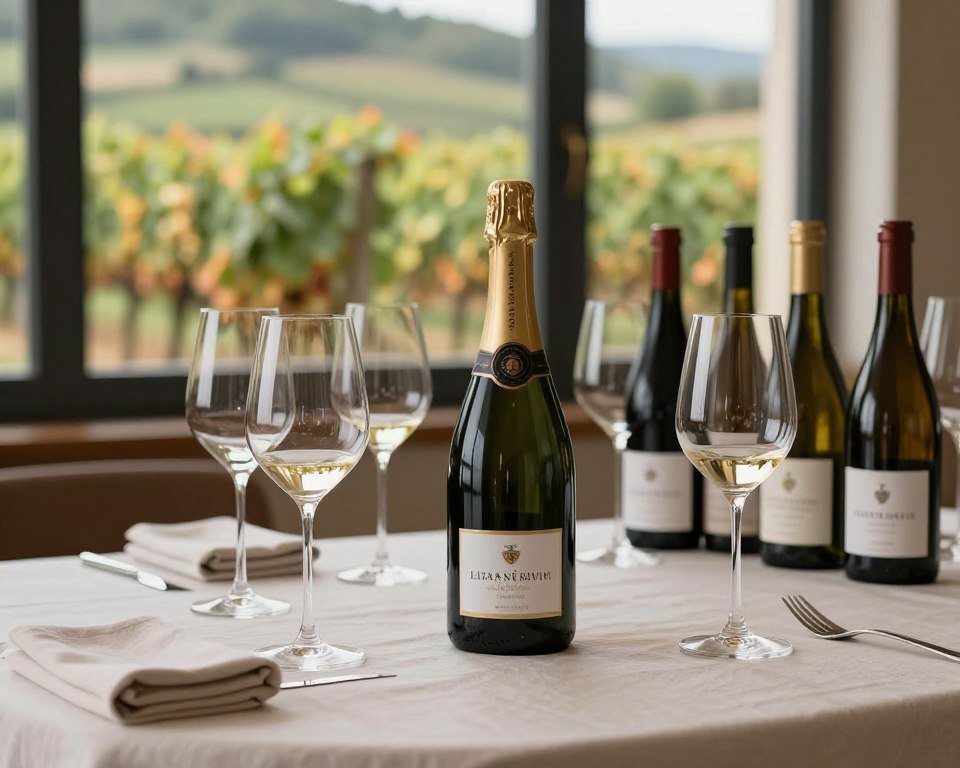
Luxembourg produces exceptional white wines and sparkling crémants, yet they remain largely unknown internationally because most production is consumed domestically. The Moselle Valley’s limestone soils and cool climate create ideal conditions for varieties like Riesling, Pinot Blanc, Pinot Gris, and Auxerrois. Luxembourg crémant, made using the traditional champagne method, rivals many proseccos and cavas in quality at lower prices.
Wine tasting in the Moselle villages offers both established wineries with formal tours and small family operations where you might taste directly with the winemaker. Many cellars offer generous tastings for minimal fees (€5-10), often waived with purchases. Spring through autumn, wine festivals celebrate the harvest, offering opportunities to taste multiple producers and enjoy local food and music.
Michelin-Star Dining
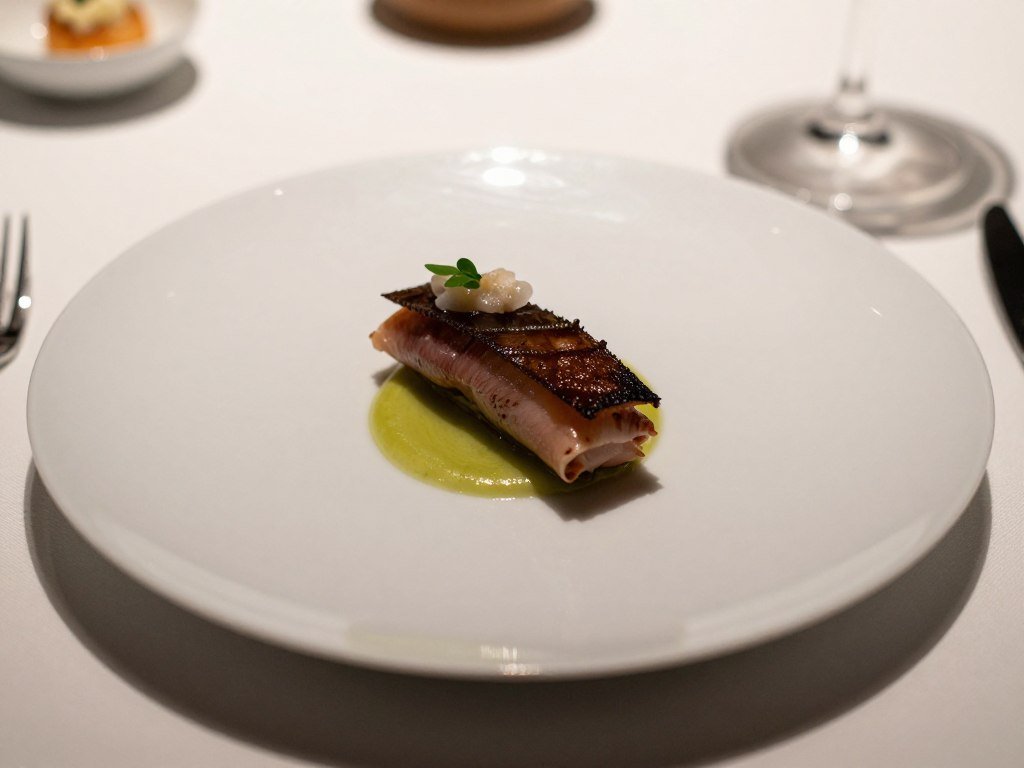
Despite its tiny size, Luxembourg boasts over a dozen Michelin-starred restaurants, an extraordinary concentration of culinary excellence. These range from two-star establishments like Mosconi (Italian) and Restaurant Clairefontaine (French) in Luxembourg City to one-star gems scattered throughout the countryside. Prices for tasting menus typically range from €80-150 per person, expensive but reasonable by Michelin standards.
Many starred restaurants offer excellent value lunch menus (€30-50) providing an affordable taste of high-end dining. Advance reservations are essential, particularly for dinner service. Even if fine dining isn’t normally your style, Luxembourg’s starred restaurants are worth considering—service is usually warm rather than stuffy, and the food showcases local ingredients in creative preparations.
Luxembourg's World War II History
Luxembourg’s strategic location made it a focal point during World War II, particularly during the Battle of the Bulge in winter 1944-45. Several sites throughout the country commemorate these events and honor those who fought for Luxembourg’s liberation. For history enthusiasts, these memorials and museums provide moving and educational experiences.
Luxembourg American Military Cemetery
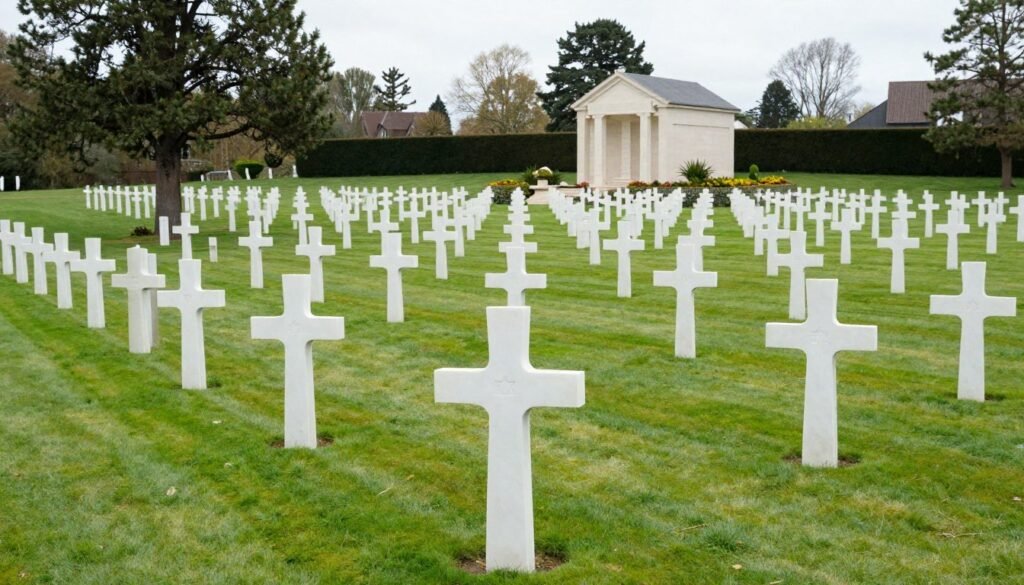
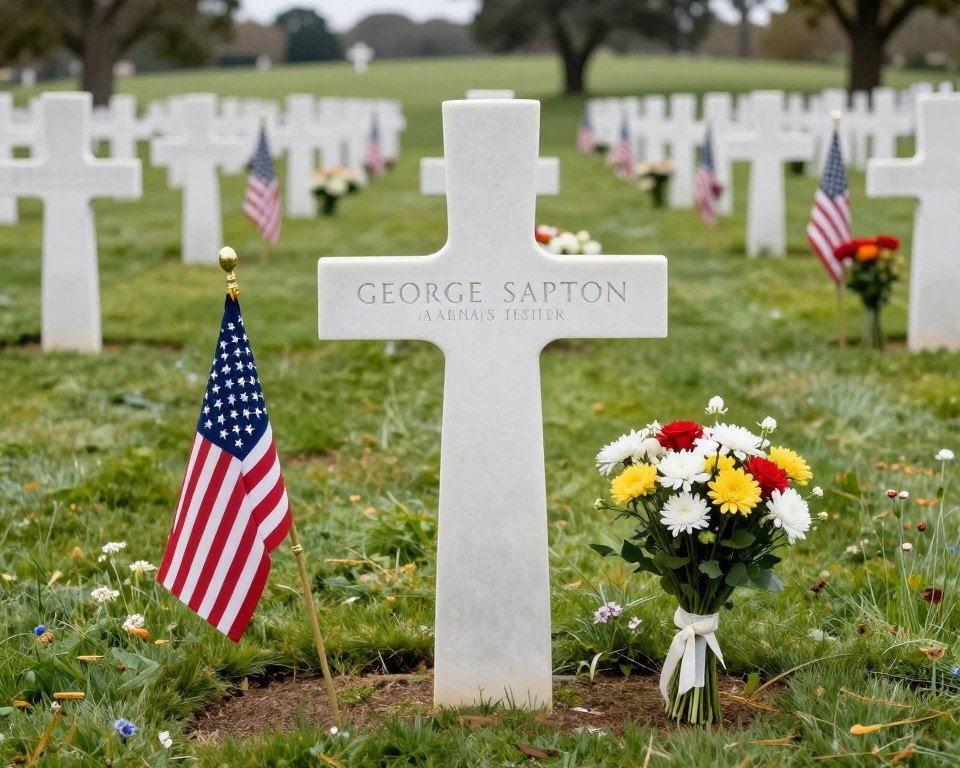
The Luxembourg American Military Cemetery at Hamm is the final resting place for 5,076 American servicemen and women who died during World War II, including General George S. Patton. The cemetery’s 50 acres of immaculately maintained grounds create a profoundly moving experience. White marble crosses and Stars of David arranged in gentle arcs convey the scale of sacrifice while the memorial chapel features maps depicting the military operations in which these soldiers fought.
General Patton’s grave, marked by a slightly larger stone at the head of one section, receives particular attention from visitors. Patton specifically requested to be buried alongside his men rather than in a separate officers’ section. The cemetery’s visitor center provides historical context about the Battle of the Bulge and the liberation of Luxembourg. The site is always open, free to visit, and bus 186 from Luxembourg City provides direct access.
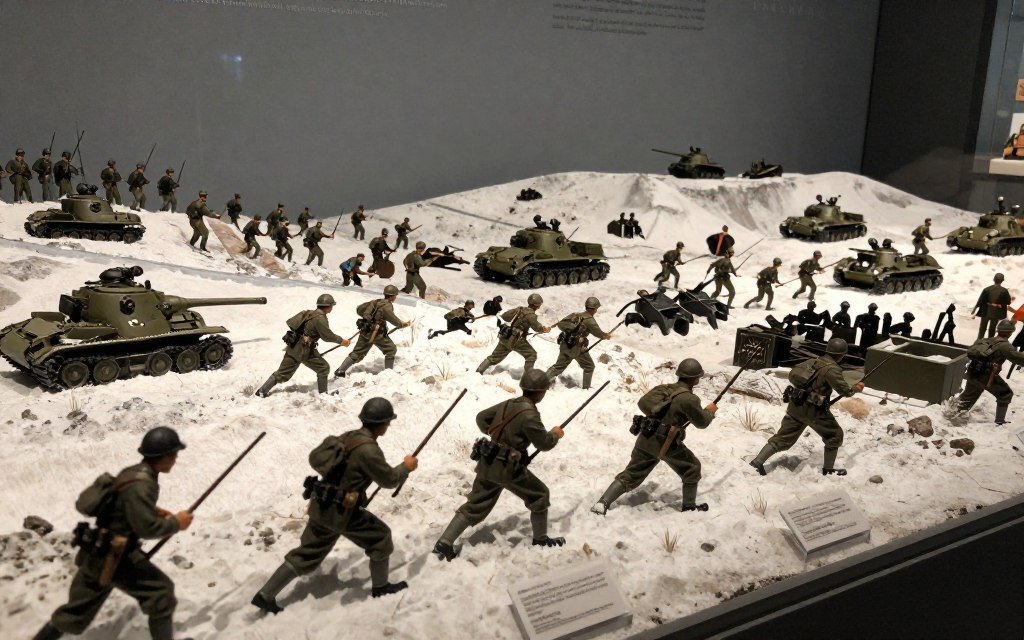
National Museum of Military History, Diekirch
The National Museum of Military History (MNMH) in Diekirch offers Luxembourg’s most comprehensive World War II museum experience. The extensive collection focuses primarily on the Battle of the Bulge, with life-size dioramas recreating battle scenes in stunning detail. Original military vehicles, weapons, uniforms, and personal artifacts bring the conflict to life, while explanatory panels provide context about Luxembourg under German occupation and the brutal winter fighting of 1944-45.
The museum does an excellent job explaining how the Battle of the Bulge unfolded in Luxembourg specifically, with local maps and accounts from civilians who lived through the occupation and liberation. Allow at least two hours to fully explore the collection. The museum is only €5 admission (free with LuxembourgCard) and easily reached by train from Luxembourg City in about 25 minutes.
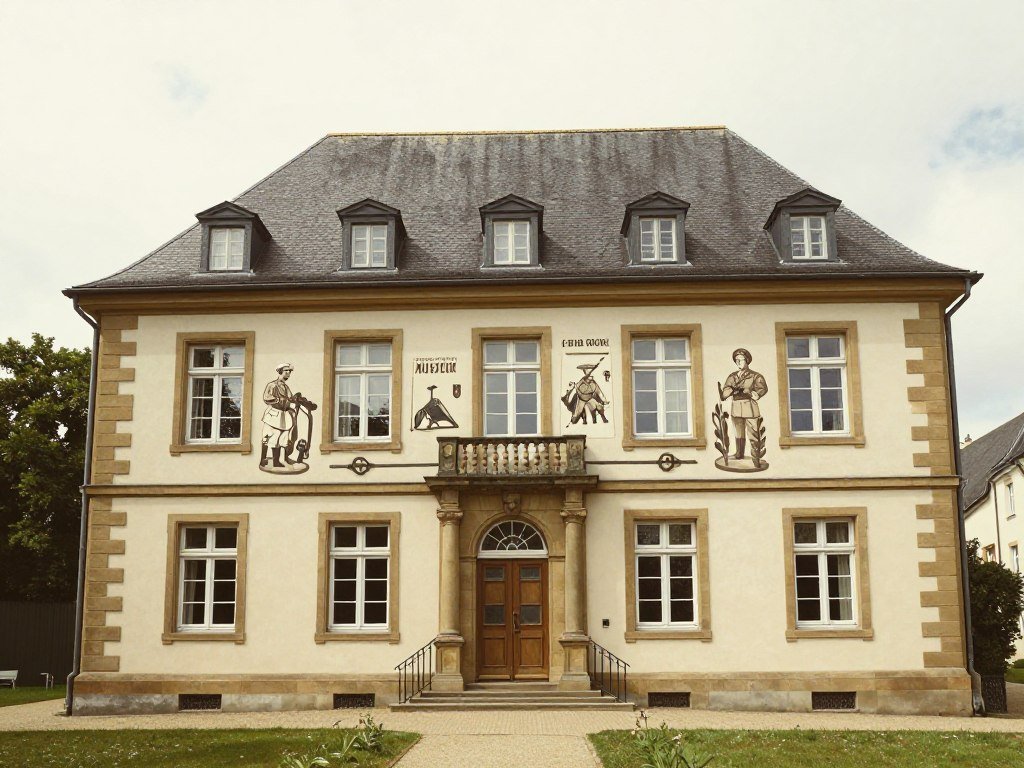
General Patton Memorial Museum, Ettelbruck
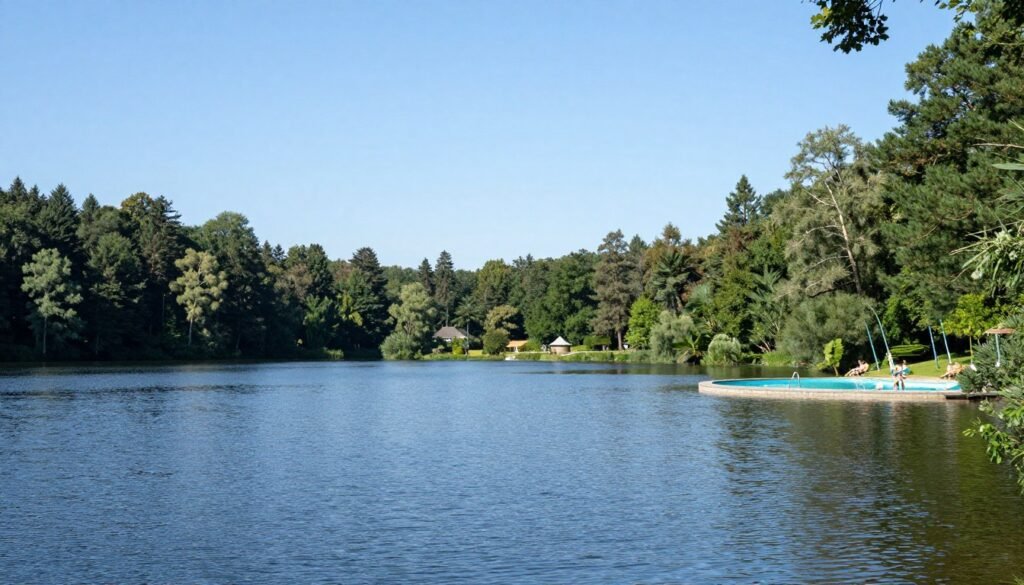
The town of Ettelbruck, liberated by Patton’s Third Army in December 1944, honors the general with a dedicated museum. Smaller than Diekirch’s MNMH, this museum focuses specifically on Patton’s role in Luxembourg’s liberation and his relationship with the Grand Duchy. The collection includes Patton memorabilia, period photographs, military equipment, and detailed accounts of the liberation operations. The museum occupies a 1950s building with distinctive murals on its exterior depicting scenes from the war.
Battle of the Bulge Historical Tour
Join a guided full-day tour exploring Luxembourg’s Battle of the Bulge sites with an expert military historian. Visit the American Cemetery, Diekirch Museum, Patton Memorial, and actual battlefield locations in the Ardennes.
- Small group tours (maximum 8 people)
- Expert military history guides
- Transportation and lunch included
- Visits to lesser-known battlefield sites
Frequently Asked Questions About Luxembourg
How many days do you need in Luxembourg?
A minimum of 3-4 days allows you to see Luxembourg City’s highlights and take one or two day trips. A full week lets you explore more thoroughly, including multiple castles, the Mullerthal Trail, Moselle Valley wine tasting, and World War II historical sites. If you only have 1-2 days, focus entirely on Luxembourg City—there’s plenty to keep you busy just in the capital.
Is Luxembourg expensive to visit?
Luxembourg has higher prices than neighboring countries for accommodation and dining, but free public transport throughout the country helps offset costs. Many museums offer free admission, and the LuxembourgCard provides excellent value for paid attractions. Budget travelers can manage on €80-100 per day, while mid-range budgets of €150-200 per day provide comfortable accommodation and good meals. Luxembourg is less expensive than Switzerland or Norway but pricier than Germany or Belgium.
Do I need a car to explore Luxembourg?
No, a car is not necessary thanks to Luxembourg’s excellent free public transport system. Buses and trains reach every corner of the country, including small villages and hiking trail heads. Luxembourg City is best explored on foot and public transport. A car provides more flexibility for castle-hopping or Mullerthal hiking, but isn’t essential. If you do rent a car, parking in Luxembourg City can be challenging and expensive.
What language is spoken in Luxembourg?
Luxembourg has three official languages: Luxembourgish (national language), French, and German. However, English is very widely spoken, especially in Luxembourg City and tourist areas. Most people working in hospitality speak excellent English. Restaurant menus typically appear in multiple languages. This makes Luxembourg one of the easiest non-English European countries for English speakers to navigate.
What is Luxembourg famous for?
Luxembourg is famous for being one of the world’s wealthiest countries and a major financial center. For visitors, it’s known for its dramatic fortress city (UNESCO World Heritage Site), stunning castles (especially Vianden), beautiful hiking in the Mullerthal region, excellent wines, World War II history, and surprisingly sophisticated cultural scene with numerous Michelin-starred restaurants. It’s also famous for being very small yet remarkably diverse.
Is Luxembourg worth visiting?
Absolutely! Luxembourg offers a unique combination of dramatic historic architecture, excellent museums, beautiful natural areas, and sophisticated dining in a compact, easy-to-explore package. It’s perfect for a long weekend or as part of a larger European trip. The country surprises most visitors with how much it offers despite its tiny size. If you enjoy castles, hiking, history, or wine, Luxembourg delivers exceptional experiences.
What should I not miss in Luxembourg?
Don’t miss Luxembourg City’s Old Town (including Chemin de la Corniche and Bock Casemates), Vianden Castle, hiking in the Mullerthal region, and wine tasting in the Moselle Valley. The Luxembourg American Military Cemetery is profoundly moving for those interested in World War II history. Allow time to simply wander the Grund neighborhood and enjoy Luxembourg’s café culture. These experiences capture what makes Luxembourg special.
When is the best time to visit Luxembourg?
May through September offers the best weather and longest attraction hours, but also brings the most crowds and highest prices. April and October provide excellent alternatives with mild weather, fewer tourists, and beautiful spring blooms or autumn colors. December attracts visitors for Christmas markets. February and March are quietest but some attractions close. For hiking, late spring through early autumn is ideal. For wine tasting, visit during September-October harvest season.
Planning Your Luxembourg Adventure

Luxembourg consistently surprises first-time visitors with the depth and diversity of experiences packed into this tiny country. From the dramatic, multilayered capital city perched on rocky promontories to fairy-tale castles straight from storybooks, from peaceful forest hikes through otherworldly rock formations to sophisticated wine tastings in sunny river valleys, Luxembourg delivers far more than most travelers expect.
The country’s compact size works entirely in the visitor’s favor—you can experience dramatic variety without long travel times, making Luxembourg ideal for maximizing experiences during limited vacation time. Free public transport throughout the country removes logistical stress and keeps costs manageable despite higher accommodation prices. The multilingual population’s fluency in English eliminates language barriers that challenge travelers in many European destinations.
Whether you have a long weekend or a full week, Luxembourg rewards careful planning with unforgettable memories. Focus your first visit on Luxembourg City’s UNESCO-listed old town, add at least one castle (Vianden is unmissable), and if time permits, venture into either the Mullerthal forest or Moselle wine country. On return visits, you can dig deeper into specific interests—World War II history, hidden villages, cycling routes, or the country’s remarkable concentration of Michelin-starred restaurants.
Luxembourg may be small, but it’s mighty in what it offers discerning travelers seeking authentic European experiences away from the overwhelming crowds of more famous destinations. This guide has provided the foundation for planning your Luxembourg adventure—now it’s time to experience this remarkable country for yourself.
