
Hamburg is calling, and 2026 promises to be an extraordinary year to experience Germany’s second-largest city. Whether you’re drawn to the historic warehouse district of Speicherstadt, the legendary nightlife of the Reeperbahn red light district, or the stunning waterfront views along the Elbe River, this comprehensive guide reveals the best things to do in Hamburg 2026.
As someone who’s explored every corner of this remarkable city over the years, I can tell you Hamburg offers something truly special. It’s a place where maritime history meets cutting-edge culture, where traditional fish markets coexist with world-class concert halls, and where you can spend your morning touring historic landmarks and your night dancing in the St. Pauli district.
This guide covers over 40 curated experiences across Hamburg, from must-see attractions to insider local favorites. You’ll discover cultural events and festivals planned for 2026, explore the best neighborhoods, find exceptional dining recommendations, and learn about activities perfect for every season. Whether you’re planning two days in Hamburg or an extended stay, this listing ensures you won’t miss the experiences that make this harbor city unforgettable.
Essential Planning: Get Your Hamburg Card for 2026
Before diving into specific things to do in Hamburg, let’s talk about the smartest investment for your 2026 visit. The Hamburg Card offers unlimited public transportation throughout the city center and significant discounts on major attractions, tours, and even restaurants.
Save Money on Hamburg Attractions in 2026
Get unlimited access to public transport including harbor ferries, plus up to 50% off admission to museums, tours, and attractions. Available in 1-day, 3-day, and 5-day options to match your trip length.
The Hamburg Card is particularly valuable if you plan to visit multiple museums, take harbor tours, or explore neighborhoods beyond the city center. The public transportation network includes S-Bahn trains, U-Bahn subways, buses, and crucially, the harbor ferries that offer some of the best views in town. For 2026 visitors, purchasing your card in advance ensures you can start exploring the moment you arrive.
What's Included
- Unlimited public transportation in zones AB
- Up to 50% discount at over 150 attractions
- Reduced admission to museums and galleries
- Discounts on harbor and canal tours
- Special rates at selected restaurants
- Savings on theater and concert tickets
Best For
- First-time visitors to Hamburg
- Travelers planning to visit multiple attractions
- Those staying 3+ days in the city
- Budget-conscious travelers
- Families with children
- Anyone wanting hassle-free transportation
Historic Landmarks and Architectural Marvels
Hamburg’s architectural landscape tells the story of a city that rose from the ashes of World War II while preserving centuries of maritime heritage. The blend of restored historic buildings and bold modern structures creates a visual narrative unique to this port city.
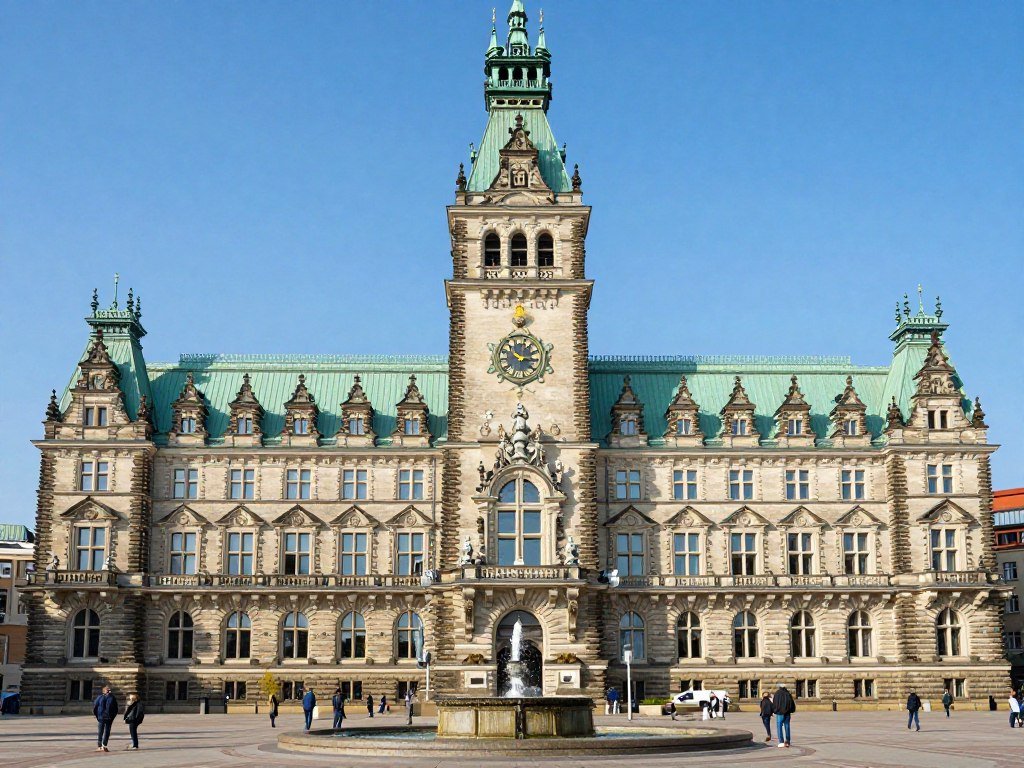
Hamburg Rathaus (Town Hall)
The Hamburg Town Hall stands as one of Germany’s most impressive government buildings. Completed in 1897, this Neo-Renaissance masterpiece features 647 rooms, more than Buckingham Palace. The ornate facade showcases intricate stone carvings, and the tower rises 112 meters above the city center, dominating the Rathausmarkt square.
Guided tours take you through the magnificent halls where Hamburg’s government still conducts business. The Great Hall, with its elaborate ceiling paintings and crystal chandeliers, hosts official state functions. The inner courtyard features the Hygieia Fountain, a reminder of Hamburg’s 19th-century cholera epidemic and the city’s subsequent commitment to public health.
Plan your visit for weekdays when the building is most active, and you’ll witness Hamburg’s democratic traditions in action. The tours run every 30 minutes in multiple languages, and the city center location makes it easy to combine with nearby attractions.
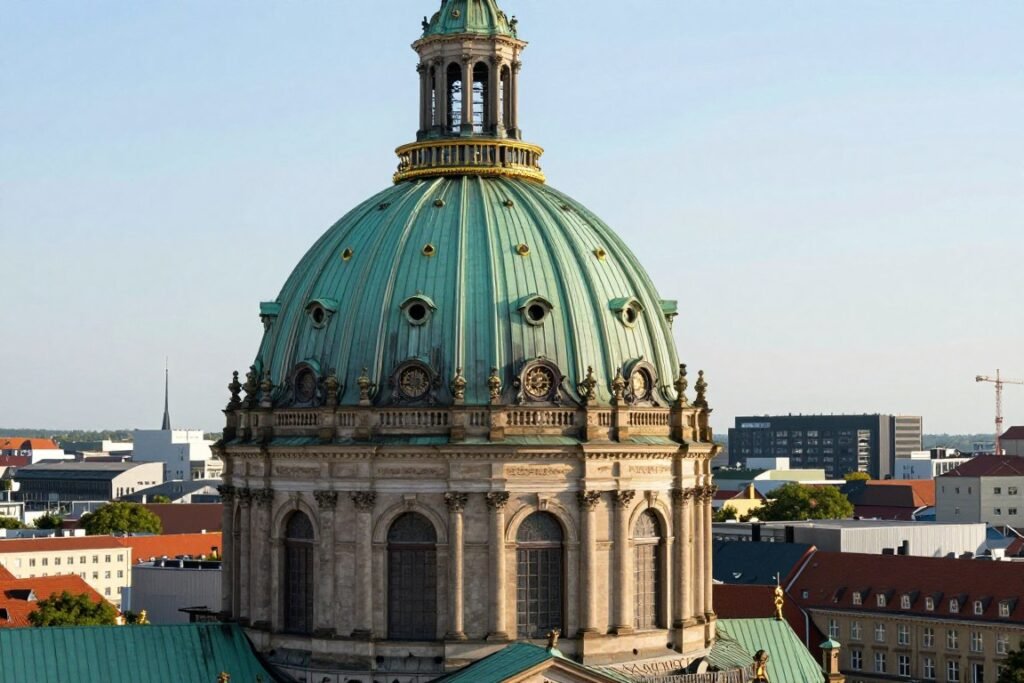
St. Michael's Church (Michel)
The Michel is Hamburg’s most beloved landmark, and climbing its tower delivers arguably the best view in the entire city. This baroque Protestant church, with its distinctive copper dome, has been rebuilt three times after destruction by lightning and war. The current structure dates to 1912, though it maintains the character of the original 17th-century design.
The viewing platform, accessible by stairs or elevator, offers 360-degree panoramas across Hamburg. From this vantage point, you’ll see the Elbe River, the port facilities, the Speicherstadt warehouse district, and on clear days, you can spot ships in the distance. The climb rewards visitors with perspective on Hamburg’s unique geography as a city built on water.
Time your visit for one of the church’s organ concerts, held regularly throughout the year. The Michel’s pipe organ is one of Germany’s largest and finest, and hearing it in this acoustically superb space adds another dimension to your visit. Entry to the tower costs around 5 euros, a bargain for such spectacular views.
Speicherstadt and Kontorhaus District

The Speicherstadt represents the world’s largest warehouse district, a UNESCO World Heritage site that’s one of the most photographed spots in Hamburg. Built between 1883 and 1927, these red-brick Neo-Gothic warehouses once stored coffee, tea, spices, and Oriental carpets. Today, they house museums, offices, and attractions while retaining their historic character.
Walking through the Speicherstadt feels like stepping back in time. The narrow canals, called Fleete, run between the buildings, crossed by dozens of small bridges. The best way to experience this area is on foot, early in the morning or at dusk when the light creates dramatic reflections in the water. The district is particularly magical during the blue hour, when the building lights illuminate the brick facades.
Adjacent to the Speicherstadt, the Kontorhaus District showcases early 20th-century office architecture. The Chilehaus, shaped like a ship’s bow, is the most famous example of this Expressionist brick architecture. Together, these districts show Hamburg’s evolution from a trading power to a modern metropolis, and they’re essential stops for anyone interested in architecture or history.
Elbphilharmonie Plaza
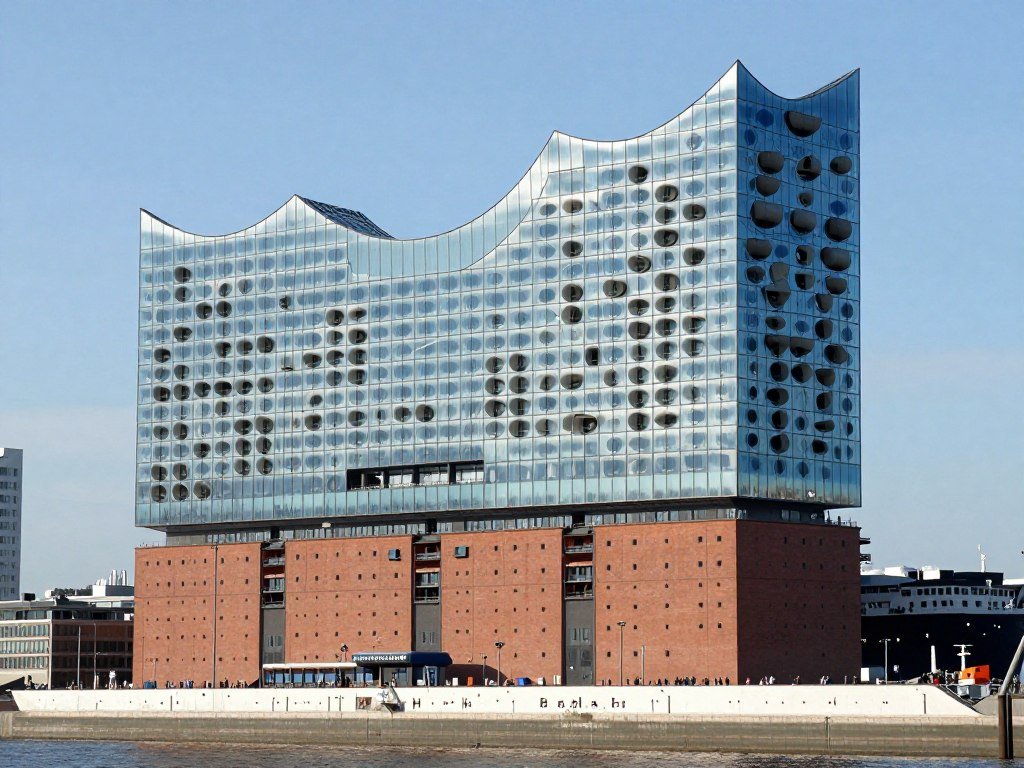
The Elbphilharmonie represents Hamburg’s boldest architectural statement of the 21st century. Opened in 2017, this concert hall combines a historic warehouse base with a stunning glass structure that resembles a wave or crystal. The building quickly became Hamburg’s new symbol, visible from across the city and harbor.
The Plaza viewing platform, located between the old warehouse and new concert hall, is open to the public and free to access. The curved escalator journey up to the Plaza is an experience itself, and once you reach the top, panoramic windows offer spectacular harbor views. On clear days, you can see for miles across the port facilities and the Elbe River.
While Plaza access is free, you’ll need to book a time slot in advance, especially during peak tourist season in 2026. The building also houses restaurants, a hotel, and of course, the world-class concert halls. Even if you’re not attending a performance, the architecture alone makes this one of the top things to do in Hamburg 2026.
Book These Must-Do Hamburg Experiences for 2026
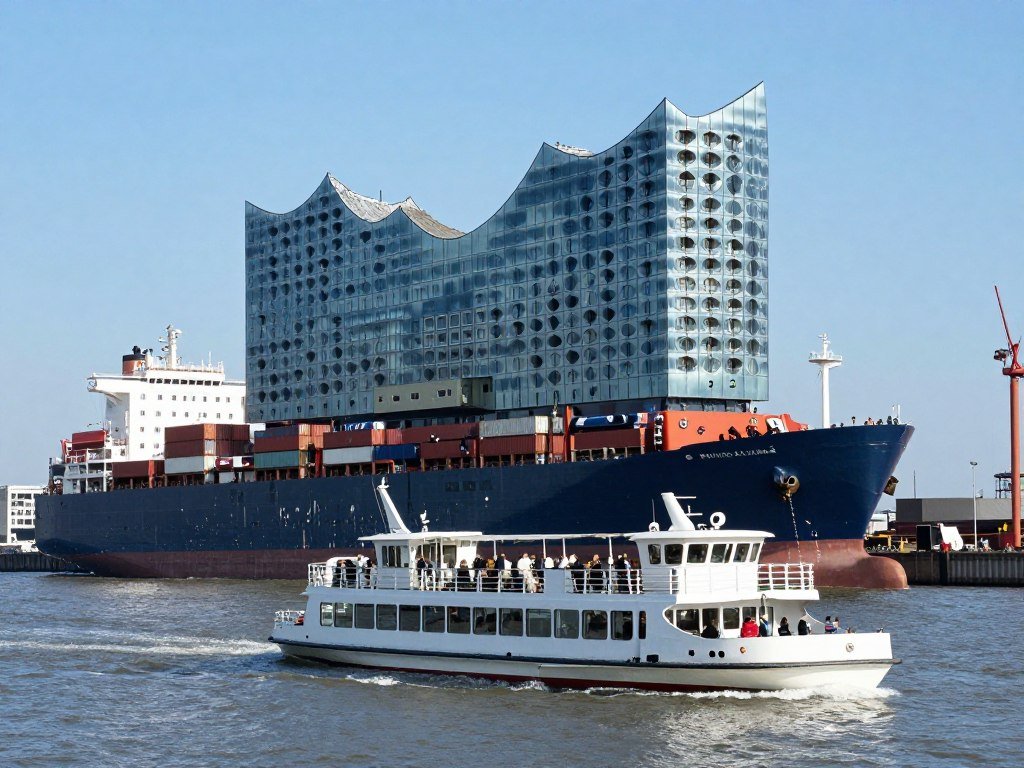
Hamburg Harbor Cruise
Experience Hamburg from the water on a 2-hour harbor tour. See massive container ships, historic vessels, and the working port while learning about the city’s maritime history. Available in multiple languages.
From $49 per person
Miniatur Wunderland Skip-the-Line
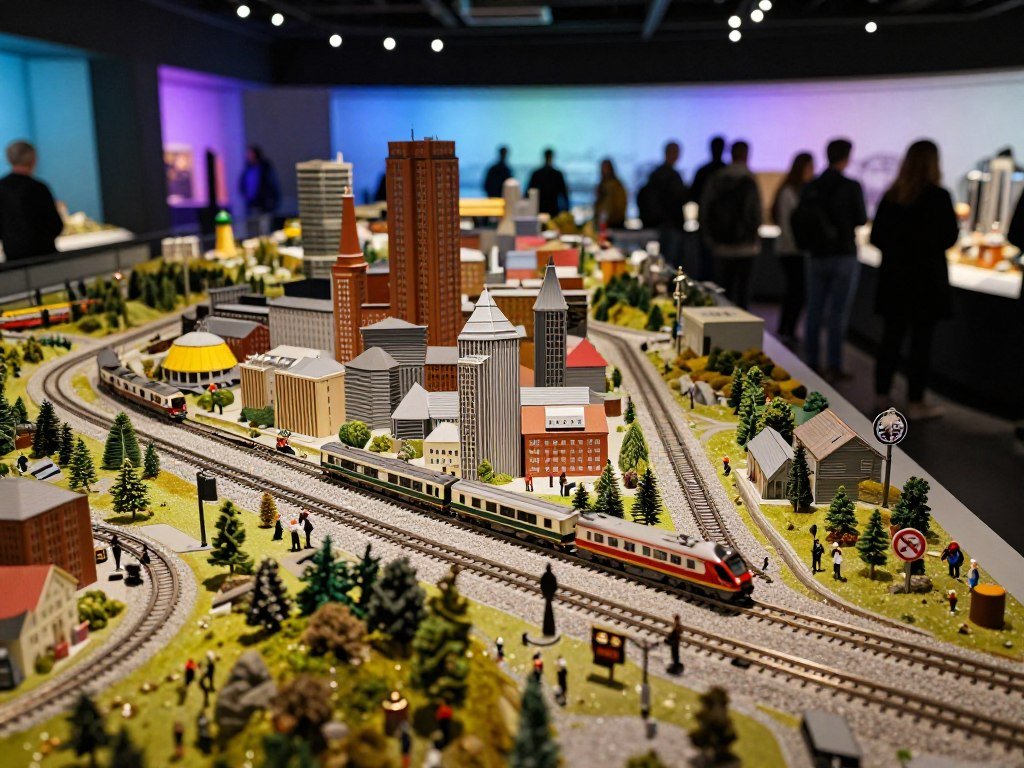
Visit the world’s largest model railway exhibit featuring 16,000+ meters of track, 1,000+ trains, and incredibly detailed miniature worlds. Skip-the-line tickets ensure you maximize your time exploring this amazing attraction.
From $21 per person
St. Pauli & Reeperbahn Tour
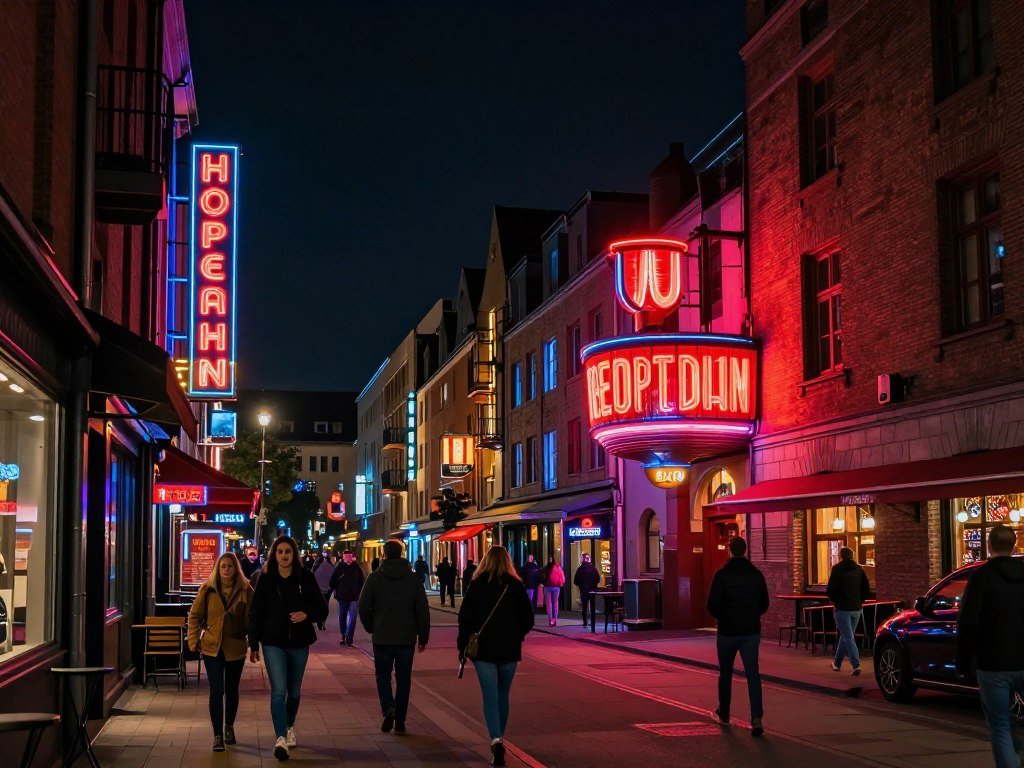
Explore Hamburg’s famous red light district with a knowledgeable guide who shares the area’s history, culture, and stories. This 2.5-hour tour covers the Reeperbahn, Beatles connections, and local nightlife spots.
From $31 per person
Museums and Cultural Attractions
Hamburg’s museum scene rivals any European city, with world-class collections spanning maritime history, contemporary art, and unique interactive experiences. The city’s cultural institutions have planned special exhibitions for 2026, making it an excellent year to explore Hamburg’s artistic side.
Miniatur Wunderland
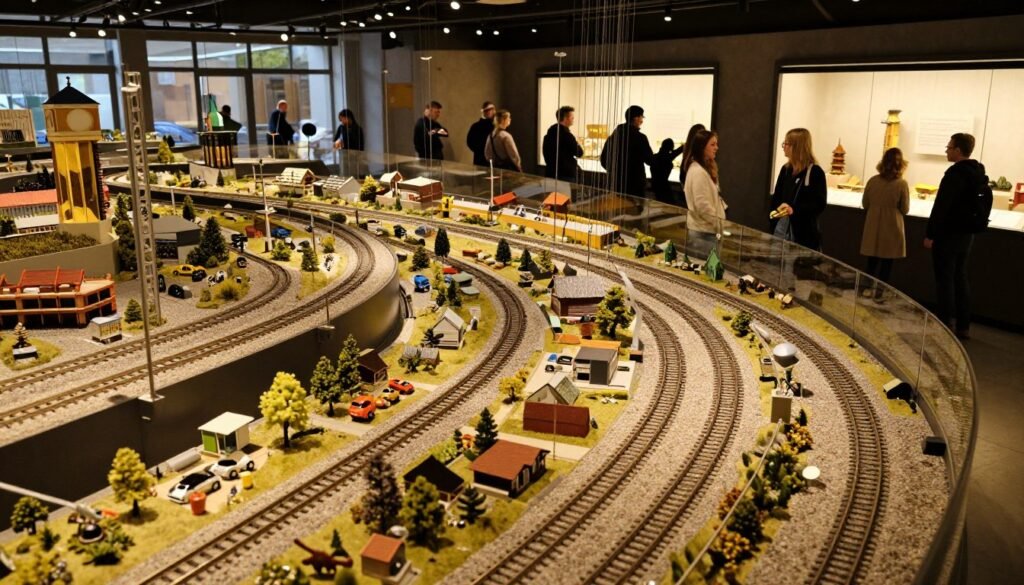
Miniatur Wunderland holds the Guinness World Record as the largest model railway in the world, and it’s far more than just trains. This extraordinary attraction spans 1,500 square meters and features meticulously crafted miniature versions of Hamburg, Germany, Scandinavia, Italy, America, and more. Over 1,000 trains run on 16,000 meters of track, but that’s just the beginning.
The level of detail is staggering. Tiny cars drive on roads controlled by computer systems. Planes actually take off and land at the miniature airport. Day transitions to night every 15 minutes, and you’ll spot hundreds of humorous scenes hidden throughout the displays. Fire trucks respond to blazes, concerts happen in tiny stadiums, and ships navigate the miniature harbor.
Plan at least two to three hours for your visit, though many people spend much longer discovering new details. The attraction is incredibly popular, so booking skip-the-line tickets in advance for your 2026 visit is highly recommended. Located in the Speicherstadt, it’s easy to combine with a walk through the historic warehouse district.
International Maritime Museum
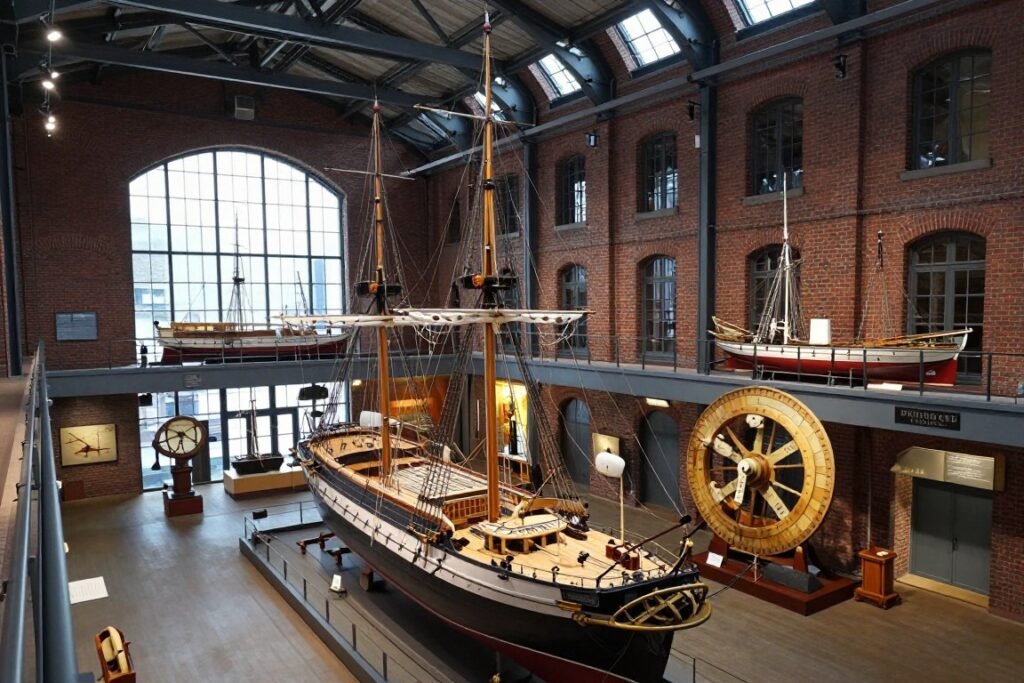
Housed in the Kaispeicher B, the oldest warehouse in the Speicherstadt, the International Maritime Museum tells 3,000 years of seafaring history. The collection includes over 50,000 maritime objects spread across nine floors, making it one of the world’s largest private maritime collections.
The museum showcases everything from ancient navigation instruments to modern container shipping technology. Ship models fill entire rooms, some incredibly detailed and centuries old. You’ll learn about Hamburg’s evolution as a port city, explore the history of naval warfare, and discover how global trade shaped civilization. Interactive exhibits explain modern shipping and navigation systems.
The building itself adds to the experience. The brick architecture and wooden beams remind you of Hamburg’s warehouse heritage. Large windows offer views across the harbor, connecting the historical exhibits to the working port outside. Admission is around 13 euros, and the Hamburg Card provides a discount. Allow at least two hours to explore the main highlights.
Kunsthalle Hamburg
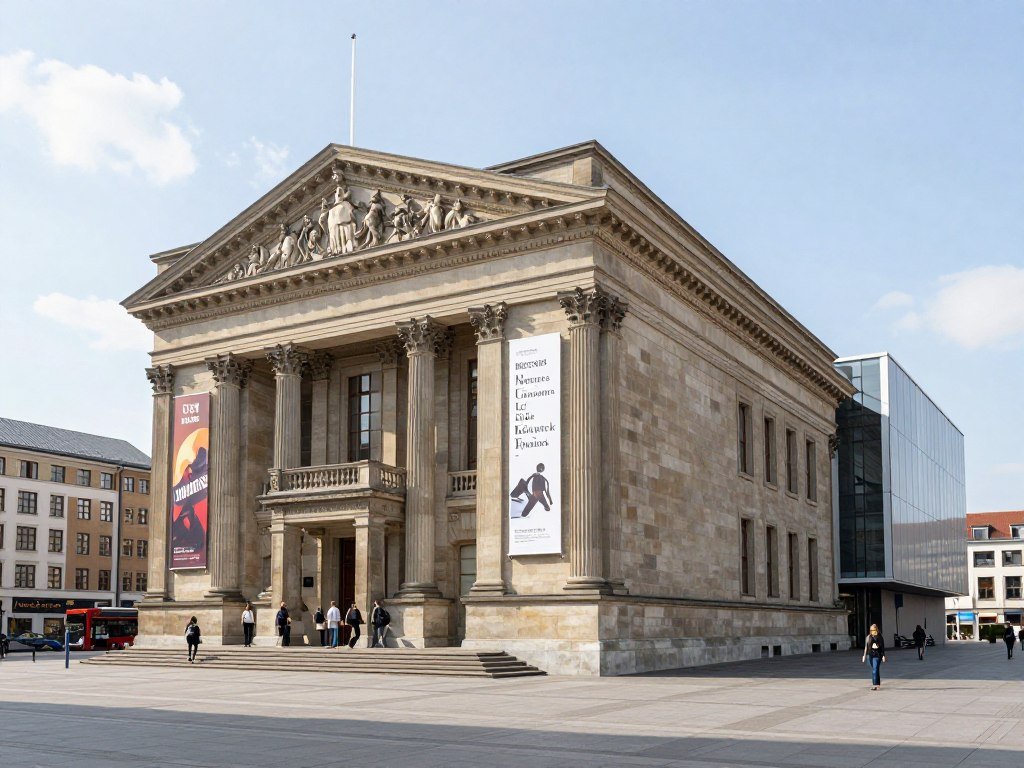
The Kunsthalle Hamburg ranks among Germany’s most important art museums, with collections spanning seven centuries of European art. The museum complex includes three connected buildings: the original 1869 structure, a 1919 addition, and the striking 1997 Galerie der Gegenwart (Gallery of Contemporary Art).
Old Masters paintings from the 14th through 18th centuries include works by Rembrandt and Rubens. The 19th-century collection features German Romantic painters, while the modern section showcases Expressionists, Surrealists, and Pop Art. The contemporary gallery focuses on art from 1960 onward, with temporary exhibitions featuring international artists.
The museum regularly rotates displays from its vast collection, so checking what’s on view during your 2026 visit is worthwhile. Special exhibitions often focus on specific artists or movements, and these can be highlights of Hamburg’s cultural calendar. The museum sits right next to the Hamburg Hauptbahnhof train station, making it easily accessible. Standard admission is 14 euros, with free entry on Thursdays after 5 PM.
Hamburg Dungeon
For a completely different kind of historical experience, the Hamburg Dungeon presents the city’s darker past through interactive shows and special effects. Actors guide visitors through 90 minutes of Hamburg’s plague outbreaks, pirate executions, great fires, and other dramatic historical events.
This attraction blends history with horror and humor. The experience includes several themed rooms and live shows, with actors in period costume bringing stories to life. Some sections can be genuinely frightening, with jump scares and dramatic effects, so it’s not recommended for young children or anyone sensitive to loud noises and dark spaces.
The Dungeon is particularly popular with teenagers and young adults who enjoy the theatrical presentation of history. Shows are performed in German and English, and booking tickets online in advance ensures you get your preferred time slot. It’s located near the Speicherstadt, making it easy to combine with other attractions in that area.
Dialogue in the Dark
One of Hamburg’s most unique museum experiences, Dialogue in the Dark guides visitors through completely dark rooms where everyday situations become altogether different without sight. Blind guides lead small groups through various environments, from city streets to parks to boats, all experienced in total darkness.
The hour-long tour profoundly shifts your perspective on how blind people experience the world. You’ll use your other senses, sound, touch, and smell, to navigate and understand your surroundings. It’s educational, eye-opening, and often emotional. The experience fosters empathy and appreciation for abilities we usually take for granted.
Tours run regularly throughout the day and must be booked in advance. The experience is suitable for ages eight and up, and it’s equally powerful for adults. Located in the Speicherstadt, it’s another attraction easily combined with a day exploring that historic district. Admission is around 21 euros, which includes the guided tour.
Harbor and Waterfront Experiences
Hamburg’s identity is inseparable from its relationship with water. The Elbe River, the port, and numerous canals define the city’s geography and character. Experiencing Hamburg from the water or along its banks provides essential perspective on what makes this city unique.
Harbor Ferry Tours
The most budget-friendly way to experience Hamburg’s harbor is via the public ferry system. These aren’t tourist boats, they’re part of the regular public transportation network, which means your Hamburg Card or standard transit ticket covers the cost. Yet they offer views comparable to expensive tour boats.
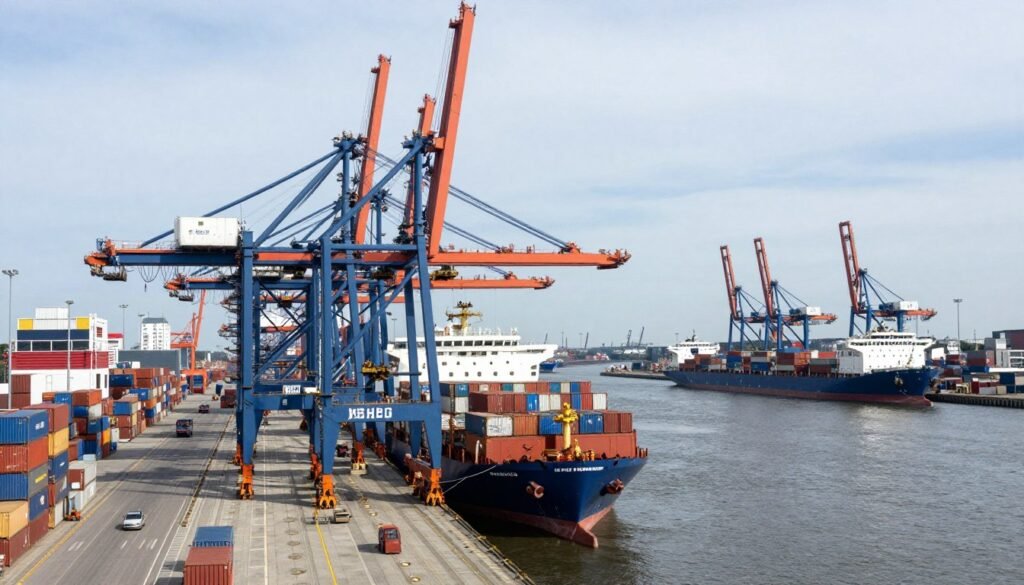
Ferry 62 from Landungsbrücken to Finkenwerder provides the best route, a 30-minute journey past shipyards, container terminals, the Köhlbrand Bridge, and the Elbe beaches of Övelgönne. You’ll see massive container ships being loaded, historic vessels at anchor, and the working port in action. Stay on the ferry for the return trip, and you’ve had an hour-long harbor cruise for the price of public transport.
For a shorter trip, Ferry 75 crosses directly to Steinwerder, where a viewing platform offers excellent photo opportunities of the Landungsbrücken and city skyline. Ferry 72 goes to the Elbphilharmonie, providing water-level views of this architectural icon. These ferries run frequently throughout the day, so you can hop on and off as you explore the waterfront.
Traditional Harbor Tours
If you prefer a guided experience with commentary, traditional harbor tours offer comprehensive introductions to Hamburg’s maritime world. These typically last one to two hours and include narration about the port’s history, current operations, and the landmarks you’ll pass.
The standard route covers the container terminals where ships from around the world load and unload cargo, the historic Speicherstadt viewed from the water, the massive dry docks of the Blohm + Voss shipyard, and the residential areas along the Elbe. You’ll learn about Hamburg’s role as Germany’s largest port and one of Europe’s busiest container hubs.
Tours depart regularly from Landungsbrücken throughout the day during the 2026 tourist season. Evening tours offer different perspectives as the sun sets and harbor lights illuminate the waterfront. Some tours include stops at specific attractions or combine harbor cruises with walking tours of nearby districts.
Old Elbe Tunnel
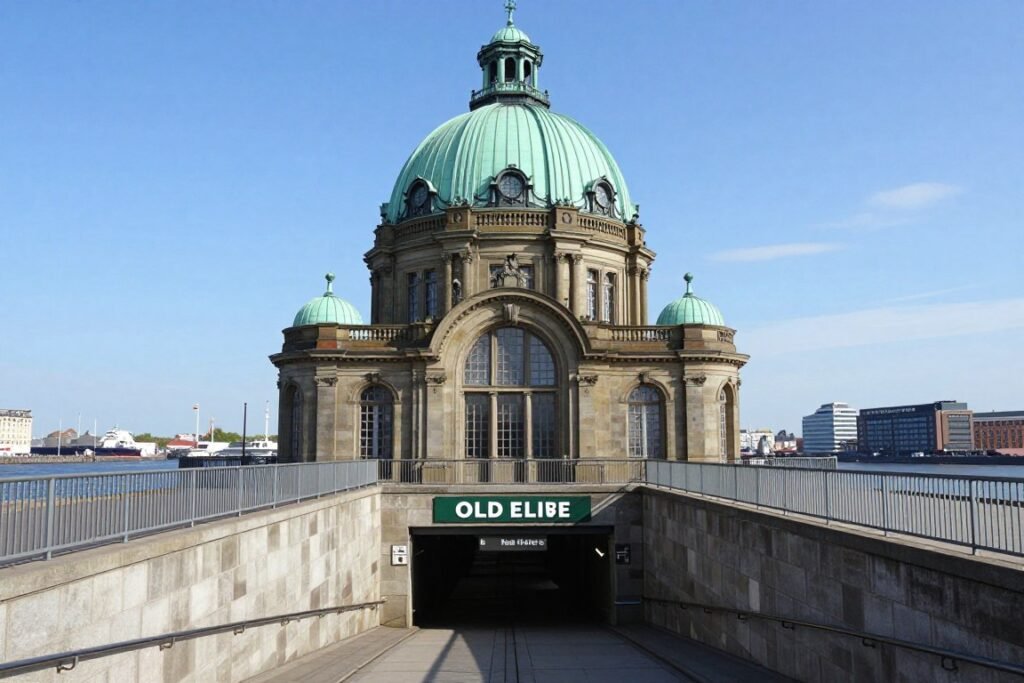
The Old Elbe Tunnel, opened in 1911, represents an engineering marvel of its time. This pedestrian and bicycle tunnel runs 426 meters beneath the Elbe River, connecting the Landungsbrücken to Steinwerder on the south bank. The tunnel features beautiful Art Nouveau tile work and remains a functional part of Hamburg’s infrastructure.
The journey down via the large elevators or spiral stairs, through the tunnel, and up the other side takes about 20 minutes. The Steinwerder side offers one of the best viewpoints of Hamburg’s skyline and harbor, making the tunnel crossing worthwhile even if your only goal is the view. The tunnel is completely free to use, open 24 hours, and provides a unique way to cross the river.
The tunnel occasionally hosts art exhibitions and cultural events, adding another layer of interest. Early morning visits avoid crowds and provide atmospheric lighting in the tunnel itself. The Art Nouveau elevator buildings on both sides are architectural gems worth examining. This is definitely one of those things Hamburg locals still use regularly, not just a tourist attraction.
Elbstrand (Elbe Beach)
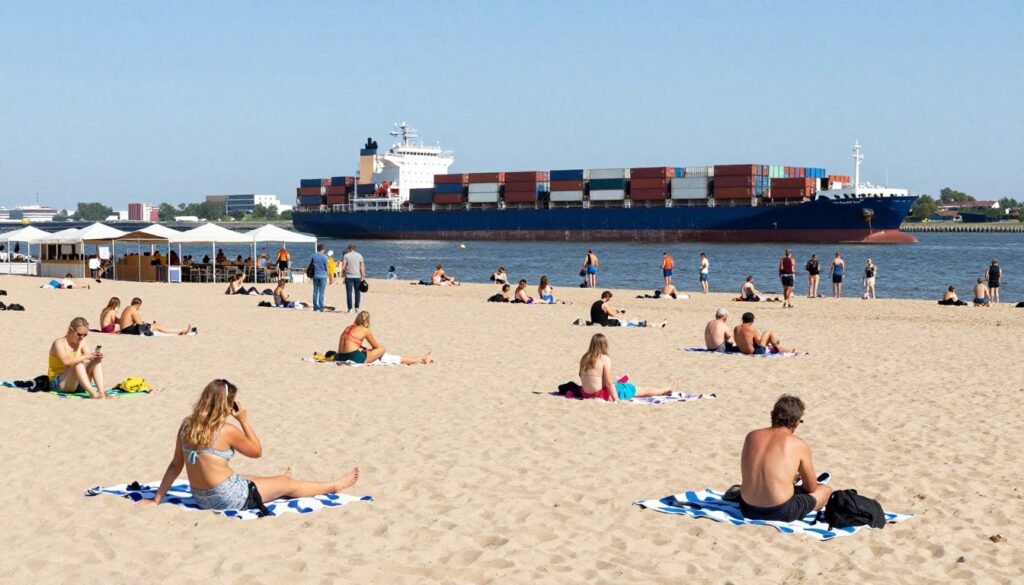
Hamburg may be 100 kilometers from the North Sea, but it still has beaches along the Elbe River. The Elbstrand, particularly the section at Övelgönne, provides sandy shores where locals sun themselves while massive container ships pass just offshore, a uniquely Hamburg experience.
The beach area includes several casual restaurants and bars where you can grab drinks and food while watching the ships. In summer, these spots stay busy well into the evening as people enjoy sunset views across the water. The contrast between relaxing beach atmosphere and industrial shipping creates a surreal but enjoyable environment.
You can reach Elbstrand via Ferry 62 from Landungsbrücken, getting off at the Övelgönne stop. The area also features the Museum Harbor, where historic vessels are moored and sometimes open for visits. It’s a perfect spot for a relaxed afternoon, especially when the weather cooperates. Bring sunscreen and perhaps a blanket, and enjoy Hamburg’s unique version of beach culture.
Landungsbrücken Fish Restaurants
The Landungsbrücken pier area serves as Hamburg’s gateway to the harbor and a hub for fresh seafood. Restaurants and takeaway stands line the waterfront, offering everything from quick fish sandwiches to sit-down meals with harbor views.
Brücke 10 is a local favorite for fish and chips, their garlic-herb mayo is legendary among those who know. For a more traditional North German experience, order a Krabbenbrötchen, a bread roll filled with tiny North Sea shrimp. These simple sandwiches showcase the region’s seafood at its freshest.
If you prefer a proper restaurant meal, several establishments offer full menus featuring the day’s catch. The setting adds value, dining with views of the harbor, ferries coming and going, and the constant activity of the working port. Prices range from cheap street food to mid-range restaurant meals, so there’s something for every budget and preference.
Neighborhoods and Districts to Explore
Hamburg’s distinct neighborhoods each offer different flavors and experiences. Understanding these districts helps you navigate the city and discover areas that match your interests, whether you’re seeking nightlife, shopping, history, or local atmosphere.
Schanzenviertel (The Schanze)
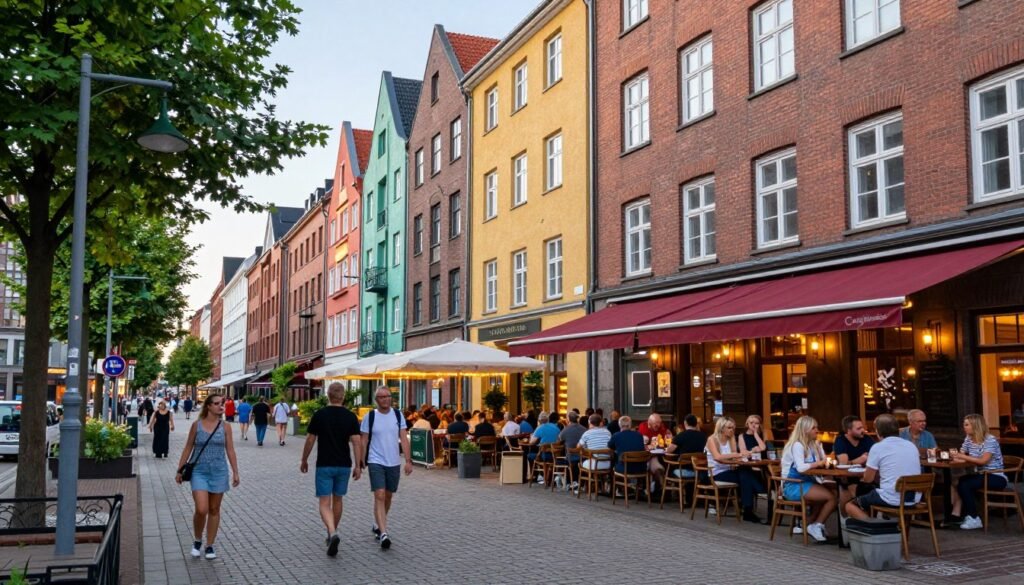
The Schanzenviertel embodies Hamburg’s alternative and creative side. This neighborhood around the Sternschanze S-Bahn station buzzes with independent shops, vintage stores, international restaurants, and lively bars. The area has a bohemian atmosphere with street art, alternative culture, and a young, diverse population.
During the day, explore the independent boutiques, record shops, and cafes. The Schanzenpark provides green space for relaxing, and in summer, people gather on the grass with drinks and portable speakers. As evening arrives, the district transforms into one of Hamburg’s best areas for food and nightlife, with options ranging from traditional German pubs to international cuisine and cocktail bars.
The Schanze maintains an authentic local feel despite increasing popularity. You’ll see more Hamburgers than tourists, especially in the pubs and smaller restaurants. Summer evenings are particularly special when outdoor seating fills the streets and the whole neighborhood feels like one extended party. This is where I’d spend at least one night during any Hamburg visit.
St. Pauli and the Reeperbahn
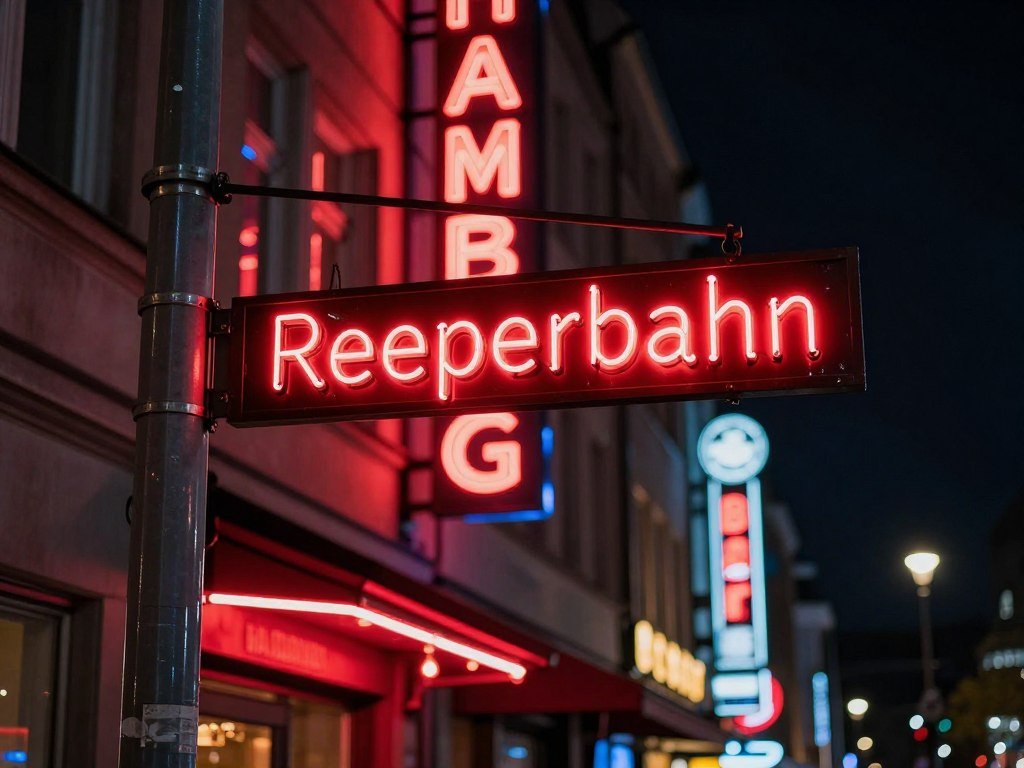
St. Pauli is Hamburg’s most famous district, home to the Reeperbahn red light district, the Millerntor football stadium, and a rich maritime and counterculture history. This is where the Beatles honed their skills in the early 1960s, where Hamburg’s entertainment industry centers, and where the city’s more rebellious side thrives.
The Reeperbahn itself stretches for about a kilometer, lined with bars, clubs, theaters, and adult entertainment venues. Walking down the main street provides a fascinating glimpse into Hamburg’s nightlife culture. The parallel street, Große Freiheit, features more bars and music venues. This is where to come if you want to experience Hamburg’s legendary party scene.
St. Pauli isn’t just about nightlife, though. The district has become increasingly residential and gentrified, with new apartments, restaurants, and cafes opening regularly. The FC St. Pauli football club enjoys passionate local support and represents the district’s working-class roots and progressive politics. Whether you visit during the day to explore or at night to party, St. Pauli shows a side of Hamburg that’s essential to understanding the city’s character.
HafenCity

HafenCity represents Europe’s largest inner-city development project, transforming former port and industrial areas into a mixed-use district of offices, residences, shops, and cultural venues. The Elbphilharmonie is the most famous structure here, but the entire district showcases contemporary architecture and urban planning.
Walking through HafenCity feels like glimpsing Hamburg’s future. The buildings display modern design from leading international architects. Wide promenades line the waterfront, providing pleasant walking routes with harbor views. New museums, galleries, and cultural spaces continue opening, making each visit different.
The district includes the historic Speicherstadt on its western edge, creating an interesting contrast between 19th-century warehouses and 21st-century structures. Several restaurants and cafes offer places to stop during your exploration. While HafenCity lacks the gritty character of older Hamburg districts, it demonstrates the city’s ambition and forward-thinking approach to urban development. By 2026, even more of the planned construction will be complete, further defining this new neighborhood.
Karolinenviertel (Karoviertel)
Just north of the Schanze, the Karolinenviertel offers a slightly more refined version of alternative Hamburg. This small neighborhood features art galleries, designer boutiques, craft shops, and excellent cafes and restaurants in charming 19th-century buildings.
The Karoviertel is ideal for daytime exploration. Saturday is particularly lively when the weekly flea market brings crowds to the Flohschanze. The area’s shops include vintage clothing stores, record shops, independent bookstores, and design studios. You’ll find more handmade and curated items here compared to chain stores.
Several notable restaurants have opened in the Karoviertel, making it an emerging foodie destination. The neighborhood maintains a local, low-key vibe despite increasing attention. It’s small enough to explore in an hour or two, making it perfect for a morning stroll followed by coffee at one of the independent cafes. The street art scene is also strong here, with many buildings featuring murals and paste-ups from local and international artists.
Blankenese
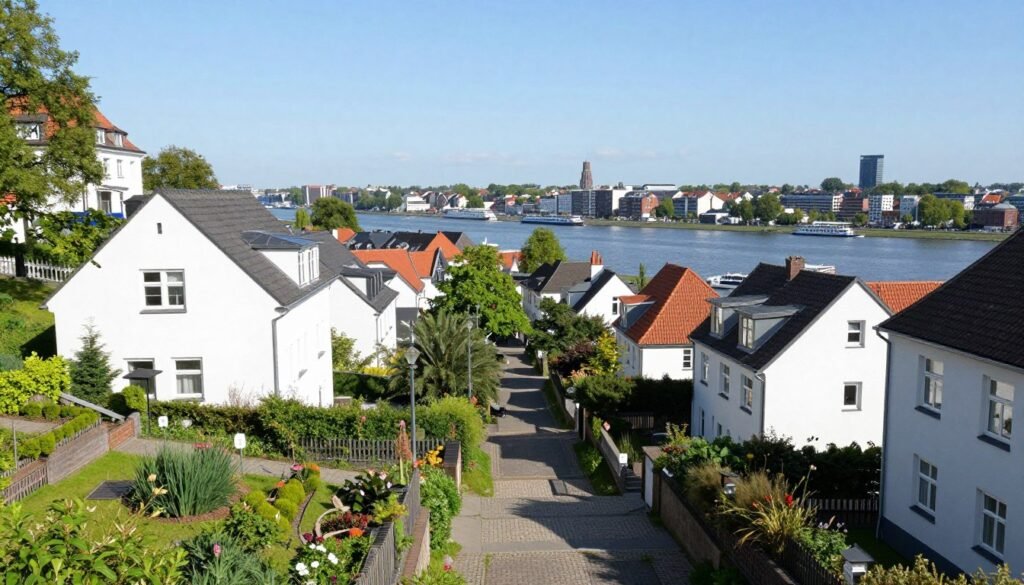
Blankenese feels worlds away from central Hamburg, though it’s just a 30-minute S-Bahn ride. This affluent neighborhood cascades down a hillside to the Elbe River, with narrow staircases connecting different levels and beautiful villas tucked among gardens and trees.
The main draw is simply wandering the stepped streets, admiring the houses, and enjoying Elbe views from various vantage points. The Süllberg hill provides the best panorama. Down by the water, a small harbor and beach area offer riverside cafes where you can watch ships pass while enjoying coffee or lunch.
Blankenese makes a pleasant half-day trip, especially when combined with a harbor ferry ride. The neighborhood showcases how Hamburg’s wealthy have traditionally lived, with proximity to the water and generous green space. While it’s not essential for first-time visitors focused on Hamburg’s core attractions, it offers a different perspective on the city and provides a relaxing escape from urban density.
Outdoor Activities and Recreation
Hamburg’s extensive parks, waterways, and green spaces provide numerous opportunities for outdoor recreation. The city’s commitment to environmental sustainability earned it the European Green Capital designation in 2011, and that legacy continues to shape how residents and visitors experience Hamburg outdoors.
Alster Lakes
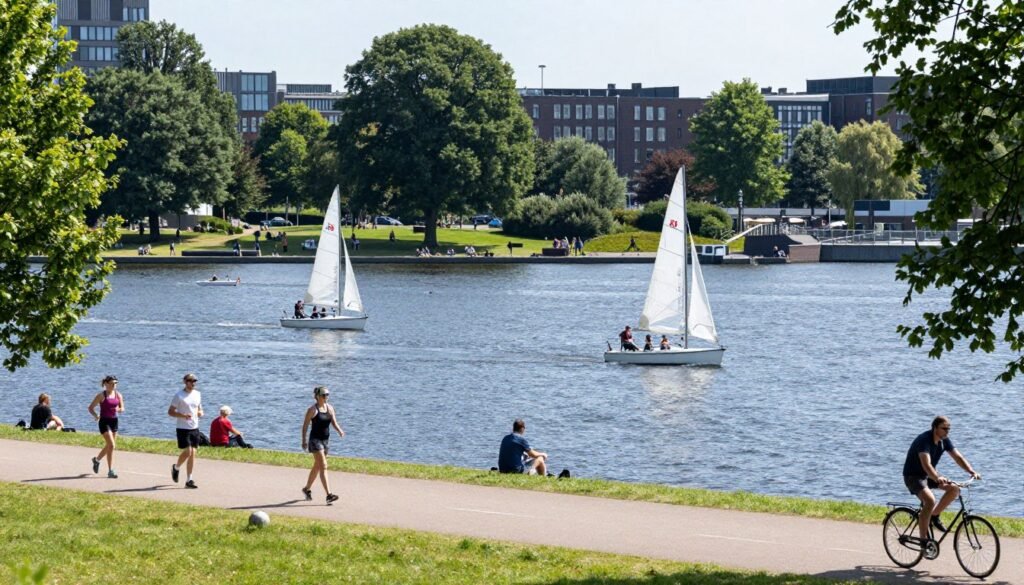
The Alster is actually a river that was dammed to create two artificial lakes right in Hamburg’s center, the Binnenalster (Inner Alster) and Außenalster (Outer Alster). The Outer Alster, the larger of the two, provides the city’s favorite recreational area, a 7.4-kilometer loop that’s always busy with joggers, walkers, and cyclists.
The waterfront path offers constantly changing views: elegant Jugendstil villas on the eastern shore, public parks with picnic areas, boat houses, and distant church spires. The full loop takes about 90 minutes at a relaxed walking pace, shorter if you’re running or cycling. Numerous cafes and restaurants line the route, providing spots to rest and refresh.
On the water itself, you’ll see sailboats, rowboats, kayaks, and paddleboards. Several boat rental locations let you get on the lake yourself, a wonderful way to spend a sunny afternoon. In rare winters when the lake freezes solid, the city opens it for ice skating, creating a magical experience. The Alster represents Hamburg’s unique geography, where water, parks, and urban life blend seamlessly.
Planten un Blomen
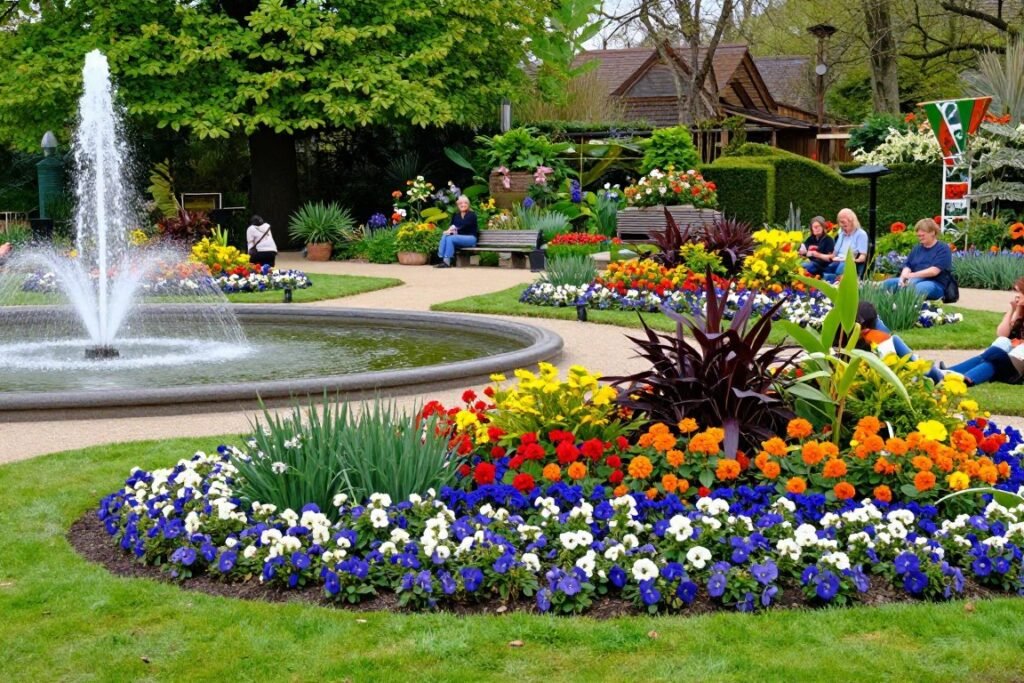
This central park, whose Low German name means “Plants and Flowers,” provides 47 hectares of gardens, lawns, and themed areas. The park features a Japanese garden with tea house, rose garden, tropical greenhouses, and large open spaces perfect for picnicking or just lying in the sun.
From May through September, the Wasserlichtkonzerte (Water Light Concerts) take place every evening at the park’s lake. These synchronized displays combine fountains, colored lights, and music, creating a 30-minute show that’s become a Hamburg tradition. The shows are completely free and attract crowds, so arrive early if you want a good viewing spot.
The park also includes several playgrounds, making it excellent for families. An ice rink operates in winter, transforming to a roller-skating rink during warmer months. The park sits right next to the Congress Center Hamburg and borders several of the city’s central districts, making it easy to visit during a day of sightseeing. It’s the perfect place to relax when you need a break from museums and walking tours.
Stadtpark
The Stadtpark, Hamburg’s largest park, offers 148 hectares of green space in the city’s northern districts. This park provides more open areas and recreational facilities compared to Planten un Blomen’s manicured gardens. You’ll find extensive lawns, a large lake, an outdoor pool, playgrounds, and designated barbecue areas.
The Stadtpark feels more like an escape from the city despite being well within Hamburg’s boundaries. People come here to barbecue with friends, play soccer, swim, paddle boats on the lake, or simply spread out a blanket for hours of relaxation. The Planetarium occupies a former water tower at the park’s edge, providing another attraction if you want to combine astronomy with outdoor time.
In summer, the park hosts the Stadtpark Open Air concert series, bringing international musical acts to perform at the outdoor stage. Even if you’re not attending a concert, you can often hear the music from outside the venue while enjoying a picnic nearby. The park is less touristy and more local compared to central Hamburg parks, giving you a sense of how Hamburgers spend their leisure time.
Cycling Tours
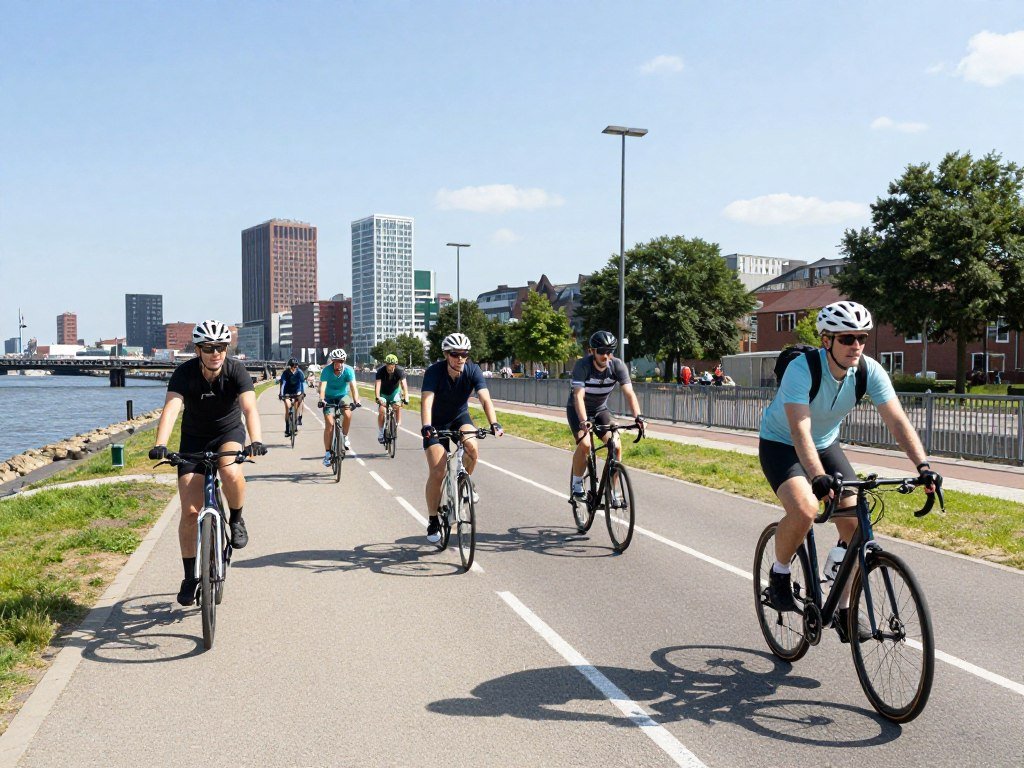
Hamburg’s extensive cycling infrastructure makes exploring by bike both practical and enjoyable. The city offers dedicated bike lanes, bike-friendly roads, and numerous rental options including the StadtRAD bike-sharing system with stations throughout the center.
Guided bike tours provide structured ways to see Hamburg’s highlights in a few hours. Popular routes include tours focused on the harbor and Speicherstadt, tours exploring different neighborhoods, and themed tours covering topics like architecture or history. These tours typically last three to four hours and cover more ground than walking tours while still allowing stops for photos and explanations.
If you prefer independent exploration, many established cycling routes are well-marked and documented online. The Alster loop can be cycled in about 45 minutes. Routes through the harbor area, past the Elbphilharmonie and through HafenCity, show off Hamburg’s waterfront development. Cycling to Blankenese along the Elbe makes a wonderful half-day excursion. For 2026 visits, consider renting a bike for a full day and creating your own tour based on what interests you most.
Paddle the Canals
Hamburg’s network of canals and waterways creates opportunities for paddle-based exploration. Renting a kayak, canoe, or paddleboat lets you see parts of Hamburg inaccessible by foot or bike while enjoying a uniquely watery perspective on the city.
Popular routes include paddling through the Speicherstadt canals, exploring the Alster canal system that feeds into the lakes, or venturing into the less-trafficked waterways in residential neighborhoods. Rental locations provide maps showing navigable routes and pointing out interesting sights along the way.
This activity works best on sunny days when you won’t mind potentially getting a bit wet. Bring sunscreen, water, and perhaps some snacks. Some rental locations offer longer trips that combine canoeing with breaks at waterfront restaurants or beer gardens. It’s a peaceful way to experience Hamburg, surrounded by water with the city skyline visible but the traffic noise distant and muted.
More Essential Hamburg Tours and Activities
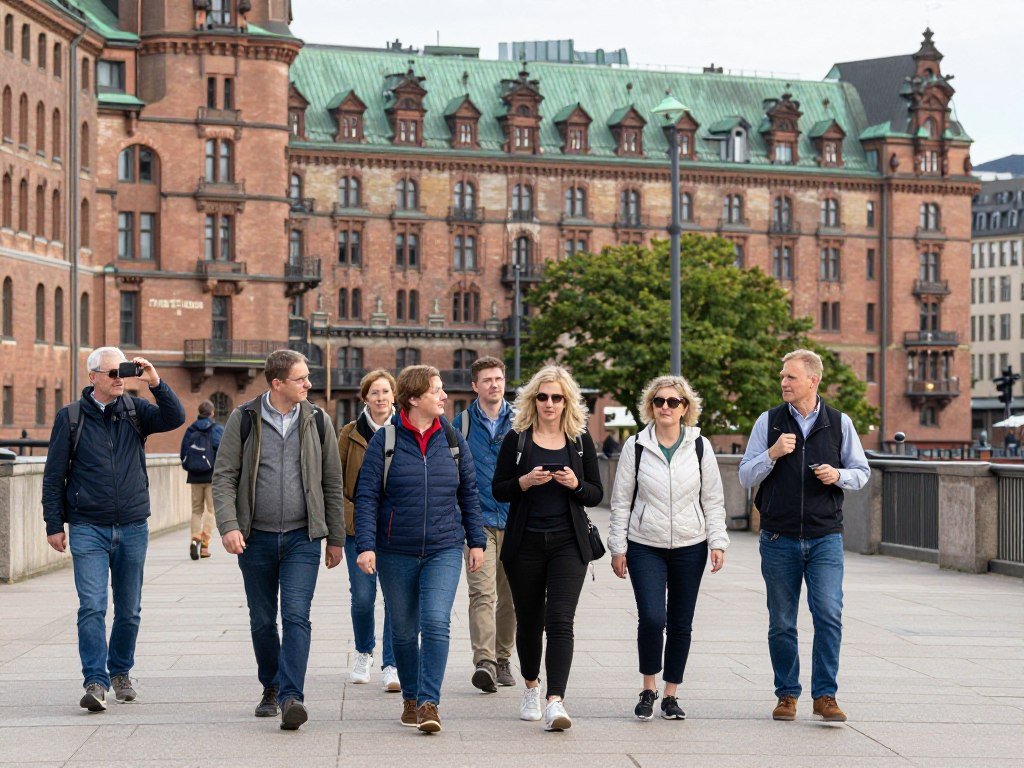
Hamburg Old Town Walking Tour
Discover Hamburg’s history on this 2-hour guided walk through the old town. Visit the Rathaus, St. Nicholas Church Memorial, historic Deichstraße, and learn about the city’s evolution from medieval port to modern metropolis.
From $4 per person
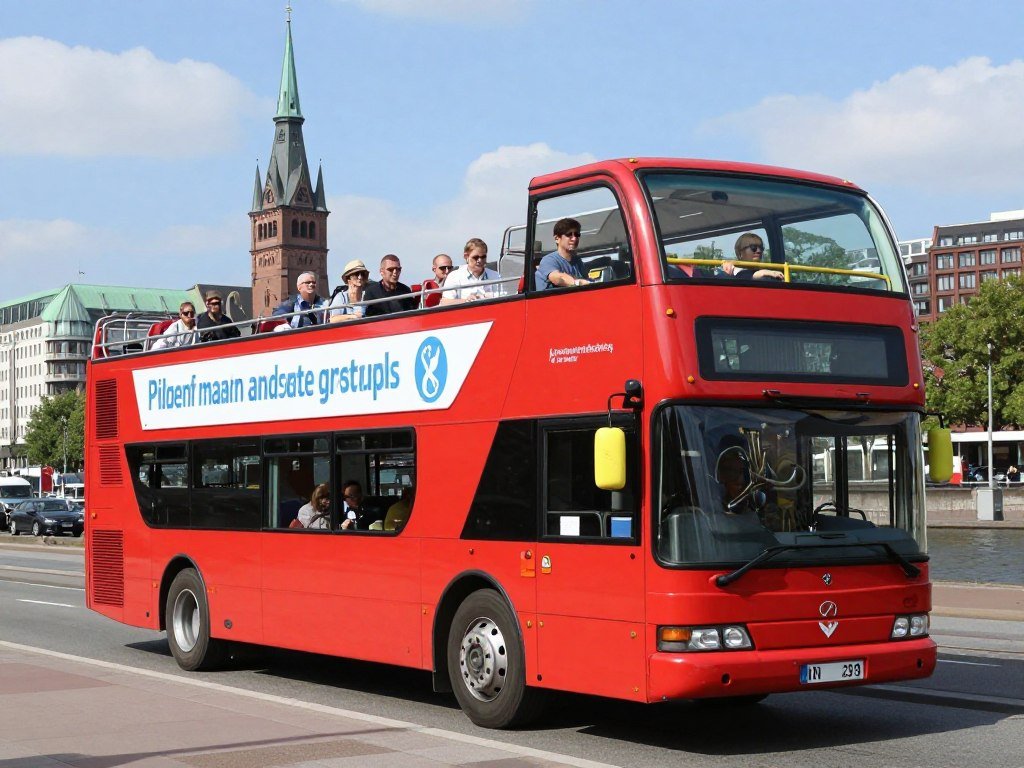
Hop-On Hop-Off Bus Tour
Explore Hamburg at your own pace with a flexible bus pass. Visit all major attractions with audio commentary in multiple languages. Buses run every 30 minutes, allowing you to spend as much time as you want at each stop.
From $26 per person
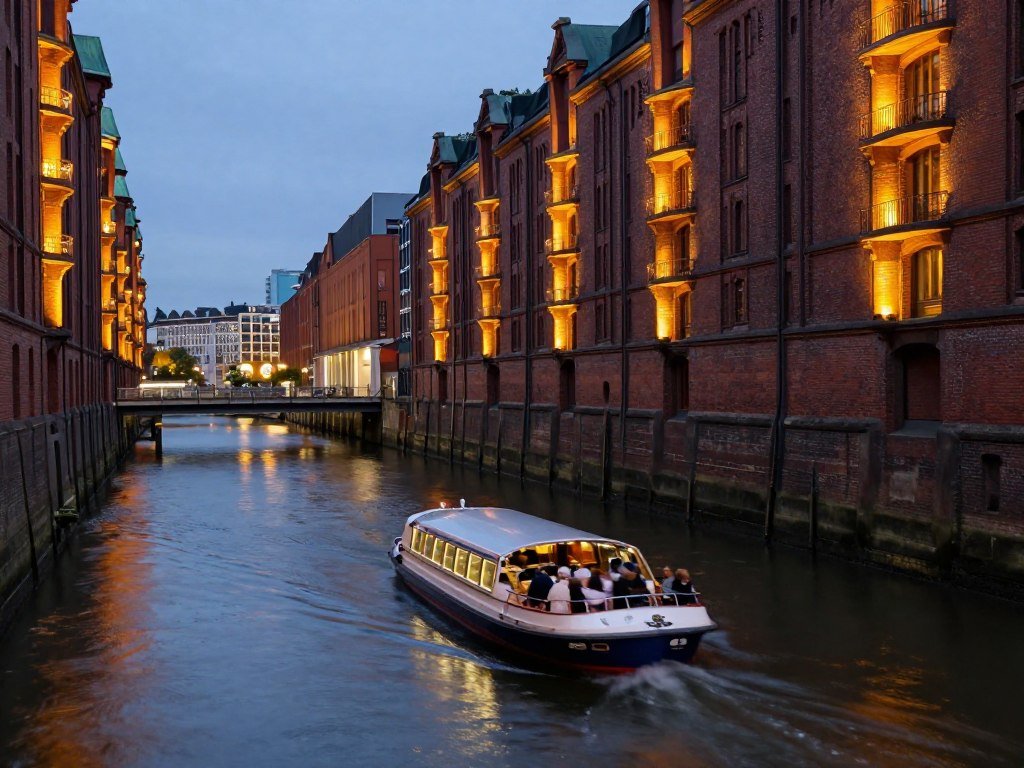
Speicherstadt Canal Tour
Navigate the historic warehouse district’s canals on this intimate boat tour. Learn about the Speicherstadt’s history, architecture, and current role while floating past iconic brick buildings and under low bridges.
From $44 per person
Hamburg Food and Dining Experiences
Hamburg’s culinary scene reflects its maritime heritage, immigrant diversity, and contemporary creativity. From traditional North German specialties to international cuisine, the city offers exceptional food experiences for every taste and budget.
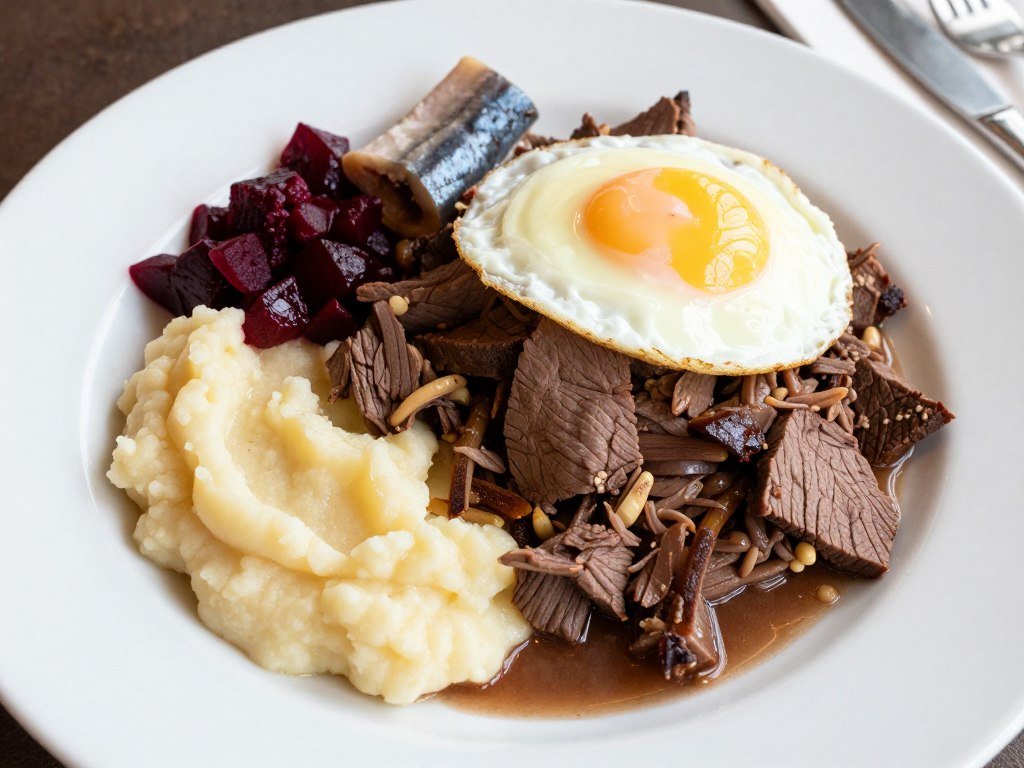
Traditional Hamburg Specialties
Labskaus is Hamburg’s most famous traditional dish, though its appearance often surprises first-timers. This sailor’s meal combines corned beef, mashed potatoes, and beetroot into a pink mash, served with pickled herring, fried egg, and pickles. The flavors work better than the presentation suggests, and trying Labskaus provides an authentic taste of maritime Hamburg.
Pannfisch, pan-fried fish in mustard sauce served with potatoes, represents another traditional favorite. The dish showcases North German preferences for hearty, straightforward preparation that highlights quality ingredients. Fresh fish is paramount in Hamburg, given the city’s coastal proximity and port access to global seafood.
Franzbrötchen are sweet pastries unique to Hamburg, similar to cinnamon rolls but made with croissant-like dough. These treats originated in the early 19th century, supposedly when French occupation introduced croissant techniques that local bakers adapted. Every bakery sells Franzbrötchen, but Hansebäcker locations are known for particularly good versions. They’re perfect for breakfast or afternoon snacks.
For traditional dining atmospheres, restaurants like Old Commercial Room near the Michel church have served Hamburg classics for decades. These establishments maintain historic interiors and traditional recipes, providing both good food and a sense of dining history. Prices are reasonable compared to fine dining, and the portions are generous, reflecting North German preferences.
Fish Market Altona
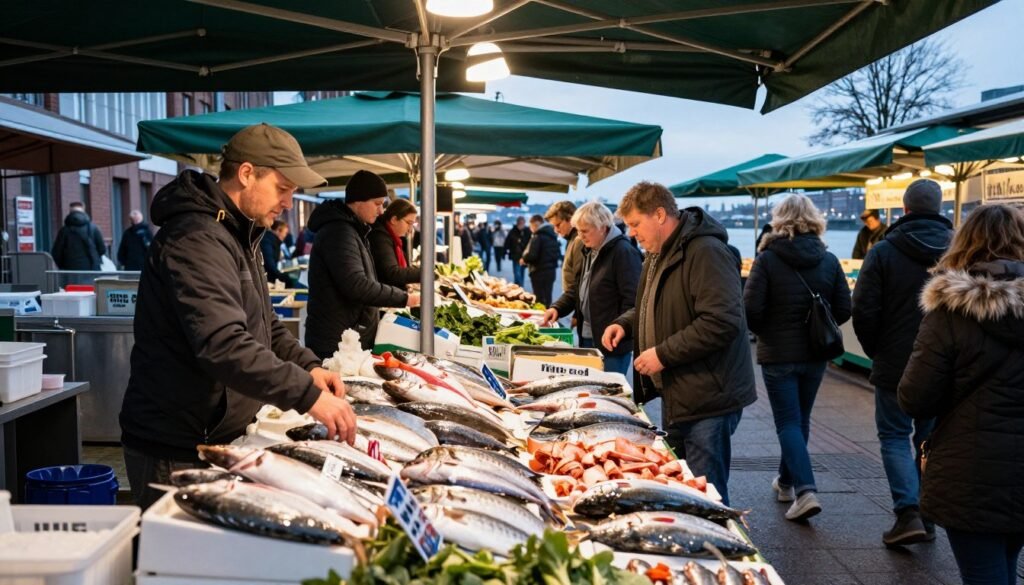
The Sunday morning fish market is a Hamburg institution that’s been operating since 1703. From 5:00 AM to 9:30 AM every Sunday, vendors sell fresh fish, produce, flowers, and various goods while market criers shout their pitches in traditional style. The atmosphere is chaotic, loud, and absolutely authentic.
Many Hamburgers arrive at the fish market directly from Saturday night out, making the transition from partying to market shopping without sleep. This creates a unique energy as people in cocktail dresses buy fish next to early-rising families. The fish auction hall hosts live music, and you can grab breakfast while watching the entertainment.
Don’t skip the food offerings. Fischbrötchen (fish sandwiches) come in numerous varieties, from fried fish with mayo to smoked salmon to pickled herring. Rollmops, pickled herring fillets wrapped around pickles, are an acquired taste but represent true Hamburg flavor. Fresh fruit, vegetables, and bakery items complement the seafood options.
The market sits right by the Elbe, so combine your visit with a walk along the river or a harbor ferry ride afterward. Getting there early (6:00-7:00 AM) lets you beat the worst crowds while still experiencing the full market atmosphere. It’s an experience that perfectly captures Hamburg’s mix of tradition, maritime culture, and social life.
International Cuisine
Hamburg’s diversity shows in its international food scene. Portuguese immigrants concentrated in the area between Landungsbrücken and Altona, creating a cluster of Portuguese restaurants and cafes. This “Portuguese Quarter” offers authentic cuisine from bacalhau to pastéis de nata.
The Schanzenviertel features particularly diverse dining options. You’ll find excellent Vietnamese, Thai, Indian, Turkish, and Middle Eastern restaurants alongside German establishments. The neighborhood’s concentration of international eateries means you can often sample cuisines from several countries within a few blocks.
Asian food is especially well-represented throughout Hamburg. The Karolinenviertel and areas around the university have numerous Asian restaurants, from casual ramen shops to upscale fusion concepts. Turkish and Middle Eastern food is ubiquitous, with döner kebab shops on practically every corner and increasingly sophisticated Turkish fine-dining restaurants opening regularly.
Cafes and Coffee Culture
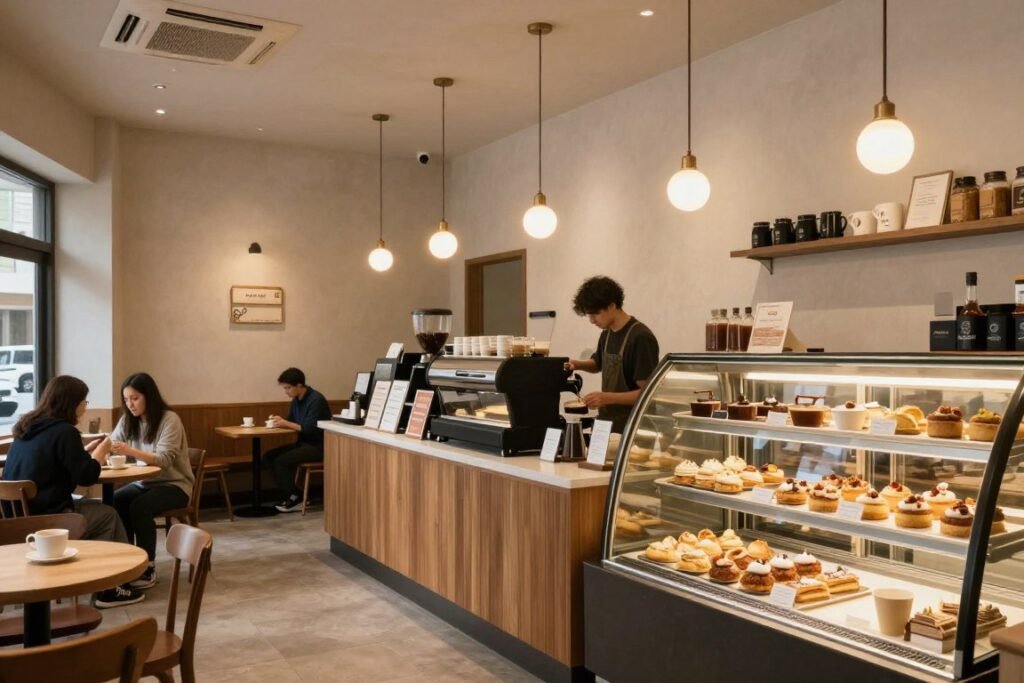
Hamburg’s cafe scene has evolved significantly, with specialty coffee roasters and third-wave coffee shops complementing traditional German cafes. The Speicherstadt Coffee Roastery, located in a historic warehouse, roasts beans on-site and serves exceptional coffee alongside excellent breakfast and brunch options.
In the Karoviertel and Schanze, independent cafes offer hangout spaces with personality. These aren’t just places to grab coffee, they’re neighborhood living rooms where people work on laptops, meet friends, or read for hours. Many serve excellent food beyond pastries, from avocado toast to creative lunch bowls.
Traditional German bakery-cafes (Konditoreien) remain popular for afternoon Kaffee und Kuchen (coffee and cake). These establishments serve classic German cakes like Schwarzwälder Kirschtorte (Black Forest cake) and Apfelstrudel in more formal settings than the newer specialty cafes. Both styles have their place, and experiencing each provides different perspectives on Hamburg’s cafe culture.
Fine Dining
Hamburg’s fine dining scene includes several Michelin-starred restaurants and numerous high-quality establishments without stars but with similar ambitions. The Haerlin in the Vier Jahreszeiten hotel holds two Michelin stars, while several other restaurants maintain one-star ratings.
These restaurants often showcase regional ingredients prepared with contemporary techniques. Expect dishes featuring North German fish and seafood, local produce, and game in season. The presentations lean toward modern and artistic, though flavor remains the priority.
Hamburg’s fine dining tends to be less stuffy than you might find in other major European cities. The atmosphere is refined but not overly formal, reflecting Hamburg’s pragmatic character. Prices are significant but generally lower than equivalent restaurants in Paris or London. Reservations are essential, often weeks in advance for weekend dinners at the most popular places.
Nightlife and Entertainment
Hamburg’s legendary nightlife reputation is well-deserved. From the Reeperbahn’s clubs and bars to live music venues across the city, Hamburg offers nocturnal entertainment to match any European capital. The city’s nightlife culture is diverse, accepting, and goes late, very late.
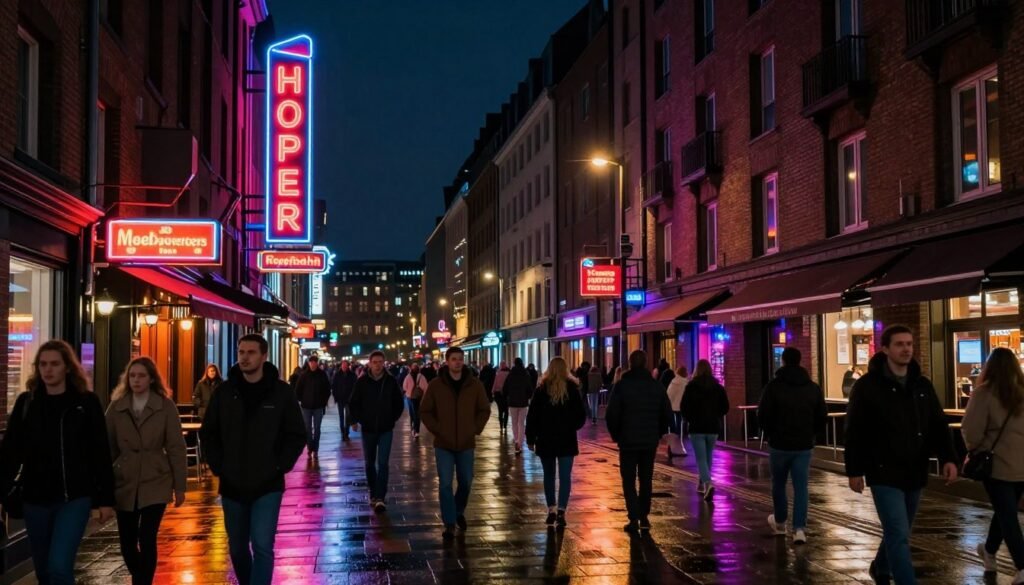
Reeperbahn and St. Pauli
The Reeperbahn is Hamburg’s entertainment mile, stretching roughly a kilometer through the St. Pauli district. This is where nightlife concentrates most intensely, with countless bars, clubs, live music venues, theaters, and adult entertainment establishments creating a unique atmosphere unlike anywhere else in Germany.
The Reeperbahn isn’t monolithic. Different sections cater to different crowds and interests. The main Reeperbahn street itself features larger clubs, chain bars, and tourist-oriented establishments. Große Freiheit, the parallel street, historically hosted smaller music clubs where the Beatles famously played in their early days. Today it mixes bars, clubs, and some remaining music venues.
Side streets off the Reeperbahn often hide the more interesting bars and clubs favored by locals. Hans-Albers-Platz and the surrounding streets offer a concentration of diverse options. The later you go, the more things open up, with many clubs not hitting their stride until 2:00 or 3:00 AM. Hamburg’s public transportation runs all night on weekends, making late nights feasible.
Guided tours of the Reeperbahn provide context about the area’s history, culture, and current scene. These tours happen in the evening and often include stops at historic sites and explanations of Hamburg’s relationship with prostitution, nightlife, and entertainment. The tours are informative and entertaining, offering perspectives you wouldn’t get exploring on your own.
Live Music Venues
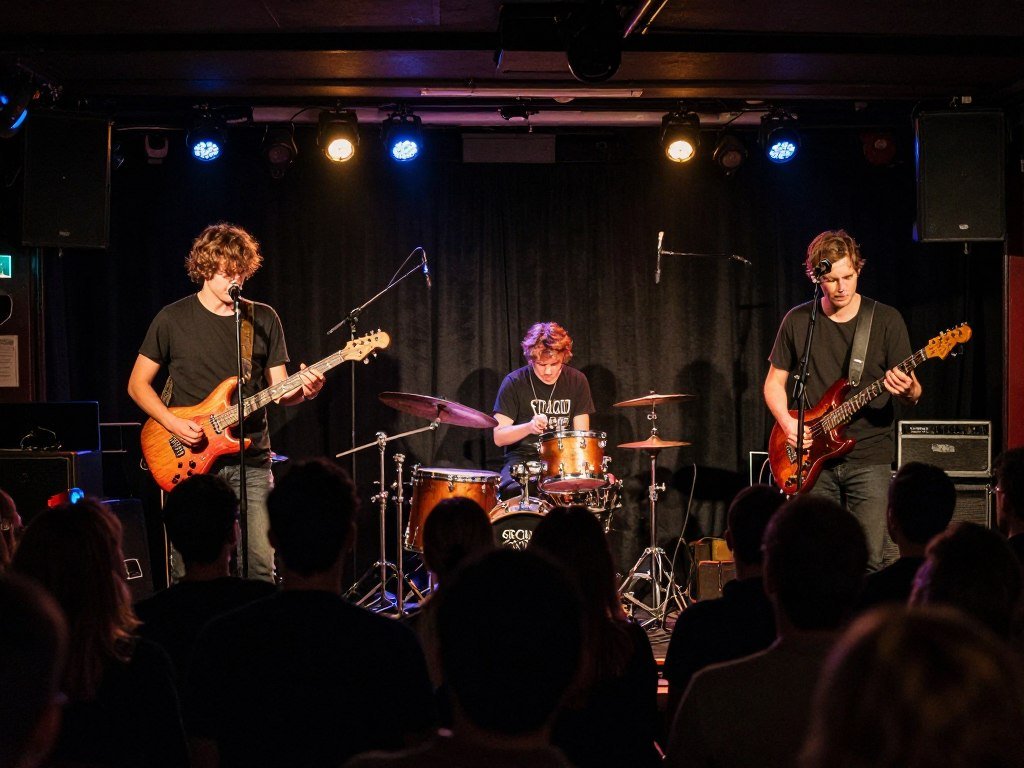
Hamburg’s live music scene extends well beyond the Reeperbahn, though that area certainly has its share of venues. The city has a strong tradition of supporting live music across genres, from rock and punk to jazz, electronic, and classical performances.
Große Freiheit 36 and Molotow are iconic small to mid-sized rock venues that host both established and emerging acts. These clubs maintain the spirit of Hamburg’s alternative music scene while booking internationally known bands. The intimate settings create intense concert experiences.
For jazz enthusiasts, venues like the Cotton Club and Birdland offer regular performances in traditional club settings. Hamburg’s jazz scene is robust, with international musicians frequently performing alongside local talents. The Elbphilharmonie also hosts jazz concerts in addition to classical performances, bringing the genre into world-class acoustics.
Electronic music thrives in Hamburg’s club scene. Venues like Baalsaal, PAL Hamburg, and MS Stubnitz (a club inside an actual ship) book techno, house, and experimental electronic DJs and live acts. The city’s electronic scene is less internationally famous than Berlin’s but equally vibrant and arguably less pretentious.
Theaters and Performances
Hamburg is Germany’s musical theater capital, with more permanent musical productions than any other German city. The Stadt Hamburg produces major musicals like The Lion King and Frozen in purpose-built theaters. These shows attract audiences from across Germany and provide Broadway-quality productions in German.
Schmidt Theater and Schmidt Tivoli on the Reeperbahn offer uniquely Hamburg entertainment, mixing musical revues, comedy, and variety shows with local flavor and bawdy humor. These theaters have been St. Pauli institutions for decades, and their shows capture the neighborhood’s irreverent spirit.
Traditional theater thrives at venues like the Deutsches Schauspielhaus and Thalia Theater, both staging classical and contemporary plays. Hamburg’s theater scene is considered among Germany’s best outside Berlin, with critically acclaimed productions and innovative directing.
Bars and Pubs
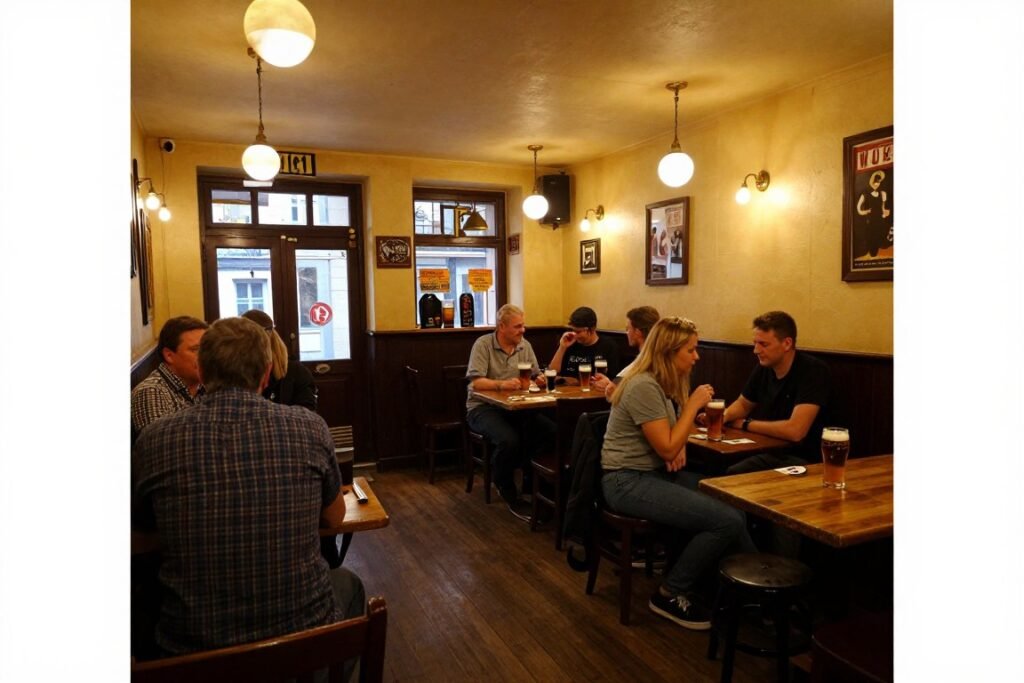
The Schanzenviertel offers Hamburg’s best concentration of quality bars and pubs for drinking without the Reeperbahn’s party intensity. Feldstern serves traditional German food in a cool brick building and has an extensive beer selection. Oma’s Apotheke, despite the name meaning “Grandma’s Pharmacy,” is a beloved pub with character and strong local following.
Cocktail bars have proliferated across Hamburg in recent years. The Karolinenviertel features several excellent cocktail spots, from classic speakeasy-style bars to more modern, experimental venues. These places take their drinks seriously, using quality spirits, fresh ingredients, and creative presentations.
Traditional Hamburg pubs (Kneipen) maintain neighborhood charm throughout the city. These establishments are where locals have been drinking for decades, often in the same seats. They’re unpretentious, affordable, and authentic, offering glimpses into regular Hamburg life beyond the tourist trail.
Beach Clubs in Summer
When weather permits, Hamburg’s beach clubs become the city’s most coveted nightlife spots. Strandpauli, located right on the harbor, features an actual sandy beach, lounge furniture, bars, and regular DJ sets. Watching the sunset over the Elbe with a cold drink while electronic music plays creates quintessential summer Hamburg moments.
These venues operate primarily from late spring through early autumn, weather dependent. They’re particularly packed on summer weekends, so arriving in the late afternoon to secure a good spot makes sense. The vibe is relaxed during the day, transitioning to more of a party atmosphere as evening arrives and the DJs start their sets.
Other waterfront venues open seasonally around the Alster and various harbor locations. Some are simple beer gardens with picnic tables, while others offer more upscale lounge atmospheres. All capitalize on Hamburg’s best feature, the water, creating temporary summer paradise spots that locals anticipate all winter.
Special Events and Festivals in 2026
Hamburg’s event calendar includes annual traditions and one-time special occasions. While specific 2026 dates for some events weren’t confirmed at publication time, the following festivals and happenings traditionally occur annually and will likely take place in 2026.
Hafengeburtstag (Harbor Birthday)
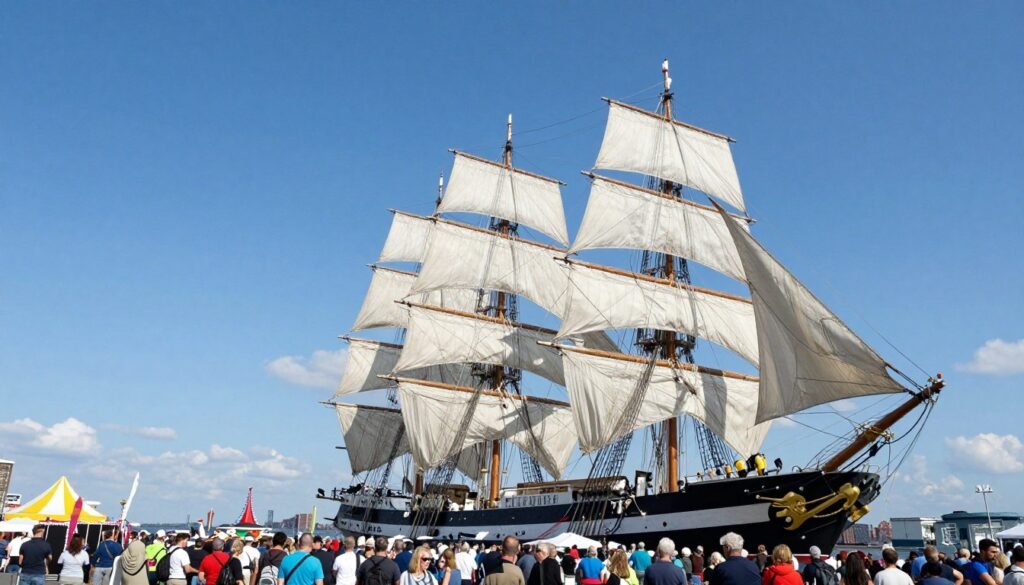
The Hafengeburtstag, typically held in early May, celebrates Hamburg’s harbor with what’s billed as the world’s largest harbor festival. For three days, the waterfront transforms into a massive party zone with live music, food stalls, ship visits, and spectacular harbor displays.
The festival attracts over a million visitors who come to see historic tall ships, modern vessels, water sports demonstrations, and maritime exhibitions. The harbor parade, featuring dozens of ships from tiny boats to massive tall ships, provides an impressive spectacle. Evening concerts and fireworks cap off each day.
The entire Landungsbrücken area and surrounding waterfront participates in the festival, with stages, beer gardens, and food vendors lining the Elbe for kilometers. You can board many of the visiting ships, watch tugboat ballets, see rescue demonstrations, and experience virtually every aspect of maritime culture. For anyone interested in Hamburg’s seafaring heritage, timing your 2026 visit to coincide with Hafengeburtstag is worthwhile.
Altonale
The Altonale is a two-week cultural festival in the Altona district, typically held in June. This neighborhood festival transforms streets into stages, galleries, and performance spaces with street theater, live music, art installations, and numerous cultural events.
What makes Altonale special is its grassroots, community-driven character. Local artists, musicians, and performers take center stage, and the festival maintains an accessible, inclusive vibe. Many events are free, and the whole district becomes a cultural playground where you might encounter anything from experimental theater to rock concerts to art exhibitions.
The Altonale typically culminates with a large street festival featuring more vendors, more music, and maximum crowds. This is Hamburg’s cultural diversity on full display, with cuisines, music styles, and artistic expressions from around the world represented throughout the district.
Hamburg DOM
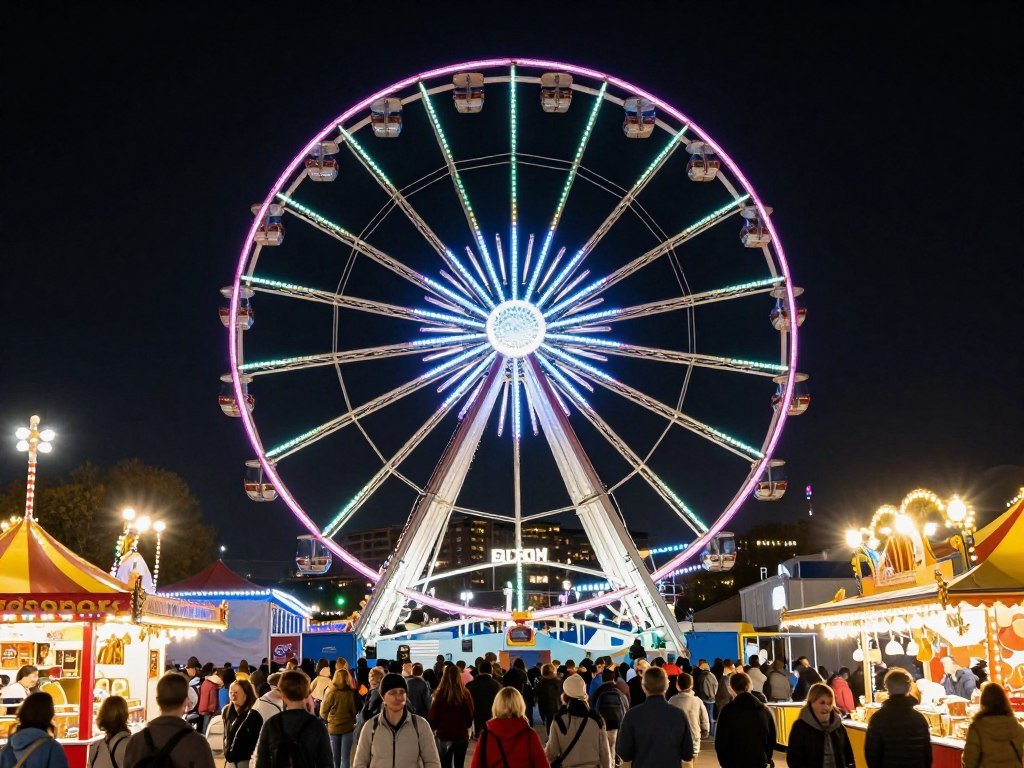
The Hamburg DOM is Northern Germany’s largest funfair, taking place three times annually: spring (March-April), summer (July-August), and winter (November-December). This massive event at Heiligengeistfeld features roller coasters, carnival games, food vendors, beer tents, and traditional funfair attractions.
The DOM has roots going back to the 14th century and has evolved into a major Hamburg tradition. Each edition lasts about a month and attracts millions of visitors. The winter DOM is particularly atmospheric, with Christmas market elements blending into the funfair experience.
Friday night fireworks are a DOM highlight, with colorful displays launched from the fairground. The combination of rides, lights, music, and pyrotechnics creates a sensory overload that’s thoroughly entertaining. Admission to the fairground is free, you only pay for rides and food, so you can stroll through even if you’re not interested in the attractions.
Stadtpark Open Air
Throughout summer, the Stadtpark Open Air concert series brings major international and German acts to perform at an outdoor stage in the Stadtpark. Past performers have included everyone from Paul McCartney to Radiohead to German pop stars.
Concerts typically happen from June through August, with performances several times per week during peak season. The open-air setting creates a festival atmosphere, and the park’s size means even if you don’t have a ticket, you can often hear the music from outside the venue while having a picnic on the grass.
The concert schedule for 2026 will be announced in early spring, so checking closer to your visit date is recommended. Tickets usually go on sale months in advance and sell out quickly for popular acts. The combination of warm summer nights, good music, and outdoor atmosphere makes these concerts special Hamburg experiences.
Christmas Markets
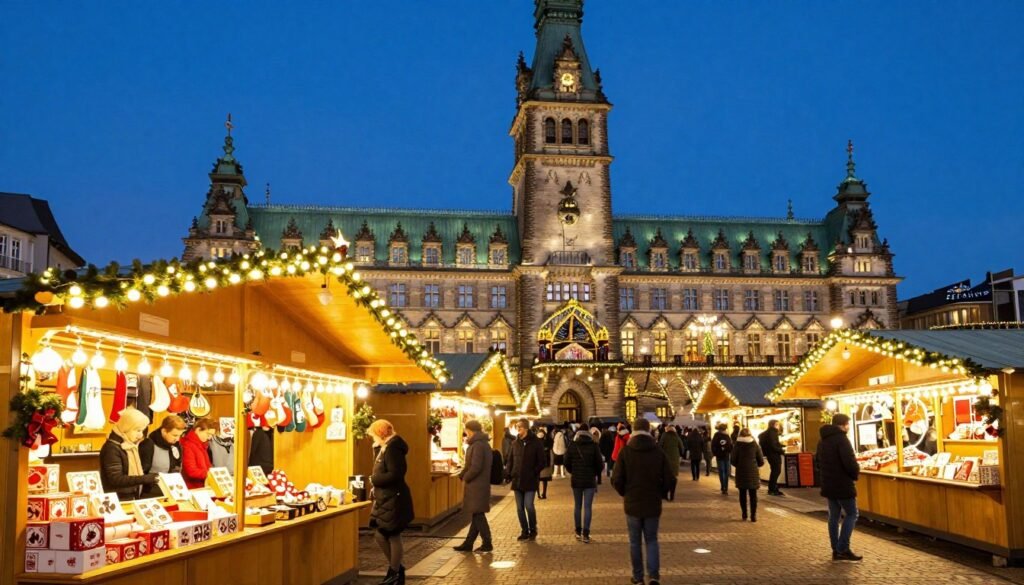
Hamburg’s Christmas markets rank among Germany’s best, with multiple markets offering different atmospheres across the city. The main market at Rathausmarkt features traditional stalls selling gifts, ornaments, and food against the backdrop of the illuminated town hall, creating a picture-perfect Christmas scene.
The Weihnachtsmarkt at Jungfernstieg along the Inner Alster offers beautiful waterfront views with the Christmas market atmosphere. The Santa Pauli Christmas market at the Reeperbahn provides a uniquely Hamburg twist, with edgier entertainment, quirky gifts, and a less wholesome vibe compared to traditional markets.
Markets typically open in late November and run through December 23rd. Evening visits provide the best atmosphere when the lights are fully illuminated and the mulled wine tastes especially good. Each market has its character and crowd, so visiting several gives you a fuller sense of Hamburg’s Christmas traditions. Don’t miss trying the Glühwein (mulled wine), Lebkuchen (gingerbread), and roasted almonds that are Christmas market staples.
Family-Friendly Activities in Hamburg
Hamburg offers numerous attractions and activities perfect for families traveling with children. The city balances educational experiences with entertainment, ensuring kids stay engaged while parents enjoy themselves too.
Hagenbeck Zoo
Tierpark Hagenbeck pioneered the concept of open-air, moated enclosures that allow animals to be displayed without bars. Opened in 1907, this historic zoo maintains beautiful grounds with themed areas representing different global regions and their native animals.
The zoo houses elephants, tigers, lions, giraffes, monkeys, and hundreds of other species in relatively spacious enclosures. The Asian elephant exhibit and the African panorama are particularly impressive. The adjacent Tropic Aquarium features underwater tunnels where you walk through shark tanks and tropical reef environments.
Plan at least three to four hours to see the main highlights. The zoo provides various dining options and playgrounds where kids can burn energy between animal exhibits. Hagenbeck is located outside the city center but is easily reached via U-Bahn. It’s one of those things Hamburg families do regularly, not just a tourist attraction, which speaks to its quality and appeal.
Miniatur Wunderland
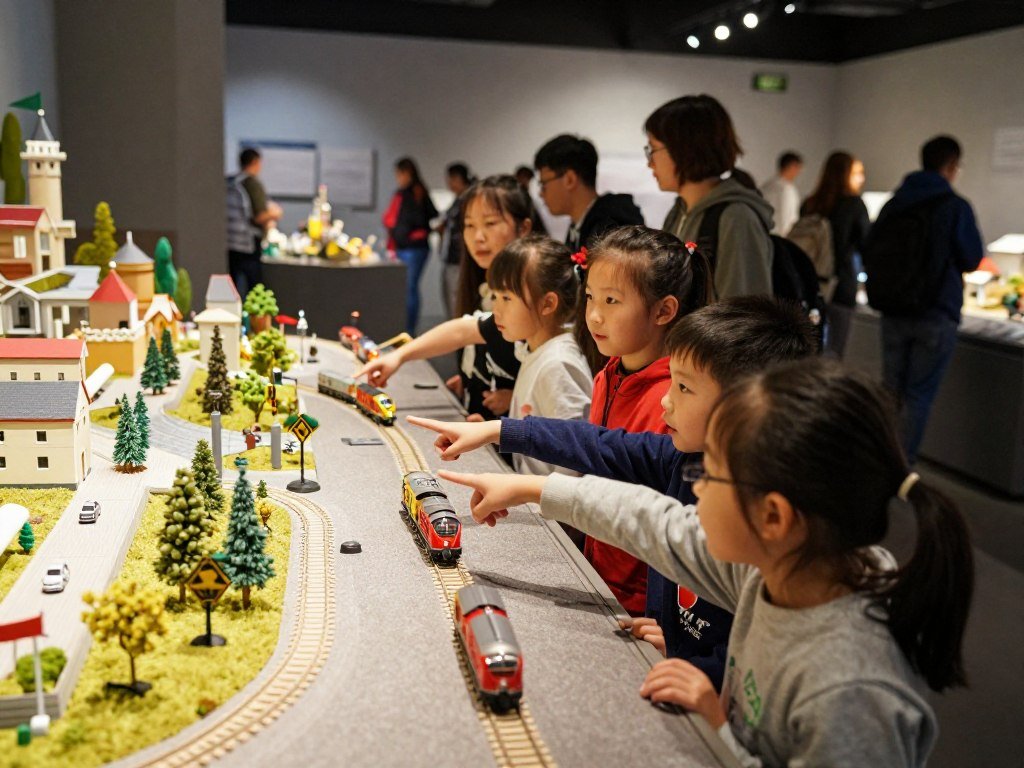
Already mentioned in the museums section, Miniatur Wunderland deserves emphasis as potentially Hamburg’s best family attraction. Children become mesmerized by the moving trains, planes, cars, and ships, while the hundreds of hidden details and humorous scenes keep adults equally engaged.
The interactive elements, like buttons that trigger actions in the displays, give kids direct participation. The darkness simulation showing the miniature world transitioning from day to night captivates viewers of all ages. This is one attraction where three generations can genuinely enjoy themselves simultaneously.
Due to popularity, pre-booking is essential to avoid disappointment. The exhibit can get crowded, so visiting on weekday mornings typically provides the best experience. Budget at least three hours, though many families stay longer discovering new details and favorite scenes to revisit.
Dialog in the Dark
Older children (8+) find the Dialog in the Dark experience fascinating and educational. The concept of navigating pitch-black rooms with blind guides creates awareness and empathy while being genuinely fun and challenging. It’s one of those rare attractions that’s entertaining and meaningfully educational without being preachy.
The experience does require reasonable maturity, as very young children might find total darkness frightening rather than interesting. But for kids ready to engage with the concept, it provides memorable learning about disability, perception, and how we navigate the world using different senses.
Playgrounds and Parks
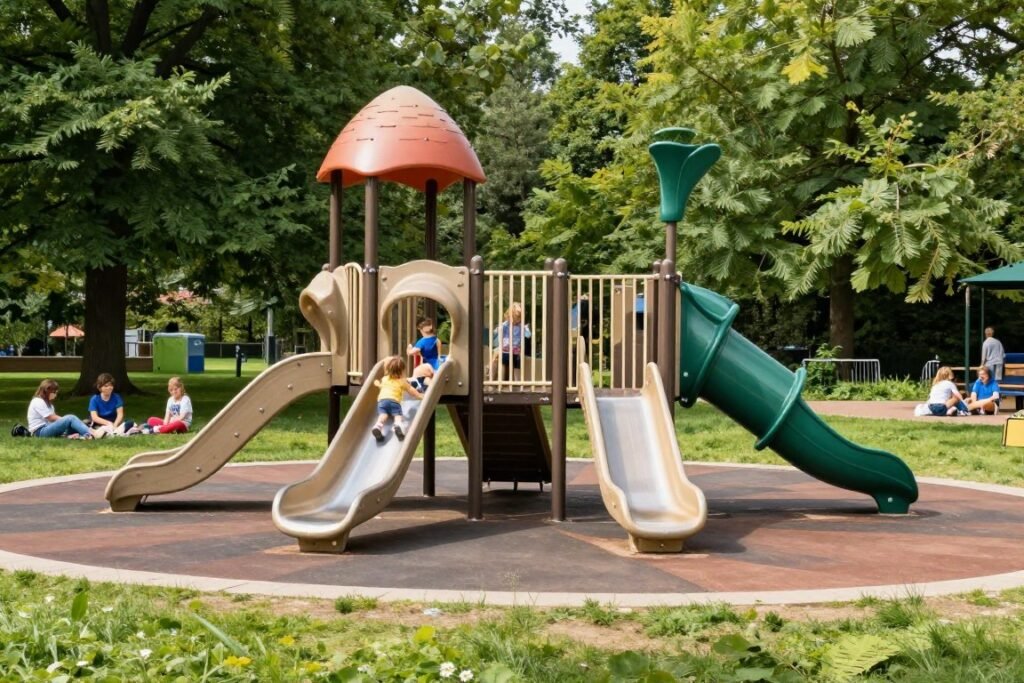
Hamburg’s parks feature exceptional playgrounds that often surpass anything you’d find in other cities. Planten un Blomen has multiple playgrounds, including a large adventure playground with climbing structures, water play areas, and space for running. The park also offers a small petting zoo and the aforementioned water light concerts in summer.
The Stadtpark’s playgrounds are equally impressive, with equipment for different age groups and lots of open space for playing. The park’s lake has a small beach area where children can paddle in shallow water during summer. The whole environment encourages active outdoor play.
These parks provide essential breaks during sightseeing days. Let kids run and play for an hour or two while adults rest on benches, grab coffee at nearby cafes, or enjoy the park atmosphere themselves. This approach prevents the burnout that can come from forcing children through too many museums and structured activities.
Hamburg Dungeon
For families with teenagers or brave older kids (ages 10+), the Hamburg Dungeon offers theatrical entertainment mixed with Hamburg history. The shows and effects can be scary, with jump scares and dramatic moments, but most kids in the target age range find it thrilling rather than traumatizing.
The dungeon’s approach to history, focusing on plagues, fires, and executions, appeals to the slightly macabre interests many kids develop around ages 10-14. It’s educational in its way, teaching Hamburg history through memorable (if dramatic) storytelling rather than dry facts.
Check age recommendations and read descriptions of the shows before booking to ensure it matches your family’s comfort levels. Some children who handle Halloween attractions easily will love the Dungeon, while others might find it too intense. Parents know their kids best.
Plan Your Perfect Hamburg 2026 Adventure
You now have a comprehensive listing of the best things to do in Hamburg 2026, from historic landmarks and world-class museums to harbor cruises, nightlife adventures, and family activities. Hamburg offers remarkable diversity, whether you’re drawn to maritime history, contemporary culture, outdoor recreation, or legendary nightlife.
Ready to Book Your 2026 Hamburg Experience?
Secure the best tours, attractions, and experiences for your Hamburg trip. Book in advance to guarantee availability and often save money with early-bird pricing.
Essential 2-Day Hamburg Itinerary
- Day 1 Morning: Walking tour of Old Town and Rathaus
- Day 1 Afternoon: Speicherstadt and Elbphilharmonie Plaza
- Day 1 Evening: Harbor cruise and dinner at Landungsbrücken
- Day 2 Morning: Miniatur Wunderland
- Day 2 Afternoon: Alster lake walk or Planten un Blomen
- Day 2 Evening: Dinner in Schanzenviertel, drinks on Reeperbahn
Insider Tips for 2026
- Book popular attractions like Miniatur Wunderland weeks in advance
- Use the Hamburg Card for unlimited transport and attraction discounts
- Visit on weekends to experience the Sunday fish market
- Explore beyond tourist areas in Karoviertel and Schanze
- Time your visit for Hafengeburtstag in May if possible
- Check weather forecasts and plan outdoor activities accordingly
Best Times to Visit Hamburg in 2026
May-September: Peak season with best weather, outdoor activities, harbor festivals, and beach clubs operating. Book accommodation early.
March-April & October: Shoulder seasons with fewer crowds, lower prices, and still decent weather. Spring brings Hafengeburtstag.
November-December: Christmas market season creates magical atmosphere. Cold but festive. Great for indoor attractions.
January-February: Quietest period with lowest prices. Indoor attractions still excellent, but outdoor activities limited by weather.
Practical Information for Hamburg 2026
Getting to Hamburg
Hamburg Airport (HAM) is located just 8.5 kilometers from the city center, connected via S-Bahn line S1 which takes about 25 minutes to reach the Hauptbahnhof main train station. The airport serves numerous international and domestic flights, with particularly strong connections to other European cities via budget carriers like Ryanair and EasyJet.
Hamburg Hauptbahnhof is one of Germany’s busiest train stations, with excellent ICE high-speed rail connections to Berlin (1.5 hours), Munich (6 hours), Frankfurt (4 hours), and Cologne (4 hours). International trains connect Hamburg to Copenhagen, Amsterdam, and other European cities. Deutsche Bahn operates the rail network, and advance booking often provides significant savings.
Long-distance buses from companies like FlixBus offer budget alternatives for reaching Hamburg from other German cities and European destinations. Journey times are longer than trains but prices can be considerably lower, especially when booked in advance.
Getting Around Hamburg
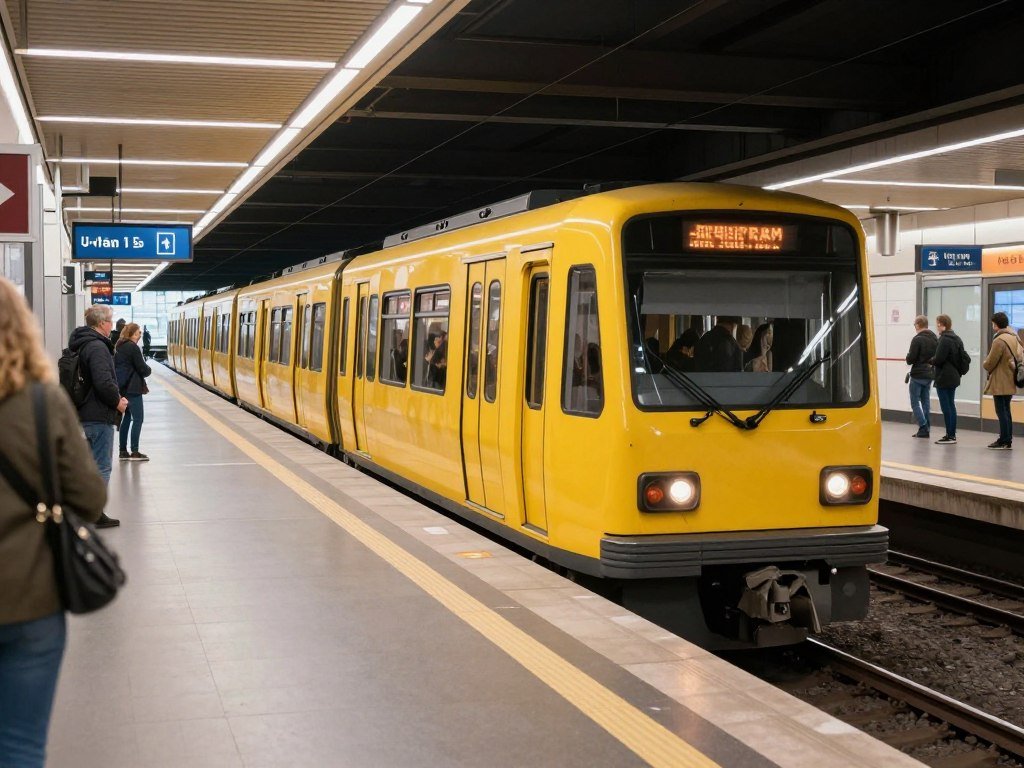
Hamburg’s public transportation network (HVV) includes U-Bahn subway lines, S-Bahn regional trains, buses, and ferries, all integrated into one ticketing system. The Hamburg Card covers all public transport and includes attraction discounts, making it the best option for most visitors.
On Friday and Saturday nights, and before public holidays, S-Bahn and U-Bahn lines run all night, enabling late-night movement between districts. On other nights, night buses maintain connectivity until regular service resumes around 5:00 AM.
Walking and cycling are excellent options for exploring central Hamburg. The city center is compact enough to walk between major attractions, and dedicated bike lanes make cycling safe and convenient. The StadtRAD bike-sharing system has stations throughout the city, offering an affordable way to rent bikes by the hour or day.
Where to Stay
The city center around Hauptbahnhof provides convenient access to everything, though this area is more functional than charming. Hotels here range from budget chains to upscale properties, with excellent transit connections to all parts of Hamburg.
St. Georg, the district just east of the Hauptbahnhof, offers a good value location with diverse restaurants, bars, and a multicultural atmosphere. It’s walking distance to the city center and has numerous mid-range hotels and guesthouses.
For more character and local atmosphere, consider the Schanzenviertel or Karolinenviertel. These neighborhoods put you in the heart of Hamburg’s restaurant and nightlife scene, though accommodation prices tend to be higher and spaces more limited. The areas are well-connected by public transport.
Families might prefer quieter neighborhoods like Winterhude or Eppendorf, which offer green spaces, residential calm, and good restaurants while maintaining easy access to central attractions via public transport.
When to Visit Hamburg
Hamburg’s climate is maritime, with mild winters and moderate summers. Rain is possible year-round, so pack accordingly regardless of season. Summer (June-August) brings the warmest weather with average highs around 20-24°C (68-75°F), perfect for outdoor activities, harbor tours, and beach clubs.
Spring (April-May) and autumn (September-October) offer pleasant temperatures with fewer crowds. These shoulder seasons provide good value, easier hotel bookings, and comfortable conditions for walking tours and sightseeing. May’s Hafengeburtstag is a major draw.
Winter (November-March) is cold with limited daylight, but Christmas markets in December create special atmosphere. Indoor attractions like museums, the Elbphilharmonie, and Miniatur Wunderland are perfect for winter days. The winter DOM funfair also provides entertainment despite the cold.
Language and Money
German is the primary language, though English is widely spoken in tourist areas, hotels, restaurants, and among younger Hamburgers. Learning a few basic German phrases is appreciated but not essential for getting around.
Germany uses the Euro (EUR). Credit and debit cards are widely accepted at most restaurants, hotels, and attractions, though smaller cafes and bars might prefer cash. ATMs are abundant throughout the city. Tipping is customary in restaurants, typically rounding up or adding 5-10% for good service.
Safety
Hamburg is generally a safe city with low violent crime rates. Normal urban precautions apply, watch your belongings in crowded areas like the Hauptbahnhof and tourist sites. The Reeperbahn and St. Pauli can get rowdy late at night, though they’re not particularly dangerous, just lively and occasionally chaotic.
Emergency services in Germany use the number 112 for police, fire, and ambulance. Healthcare is excellent, though travel insurance is recommended for non-EU visitors to cover potential medical costs.
Experience Hamburg in 2026
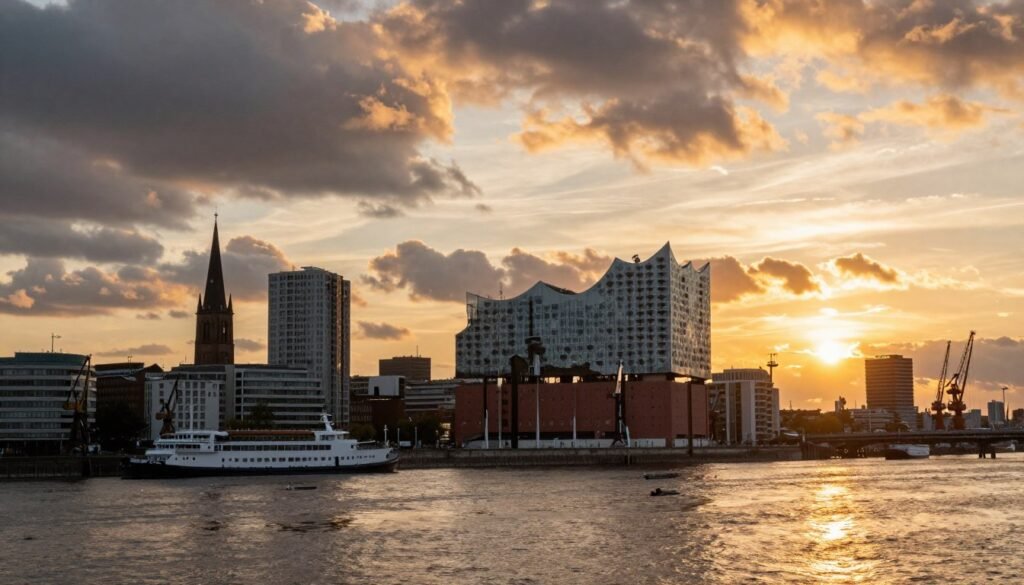
Hamburg successfully blends maritime heritage with contemporary culture, creating a city that honors its past while embracing the future. From historic Speicherstadt warehouses to the ultra-modern Elbphilharmonie, from traditional fish markets to innovative restaurants, from legendary nightlife to peaceful lake walks, Hamburg delivers diverse experiences that few European cities can match.
What makes Hamburg special isn’t any single attraction, it’s how the city combines elements into something unique. Where else can you visit world-class museums, cruise past working container terminals, drink in the red light district, and paddle through urban canals all in one day? Hamburg’s maritime character permeates everything, creating an identity distinct from other German cities.
The year 2026 presents an excellent time to visit, with the city fully emerged from pandemic disruptions, cultural institutions thriving, and the HafenCity district continuing its evolution into a new urban centerpiece. Hamburg welcomes visitors warmly while maintaining its authentic local character, a balance many cities struggle to achieve.
Whether you’re planning two days in Hamburg or an extended stay, whether you’re traveling solo, as a couple, or with family, this harbor city offers experiences that will exceed your expectations. Book your Hamburg Card, secure your attraction tickets, and prepare to discover why those who know Germany well often name Hamburg as their favorite city.
Hamburg awaits your 2026 visit. The harbor never sleeps, the culture never stops evolving, and the city never fails to create memorable experiences. Start planning your Hamburg adventure today.
