
Geneva sparkles at the crossroads of culture, diplomacy, and natural beauty. This Swiss city captivates visitors with its pristine lakefront setting, medieval old town perched on a hilltop, and the towering presence of Mont Blanc on the horizon. Whether you’re drawn to world-class museums, chocolate tastings, alpine adventures, or simply strolling along Europe’s largest lake, Geneva delivers experiences that blend sophistication with accessibility.
This comprehensive guide reveals the best things to do in Geneva across every category. From iconic attractions that define the city’s character to hidden corners known only to locals, you’ll discover how to maximize your time in this international hub where French elegance meets Swiss precision.
Must-Do Experiences in Geneva
Geneva’s signature experiences showcase the city’s unique position between lake and mountains, history and modernity. These attractions form the foundation of any Geneva visit and reveal why millions of travelers make this city their Swiss destination.
Lake Geneva: The Heart of the City
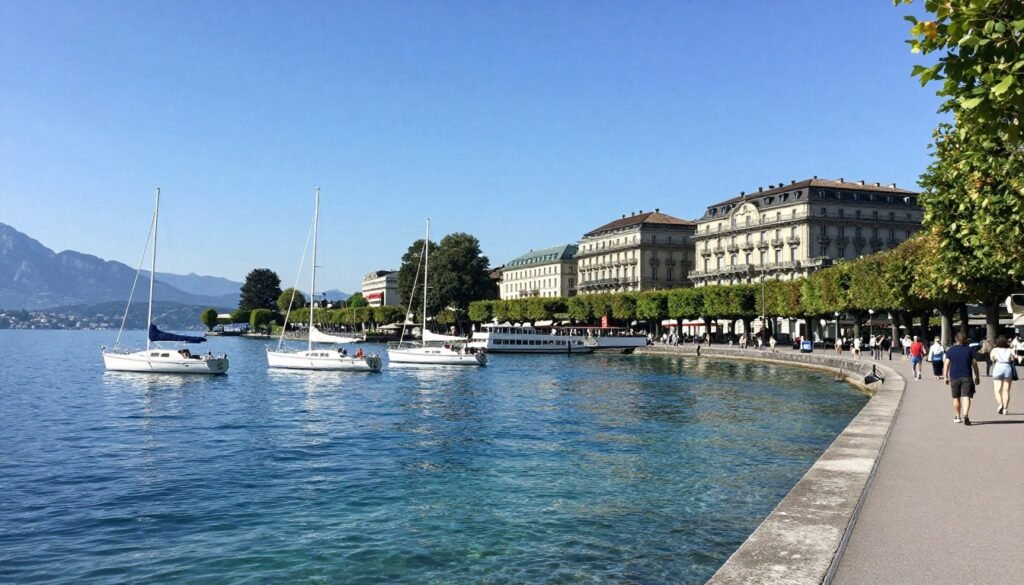
Lake Geneva stretches across 224 square miles of crystalline water, forming a natural crescent between Switzerland and France. The lake shapes every aspect of Geneva’s identity, from its temperate microclimate to its role as a playground for water activities and lakeside relaxation.
The northern shore offers the most accessible waterfront experiences. Walk the Quai du Mont Blanc promenade where flower gardens, sculptures, and outdoor photography exhibitions create an ever-changing gallery. On clear days, the view extends across the water to Mont Blanc, Western Europe’s highest peak at 15,766 feet.
Water activities abound during summer months. Rent paddleboards or kayaks at several locations along the shore, or join a guided boat tour that explores the lake’s history and geography. Vintage steamers from the 1900s still cross these waters, offering lunch and dinner cruises that combine sightseeing with Swiss culinary traditions.
Local Tip: The best lake views appear from Parc de la Perle du Lac on the northern shore. This former estate features sweeping lawns, century-old trees, and benches positioned for sunset watching. Visit early morning for solitude or late afternoon when the alpenglow illuminates the mountain peaks.
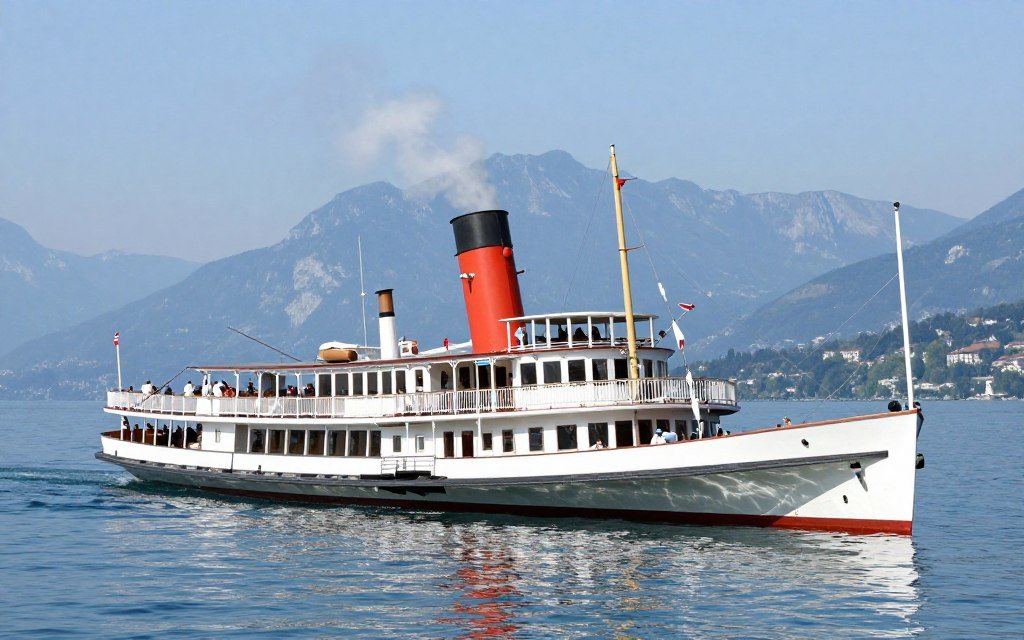
Experience Lake Geneva from the Water
Join an award-winning boat cruise with wine tasting and discover Geneva’s waterfront from the best perspective. Expert guides share local stories while you enjoy Swiss wines and appetizers.
Geneva's Old Town: Medieval Charm Preserved
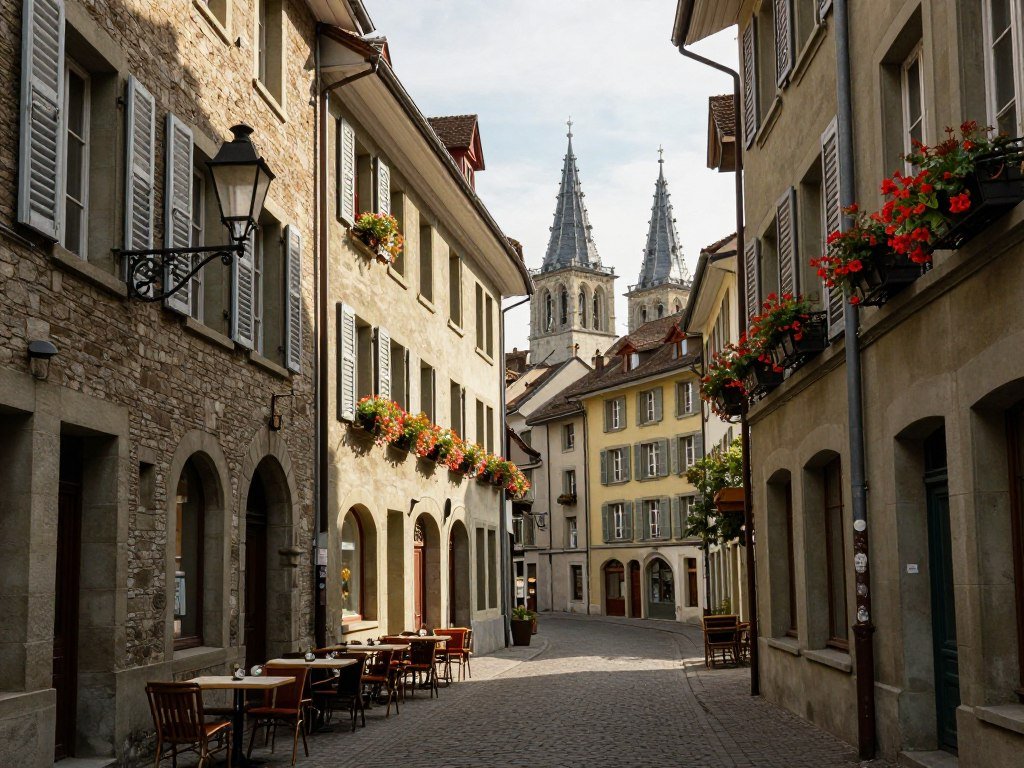
The Vieille Ville rises on a hill above the modern city, preserving centuries of history within its warren of cobblestone streets. This pedestrian-friendly district rewards wandering, with discoveries around every corner from artisan workshops to hidden courtyards.
Grand-Rue forms the old town’s main artery, though this “grand” street barely accommodates two people walking side by side. At number 40, a plaque marks the birthplace of philosopher Jean-Jacques Rousseau in 1712. The street’s narrow width protected residents during medieval times when invading armies struggled to maneuver through tight passages.
Place du Bourg-de-Four anchors the old town as Geneva’s oldest square, once serving as a Roman forum and later hosting medieval fairs that drew merchants from across Europe. Today, cafe terraces fill the square where locals gather for coffee and conversation beneath centuries-old facades.
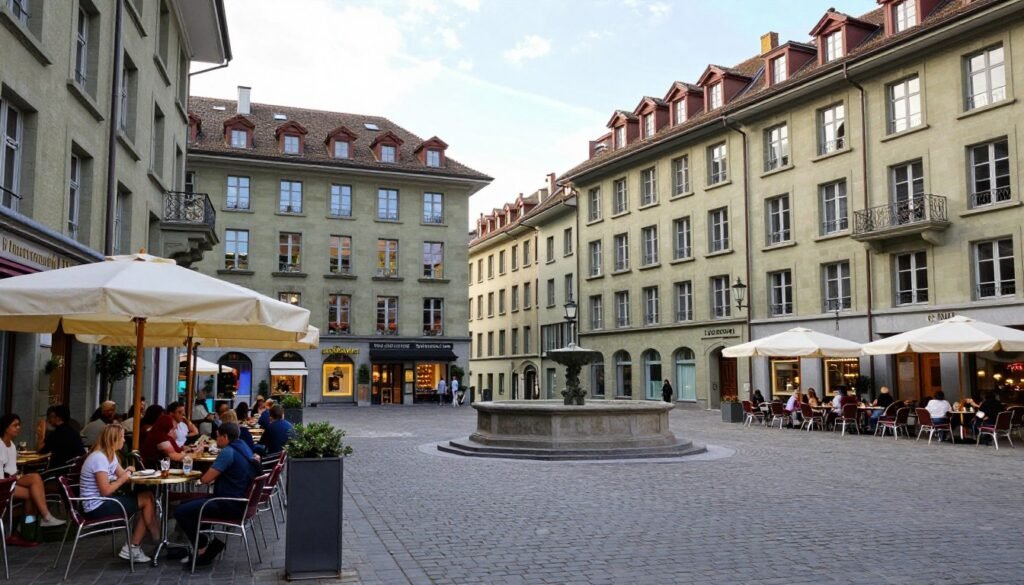
Underground passages connect various buildings throughout the old town, remnants of defense systems that allowed residents to move unseen during sieges. Some passages remain accessible, offering atmospheric shortcuts between streets while providing a tangible connection to Geneva’s strategic military importance.
St. Peter's Cathedral: Reformation Landmark
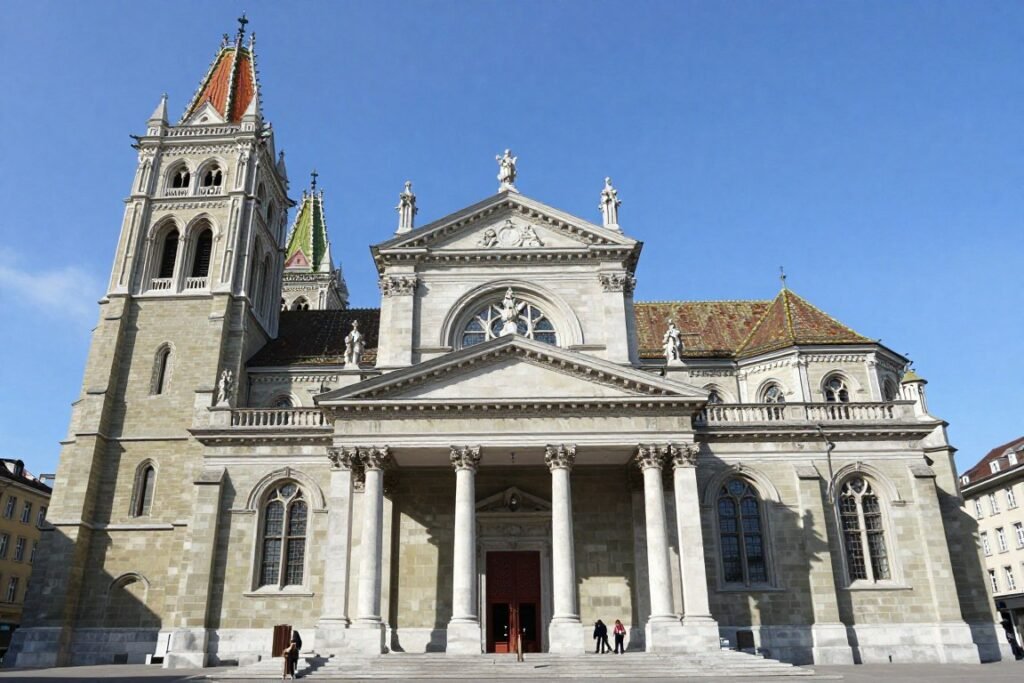
St. Peter’s Cathedral dominates the old town skyline with an unusual architectural mix that reflects Geneva’s complex history. The building began as a Roman Catholic cathedral in the 12th century, evolved through Gothic additions, and gained its distinctive neoclassical portico in the 18th century after serving as the epicenter of the Protestant Reformation.
John Calvin preached his transformative sermons from this cathedral between 1536 and 1564, establishing Geneva as “Protestant Rome” and attracting religious refugees from across Europe. His wooden chair remains on display, deliberately simple and austere to reflect Calvinist values.
Climb 157 steps up the north or south tower for panoramic views that extend across the old town’s terracotta rooftops, over the lake, and toward the mountain ranges that frame Geneva’s setting. The towers open for special moonlight visits on select evenings, creating a magical perspective of the illuminated city below.
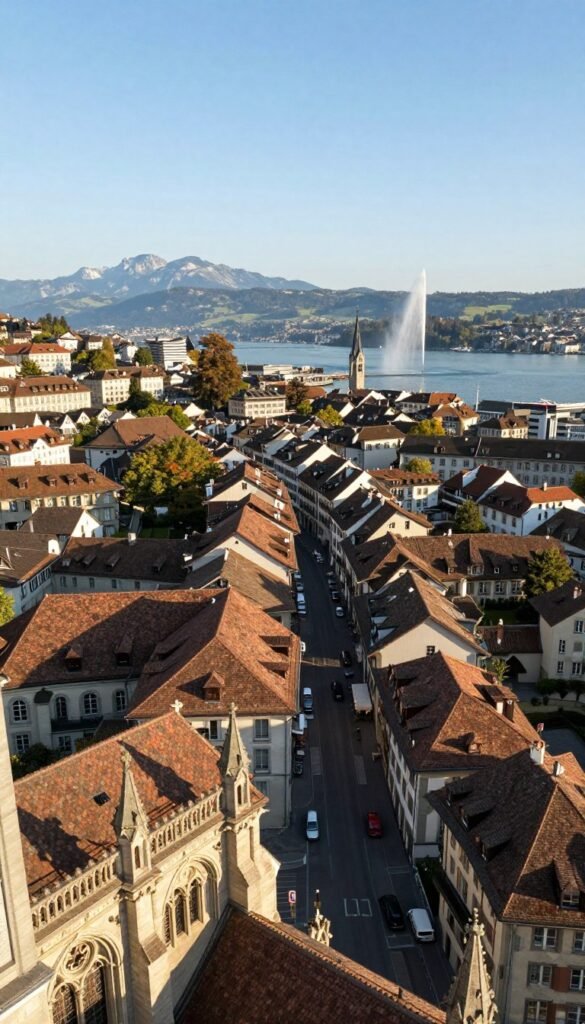
Beneath the cathedral, the Site Archéologique reveals Geneva’s pre-Christian past through excavated remains of Celtic and Roman settlements. This underground archaeological site shows how Geneva evolved from a fortified Celtic village through Roman occupation, with artifacts and foundations visible along walkways beneath the cathedral floor.
Old Town & Cathedral Walking Tour
Discover Geneva’s medieval heart with a local expert guide. This 2.5-hour walking tour covers St. Peter’s Cathedral, Reformation history, hidden passages, and the most photogenic corners of the old town.
Iconic Geneva Landmarks You Can't Miss
Certain sights define Geneva’s visual identity and serve as navigational landmarks throughout the city. These attractions represent Geneva’s global significance while providing stunning photo opportunities.
Jet d'Eau: The World's Most Famous Fountain
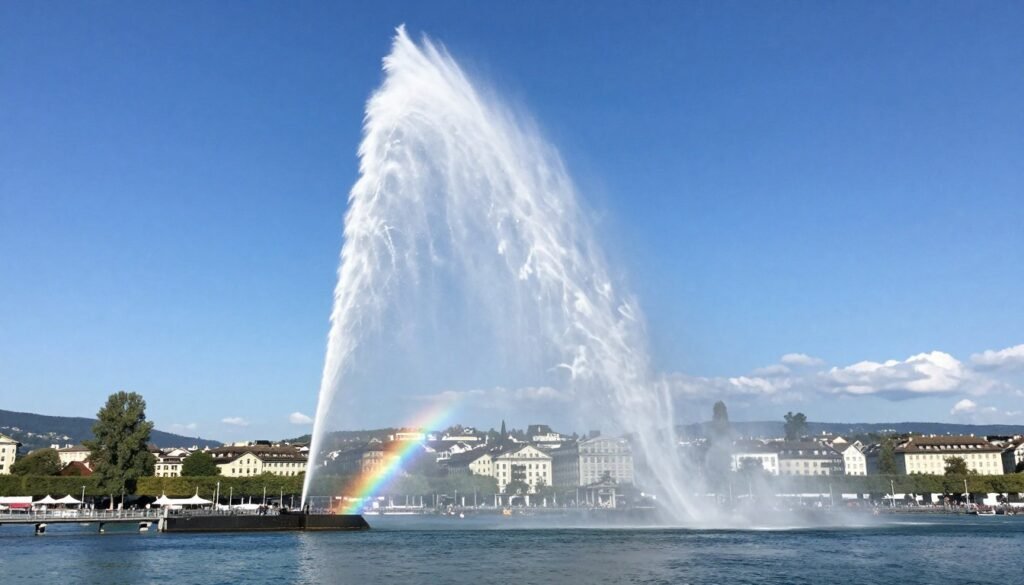
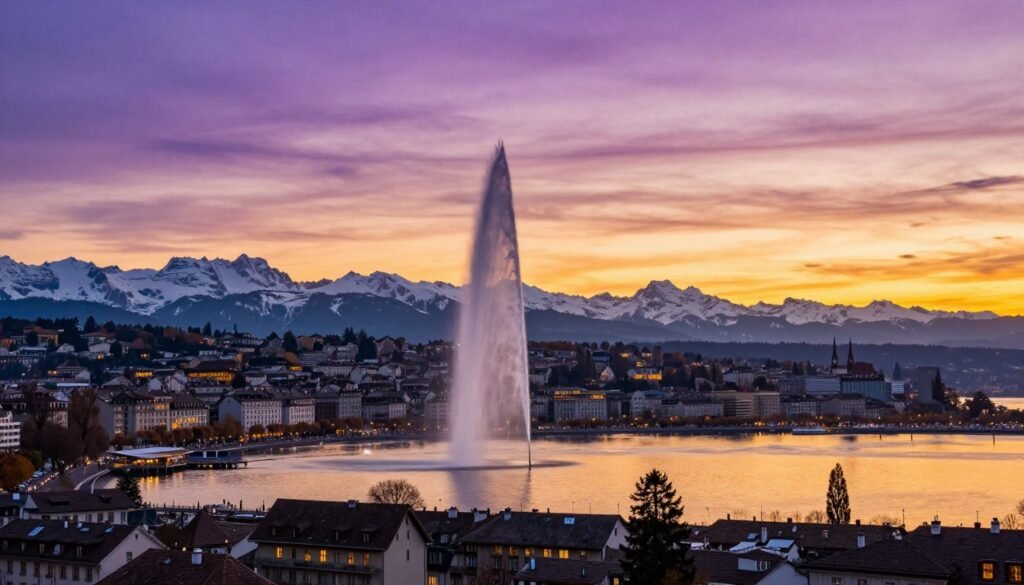
The Jet d’Eau shoots water 459 feet into the air at 120 miles per hour, creating Geneva’s most recognizable landmark. What began in 1886 as a practical solution to regulate hydraulic plant pressure at night transformed into an international symbol visible from aircraft approaching the city.
At any given moment, 7 tons of water hang suspended in the air between the lake surface and the fountain’s apex. On sunny days, rainbows form in the mist created by the fountain’s powerful spray. Walk along the stone jetty that extends from Quai Gustave-Ador for close-up views, but prepare for occasional drenching when wind shifts the spray.
The fountain operates year-round except during high winds, extreme cold, or annual maintenance typically scheduled for November. Summer hours extend from 9 a.m. to 11:15 p.m., while winter operation reduces to approximately 10 a.m. to 4 p.m. based on weather conditions and daylight.
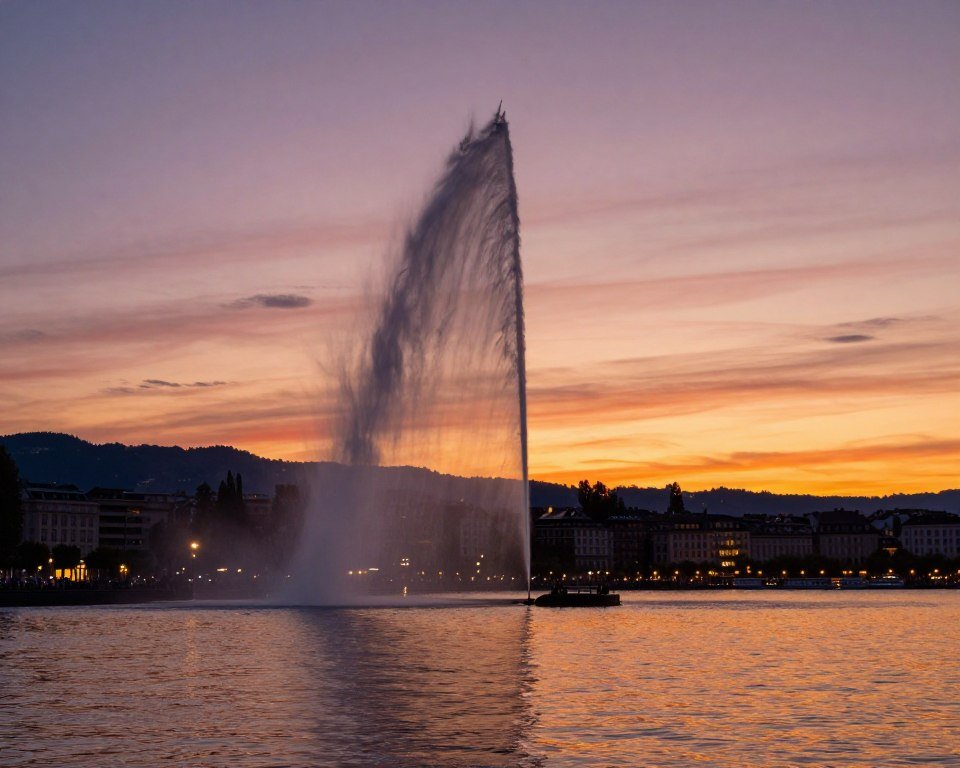
Photo Tip: The best Jet d’Eau photographs come from Jardin Anglais early morning when soft light illuminates the spray without harsh shadows. For dramatic shots, visit during blue hour just after sunset when the fountain’s illumination contrasts with the deepening sky.
Palais des Nations: United Nations Headquarters
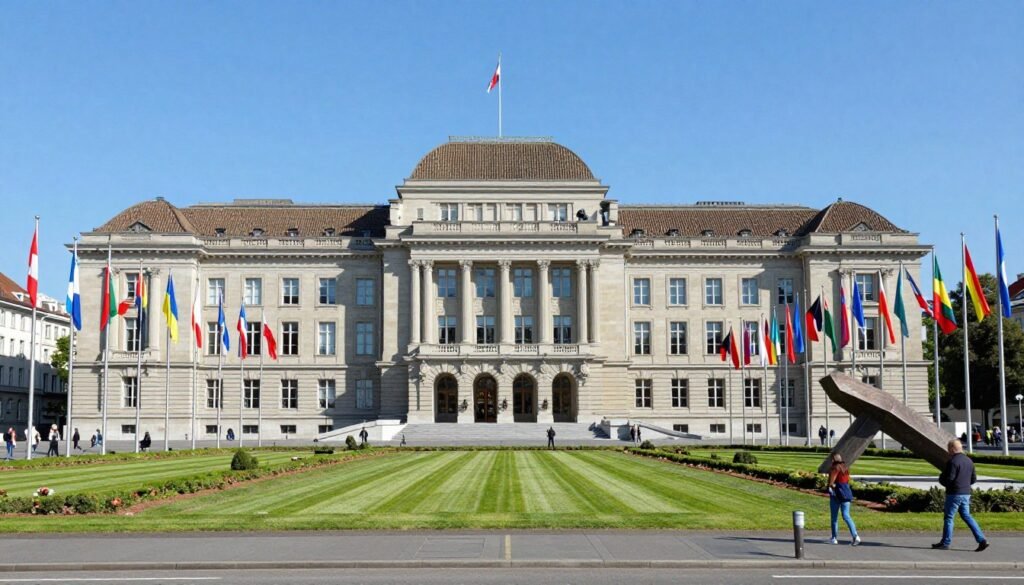
The Palais des Nations sprawls across 45 acres of parkland near Lake Geneva, serving as the European headquarters for the United Nations and one of the world’s most important diplomatic centers. Built between 1929 and 1938 to house the now-defunct League of Nations, this massive complex hosts approximately 10,000 meetings annually addressing global peace, human rights, and humanitarian issues.
Guided tours provide access to the Assembly Hall where historic peace agreements were negotiated, the Human Rights and Alliance of Civilizations Room with ceiling murals symbolizing unity, and other spaces typically closed to the public. Tours operate in multiple languages and require advance booking through the official UN website.
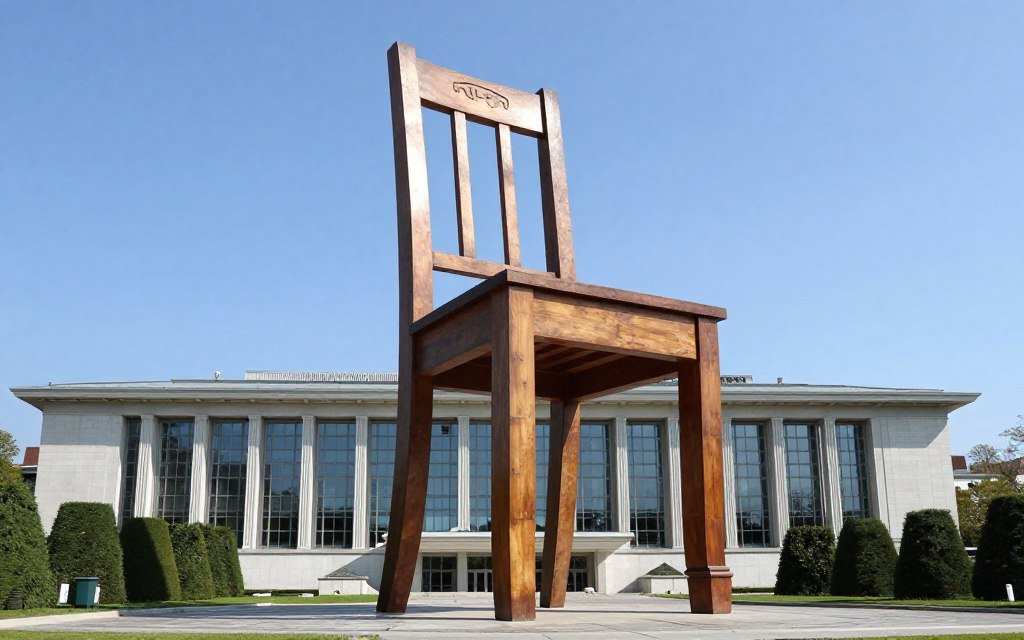
The grounds feature significant public art, including the 40-foot-tall Broken Chair sculpture by Daniel Berset that symbolizes opposition to landmines and cluster bombs. This powerful installation sits prominently in Place des Nations, creating one of Geneva’s most photographed scenes.
Visit Requirements: Palais des Nations tours require government-issued photo identification and advance booking. Tours typically run Tuesday through Friday with limited Saturday availability. Security screening applies to all visitors. Book at least one week ahead during peak season.
World-Class Museums and Cultural Attractions
Geneva’s museum scene reflects the city’s intellectual tradition and international character. Collections range from humanitarian history to horology, fine arts to natural science, offering depth and quality that rivals much larger cities.
Patek Philippe Museum: Horological Excellence
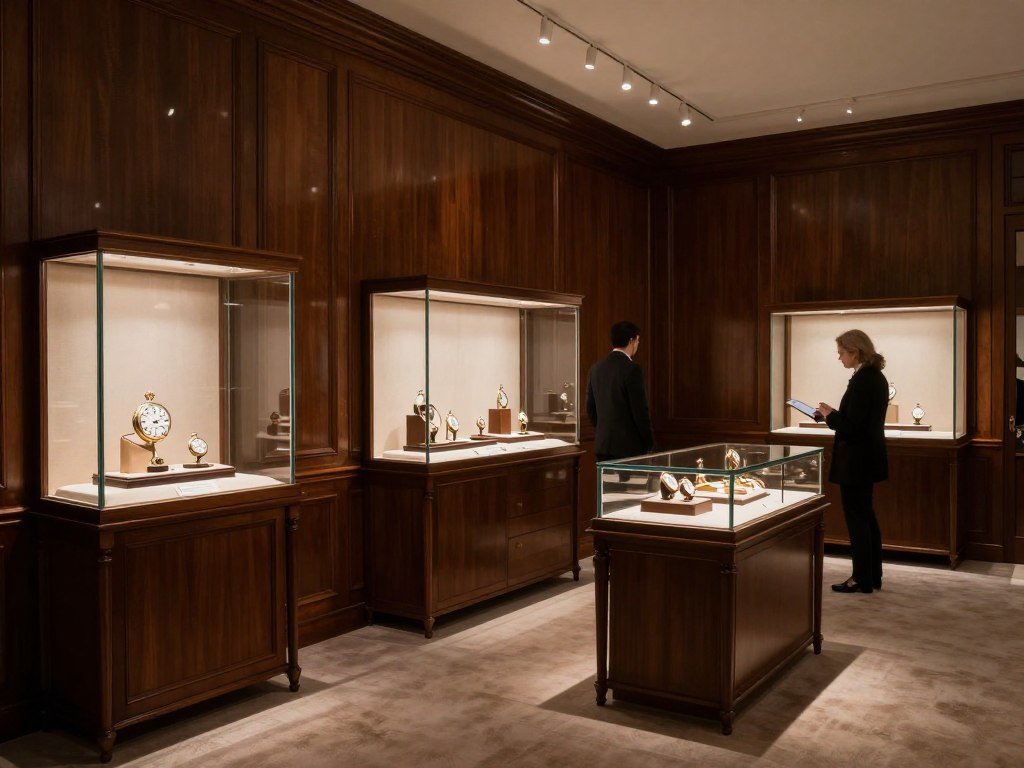
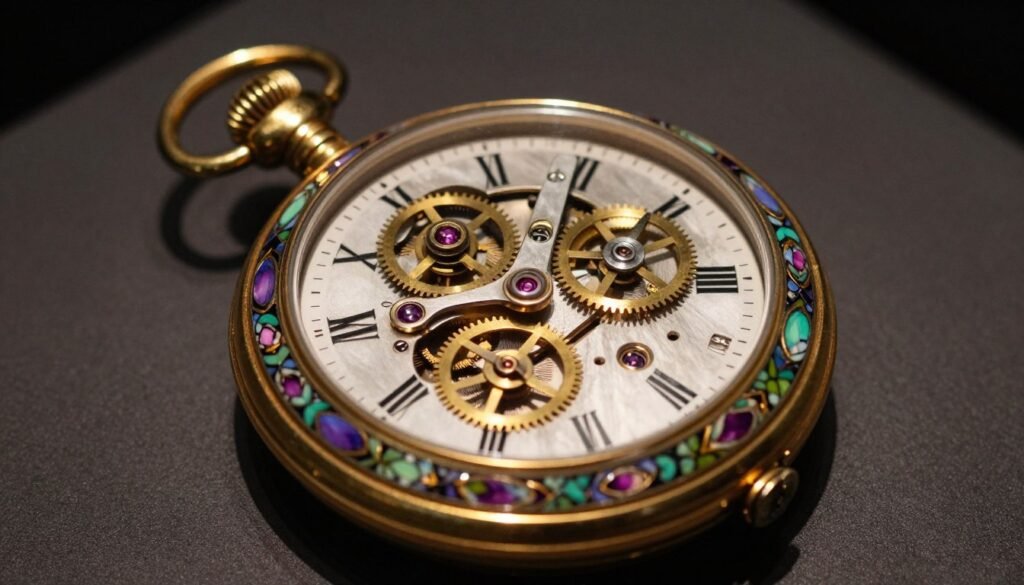
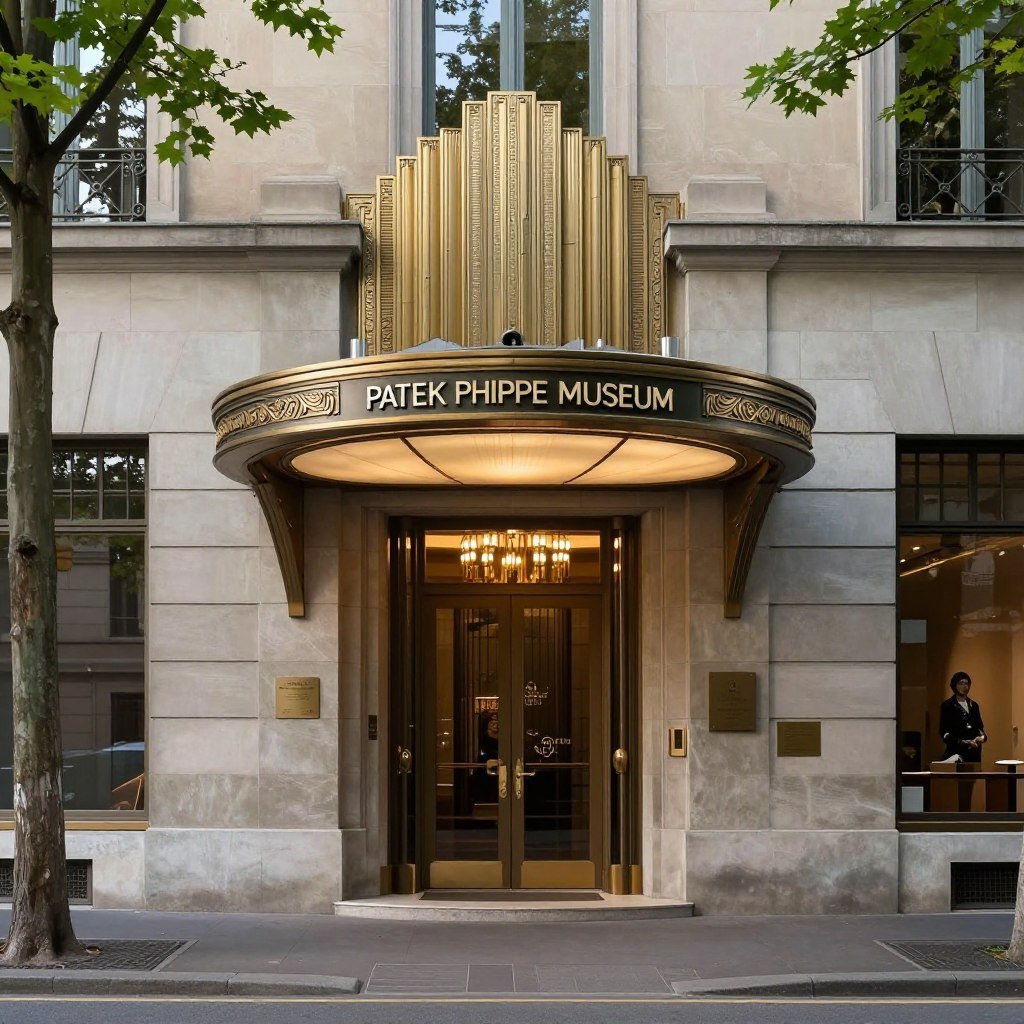
The Patek Philippe Museum preserves over 500 years of watchmaking history across two extraordinary collections housed in a beautifully restored Art Deco building. The Antiques Collection displays timepieces from the 16th century forward, showcasing how portable timekeeping evolved from crude pocket sundials to precision mechanical marvels.
The Patek Philippe Collection focuses on creations by this legendary Geneva manufacturer since 1839. Exhibits reveal the technical artistry behind complications like perpetual calendars, sky charts displaying 400 stars, and minute repeaters that chime the time on demand. Many pieces required years to complete and represent the pinnacle of traditional watchmaking.
Watch master craftsmen work in restoration workshops visible Tuesday through Friday, demonstrating the meticulous skills required to maintain these mechanical treasures. The library contains over 8,000 volumes about horology, watchmaking, and related decorative arts.
Admission requires advance booking during peak periods. The museum offers self-guided audio tours in multiple languages, while Saturday afternoon guided tours in English provide deeper context about specific pieces and watchmaking techniques. The tours begin promptly at 2:30 p.m. and accommodate only 20 visitors, making early arrival essential.
Museum Details
- Location: Rue des Vieux-Grenadiers 7
- Hours: Tuesday-Friday 2 p.m. – 6 p.m., Saturday 10 a.m. – 6 p.m.
- Admission: 15 CHF adults, free for children under 18
- Guided tours: Saturday 2:30 p.m. (arrive by 12:45 p.m.)
- Time needed: 2-3 hours for comprehensive visit
International Red Cross and Red Crescent Museum
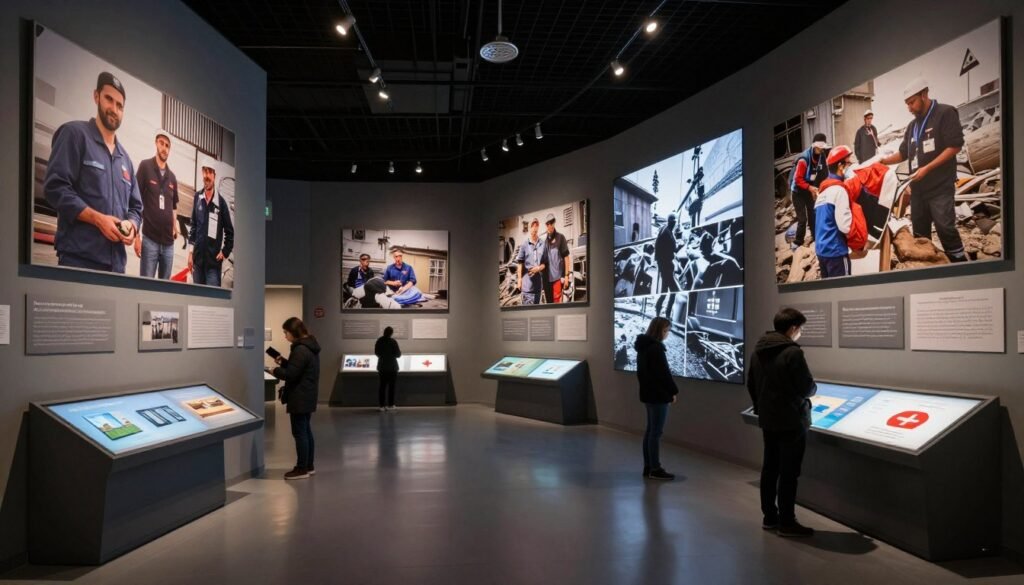
This compelling museum tells the story of humanitarian action through immersive exhibits that place visitors inside the experiences of people affected by conflict, natural disasters, and displacement. Founded after Genevan businessman Henri Dunant witnessed thousands of wounded soldiers suffering without medical care at the 1859 Battle of Solferino, the Red Cross movement grew into the world’s largest humanitarian network.
Three main exhibition areas explore The Humanitarian Adventure, Defending Human Dignity, and Restoring Family Links. Interactive installations include a prison cell that demonstrates conditions faced by political prisoners, a refugee camp model with family stories, and displays about the organization’s ongoing work in over 80 countries.
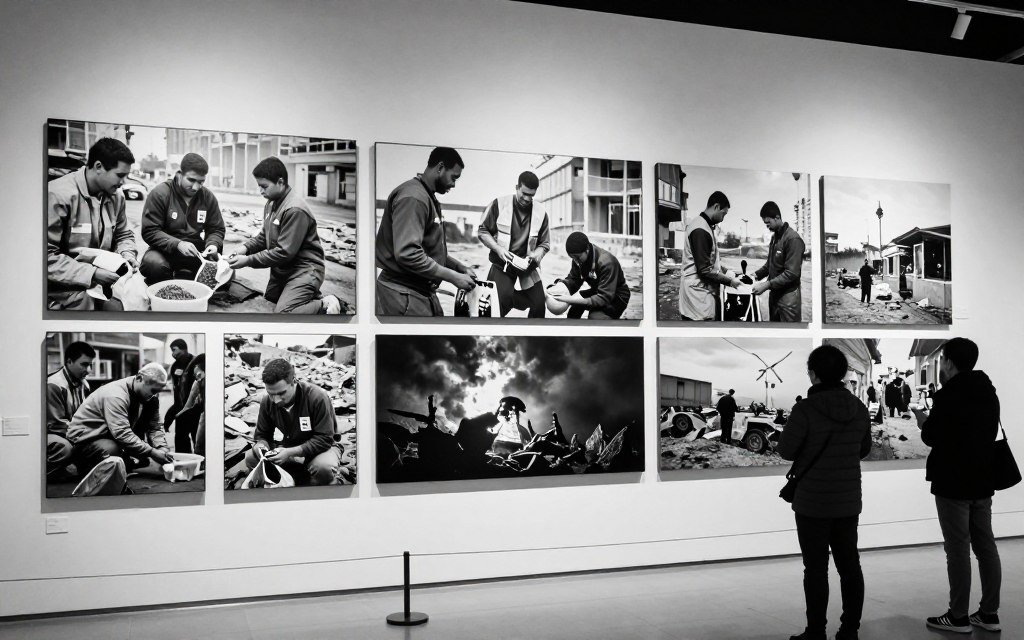
The museum maintains the world’s largest collection of humanitarian posters, with rotating exhibits showing how messaging about war, refugees, and disasters has evolved. Personal testimonies from aid workers and survivors create powerful emotional connections to abstract humanitarian principles.
Plan for at least two hours to fully appreciate the exhibits. The atmosphere deliberately maintains a somber tone that honors the gravity of humanitarian crises while celebrating the courage of those who respond. Admission includes audio guides in multiple languages that provide additional context for exhibits.
Museum of Art and History: Geneva's Cultural Treasure
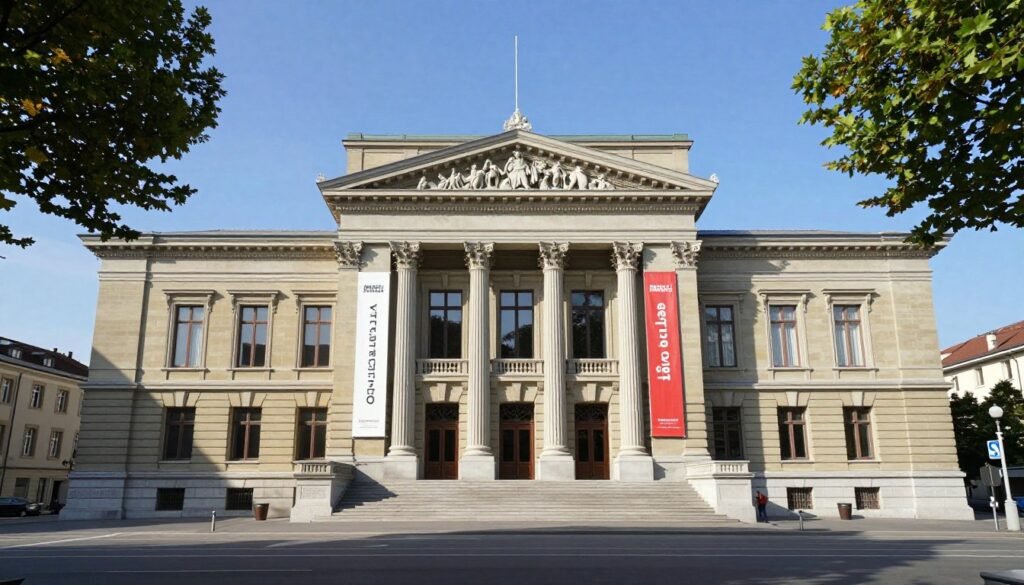
Geneva’s Museum of Art and History sprawls across 75,000 square feet of exhibition space in an elegant early 20th-century building. The permanent collection spans archaeology, fine arts, and applied arts, offering a comprehensive survey of human creativity from ancient civilizations through contemporary works.
The archaeology section houses artifacts from ancient Egypt including a 9th-century B.C. mummy, Greek pottery and sculpture, and pre-Roman Italian artifacts. The fine arts galleries feature Swiss artists like Jean-Étienne Liotard alongside international masters including Monet, Renoir, and Picasso. Applied arts collections showcase Geneva’s historic role in watchmaking, jewelry, and decorative crafts.
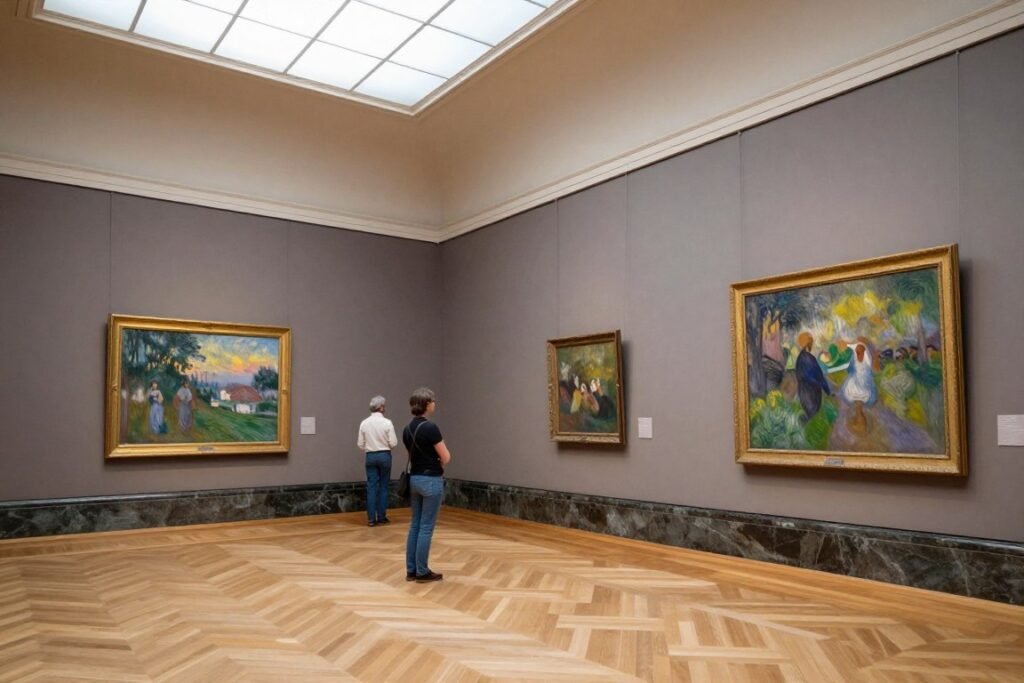
Free admission makes this museum accessible for everyone, though donations support ongoing acquisitions and special exhibitions. Audio guides available in English provide context for major works. The central courtyard cafe offers a pleasant break during extended visits.
Hidden Gem: Exit through the back of the museum building and climb the staircase to Légumes en Ville, an urban vegetable garden with information panels about seasonal crops. Tree-shaded seating crafted from wooden pallets creates a perfect picnic spot with old town views.
CERN Science Gateway: Exploring the Universe
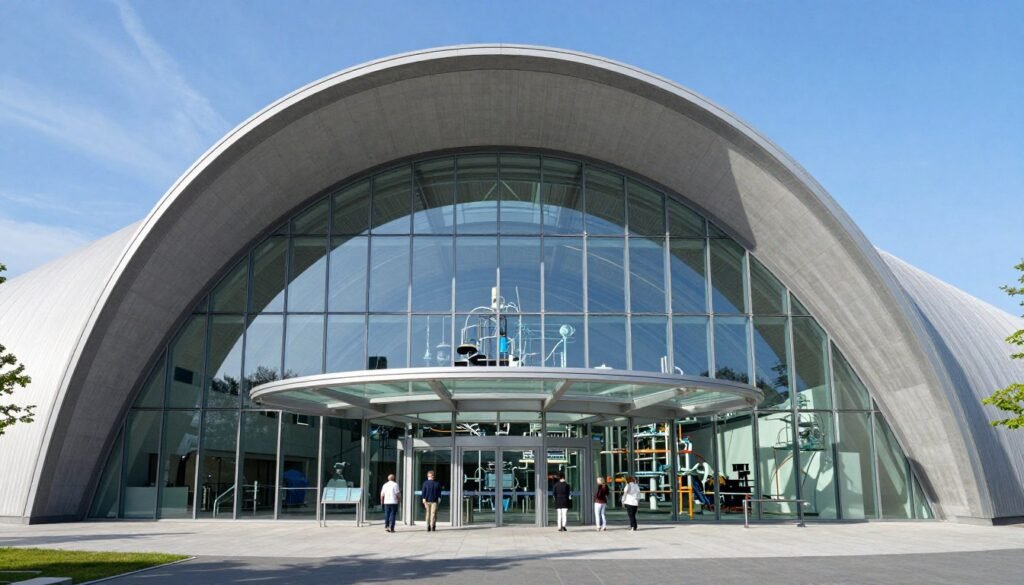
The European Organization for Nuclear Research operates the world’s largest particle physics laboratory on Geneva’s outskirts. CERN’s scientists study the fundamental building blocks of matter using the Large Hadron Collider, a 17-mile circular tunnel where protons accelerate to near light speed before colliding to create new particles.
The Science Gateway opened in 2023 as a purpose-built visitor center designed by Italian architect Renzo Piano. Interactive exhibitions, immersive films, and live science shows explain complex physics concepts in accessible ways. Exhibits explore antimatter, the Higgs boson discovery, and how particle collisions help scientists understand the universe’s first moments after the Big Bang.

Guided tours of the actual research facilities book quickly, often filling weeks in advance. Download the CERN app to check availability for 90-minute tours that visit underground areas where experiments occur. Tours require registration 1-2 hours before start time, with best availability early mornings and Sundays.
Tram 18 connects Geneva’s main train station to CERN in approximately 25 minutes. The Science Gateway offers free admission, though tours of research facilities require advance registration. Budget at least half a day to fully experience the exhibitions and understand the groundbreaking work happening beneath Geneva’s streets.
Museum Pass: Save on Multiple Attractions
The Geneva Pass provides free entry to over 30 museums and attractions, plus unlimited public transport. Choose 24, 48, or 72-hour options to match your itinerary and save up to 40% compared to individual tickets.
Outdoor Activities and Natural Wonders
Geneva’s position between lake and mountains creates exceptional outdoor opportunities year-round. From water sports on the lake to hiking above the treeline, nature experiences complement the city’s urban attractions.
Bains des Pâquis: Urban Beach Culture
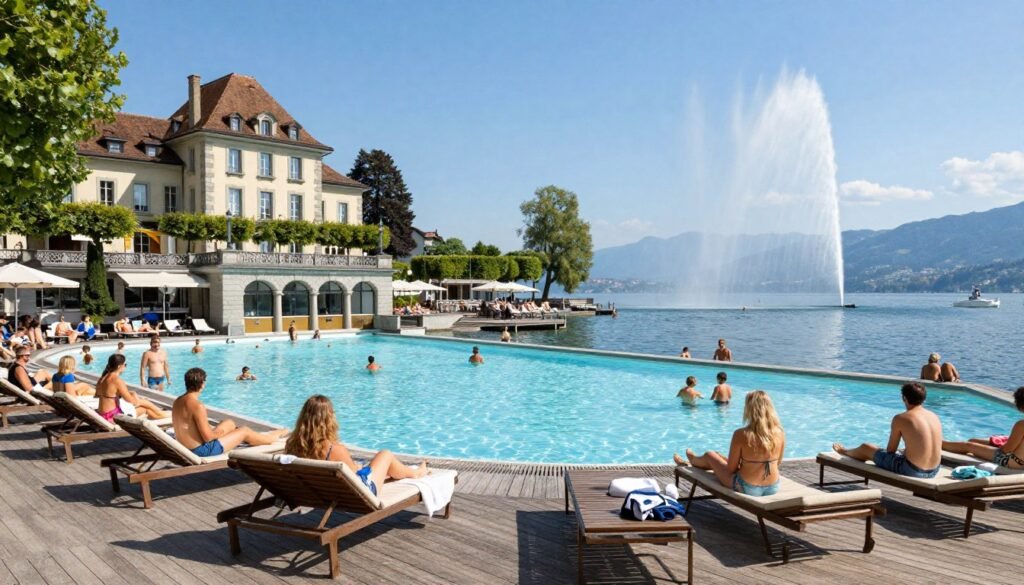
The Bains des Pâquis have welcomed swimmers since 1872, evolving from simple wooden structures to the beloved concrete facilities rebuilt in 1932. This public bathing complex integrates seamlessly into the lakeshore landscape, offering beach access, swimming areas, saunas, hammams, and the exceptional Buvette des Bains restaurant.
Summer brings diverse crowds who claim spots on the decks for sunbathing, swimming, and socializing. Families appreciate the shallow wading pool and sandbox, while adventurous swimmers tackle the diving boards or Tyrolean zip line. The water stays refreshingly cool throughout summer, rarely exceeding 72°F even during heat waves.
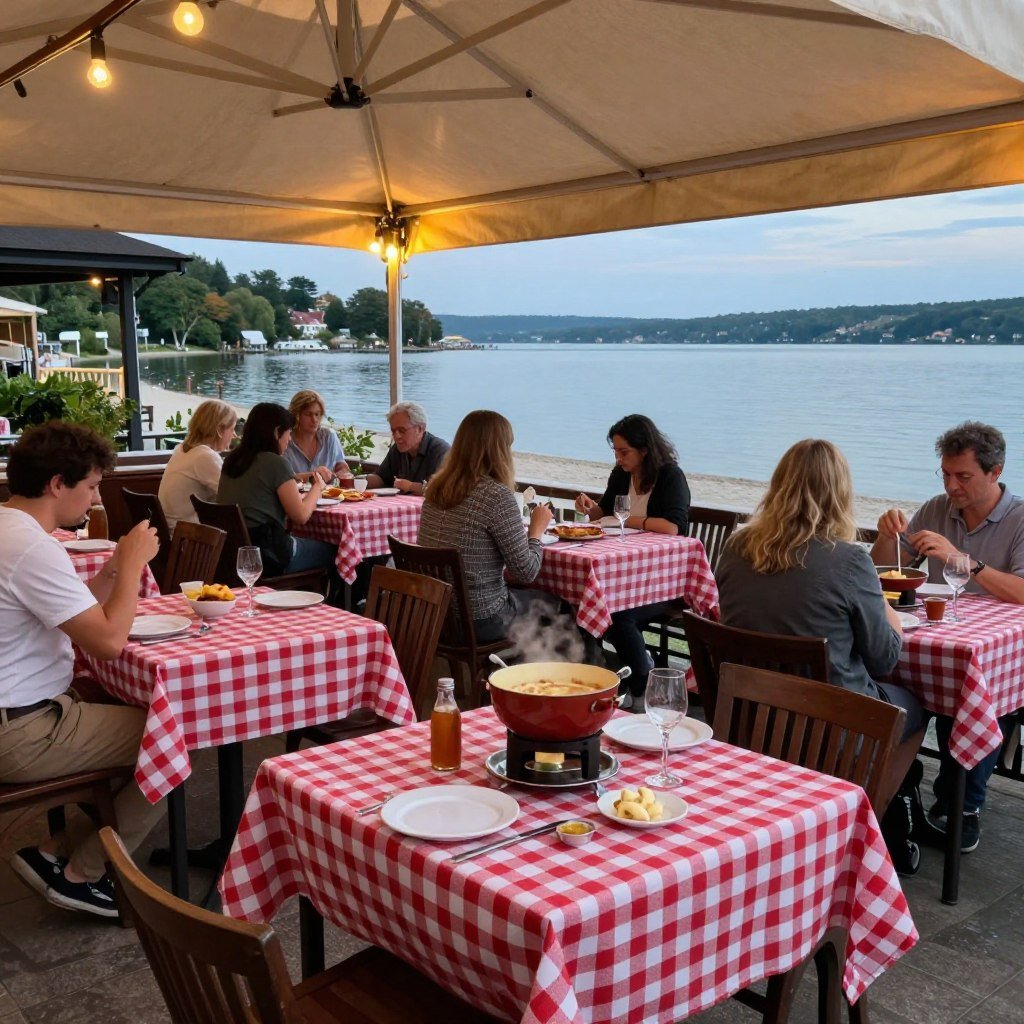
Winter transforms the baths into a year-round wellness destination. Brave swimmers practice cold water immersion before warming in the sauna or hammam facilities. The contrast therapy attracts dedicated regulars who swear by its health benefits. Post-swim, the restaurant serves its legendary cheese fondue made with Crémant de Dardagny, a sparkling wine from Geneva’s vineyards.
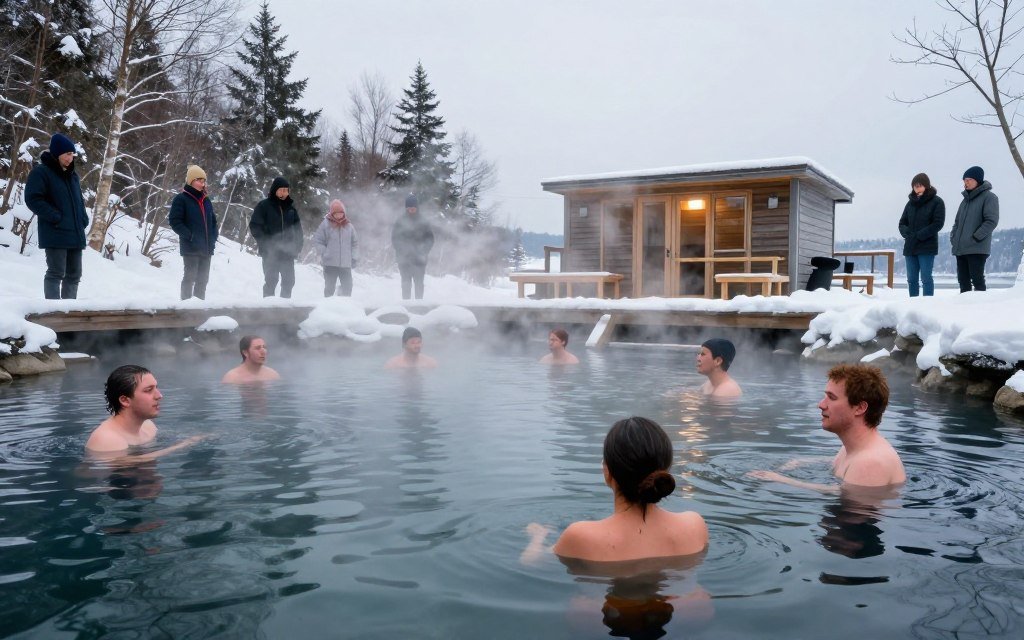
The baths host sunrise concerts during summer months, yoga classes, author lectures, and cultural exhibitions throughout the year. Admission costs just 2 CHF in summer (1 CHF in winter), making this Geneva’s most affordable waterfront attraction. Reserve ahead for dinner at the Buvette, especially for outdoor terrace seating with sunset views.
Bains des Pâquis Information
- Open daily year-round
- Summer: 9 a.m. to 9 p.m.
- Winter: 11 a.m. to 8 p.m.
- Sauna/hammam: Daily, reservation recommended
- Restaurant: Reserve for dinner, walk-in for lunch
- Location: Quai du Mont-Blanc 30
Mont Salève: Geneva's Mountain Playground
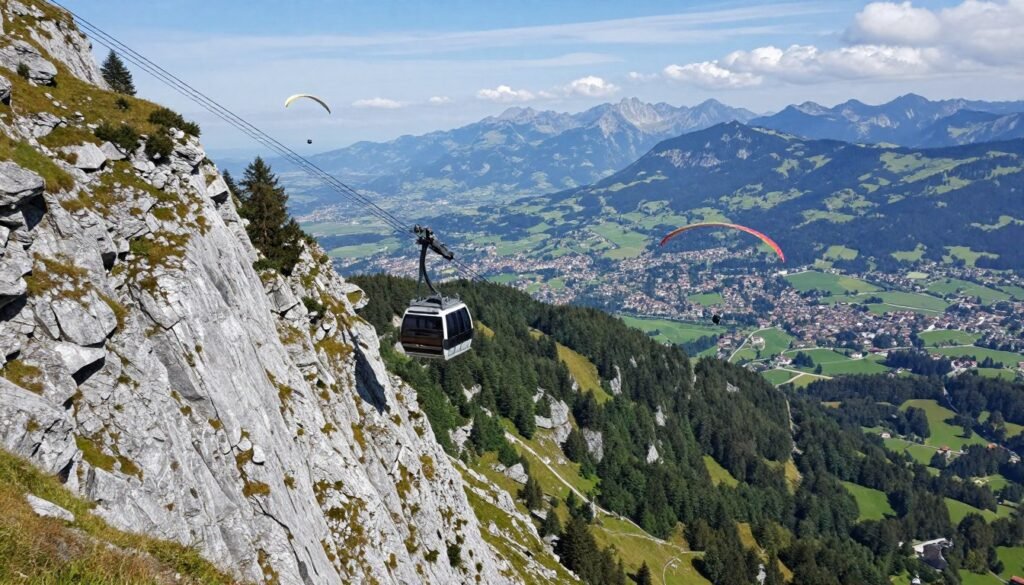
Mont Salève rises 4,524 feet above Geneva just across the French border, providing the closest mountain experience to the city center. The cable car from Veyrier village reaches the summit in six minutes, delivering hikers, mountain bikers, and sightseers to trails and viewpoints high above the urban sprawl.
The summit plateau offers numerous hiking trails ranging from easy walks to challenging ridge routes. The trail to Grand Piton covers moderate terrain over 45 minutes, rewarding hikers with 360-degree views encompassing Lake Geneva, the Jura Mountains, and the entire Mont Blanc massif. Trails remain snow-covered typically December through March, requiring appropriate winter gear.
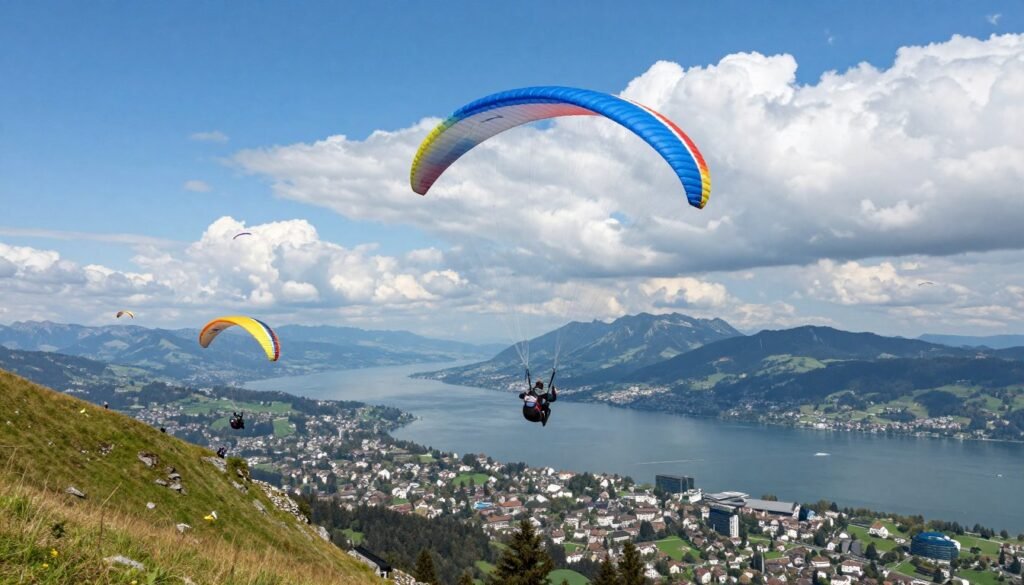
Paragliders launch from designated sites near the cable car station, taking advantage of thermal updrafts that allow extended flights over Geneva and the lake. Several schools offer tandem flights for first-time flyers, with flights lasting 15-30 minutes depending on conditions. Launch sites also provide excellent viewpoints for watching these colorful wings dance against the sky.
Mountain bikers tackle technical single-track trails that descend through forests before connecting to the cable car base station. Cross-country skiing trails traverse the summit plateau during winter months when sufficient snow covers the trails.
The summit restaurant serves traditional French mountain cuisine including tartiflette, raclette, and local Savoie wines. The terrace provides the perfect setting for long lunches while watching paragliders launch and Geneva life unfold in the valley below.
Border Crossing: Mont Salève sits in France, requiring passport or EU ID card. Bring euros for cable car tickets and purchases on the mountain. Cable car closes November annually for maintenance and during extreme weather. Check current status before visiting.
Conservatory and Botanical Gardens
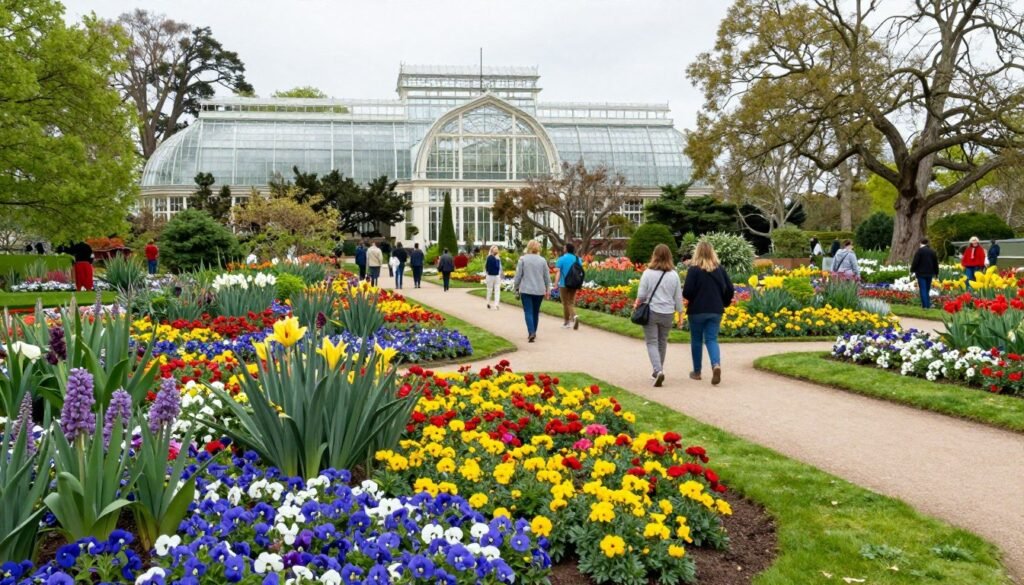
The Conservatory and Botanical Gardens occupy 69 acres between the Palais des Nations and Lake Geneva, showcasing 12,000 plant species from around the world. These living museums combine scientific research with public gardens that change dramatically with seasons.
Multiple gardens showcase different ecosystems and plant families. The rock garden displays alpine flora from Swiss mountains and similar environments worldwide. The arboretum features mature specimens of trees from temperate climates. Medicinal and aromatic plant gardens demonstrate historical and contemporary uses of healing herbs.
Greenhouses maintain tropical and subtropical environments year-round, providing winter refuge when outdoor gardens sleep under snow. The Victoria greenhouse houses aquatic plants including giant water lilies. Carnivorous plant displays fascinate visitors with their hunting adaptations. Succulent collections show how desert plants conserve water.
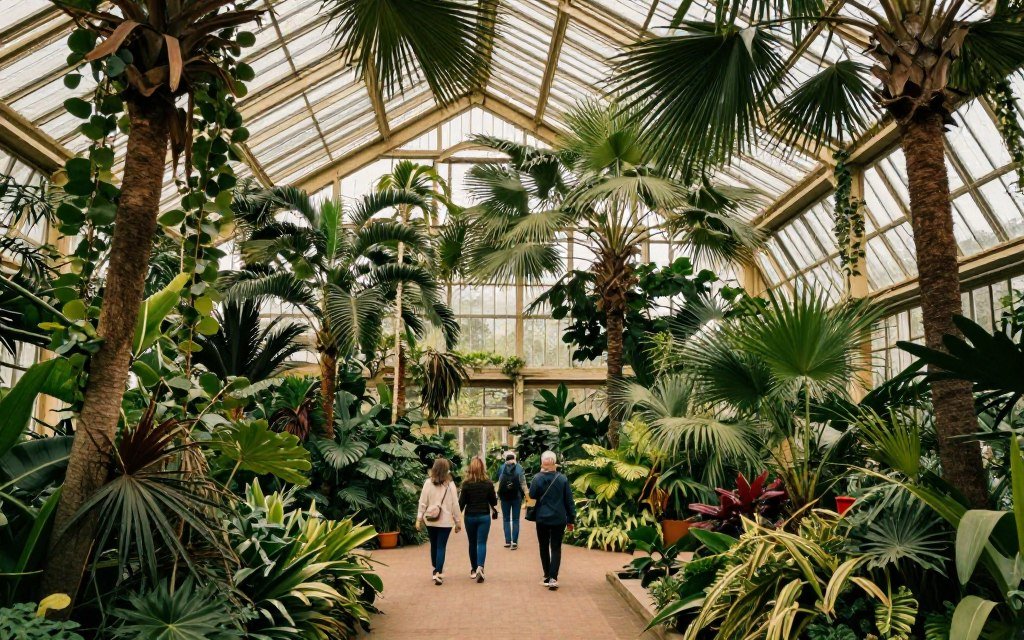
An animal park occupies one section with deer, goats, and other gentle creatures. Children can observe and learn about animal care while parents appreciate the opportunity for extended outdoor time. The gardens provide numerous quiet corners perfect for reading, picnicking, or simply escaping urban energy.
Free admission year-round makes the gardens accessible to everyone. The on-site cafe serves light meals and refreshments with garden views. Located less than 4 miles from the airport, the gardens offer an ideal first or final Geneva experience before flights.
Geneva's Culinary Scene: From Fondue to Fine Chocolate
Geneva’s food culture reflects its French influence and Swiss traditions while embracing international flavors from the city’s cosmopolitan population. From traditional Alpine dishes to innovative fine dining, the culinary scene rewards exploration.
Swiss Chocolate Traditions
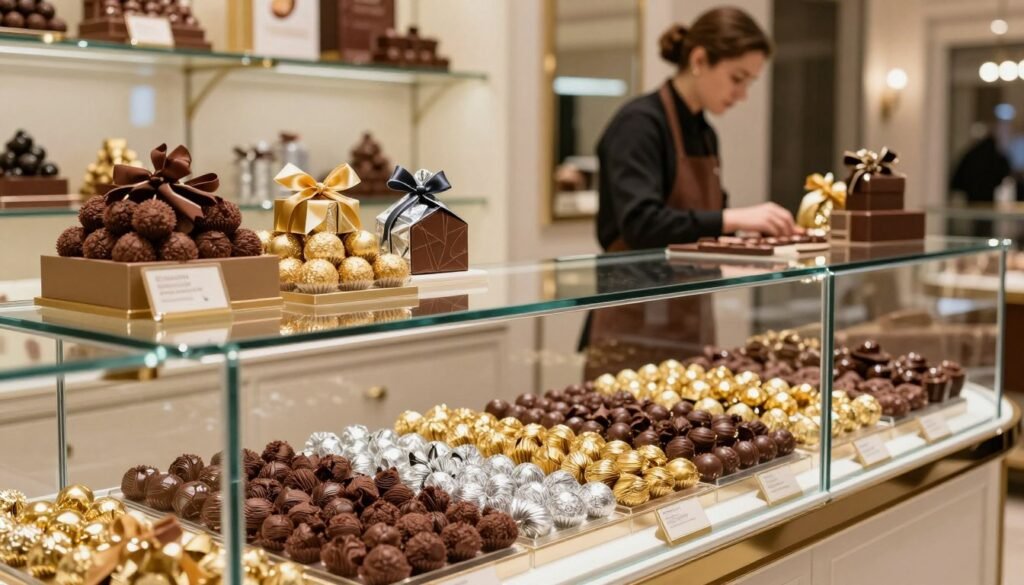
Geneva earned its reputation as a chocolate destination through generations of master chocolatiers who transformed Swiss chocolate from simple sweetened bars into refined confectionery art. The city’s historic chocolate shops maintain traditions dating back over a century while innovating with new flavors and techniques.
Favarger pioneered Swiss chocolate manufacturing in 1826, making it one of the country’s oldest producers. The company’s Geneva shops showcase signature creations alongside seasonal specialties. Chocolaterie Arn operates from Place du Bourg-de-Four in the old town, crafting truffles and pralines using traditional methods. Auer confiserie downtown draws crowds for its amandes princesses, pavés glacés de Genève, and extensive truffle selection.
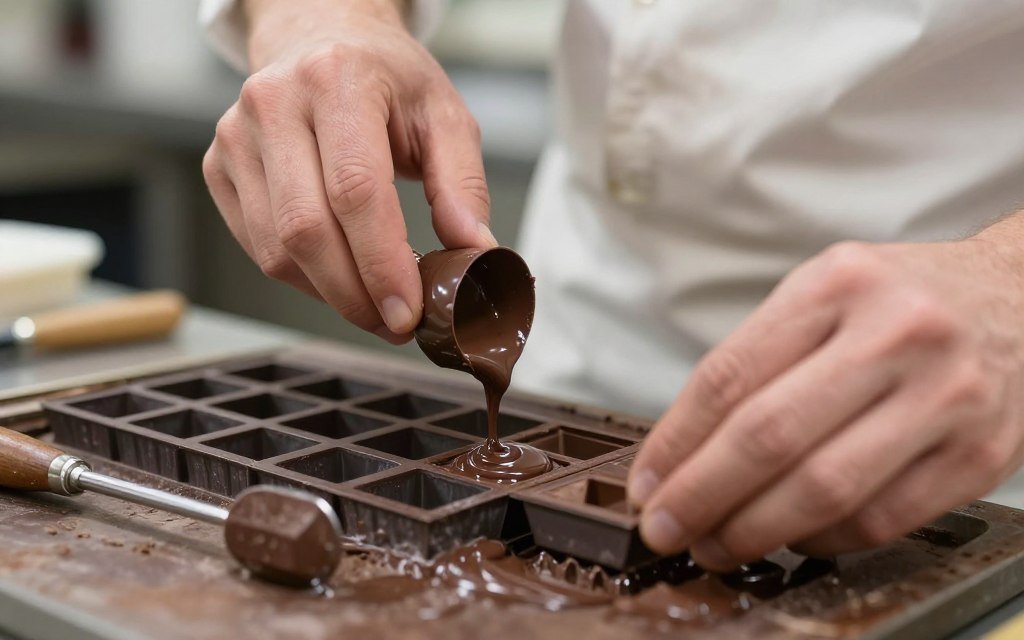
Chocolate tours combine tastings with historical context about Geneva’s role in chocolate evolution. These guided experiences visit multiple chocolatiers, sampling their specialties while learning about cacao sourcing, production techniques, and flavor profiling. Many tours include a boat ride on Lake Geneva, blending chocolate indulgence with sightseeing.
Award-Winning Chocolate & Old Town Tour
This top-rated 3-hour experience combines Geneva’s best chocolate tastings with old town exploration and a scenic boat ride. Expert guides share chocolate history while you sample creations from master chocolatiers.
Traditional Swiss Cuisine
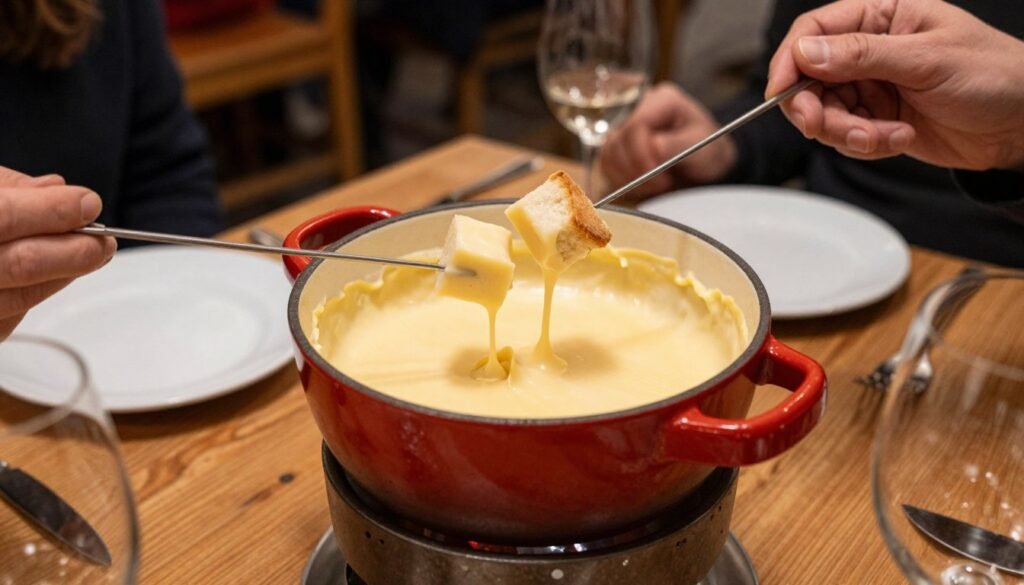
Geneva’s location in French-speaking Switzerland influences its culinary traditions, favoring wine-based cheese fondue, delicate lake fish, and seasonal vegetables over the German Swiss emphasis on cured meats and hearty stews. Local specialties reflect the region’s agricultural heritage and Alpine environment.
Cheese fondue remains Geneva’s signature dish, though locals prepare it differently than other Swiss regions. Geneva-style fondue incorporates Crémant de Dardagny sparkling wine instead of still white wine, creating a lighter texture and slightly effervescent character. Cafe du Soleil, operating since the 17th century, serves exemplary fondue in a historic old town setting.
Malakoffs represent western Switzerland’s unique contribution to fried food culture. These golden cheese balls emerged during the Crimean War when Swiss mercenaries developed the dish while besieging Malakoff Fort in the 1850s. The balls combine Gruyère cheese with white wine and flour, deep-fried until crispy outside and molten inside. Cafe du Soleil remains the best-known malakoff destination.
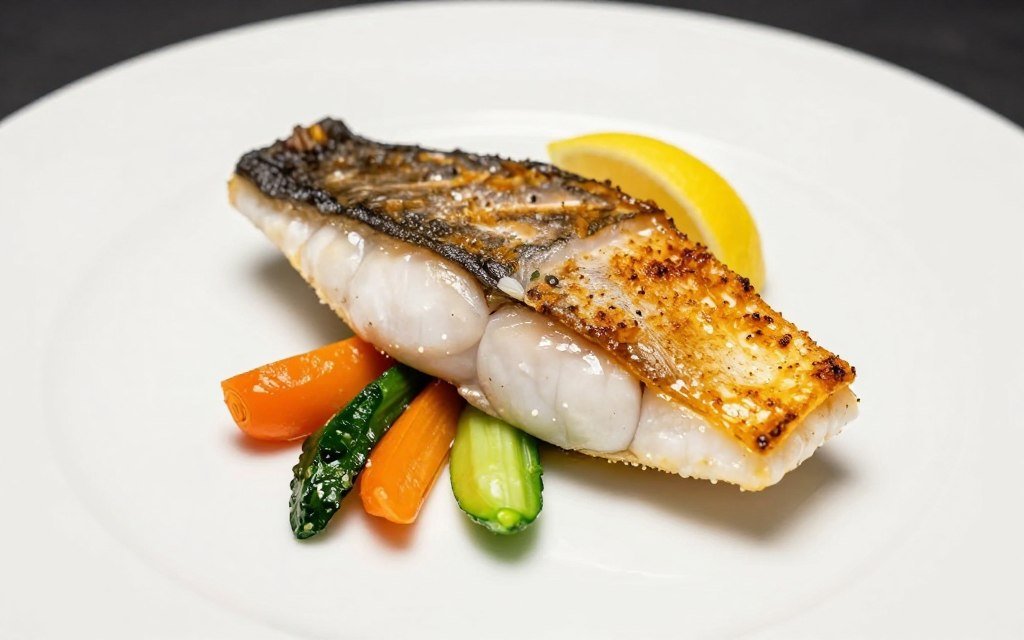
Lake Geneva perch appears on menus throughout the city during fishing season. These delicate whitefish require minimal preparation, typically served meunière with butter, lemon, and seasonal vegetables. Restaurants near the lakefront source directly from local fishermen, ensuring maximum freshness.
Markets and Local Flavors
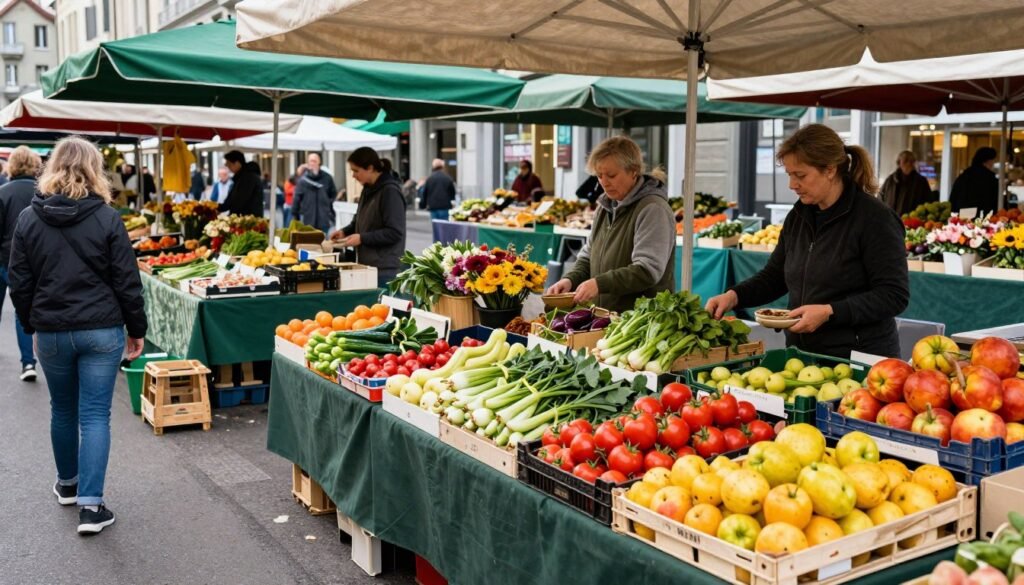
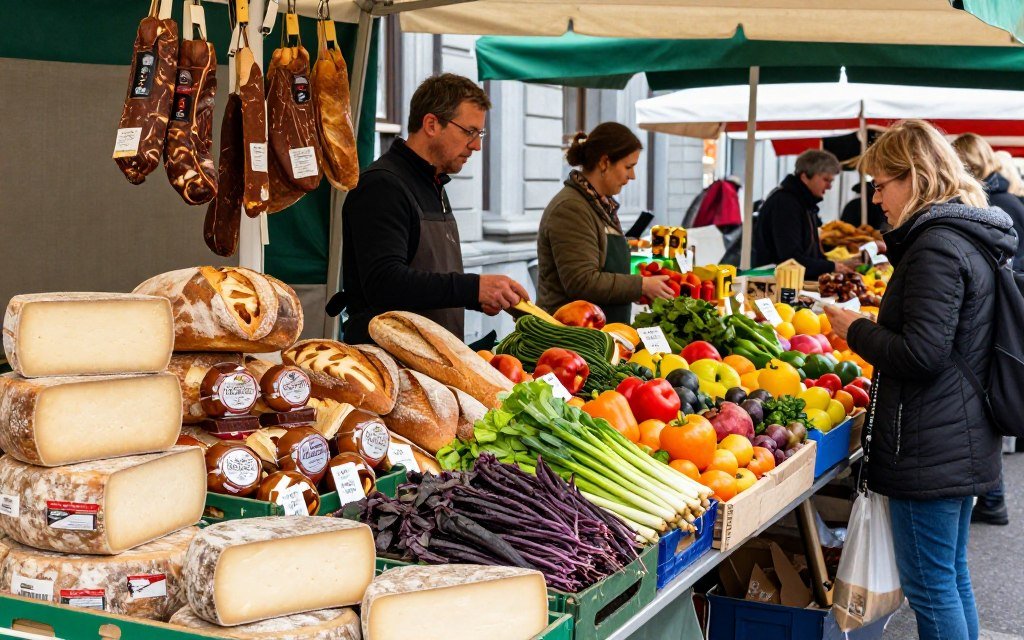
Marché de Rive unfolds along Boulevard Helvétique every Wednesday and Saturday morning, transforming the street into Geneva’s premier market. Local farmers bring seasonal produce from surrounding villages, fishermen offer their lake catches, and cheese vendors present wheels from Alpine dairies. The market atmosphere captures authentic Swiss daily life away from tourist zones.
Planet Caviar operates a sleek pavement terrace where shoppers sample premium caviar between browsing market stalls. Julien Monney, a former fridge mechanic turned fisherman, sells perch, whitefish, arctic char, and crayfish caught from his boat in nearby Hermance village. Domaine de la Devinière operates a wine-tasting stand showcasing organic vintages from their Geneva-area estate.
Halle de Rive, the covered food hall on Boulevard Helvétique, supplements outdoor market offerings with permanent cheese vendors, charcuterie specialists, and prepared food counters. The hall stays open throughout the week, providing daily access to quality ingredients.
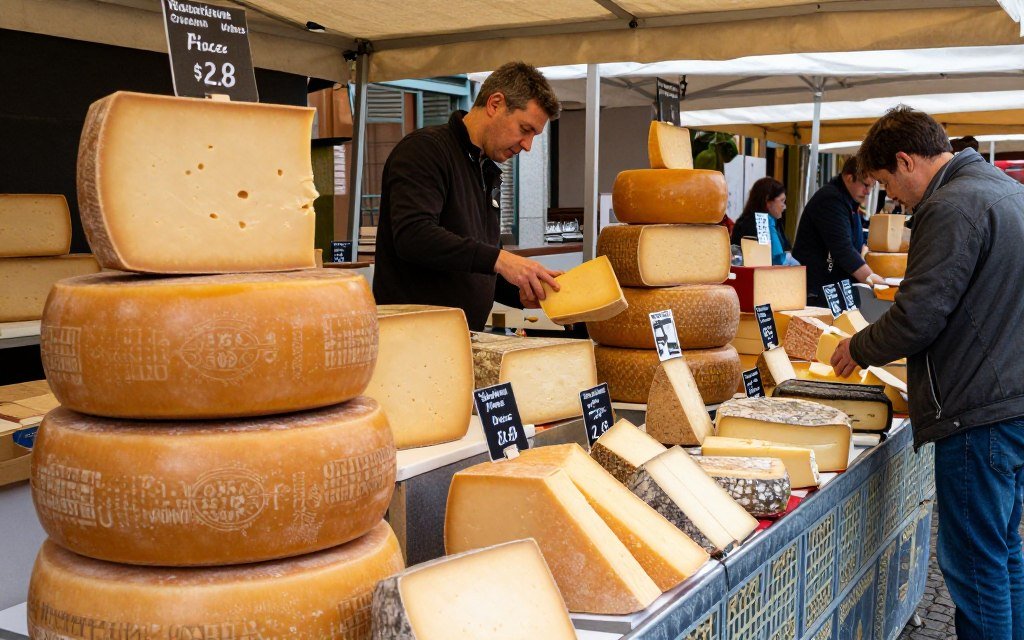
Market Timing: Arrive at Marché de Rive by 9 a.m. for best selection before popular items sell out. Wednesday markets attract fewer tourists than Saturday. After shopping, walk five minutes to Légumes en Ville garden behind Musée d’Arts et d’Histoire for perfect picnic setting.
Fine Dining Experiences
Geneva’s restaurant scene spans from casual bistros to multiple Michelin-starred establishments that showcase innovative culinary technique. The city’s international character influences menus that blend Swiss ingredients with global flavors and cooking methods.
L’Atelier Robuchon brings theatrical dining to Geneva with its signature open kitchen concept where chefs prepare dishes before diners seated at the counter. The restaurant earned its Michelin star through precise execution of French technique using premium seasonal ingredients.
Le Chat-Botté at Hotel Beau-Rivage maintains its legendary status as one of Geneva’s finest dining rooms. The restaurant specializes in contemporary French cuisine with strong emphasis on Swiss lake fish and locally sourced ingredients. The dining room overlooks Lake Geneva, providing elegant atmosphere to match the refined cooking.
L’Aparté offers intimate fine dining in a small setting where the chef personally explains each course. The tasting menu changes regularly based on seasonal availability, emphasizing regional producers and sustainable sourcing. Limited seating requires advance reservations, especially for weekend dinners.
Unforgettable Day Trips from Geneva
Geneva’s strategic location makes it an ideal base for day trips into the Alps, to French lakeside towns, and to other Swiss cities. These excursions extend your Geneva visit into broader Swiss and French experiences.
Chamonix and Mont Blanc
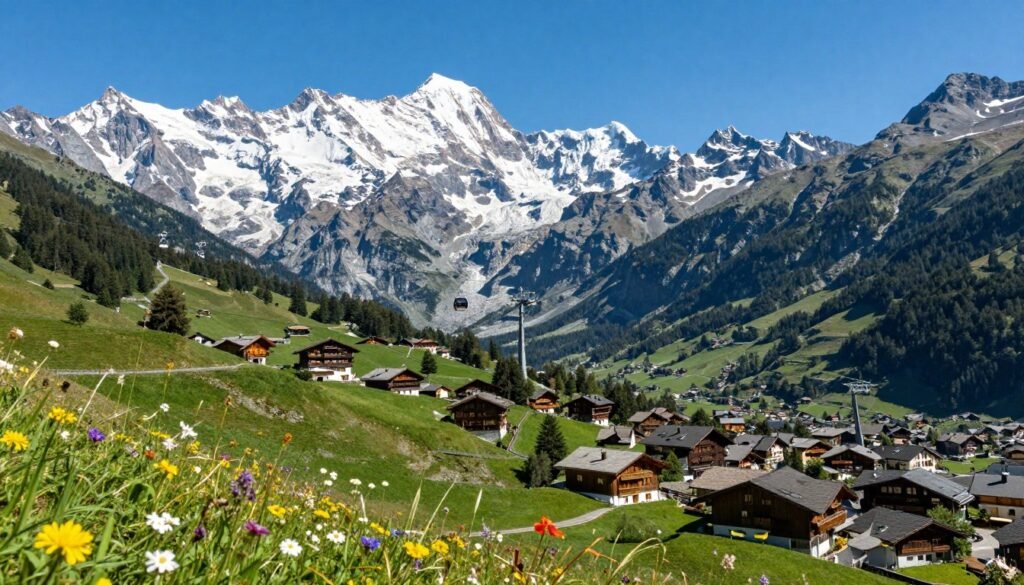
Chamonix sits at the base of Mont Blanc just 55 miles from Geneva across the French border. This legendary Alpine town attracts mountaineers, skiers, and sightseers drawn to Western Europe’s highest peaks and most dramatic mountain scenery. Day trips from Geneva typically include guided bus transport, free time in Chamonix, and options for cable car ascents.
The Aiguille du Midi cable car climbs 9,200 vertical feet to a station at 12,600 feet, providing breathtaking proximity to Mont Blanc’s summit. The ascent takes just 20 minutes, rising through multiple climate zones from valley floor to high alpine environment. Summit facilities include viewing platforms, a glaciology museum, and access to the famous “Step into the Void” glass box suspended over a 3,000-foot drop.
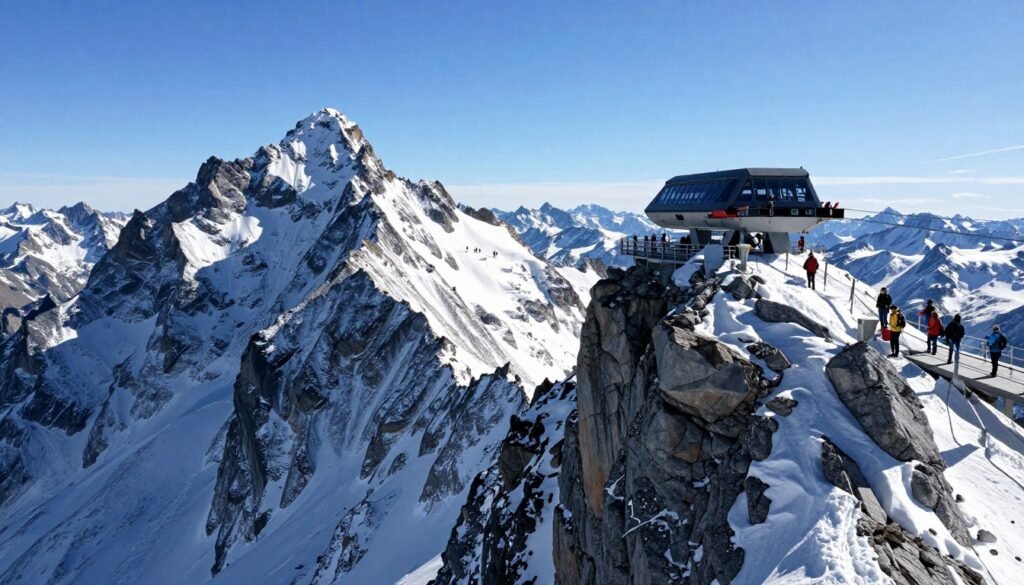
The Mer de Glace glacier represents another Chamonix highlight accessible via mountain railway. This 4-mile-long river of ice flows down from Mont Blanc, though climate change has caused dramatic retreat over recent decades. Visitors can enter ice caves carved into the glacier and learn about glaciology at the adjacent museum.
Chamonix town offers Alpine charm with outdoor gear shops, traditional restaurants, and café terraces where visitors watch climbers preparing for ambitious ascents. The pedestrian center maintains mountain village atmosphere despite hosting over 5 million visitors annually.
Full-Day Chamonix & Mont Blanc Tour
Travel in comfort aboard a panoramic glass-roof bus to Chamonix with expert guide. Includes Aiguille du Midi cable car option, free time in town, and stunning Alpine scenery throughout the journey.
Annecy: Venice of the Alps
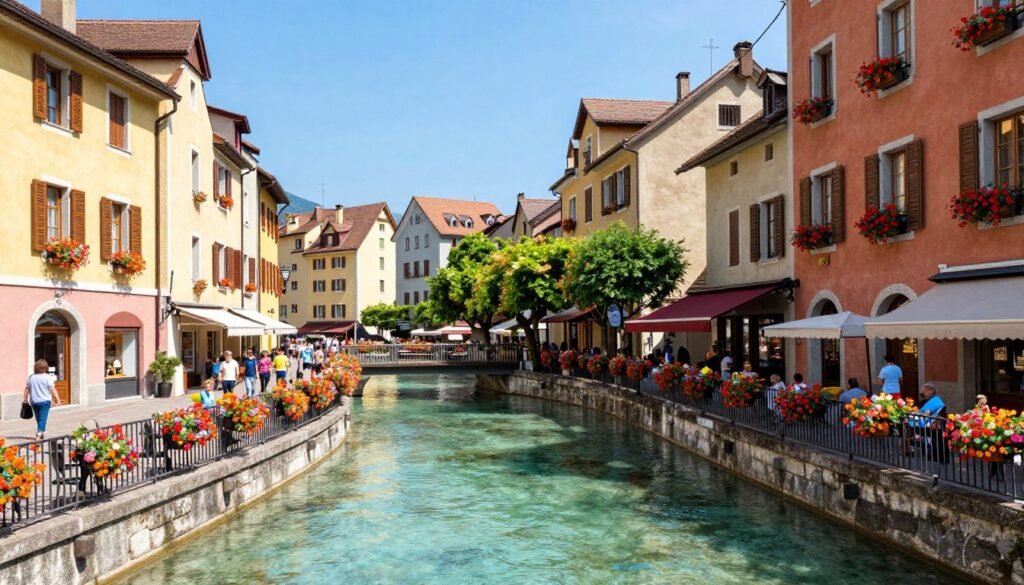
Annecy occupies a spectacular setting on the northern shore of Lake Annecy, just 28 miles south of Geneva in the French Alps. The medieval old town earns its “Venice of the Alps” nickname through canals that wind between pastel-colored buildings dating from the 13th through 18th centuries.
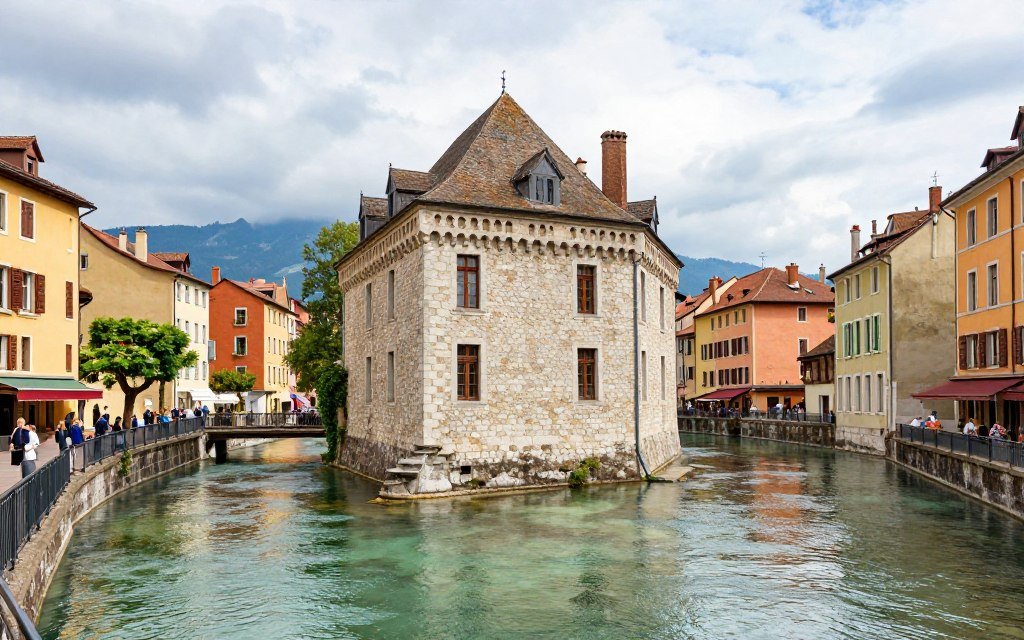
The Palais de l’Île sits on a triangular island in the Thiou canal, serving as Annecy’s most photographed landmark. This 12th-century building functioned variously as a prison, courthouse, and administrative center over its 800-year history. Today it houses a local history museum with exhibits about Annecy’s evolution from medieval fortress town to modern Alpine resort.
Lake Annecy ranks among Europe’s cleanest lakes thanks to strict environmental protections dating from the 1960s. The water maintains remarkable clarity, creating turquoise hues that rival tropical destinations. Swimming beaches line the shore just outside the old town, while boat rentals allow exploration of lakeside villages and mountain scenery.
Markets operate throughout the week with the largest on Tuesday, Friday, and Sunday mornings. Vendors sell Savoie cheeses, cured meats, fresh produce, and prepared foods perfect for picnics along the lakeshore. The old town’s restaurant scene emphasizes traditional Savoyard cuisine including tartiflette, raclette, and fondue.
Gruyères: Cheese and Chocolate Country
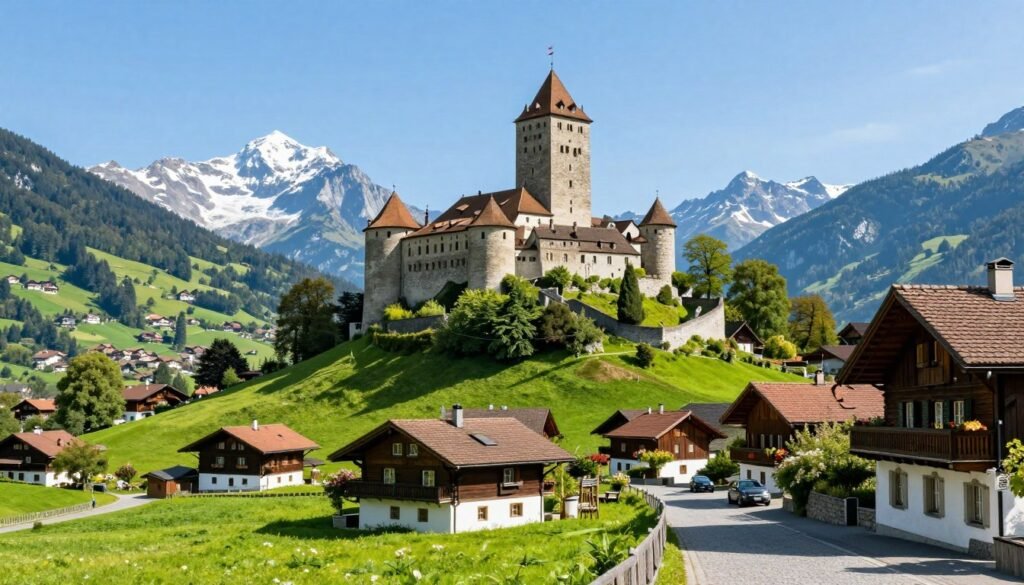
The medieval village of Gruyères gives its name to Switzerland’s most famous cheese while maintaining pristine Alpine village character on a hilltop 40 miles northeast of Geneva. Car-free cobblestone streets lead uphill to the castle that towers over the village, while surrounding countryside produces the milk that becomes Gruyère cheese.
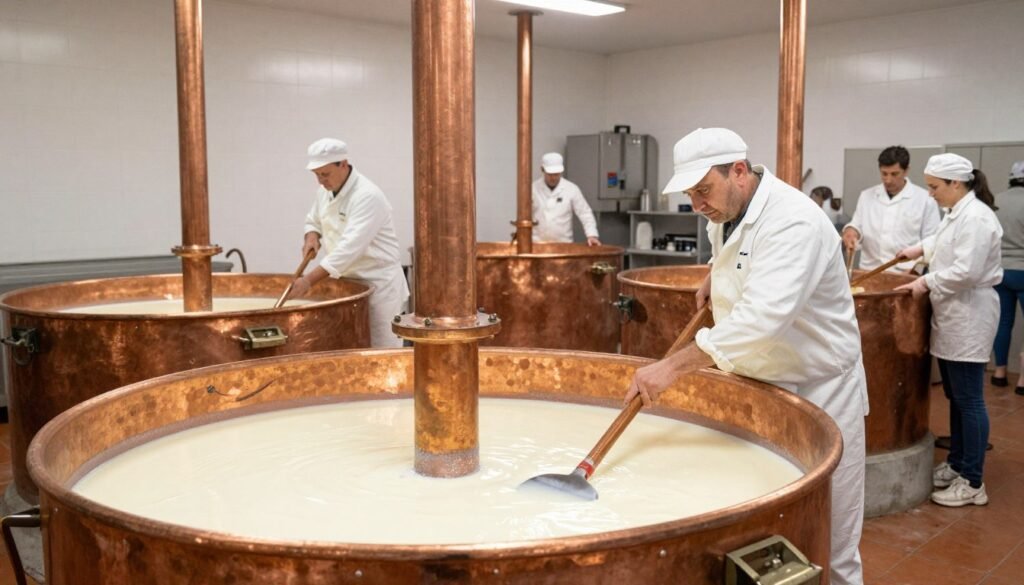
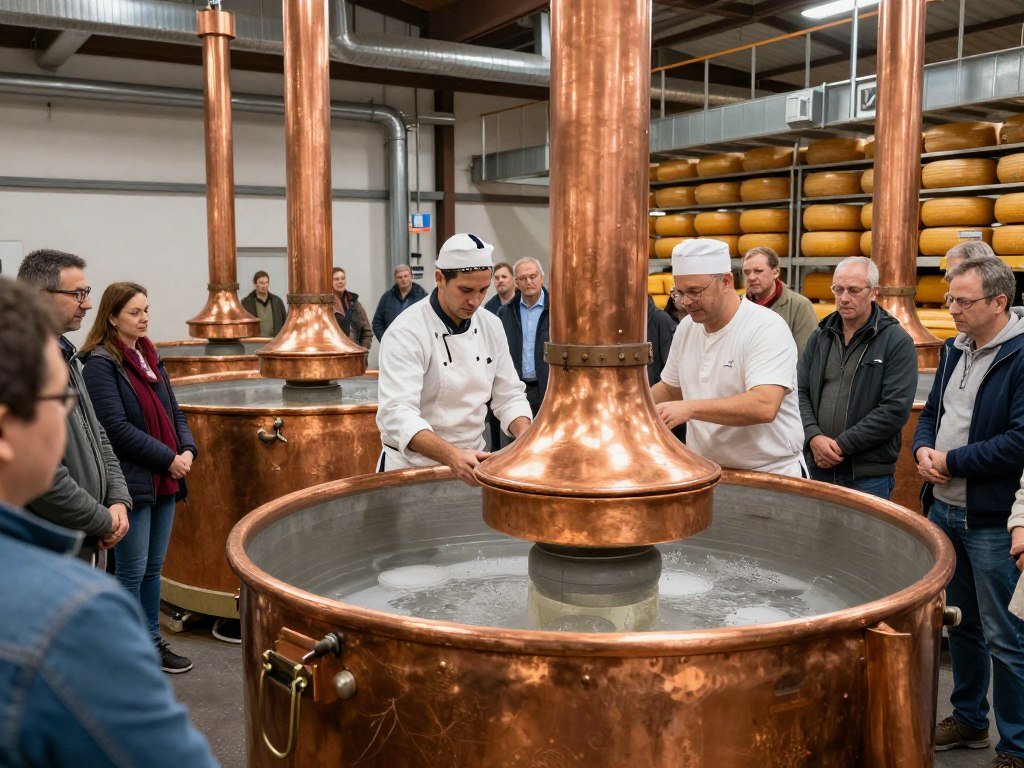
La Maison du Gruyère in nearby Pringy demonstrates traditional cheese-making in a modern facility where visitors watch the entire production process. Cheesemakers explain how local milk transforms into 80-pound wheels that age in temperature-controlled cellars for months or years. The tasting room allows comparison of young (3-month) and old (18-month) Gruyère, revealing how aging develops complexity and crystalline texture.
Cailler chocolate factory in Broc operates just 7 miles from Gruyères, creating natural combination tours that explore Switzerland’s two most famous food products. The factory tour includes chocolate-making demonstrations, historical exhibits about the Cailler brand dating from 1819, and generous tastings of various chocolate styles.
Gruyères castle maintains period rooms furnished from the 13th through 19th centuries, showing how successive owners adapted the fortress for changing needs. The ramparts provide panoramic views across the Gruyère countryside toward the Alps. A contemporary art museum operates in adjacent buildings, creating unusual contrast with medieval surroundings.
Gruyères Cheese & Chocolate Day Trip
Discover Swiss culinary traditions with guided visits to a Gruyère cheese factory and Cailler chocolate factory, plus time exploring the medieval village. Tastings included throughout the day.
Lausanne and the Lavaux Vineyards
Lausanne rises on steep hillsides 38 miles northeast of Geneva, serving as Olympic capital and home to prestigious universities. The city combines medieval old town charm with modern cultural institutions, all overlooking Lake Geneva from elevated perspectives that create constant connection with the water below.
The Olympic Museum tells the story of the modern Olympic Games through 3,000 artifacts, multimedia exhibits, and interactive displays. The museum occupies a striking modern building in parkland descending toward the lake. Collections include Olympic torches, medals, equipment used by champion athletes, and exhibits exploring how the Games evolved from their 1896 Athens revival through contemporary mega-events.
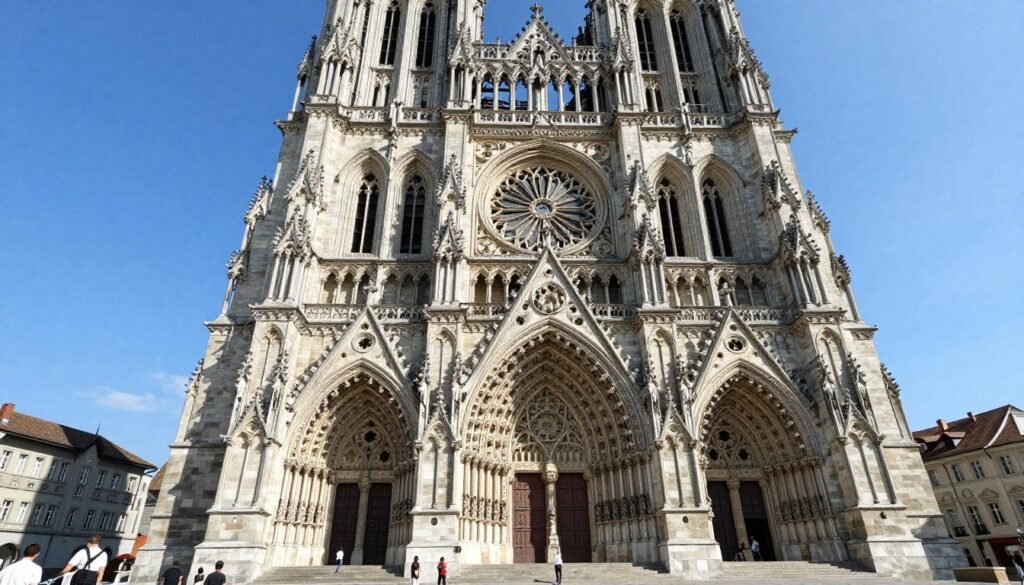
Lausanne Cathedral dominates the old town as one of Switzerland’s finest Gothic structures. Built between 1170 and 1235, the cathedral features exceptional stained glass, intricate stone carvings, and a tradition unique in Europe: the night watchman who calls the hours from the tower between 10 p.m. and 2 a.m. each night, continuing a practice dating from medieval times.
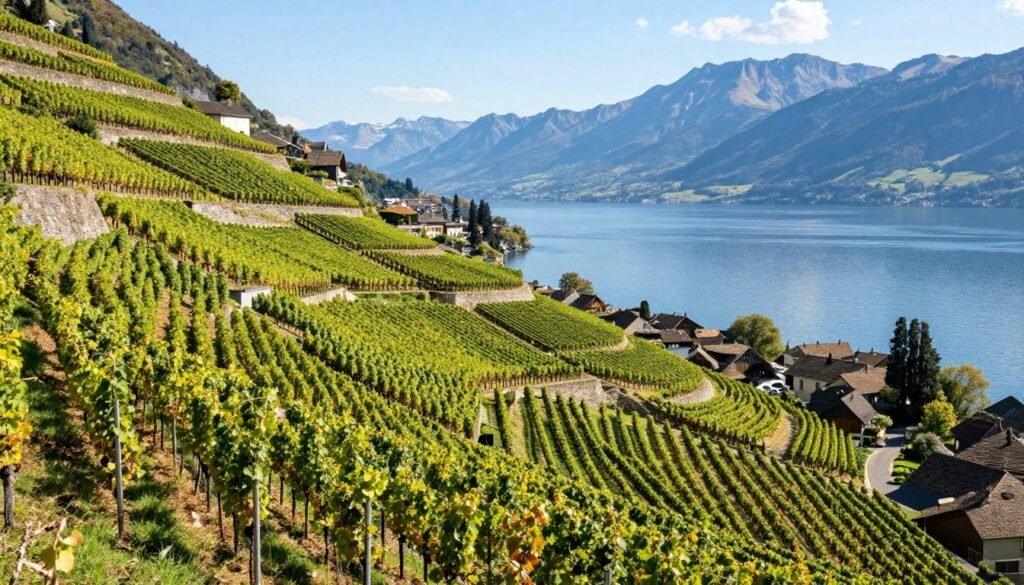
The Lavaux vineyards cascade down steep terraces between Lausanne and Montreux, creating UNESCO World Heritage landscapes where wine production dates from the 11th century. Monks originally carved these terraces from hillsides, establishing vineyard traditions maintained by families through generations. Walking trails wind through the vines, connecting picturesque villages where wine cellars offer tastings of Chasselas, the region’s signature white grape.
Geneva Through the Seasons
Geneva’s experiences shift dramatically with seasons, from summer swimming and festivals to winter markets and Alpine skiing nearby. Understanding seasonal variations helps optimize visit timing based on preferred activities.
Summer in Geneva: Lakeside Living
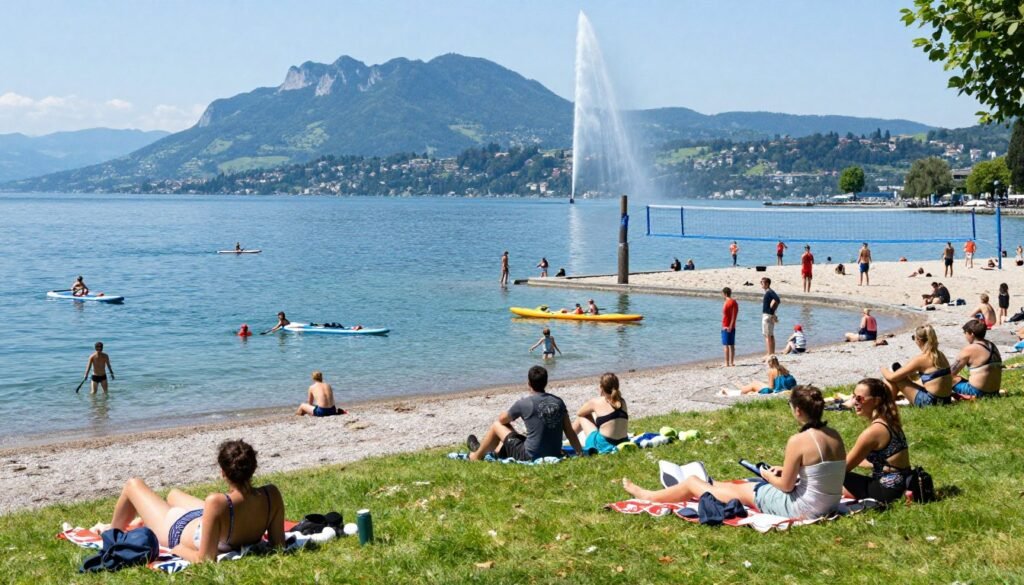
Summer transforms Geneva into a lakeside playground where locals and visitors claim every available patch of grass and beach for swimming, sunbathing, and outdoor dining. Temperature averages range from 66°F to 79°F, creating ideal conditions for outdoor activities from dawn until late evening when daylight extends past 9 p.m.
The Bains des Pâquis reaches capacity on hot weekends when Geneva’s population seeks relief in the lake’s cool waters. Alternative swimming spots include Genève-Plage, a large lakefront complex with pools, beaches, and water sports; Baby-Plage with shallow areas perfect for young children; and numerous smaller access points along both shores.
Outdoor concerts and festivals fill the summer calendar. The Fête de la Musique in June brings free concerts to public spaces throughout the city. Geneva Festival in early August features concerts, fireworks, and carnival rides along the lakefront. The Fêtes de Genève in August celebrates local traditions with parades, music, and massive fireworks displays over the lake.
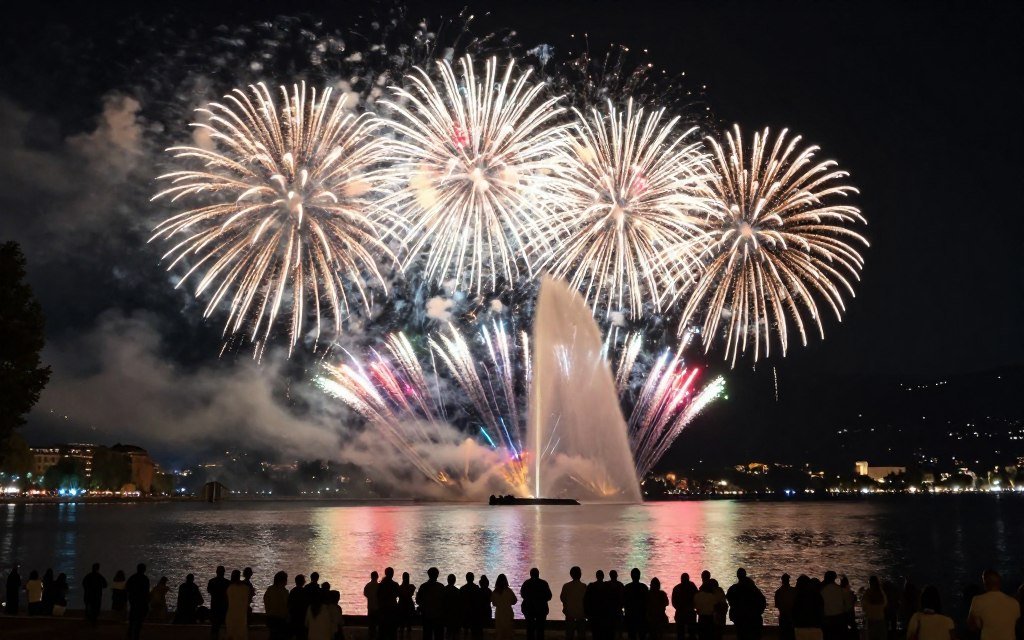
Restaurant terraces expand onto sidewalks and lakeside promenades, extending dining rooms into the open air. Many establishments stay open later during summer months, creating vibrant evening scenes along pedestrian streets throughout the old town and waterfront areas.
Fall Colors and Harvest Season
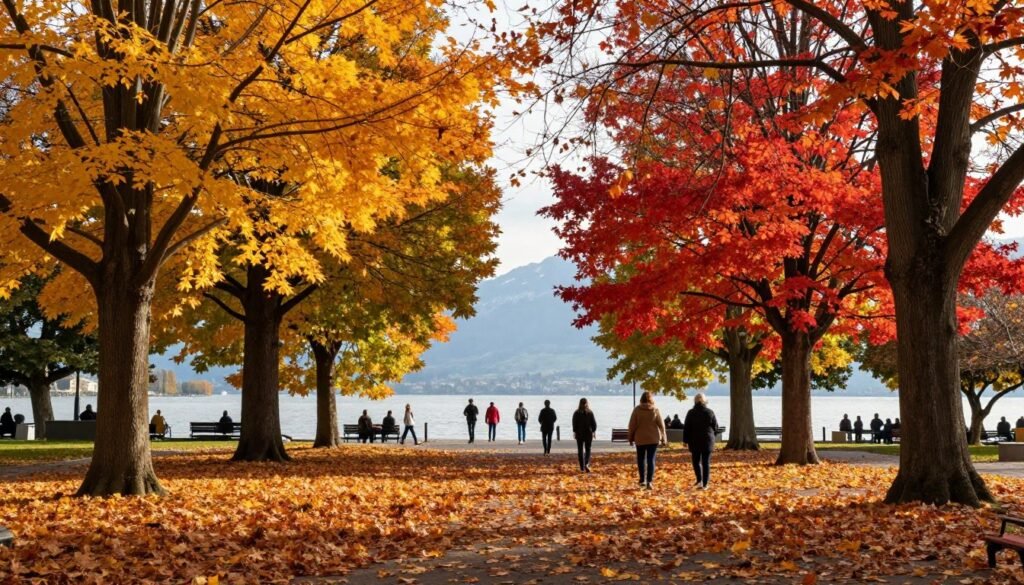
Autumn brings harvest festivals to surrounding wine regions, with grape-picking traditions celebrated in villages throughout the Lavaux and Geneva’s own vineyard areas. September and October offer ideal hiking weather with crisp air temperatures between 50°F and 64°F, clearer visibility toward the Alps, and fewer tourists than summer months.
Geneva’s parks showcase exceptional fall color as deciduous trees transform the city’s green spaces into amber and crimson landscapes. Parc La Grange and the Botanical Gardens offer particularly striking displays. The fall color season typically peaks in mid-to-late October, though specific timing varies annually based on weather patterns.
Cultural institutions launch new exhibition seasons with museums unveiling temporary shows that run through winter. Theater and concert seasons begin, bringing renewed energy to Geneva’s performance venues after summer outdoor entertainment winds down.
Winter Festivities and Alpine Skiing
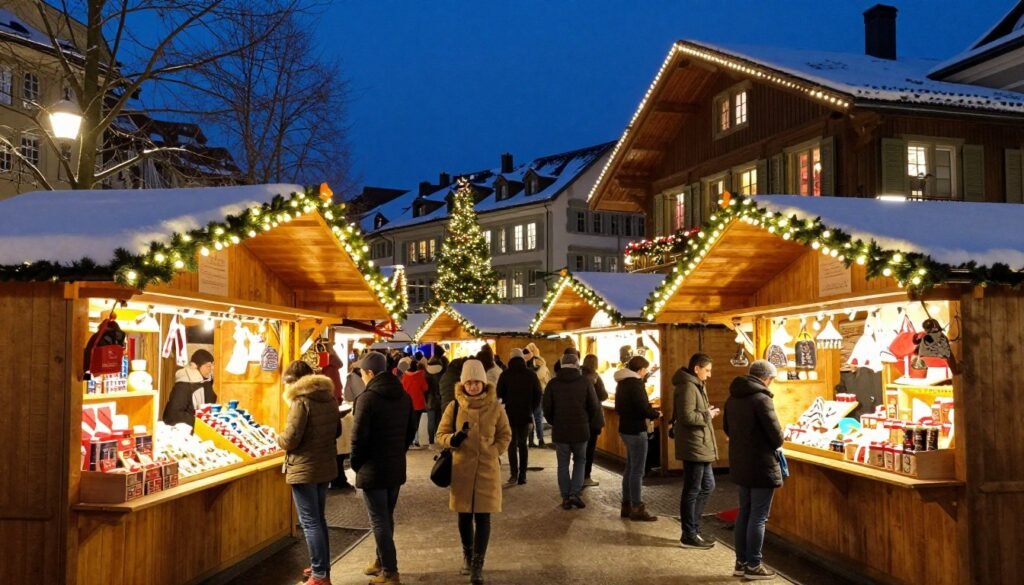
Geneva’s December festival calendar centers on Fête de l’Escalade, commemorating the city’s 1602 defeat of Savoy troops attempting to scale the city walls. The festival features historical parades with participants in 17th-century costumes, foot races through old town streets, and the tradition of chocolate cauldrons filled with marzipan vegetables that children smash while reciting a commemorative song.
Christmas markets transform public squares throughout the city from mid-November through December. The largest market occupies Jardin Anglais near the lakefront, with over 160 wooden chalets selling gifts, decorations, and seasonal food. The old town hosts a smaller, more intimate market near the cathedral. Ice skating rinks appear in multiple locations, creating festive winter scenes.
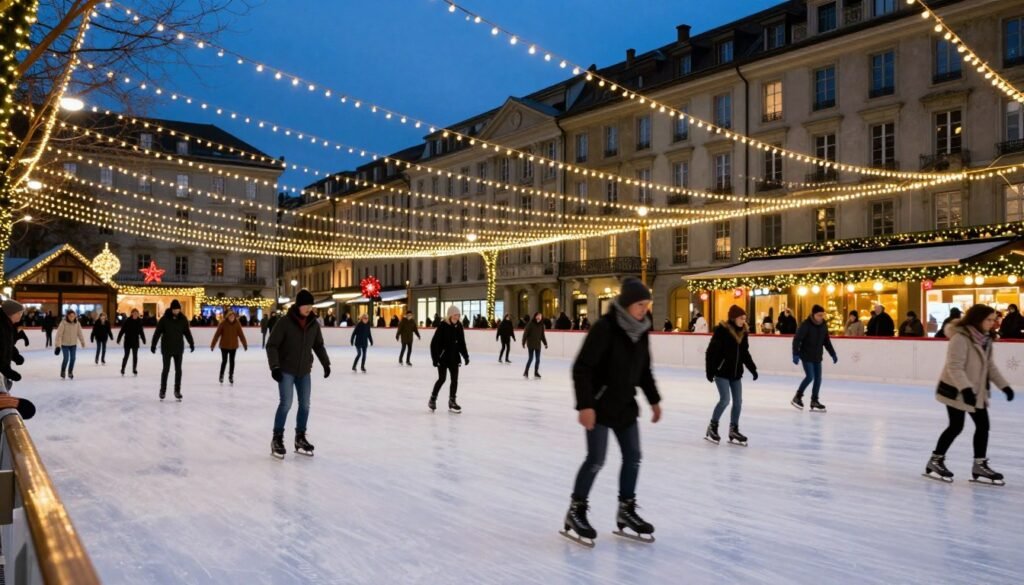
Nearby Alpine ski resorts offer world-class skiing within 90 minutes of Geneva. Verbier, Chamonix, Megève, and other legendary winter sports destinations provide everything from gentle beginner slopes to extreme off-piste terrain. Many visitors combine city sightseeing with day trips to ski resorts, taking advantage of Geneva’s proximity to major ski areas.
Indoor activities gain appeal during shorter, colder days. Museums, chocolate shops, and cozy restaurants with fondue and raclette provide warmth and entertainment when outdoor options become less inviting. Theater, opera, and classical music performances peak during winter months.
Spring Awakening: Gardens and Festivals
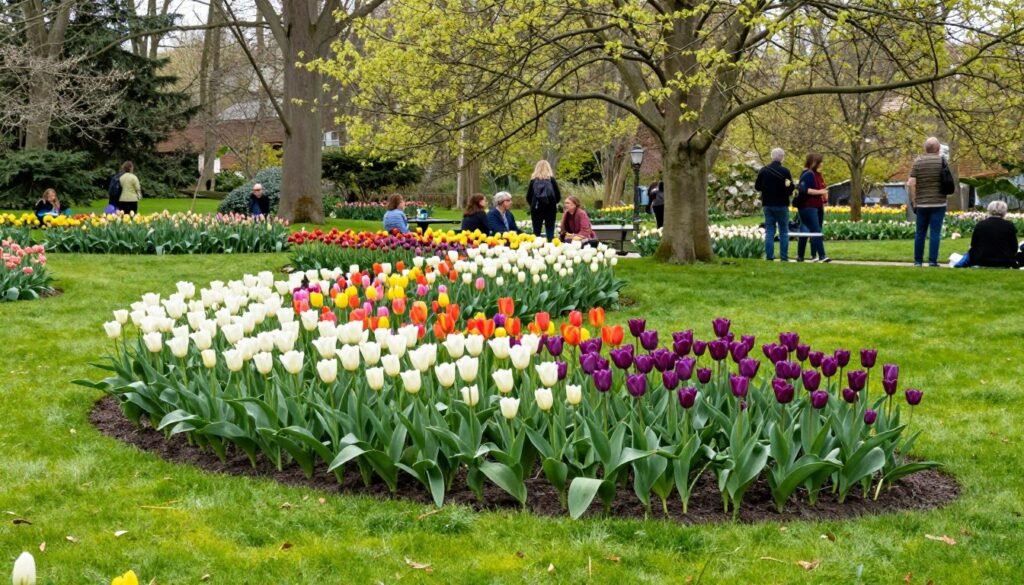
Spring arrives gradually in Geneva with gardens beginning to bloom in March and reaching peak color in April and May. The Conservatory and Botanical Gardens showcase spring bulbs in carefully designed displays, while Parc La Grange’s rose garden prepares for its summer glory with early spring maintenance visible to visitors.
The famous Flower Clock in Jardin Anglais receives its spring planting in March, with 6,500 plants arranged to create colorful patterns that change throughout the growing season. This living timepiece demonstrates Geneva’s watchmaking heritage through horticultural artistry.
Farmers markets resume full outdoor operation as local growers bring early season produce including asparagus, spring greens, and greenhouse vegetables. The market atmosphere brightens as longer days and warmer temperatures encourage shoppers to linger among stalls.
Spring weather remains variable with temperatures ranging from 46°F to 63°F and frequent rain showers. However, the unpredictability creates advantages including fewer tourists, lower accommodation prices, and authentic local atmosphere without summer crowds.
Essential Geneva Travel Information
Practical knowledge about transportation, budgeting, and local customs helps visitors navigate Geneva efficiently and avoid common pitfalls in this expensive, international city.
Getting Around Geneva
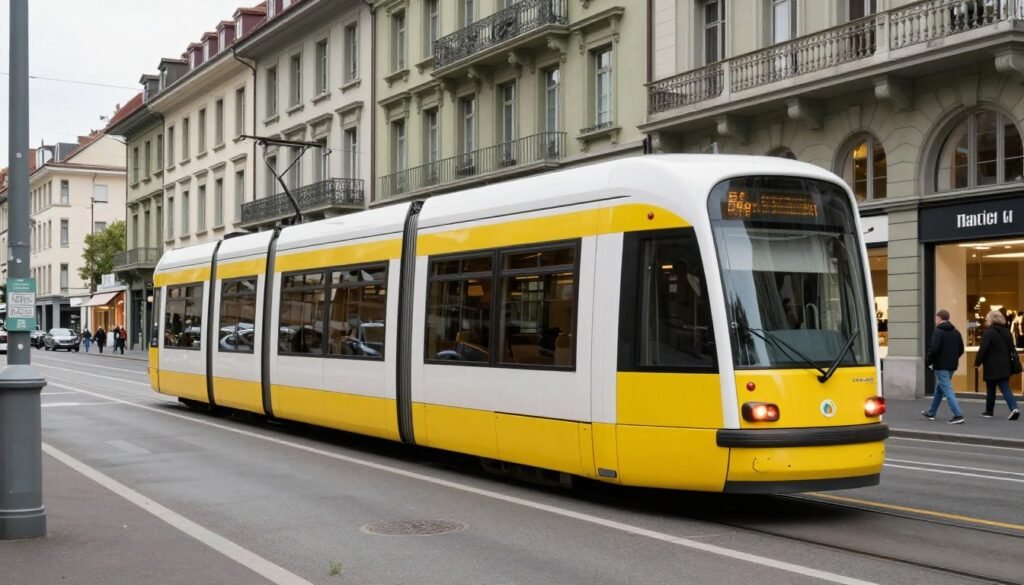
Geneva’s compact geography and excellent public transportation make car rental unnecessary for city exploration. The extensive tram, bus, and boat network reaches virtually every attraction, while many central areas reward walking with pedestrian streets and lakefront promenades.
The Unireso public transport pass provides unlimited travel on trams, buses, and lake boats within Geneva. Most hotels provide guests with a Geneva Transport Card offering free public transportation for the duration of their stay. This card proves essential for budget-conscious travelers as individual tickets cost 3 CHF for short trips and 3.50 CHF for longer journeys.
Trams offer the most efficient transportation for longer distances across the city. Major routes run every 5-10 minutes during daytime hours, with reduced service evenings and weekends. Route maps appear at every stop, with digital displays showing real-time arrival information.
Bicycles provide another excellent transportation option with dedicated bike lanes throughout the city. Rent bikes at numerous locations including near the train station and lakefront. Geneva’s relatively flat terrain along the lake makes cycling accessible for all fitness levels, though the old town’s hilltop location requires climbing.
Transportation Tips
- Get Geneva Transport Card from hotel reception upon check-in
- Download SBB Mobile app for real-time transit information
- Tram 18 connects airport to city center in 15 minutes
- Lake boats (Mouettes) cross the harbor at multiple points
- Purchase Unireso pass if not staying at hotel providing transport card
- Bike rental stations operate March through October
Key Transport Routes
- Tram 12/18: Airport to Cornavin station and old town
- Tram 15: Connects both lake shores via old town
- Bus 8: Links Carouge with city center
- Tram 18: Reaches CERN and UN headquarters
- Mouettes M1-M4: Cross-lake boat shuttles
- TPG night buses: Friday and Saturday late-night service
Budgeting for Geneva
Geneva consistently ranks among the world’s most expensive cities, with costs significantly higher than most European destinations. However, free attractions, hotel-provided transport cards, and strategic planning can moderate expenses.
Accommodation represents the largest expense with budget hotels starting around 150 CHF per night and mid-range properties costing 200-350 CHF. Luxury hotels easily exceed 500 CHF nightly. Booking well ahead and considering shoulder season visits helps secure better rates.
Restaurant meals average 25-40 CHF per person for casual dining, 50-80 CHF for mid-range restaurants, and 100+ CHF for fine dining. Self-catering using market ingredients or supermarket purchases significantly reduces food costs. Many bakeries sell excellent sandwiches and pastries for picnic meals.
Many top attractions offer free admission including the Museum of Art and History, Museum of Natural History, CERN Science Gateway, Botanical Gardens, and all parks and lakefront areas. Combined with free public transport via hotel cards, budget-conscious visitors can experience substantial Geneva highlights without admission costs.
The Geneva Pass provides value for visitors planning multiple paid attractions. The pass includes over 30 museums, boat cruises, and a walking tour, plus unlimited public transport. Calculate whether your planned activities justify the pass cost (approximately 75 CHF for 24 hours, 95 CHF for 48 hours, 115 CHF for 72 hours).
| Expense Category | Budget Option | Mid-Range Option | Luxury Option |
| Accommodation (per night) | 150-200 CHF | 200-350 CHF | 500+ CHF |
| Meals (per day) | 30-50 CHF | 80-120 CHF | 200+ CHF |
| Transportation (per day) | Free (hotel card) | Free (hotel card) | 30+ CHF (taxis) |
| Attractions (per day) | 0-30 CHF | 40-80 CHF | 100+ CHF |
| Total Daily Cost | 180-280 CHF | 320-550 CHF | 830+ CHF |
Local Customs and Practical Tips
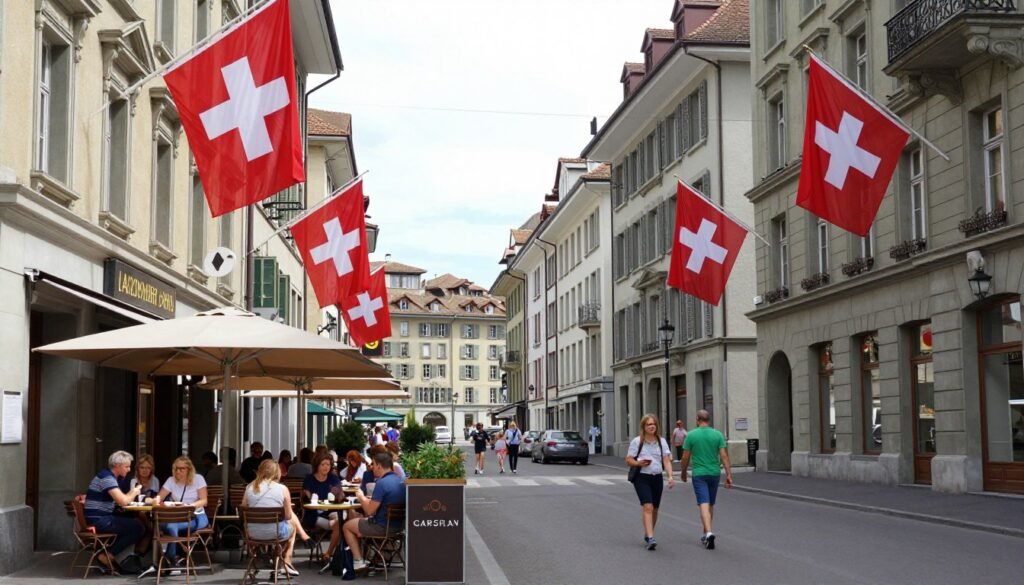
Geneva’s international character creates a more relaxed social atmosphere than some Swiss cities, though certain customs remain important. Swiss punctuality expectations apply to all appointments, reservations, and scheduled activities. Arriving even five minutes late for restaurant reservations risks losing your table.
French serves as Geneva’s primary language, though English is widely spoken in tourist areas, hotels, and restaurants. Learning basic French phrases enhances interactions, though language barriers rarely prevent successful communication. German and Italian speakers also find broad understanding given Switzerland’s multilingual character.
Tipping practices differ from American norms. Restaurant bills include service charges, making additional tipping unnecessary though rounding up or leaving 5-10% for excellent service is appreciated. Taxi drivers, hotel porters, and other service providers expect smaller gratuities than in North America.
Switzerland’s currency is the Swiss Franc (CHF), distinct from the Euro despite the country’s location surrounded by EU nations. Most businesses accept Euros but provide change in Swiss Francs at unfavorable exchange rates. ATMs offer the best currency exchange rates, though credit cards work almost universally.
Quiet hours (generally 10 p.m. to 7 a.m. on weekdays, with Sunday extending through the day) are strictly observed in residential areas. Swiss law prohibits certain activities including running washing machines, mowing lawns, or making excessive noise during these periods.
Essential Numbers: Emergency services 112 (general), 117 (police), 118 (fire), 144 (ambulance). Tourist information: +41 22 909 70 00. Geneva’s area code is 022 when calling from elsewhere in Switzerland, +41 22 from international locations.
Best Time to Visit Geneva
Geneva rewards visits year-round with distinct seasonal advantages depending on interests and priorities. However, certain periods offer optimal combinations of weather, events, and manageable crowds.
May through September provides the most reliable weather with average temperatures from 63°F to 77°F, extended daylight hours, and full operation of outdoor attractions. However, this period also brings peak tourist crowds and highest accommodation prices, particularly July and August.
April and October offer excellent shoulder season alternatives with moderate weather, fewer tourists, and reduced accommodation costs. Spring blooms create beautiful garden displays, while fall foliage adds seasonal color. However, weather becomes less predictable with increased chance of rain.
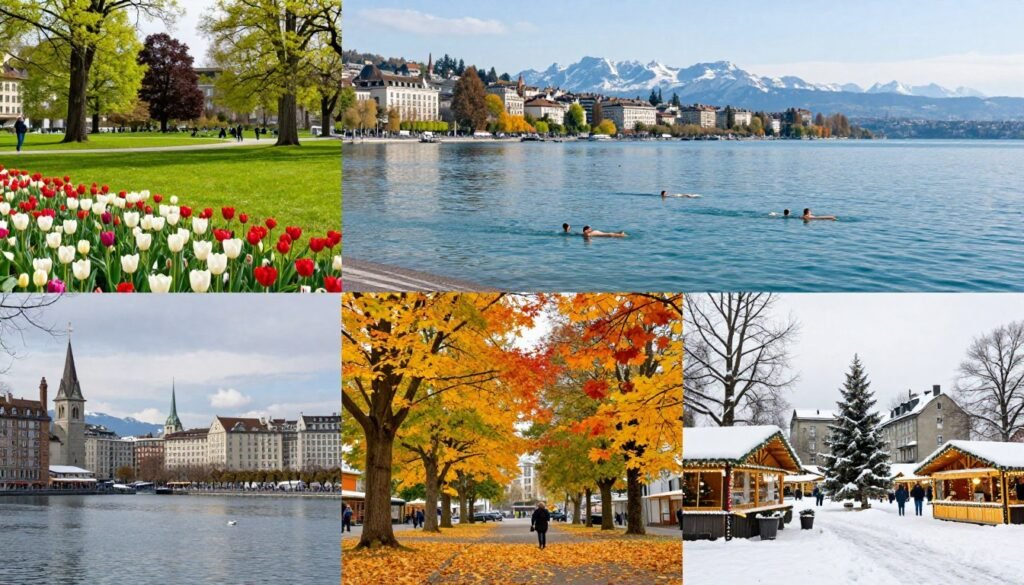
December attracts visitors specifically for Christmas markets and Fête de l’Escalade celebrations. The festive atmosphere and winter activities justify visiting despite cold weather averaging 37°F to 43°F. January through March sees lowest tourist numbers and accommodation prices, though some attractions operate reduced hours and weather limits outdoor activities.
Avoiding peak summer crowds while maintaining pleasant weather requires targeting late May to early June or September. These transitional periods provide 60°F to 70°F temperatures, generally stable weather, and significantly fewer tourists than peak summer months.
Geneva's Distinct Neighborhoods
Understanding Geneva’s neighborhood characters helps visitors select accommodation locations and discover areas matching their interests beyond obvious tourist zones.
Pâquis: Multicultural Energy
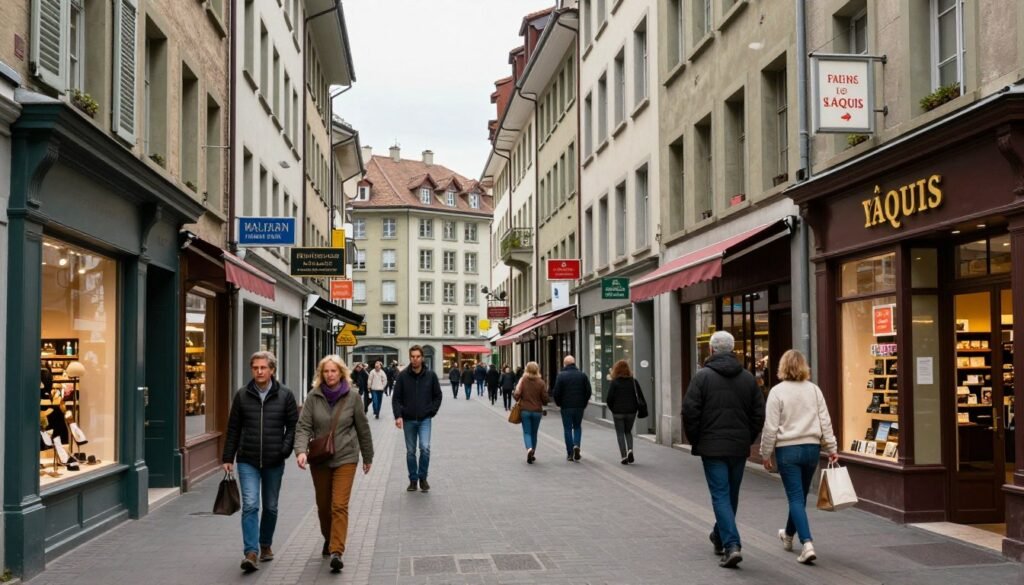
Pâquis occupies the northern lake shore between the train station and international organization district. This traditionally working-class neighborhood maintains Geneva’s most diverse and energetic street life with immigrant communities from Africa, Asia, and Latin America creating a multicultural atmosphere distinct from the city’s wealthy international character.
Rue de Berne and surrounding streets host international restaurants, ethnic grocery stores, and budget accommodation including several hostel options. The neighborhood’s grittier aesthetic and lower prices attract younger travelers and those seeking authentic local life beyond Geneva’s polished tourist zones.
The Bains des Pâquis anchors the neighborhood’s lake shore, serving as the area’s social heart where diverse residents gather for swimming, sauna sessions, and legendary fondue at the baths’ restaurant. The baths’ democratic character reflects Pâquis’ inclusive spirit where everyone mingles regardless of background or bank account.
Carouge: Bohemian Village
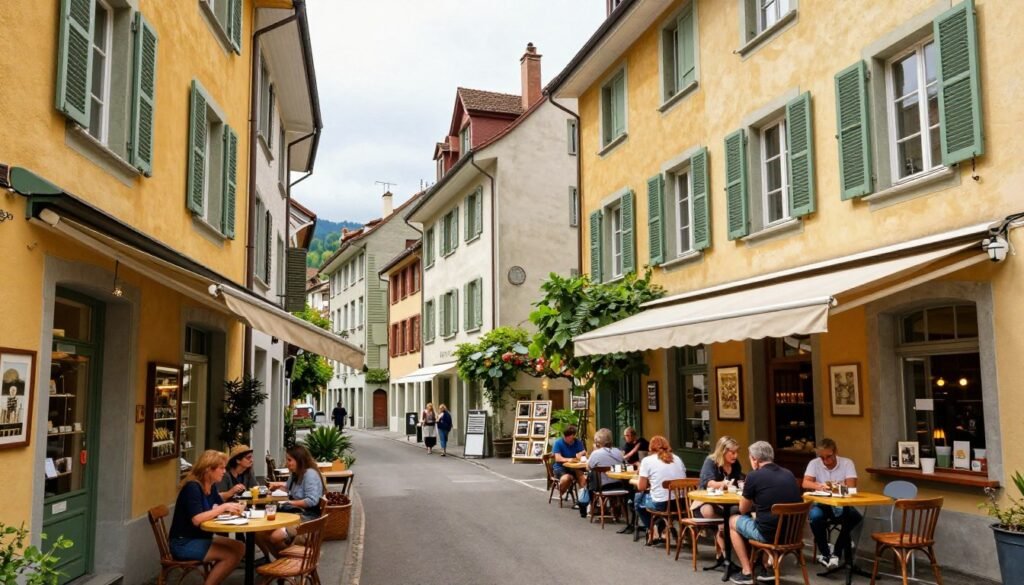
Carouge developed in the 18th century as a rival city to Geneva under Sardinian rule, creating a settlement with deliberately distinct character including Italian-influenced architecture and village-like urban planning. Today this officially separate city maintains its unique identity despite full integration into Geneva’s metropolitan area.
Artisan workshops line Carouge’s narrow streets where potters, jewelers, furniture makers, and other craftspeople continue traditional trades. Small galleries showcase local artists, while boutiques sell handcrafted goods difficult to find in central Geneva’s luxury retail landscape.
The dining and nightlife scene brings Genevans south across the city limits to Carouge’s numerous restaurants, wine bars, and late-night music venues. Chat Noir hosts concerts, comedy shows, and slam poetry evenings in an intimate setting. Bar du Nord offers Geneva’s most extensive whiskey selection. Place du Marché hosts markets Wednesday and Saturday mornings, plus Thursday evening “drinks and tapas” markets from 2 p.m. to 9 p.m.
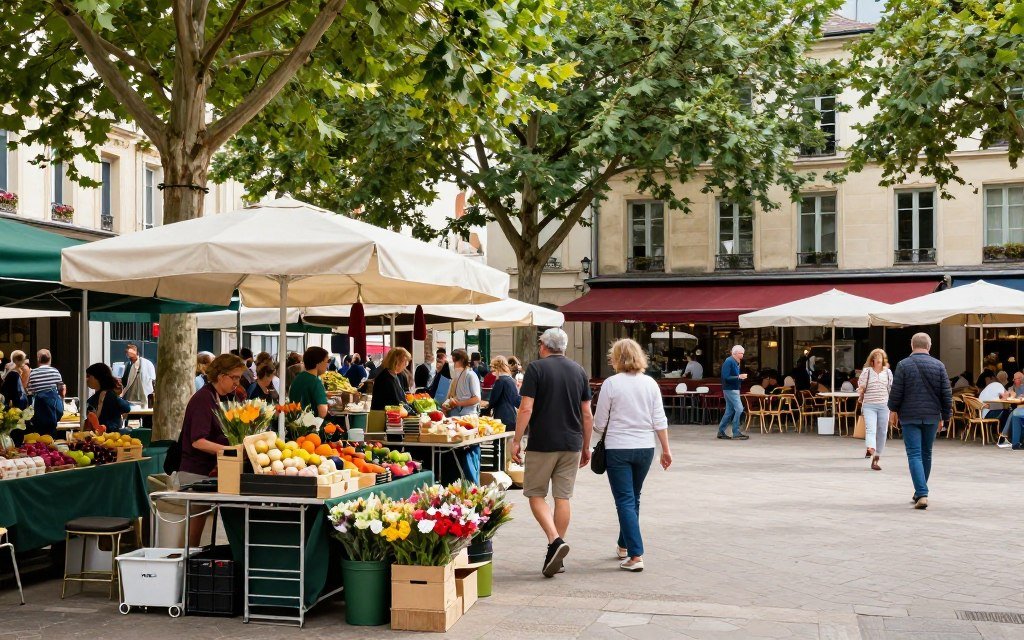
Tram 18 connects Carouge to Geneva’s train station in approximately 20 minutes, making the neighborhood accessible for visitors staying in central locations. The village atmosphere and lower prices compared to central Geneva make Carouge worth extended exploration beyond quick market visits.
Eaux-Vives: Lakeside Elegance
Eaux-Vives spreads along the southern lake shore east of the city center, offering residential elegance with belle époque villas, waterfront parks, and upscale dining. This neighborhood appeals to visitors seeking quiet accommodation near the lake while remaining within easy reach of central attractions.
Parc La Grange anchors the neighborhood with 62 acres of lawns, rose gardens, and lake views. The 18th-century villa houses occasional exhibitions, while the park’s Théâtre de Verdure hosts free summer concerts. Adjacent Parc des Eaux-Vives adds additional green space and another historic villa.
The lakefront promenade connects Eaux-Vives to central Geneva through continuous waterfront paths perfect for running, cycling, or walking while enjoying constant lake views. Numerous small beaches and swimming access points dot the shore, providing alternatives to more crowded central locations.
Plainpalais: Student Energy and Contemporary Culture
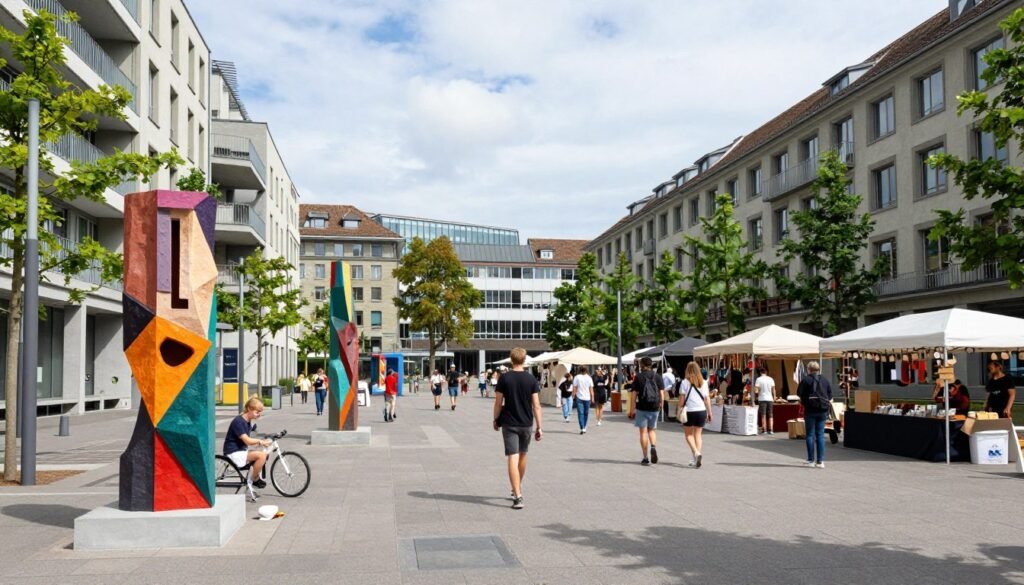
Plainpalais evolved from industrial area to student quarter and alternative culture hub, anchored by the University of Geneva and contemporary art institutions. The massive diamond-shaped Plaine de Plainpalais plaza hosts flea markets Wednesday and Saturday, plus a farmers market Tuesday and Friday.
The Modern and Contemporary Art Museum (MAMCO) occupies a converted 1950s factory building with cutting-edge exhibitions showcasing international artists and cross-media installations. The museum extends hours to 10 p.m. during July and August with free admission from 5 p.m., plus live music and DJ sets in the courtyard.
Student bars, affordable restaurants, and international fast-casual dining options reflect the neighborhood’s younger demographic and lower prices than central Geneva. The area gains energy during university terms while becoming quieter during summer and winter breaks.
Hidden Gems and Local Secrets
Beyond obvious tourist attractions, Geneva rewards explorers who venture into lesser-known corners and seek experiences favored by locals rather than guidebook recommendations.
Cimetière des Rois: Peaceful Historic Cemetery
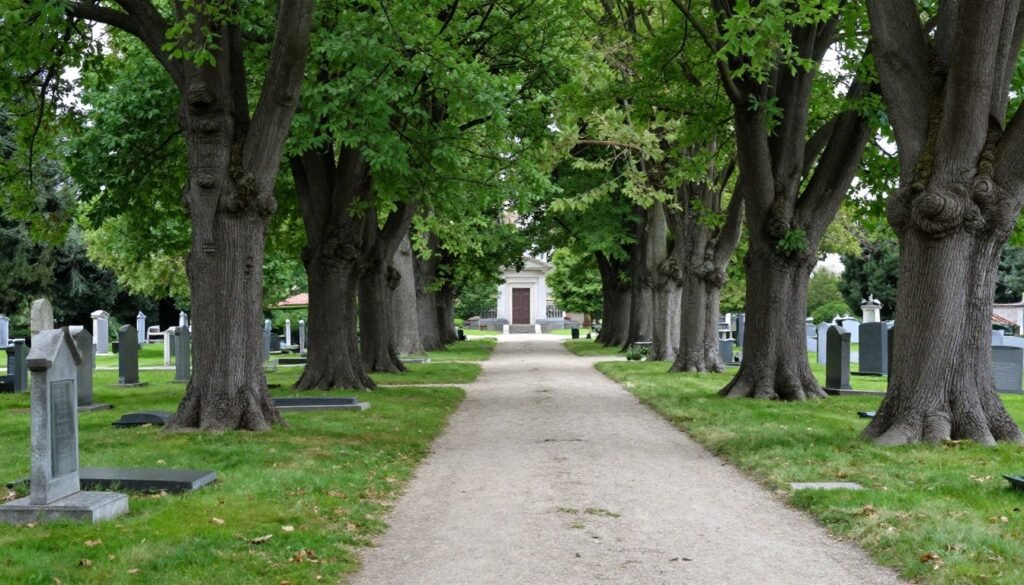
The Cemetery of Kings in Plainpalais creates an unexpected oasis of tranquility within the urban environment. Built in the 15th century to bury plague victims, the cemetery became Geneva’s most prestigious burial ground during and after the Reformation despite Protestant tradition favoring simple, unmarked graves.
Jean Calvin’s grave bears only a simple stone with the initials “JC,” added in the 19th century long after his death. Other notable graves include Swiss presidents, pioneering doctors, prominent bankers, and the revolutionary leader Guillaume Favre. The eclectic mix of headstones, sculptures, and simple markers creates a fascinating study in how memorial practices evolved over centuries.
Century-old trees shade the grounds, their trunks hosting bird boxes that add chirping soundscapes to the peaceful environment. Contemporary artists occasionally install provocative works disguised as graves, creating unexpected encounters with modern art among historic memorials.
Pointe de la Jonction: Where Rivers Meet
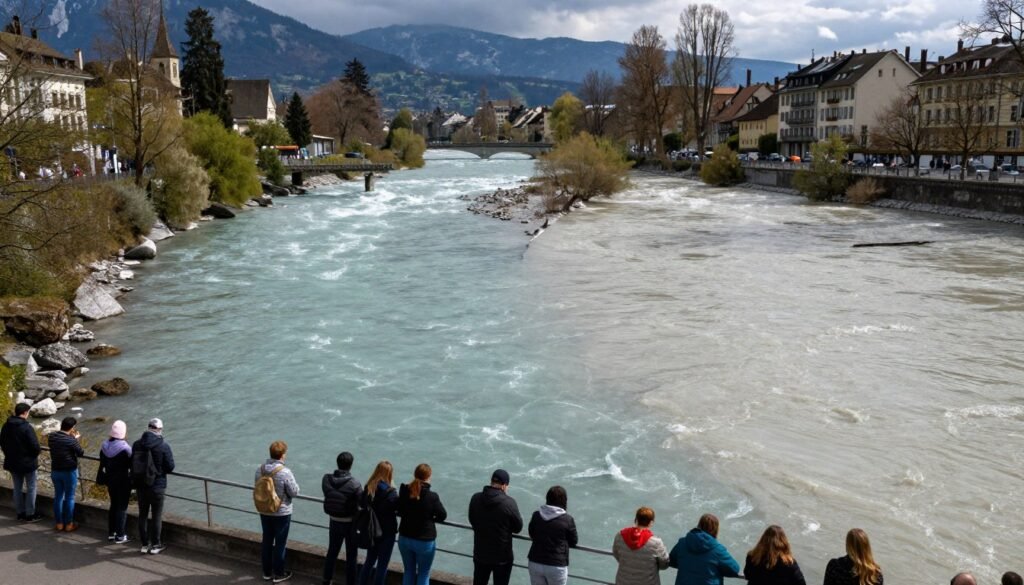
The point where the clear Rhône meets the glacial-sediment-laden Arve River creates Geneva’s most visually striking natural phenomenon. The rivers maintain distinct colors for several hundred yards downstream, creating an obvious line through the water where turquoise meets milky grey.
Rafting Loisirs near the trolleybus depot rents paddleboards and kayaks for exploring this unique natural feature. Paddling to the actual confluence line reveals not just color differences but also distinct water temperatures and flow characteristics as the two rivers initially resist mixing.
The 8-km paddle downstream to Pont de Peney takes approximately three hours through evolving landscapes from urban industrial areas to forests and reed beds. Wild swans, herons, and tufted ducks populate the riverbanks while six bridges create architectural interest during the downstream journey.
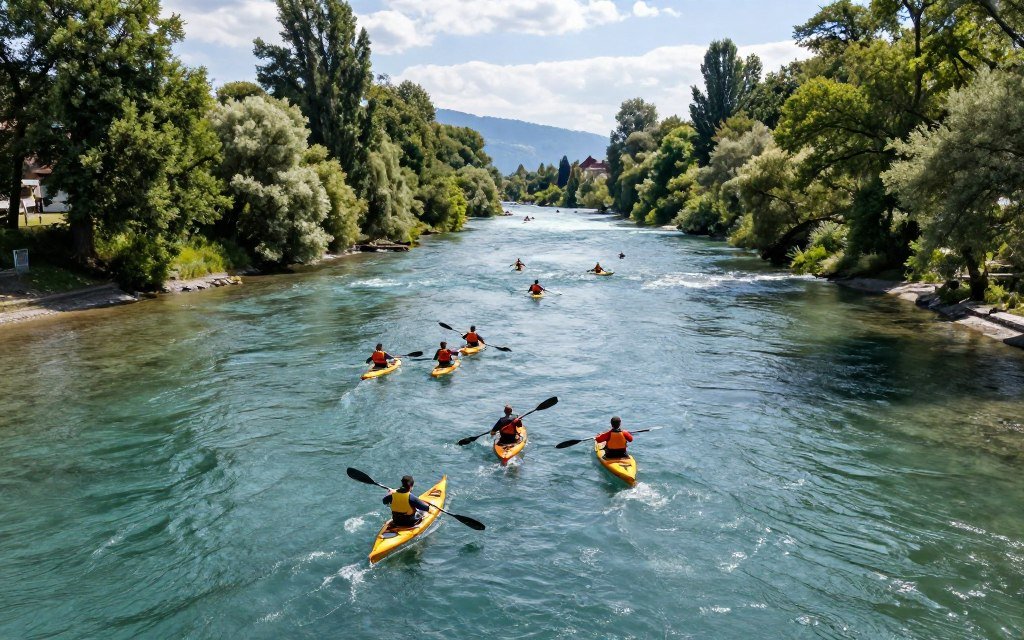
Guided moonlight kayaking trips on select evenings provide magical river experiences with opportunities to hear tawny owls, cuckoos, and other nocturnal wildlife while paddling beneath star-filled skies. These specialized tours book quickly and require advance reservations.
Terrasse Agrippa d'Aubigné: Secret Viewpoint
This tree-shaded terrace behind St. Peter’s Cathedral provides the old town’s best viewpoint without climbing the cathedral towers. Benches positioned along the terrace edge overlook the entire city spreading down toward the lake with the Salève mountain rising beyond.
The location sees far fewer visitors than the cathedral towers despite offering equally impressive perspectives. Local residents claim benches for reading, picnicking, or simply watching city life unfold below. Sunset brings particularly beautiful light as alpenglow illuminates the mountains while the city begins transitioning to evening illumination.
Légumes en Ville: Urban Farm and Secret Garden
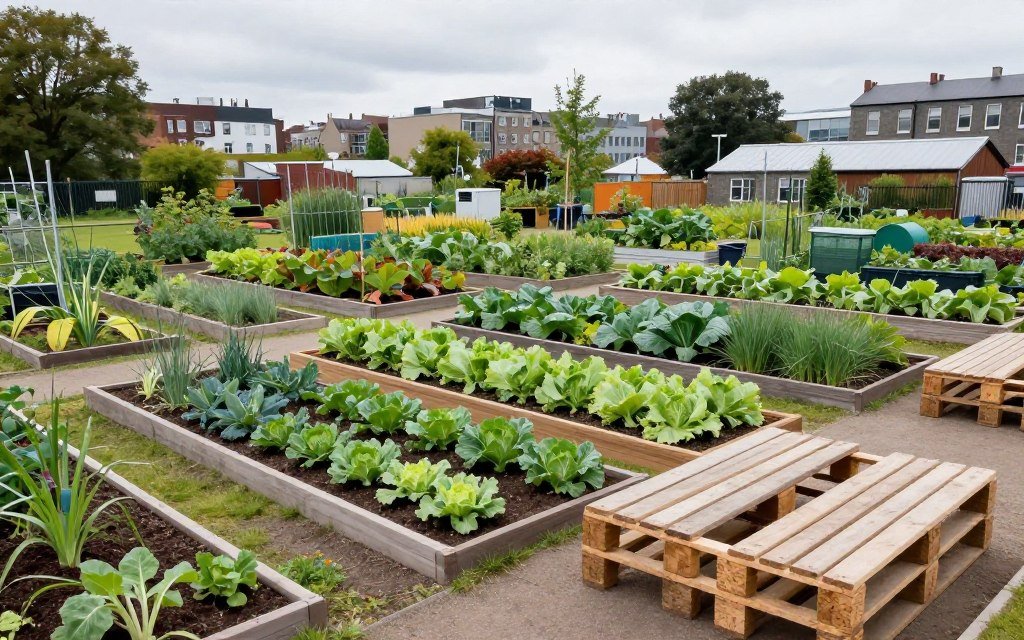
This urban vegetable garden occupies terraced land behind the Museum of Art and History, demonstrating year-round food production in the city center. Information panels explain which crops grow during different seasons while highlighting sustainable gardening techniques adapted to urban environments.
Comfortable seating crafted from wooden pallets provides perfect picnic spots after visiting the museum or browsing Marché de Rive. The elevated position creates views across Geneva’s rooftops toward the lake and mountains while maintaining unexpected seclusion from urban energy just steps away.
La Dôle: Hiking in the Jura Mountains
While Mont Salève attracts most Geneva hikers seeking mountain views, the more distant La Dôle provides equally spectacular perspectives with fewer crowds. This 5,502-foot summit in the Jura Mountains offers hiking trails that reveal both Lake Geneva and the entire Alpine chain from Mont Blanc to the Matterhorn.
The classic route from La Givrine covers approximately 8 km round trip with 1,640 feet of elevation gain, typically requiring 4-5 hours including time at the summit. The trail crosses alpine meadows filled with wildflowers during summer months, passes through beech and spruce forests, and climbs the final approach across open slopes where mountain views expand with each step upward.
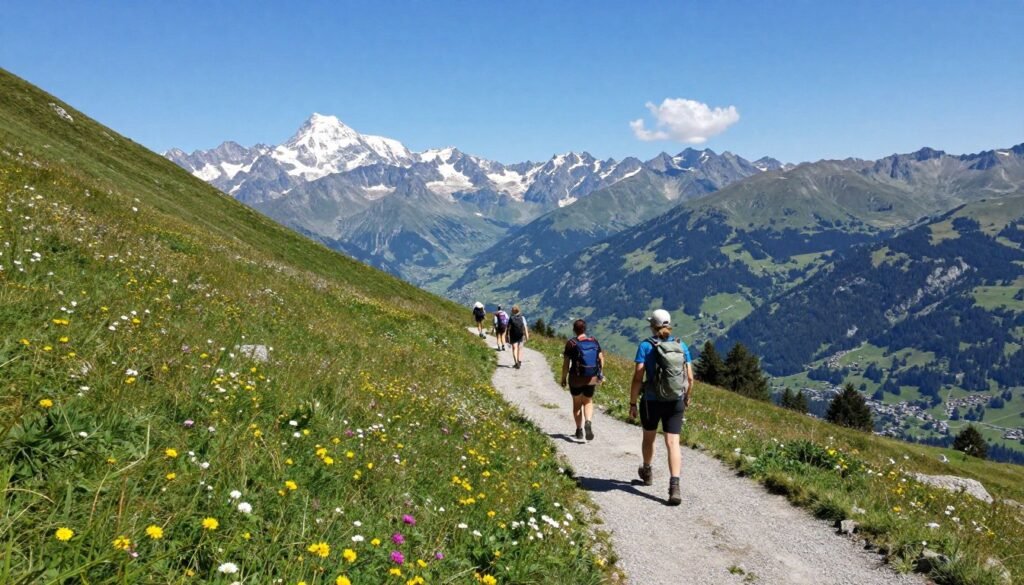
The summit hosts a weather radar installation and small hut offering refreshments during summer weekends. On exceptionally clear days, visibility extends to the Jura’s entire crescent arc, the Alps stretching east and south, and even the Vosges Mountains across the Rhine valley in France.
Expert Tips for Planning Your Geneva Visit
Strategic planning maximizes Geneva experiences while managing costs and avoiding common tourist pitfalls in this sophisticated international city.
Optimal Visit Duration
Geneva’s compact size allows thorough exploration of major attractions within 2-3 days, though 4-5 days enable a more relaxed pace plus day trips to surrounding regions. First-time visitors should budget at least three full days to cover old town highlights, lakefront attractions, one or two museums, and day trip options.
A well-designed three-day itinerary might follow this structure: Day one explores the old town, St. Peter’s Cathedral, and lakefront areas including the Jet d’Eau. Day two visits one or two museums (Patek Philippe and Red Cross provide excellent contrast), explores the Botanical Gardens, and includes an evening in Carouge. Day three takes a guided tour to Chamonix, Gruyères, or Annecy depending on interests.
Visitors planning extensive museum exploration should add extra days as Geneva’s collection quality justifies extended time. Similarly, outdoor enthusiasts benefit from additional days for hiking Mont Salève or La Dôle, kayaking the rivers, and exploring lakeshore areas beyond central locations.
Accommodation Strategy
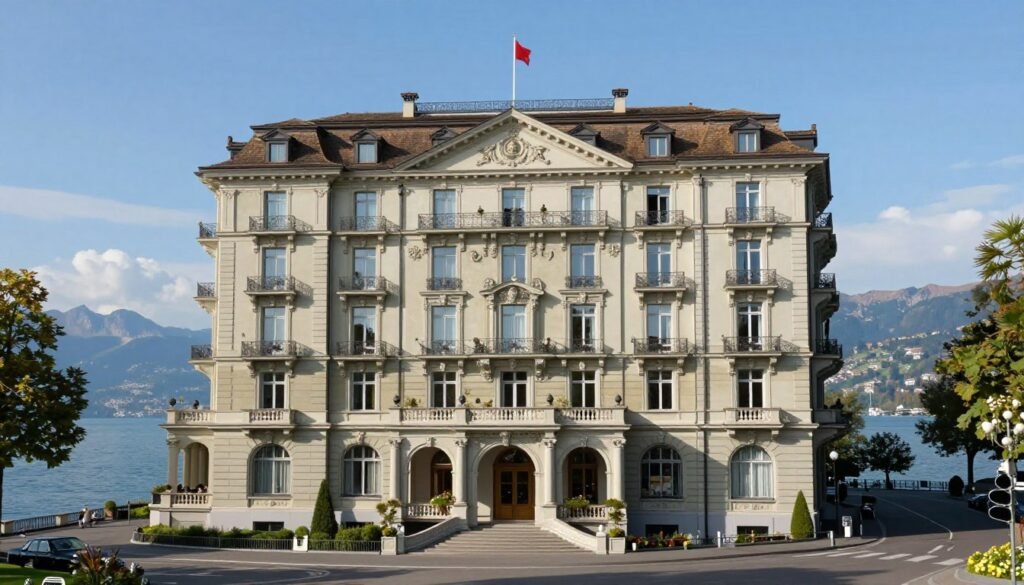
Accommodation costs dominate Geneva travel budgets, making strategic location choices essential. Staying in Carouge or Pâquis rather than central Geneva or lakefront locations can save 50-100 CHF per night while excellent public transport maintains easy access to all attractions.
Hotel-provided Geneva Transport Cards eliminate transportation costs, effectively making hotels the only accommodation worth considering despite cheaper Airbnb options. The transport savings (approximately 10-15 CHF per person daily) plus hotel amenities justify slightly higher hotel costs over apartments.
Booking three to six months ahead secures better rates and availability, especially for summer visits or during major events like the Geneva Motor Show in March or Watches and Wonders in April. Last-minute bookings often face limited options and premium pricing.
Money-Saving Strategies
Geneva’s notorious expense can be moderated through strategic choices that maintain experience quality while controlling costs:
Free and Low-Cost Experiences
- Focus on free museums: Art and History, Natural History, CERN Science Gateway
- Enjoy free parks and botanical gardens throughout the city
- Use hotel-provided transport cards for unlimited travel
- Pack picnic lunches from market ingredients (huge savings vs. restaurants)
- Visit Bains des Pâquis (2 CHF admission) instead of expensive spas
- Attend free summer concerts and events throughout the city
- Walk the lakefront promenades and old town (completely free)
- Watch sunset from Terrasse Agrippa d’Aubigné (free viewpoint)
Smart Spending Tactics
- Eat lunch as main meal (lunch menus cost 30-40% less than dinner)
- Shop at Coop or Migros supermarkets for breakfast and snacks
- Order tap water in restaurants (free vs. 8 CHF bottled water)
- Buy Geneva Pass only if visiting 3+ paid attractions
- Visit paid museums on first Sunday of month (many offer free admission)
- Book accommodation with kitchen facilities for some self-catering
- Time visits for shoulder season (April/May or September/October)
- Share dishes in restaurants (portions are typically generous)
What to Pack for Geneva
Geneva’s temperate but variable weather requires layered clothing regardless of season. Comfortable walking shoes prove essential as the city rewards exploration on foot despite excellent public transport.
Summer visitors need sun protection (hat, sunglasses, SPF 30+ sunscreen) for lakefront activities and mountain excursions. Light rain jacket serves dual purpose for occasional showers and cool evening breezes. Swimwear enables spontaneous lake swimming or thermal bath visits.
Winter visitors should pack warm layers, waterproof winter coat, and sturdy shoes with good traction for potentially icy sidewalks. The city rarely sees heavy snow but cold temperatures (often below freezing December through February) require proper clothing for outdoor sightseeing comfort.
Year-round essentials include passport or EU ID card (for possible trips to France), universal power adapter (Switzerland uses Type J plugs), and reusable water bottle (Swiss tap water is excellent). Credit cards work almost everywhere, though carrying 50-100 CHF cash covers occasional cash-only situations.
Recommended Tours and Experiences
While Geneva rewards independent exploration, certain experiences benefit from expert guides who provide context, handle logistics, and access areas unavailable to individual visitors.
Top Rated Geneva Tours
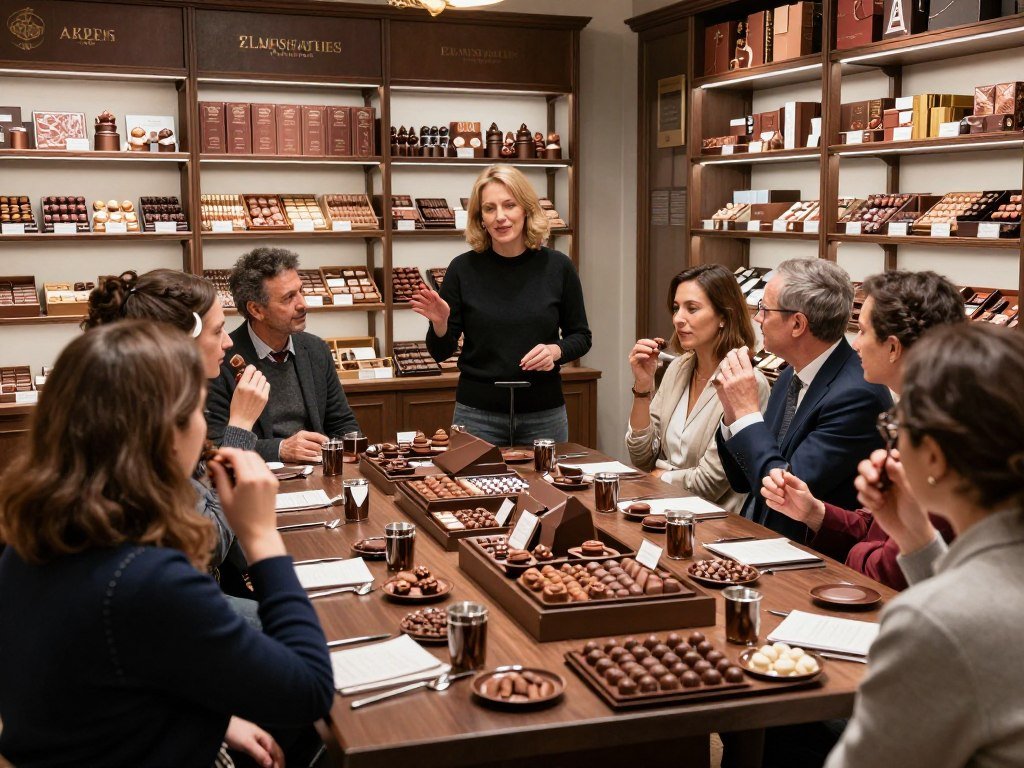
Geneva Chocolate & Sweet Delights Tour
Discover Geneva’s finest chocolatiers on this guided walking tour. Visit artisan shops, taste premium Swiss chocolates, and learn chocolate-making history from local experts.
- Duration: 2.5 hours
- Multiple chocolate shop visits
- Expert local guide
- Small group (max 12 people)
Taste Geneva Full Food Tour
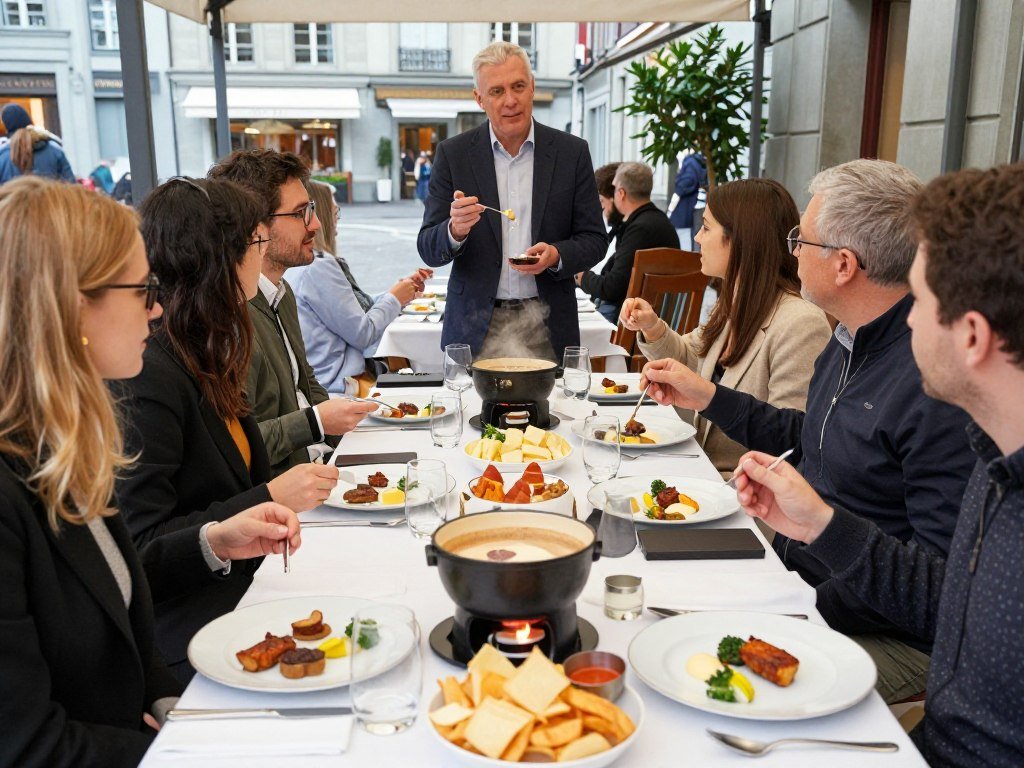
Experience Geneva’s culinary scene with expert guides who share local food traditions. This comprehensive tour includes cheese, chocolate, wine tastings, and traditional Swiss dishes.
- Duration: 3.5 hours
- 7+ tastings included
- Local food expert guide
- Small group experience
Private Geneva Walking Tour
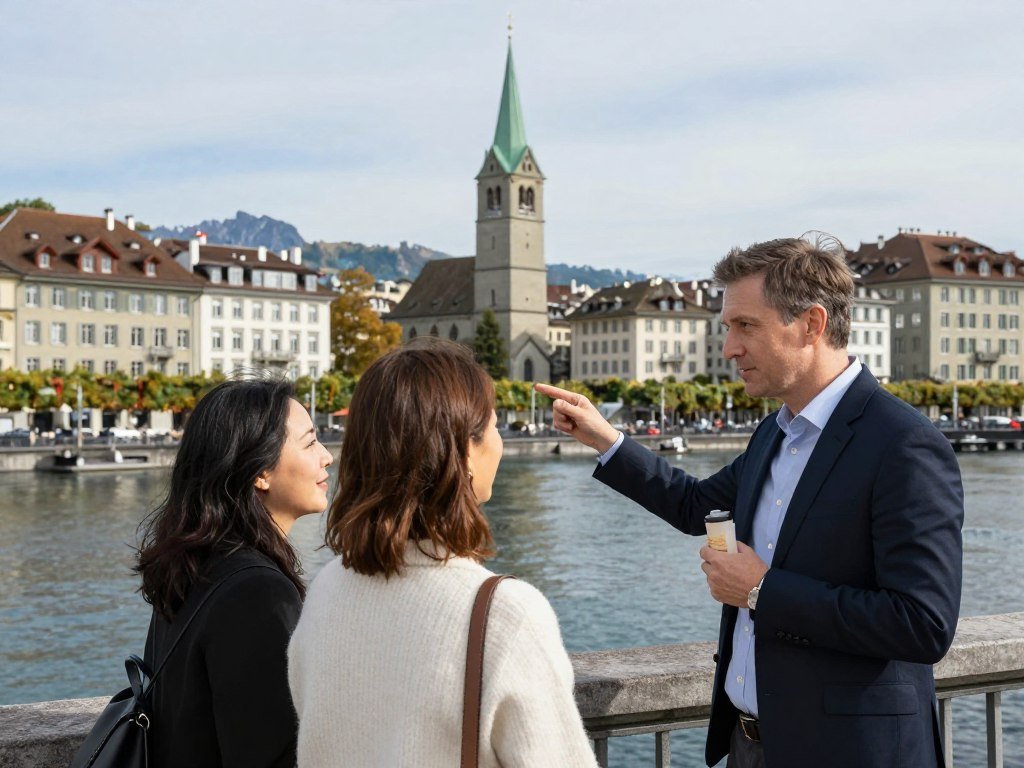
Customize your Geneva exploration with a private local guide. Cover old town highlights, hidden gems, and attractions matching your specific interests at your own pace.
- Duration: 2-3 hours flexible
- Fully customizable itinerary
- Expert private guide
- Your group only
Day Trip Tour Options
Chamonix & Mont Blanc Day Tour
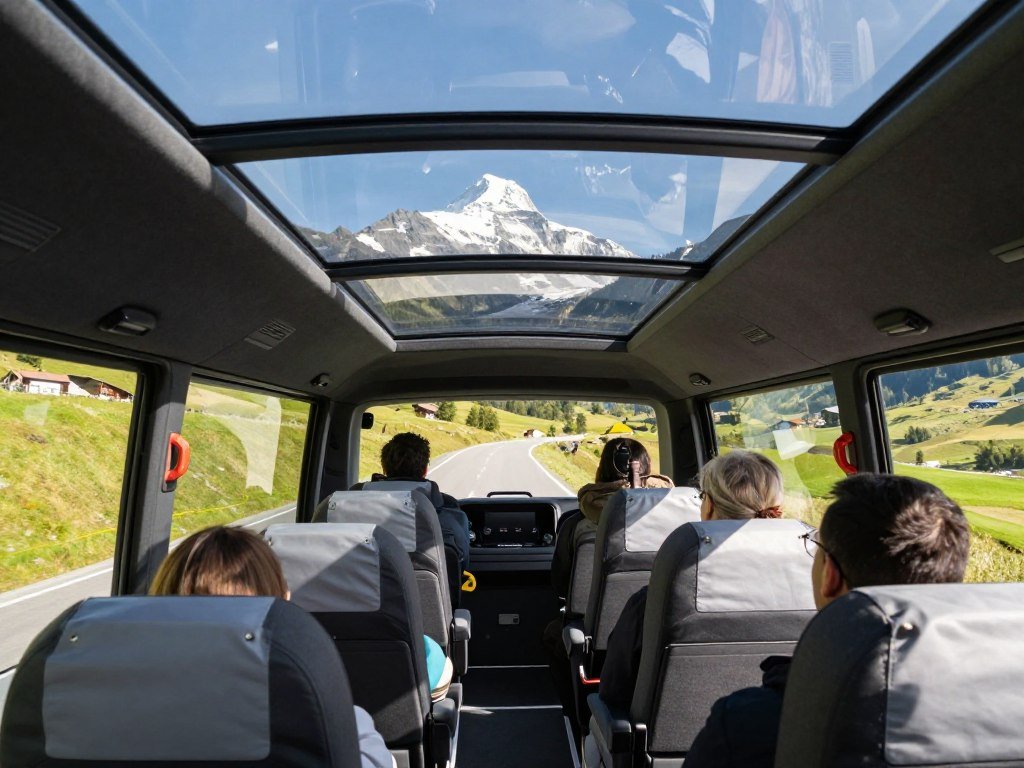
Journey to the base of Mont Blanc aboard a panoramic glass-roof bus. Includes guided tour, cable car options, and free time to explore Chamonix’s alpine village charm.
- Full day (9 hours)
- Panoramic glass bus
- Expert mountain guide
- Cable car upgrade available
Annecy - Venice of the Alps Tour
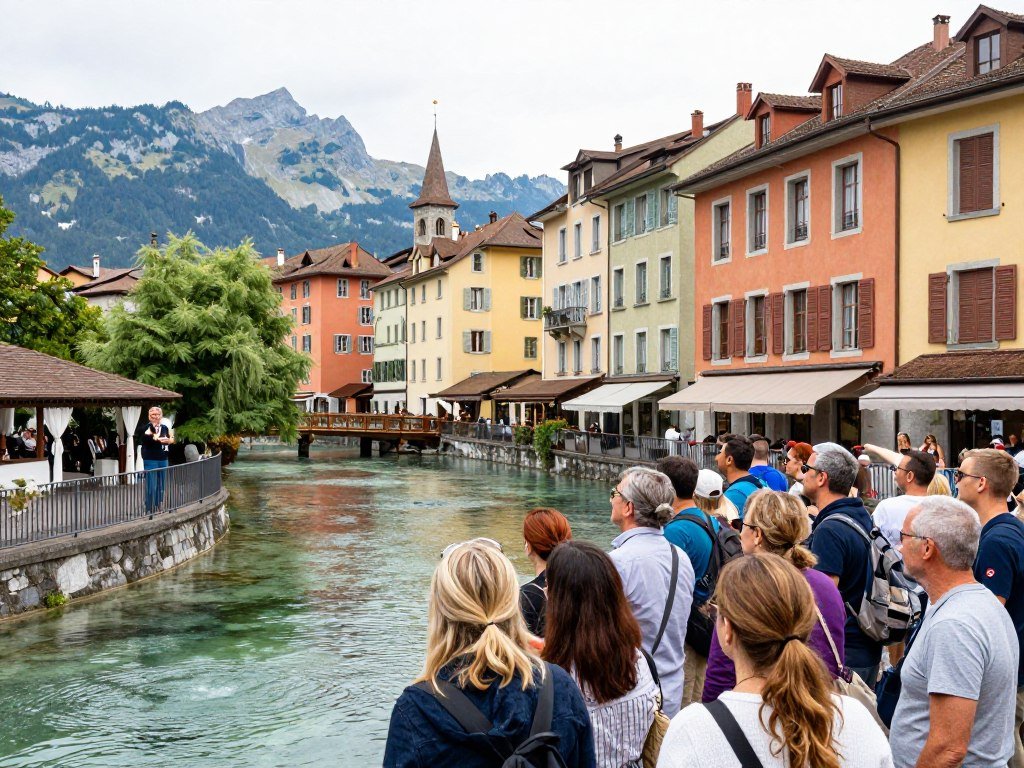
Discover charming Annecy with its medieval canals, lakefront setting, and mountain backdrop. Guided tour includes transport, old town walking tour, and free time to explore independently.
- Half day (5 hours)
- Comfortable coach transport
- Guided walking tour
- Free time included
Gruyères Cheese & Chocolate Tour
Visit a working Gruyère cheese factory and Cailler chocolate factory in the Swiss countryside. Includes factory tours, generous tastings, and time in medieval Gruyères village.
- Full day (8 hours)
- Two factory visits
- Tastings included
- Medieval village exploration
Your Geneva Adventure Awaits
Geneva rewards visitors with experiences that span from world-class cultural institutions to Alpine adventures, from historic old town explorations to cutting-edge science at CERN. The city’s unique position between lake and mountains, its role as an international diplomatic center, and its blend of French sophistication with Swiss precision create a destination unlike any other.
Whether your Geneva days focus on museums and chocolate, outdoor activities and mountain excursions, or simply absorbing the atmosphere along the lakefront, this city delivers memorable experiences across every category. The combination of iconic attractions, hidden local favorites, and easy access to surrounding regions makes Geneva an ideal Swiss destination for first-time visitors and returning travelers alike.
From sunrise swims at the Bains des Pâquis to sunset views from St. Peter’s Cathedral tower, from fondue dinners in the old town to moonlight kayaking where rivers meet, Geneva offers moments that become lasting memories. Start planning your Geneva adventure with confidence, knowing that this guide provides the foundation for discovering both the famous highlights and the local secrets that make this Swiss city so special.
Ready to Explore Geneva? Bookmark this guide for easy reference during your trip. Geneva’s attractions, restaurants, and experiences await your discovery. Safe travels and enjoy every moment in this remarkable Swiss city!
