
Cologne stands as one of Germany’s most vibrant culinary destinations. This historic city along the Rhine River offers far more than its famous cathedral and Kölsch beer culture. The food scene here pulses with energy, creativity, and tradition.
From wood-paneled Brauhaus taverns serving hearty German dishes to innovative fine dining establishments pushing culinary boundaries, Cologne’s restaurant landscape continues to evolve. The city’s neighborhoods each offer distinct flavors and atmospheres. Whether you crave authentic German food, international cuisine, or plant-based creations, this guide reveals where to find the best food in Cologne.
The 2026 dining scene in Cologne reflects both respect for culinary heritage and enthusiasm for innovation. Local chefs continue honoring Rheinland traditions while embracing sustainability practices and global flavors. This creates a dining atmosphere that feels simultaneously timeless and contemporary.
This comprehensive guide organizes Cologne’s restaurant scene into practical categories. Each section highlights establishments that locals genuinely love and visitors consistently praise. Expect detailed descriptions, neighborhood context, and practical tips for experiencing the best restaurants Cologne has to offer.
Traditional & Must-Try Cologne: Authentic German Food
The heart of Cologne’s food culture beats strongest in its traditional German restaurants. These establishments serve Rheinland specialties that have satisfied locals for generations. The atmosphere in these places carries weight and character.
Früh am Dom
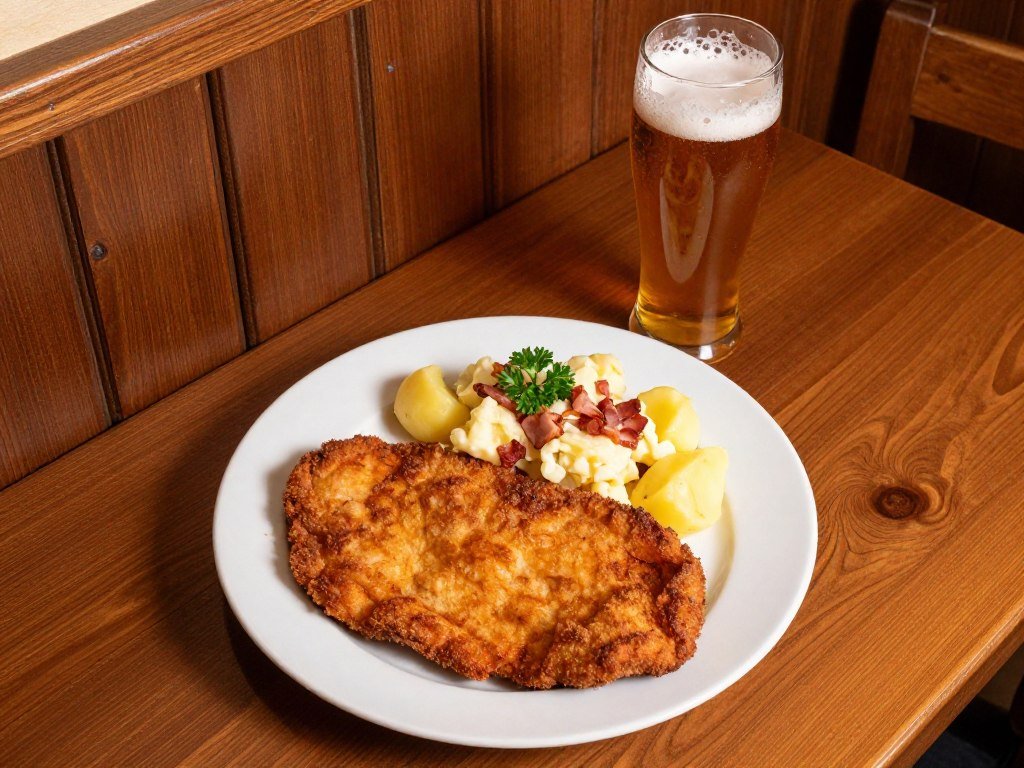
This iconic Brauhaus sits steps from Cologne Cathedral. Früh am Dom represents everything visitors imagine when they think of traditional German beer halls. The massive dining rooms buzz with conversation and the constant movement of servers delivering fresh Kölsch beer.
The menu features classic German dishes prepared with care. Their Himmel un Ääd combines mashed potatoes, apple sauce, and blood sausage in a surprisingly harmonious way. The Halve Hahn, despite its name meaning “half chicken,” actually consists of aged Gouda cheese with rye bread and raw onions. This traditional Cologne snack pairs perfectly with the house Kölsch.
The atmosphere feels authentically German without crossing into kitsch. Wooden tables accommodate both small groups and large parties. Service moves quickly but remains friendly. During peak times, expect to share table space with other diners, which adds to the communal beer hall experience.
Peters Brauhaus
Located in the Altstadt, Peters Brauhaus offers a more intimate alternative to larger beer halls. The restaurant spans multiple rooms, each with distinct character. Some feature traditional dark wood paneling while others embrace a lighter, more open atmosphere.
Their sauerbraten stands out as particularly excellent. The marinated beef roast comes with red cabbage and potato dumplings, all covered in a rich gravy. The meat achieves perfect tenderness after days of marination. Their schnitzel also deserves attention, arriving crispy and golden with a squeeze of lemon.
The beer garden opens during warm months, providing one of the best outdoor dining experiences in the old town. Sitting under chestnut trees while sipping Kölsch creates quintessential Cologne memories.
Lommerzheim
This local institution in Deutz operates differently from tourist-oriented Brauhäuser. Lommerzheim serves a limited menu focused on quality over variety. The interior looks unchanged for decades, which locals consider a feature rather than a flaw.
Servers automatically bring Kölsch beer the moment you sit down. Remember to place your coaster on top of your glass when finished, or expect continuous refills. The pork knuckle, available only on Wednesdays, has achieved legendary status among locals. Their sausages and pork chops also maintain high standards.
The atmosphere skews heavily toward authentic German pub culture. Conversations happen at full volume. Tables fill quickly during dinner hours. This represents real Cologne dining culture rather than a curated tourist experience.
Bei d'r Tant
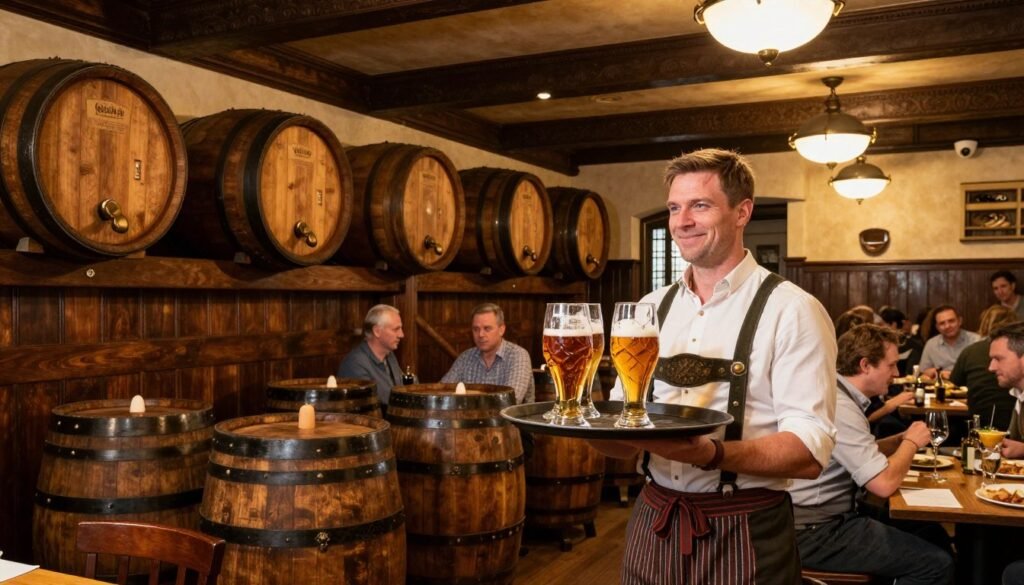
This neighborhood restaurant captures the essence of traditional Cologne cooking. The menu changes seasonally but always includes regional specialties. Their Blutwurst (blood sausage) with fried potatoes and egg represents comfort food at its finest.
The patio opens during summer months, creating a relaxed outdoor dining space. Inside, the atmosphere feels like a well-loved local pub. Regulars occupy their usual spots at the bar. The place maintains genuine neighborhood character despite its growing popularity.
Venison and game dishes appear frequently on their seasonal menu. These preparations showcase traditional German cooking techniques applied to quality ingredients. The portions satisfy without overwhelming, leaving room to enjoy dessert and a final Kölsch beer.
Ready to Experience Authentic Cologne Cuisine?
Book your table at Cologne’s best traditional restaurants through Germany’s leading reservation platform. Secure your spot at these popular Brauhaus establishments before your visit.
Fine Dining & Gourmet Experiences in Cologne
Cologne’s upscale dining scene continues maturing in 2026. The city now hosts several establishments worthy of special occasion dining. These restaurants balance technical excellence with genuine hospitality, avoiding the pretension that sometimes plagues fine dining.
Taku
This Michelin-starred Japanese restaurant brings authentic kaiseki traditions to Cologne. Chef Taku Sekine creates tasting menus that change with seasons and ingredient availability. Each course demonstrates precise technique and deep respect for Japanese culinary philosophy.
The intimate dining room seats only a handful of guests. This allows the kitchen to maintain exacting standards across every dish. The atmosphere encourages quiet conversation and focused appreciation of the food. Service moves at a measured pace, allowing proper time between courses.
Reservations require significant advance planning, particularly for weekend evenings. The investment proves worthwhile for anyone seeking serious Japanese cuisine in Germany. This represents fine dining that prioritizes substance over spectacle.
Ox & Klee
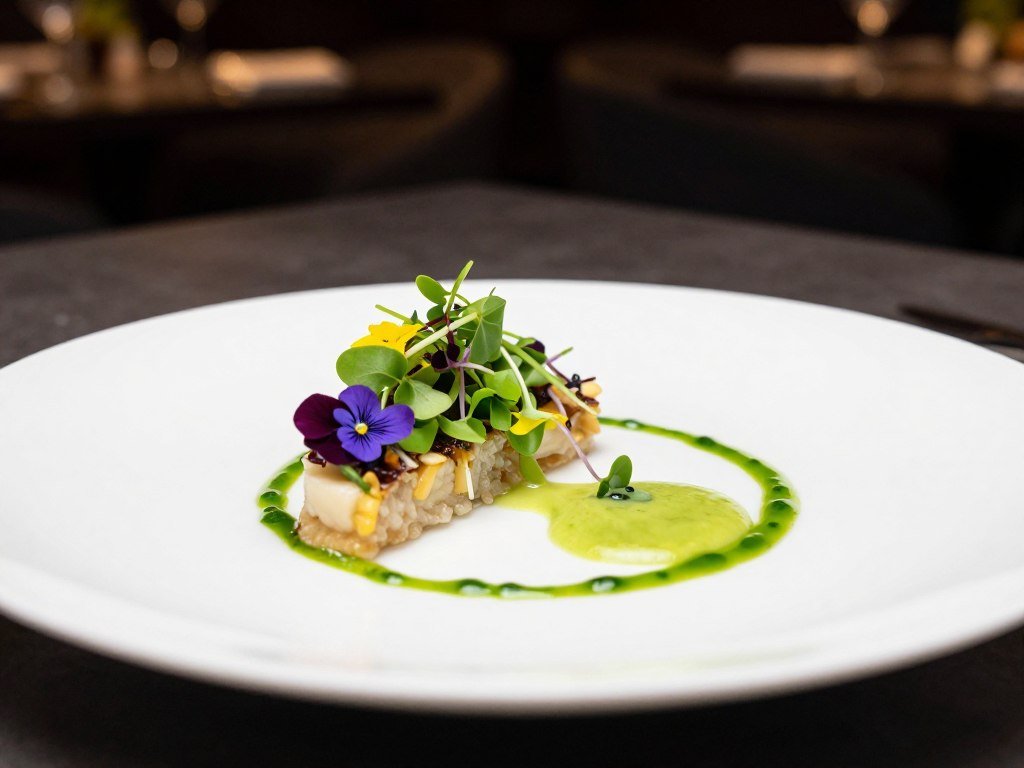
Daniel Gottschlich operates this two-Michelin-star restaurant with precision and creativity. The menu format offers choices between several tasting menu options, each exploring different culinary themes. Vegetarian menus receive equal attention and creativity as meat-focused offerings.
The dining room design embraces modern minimalism without feeling cold. Large windows flood the space with natural light during lunch service. Evening meals create a more intimate atmosphere through carefully managed lighting.
Wine pairings demonstrate sophisticated selection and knowledge. The sommelier team explains choices without condescension, making fine wine accessible to both enthusiasts and novices. This approach to service defines the entire Ox & Klee experience.
Alfredo
This Italian fine dining restaurant maintains one Michelin star through consistent excellence. The menu draws from traditional Italian cuisine while incorporating contemporary techniques. Fresh pasta dishes showcase proper texture and sauce integration rarely found outside Italy.
The wine list emphasizes Italian producers, offering both familiar names and lesser-known regional bottles. Staff demonstrate genuine expertise in matching wine to food, enhancing the overall dining experience significantly.
The atmosphere strikes a balance between formal and comfortable. This allows guests to enjoy refined cuisine without excessive formality. The location in the Belgian Quarter makes it convenient for combining dinner with exploration of one of Cologne’s most charming neighborhoods.
Le Moissonnier
Classic French technique guides the kitchen at this long-established fine dining destination. The menu changes regularly to reflect seasonal availability. Dishes demonstrate the kind of technical skill that comes only from years of serious training.
The dining room feels elegant without ostentation. White tablecloths and professional service create traditional fine dining ambiance. The restaurant attracts both special occasion diners and serious food enthusiasts.
Located in Südstadt, Le Moissonnier anchors a neighborhood known for good restaurants. The area offers excellent opportunities for pre-dinner drinks or post-dinner walks along tree-lined streets.
International Flavors: Global Cuisine Done Right
Cologne’s international restaurant scene has improved dramatically in recent years. The city now offers legitimate options for various global cuisines. These establishments go beyond surface-level interpretations to deliver authentic flavors and cooking techniques.
Antica Pizzeria Nennillo
This Neapolitan pizza restaurant imports ingredients directly from Italy. The pizza dough undergoes proper fermentation, creating the characteristic airy crust with charred spots. The wood-fired oven reaches temperatures necessary for authentic Neapolitan pizza.
Menu highlights include the Ciccio pizza with mortadella, pistachio cream, and ricotta. The combination sounds unusual but works beautifully. Their Rot & Böse adds spicy ‘nduja for those seeking heat. The restaurant also offers excellent gluten-free crust options that don’t compromise on taste or texture.
Located in the Belgian Quarter, Nennillo has become a neighborhood fixture. The dining room maintains a casual atmosphere appropriate for pizza. Service moves efficiently without rushing diners. This represents pizza that could hold its own in Naples.
Takezo
Finding authentic ramen in Germany presents challenges. Takezo succeeds where many others fail. Their broths achieve proper depth and richness through extended cooking time and quality ingredients. The noodles maintain correct texture and chewiness.
The restaurant operates without pretension. Simple décor focuses attention on the food. The menu offers several ramen styles along with other Japanese comfort food dishes. Prices remain reasonable for the quality delivered.
Located near Heumarkt, Takezo provides a satisfying meal after exploring the old town or before visiting the Chocolate Museum. The restaurant fills quickly during peak hours, but turnover moves at a steady pace.
Tigermilch
This Peruvian restaurant serves ceviches, lomo saltado, and other South American specialties. The flavors achieve proper brightness and balance. Their mushroom ceviche offers an excellent vegetarian option that doesn’t feel like an afterthought.
The pisco sours deserve special mention. These cocktails achieve the perfect balance of sweet, sour, and spirit. The bartenders understand the drink’s proper preparation, which elevates the entire dining experience.
The atmosphere feels lively without excessive noise. The Latin Quarter location makes it convenient for combining dinner with exploration of one of Cologne’s most vibrant neighborhoods. The restaurant attracts a diverse crowd of locals and visitors.
Kilim Turkish Restaurant
Traditional Turkish cuisine reaches high standards at Kilim. The menu spans mezze, grilled meats, and hearty soups. Their pide arrives with perfectly crispy edges and generous toppings. The lentil soup provides comfort in a bowl.
The Mülheim location puts the restaurant slightly outside the main tourist areas. This contributes to its authentic atmosphere and local following. The dining room buzzes with conversation in multiple languages.
Portions lean toward generous. The freshly baked bread accompanies most dishes and shouldn’t be overlooked. The mezze platter offers an excellent way to sample multiple preparations and flavors in one meal.
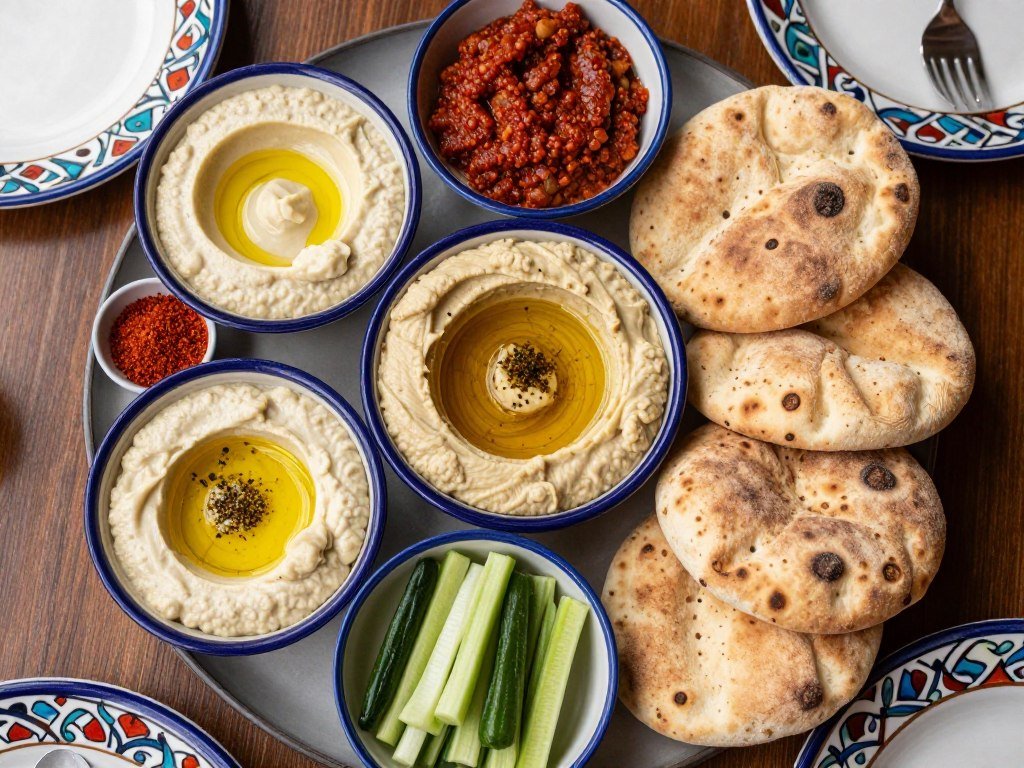
Mashery Hummus Kitchen
This vegan-friendly Middle Eastern restaurant centers its menu around hummus bowls. Each bowl features creamy hummus topped with various preparations like roasted cauliflower, slow-cooked mushrooms, or za’atar eggplant.
The branding and interior design create an appealing, modern atmosphere. The restaurant works equally well for quick lunches or relaxed dinners. Fresh lemonade and other beverages complement the food nicely.
The Latin Quarter location places Mashery among other popular restaurants and cafes. The neighborhood encourages exploration before or after meals. The restaurant attracts a health-conscious crowd without feeling exclusive or preachy about dietary choices.
Los Carnales Taqueria
Mexican food in Germany rarely reaches acceptable standards. Los Carnales breaks this pattern. Their street-style tacos achieve proper flavor balance and texture. The restaurant began as a vegan food truck, which explains their excellent plant-based options.
Meat options include carne asada, pastor, and pibil, all prepared with attention to traditional techniques. The napolitos and soy tinga satisfy vegetarian diners. The riverside patio offers excellent outdoor dining when weather permits.
The Rheinauhafen location provides views across the Rhine. The colorful décor incorporates Mexican cultural elements without becoming cartoonish. This represents Mexican food that respects the cuisine’s traditions while adapting to local ingredient availability.
Trendy & Contemporary: Modern Cologne Dining
Cologne’s contemporary restaurant scene embraces innovation while respecting quality ingredients. These establishments attract diners seeking creative cooking and modern atmospheres. The best among them avoid trendiness for its own sake.
WALLCZKA
This Ehrenfeld restaurant serves family-style small plates inspired by pan-European cuisine. The concept resembles German tapas, encouraging sharing and variety. The menu emphasizes locally sourced ingredients prepared with both traditional and modern techniques.
The restaurant offers abundant vegetarian and vegan options that receive equal creativity as meat dishes. This inclusive approach to menu design makes WALLCZKA suitable for diverse dining groups. The cozy atmosphere encourages relaxed conversation and lingering over meals.
Service strikes the right balance between attentive and unobtrusive. Staff demonstrate genuine knowledge about dishes and can guide diners through menu selections. The restaurant consistently appears on local “best of” lists for good reason.
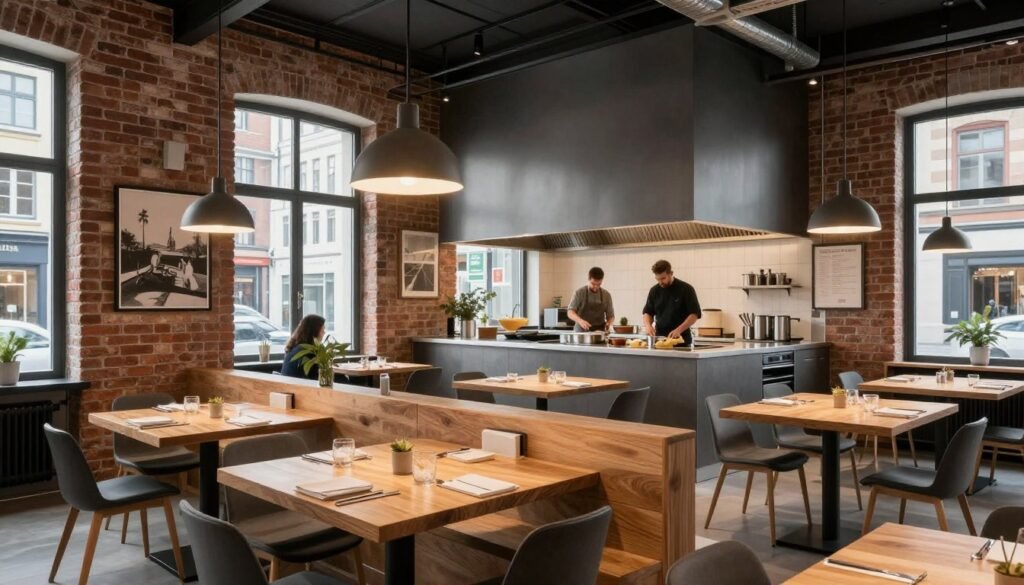
485 Grad
This wood-fired pizza restaurant in Südstadt offers creative topping combinations alongside classic options. The name references the oven temperature in Celsius. The open kitchen allows diners to watch pizzas being assembled and fired.
The menu includes numerous vegetarian and vegan pizzas that go beyond simply removing cheese. Creative ingredient combinations produce interesting flavor profiles. The restaurant also offers pizza for takeout, maintaining quality even for off-premise consumption.
The patio provides pleasant outdoor seating during warm months. Interior seating remains comfortable during cooler weather. The neighborhood location makes 485 Grad a natural choice for exploring Südstadt’s restaurant and bar scene.
60 Seconds to Napoli
Located directly on Heumarkt, this pizzeria brings Neapolitan traditions to a prime location. The 60-second firing time produces pizzas with characteristic thin crusts and slight char. Fresh ingredients include San Marzano tomatoes and buffalo mozzarella.
The outdoor seating offers excellent people-watching opportunities. The location in the Altstadt makes it convenient for tourists and locals alike. Service moves efficiently to accommodate the steady flow of diners.
The restaurant manages to maintain quality despite its tourist-heavy location. This represents reliable pizza in the heart of the old town, useful for refueling during sightseeing days.
Belgischer Hof
This Belgian brasserie offers classic Belgian and German dishes in an elegant garden setting. The flowers and living archways create an almost magical atmosphere in the heart of the Belgian Quarter. The menu includes Belgian classics alongside German flammkuchen.
The wine list emphasizes French producers, particularly Burgundy and Bordeaux selections. The beverage program demonstrates sophistication appropriate to the upscale-casual atmosphere. The restaurant works well for both romantic dinners and group celebrations.
The Belgian Quarter location puts diners in one of Cologne’s most charming neighborhoods. The area rewards pre-dinner or post-dinner exploration with independent shops and attractive architecture.
Vegetarian, Vegan & Sustainable: Plant-Based Excellence
Plant-based dining in Cologne has evolved significantly. The city now offers restaurants where vegetarian and vegan dishes take center stage rather than serving as afterthoughts. These establishments demonstrate that plant-based cooking can satisfy without compromise.
Bunte Burger
This fully vegan restaurant serves burgers, bowls, and other comfort food. The menu proves that plant-based versions of classic dishes can satisfy completely. The burger patties achieve proper texture and flavor without attempting to perfectly mimic meat.
The casual atmosphere makes Bunte Burger suitable for quick lunches or relaxed dinners. The restaurant attracts vegans and omnivores alike, which speaks to the food quality. The pricing remains accessible, encouraging regular visits.
Multiple locations across Cologne make Bunte Burger convenient regardless of which neighborhood you’re exploring. The consistent quality across locations demonstrates proper systems and training.
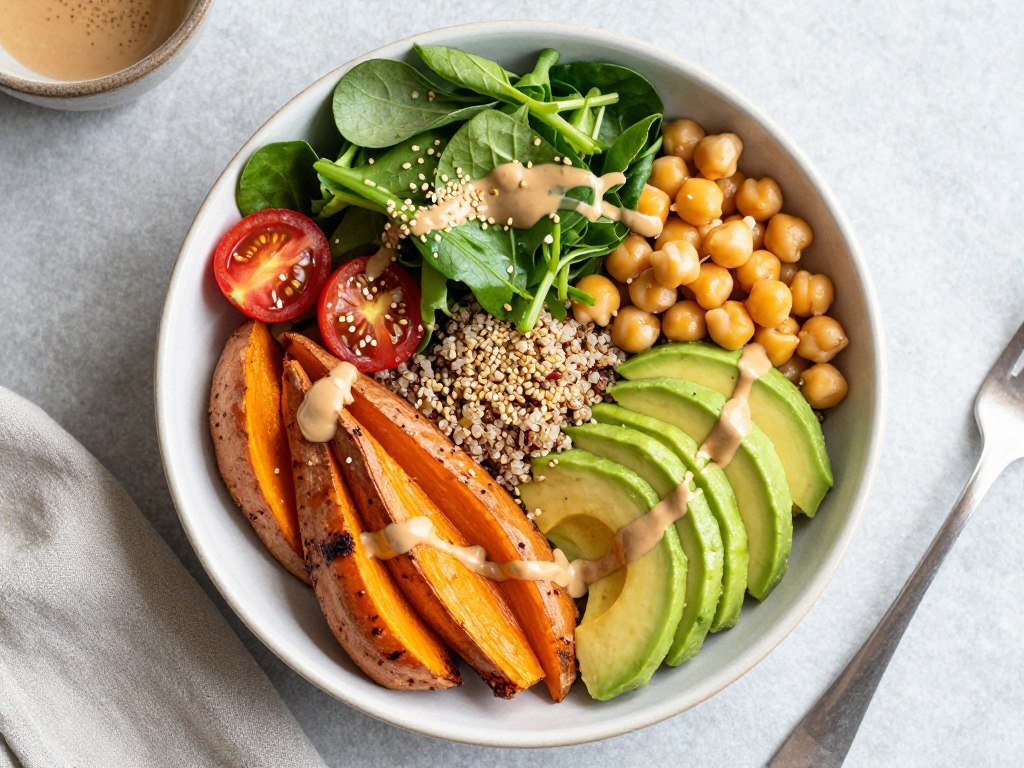
Sattgrün
This vegetarian buffet restaurant operates on a pay-by-weight model. The selection changes daily based on seasonal ingredients and chef inspiration. The food leans toward health-conscious preparations without sacrificing flavor.
The buffet format encourages trying multiple dishes in one meal. This works particularly well for lunch when time constraints limit multi-course ordering. The restaurant atmosphere feels bright and welcoming, appropriate for the health-focused menu.
The Neumarkt location provides convenient access from the city center. The restaurant attracts a diverse crowd including students, office workers, and health-conscious diners of all ages.
Hans im Glück
This burger chain deserves mention for its extensive vegetarian and vegan burger options. While not exclusively plant-based, the restaurant takes meat-free options seriously. The forest-themed interior design creates a distinctive atmosphere.
The menu clearly marks vegetarian and vegan options. Several burger variations cater specifically to plant-based diners. The quality remains consistent across the chain’s multiple Cologne locations.
The casual atmosphere and moderate pricing make Hans im Glück suitable for relaxed meals with mixed dietary preferences in the group. The restaurant proves that chain establishments can deliver quality when properly executed.
Gaffel am Dom Vegetarian Options
Even traditional German restaurants have expanded plant-based offerings. Gaffel am Dom now includes several vegetarian dishes that go beyond simple salads. This reflects the broader trend of traditional establishments adapting to changing dining preferences.
The inclusion of quality vegetarian options in traditional settings helps normalize plant-based eating. It also makes group dining easier when dietary preferences vary. This trend should continue strengthening through 2026.
Great Neighborhood Gems: District by District Guide
Cologne’s neighborhoods each offer distinct dining personalities. Understanding these areas helps visitors and locals discover restaurants aligned with specific moods and preferences. This section explores the best food options across key districts.
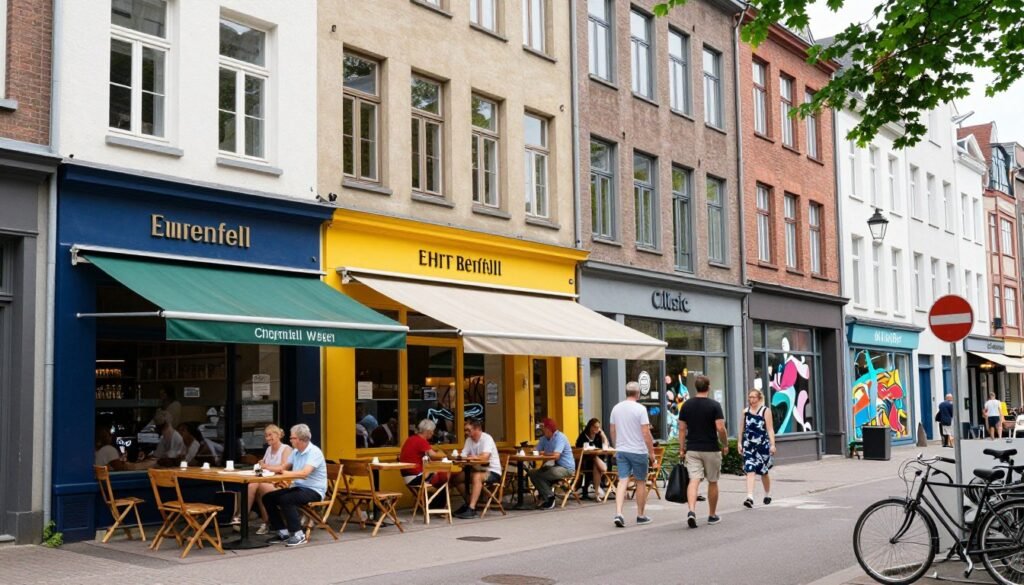
Belgian Quarter (Belgisches Viertel)
This charming neighborhood takes its name from streets named after Belgian cities. The area attracts creative professionals and maintains a sophisticated atmosphere. Restaurant quality tends toward the higher end.
Antica Pizzeria Nennillo represents the neighborhood’s approach to dining: serious about food without being pretentious about atmosphere. Other standouts include numerous independent cafes and wine bars perfect for afternoon breaks.
The tree-lined streets encourage walking between destinations. The neighborhood rewards exploration with architectural details and independent shops. Evening dining here often extends naturally into drinks at nearby bars.
Ehrenfeld
Ehrenfeld buzzes with creative energy and cultural diversity. The neighborhood has evolved from working-class industrial area to one of Cologne’s hippest districts. The restaurant scene reflects this transformation.
Kebapland brings wood-fired kebabs to the neighborhood. WALLCZKA serves innovative small plates. Van Dyck Rosterei provides excellent specialty coffee. The area offers something for every meal and mood.
The Ehrenfeld atmosphere feels more relaxed and diverse than the Belgian Quarter. Street art and independent businesses give the neighborhood distinct character. This represents Cologne at its most creative and inclusive.
Südstadt
This established neighborhood south of the city center maintains a residential feel while hosting numerous restaurants. The area attracts families and young professionals seeking quieter surroundings than the old town.
Jakob’s Gyros serves excellent Greek street food. Mangal delivers quality döner kebabs. 485 Grad offers creative wood-fired pizza. The neighborhood provides reliable dining without the tourist crowds of central areas.
The green spaces and quiet streets make Südstadt pleasant for post-dinner walks. The neighborhood feels authentically local, which affects the restaurant atmosphere positively. Prices often run slightly lower than more central districts.
Altstadt (Old Town)
The historic center naturally attracts tourists but also maintains restaurants that locals genuinely enjoy. Distinguishing between tourist traps and quality establishments requires some knowledge.
Rievkoochebud serves legendary reibekuchen from a simple street-side window. Peters Brauhaus offers traditional German food in authentic surroundings. 60 Seconds to Napoli provides quality pizza in the tourist zone.
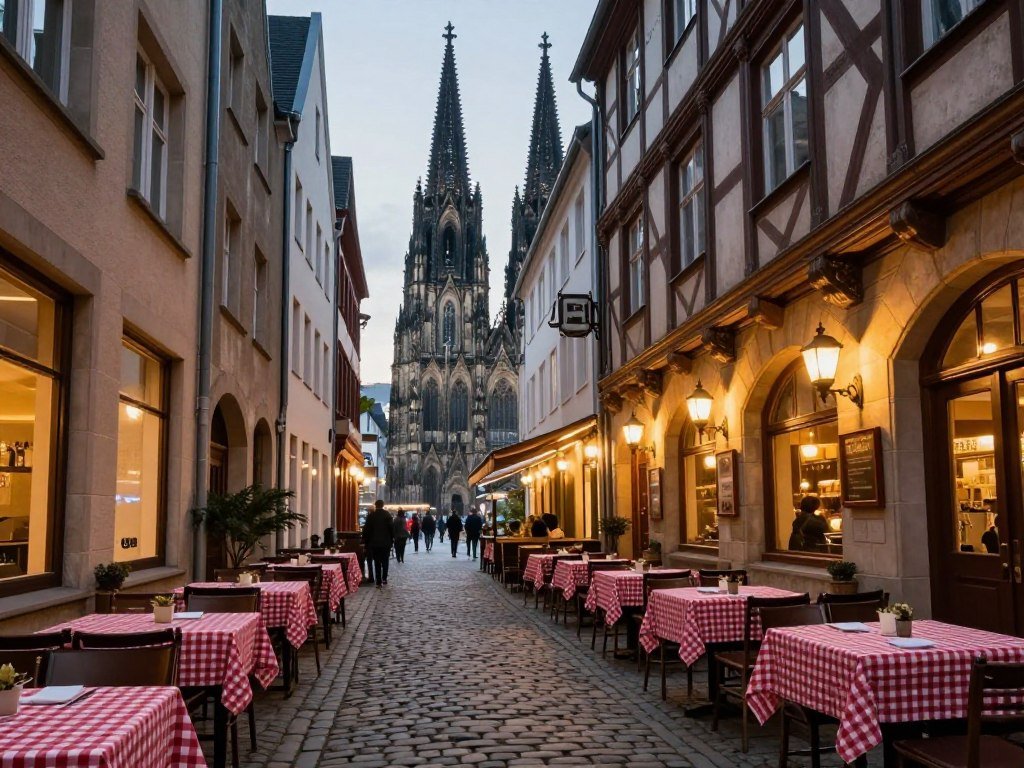
The old town works well for combining sightseeing with dining. The concentration of restaurants allows flexible meal planning. Evening hours bring beautiful lighting to the historic architecture around restaurant patios.
Latin Quarter
The student-influenced Latin Quarter around Zülpicher Straße offers diverse, affordable dining. The neighborhood maintains youthful energy and cultural diversity. Restaurant turnover can be high, but quality options persist.
Habibi serves vegetarian Lebanese food with generous portions. Mashery Hummus Kitchen provides creative Middle Eastern bowls. Il Bagutta delivers rustic Italian cuisine. The area works well for casual meals and budget-conscious dining.
The neighborhood atmosphere shifts noticeably between day and evening hours. Lunch time brings students and workers. Evenings attract people beginning nights out at the area’s numerous bars. The energy level runs consistently high.
Rheinauhafen
This redeveloped harbor area features modern architecture and waterfront dining. The neighborhood feels more designed than organically developed. Restaurant quality varies, but standout options exist.
Los Carnales Taqueria occupies prime riverside real estate with excellent patio seating. The views across the Rhine add value to the dining experience. The area works particularly well during warm weather when outdoor seating makes the most of the location.
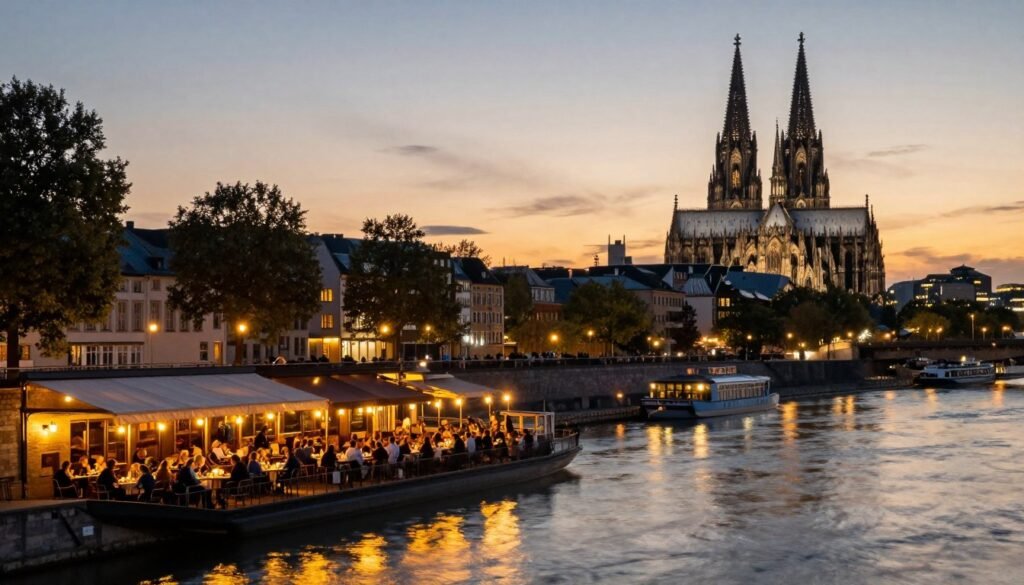
The Chocolate Museum anchors the area as a tourist destination. This affects the restaurant scene, with some establishments catering heavily to visitors. Evening hours bring beautiful sunset views across the water.
Coffee Culture: Specialty Cafes Worth Visiting
Cologne’s specialty coffee scene has matured considerably. The city now hosts several cafes that take coffee seriously, from sourcing to preparation. These establishments provide alternatives to the ubiquitous chain cafes.
Van Dyck Rosterei
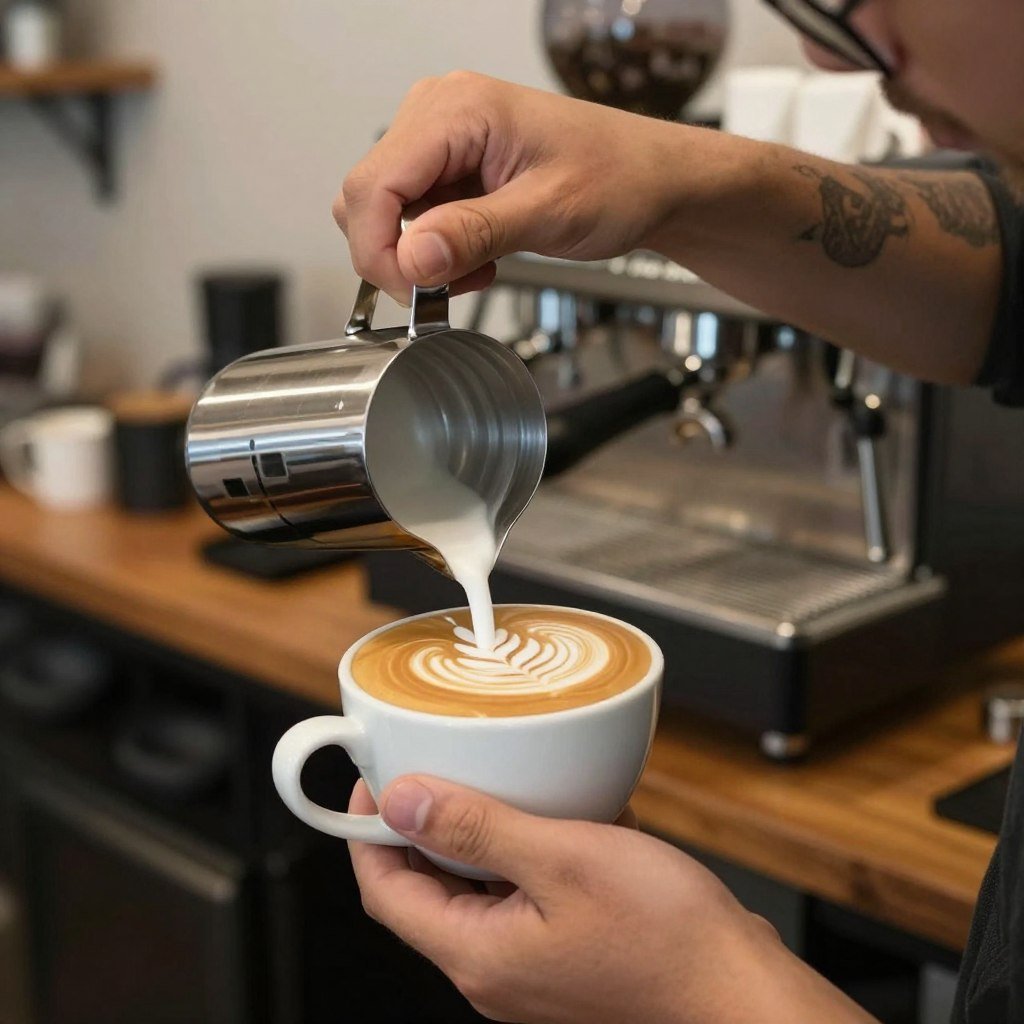
This Ehrenfeld cafe roasts its own beans and brews with precision. The staff demonstrate genuine expertise and passion for coffee. A double espresso is recommended over the single, which tends toward small portions.
The atmosphere feels welcoming to both coffee enthusiasts and casual drinkers. The cafe offers various coffee beans for purchase, allowing visitors to bring home a taste of Cologne’s coffee scene. The neighborhood location makes it convenient when exploring Ehrenfeld.
Heilandt
Another specialty cafe focusing on quality beans and proper preparation. The coffee achieves good flavor with appropriate acidity and body. Again, double espressos offer better value and satisfaction than singles.
The efficient service makes Heilandt suitable for quick coffee stops without sacrificing quality. The cafe maintains standards during busy periods, demonstrating proper training and systems. The location near Bismarckstrasse places it conveniently for exploring western neighborhoods.
Gallery 4
This specialty cafe in the Latin Quarter serves coffee with unique flavor profiles. The passionate staff can guide customers through their offerings. The simple decor keeps focus on the coffee itself.
The location near other restaurants and cafes makes Gallery 4 convenient for combining with other activities. The cafe attracts coffee enthusiasts willing to try more adventurous roasts and preparation methods.
Espresso Perfetto
For reliable, well-executed espresso without complexity, Espresso Perfetto delivers. The cafe doesn’t chase cutting-edge coffee trends but maintains solid standards. The central location near Kolumba museum makes it convenient for tourists.
Sometimes straightforward coffee executed well satisfies more than experimental preparations. Espresso Perfetto fills this role effectively in Cologne’s coffee scene.
Ehrenfeld Cafe - Turkish Coffee
For something completely different, this tiny cafe prepares traditional Turkish coffee on heated sand. The ritual preparation becomes part of the experience. The resulting coffee demonstrates proper technique and quality ingredients.
The cafe creates a peaceful atmosphere despite its small size. The brewing process encourages slowing down and appreciating the moment. This represents coffee as cultural experience rather than mere caffeine delivery.
Street Food & Quick Bites: Cologne's Casual Food Scene
Sometimes the best food comes from the simplest preparations. Cologne’s street food scene offers quality quick meals without sit-down restaurant formality. These spots provide authentic flavors at accessible prices.
Rievkoochebud Reibekuchen
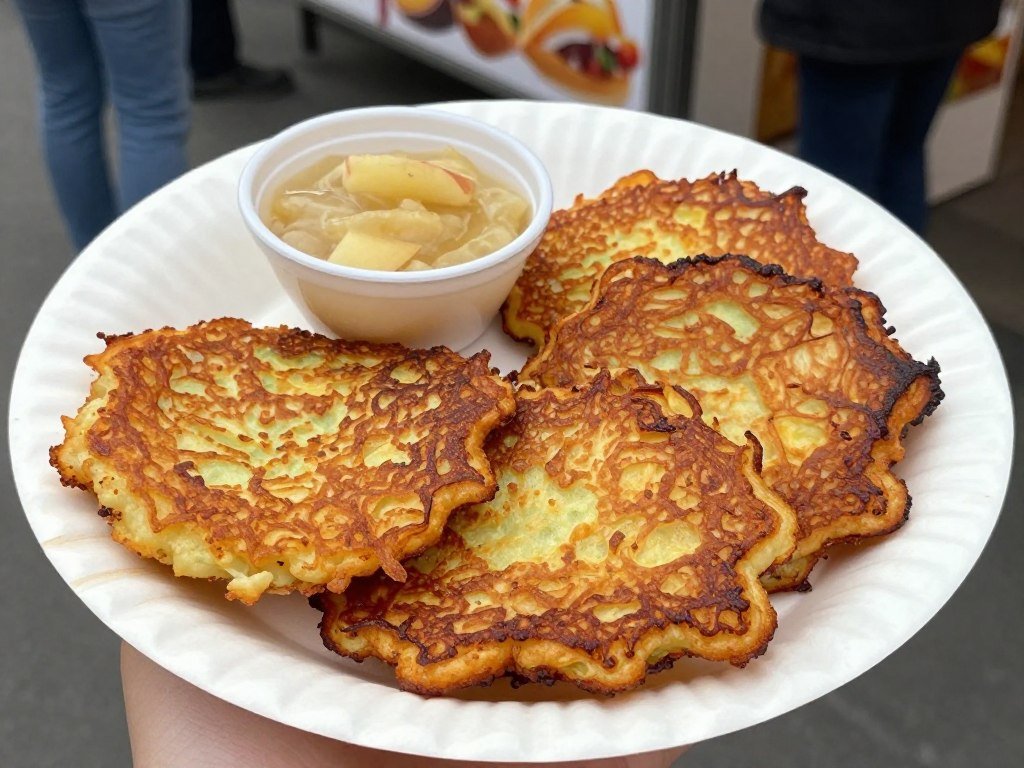
This street-window operation serves reibekuchen that have achieved legendary status. The fried potato pancakes arrive crispy outside and creamy inside. Traditional apple sauce accompanies each order, though adventurous eaters should try the garlic aioli.
The chef-owner prepares each order fresh, creating a brief wait that proves worthwhile. The location in the Altstadt makes it convenient for snacking while sightseeing. The simple preparation highlights quality ingredients and proper technique.
Kebapland
The wood-fired grill sets this kebab stand apart. All meat cooks on long skewers over wood fire, creating rich smoked flavors. Options include chicken, lamb, and sausage, served in bread or as plates.
The small indoor seating accommodates a few diners, but most customers take their kebabs to go. Lines form regularly but move quickly. The Ehrenfeld location places it conveniently for exploring the neighborhood.
Jakob's Gyros
Greek street food reaches high standards here. The gyros meat stays juicy, the pita remains warm and soft, and the tzatziki achieves proper garlicky thickness. This represents ideal recovery food after long exploration days or evening celebrations.
The Südstadt location serves neighborhood residents and visitors alike. The straightforward menu focuses on doing a few things very well. Prices remain reasonable for the quality delivered.
Mangal Döner
This local chain produces excellent döner kebabs. Their freshly baked pita bread provides the perfect vessel for spit-roasted meat. Options include chicken or lamb with various vegetable toppings.
The sauce selection deserves attention. Ordering all three sauces (spicy chili, thousand island cream, and tzatziki) creates ideal flavor combinations. Multiple locations across Cologne make Mangal convenient regardless of your neighborhood.
Currywurst Stands
The Cologne-style currywurst differs significantly from Berlin versions. The curry sauce here represents actual curry preparation rather than ketchup with curry powder. Curry Rico offers one of the better versions, though several quality stands operate throughout the city.
The dish represents pure German comfort food. Sliced bratwurst covered in curry sauce and served with bread or fries satisfies in ways that transcend its humble presentation. This quintessential German street food deserves trying at least once.
Practical Information for Dining in Cologne 2026
Understanding current dining practices helps visitors navigate Cologne’s restaurant scene effectively. Several trends and norms shape the 2026 dining experience in meaningful ways.
Reservation Trends
Popular restaurants increasingly require advance reservations. Fine dining establishments often book weeks ahead for weekend evenings. Mid-range restaurants typically need reservations several days in advance for prime dining times.
Several reservation platforms operate in Germany. OpenTable has limited penetration, while German-specific platforms like Resy and TheFork see wider use. Many restaurants maintain their own reservation systems through their websites. Calling directly remains effective, particularly at smaller establishments.
Walk-in dining still works at casual restaurants and street food venues. Beer gardens and traditional Brauhäuser often accommodate walk-ins through their communal seating arrangements. Flexibility with dining times increases chances of securing tables without reservations.
Dining Hours
German dining patterns differ from some other European countries. Lunch service typically runs from noon to 2 PM. Dinner starts around 6 PM, with peak times between 7 and 9 PM. Many kitchens close by 10 PM on weeknights, extending to 11 PM on weekends.
These patterns create opportunities for strategic timing. Early dinners at 6 PM often allow walk-in seating at otherwise busy restaurants. Late lunches around 2 PM similarly offer flexibility. Understanding these rhythms improves dining experiences significantly.
Payment and Tipping
Card payment has become more common but cash remains widely used. Smaller establishments may prefer cash or have minimum amounts for card transactions. Carrying some euros prevents payment complications.
Tipping practices in Germany differ from American norms. Rounding up the bill or adding 5 to 10 percent represents standard practice. Service charges are not typically added automatically. Tips are usually given directly to the server when paying rather than left on the table.
Sustainability Practices
Environmental consciousness increasingly influences Cologne’s restaurant scene. Many establishments now emphasize local sourcing and seasonal menus. Single-use plastics have largely disappeared from dining rooms.
Tap water is generally safe and good quality in Cologne, though restaurants may not automatically serve it. Asking for “Leitungswasser” (tap water) usually succeeds, particularly at more casual establishments. This practice reduces plastic bottle consumption.
Some restaurants now participate in food rescue programs, donating excess food rather than discarding it. Others have implemented composting programs and energy-efficient kitchen equipment. These practices represent growing environmental awareness in the industry.
Language Considerations
English proficiency varies across Cologne’s restaurant scene. Tourist-oriented establishments in the Altstadt generally have English-speaking staff and English menus. Neighborhood restaurants may require basic German or translation apps.
Learning a few German dining phrases enhances experiences. “Ich möchte reservieren” (I would like to reserve), “Die Rechnung, bitte” (The bill, please), and “Das war sehr gut” (That was very good) go far with restaurant staff. Most servers appreciate the effort even if they respond in English.
Dietary Restrictions
Cologne’s restaurant scene increasingly accommodates dietary restrictions. Vegetarian options have become standard. Vegan options appear more frequently, particularly at contemporary restaurants. Gluten-free preparations remain less common but are growing.
Communicating restrictions clearly helps kitchens accommodate needs. Many chefs will modify dishes when possible. Fine dining establishments particularly excel at accommodation when informed during reservation.
Exploring Cologne's Dynamic Restaurant Scene
Cologne’s food culture balances respect for tradition with enthusiasm for innovation. The city offers dining experiences that satisfy both conservative tastes and adventurous palates. From centuries-old Brauhäuser serving regional German specialties to contemporary restaurants pushing culinary boundaries, the range of options continues expanding.
The neighborhood structure creates natural opportunities for culinary exploration. Each district offers distinct atmospheres and dining personalities. Walking between restaurants, cafes, and bars allows discovery of the city’s character beyond its famous cathedral and museums.
The 2026 restaurant scene reflects broader cultural trends toward sustainability, inclusivity, and quality over quantity. More establishments emphasize local sourcing, seasonal cooking, and environmental responsibility. Plant-based options have evolved from afterthoughts to celebrated menu items. These changes make Cologne’s food scene more interesting and accessible to diverse diners.
Quality coffee culture has established itself firmly in Cologne. Specialty cafes now compete successfully with chain establishments by offering superior products and knowledge. The Turkish coffee ritual at Ehrenfeld Cafe and precise espresso preparations at Van Dyck Rosterei demonstrate the range available to coffee enthusiasts.
Street food options provide excellent value and authentic flavors. From reibekuchen at Rievkoochebud to wood-fired kebabs at Kebapland, casual dining reaches high standards. These quick meal options allow visitors to experience local food culture without formal restaurant settings.
The international restaurant scene has matured significantly. Authentic preparations of Italian, Japanese, Turkish, and Peruvian cuisines demonstrate that Cologne extends beyond German food. These restaurants prove that global flavors can thrive when executed with proper technique and respect for traditions.
Fine dining options continue multiplying, with several Michelin-starred establishments calling Cologne home. These restaurants achieve technical excellence while maintaining approachable atmospheres. The absence of excessive formality makes upscale dining accessible to both special occasion diners and serious food enthusiasts.
Understanding practical considerations enhances dining experiences. Reservation practices, payment norms, and dining hours all influence how successfully visitors navigate the restaurant scene. Small efforts like learning basic German phrases or timing visits strategically yield significant improvements in overall experiences.
Cologne rewards culinary curiosity. The willingness to venture beyond the old town, try unfamiliar dishes, and trust local recommendations leads to memorable meals. The best restaurants often exist in residential neighborhoods where rent costs allow focus on food quality over prime tourist locations.
The city’s restaurant scene will continue evolving through 2026 and beyond. New establishments will open while others close. Trends will shift as chefs experiment and diners’ preferences change. This constant evolution keeps the food scene dynamic and interesting for both residents and returning visitors.
Whether seeking traditional German comfort food, innovative contemporary cuisine, authentic international flavors, or simple street food, Cologne delivers. The variety of options ensures that every dining preference finds satisfaction. The key lies in knowing where to look and remaining open to the city’s culinary diversity.
This guide provides foundation knowledge for navigating Cologne’s 2026 restaurant landscape. Use it as a starting point for exploration rather than a definitive final word. Personal discoveries and unexpected favorites make travel memorable. The restaurants mentioned here represent quality options, but the city holds many more waiting to be discovered by curious eaters willing to explore.
