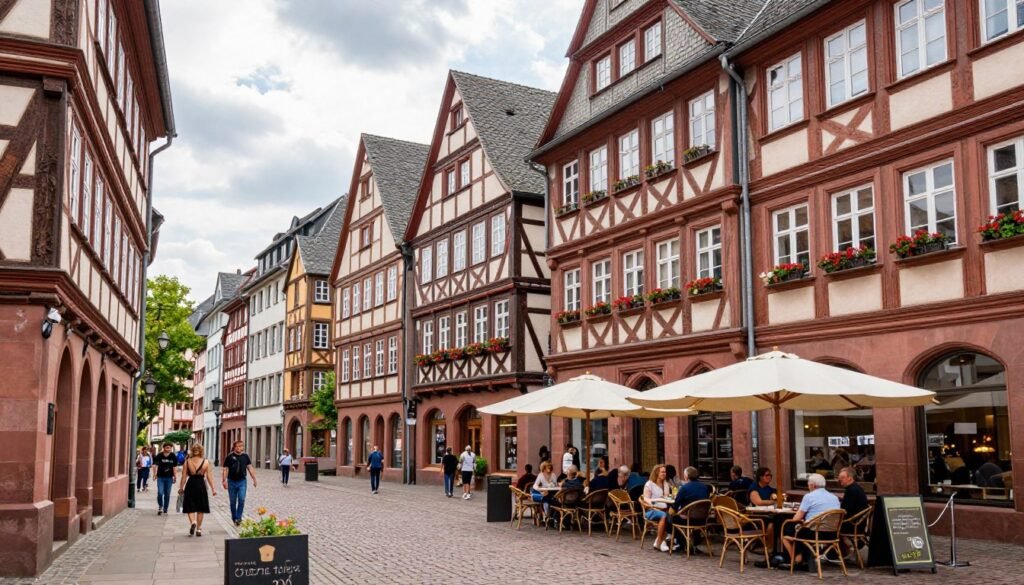
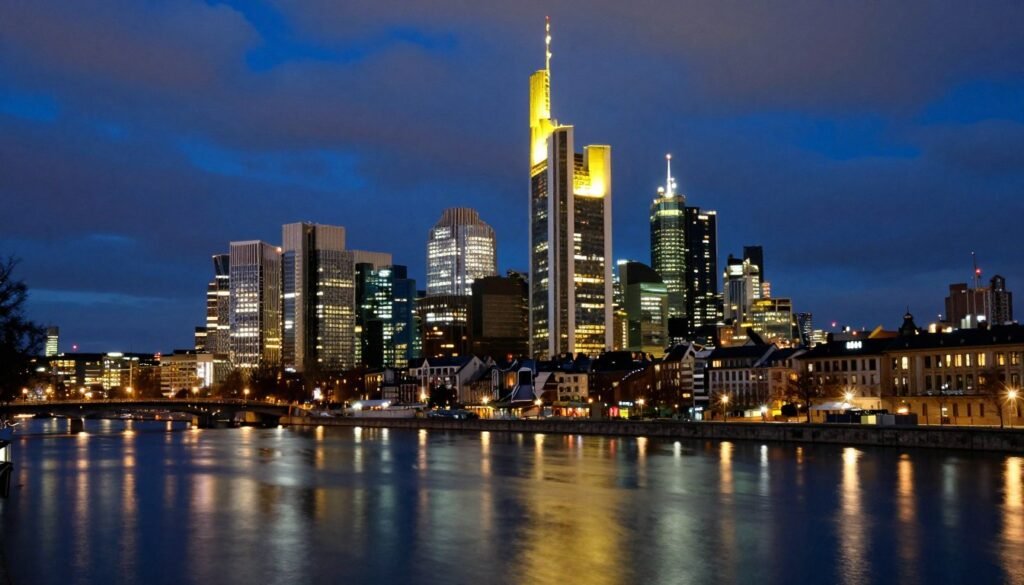
Frankfurt dazzles visitors with an extraordinary blend of medieval charm and futuristic architecture. This German financial powerhouse surprises travelers who expect only banking towers and business hotels. Beyond the gleaming skyscrapers lies a city rich in culture, history, and authentic German experiences.
The year 2026 brings exciting developments to Germany’s fifth-largest city. New cultural initiatives, restored historic landmarks, and world-class events promise unforgettable experiences for travelers.
This comprehensive guide unlocks Frankfurt’s treasures. You’ll discover hidden neighborhoods, savor traditional apple wine, explore world-renowned museums, and experience the perfect balance of old and new that defines this remarkable destination.
Cultural & Historical Must-Sees
Frankfurt’s historic heart beats with centuries of stories. The city carefully reconstructed its old town after World War II, creating an authentic medieval atmosphere that transports visitors back in time.
Römerberg Square: Frankfurt's Historic Heart
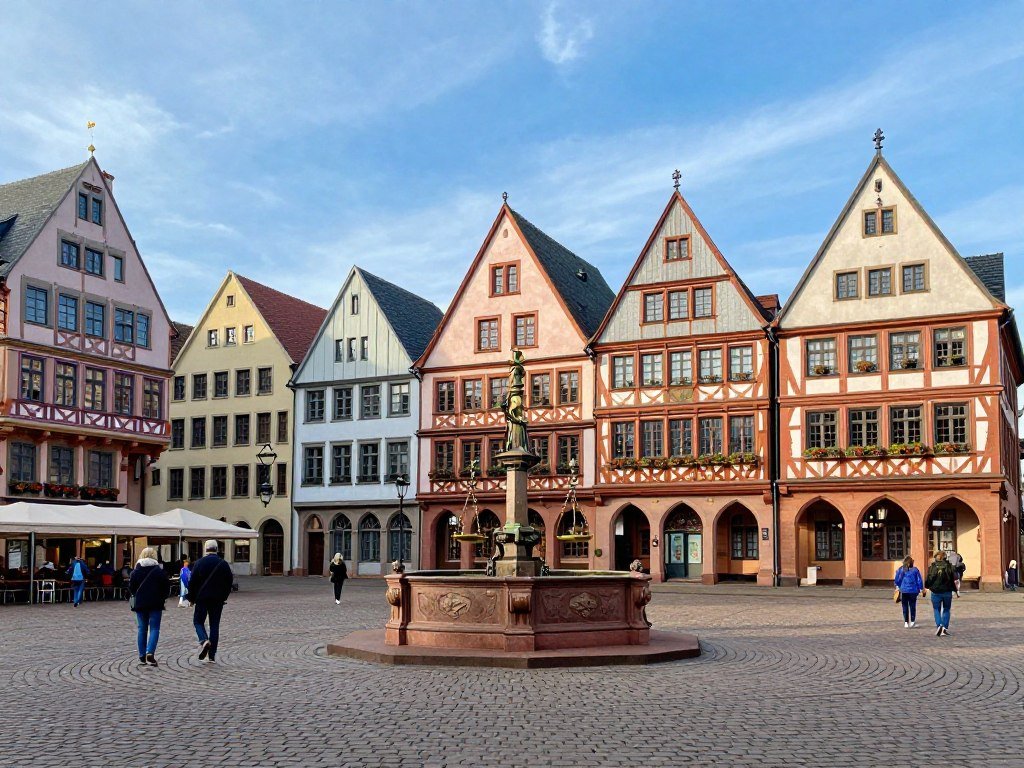
The Römerberg stands as Frankfurt’s most iconic landmark. This picturesque square showcases reconstructed medieval buildings with distinctive stepped gables. The colorful half-timbered facades create a postcard-perfect scene that captures Old World Germany’s essence.
The square served as Frankfurt’s city center for over 600 years. Today, visitors discover charming cafes, souvenir shops, and seasonal markets. The famous Christmas market transforms Römerberg into a winter wonderland each December.
Römer City Hall: Symbol of Frankfurt
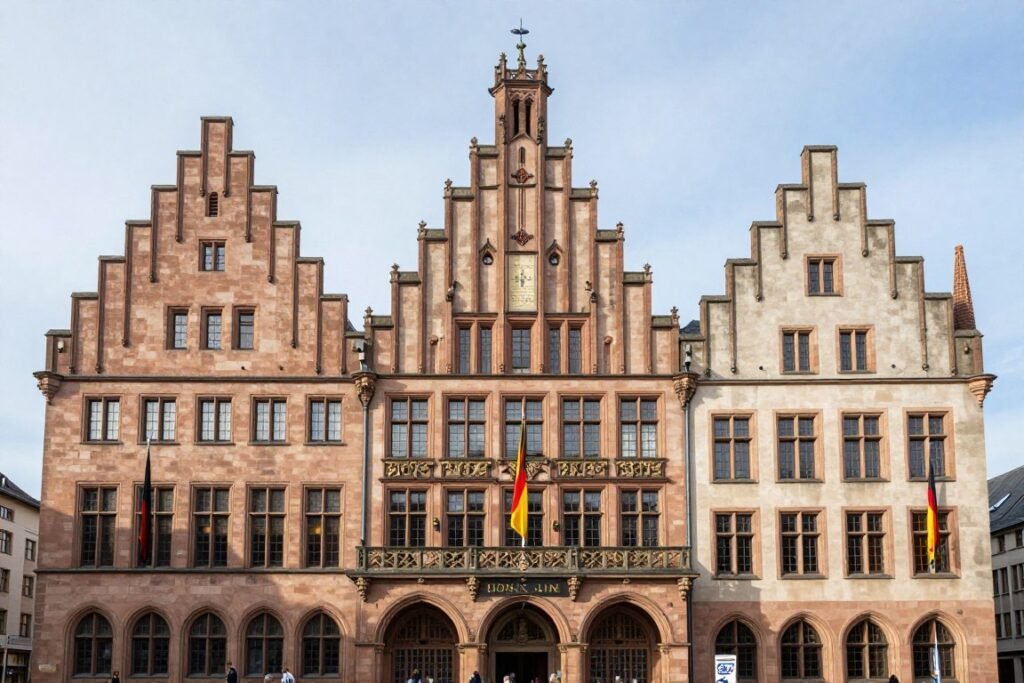
The Römer has served as Frankfurt’s city hall since 1405. This complex of three medieval buildings features the famous Emperors’ Hall, where 52 portraits of Holy Roman Emperors line the walls. The iconic stepped gables have become synonymous with Frankfurt’s identity.
Visitors can tour the historic chambers during designated hours. The Imperial Hall particularly impresses with its grandeur and historical significance. Free admission makes this a budget-friendly highlight of any Frankfurt trip.
Insider Tip: Visit Römerberg early morning or late afternoon to avoid crowds and capture stunning photographs in ideal lighting conditions.
St. Bartholomew's Cathedral: Imperial Coronation Site
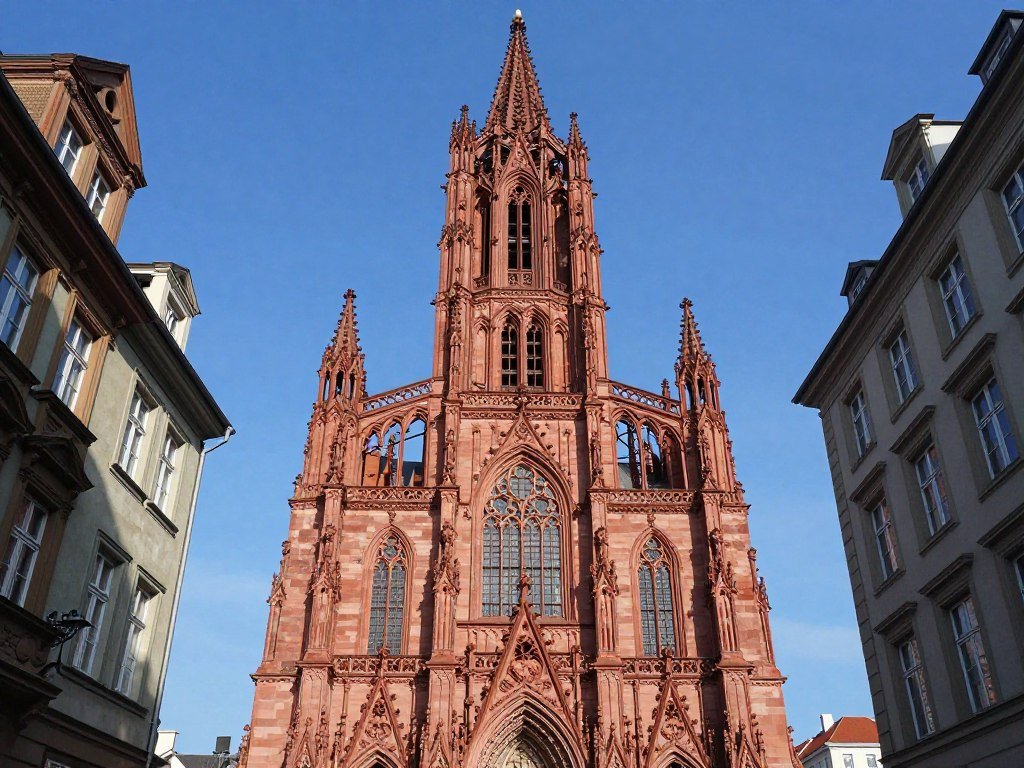
The Kaiserdom (Imperial Cathedral) dominated Frankfurt’s skyline for centuries. This Gothic masterpiece witnessed the coronation of Holy Roman Emperors from 1562 to 1792. The striking red sandstone tower reaches 95 meters into the sky.
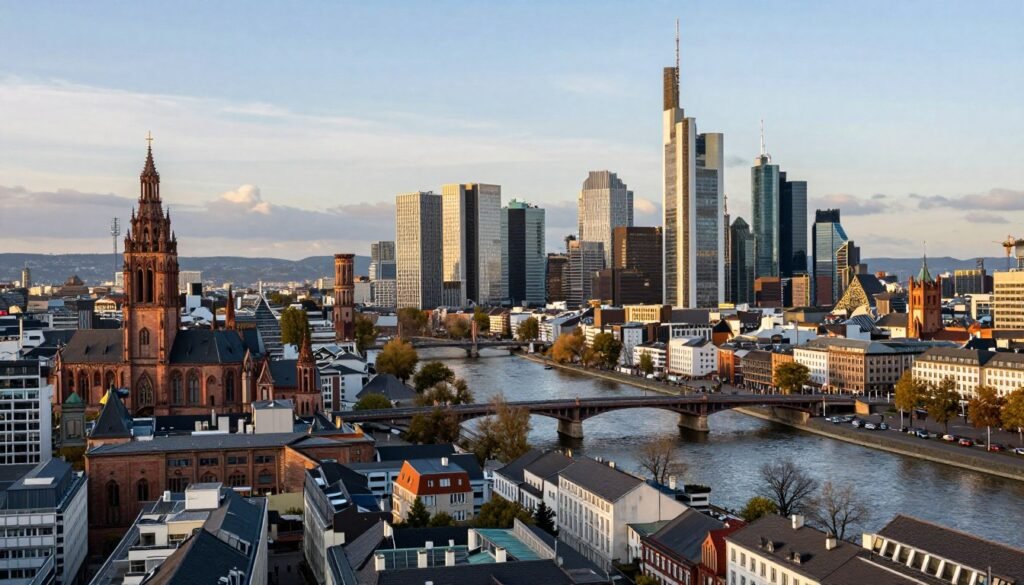
Adventurous visitors climb 328 steps to the viewing platform at 66 meters. The reward includes breathtaking panoramic views across Frankfurt’s contrasting landscape. You’ll see medieval spires beside modern towers, with the Main River winding through the city.
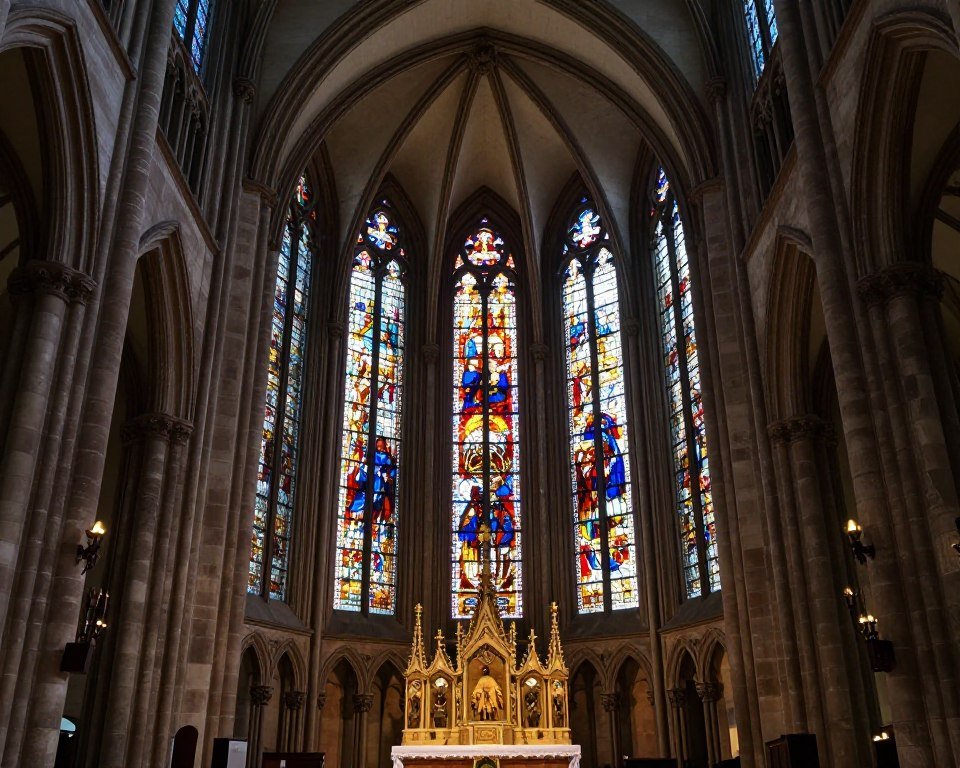
The cathedral interior features beautiful stained glass windows and sacred art spanning centuries. The attached Dom Museum displays religious artifacts and explains the cathedral’s pivotal role in German history.
Goethe House: Literary Pilgrimage
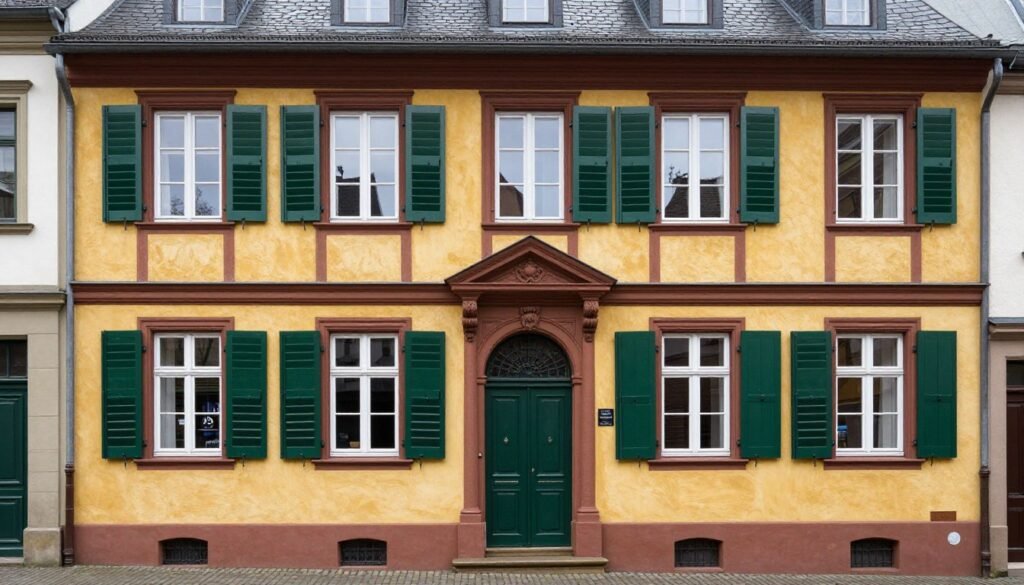
Johann Wolfgang von Goethe, Germany’s greatest writer, was born in this house in 1749. The meticulously reconstructed four-story building recreates the haute-bourgeois lifestyle of the 18th century. Each room contains period furniture, artworks, and personal items.
The third floor study where young Goethe penned early works particularly moves literature enthusiasts. The adjacent German Romanticism Museum opened recently, creating a comprehensive cultural complex celebrating German literary heritage.
Goethe House Highlights
- Authentic 18th-century furnishings
- Goethe’s birth room and study
- Family portraits and personal items
- Audio guides in multiple languages
- Combined ticket with Romanticism Museum
Visitor Information
- Open daily except Monday
- Adult admission: €7
- Guided tours available by appointment
- Photography allowed without flash
- Located 325m from Römerberg
Museumsufer: World-Class Art Collection
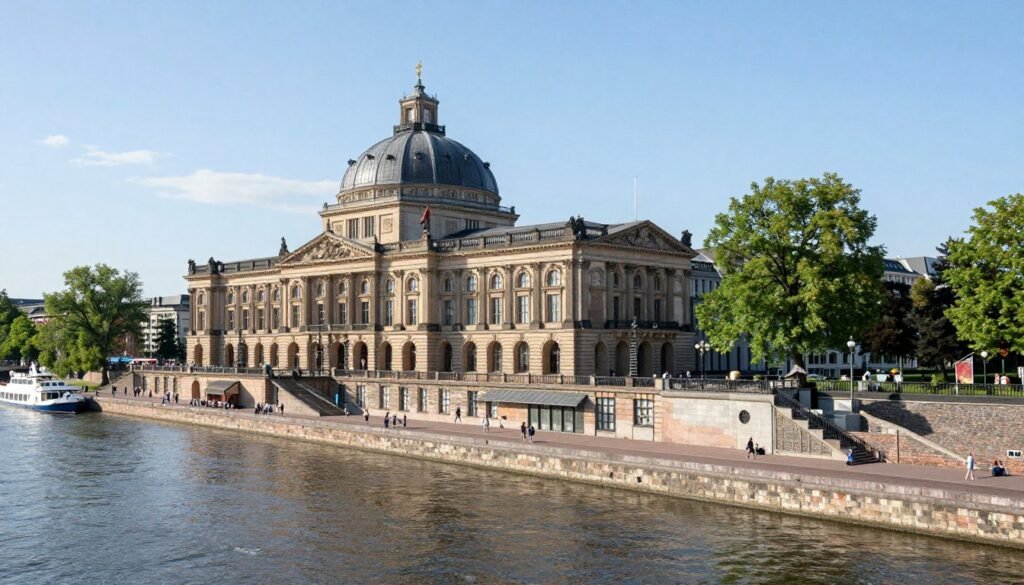
The Museum Embankment lines both sides of the Main River with 13 outstanding museums. This concentration of culture rivals Berlin’s Museum Island. The Städel Museum anchors the collection as one of Europe’s finest art galleries.
The Städel houses 700 years of European art under one roof. Masterworks by Rembrandt, Vermeer, Monet, Picasso, and contemporary artists fill the galleries. The collection spans from medieval religious art through modern installations.
Other notable museums include the German Film Museum, Museum of Applied Arts, and Liebieghaus Sculpture Collection. Museum Embankment Festival each August draws hundreds of thousands with open-air concerts and special exhibitions.
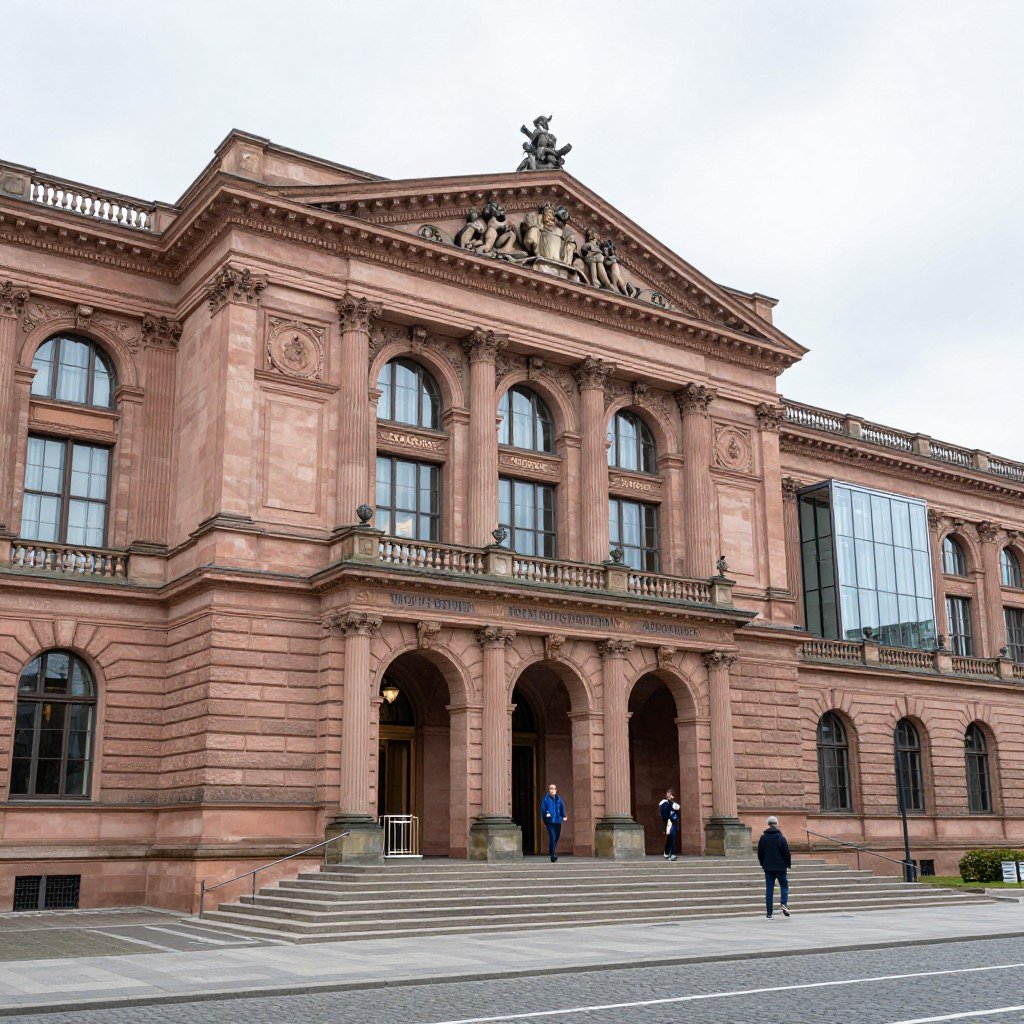
Städel Museum
Premier art museum featuring works from 1300 to present. Must-see for art lovers visiting Frankfurt.
- Old Masters collection
- Impressionist masterpieces
- Contemporary installations
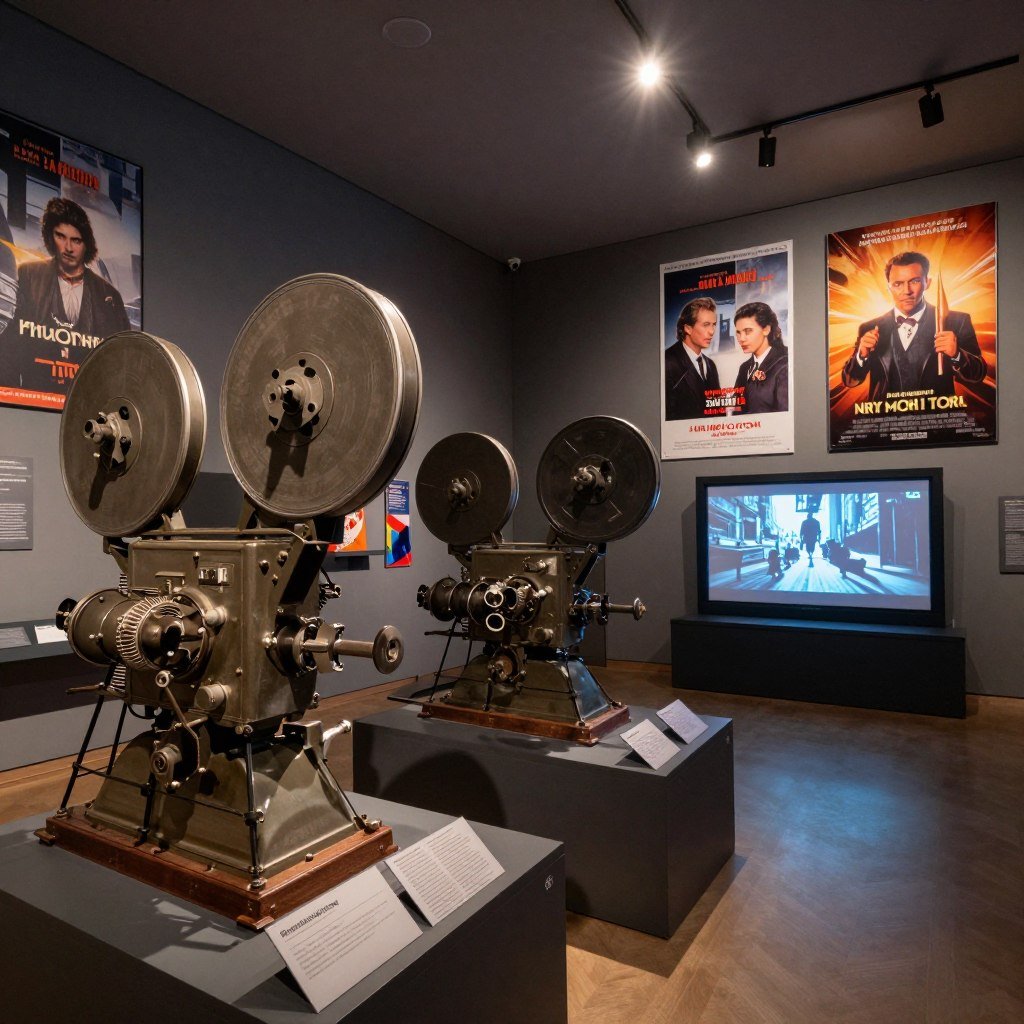
Film Museum
Explore cinema history through interactive exhibits and original equipment from film’s earliest days.
- Historic cameras and projectors
- Special effects demonstrations
- Classic film screenings
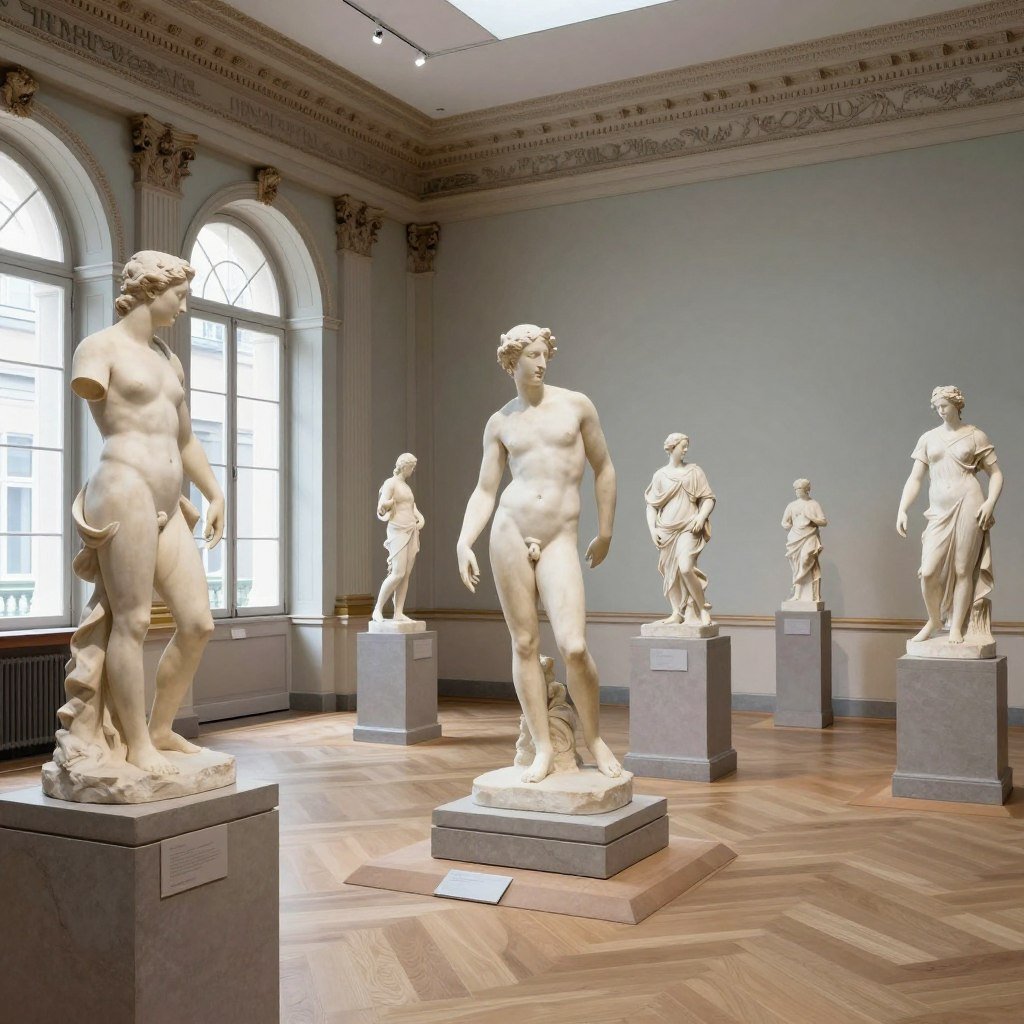
Liebieghaus
Sculpture collection spanning 5,000 years from ancient Egypt through Renaissance to Baroque periods.
- Ancient Egyptian artifacts
- Greek and Roman sculptures
- Medieval religious art
Modern Frankfurt & Skyline Views
Frankfurt earned the nickname “Mainhattan” for its impressive skyline. The city embraces modern architecture while European neighbors maintain lower profiles. This creates a unique metropolitan character that sets Frankfurt apart.
Main Tower Observation Deck
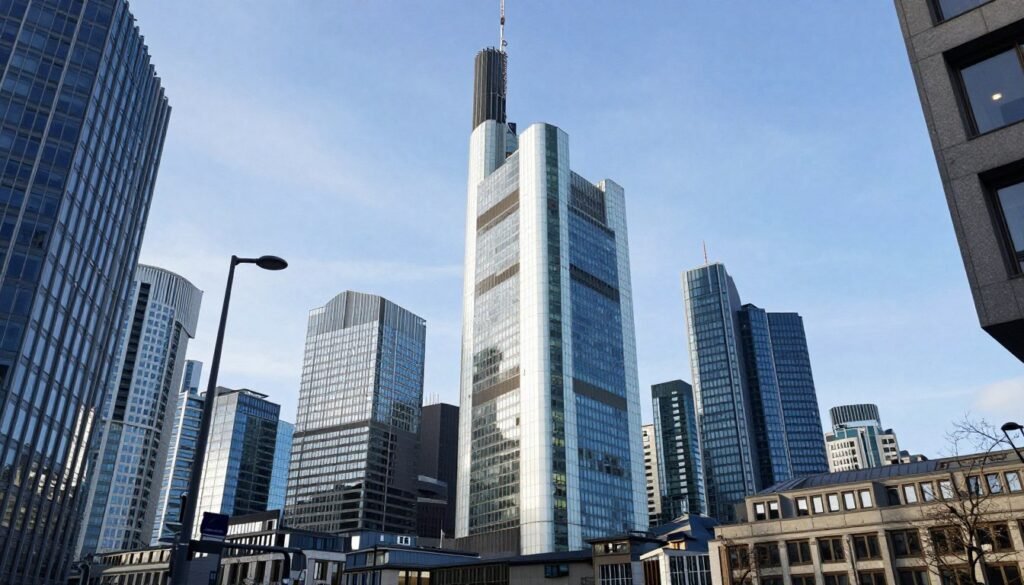
The Main Tower offers Frankfurt’s highest publicly accessible viewing platform. This 200-meter skyscraper features an outdoor observation deck at 190 meters. Fast elevators whisk visitors to the top in under 45 seconds.
The 360-degree views showcase Frankfurt’s contrasting landscapes. Modern office towers cluster in the financial district. The historic old town spreads below with its red-tiled roofs. The Taunus Mountains rise on the horizon.
Visit at sunset for spectacular golden-hour photography. The city transforms as office lights begin twinkling. Clear days offer visibility extending 40 kilometers in all directions.
Admission: Adults €9 | Students €7 | Children (6-12) €5
Hours: Sunday-Thursday 10:00-21:00 | Friday-Saturday 10:00-23:00
Location: 735m from Römerberg in the financial district
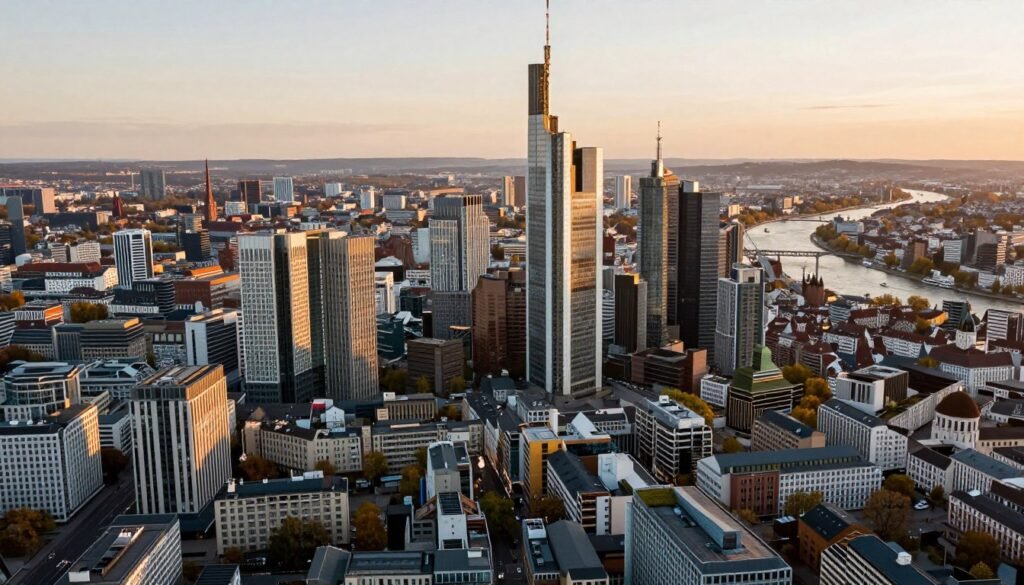
Banking District Walking Tour
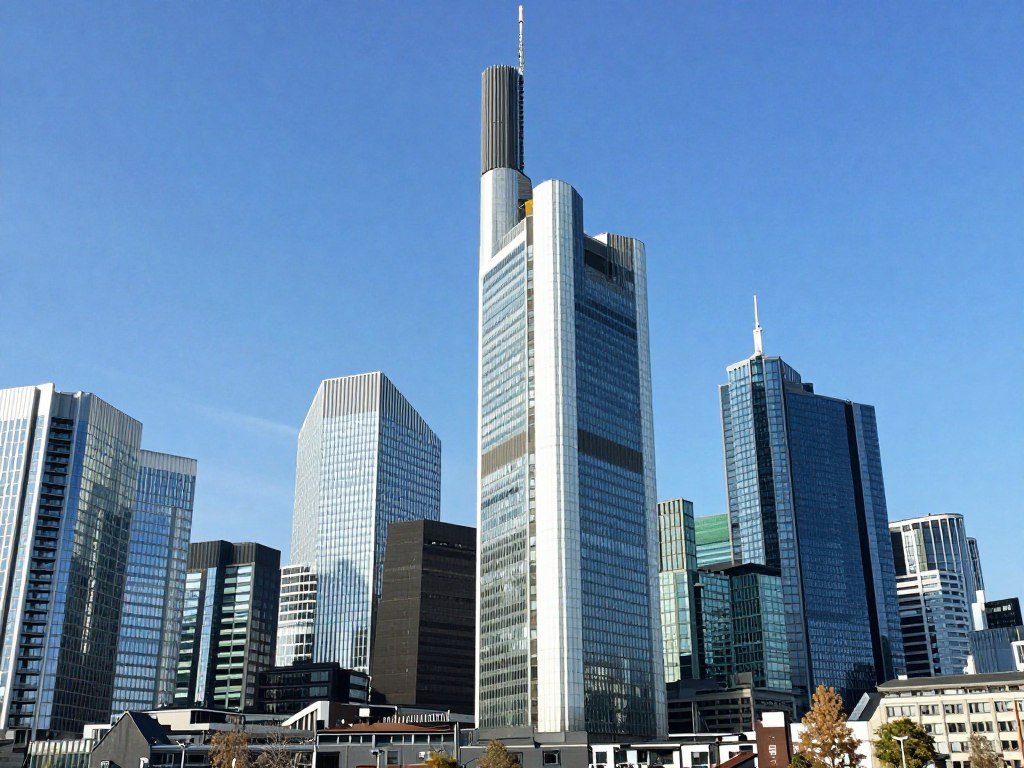
The Bankenviertel (Banking District) showcases architectural innovation. International architects designed these towers as statements of corporate power. Each building displays distinct personality through form, materials, and structural solutions.
The European Central Bank’s distinctive twin towers mark the eastern skyline. The Commerzbank Tower held the title of Europe’s tallest building when completed in 1997. The futuristic Westend Tower features a unique diagonal bracing system.
Guided architecture tours reveal engineering marvels and design philosophies. Photography enthusiasts find endless geometric compositions and reflective surfaces. The contrast between glass towers and historic buildings creates compelling visual narratives.
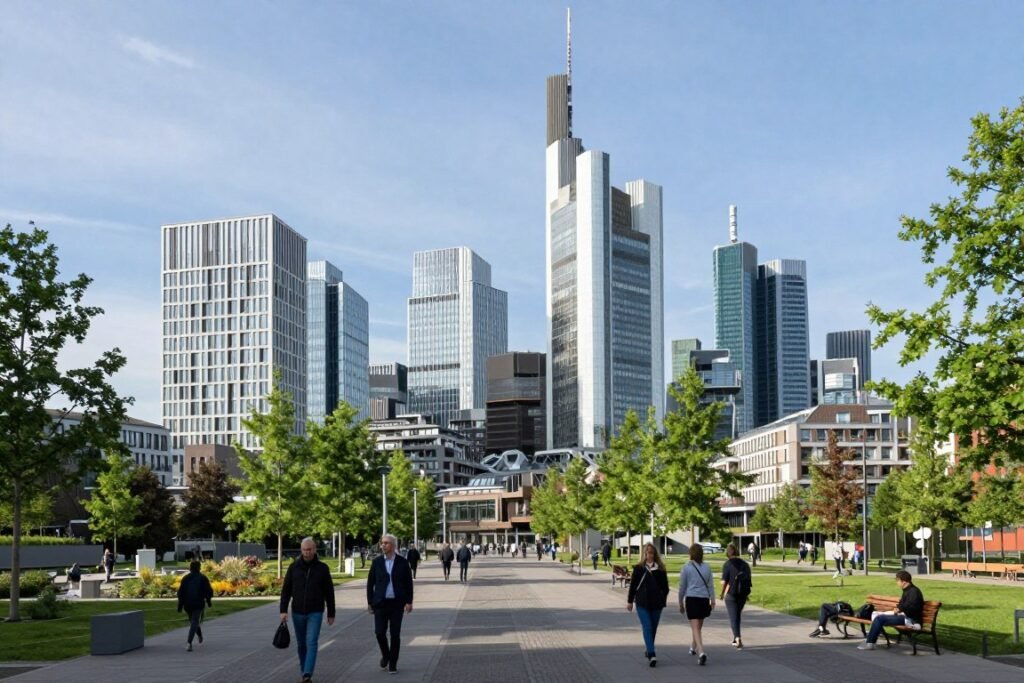
Europaviertel: Frankfurt's Newest District
The Europaviertel represents Frankfurt’s urban future. This newly developed neighborhood west of the main train station combines residential living, office space, and public areas. Wide boulevards, modern apartment towers, and green spaces create a 21st-century urban environment.
The district features innovative sustainable architecture. Green roofs, solar panels, and efficient public transit reduce environmental impact. Public art installations and cultural spaces activate the streetscape.
Trendy cafes and international restaurants reflect Frankfurt’s cosmopolitan character. The district attracts young professionals and families seeking modern urban living. Weekly markets and community events foster neighborhood connections.
Parks, Gardens & Outdoor Activities
Frankfurt surprises visitors with abundant green spaces. The city protects nearly half its area as parks, forests, and gardens. These natural retreats provide peaceful escapes from urban intensity.
Main River Promenade
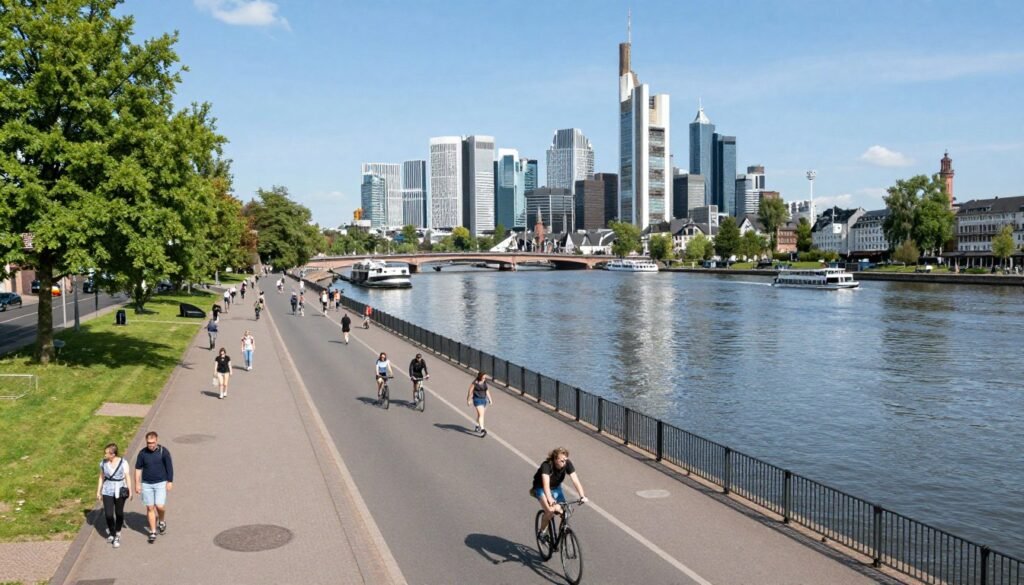
The Main River defines Frankfurt’s geography and character. Beautifully maintained promenades line both banks for kilometers. These paths invite walking, jogging, cycling, and leisurely strolls.
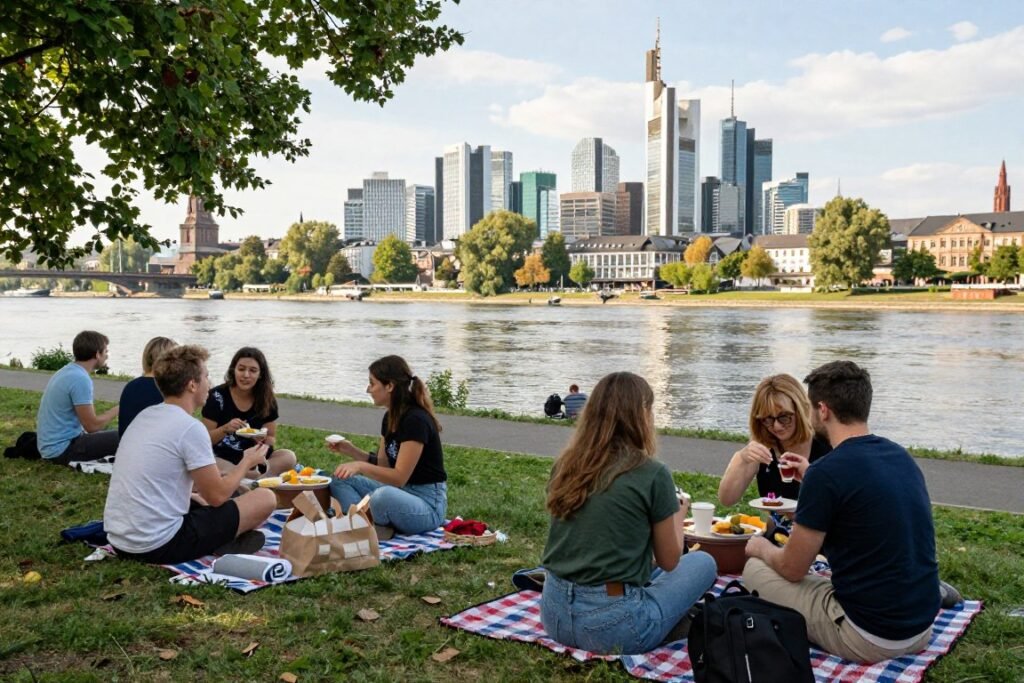
The southern bank (Sachsenhausen side) buzzes with activity on warm evenings. Locals gather for picnics, street musicians perform, and riverside beer gardens fill with crowds. The northern promenade offers quieter spaces for contemplation.
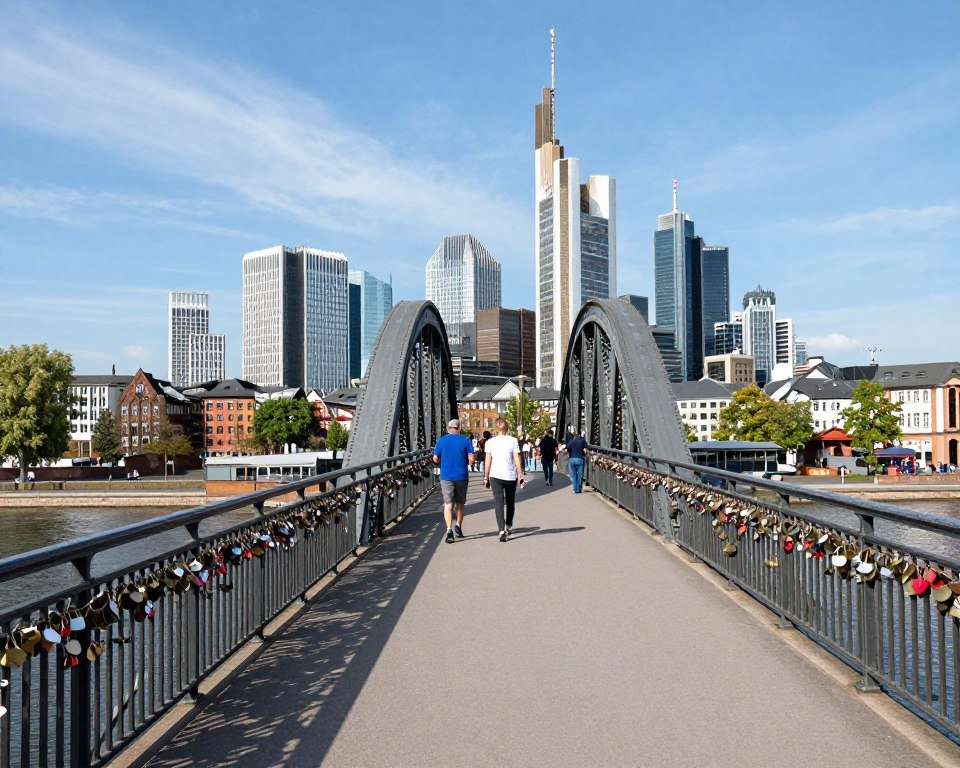
Numerous bridges cross the Main, each with distinctive character. The Iron Footbridge (Eiserner Steg) from 1869 provides the best skyline views. Lovers attach padlocks to the railings following a romantic tradition.
River Activities
- Boat cruises: One-hour sightseeing tours depart hourly
- Bike rentals: Available at multiple promenade locations
- Stand-up paddleboarding: Rent equipment near Alte Brücke
- River swimming: Designated areas during summer months
- Picnic spots: Grassy areas with skyline views
Palmengarten: Botanical Paradise
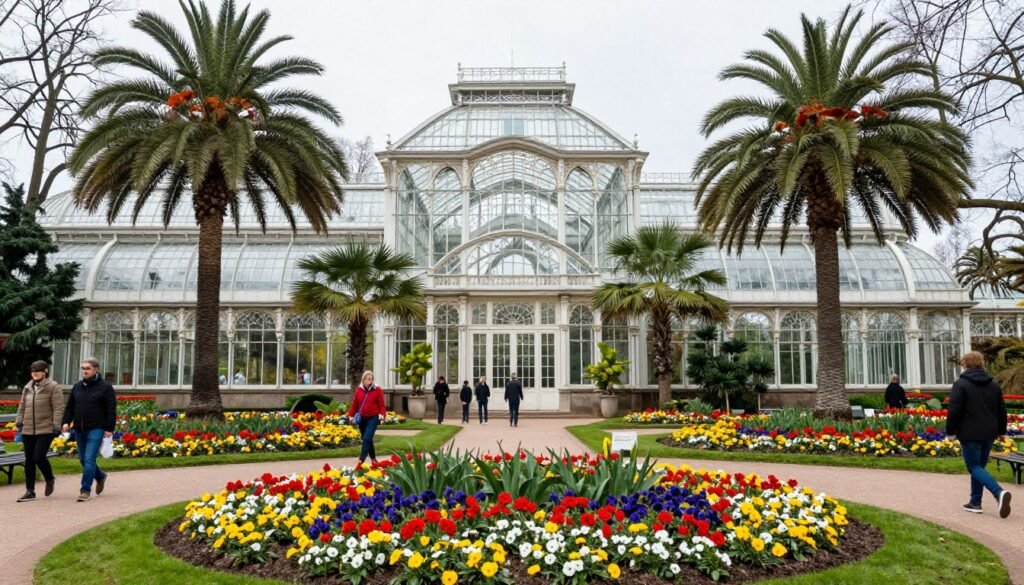
The Palmengarten opened in 1871 as Germany’s largest botanical garden. This 22-hectare paradise showcases 13,000 plant species from around the world. The historic glass conservatories create tropical microclimates in the heart of Germany.
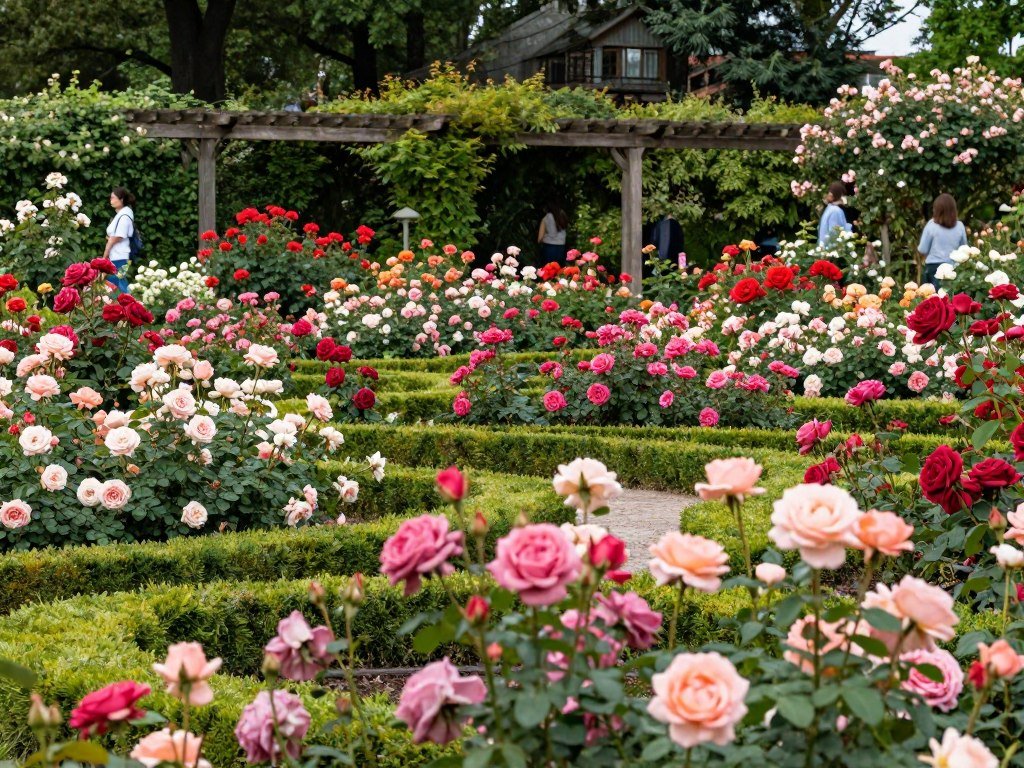
The tropical house impresses with towering palms and exotic orchids. The cactus house displays hundreds of desert species. Seasonal gardens showcase spring bulbs, summer roses, and autumn chrysanthemums.
Children love the adventure playground and boat pond. The Papageno Music Theater presents family-friendly performances. Outdoor concerts enliven summer evenings with classical and jazz music.
2026 Special Exhibition: “Gardens of the Future” runs April-October 2026, showcasing climate-adaptive urban gardening and sustainable landscape design.
Stadtwald: Frankfurt City Forest
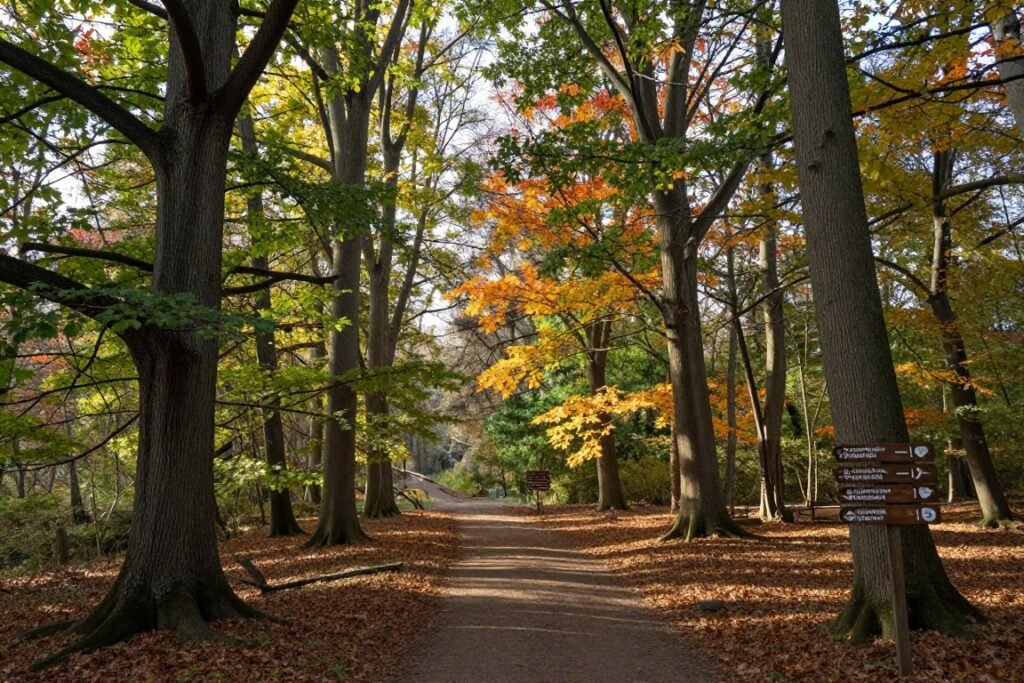
The Stadtwald covers 4,800 hectares in southern Frankfurt. This massive urban forest ranks among Germany’s largest city-owned woodlands. Ancient oaks and beech trees create cathedral-like spaces.
An extensive network of marked trails accommodates all fitness levels. Family-friendly paths wind through gentle terrain. Challenging routes climb to scenic overlooks. Mountain biking trails attract adventure seekers.
The StadtWaldHaus visitor center explains forest ecology. Interactive exhibits engage children with nature education. The forest shop sells game meat from sustainable hunting programs.
Forest Activities
- Hiking: 200km of marked trails
- Mountain biking: Dedicated technical routes
- Trail running: Popular training grounds
- Wildlife watching: Deer, wild boar, birds
Family Features
- Forest playgrounds: Adventure equipment
- Nature education: Guided walks available
- Picnic areas: Tables and shelters
- StadtWaldHaus: Interactive exhibits
Practical Info
- Free admission always
- Accessible by public transit (U3)
- Multiple parking areas
- Open dawn to dusk year-round
Food & Drink Experiences
Frankfurt’s culinary scene blends traditional German hearty fare with international influences. The city’s cosmopolitan character shines through diverse dining options. From historic apple wine taverns to innovative modern restaurants, food experiences define Frankfurt culture.
Kleinmarkthalle: Frankfurt's Market Hall
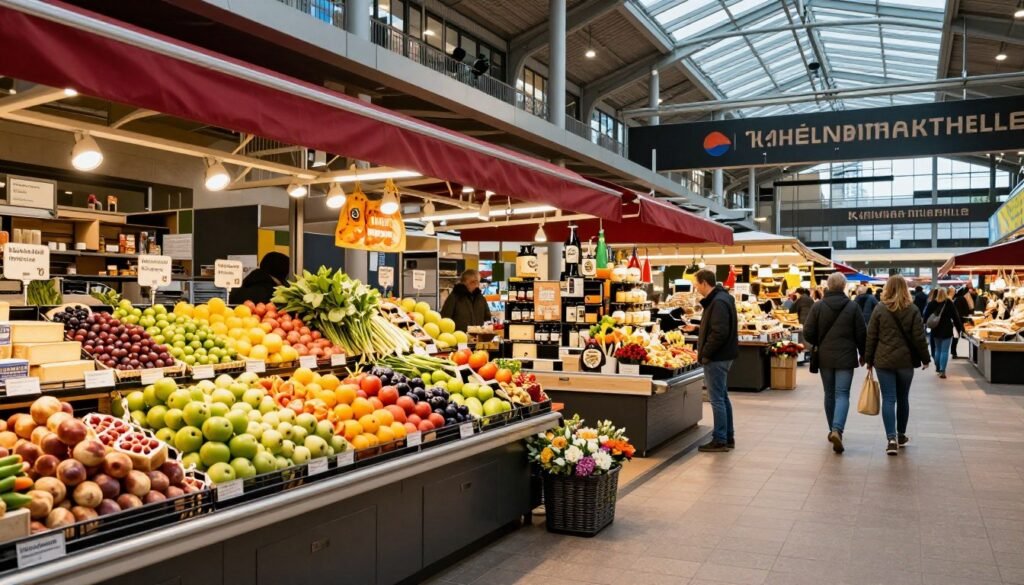
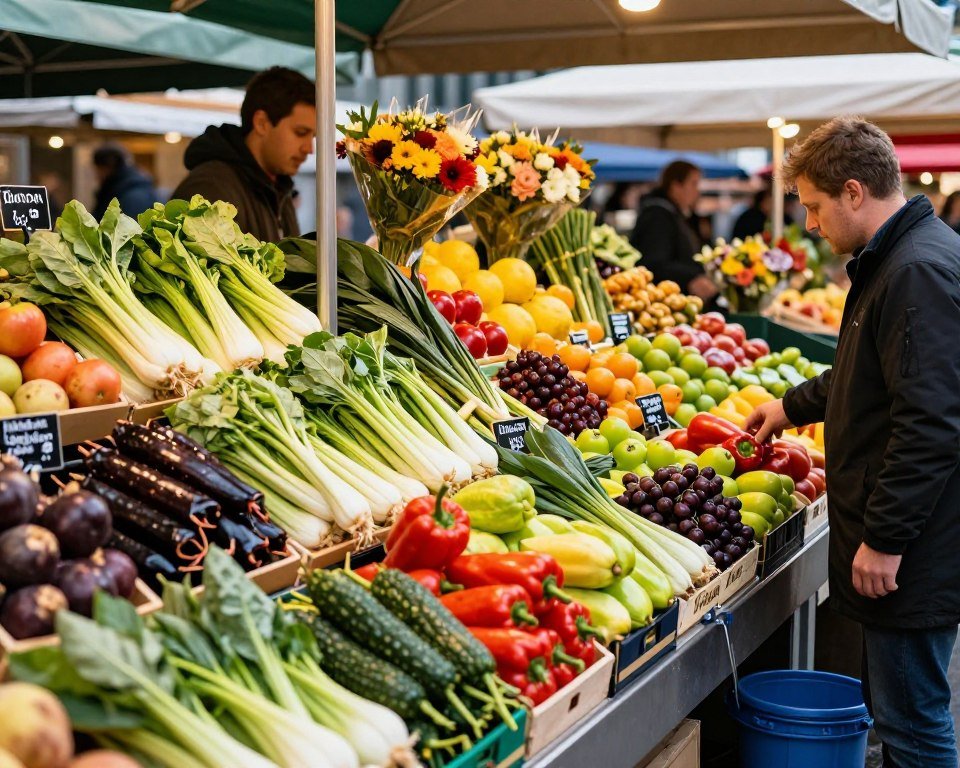
The Kleinmarkthalle opened in 1954 as Frankfurt’s central market. This bustling indoor hall gathers 60 specialty vendors under one roof. Fresh produce, artisanal cheeses, international delicacies, and prepared foods create a food lover’s paradise.
Local specialties tempt at every turn. Sample Frankfurt’s famous green sauce at dedicated stands. Fresh Handkäse cheese demonstrates regional traditions. Exotic spices and international ingredients reflect the city’s multicultural population.
The upper-level wine bar offers panoramic market views. Enjoy a glass of German Riesling while watching the commerce below. The espresso bar serves Frankfurt’s best coffee but arrives early to avoid weekend crowds.
Market Highlights
- 60+ specialty food vendors
- Fresh regional produce daily
- International ingredients and spices
- Prepared foods and sandwiches
- Wine bar with city views
- Award-winning espresso bar
Visitor Tips
- Open Monday-Saturday, closed Sundays
- Best visit: Tuesday-Friday mornings
- Cash preferred at many stalls
- Bring reusable shopping bags
- Try samples before buying
- Located near Konstablerwache station
Apfelwein Culture in Sachsenhausen
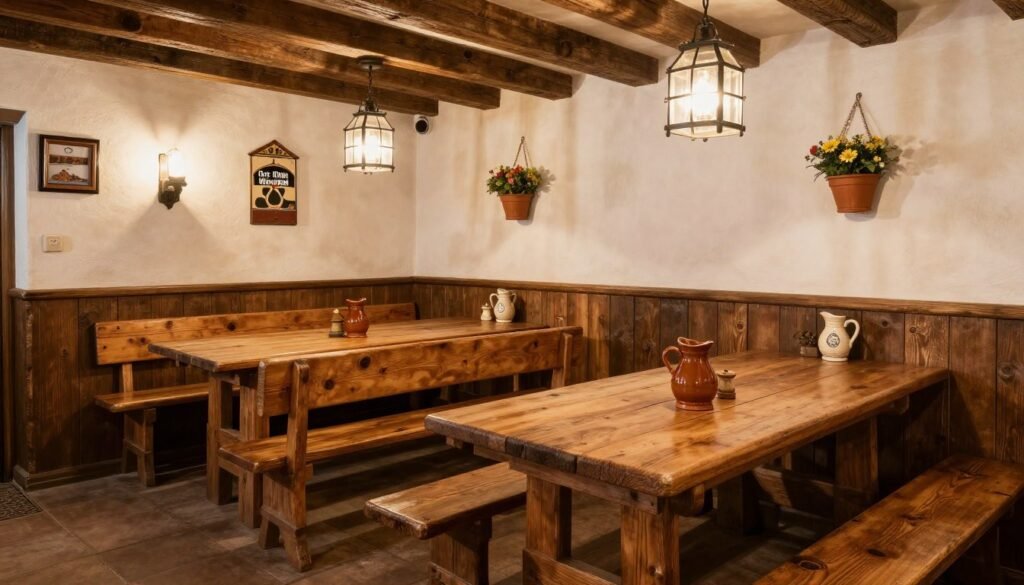
Apfelwein (apple wine) defines Frankfurt’s drinking culture. This tart alcoholic cider has been produced locally for over 250 years. Traditional taverns in the Sachsenhausen district preserve authentic atmosphere and recipes.
The drink arrives in distinctive blue-gray ceramic pitchers called “Bembel.” Servers pour it into ribbed glasses. The slightly sour taste surprises first-timers expecting sweet apple cider. Locals often mix it with sparkling water or lemonade.
Classic tavern food accompanies the apple wine. Order Handkäse mit Musik (hand cheese with onions) or Frankfurter Rippchen (smoked pork chops). The portions satisfy hearty appetites.
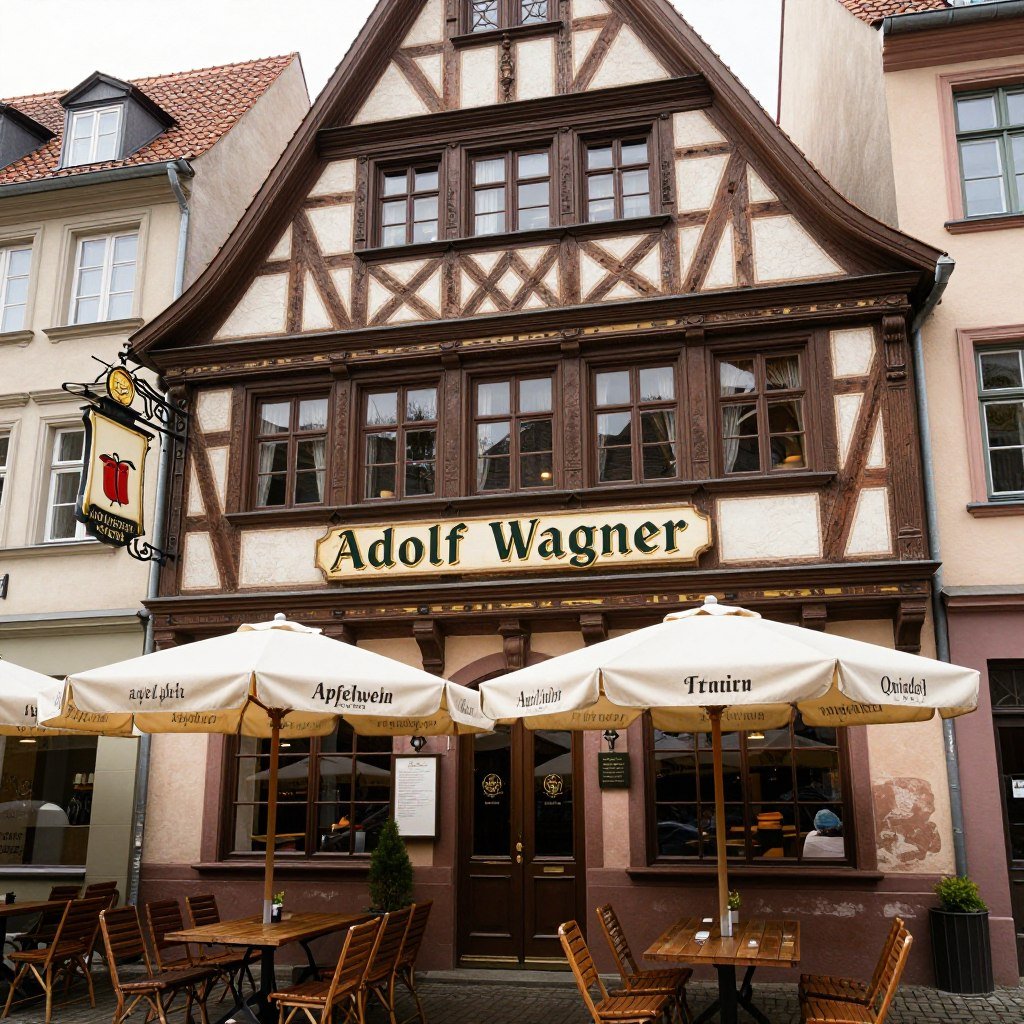
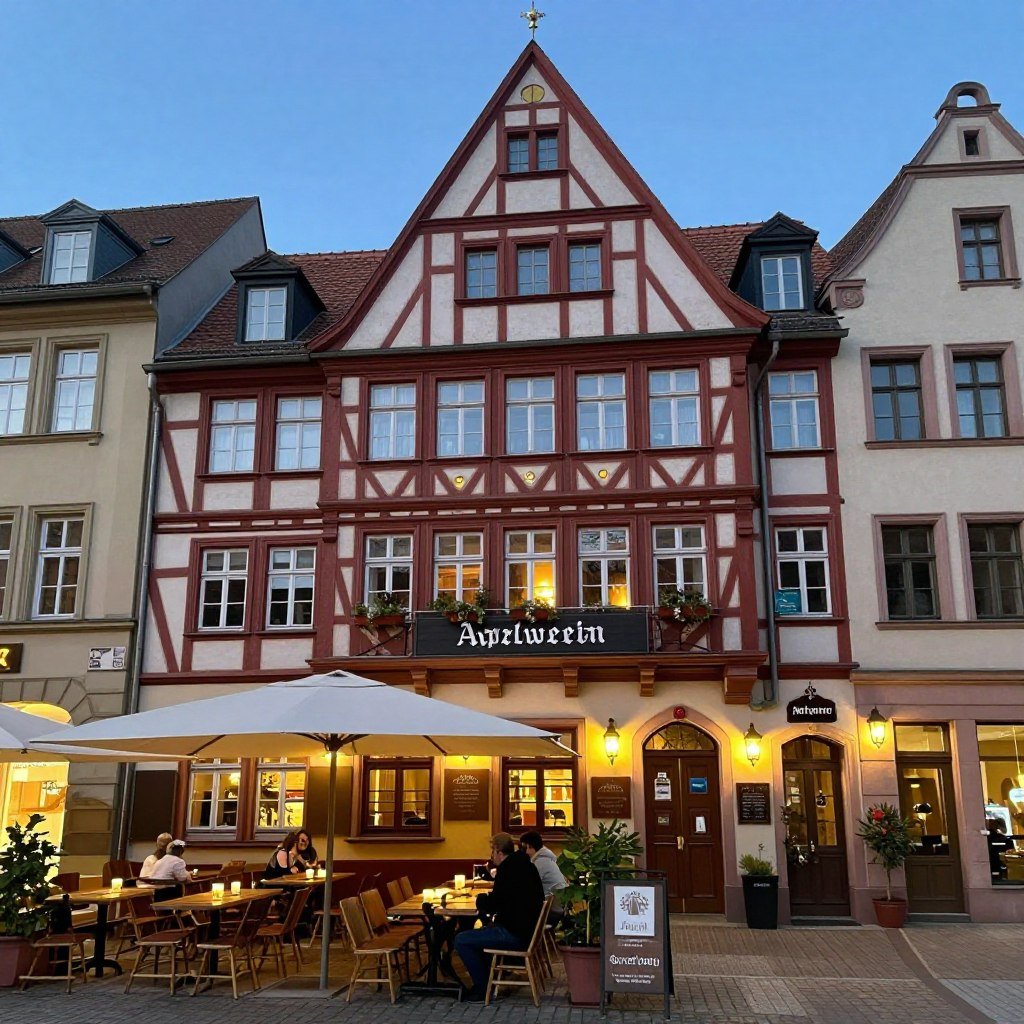
Adolf Wagner
Family-owned since 1931, serving traditional fare in authentic atmosphere. Famous for their homemade apple wine and giant schnitzel.
Zum Gemalten Haus
Beautiful painted facade welcomes guests to this 1859 establishment. Regional specialties and their own apple wine production.
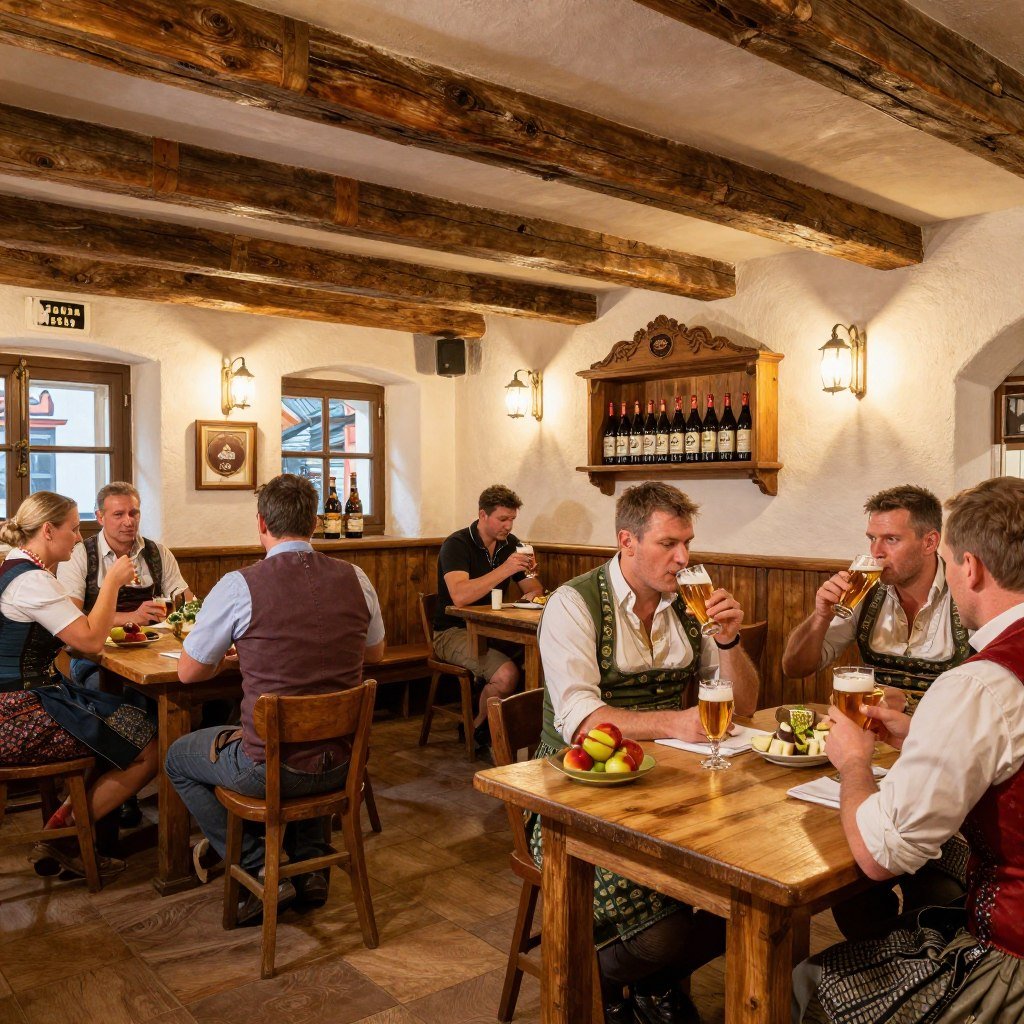
Apfelwein Solzer
Intimate neighborhood tavern frequented by locals. Authentic experience with exceptional green sauce and hearty portions.
Modern Dining with Skyline Views
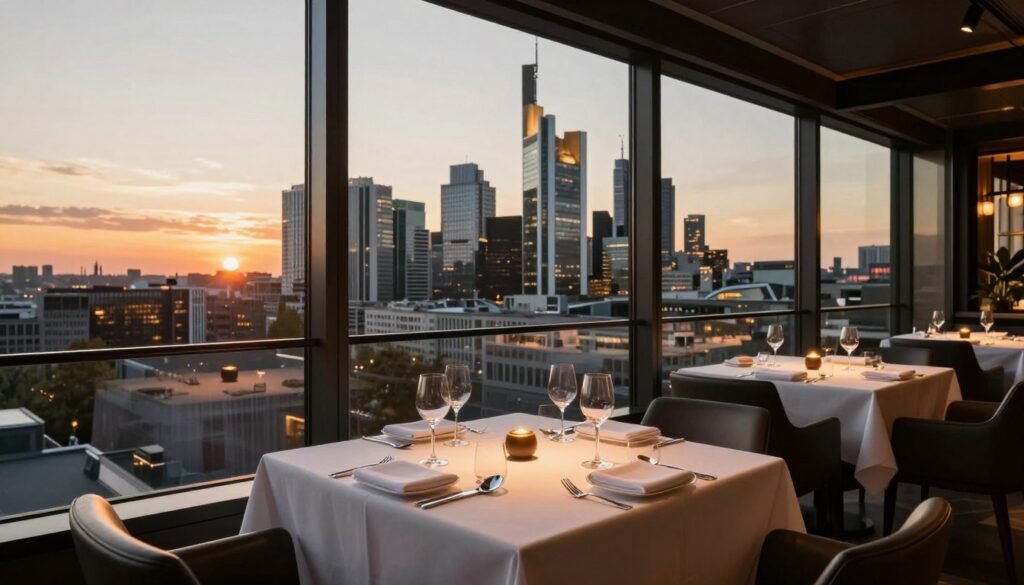
Frankfurt’s culinary evolution includes innovative restaurants showcasing international cuisine. Rooftop venues offer dining experiences paired with spectacular city views. Talented chefs bring Michelin-starred excellence to the Frankfurt food scene.
The Main Tower restaurant combines fine dining with unmatched panoramas. Asian fusion cuisine attracts business diners and special occasions. Reservations weeks in advance ensure tables during peak seasons.
The Oosten restaurant overlooks the Main River from the Museum Embankment. Modern European cuisine emphasizes seasonal ingredients. The outdoor terrace provides sunset dining with skyline backdrops.
Frankfurt Green Sauce: Try this local specialty made with seven herbs (borage, chervil, cress, parsley, burnet, sorrel, chives) mixed with sour cream. Traditionally served with boiled potatoes and eggs.
Shopping & Neighborhood Exploration
Frankfurt offers diverse shopping experiences from luxury brands to vintage treasures. Each neighborhood possesses distinct character and shopping identity. Exploring these areas reveals the city’s authentic personality beyond tourist landmarks.
Zeil: Germany's Shopping Boulevard
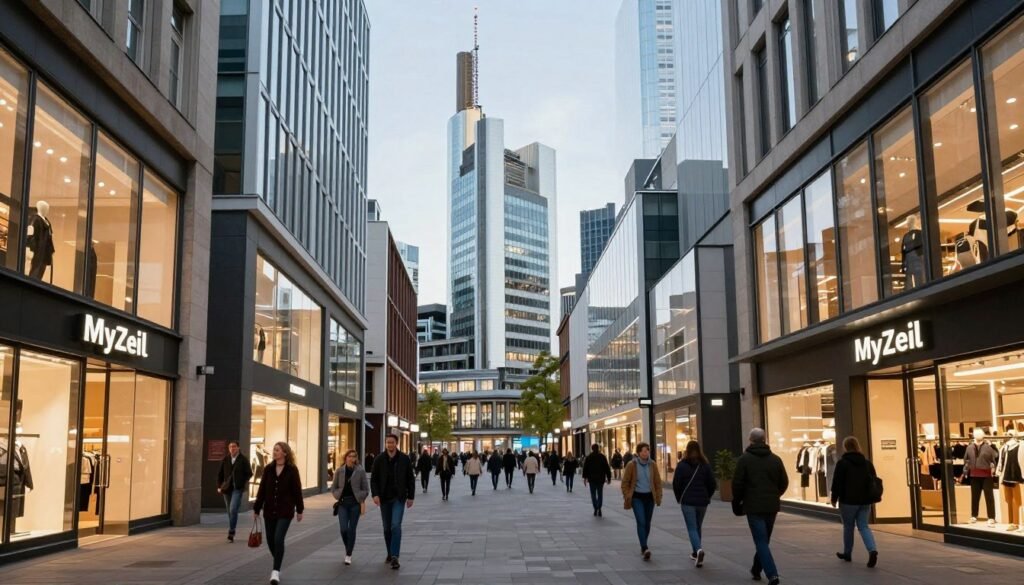
The Zeil ranks as Germany’s most successful shopping street by revenue. This pedestrian boulevard stretches over one kilometer through Frankfurt’s center. Modern shopping centers anchor both ends while international chains line the middle.
MyZeil shopping center dazzles with futuristic architecture. The spiral glass facade and interior canyon create Instagram-worthy spaces. Over 100 stores spread across multiple levels cater to all budgets.
The Zeilgalerie and Galeria Kaufhof department stores offer traditional shopping experiences. German brands mix with international fashion labels. Rooftop restaurants provide respite from shopping marathons.
Shopping Hours: Most stores open Monday-Saturday 10:00-20:00. Closed Sundays except special shopping Sundays announced annually. Extended hours during Christmas season.
Nordend: Boutiques and Independent Shops
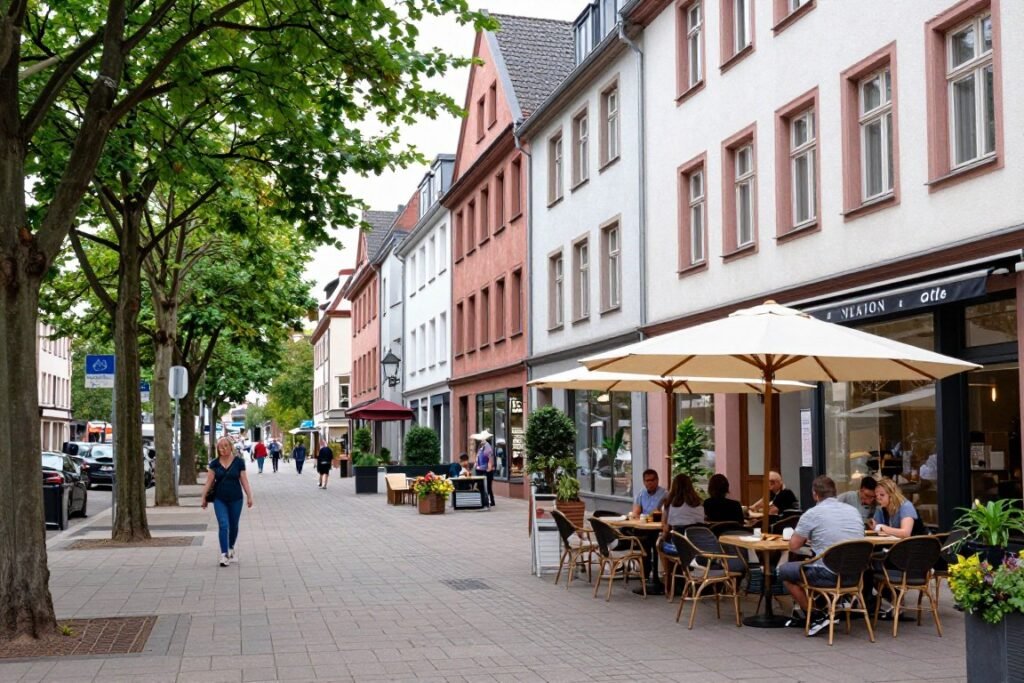
The Nordend neighborhood embodies Frankfurt’s alternative spirit. Tree-lined streets host independent boutiques, vintage shops, and design studios. This residential area attracts artists, students, and young families.
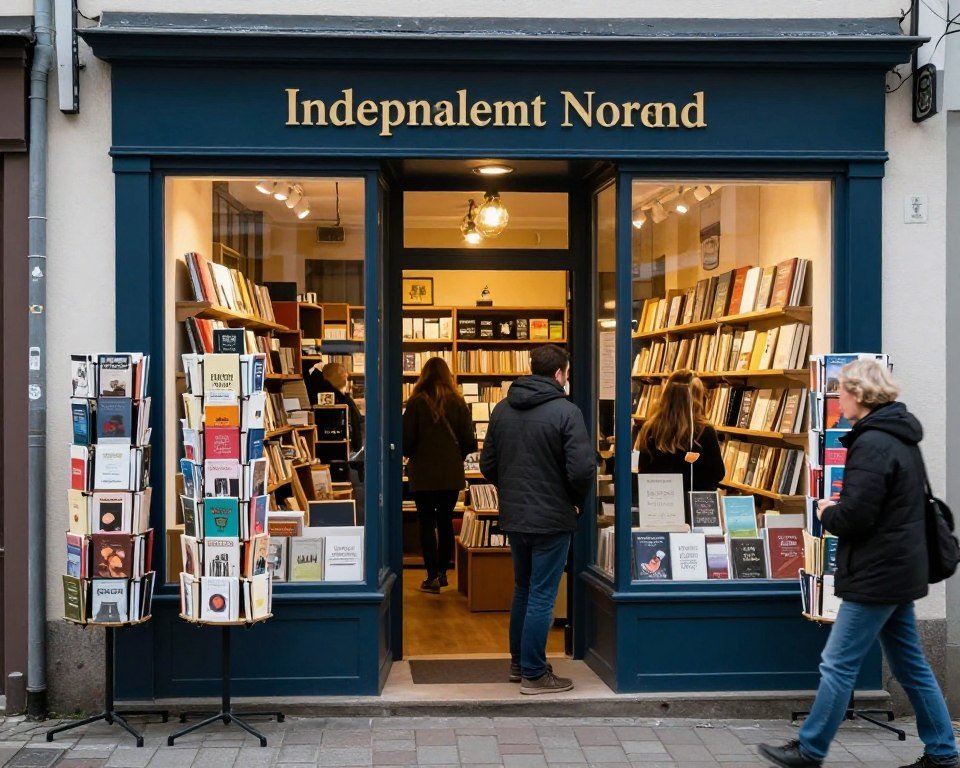
Berger Strasse forms the main shopping artery. Unique fashion boutiques showcase emerging designers. Record stores preserve vinyl culture. Bookshops host readings and cultural events.
Weekend mornings bring the Berger Strasse market to life. Local farmers sell organic produce. Artisans display handmade crafts. The market creates community gathering space for residents.
Flea Markets and Vintage Treasures
Frankfurt’s flea markets offer treasure hunting adventures. The Saturday market on the Main River south bank attracts thousands of browsers. Vendors spread antiques, vintage clothing, records, and curiosities across hundreds of stalls.
Serious collectors arrive early for best selection. Bargaining is expected and part of the experience. Cash remains the preferred payment method. The market atmosphere combines commerce with social event.
The Sunday antique market at Schaumainkai caters to more refined tastes. Professional dealers offer authenticated antiques, artwork, and collectibles. Prices reflect higher quality merchandise.
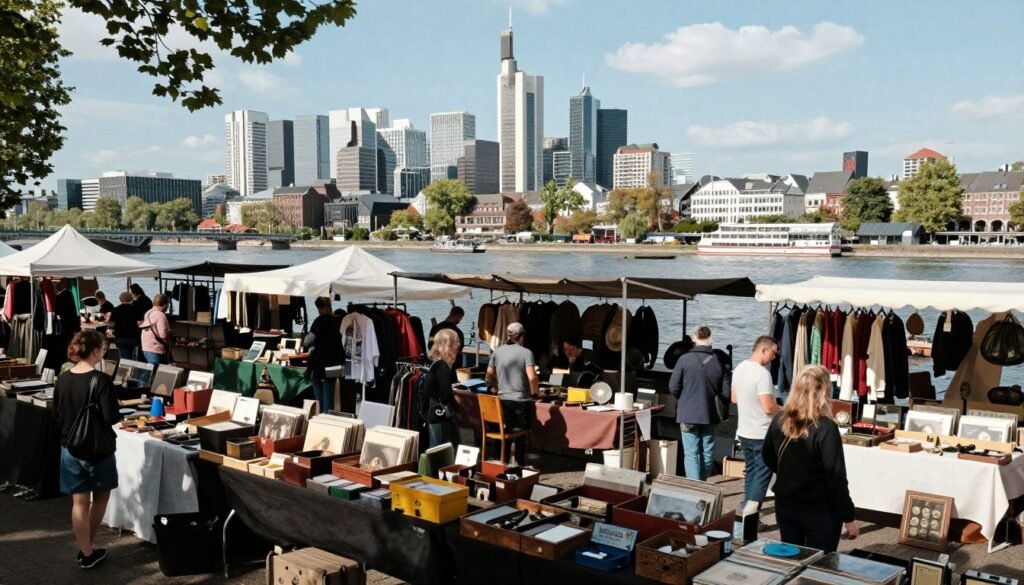
Saturday Flea Market
- Location: Schaumainkai (south Main River bank)
- Schedule: Every Saturday 9:00-14:00
- Vendors: 300+ stalls
- Best for: Vintage clothing, records, curiosities
- Atmosphere: Lively, social, bargaining expected
Sunday Antique Market
- Location: Schaumainkai near Museumsufer
- Schedule: Select Sundays 10:00-17:00
- Vendors: Professional antique dealers
- Best for: Authenticated antiques, artwork
- Atmosphere: Refined, serious collectors
2026-Specific Outlook: Events & Developments
Frankfurt hosts world-class events throughout 2026. The city’s position as a global business hub attracts international conventions and cultural festivals. Planning around major events enhances your Frankfurt experience.
Frankfurt Book Fair 2026
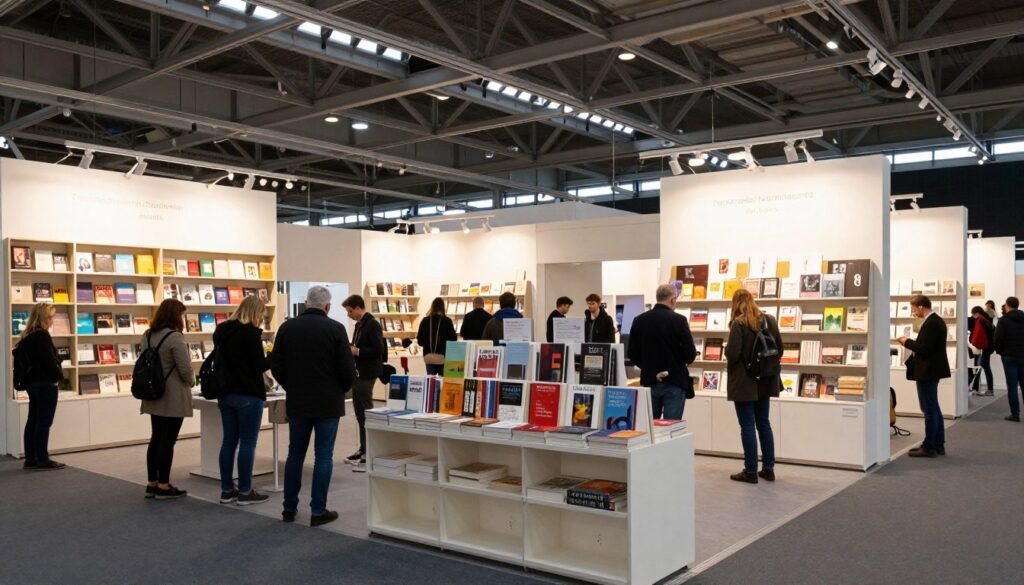
The Frankfurt Book Fair remains the world’s largest trade fair for books. Over 7,000 exhibitors from 100 countries gather each October. The 2026 edition runs October 14-18, with special programming throughout the week.
Public days on the weekend allow book lovers access. Author readings, panel discussions, and book signings create literary atmosphere. The guest country presentation showcases international literary culture.
Hotel reservations fill months in advance. Early booking ensures accommodation near the fairgrounds. The entire city celebrates literature during this annual event.
IAA Mobility 2026
The IAA Mobility exhibition transforms Frankfurt into an automotive innovation showcase. This biennial event features electric vehicles, autonomous driving technology, and sustainable mobility solutions. The 2026 dates will be announced in early 2025.
Public test drives allow visitors to experience cutting-edge vehicles. Technology demonstrations show future transportation concepts. Industry leaders announce major developments and partnerships.

Museum Embankment Festival 2026
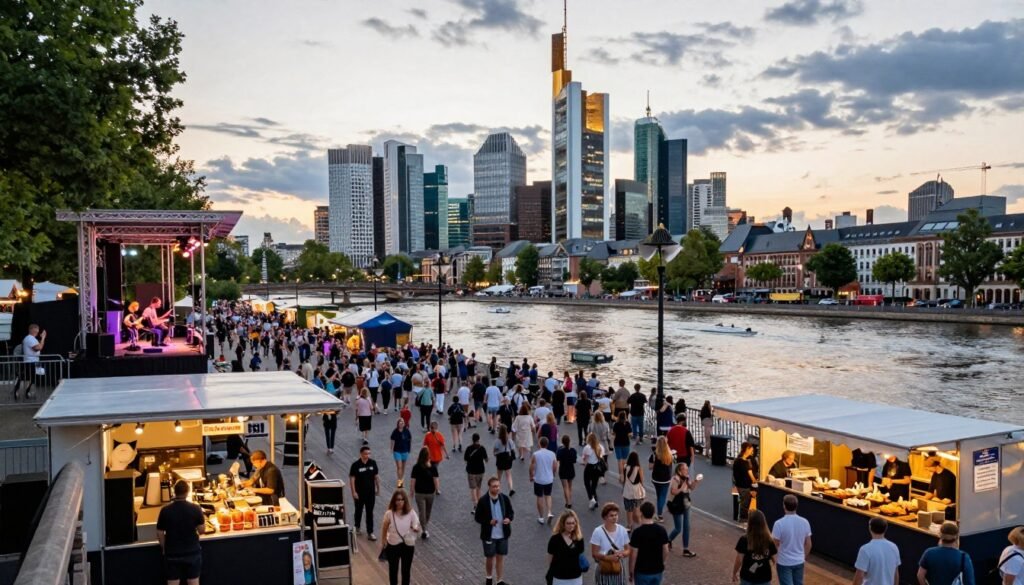
The Museum Embankment Festival ranks among Frankfurt’s most popular events. The last weekend of August transforms the riverbanks into an open-air cultural celebration. In 2026, the festival runs August 28-30.
All Museumsufer museums offer free admission during festival hours. Live music stages feature international artists. Food vendors create a multicultural culinary showcase. Hundreds of thousands attend this three-day celebration.
Christmas Market Season 2026
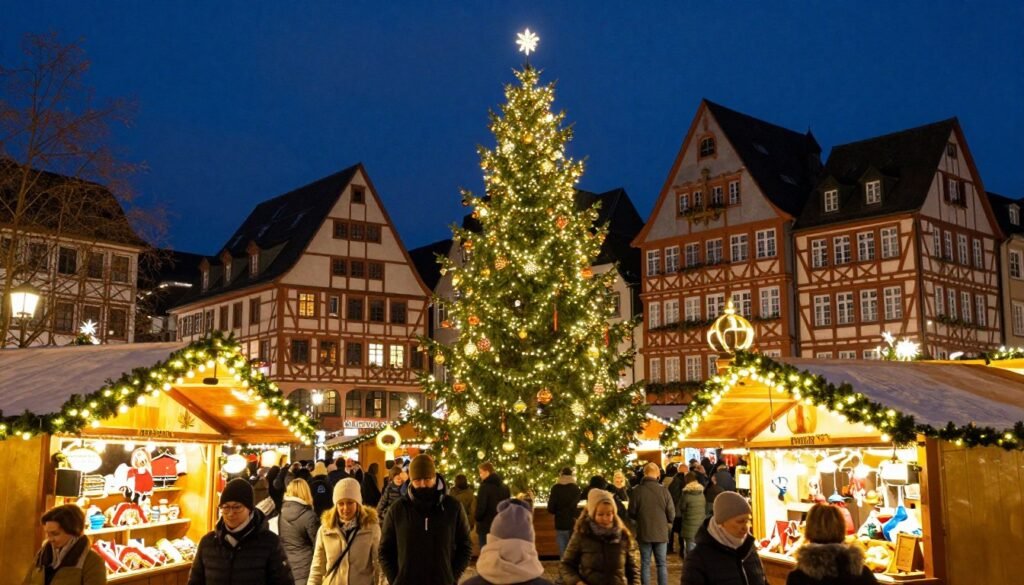
Frankfurt’s Christmas markets create magical holiday atmosphere. The season runs from November 25 through December 22, 2026. The Römerberg Christmas Market dominates the historic square with 200 decorated stalls.
Traditional gifts, ornaments, and seasonal foods fill the market. Sample Bethmännchen marzipan pastries and hot apple wine. The towering Christmas tree and festive lighting create photogenic scenes.
Multiple neighborhood markets offer distinct characters. The medieval market near the cathedral features historical costumes and traditional crafts. The modern market at Konstablerwache showcases contemporary design.
| Event | Date 2026 | Type | Expected Visitors |
| Frankfurt Book Fair | October 14-18 | Trade Fair / Cultural | 285,000+ |
| Museum Embankment Festival | August 28-30 | Cultural / Music | 300,000+ |
| Christmas Markets | November 25 – December 22 | Seasonal / Cultural | 3,000,000+ |
| Dippemess Spring Fair | April (dates TBA) | Traditional Fair | 800,000+ |
| Frankfurt Marathon | October (date TBA) | Sporting Event | 25,000 runners |
Planning Note: Exact dates for some 2026 events will be announced throughout 2025. Check official websites closer to your travel dates for confirmed schedules and any new additions to Frankfurt’s event calendar.
Practical Tips for 2026 Visitors
Smart planning maximizes your Frankfurt experience. These practical insights help navigate the city efficiently and economically. Local knowledge transforms good trips into exceptional adventures.
Best Times to Visit Frankfurt
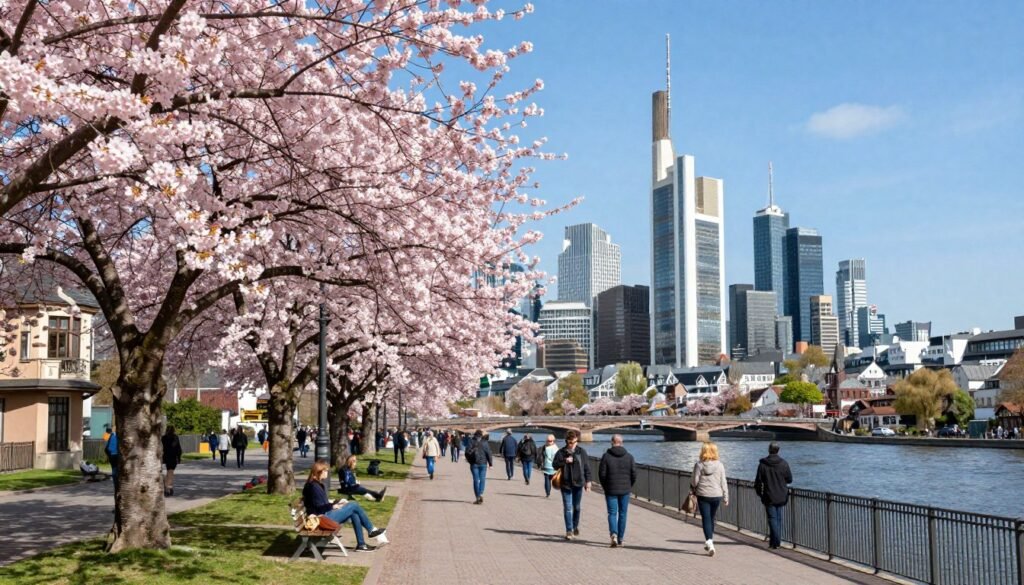
Spring (April-May) and early autumn (September-October) offer ideal Frankfurt weather. Temperatures range from 15-22°C (59-72°F) with moderate rainfall. Parks bloom spectacularly in spring. Autumn colors transform the Stadtwald forest.
Summer (June-August) brings warm weather and festival season. Expect temperatures reaching 25-30°C (77-86°F). River activities peak during these months. Hotel prices increase during major trade fairs.
Winter (December-February) transforms Frankfurt into a Christmas wonderland. The markets create festive atmosphere despite cold temperatures. Indoor attractions like museums offer weather-proof entertainment.
Peak Season Advantages
- All attractions fully operational
- Extended opening hours at sites
- Outdoor dining and events
- Best weather for sightseeing
- Festival and event calendar full
Off-Season Benefits
- Lower hotel rates (up to 40% savings)
- Shorter lines at attractions
- More availability at restaurants
- Easier navigation of public transit
- Authentic local atmosphere
Getting Around Frankfurt
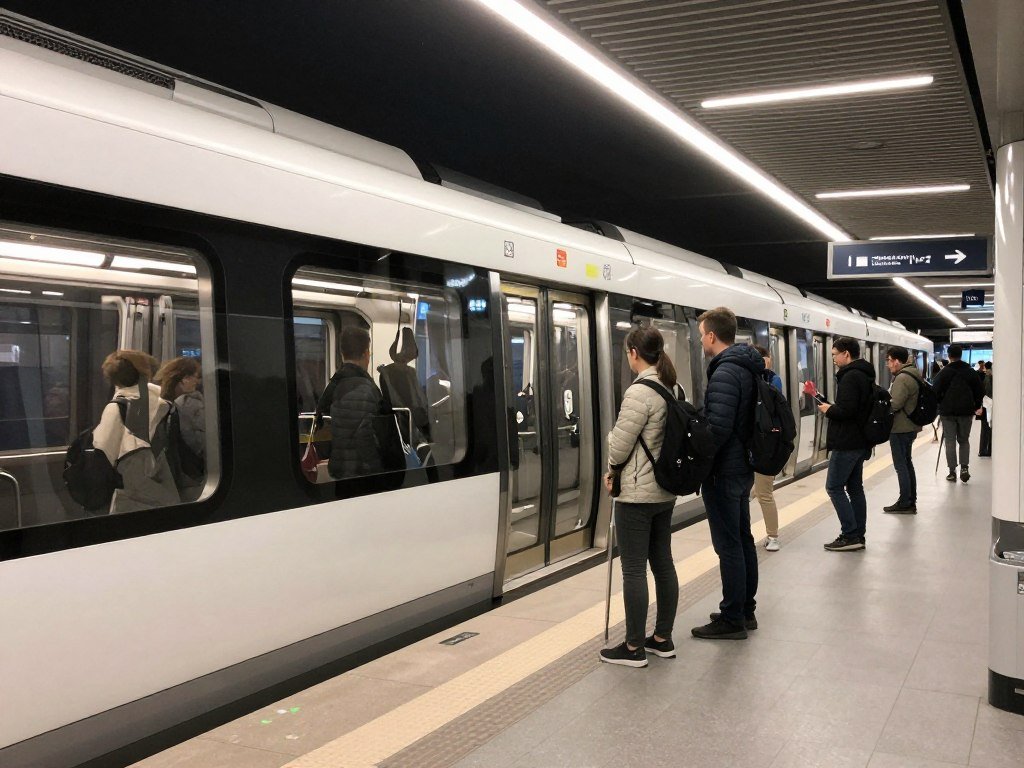
Frankfurt’s public transportation system ranks among Europe’s most efficient. The integrated network combines subway (U-Bahn), suburban trains (S-Bahn), trams, and buses. A single ticket works across all transport modes.
The RMV network extends throughout the Rhine-Main region. Frankfurt Airport connects directly to the city center via S-Bahn in 15 minutes. Trains run every 15 minutes from early morning until midnight.
Most Frankfurt attractions cluster within the city centre and are walkable. The compact old town invites exploration on foot. Bike sharing programs offer alternative transportation for longer distances.
- City center zone: €3.00
- Valid 90 minutes one direction
- Purchase at machines or via app
- Children under 6 travel free
- Best for: 1-2 trips
Single Tickets
- Frankfurt Card: €10.50 (1 day)
- Unlimited public transit
- 50% discount at museums
- Restaurant and attraction discounts
- Best for: Active sightseeing days
Day Passes
- Group day pass: €10.60 (up to 5 people)
- Valid all day any direction
- Excellent value for families
- Weekend pass available
- Best for: Groups or families
Group Tickets
Recommended Length of Stay
Three to four days allows comprehensive Frankfurt exploration. This timeframe covers major attractions without rushing. Additional days enable day trips to nearby regions.
2-Day Itinerary
Day 1: Old town, Römerberg, Cathedral, Museumsufer, Iron Footbridge walk
Day 2: Main Tower, Banking District, Palmengarten, Sachsenhausen apple wine
Covers essential highlights at moderate pace.
4-Day Itinerary
Day 1: Old town exploration, historical sites
Day 2: Museum day, Goethe House, Städel
Day 3: Modern Frankfurt, shopping, skyline
Day 4: Parks, neighborhoods, local experiences
Balanced itinerary with leisure time.
5+ Days
Add day trips to Rhine Valley, Heidelberg, or Rothenburg. Explore neighborhoods deeply. Attend events or festivals. Take cooking classes. Visit outlying attractions.
Immersive experience with regional exploration.
Money-Saving Tips
Frankfurt reputation as an expensive business city intimidates budget travelers. Strategic planning reveals affordable experiences throughout the city. Many top attractions offer free or low-cost admission.
- Free attractions: Römerberg, old town walking, Main River promenade, Iron Footbridge, cathedral (exterior), Kleinmarkthalle browsing
- Museum discount days: Many museums offer reduced admission certain days
- Frankfurt Card: Pays for itself with 2-3 museum visits plus transit
- Lunch menus: Try upscale restaurants at lunch for half the dinner price
- Supermarket meals: Rewe and Edeka offer quality prepared foods
- Free walking tours: Join tip-based tours for historical context
- Picnics: Kleinmarkthalle supplies for riverside dining
Day Trips from Frankfurt
Frankfurt’s central location enables easy exploration of surrounding regions. Germany’s efficient rail network connects to fascinating destinations within 90 minutes. These day trip options add depth to your Frankfurt visit.
Rhine Valley Wine Region
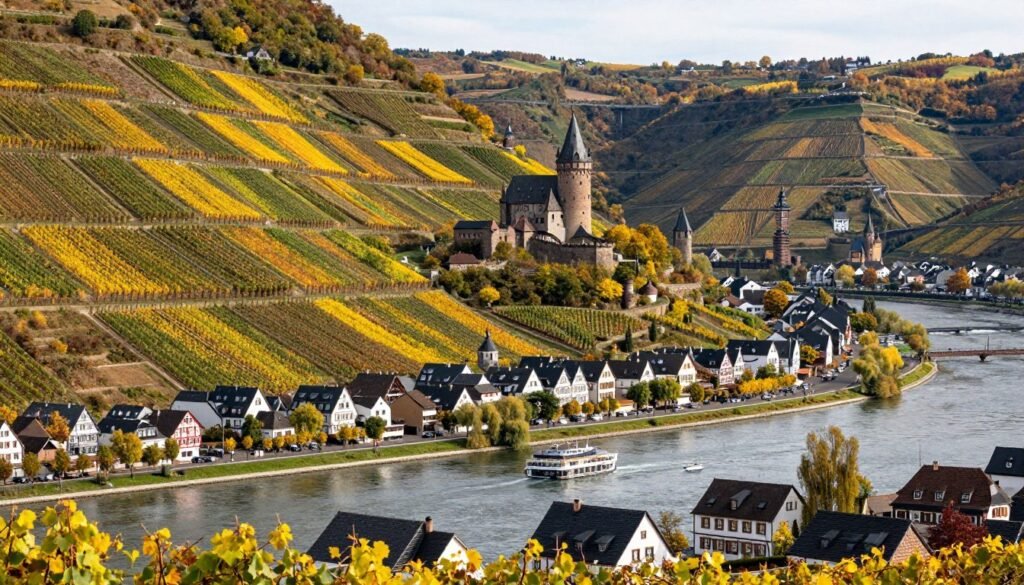
The Rhine Valley UNESCO World Heritage site lies 50 kilometers west of Frankfurt. This spectacular river gorge features fairy-tale castles, terraced vineyards, and medieval towns. The 65-kilometer stretch between Rüdesheim and Koblenz contains the most scenic section.
Day cruise boats depart from Rüdesheim, accessible by train in 70 minutes from Frankfurt. The cruise passes Lorelei Rock, castle ruins, and wine villages. Disembark at Boppard or St. Goar to explore before returning by train.
Wine tasting experiences abound in Rüdesheim. Family-owned wineries offer cellar tours and Riesling tastings. The Drosselgasse pedestrian lane concentrates restaurants and wine taverns.
Heidelberg: Romantic University City
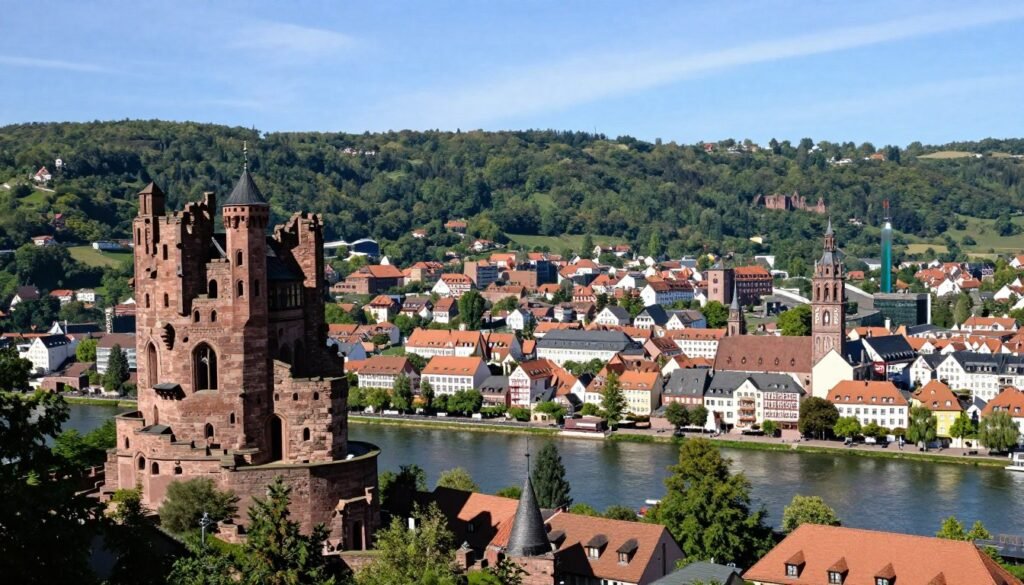
Heidelberg captivates visitors with romantic castle ruins and charming old town. Direct trains reach Heidelberg in 50 minutes from Frankfurt. The compact city center invites exploration on foot.
Heidelberg Castle dominates the hillside above town. The Renaissance ruins inspired the German Romantic movement. The castle terrace provides spectacular views across the Neckar River valley. The Great Barrel in the wine cellar holds 220,000 liters.
The old town Hauptstrasse stretches 1.6 kilometers as one of Europe’s longest pedestrian streets. Baroque buildings house shops, restaurants, and student pubs. The Old Bridge offers iconic castle views.
Wiesbaden: Spa Town and State Capital
Wiesbaden combines elegant spa culture with political significance as Hesse’s capital. The city lies just 40 minutes by S-Bahn from Frankfurt. Thermal springs have attracted visitors since Roman times.
The Kaiser-Friedrich-Therme offers authentic thermal bathing experiences. This historic bathhouse from 1913 features Roman-Irish bathing rituals. Different temperature pools, saunas, and treatments promote relaxation.
The Neroberg hill provides panoramic city views. Historic water-powered funicular railway climbs to the summit. The Russian Orthodox Church’s golden onion domes create striking silhouettes.
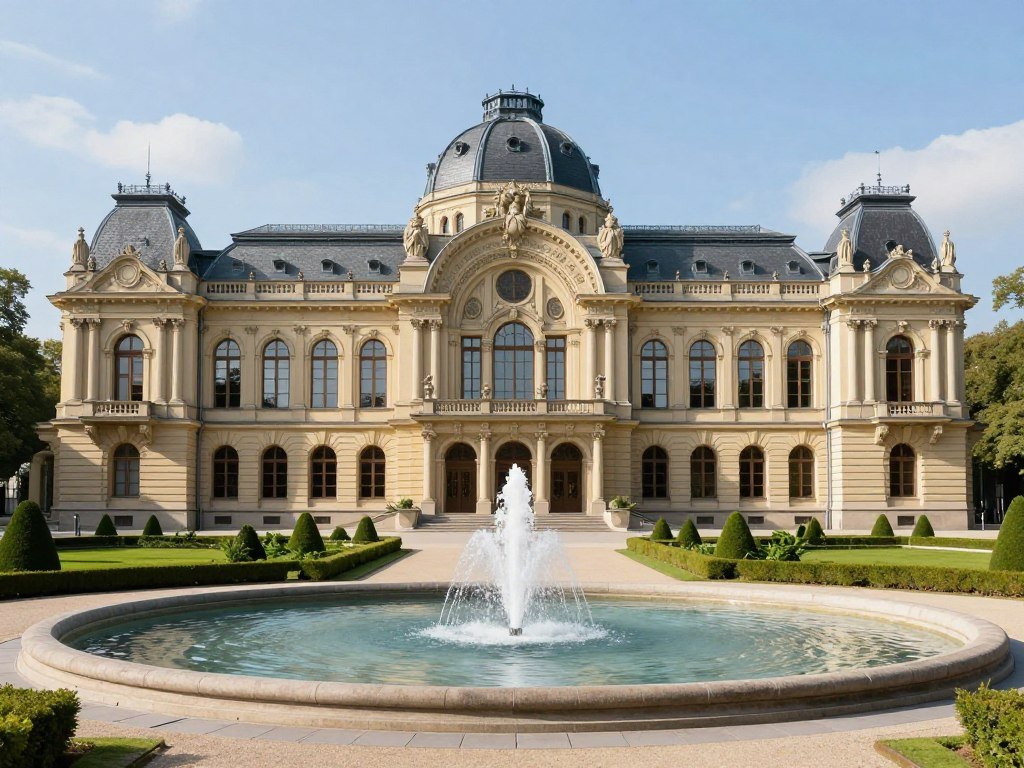
| Destination | Distance | Travel Time | Transport | Highlights |
| Rhine Valley | 50 km | 70 minutes | Train to Rüdesheim | River cruise, castles, wine tasting |
| Heidelberg | 85 km | 50 minutes | Direct ICE train | Castle ruins, old town, university |
| Wiesbaden | 40 km | 40 minutes | S-Bahn S1 or S9 | Thermal baths, casino, architecture |
| Mainz | 42 km | 30 minutes | S-Bahn S8 | Gutenberg Museum, cathedral, Rhine |
Start Planning Your 2026 Frankfurt Adventure
Frankfurt rewards curious travelers with unexpected discoveries. Beyond its business reputation lies a city rich in history, culture, and authentic experiences. The blend of medieval charm and contemporary innovation creates a destination unlike any other in Germany.
The year 2026 promises exciting developments and world-class events. Whether you explore museums, savor regional cuisine, discover hidden neighborhoods, or simply stroll along the Main River, Frankfurt offers memorable experiences for every traveler.
This guide provides the foundation for your Frankfurt adventure. The city reveals its secrets gradually to those who explore beyond surface impressions. Each neighborhood, museum, and apple wine tavern adds another layer to your understanding.
Start planning today. Book accommodations early if visiting during major events. Research specific attractions that match your interests. Join our community of Frankfurt enthusiasts for ongoing tips and updates.
Frequently Asked Questions
Is Frankfurt expensive compared to other German cities?
Frankfurt ranks among Germany’s pricier cities due to its financial center status. Hotels average 15-20% higher than Munich or Berlin during peak seasons. However, strategic planning reduces costs significantly.
Many top attractions offer free admission including Römerberg, the old town, and Main River promenade. The Frankfurt Card provides excellent value with unlimited transit and museum discounts. Budget accommodations exist in surrounding neighborhoods with easy transit access.
Restaurant prices vary widely. Traditional apple wine taverns offer hearty meals for €10-15. The Kleinmarkthalle provides quality prepared foods at reasonable prices. Lunch menus at upscale restaurants cost half the dinner prices.
How many days are enough to see Frankfurt?
Three to four days provides comprehensive coverage of Frankfurt’s highlights without rushing. This allows time for major attractions, neighborhood exploration, and leisurely experiences like apple wine taverns and river walks.
A focused two-day visit covers essential sights: old town, Römerberg, cathedral, museums, Main Tower, and Sachsenhausen. However, you’ll miss deeper neighborhood exploration and relaxed experiences.
Five or more days enable day trips to the Rhine Valley, Heidelberg, or other regional destinations. This extended timeframe allows immersive experiences and participation in events or cooking classes.
What is Frankfurt known for besides finance?
Frankfurt surprises visitors with its rich cultural offerings. The city hosts Germany’s second-largest museum collection after Berlin. The Städel Museum ranks among Europe’s finest art galleries with 700 years of masterworks.
Frankfurt’s literary heritage centers on Johann Wolfgang von Goethe, Germany’s greatest writer. The city hosts the world’s largest book fair each October, attracting 7,000 exhibitors from 100 countries.
Traditional apple wine (Apfelwein) culture defines Frankfurt’s culinary identity. The beverage has been produced locally for 250 years. Historic taverns in Sachsenhausen preserve authentic atmosphere and recipes passed through generations.
The city balances medieval charm with modern innovation. The reconstructed old town around Römerberg contrasts dramatically with Europe’s most impressive skyscraper skyline, creating Frankfurt’s unique character.
Is Frankfurt safe for tourists?
Frankfurt is generally safe for tourists with standard urban precautions. The city maintains low crime rates compared to similar-sized European cities. Tourist areas including the old town, Museumsufer, and main shopping districts remain well-policed.
The main train station area requires extra attention, particularly at night. Avoid the park behind the station (Bahnhofsviertel) after dark. Pickpocketing can occur in crowded areas like the Zeil shopping street and public transit during peak hours.
Public transportation operates safely at all hours. Women traveling alone report feeling secure throughout most of the city. Emergency services respond quickly. Most Frankfurters speak English and willingly assist tourists.
Can you visit Frankfurt’s old town?
Yes, Frankfurt’s old town (Altstadt) welcomes visitors year-round with free public access. The area was meticulously reconstructed after World War II destroyed 80% of the historic center. The New Old Town project (completed 2018) recreated medieval buildings on their original foundations using traditional methods.
The Römerberg square forms the old town’s heart. Colorful half-timbered houses surround the plaza. The Römer city hall, Frankfurt Cathedral, and numerous museums cluster within walking distance. Cobblestone lanes invite exploration of shops, restaurants, and historic sites.
The best time to visit is early morning or late afternoon to avoid midday tour groups. The Christmas market transforms the area into a winter wonderland from late November through December. Free walking tours provide historical context and interesting stories.