
Nestled within a horseshoe bend of the turquoise River Aare, Bern offers one of Switzerland’s most vibrant and authentic restaurant scenes. The medieval Old Town, a UNESCO World Heritage Site, shelters everything from intimate wood-paneled dining rooms serving traditional Swiss food to innovative Michelin-starred establishments pushing culinary boundaries.
Whether you’re seeking fine dining with Alpine views, a cozy café for afternoon coffee and pastries, or a riverside brewery for casual fare, this guide reveals where locals actually eat. We’ve spent years exploring Bern’s restaurant landscape, from the six kilometers of arcaded streets in the city center to hidden gems in surrounding neighborhoods.
This comprehensive resource covers Bern’s top acclaimed restaurants, traditional Swiss eateries, modern fusion places, and everything between. Beyond just names and addresses, you’ll discover what makes each place special, when to visit, what to order, and how to experience Bern like someone who calls this beautiful city home.
Why Bern's Restaurant Scene Stands Out
The Swiss capital has cultivated a distinctive food culture that honors tradition while embracing innovation. Unlike purely tourist-focused destinations, restaurants in Bern maintain a strong connection to local producers and regional ingredients. The surrounding Emmental region supplies renowned cheese, while the River Aare and nearby lakes provide fresh fish.
What truly distinguishes Bern’s dining scene is its commitment to sustainability and quality. Many restaurants maintain direct relationships with farmers, cheesemakers, and vintners from the Bernese Oberland and surrounding valleys. This farm-to-table approach isn’t trendy marketing here—it’s been standard practice for years.
Local Food Heritage
Traditional Bernese cuisine reflects centuries of Alpine farming culture. Dishes feature hearty ingredients like potatoes, cheese, cured meats, and seasonal vegetables. The famous Berner Platte showcases this heritage with its array of sausages and meats served with sauerkraut and potatoes.
Modern chefs respect these traditions while adding contemporary techniques. You’ll find rösti elevated with truffle oil, fondue made with aged Emmentaler, and innovative takes on classic Swiss desserts like merängge.
International Influences
Bern’s restaurant scene extends far beyond Swiss classics. The city welcomes international cuisine, from authentic Chinese dishes at Huayuan to Mediterranean flavors at various establishments throughout the Old Town.
These international restaurants maintain the same quality standards as traditional Swiss places. Chefs source ingredients thoughtfully, adapt recipes to showcase local produce when appropriate, and create dining experiences that feel genuine rather than generic.
Michelin-Starred Excellence in Bern
The Michelin Guide recognizes several restaurants in Bern for exceptional cuisine and service. These establishments represent the pinnacle of Swiss dining, combining technical mastery with creative vision. While fine dining, they maintain an approachable atmosphere that welcomes food enthusiasts rather than intimidating them.
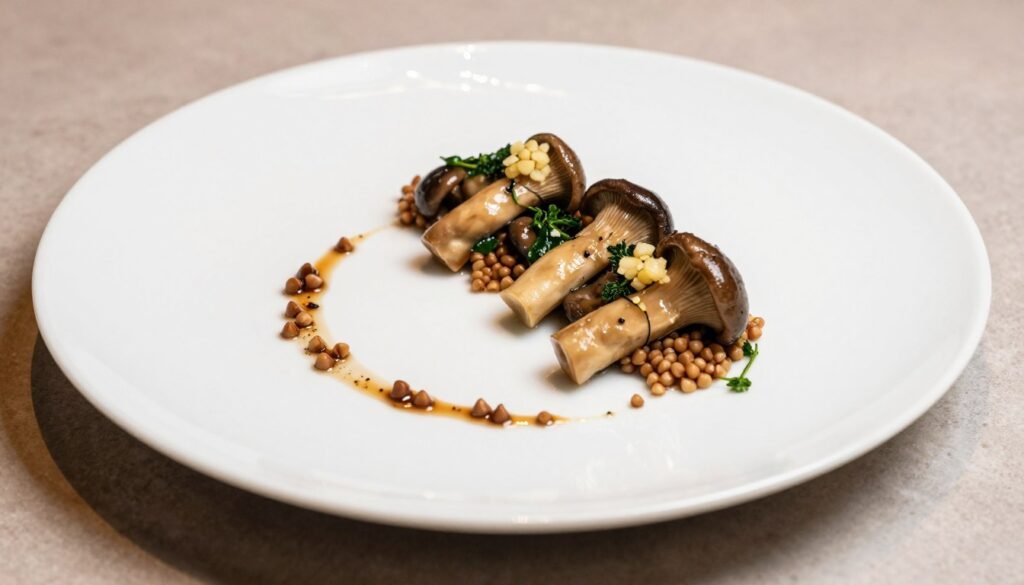
Restaurant Zoe
Michelin Star Green Star 15 Gault Millau
Located in Münstergasse, Restaurant Zoe has redefined vegetarian fine dining. Chefs Fabian Raffeiner and Mark Hayoz prove that meatless cuisine can be as complex and satisfying as any traditional menu. Their motto “vegetables in their different facets” comes alive through innovative dishes like herb oyster mushrooms with fermented garlic and buckwheat.
The restaurant earned both a Michelin Star and a Green Star for sustainable gastronomy. Everything from ingredient sourcing to waste reduction reflects environmental consciousness. The seven to ten course menu changes with seasons, showcasing what’s available from local producers.
The atmosphere balances elegance with warmth. Wood beams and soft lighting create intimacy, while the open kitchen adds energy. Service is knowledgeable without pretension—staff genuinely want guests to enjoy the experience.
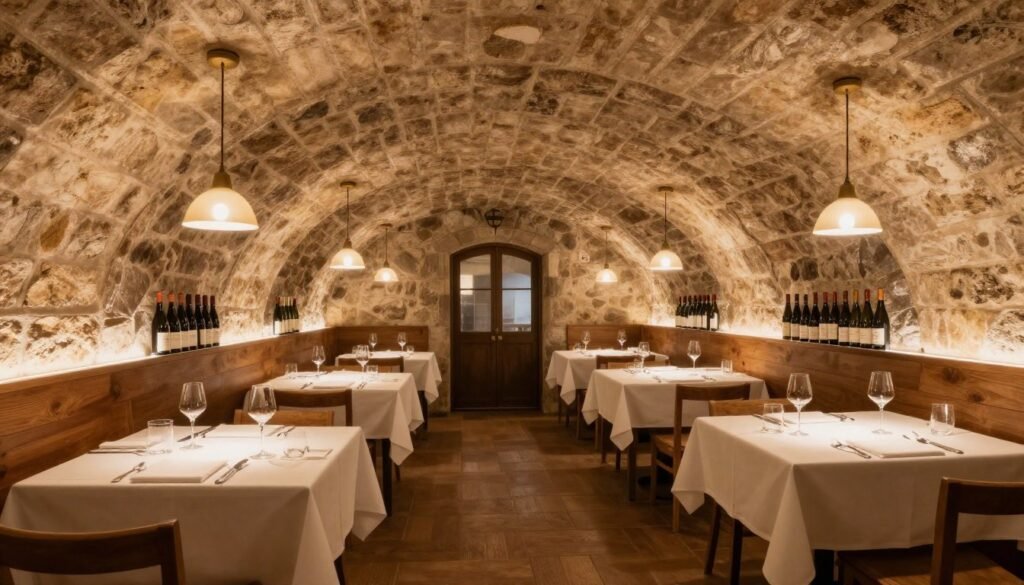
Restaurant Wein und Sein
Michelin Star 16 Gault Millau
This intimate establishment in the Old Town celebrates the marriage of exceptional food and wine. The historic vaulted cellar provides a romantic setting for the six-course menu that changes based on seasonal availability and chef inspiration.
The menu intentionally lists only key ingredients, leaving preparation methods as delightful surprises. Regional products shine through thoughtful combinations that honor Swiss traditions while incorporating global influences. Each course pairs with carefully selected wine from an extensive collection.
Beyond wine, the restaurant offers exclusive gin, rum, and whiskey selections. The beverage program demonstrates the same attention to quality and pairing as the food menu. Staff guide guests through choices with expertise and enthusiasm.
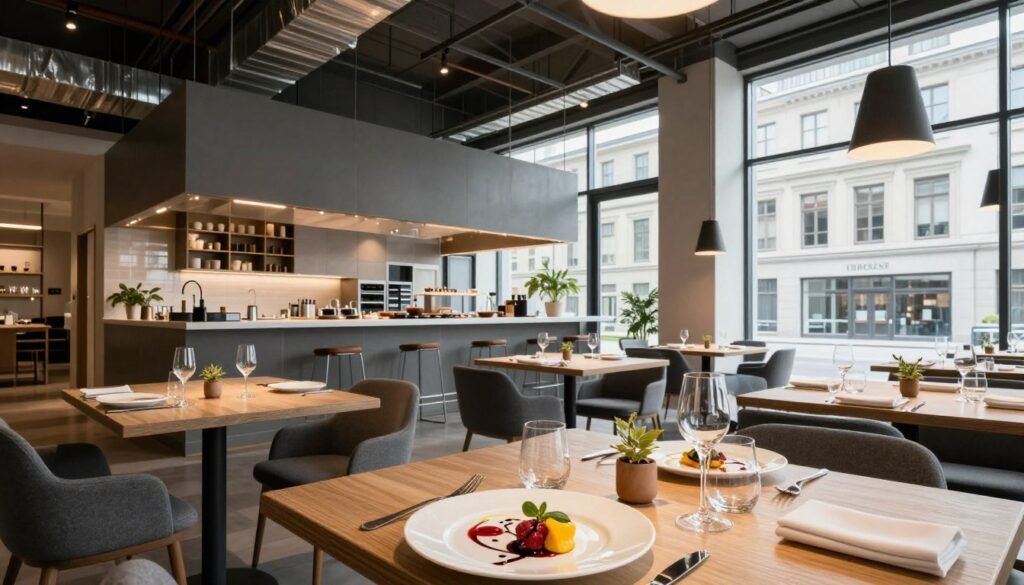
Restaurant Steinhalle
Michelin Star 17 Gault Millau
Bern’s highest-awarded restaurant operates within the west wing of the Bern History Museum. Chef Markus Arnold brings global flavors to local ingredients, creating dishes inspired by his travels. The casual dining concept offers five or six course menus in the evening that challenge expectations.
The dual concept makes fine dining accessible. The “Easy Lunch” menu features approachable dishes like ramen, rice bowls, and gourmet burgers at midday. This democratic approach to excellence has earned widespread appreciation from both critics and diners.
The space itself combines museum architecture with modern design. Large windows flood the room with natural light during lunch service, while evening meals have a more intimate feel. The atmosphere remains relaxed despite the high culinary standards.
Note The restaurant is relocating to Restaurant Myle near the main station starting March 2026, with the current location continuing lunch and brunch service until autumn 2027.
Traditional Swiss Cuisine and Local Favorites

For authentic Swiss food and local atmosphere, several restaurants in Bern have maintained traditions for decades. These establishments serve the dishes that Bernese residents grew up eating—rösti, fondue, raclette, and hearty meat preparations. The ingredients are simple, but preparation requires skill and respect for tradition.
Restaurant Harmonie
This wood-paneled dining room has been the lunch spot of choice for locals for over a century. The atmosphere buzzes with conversation as regulars enjoy classic fondue or excellent rösti with speck and spiegelei. The menu of the day offers exceptional value while maintaining high quality standards.
New ownership since 2023 has preserved everything that made Harmonie beloved. The same recipes, the same warm atmosphere, and the same commitment to serving honest Swiss food at fair prices. This is where you experience Bern’s culinary heritage without pretension.
Lötschberg
Cheese lovers consider this establishment essential. Specializing in fondue and raclette, Lötschberg sources premium Swiss cheeses and prepares them according to time-honored methods. The combination restaurant, bar, and deli allows you to enjoy cheese on-site or purchase favorites to take home.
Beyond cheese dishes, the menu features other Swiss delicacies prepared with the same attention to quality. The casual atmosphere welcomes both tourists seeking authentic experiences and locals who return regularly for comfort food done right.
Kornhauskeller
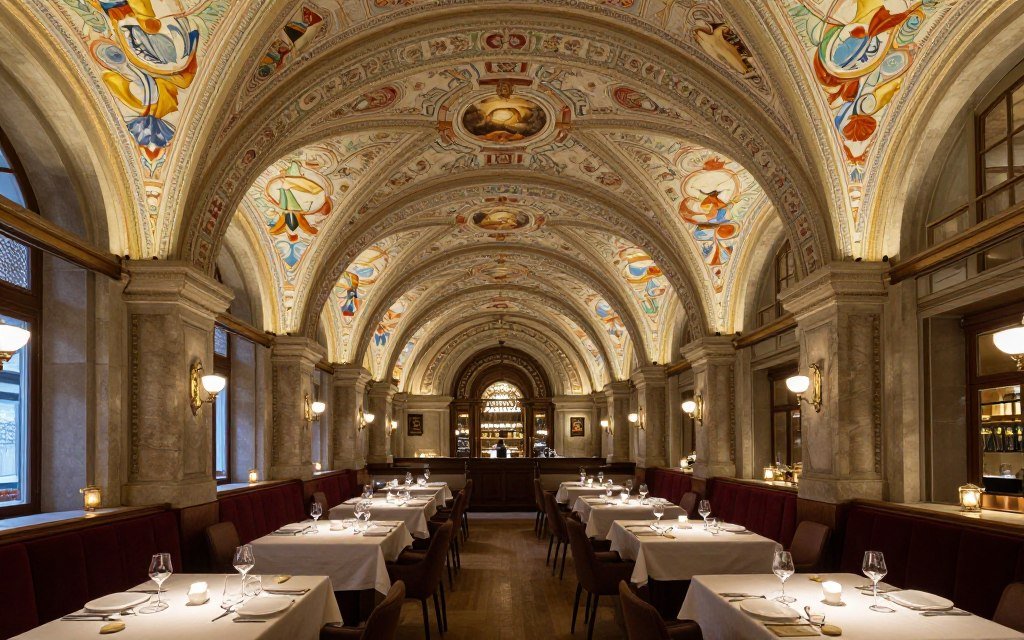
The massive vaulted cellar with fresco-painted ceilings once stored wines for Bern’s trading merchants. Today it houses one of the city’s most atmospheric restaurants. Chef Jorge Peixoto prepares “old school Swiss” cuisine—Berner platte, roast chicken, merängge, and fruit tarts.
Despite coming from Portugal, Peixoto has embraced Swiss culinary traditions with genuine passion. He particularly loves cheese dishes and the offal preparations that Swiss home cooks have perfected over generations. The combination of dramatic architecture and authentic food creates a memorable experience.
Traditional Dishes to Try
- Rösti: Grated potato cake, crispy outside and tender inside, often served with speck and fried egg
- Fondue: Melted Emmentaler and Gruyère cheese with white wine, perfect with crusty bread
- Raclette: Melted semi-hard cheese served with potatoes, pickles, and dried meat
- Berner Platte: Hearty platter of various sausages and meats with sauerkraut
- Merängge: Traditional meringue served with fresh whipped cream
Innovation and Modern Cuisine
While honoring tradition, restaurants in Bern also push culinary boundaries. These establishments combine local ingredients with international techniques, creating dishes that surprise and delight. The chefs balance innovation with flavor, ensuring creativity serves taste rather than overshadowing it.
Restaurant Moment
16 Gault Millau
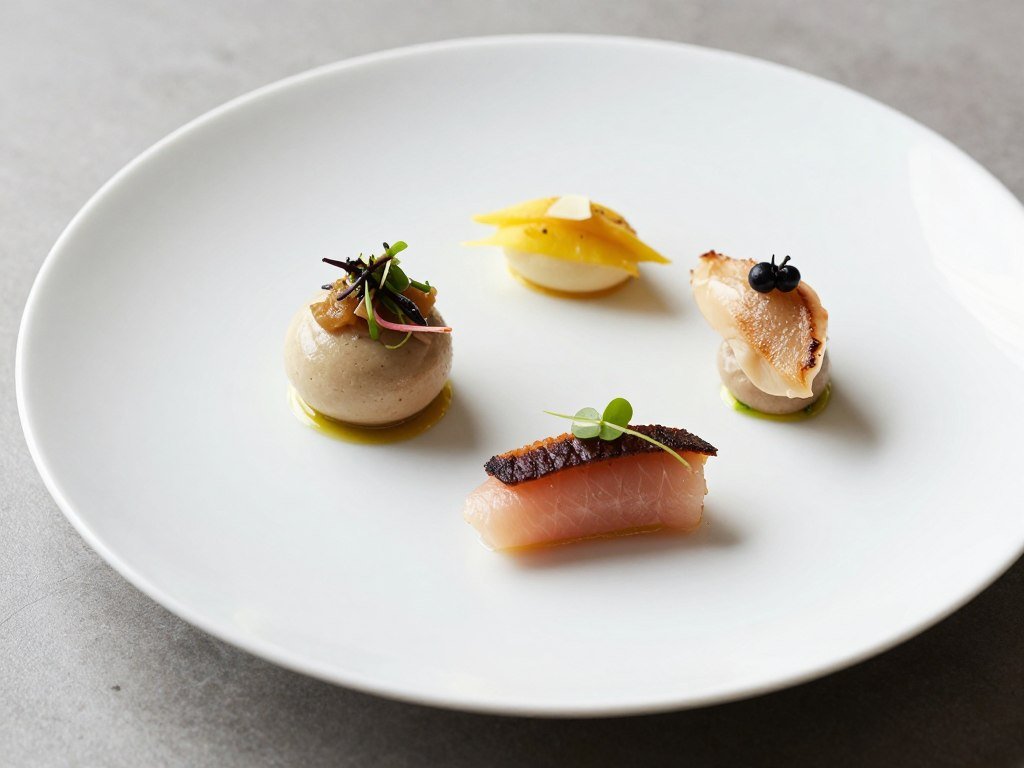
This establishment in Gerechtigkeitsgasse takes a unique approach to menu presentation. Dishes are advertised with only their three main ingredients, leaving preparation and presentation as pleasant surprises. This minimalist approach focuses attention on quality and seasonality.
The young team around host Sven Stauffer sources everything from Switzerland, with most ingredients coming from the Bern region. The seasonally changing compositions reflect what’s currently available and at peak flavor. Meat, fish, and vegetables receive equal creative attention.
The wine list emphasizes natural wines that complement the terroir-focused cuisine. Each selection has been chosen to enhance rather than compete with the food. The atmosphere remains casual despite the sophisticated cooking.
Restaurant Haberbüni
14 Gault Millau
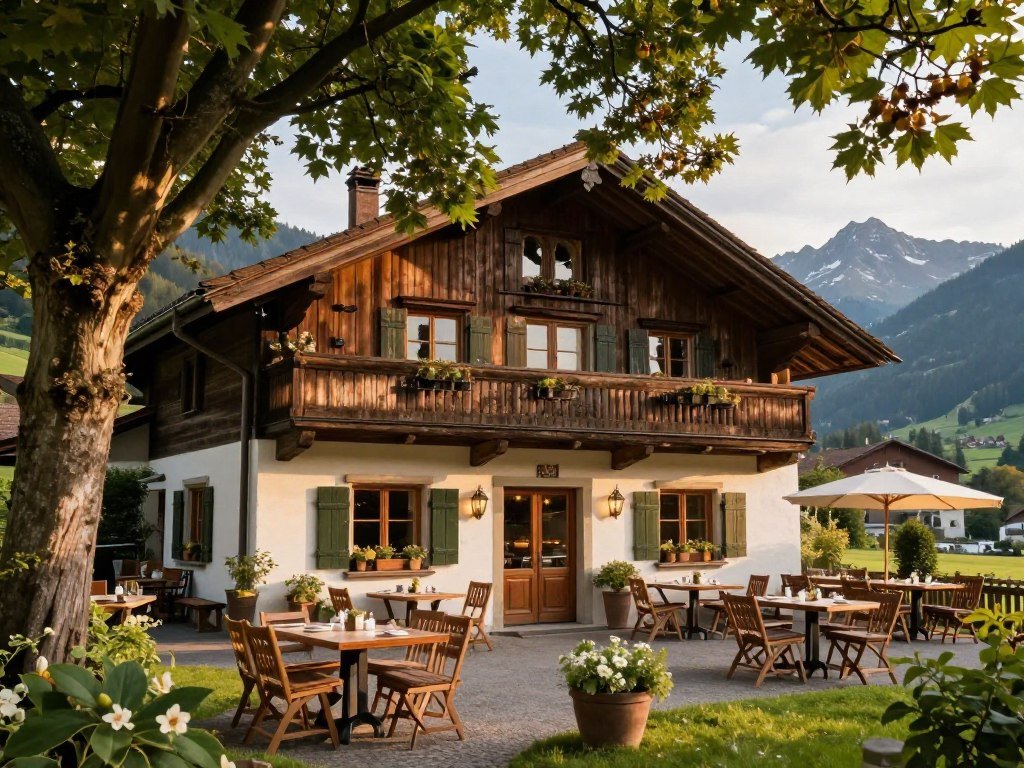
Located in a repurposed old farmhouse on the city’s outskirts, this restaurant marries tradition with innovation. The spacious hay loft has been beautifully restored, creating an unexpected fine dining venue. Seasonal local produce combines with rarely seen ingredients like pine and spruce from surrounding forests.
The menu “Haberä, schlemmä, schwelgä” (eat, indulge, enjoy) delivers on its promise. Four or six course evening menus showcase creative techniques while maintaining clear flavors. Lunch service offers Mediterranean classics alongside regionally inspired dishes like veal tripe in tomato sauce.
The garden setting under trees provides idyllic summer dining. Inside, wooden beams and thoughtful design create warmth. Wine selection and service by Dominic and his team have earned particular praise from regular guests.
Restaurant Essort
15 Gault Millau
The name means “eating place,” and the philosophy embraces simplicity. Rather than adhering to specific cuisine, Essort celebrates the “art of simplicity” through ingenious ingredient combinations. Inspiration comes from Mediterranean, Middle Eastern, and global sources.
Daily changing menus vary with seasons while maintaining high standards. The restaurant has gained particular recognition for homemade ice creams and sorbets featuring unexpected flavors like pear, berliner, and agrum.
Restaurant Süder
13 Gault Millau
This relaxed establishment near Eigerplatz serves fresh, seasonal cuisine in a historic building. Chef Kevin Künzler deliberately keeps the menu small, adding “more care, more love, more commitment and a dash of magic” to each dish.
The beef tartar “Süder” has become a house classic, while lunch and dinner menus continue to surprise regular guests. The large garden transforms the experience during warm months, when hosts Renate Fankhauser and Martin Moser serve meals under the trees.
Casual Dining, Cafés, and Breweries
Not every meal requires fine dining formality. Bern excels at casual food culture, from microbreweries and riverside cafés to neighborhood bistros. These places offer quality ingredients and skilled preparation in relaxed settings where locals gather throughout the day.
Altes Tramdepot
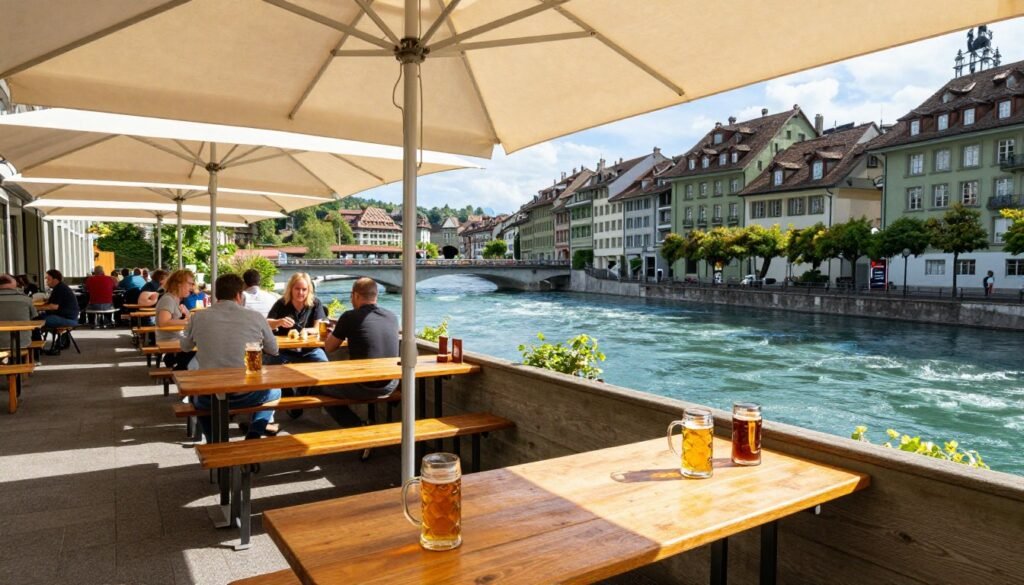
This microbrewery occupies the former tram depot next to Bear Park, with stunning views over the River Aare. The location attracts both tourists and residents who come for fresh craft beer and satisfying food. Five house-brewed beers are always on tap, including seasonal specialties like Hoppylirium made with plum and apricot.
The menu features classic beer-friendly fare done well—freshly baked pretzels filled with ham and pickles, grilled sausages, lake fish, and hearty salads. The large wooden terrace fills quickly on pleasant days as people watch swimmers float past in the turquoise water below.
Manager Lars Maeder notes the variety of people who visit daily. The copper brewing casks visible behind the bar remind guests of the craft behind each pour. The casual atmosphere welcomes everyone from families to groups of friends meeting after work.
Dampfzentrale
The old electricity generating station now serves as a cultural center with theater performances and events. The restaurant occupies the tall, cavernous space with a light-filled dining room and large terrace beside the River Aare path. In one direction lies the public swimming pool, in the other, the bridge where people jump into the current.
Daily changing set menus offer choices like schnitzel with spinach, roast beef with fries, and risotto with olives and tomatoes. The kitchen focuses on fresh preparation and reasonable pricing. The location makes it perfect for lunch before or after exploring the river, or dinner following a performance.
Brasserie Obstberg
Hidden in the Obstberg neighborhood, this establishment unites the chic of an urban brasserie with down-to-earth country inn warmth. The 12 Gault Millau points recognize chef Pascal Cueni’s skill with French classics—boeuf bourguignon en cocette, coq au vin, tarte Tatin—plus delicious seasonal dishes.
Parisians would gladly travel to Bern for this food. The relaxed neighborhood bistro atmosphere makes it accessible despite the sophisticated cuisine. Bus number 12 stops just steps away at Tavelweg, making the journey from the city center simple.
International Cuisine in Bern
Sometimes you crave flavors beyond Swiss traditions. Bern’s international restaurant scene offers authentic experiences from various cultures, prepared with the same quality standards that define the city’s dining culture.
Restaurant Huayuan
14 Gault Millau
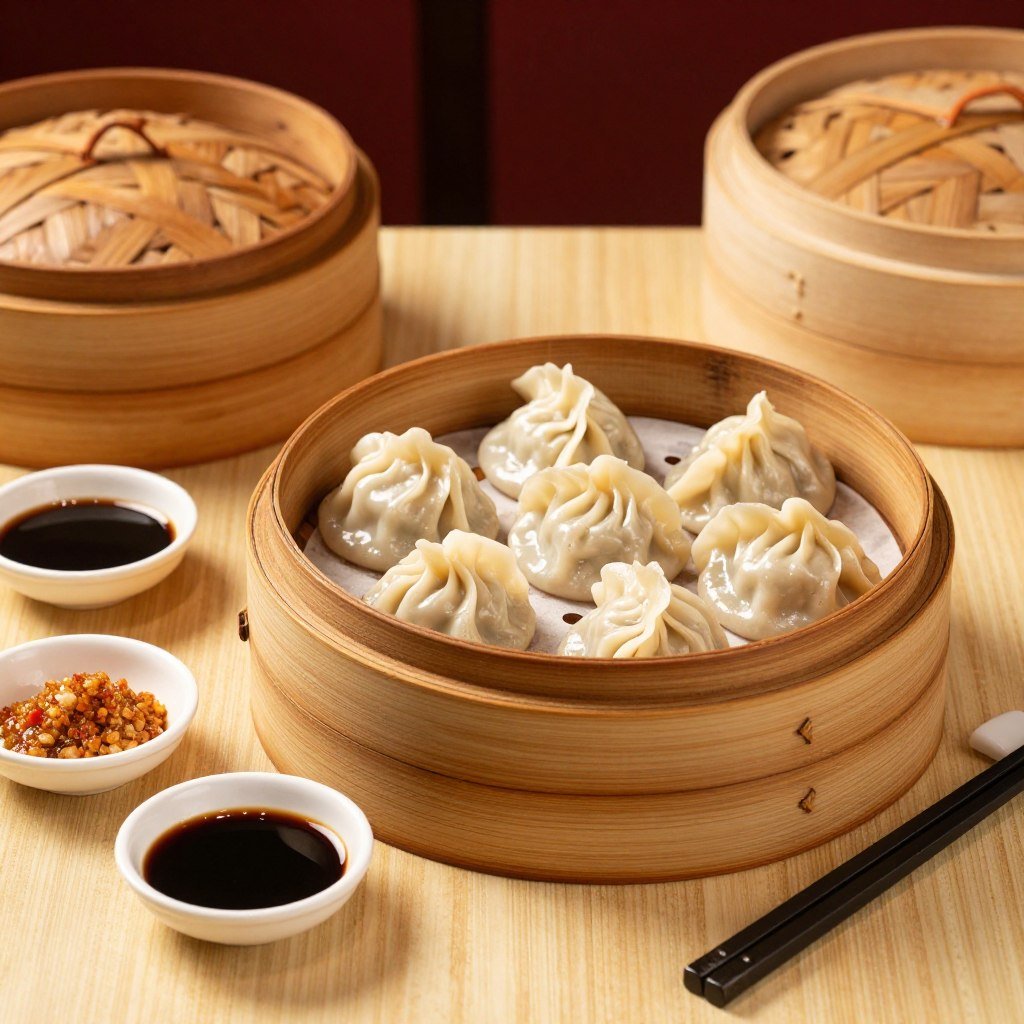
Gourmets flock to the Fischermätteli neighborhood for authentic Chinese and East Asian cuisine. Chefs Xiuhan and Liangfu Wang have been delighting guests for years with lovingly prepared traditional dishes—lamb Beijing style, fermented eggs, miso soup, Peking duck, and expertly crafted dumplings.
The Gault Millau recognition confirms what regular customers already know: this is the real thing. Flavors remain true to Chinese culinary traditions while ingredients meet Swiss quality standards.
Restaurant Sua
Just doors down from Restaurant Harmonie in the Old Town, Sua offers a range of slow-cooked dishes from various traditions. Moroccan tagine, Greek stifado, and Indian curry share the menu with fresh salads and vegetables.
The menu provides welcome diversity for both locals and visitors seeking change from Swiss food. Preparation respects each cuisine’s authentic flavors while adapting to ingredient availability and local tastes.
Sushi-Bar Yamasaki
Located on Kramgasse in the heart of the Old Town, this intimate sushi bar serves traditional Japanese preparations with Swiss precision. Fresh fish and careful technique create authentic experiences.
The small space encourages interaction with the chef, who explains preparations and sources. This personal approach combines Japanese tradition with Swiss hospitality.
Distinguished Hotel Restaurants
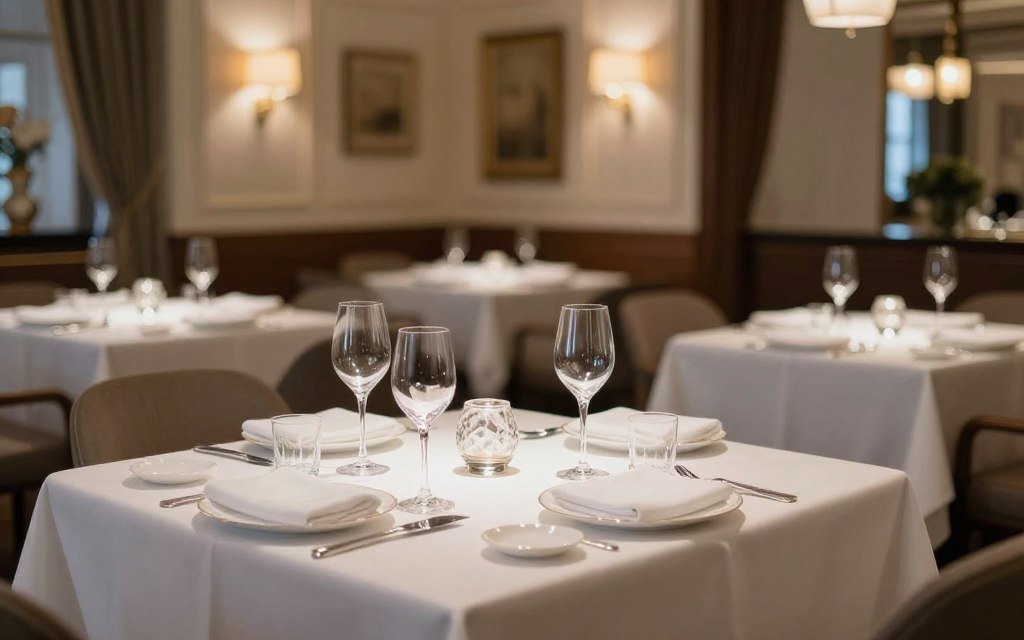
Bern’s grand hotels host some of the city’s finest restaurants. These establishments combine culinary excellence with impeccable service and elegant settings. While attached to hotels, they attract both guests and local food enthusiasts.
Bellevue Palace: Brasserie Vue
The grand hotel’s brasserie serves French classics with a personal touch from chef de cuisine Gregor Zimmermann. Fine de Claire oysters, filet de boeuf, and thoughtful cheese selections represent the menu’s commitment to traditional brasserie cuisine. The 14 Gault Millau points recognize this excellence.
Despite first-class cuisine, the atmosphere remains casual and relaxed—no need for formal attire. The focus stays on seasonal dishes and regional ingredients whenever possible. The terrace offers spectacular views of the River Aare and Alps during pleasant weather.
Schweizerhof Hotel: Jack's Brasserie
Jack’s Brasserie has earned fame for its Wiener Schnitzel, named three times by Gault Millau as the best in Switzerland. Regular guests would enthusiastically confirm this designation. Top quality ingredients define the menu—organic beef for tartar, seasonal vegetables for vegetarian and vegan options.
The restaurant takes an initiative against food waste seriously. Guests who cannot finish meals can take food home in recyclable containers. The 14 Gault Millau points reflect both culinary quality and responsible practices.
Schweizerhof Hotel: Mille Sens
Chef Domingo S. Domingo has earned recognition as a master of flavors, textures, and colors. The 15 Gault Millau points acknowledge his skill. Lunch features healthy bowl creations and market-fresh dishes that guests customize to personal preferences.
Evening service presents the signature “Domingo pur Menu” showcasing the chef’s Filipino roots through dishes like Bernese Wagyu empanada with tamarind sauce. The Tavolata format offers many different starters, main courses, cheese, and dessert variations for sharing—a true sensory feast.
Exceptional Restaurants in the Bern Region
Beyond the city center, the surrounding Bern region offers remarkable dining destinations. These establishments make the short journey worthwhile with stunning locations, exceptional cuisine, and unique atmospheres.
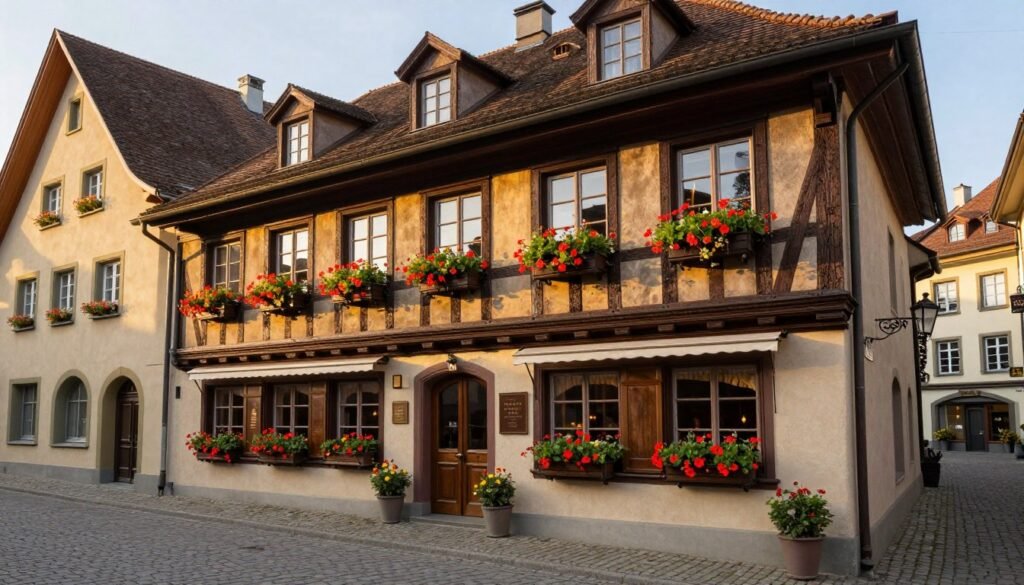
Restaurant Zur Gedult, Burgdorf
Michelin Star 17 Gault Millau Chef of Month
The oldest restaurant in lower Burgdorf (built 1716) charms with its small size, cozy atmosphere, and exceptional food. Chef Lukas Kiener creates wonderful compositions with great attention to detail. His tartar transcends the ordinary through combination with egg yolk, roasted capers, and marinated onions.
Both 17 Gault Millau points and a Michelin star recognize Kiener’s skill. In September 2019, Gault Millau named him “Chef of the month,” confirming what regular guests experience with every visit.
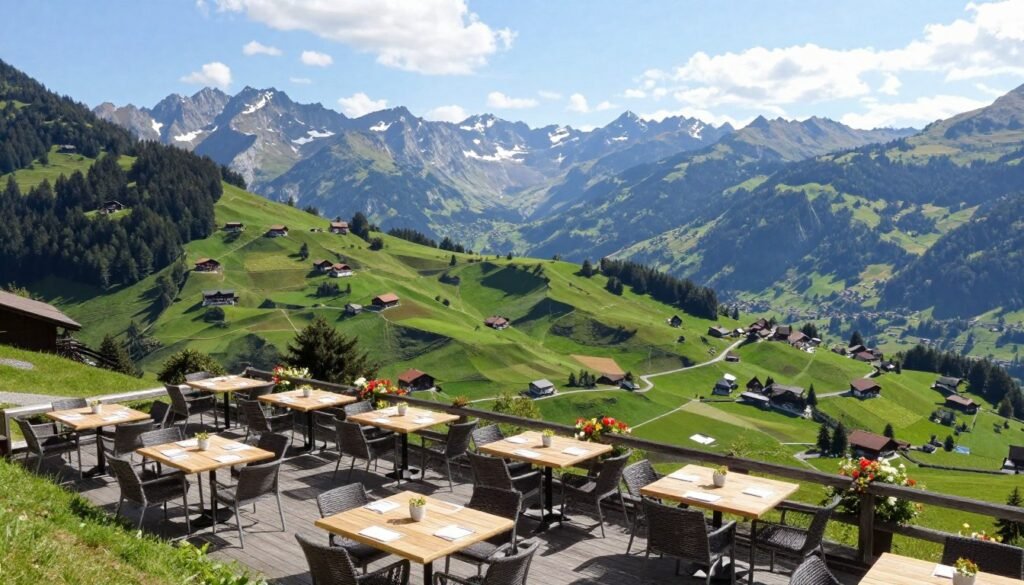
Restaurant Moosegg
Bib Gourmand 16 Gault Millau
At almost 1,000 meters elevation in the Emmental valley, this restaurant attracts gourmets from near and far. The unique panoramic view over rolling hills makes the journey worthwhile before you even taste the food. Chef Daniel Lehmann uses area recipes and products, combining them with international influences.
Lehmann knows most producers, traders, and vintners personally, resulting in seasonally changing menus that showcase the best available ingredients. The wine menu spans 100 pages—guaranteed to make any wine lover’s heart skip a beat.
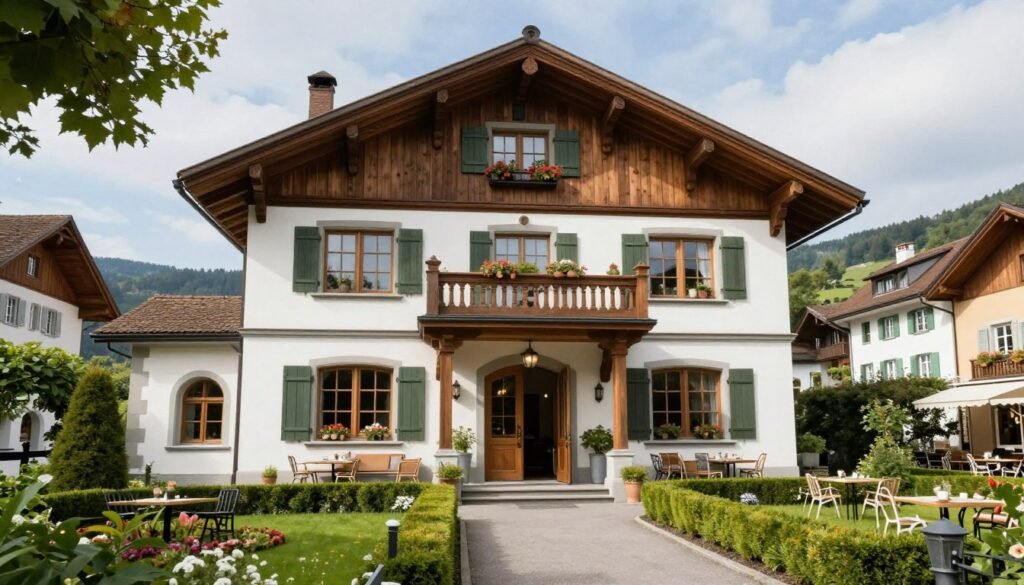
L'Auberge Langenthal
14 Gault Millau
This boutique hotel in a stately villa in Langenthal center celebrates gourmet cuisine highlights that have disappeared from many fine-dining menus. Order in advance for two or more people and enjoy whole duck or sea bass. Four or more guests can experience filet Wellington or the “Offal Feast” with liver, kidneys, and spleen.
Chef Andri Casanova’s homemade ravioli and Angus beef tartar have earned fame far beyond village borders. Guests can put together their own multi-course menu to suit their mood. Seventeen individually furnished rooms invite overnight stays to extend the experience.
Practical Dining Tips for Bern
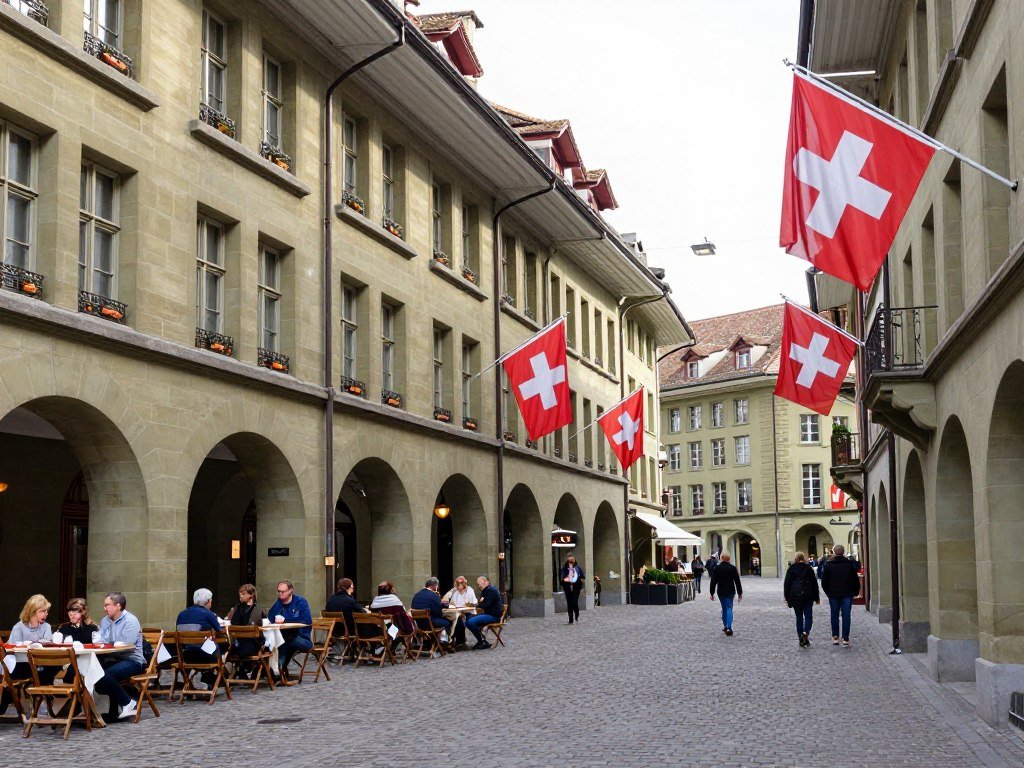
Understanding local dining customs enhances your experience at restaurants in Bern. Swiss culture values punctuality, quiet conversation, and respect for other diners. These practical tips help you navigate Bern’s restaurant scene like a local.
Reservations
Book ahead for dinner, especially weekends and at acclaimed restaurants. Popular places fill weeks in advance during peak tourist season. Call directly or use restaurant websites. Many restaurants close one or two days weekly—check before planning.
- Michelin-starred restaurants: Reserve 2-4 weeks ahead
- Popular traditional spots: Book 3-7 days ahead
- Casual establishments: Walk-ins often work for lunch
- Special occasions: Mention when booking for best seating
Dining Hours
Swiss dining times differ from some cultures. Restaurants serve lunch from roughly 11:30 AM to 2:00 PM, with kitchens closing promptly. Dinner service typically runs 6:00 PM to 10:00 PM. Late-night dining options are limited.
- Lunch: Best value, daily specials common
- Dinner: Full menu, more leisurely pace
- Sunday: Many restaurants closed or limited hours
- Kitchen closing: Order before stated closing time
Pricing and Payment
Switzerland ranks among Europe’s most expensive countries for dining. Quality justifies prices, but budget accordingly. Fine dining easily exceeds CHF 100 per person. Casual meals range CHF 25-50. Most places accept credit cards; cash works everywhere.
- Service included in prices (15% standard)
- Tipping: Round up or add 5-10% for exceptional service
- Water: Tap water free if requested (“Hahnewasser”)
- Menu of the day: Best lunch value at traditional restaurants
Dietary Accommodations
Restaurants in Bern increasingly accommodate dietary preferences and restrictions. Vegetarian options appear on most menus. Vegan choices are growing. Always inform staff of allergies or strict requirements when booking and ordering.
- Vegetarian: Wide availability, some dedicated restaurants
- Vegan: Growing options, especially at modern establishments
- Gluten-free: Common awareness, usually accommodated
- Allergies: Communicate clearly, kitchens take seriously
Language Tip
While many restaurant staff speak English, learning a few German phrases enhances experiences: “Grüezi” (hello), “Merci” (thank you), “Zahlen, bitte” (check, please). Menus typically include English translations at tourist-oriented restaurants.
Finding Restaurants in Bern
Most featured restaurants cluster in and around the Old Town, making them easily accessible on foot. The compact medieval center allows you to walk from one end to the other in 20 minutes. Some exceptional spots lie in nearby neighborhoods or the surrounding region, requiring short tram or bus rides.
Featured restaurants in Bern’s Old Town and nearby neighborhoods
Getting Around
Bern’s excellent public transportation makes reaching any restaurant simple. Trams and buses run frequently, and most visitors receive free public transport tickets from their hotels (Bern Ticket). The mostly car-free Old Town is best explored on foot.
- Walking: Best for Old Town restaurants, everything within 20 minutes
- Tram: Efficient for reaching neighborhood spots like Haberbüni
- Bus: Access to areas like Obstberg and suburbs
- Bike: PubliBike rental stations throughout the city offer easy cycling
- Taxi: Available but expensive, rarely necessary
Seasonal Dining in Bern
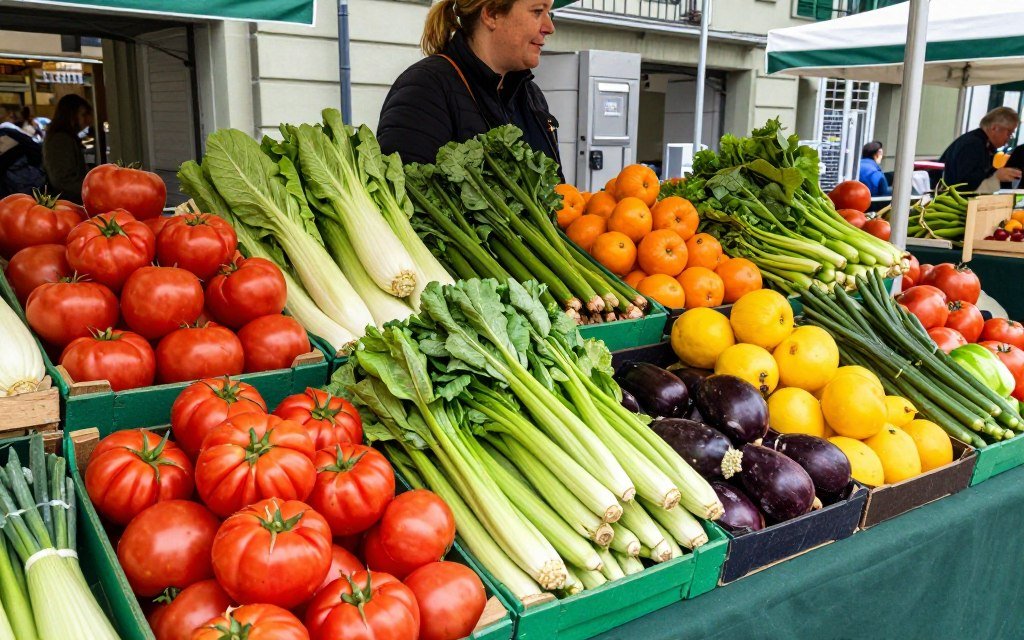
The restaurant scene in Bern changes with seasons, reflecting ingredient availability and Swiss culinary traditions. Each season brings distinct flavors and experiences that enhance your visit.
Spring (March-May)
Spring awakens Bern’s restaurant terraces and gardens. As weather warms, outdoor dining returns to riverside spots and Old Town arcades. Menus feature asparagus, fresh herbs, and early vegetables. Lighter preparations replace winter’s hearty dishes. The River Aare’s temperature rises, and cafés near swimming areas become popular.
Summer (June-August)
Peak tourist season fills restaurants, making reservations essential. Terraces and gardens offer the best experiences during long, warm evenings. Local produce reaches its peak—berries, stone fruits, heirloom tomatoes. River culture dominates leisure time, with brewery terraces and riverside restaurants bustling after work and on weekends.
Autumn (September-November)
Many consider autumn ideal for visiting Bern. Crowds thin while weather remains pleasant. Menus shift to mushrooms, game, and harvest vegetables. The Zibelemärit (Onion Market) in November brings special onion tarts to restaurants. Wine harvest season means special menus pairing new wines with seasonal dishes.
Winter (December-February)
Winter brings comfort food culture. Fondue and raclette reach peak popularity as locals seek warming meals. Christmas markets transform the Old Town, and restaurants serve festive specialties. Indoor dining rooms become cozy retreats. Some restaurants reduce hours or close for annual holidays—check ahead.
- White asparagus with hollandaise
- Fresh herb salads and pestos
- Young vegetables
- River fish preparations
Spring Specialties
- Heirloom tomato salads
- Grilled lake fish
- Berry desserts
- Light, fresh preparations
Summer Highlights
- Wild mushroom dishes
- Game meats
- Pumpkin and squash
- New wine pairings
Autumn Features
- Fondue and raclette
- Braised meats
- Root vegetables
- Festive pastries
Winter Traditions
Understanding Bern's Food Culture
Dining in Bern reflects broader Swiss cultural values—quality over quantity, sustainability, and respect for traditions while embracing innovation. Understanding these values enhances appreciation for the restaurant scene.
Regional Ingredients and Producers
The connection between restaurants in Bern and local producers runs deep. Many chefs know farmers, cheesemakers, and fishermen personally. This relationship ensures freshness and traceability while supporting regional agriculture. The nearby Emmental region supplies world-famous cheese. The Bernese Oberland provides Alpine dairy products. Lakes connected to the River Aare yield fresh fish.
Weekly markets in Bundesplatz and Münstergasse bring producers directly to the city. Restaurants shop here alongside residents, maintaining connections to the source of their ingredients. This transparency builds trust between diners and establishments.
Cheese Culture
Switzerland’s cheese tradition permeates Bern’s food culture. Emmentaler AOP, made traditionally in the Emmental valley since the 13th century, appears in countless dishes. The characteristic holes form from carbon dioxide produced during aging. Young Emmental is mild and soft; aged versions develop sharper, more complex flavors.
Beyond Emmentaler, restaurants serve Gruyère, raclette cheese, and artisanal varieties from small Alpine dairies. Fondue and raclette remain beloved classics, prepared with care using quality ingredients. The twice-weekly markets sell aged cheeses that cheese shops throughout the Old Town also stock.
Wine and Beverage Culture
While Switzerland doesn’t rank among famous wine countries internationally, Swiss wines offer pleasant surprises. Many restaurants in Bern feature extensive Swiss wine lists, particularly from nearby regions. The wine program at places like Wein und Sein and Moosegg demonstrates the depth available.
Craft beer culture has exploded in recent years. Small breweries like Altes Tramdepot create innovative beers using clean water from the River Aare. When you order a stange (standard 300ml pour), you’ll likely receive a local craft beer rather than mass-market alternatives.
Café Culture Evolution
Traditional café culture remains strong, but it has evolved. Where cafés once served primarily brewed coffee and cakes, many now focus on espresso and specialty coffee. Places like Das Lehrerzimmer (in a converted school) and Caffé Bar Sattler source beans from specific regions and roast with care.
Gelateria di Berna exemplifies this evolution. Three brothers brought Italian gelato traditions home after childhood holidays, creating authentic ice cream with Swiss ingredients. Seasonal flavors reflect what’s available—cucumber and hemp in summer, for instance.
Frequently Asked Questions About Dining in Bern
Do restaurants in Bern require reservations?
Dinner reservations are strongly recommended, especially at acclaimed restaurants and during peak season. Michelin-starred establishments should be booked 2-4 weeks ahead. Popular traditional restaurants fill 3-7 days in advance. Lunch at casual spots often accommodates walk-ins, but calling ahead prevents disappointment. Many restaurants close one or two days weekly, so always check before visiting.
How expensive are restaurants in Bern compared to other cities?
Switzerland ranks among Europe’s most expensive countries for dining. Fine dining easily exceeds CHF 100 per person before wine. Casual meals typically range CHF 25-50. However, quality justifies prices—ingredients are excellent, portions satisfying, and preparation skilled. Look for daily lunch specials at traditional restaurants for better value. The menu of the day often provides three courses for reasonable prices.
Are vegetarian and vegan options available?
Vegetarian options appear on most menus throughout Bern. Restaurant Zoe specializes in vegetarian fine dining and holds a Michelin star. Vegan choices are growing, particularly at modern and international restaurants. Traditional Swiss establishments may have limited plant-based options beyond cheese dishes. Always inform staff of dietary requirements when booking and ordering for best accommodation.
Do I need to speak German to dine in Bern?
English is widely spoken at restaurants, especially in the Old Town and at upscale establishments. Many menus include English translations. Learning basic German phrases enhances experiences and shows respect—”Grüezi” (hello), “Merci” (thank you), “Zahlen, bitte” (check, please). Staff appreciate the effort even if they respond in English. At neighborhood spots away from tourist areas, German knowledge helps more.
What’s the tipping culture in Bern?
Service is included in menu prices—15% standard. Additional tipping isn’t required but is appreciated for exceptional service. Locals typically round up the bill or add 5-10% at upscale restaurants. At casual spots, rounding to the nearest franc works. When paying by card, you can add a tip amount before entering your PIN, or leave cash on the table.
What are typical dining hours in Bern?
Lunch runs approximately 11:30 AM to 2:00 PM, with kitchens closing promptly at 2:00 PM. Dinner service typically begins at 6:00 PM and runs until 10:00 PM. Late-night dining options are limited. Arrive at least 30-45 minutes before closing if you want a full meal. Many restaurants close Sundays or Mondays, and some take annual holidays—always check before planning your visit.
Can I drink tap water at restaurants?
Yes. Swiss tap water is excellent quality and safe to drink. Request “Hahnewasser” (tap water) and it will be provided free. Many restaurants automatically serve bottled water, which you’ll be charged for unless you specifically request tap water. This is completely acceptable and increasingly common as sustainability awareness grows.
What traditional Swiss dishes should I try in Bern?
Essential Bernese dishes include rösti (crispy grated potato cake), fondue (melted cheese with bread), raclette (melted cheese with potatoes), and Berner Platte (mixed sausages and meats with sauerkraut). For dessert, try merängge (meringue with cream) or traditional pastries like mandelbärli (almond bears). Restaurant Harmonie serves excellent traditional fare, while Kornhauskeller offers a dramatic setting for classic Swiss cuisine.
Your Bern Dining Journey Begins
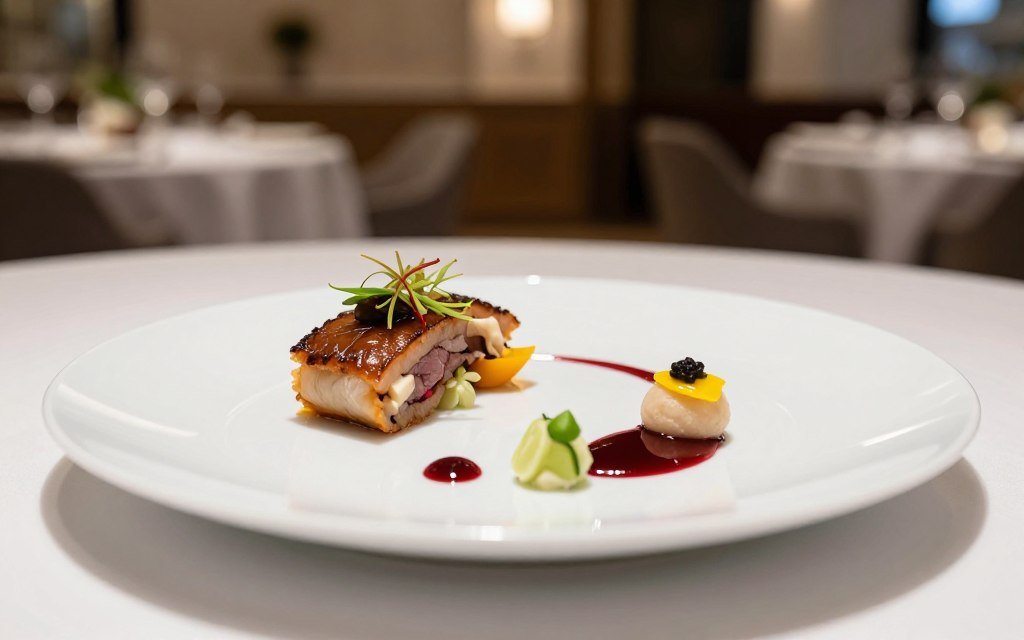
The restaurant scene in Bern offers something remarkable—a genuine connection between place, producers, and plates. From Michelin-starred innovation to century-old dining rooms serving traditional Swiss food, the city welcomes food lovers with open arms and full tables.
What distinguishes restaurants in Bern isn’t just quality ingredients or skilled chefs, though both abound. It’s the culture that values doing things properly, respecting traditions while embracing progress, and maintaining relationships between those who grow food and those who prepare it. This authentic approach creates dining experiences that satisfy beyond the immediate meal.
The medieval Old Town provides an incomparable setting. Imagine enjoying fondue in a wood-paneled room that’s served locals for over a century, or watching River Aare swimmers float past from a brewery terrace, or discovering innovative vegetable preparations in an intimate Münstergasse restaurant. Each experience connects you to Bern’s culinary heritage and contemporary creativity.
Beyond individual restaurants, exploring Bern’s food culture means visiting twice-weekly markets where farmers sell directly, walking the six kilometers of arcaded streets discovering hidden cellar restaurants, and perhaps jumping into the turquoise River Aare before lunch. Food and place intertwine here in ways that make dining about more than just eating.
Whether you spend three days or three weeks in Bern, the restaurant scene rewards exploration. Use this guide as a starting point, but remain open to discoveries. Ask hotel staff for their favorite lunch spots. Follow locals down seemingly empty streets to find neighborhood bistros. Trust the daily specials that highlight what’s currently perfect from nearby farms.
The best meal in Bern might be the one you didn’t plan—a spontaneous stop at a café that becomes a three-hour lunch, or a simple pretzel and beer at a riverside brewery with new friends. The city’s size allows spontaneity while its quality ensures satisfaction.
