
Nuremberg stands as one of Germany’s most captivating cities, where medieval architecture meets modern culinary excellence. The restaurants in Nuremberg offer far more than the famous bratwurst the city is known for worldwide. This vibrant Bavarian destination has evolved into a food lover’s paradise, where centuries-old brewing traditions coexist with innovative Michelin-starred kitchens.
The dining scene here reflects the rich heritage of Franconia, the greater region surrounding Nuremberg. With over 300 breweries giving it the highest brewery density in the world, and vineyards producing distinctive wines, this area has cultivated a deep respect for craftsmanship and local ingredients. The best restaurants in Nuremberg honor these traditions while pushing culinary boundaries.
This comprehensive guide explores the diverse dining landscape across the old town and beyond. From historic bratwurst kitchens that have served grilled sausages over beechwood fires for six centuries, to contemporary bistros reimagining German classics, you’ll discover where locals actually eat and what makes each spot special.
Understanding Franconian Food Culture and Nuremberg Specialties
Before exploring specific restaurants in Nuremberg, understanding the local food culture enriches your dining experience. Franconian cuisine represents hearty, no-nonsense cooking that celebrates regional ingredients and time-honored techniques.
The Protected Status of Nuremberg Bratwurst
Nuremberg bratwurst holds a special place in European food law. Dating back to the early 1300s, these small pork sausages measure just seven to nine centimeters in length. They’re protected throughout the European Union as a “protected geographical indication,” similar to how champagne can only come from the Champagne region in France. Only sausages made within Nuremberg’s city limits can carry this designation.
The Nuremberg Sausage Protection Association ensures quality standards remain high. Each sausage contains only pork, salt, pepper, and marjoram, with meat sourced from specific cuts. The small size isn’t arbitrary either. Legend suggests they were made small enough to fit through keyholes, allowing vendors to sell them even when city gates closed at night.
Three Traditional Preparation Methods
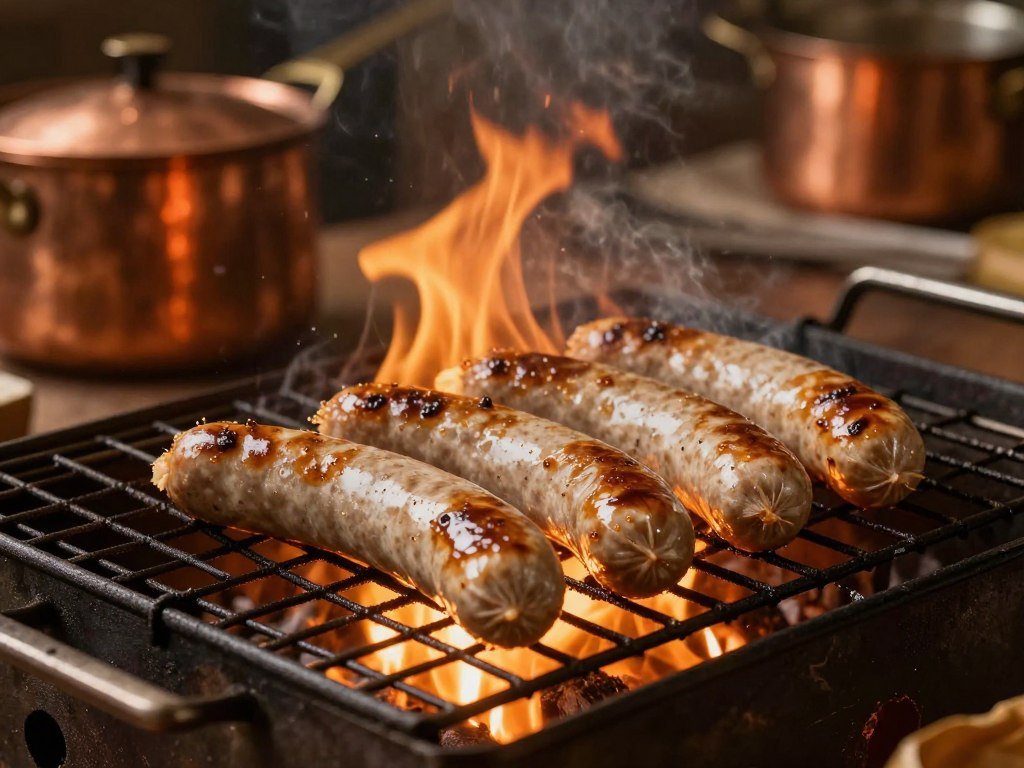
Restaurants nuremberg offer bratwurst prepared three distinct ways. Grilled sausages cook over open beechwood fires, developing a charred casing and juicy interior. The wood imparts a subtle smokiness that defines the classic experience.
Smoked versions undergo a different process that creates a snappier casing with Polish sausage characteristics. The third preparation method involves boiling the sausages in vinegar. This “sour” version arrives in a crock with wine and vinegar broth, cooked onions adding sweetness to balance the acidity.
Each restaurant nuremberg specializing in traditional fare will offer at least the grilled version, with many providing all three options on their menu.
Traditional Sides and Accompaniments
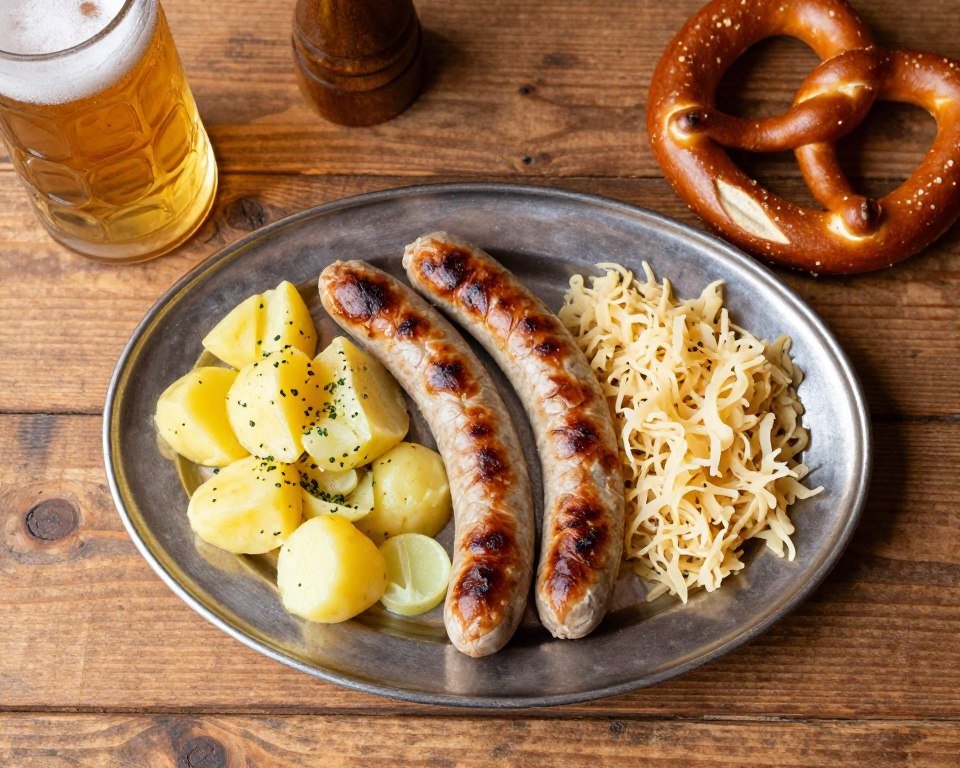
German potato salad, sauerkraut, and horseradish traditionally accompany bratwurst. The potato salad here differs from American versions, using a vinegar-based dressing rather than mayonnaise. Fresh horseradish adds a sharp, clean heat that cuts through the rich pork.
Franconian Beer and Wine Traditions
Red beer, or “Rotbier,” represents Nuremberg’s signature brew. This amber-colored lager has a malty sweetness with caramel notes. The style nearly disappeared but experienced a revival in recent decades. Local breweries now craft it using traditional methods.
Franconia produces distinctive wines, particularly from the Silvaner grape. These wines come in the region’s characteristic Bocksbeutel bottle, a flattened flask shape protected by geographic indication laws. The wine complements the rich food perfectly.
Beyond Bratwurst
Schäufele, a crispy pork shoulder served on the bone, ranks among the most popular dishes at restaurants. The skin becomes impossibly crispy while the meat stays tender and juicy. It typically comes with a potato dumpling called a Kloß and rich gravy.
Käsespätzle transforms the German dumpling into something resembling an elevated mac and cheese. The spätzle gets tossed with Alpine cheese and topped with crispy fried onions. Each restaurant in the old town has its own recipe.
Lebkuchen, the famous Nuremberg gingerbread, has been produced here since medieval times. Unlike the hard cookies found elsewhere, authentic Nuremberg lebkuchen stays soft and chewy. It contains little flour, instead using ground nuts, honey, and exotic spices that arrived via medieval trade routes.
Best Restaurants Nuremberg: Traditional German Dining
The city preserves its culinary heritage through restaurants that have operated for centuries. These establishments serve authentic Franconian fare in historic settings that transport diners to another era.
Zum Gulden Stern
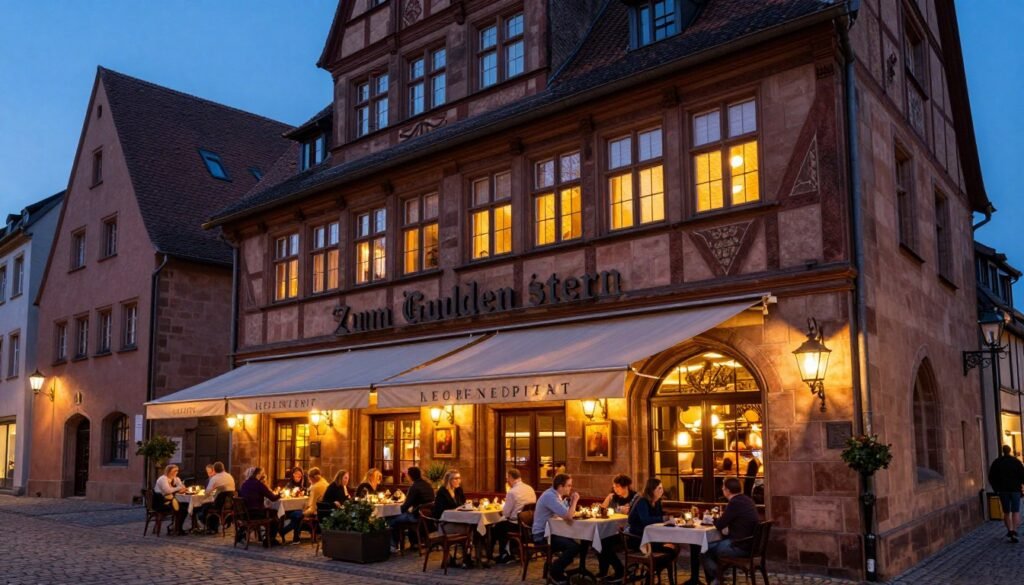
Zum Gulden Stern claims the title of the world’s oldest bratwurst kitchen, with history stretching back to 1419. This isn’t merely a tourist claim but documented fact. The restaurant sits in a nest of medieval streets, where low ceilings, gnarled floorboards, and bench seating create an atmosphere unchanged for centuries.
The kitchen centers around a roaring beechwood fire where raw sausages cook completely over the flames rather than finishing pre-boiled ones on the grill. This traditional method maximizes the smoky flavor profile. Logs age for three years before use, ensuring the right moisture content for clean-burning fires.
Current owners, two passionate young restaurateurs, took over the family business to honor their father’s legacy. Their dedication to maintaining historical cooking methods while ensuring quality remains exceptional has kept this place at the top of local recommendations.
The menu offers plates of six, eight, ten, or twelve sausages. First-time visitors should order a mixed plate to compare grilled and smoked versions side by side. The traditional sides include house-made sauerkraut, potato salad, and Obazda, a Bavarian camembert cheese spread served with bread.
Specialty items include the Saftiges Salzknöchla, a juicy salted pork knuckle, and the Sternla cheese fondue topped with chives, bacon, and onions. For dessert, the apple strudel or frozen plum parfait provides a sweet finish.
Bratwursthäusle bei St. Sebald
Steps away from the stunning 800-year-old St. Sebald Church sits Bratwursthäusle, where the scent of beechwood smoke draws visitors from across the square. The location couldn’t be more central, making it perfect for anyone exploring the old town center.
This restaurant has been grilling Nuremberg sausages since 1312, making it another establishment with serious historical credentials. The open fire grill sits prominently in the dining area, allowing guests to watch their food being prepared.
During warmer months, the outdoor veranda provides prime people-watching territory overlooking the market square. In winter, the intimate interior offers cozy bench seating where sharing tables with locals is common practice and encouraged.
Staff wear traditional lederhosen or dirndls, adding to the authentic atmosphere. The sausages arrive on pewter platters, continuing the medieval presentation theme. Service is efficient and friendly, with servers happy to explain menu items to first-time visitors.
The restaurant also offers the larger Nürnberger Stadtwurst, a Franconian sausage with a smoky finish and heartier bite for those who find the traditional size too small. Pretzels and local beer round out the quintessential Nuremberg meal.
Das Steichele
Housed in one of the oldest buildings in the city center, Das Steichele has been family-owned for five generations since 1897. The building survived World War II bombing that destroyed much of the city, making it an even more precious piece of living history.
The interior preserves its original character with wooden chairs, hand-carved chandeliers, and stained-glass windows. A former war bunker has been transformed into a wine cellar, adding another layer to the historical experience.
The specialty here is knuspriges Schweineschäufele, crispy pork shoulder served on the bone. The skin achieves an impossibly airy crispness while the meat remains tender and juicy. It comes with a Kloß, a raw potato dumpling swimming in rich gravy that soaks into every bite.
Other standout dishes include käsespätzle with Alpine cheddar and roasted onions, and a light, airy veal Wiener schnitzel served with fried potatoes and lingonberries. The portions are substantial and decidedly not light fare, so arrive hungry.
The restaurant operates as both a dining establishment and a hotel, allowing guests to stay in rooms that feel transported from another century while enjoying modern comfort.
Restauration Kopernikus
This Polish restaurant shares space with the Krakow House cultural center on an island in the middle of the Pegnitz River. While not strictly Franconian, it deserves mention for serving what many consider the best schnitzel in the entire city.
The interior presents a classy, modern atmosphere that contrasts with the more rustic traditional venues. Staff members are exceptionally friendly and knowledgeable, often taking time to chat with guests about menu choices and local recommendations.
The schnitzel here sets the standard against which all others should be judged. Peppered to perfection, the breadcrumb coating achieves ideal crispness while the pork remains tender and flavorful. The portion size is enormous, often requiring two lemon segments just to season the entire cutlet.
Most diners find they cannot finish the meal in one sitting. The restaurant happily boxes leftovers, which taste nearly as good reheated the next day. The menu also features other Polish specialties that provide a nice change of pace from purely Bavarian options.
Modern and Fine Dining Experiences
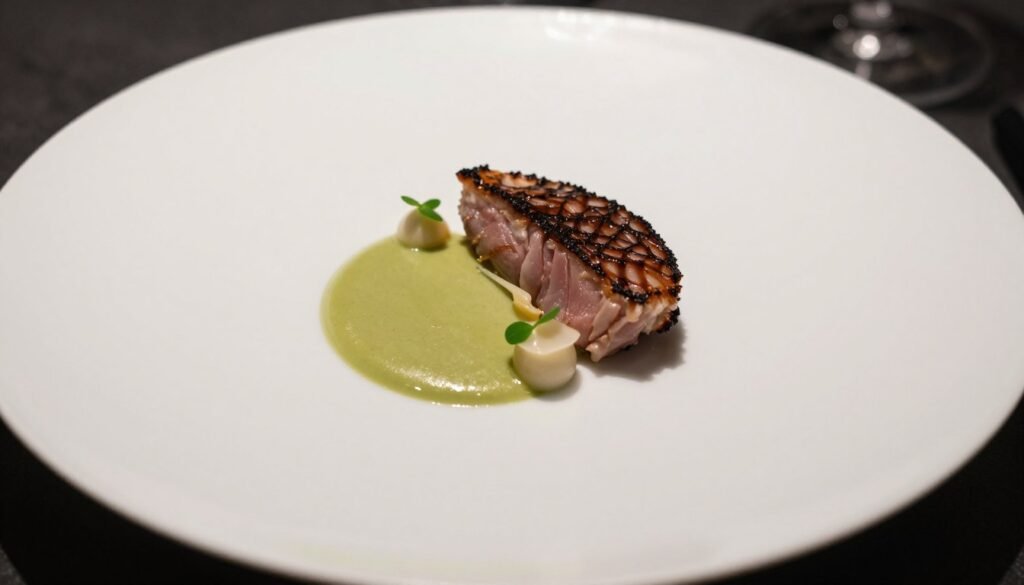
The dining scene in the city extends far beyond traditional beer halls. Several restaurants have earned national and international recognition for innovative approaches to local ingredients and modern techniques.
Etz: Two Michelin Stars
Etz holds two Michelin stars, representing the pinnacle of dining in Nuremberg. The name means “now” in Northern Bavarian dialect, reflecting the restaurant’s commitment to seasonal, present-moment cooking. The menu changes frequently, sometimes weekly, based on ingredient availability.
Experiences begin with a tour of the test kitchen and “aroma library,” where chef Felix Schneider explains the cooking techniques and philosophy behind each dish. This educational component sets the stage for understanding the meal that follows.
The restaurant showcases regional ingredients through modern interpretations. Playful nods to German traditions appear throughout the tasting menu, such as deep-fried bread knieküchle and a brotzeit serving of sourdough with house-made cheese, charcuterie, and pickles.
Standout dishes include pumpkin brûlée made with steamed and caramelized Zucchetto pumpkin from their garden, served with smoky sweet char bisque. The technical precision and flavor development demonstrate why this establishment has earned its stars.
The dining room maintains an elegant yet relaxed atmosphere. Service is polished but not stuffy, with staff clearly passionate about the food they present. Reservations must be made well in advance.
Fränk'ness by Alexander Herrmann
Celebrity chef Alexander Herrmann brings his considerable talents to Fränk’ness, offering upscale dining with modern accents in a contemporary setting. The dining room provides a refreshing contrast to traditional German eateries with clean lines and sophisticated decor.
The menu makes authentic classics accessible through modern techniques while featuring local produce prominently. Custom-made Nuremberg sausages include truffle for a sophisticated twist on the traditional recipe. Beef tartare features incredible fresh horseradish sauce that elevates the dish beyond typical preparations.
The main courses showcase local free-range Bavarian beef, with dry-aged ribeye steaks that demonstrate exceptional quality. The restaurant also surprisingly offers ramen at lunch, using handcrafted noodles and homemade soy sauce. While unexpected in Nuremberg, the vegetable ramen is bright, flavorful, and expertly executed.
Service matches the food quality, with knowledgeable staff who can guide diners through menu choices and wine pairings. The overall experience feels special without being pretentious.
Tisane at Karl August Hotel
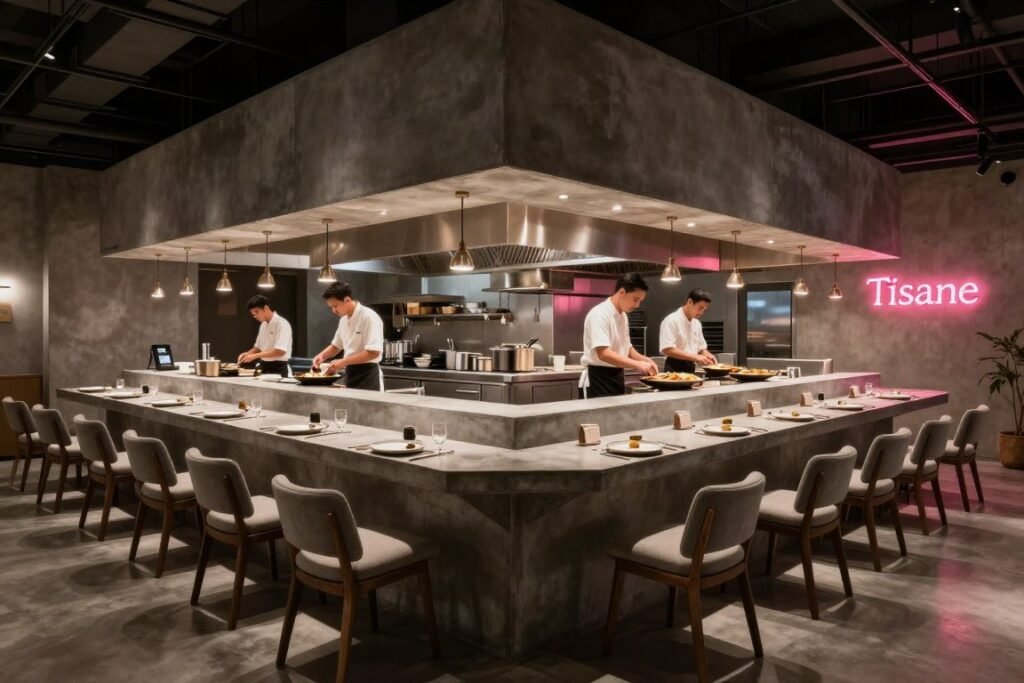
This one-Michelin-starred restaurant resides in the Karl August Hotel, a neighborhood property that blends seamlessly into the riverfront setting. The name “Tisane” means “infusion,” which chef René Stein interprets as extracting the essence of ingredients.
The entire restaurant consists of a gorgeous U-shaped concrete counter with sixteen seats. Only one seating occurs each night, with all guests served each course simultaneously. This format creates a unique communal dining experience.
Despite the formal setting and Michelin star, the atmosphere feels surprisingly informal. A neon sign outside and rap music playing as chefs plate dishes create a hip, modern vibe. The open kitchen allows diners to watch the entire cooking process.
The menu changes monthly to reflect seasonal availability. Recent highlights included buttery mushrooms cooked in beef fat and served with cured egg yolk, lobster bisque made with chicken stock and fresh herbs, and a dessert featuring Hokkaido pumpkin poached in maple syrup with caramelized pumpkin seeds and roasted pumpkin skin ice cream.
Globo: Creative Casual Fine Dining
Globo represents what might be called casual fine dining. The atmosphere evokes a fresh summer garden regardless of season, with pots of greenery hanging from ceilings and positioned on every surface. Live-edge wooden tables and wicker chairs enhance the rustic yet refined vibe.
The menu is modern, organic when possible, and genuinely exciting. Dishes inspire that moment of pause where you stop to truly appreciate what you’re eating. In summer, outdoor seating by the Martin-Behaim monument provides prime al fresco dining.
While not strictly vegetarian, globo offers extensive plant-based options. The menu changes frequently with daily specials, so discussing recommendations with servers helps ensure you order the best current offerings. This flexibility keeps regular customers returning to discover new creations.
The wine list focuses on natural and organic producers, with interesting selections that pair well with the creative cuisine. The overall experience feels special yet approachable, making it suitable for both celebrations and casual dinners.
Coffee Shops, Bakeries, and Breakfast Spots
Morning dining and coffee culture in the city has evolved significantly in recent years. Specialty coffee roasters and artisan bakeries now complement traditional German breakfast options.
Bergbrand Kaffeerösterei

Located on the cobblestoned corner of Weißgerbergasse, one of the city’s most picturesque streets, Bergbrand Kaffeerösterei serves exceptional coffee in a cozy environment. Tables and chairs spill onto the street, creating a perfect spot for enjoying coffee in the sun.
The shop offers espresso-based drinks alongside a wide selection of pour-over options featuring their own roasted beans. The Costa Rican roast delivers notes of lime, cacao, and passion fruit. The Ethiopian option provides flavors reminiscent of Darjeeling tea with lemon and orange characteristics.
Baristas take coffee seriously here, using proper brewing temperatures and timing for each preparation method. The attention to detail shows in every cup. The atmosphere remains relaxed and welcoming, without the pretentiousness that sometimes accompanies specialty coffee culture.
Machhörndl Kaffee
Following third-wave coffee traditions, Machhörndl sources high-quality beans globally and roasts them on premises. The company started ten years ago with two people and has grown to a team of fifteen operating three locations across the city.
Customers can choose between espresso drinks made with La Marzocco machines or filter coffee preparations. The shop frequently experiments with specialty drinks that appear as limited-time offerings. Their old town location serves excellent pastel de nata alongside the coffee.
The roastery maintains consistent quality across all locations while giving each shop its own character. The main roasting facility allows visitors to see the process and purchase beans to take home.
Brezen Kolb
This local chain of cafes and food stands specializes in pretzels made using only wheat flour, water, sea salt, yeast, and malt. No butter or lard enters the recipe, which may surprise those familiar with American-style soft pretzels.
The family has run the business since 1957, maintaining traditional methods throughout. Fresh pretzels emerge from ovens throughout the day, ensuring customers always find warm options. The basic pretzel halved and smeared with butter represents perfection in simplicity.
Several locations offer sit-down cafe service for breakfast, while stands throughout the old town provide grab-and-go options. Variations include pretzels with cheese, salami, or even sweet toppings, though purists argue the butter version cannot be improved.
Given that pretzels have firm roots in Franconian tradition, trying one from Brezen Kolb should rank as essential as sampling bratwurst. The texture achieves an ideal balance between chewy and soft, with the characteristic pretzel flavor shining through.
Brasserie NITZ
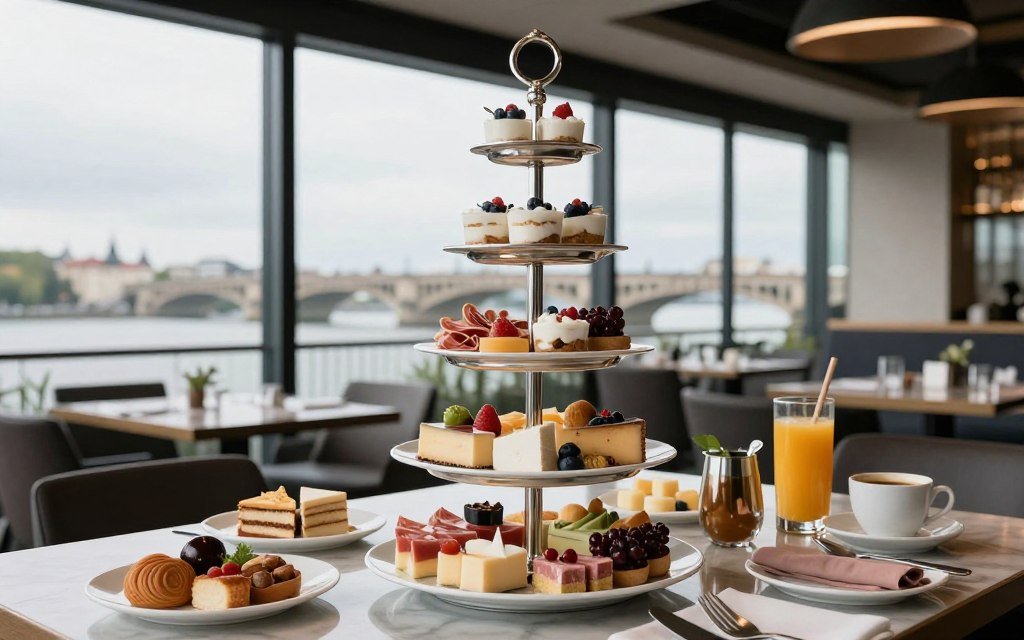
For breakfast with a view, Brasserie NITZ overlooks the Pegnitz River in the Augustinerhof neighborhood. This completely new development sits in the middle of the old town, creating an interesting contrast between contemporary design and historic surroundings.
Breakfast arrives on an adorable brunch tower featuring multiple levels of carefully curated items. Yogurt parfaits, elegantly plated meats and cheeses, and other satisfying bites allow sampling numerous flavors. Fresh-squeezed orange juice and craft coffee complete the experience.
The modern decor feels worlds away from traditional German settings, offering a break from medieval atmospherics while maintaining views of historic bridges and buildings. Later in the day, the chic cocktail bar provides sophisticated drinks in the same stylish space.
Café Pique Nique
This French-inspired patisserie and boulangerie operates inside Hotel Karl August. Even non-guests should stop by for the exceptional pastries. Shelves display sweet and salty Kouign-Amann with caramelized bases, brioche feuilletée filled with praliné, and creative varieties like peanut butter and jelly pain suisse.
Innovative options include banana-and-chocolate croissants and crookies, which combine croissants with cookie dough filling. The colorful macarons are moist and delicious, with vanilla buttercream filling ranking as a favorite.
The bakery uses traditional French techniques while incorporating German ingredients and preferences. The result bridges cultures deliciously, offering Francophiles a taste of Paris in Bavaria.
White Bulldog
Owned by a Russian-Kazakh couple, White Bulldog serves some of the best coffee in the city alongside homemade cakes and select breakfast items. The menu stays intentionally short and focused on quality over variety.
The avocado toast deserves special mention. Prepared with artisan rye bread, fresh avocados, and poached eggs, it achieves perfection. Optional additions include salmon or mango slices. The bread quality surpasses typical cafe offerings, with a substantial texture that holds up to the toppings.
The cafe opens on Sundays, a rarity in Germany where most businesses close. This makes it an ideal brunch destination for weekend visitors. The relaxed atmosphere encourages lingering over coffee and conversation.
International and Ethnic Dining Options
While traditional German food dominates, the city offers diverse international options for those seeking variety. These restaurants bring authentic flavors from around the world to Franconia.
Antipasteria da Gallo
Italian restaurants appear throughout the city, but most prove disappointing. Antipasteria da Gallo stands as a rare exception, serving amazing antipasti and pasta dishes in a homely space hidden in old town streets.
The restaurant sits steps from Hauptmarkt yet remains overlooked by most tourists. This relative obscurity means locals fill the tables, a good sign in any city. The place gets incredibly busy at night, making reservations essential.
The pasta with truffle, not listed on the menu, ranks as a personal favorite among regulars. Simply ask your server about it. The dish features quality pasta with generous truffle shavings and a butter sauce that coats each strand perfectly.
The antipasti selection showcases Italian curing and preserving traditions. Fresh ingredients and careful preparation make even simple dishes memorable. The cozy atmosphere encourages slow dining and conversation.
Colombo: Sri Lankan Cuisine
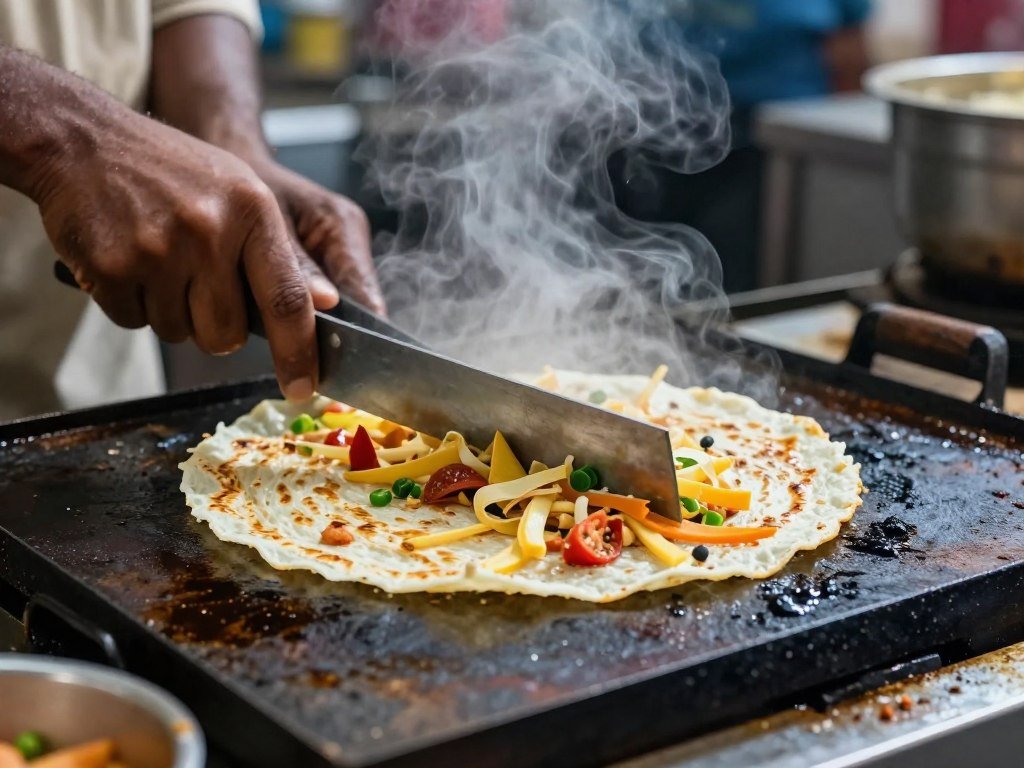
The strange combination of Sri Lankan and Italian cuisines under one roof makes Colombo unique. While the Italian side remains untested, the Sri Lankan dishes prove authentic and exquisite.
Kottu represents the must-try item here. This popular street food consists of strips of thin, oily roti mixed with meats, vegetables, and spices. The dish is prepared on a grill using two metal blades, creating a distinctive rhythmic sound as ingredients are cut and mixed.
Listen for the sound of blades hitting the grill after ordering. You’ll hear your kottu being made before smelling it. The final product arrives hot and satisfying, full of carbs and fat in the best possible way.
Other excellent options include biryani rice dishes and string hoppers with curry. The small kitchen and limited cooking staff mean food takes time to arrive, but the wait proves worthwhile. Authentic spice levels can be adjusted based on preference.
Crazy Nate's: Mexican Food
Finding good tacos in Germany seems improbable, but Crazy Nate’s delivers authentic Mexican flavors. Everything is made from scratch, including salsa, guacamole, meat marinades, and refried beans. Most ingredients come from local sources, with no preservatives added.
Street-style tacos come traditionally small, while Crazy Nate’s style versions are slightly larger. Burritos are huge and filling. Protein options include shredded chicken, carnitas, and barbacoa. Vegan and vegetarian options feature tofu or cactus.
Margaritas and local beer complement the food well. The two locations sit outside the immediate old town but remain accessible within twenty minutes walking. The quality justifies the extra distance for anyone craving Mexican flavors.
Ganesha: Indian Restaurant
Operating for thirty years in the center of old town, Ganesha serves Indian food that has earned local loyalty. The family-run establishment is now operated by the second generation, maintaining consistent quality.
The extensive menu can feel overwhelming initially. Ordering a variety of curries with butter naan or garlic naan provides a good strategy for first visits. The freshly made flatbread emerges hot from the tandoor oven.
Favorite dishes include chicken korma, lamb karahi, and palak paneer, a cheese and spinach curry. Requesting different preparation methods and spice levels across dishes allows tasting the range of techniques. Servers gladly adjust spiciness for those who prefer milder flavors.
Thanh Vietnamese Home Kitchen
For Vietnamese cuisine, Thanh offers authentic dishes using recipes handed down through generations. The owner’s mother often works in the kitchen, ensuring traditional methods and flavors remain intact.
The menu includes rice paper rolls, pho, warm rice noodle salads, and rice dishes. Each preparation uses fresh ingredients and proper techniques. The family atmosphere extends to the dining experience, with warm hospitality making guests feel welcome.
The restaurant sits twenty minutes from old town but rewards the walk with honest, well-prepared Vietnamese food. Prices remain reasonable, making it accessible for casual dining.
Quick Bites and Budget-Friendly Options
Not every meal requires a full restaurant experience. The city offers excellent quick options for eating on the go or grabbing something between sightseeing stops.
Hauptmarkt Food Stalls
The main market square, Hauptmarkt, hosts food stalls that serve quick, delicious options throughout the day. A crepe stand and coffee bike sit next to each other, perfect for breakfast on the move. Hot, fresh crepes pair well with quality coffee to start your morning.
The famous “drei im Weckla” (three in a bun) is available from sausage stalls here. Three Nuremberg sausages nestle together in a white roll with sauerkraut and mustard, creating a satisfying handheld meal. This represents quintessential street food in the city.
International options include Lebanese and Thai cooking, bringing global flavors to the historic square. The variety ensures everyone in a group can find something appealing, even if traditional German food doesn’t suit all tastes.
Schlemmer Eck
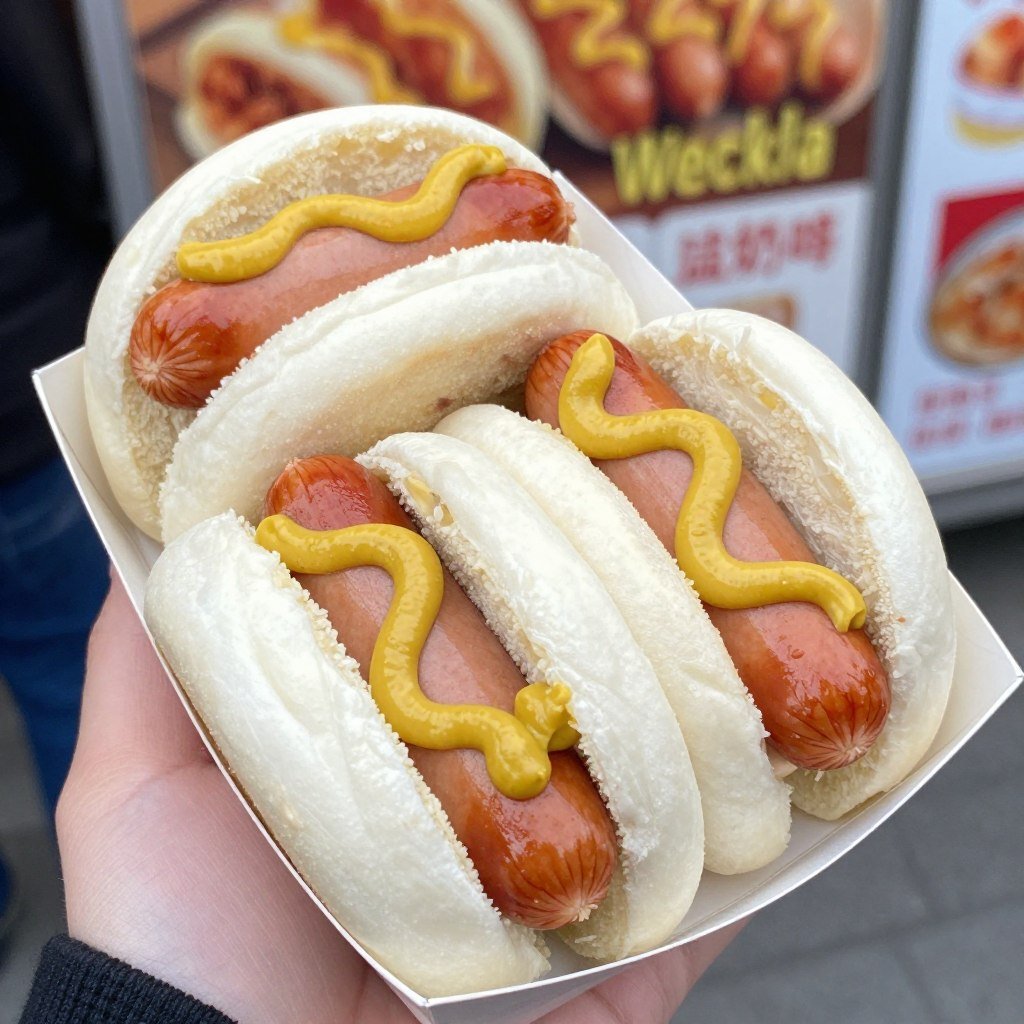
For the definitive drei im Weckla experience, Schlemmer Eck stands above other options. This famous stand has earned local approval for consistently excellent quality. Located in the heart of old town, it serves one item and does it perfectly.
The simple menu lists drei im Weckla for two euros, or two-twenty with sauerkraut added. That’s it. This single-minded focus results in a product refined through decades of repetition. The sausages stay juicy, the bread stays fresh, and the mustard provides the right kick.
Lines form during peak lunch hours, but service moves quickly. The stand operates from a small window on Brunnengasse, two minutes walk from Saint Lorenz Church. It represents everything street food should be—simple, delicious, and fairly priced.
Atlantik Döner
According to locals, Atlantik Döner serves the best Turkish döner in the whole city. Lines extending out the door during lunch and dinner confirm this reputation, though they usually move quickly.
No sitting space exists inside, just a couple of tables for standing. Most people take their döner to go. The bread is baked fresh daily, and the meat stays juicy throughout service. Like most German döner shops, they load it with salad, tomatoes, and sauce, though you can request these be omitted.
The location in old town, three minutes from Saint Lorenz Church, makes it convenient for grabbing a quick meal between sightseeing stops. Prices remain very reasonable for the portion size and quality.
Krummbeere: Turkish Kumpir
This small spot specializes in three things—coffee, cakes, and kumpir. The latter is a huge baked potato mashed with butter and cheese, then topped with various ingredients. The concept originates from Turkish street food culture.
Potatoes bake in a special oven at three hundred degrees Celsius for ninety minutes, preserving nutrients while achieving perfect texture. Topping options range from German-style bratwurst with roasted onion to Mexican tortilla chips with salsa and guacamole to vegetarian options with hummus and couscous.
Most people cannot finish an entire kumpir in one sitting due to the generous size. After the meal, treat yourself to Turkish coffee or regular coffee with homemade cake. The space feels cozy and welcoming, perfect for a relaxed lunch.
Desserts, Sweets, and the Famous Nuremberg Gingerbread
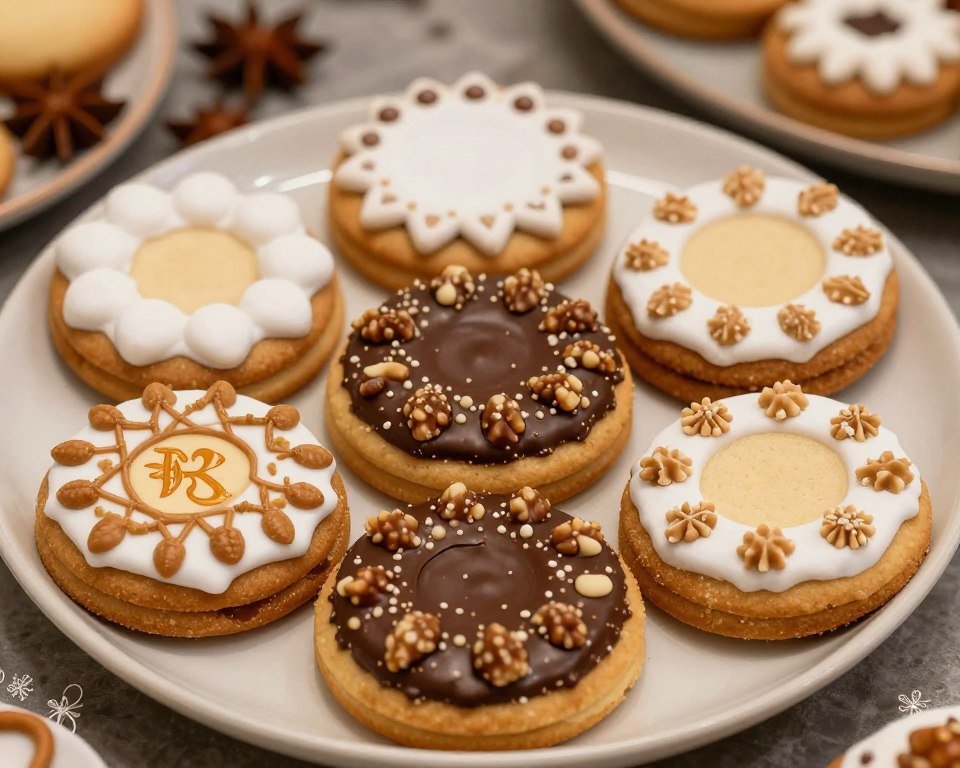
The dessert scene in the city extends from traditional lebkuchen to modern patisserie creations. Sweet tooths will find plenty to satisfy cravings throughout the old town and beyond.
Wicklein Lebküchnerei: Authentic Gingerbread
Wicklein’s roots trace back to 1615, making it one of the oldest continuous producers of Nuremberg gingerbread. Their shop on Hauptmarkt, right where the Christmas market takes place, offers both factory-produced packaged varieties and freshly baked cookies made daily on premises.
The fresh cookies, visible in the window upon entry, taste heavenly. They remain soft and chewy, unlike the hard gingerbread found elsewhere. The cookies contain a range of spices including cinnamon, ginger, coriander, pepper, and honey, creating complex flavor profiles.
The EliseN-Lebkuchen variety contains only ten percent flour, with the rest being nuts, spices, and honey. Legend states that these particular cookies healed a sick young girl named Elise in the 1800s. Whether the story holds truth or not, the cookies are delicious, especially with a sweet glaze.
For hands-on experience, Wicklein offers gingerbread baking workshops where participants learn the tradition and history while making their own cookies. This activity works well even for those who don’t consider themselves bakers.
Bäckerei Lebküchnerei Düll
Multiple locations exist across the city, but the old town shop sits down the street from Imperial Castle. Düll produces some of the finest lebkuchen available, particularly their glazed EliseN varieties.
The cookies here have a notably nutty character with strong hazelnut notes. They remind many of moist muffin tops with sugar glaze and gooey, nutty centers. The texture stays soft for days if properly stored, making them good souvenirs.
The small shop carries other baked goods, but lebkuchen represents their specialty. Staff members are knowledgeable about the different varieties and happy to explain the distinctions between types.
Tafelzier: French-Style Pastries
Stunningly beautiful desserts await at Tafelzier, a patisserie that could easily be mistaken for a shop in Paris. Small cakes and desserts are masterfully created, almost too pretty to eat. Almost.
The display includes a large variety of macarons and craft chocolates. Traditional flavors sit alongside modern combinations like mango-passionfruit. Each creation shows attention to detail in both flavor and presentation.
This spot remains very popular, so arriving early ensures the best selection. Items sell out fast, especially on weekends. The coffee here also deserves mention, properly prepared to complement the pastries.
Neef Confiserie
Neef represents a cake paradise where cases overflow with pies, cakes, cookies, artisan chocolate, and other sweet treats. On weekends, the place buzzes with people, and tables fill quickly. Sharing tables with strangers is common practice.
The apple strudel stands out, especially when served with warm custard sauce on the side. Other favorites include Black Forest cake, poppy seed pie, and their version of lebkuchen. Everything tastes freshly made with quality ingredients.
The traditional German cafe atmosphere makes it feel like stepping into the past. Servers wear classic uniforms and maintain efficient, friendly service despite the crowds. Prices remain reasonable for the portion sizes and quality.
Die Kleine Eismanufaktur: Ice Cream
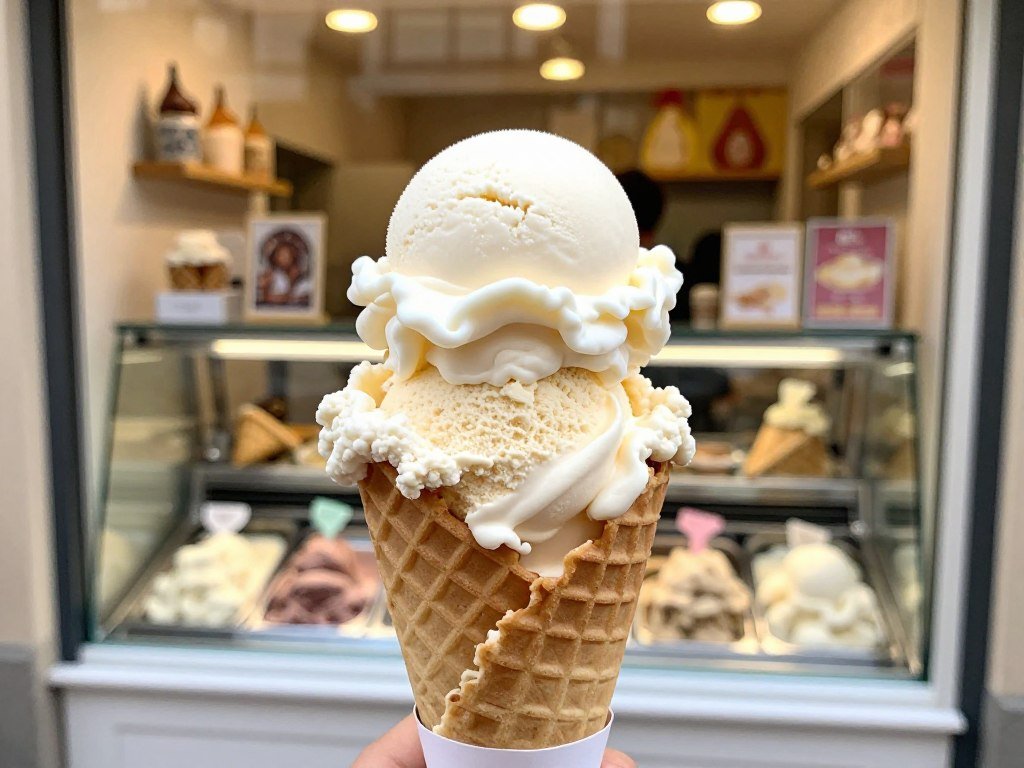
This charming shop on Weißgerbergasse makes everything in-house, from small-batch ice cream flavors to the cones themselves. They even create ice cream cookie sandwiches using fresh-baked cookies.
The chocolate chip cookie sandwich with vanilla ice cream tastes like a gourmet version of the classic Tollhouse treat, with a perfectly salty finish. The vanilla ice cream alone deserves ordering—creamy and delicious with real vanilla bean specks.
Creative flavors include eggnog, cookie cookie (mascarpone with cookie pieces), piña colada, licorice, and rosy raspberry with berries and rose petals. New flavors appear regularly, encouraging repeat visits.
Lo3 Lorenzer Eiswerkstatt
Operating under the motto “from cow to cone,” Lo3 uses only organic ingredients including milk from Franconian farms and regional fruit. The workshop approach ensures fresh, quality ice cream made with care.
Flavors range from yuzu vanilla to salted peanut chocolate chip to rocky road with vanilla, tonka bean, and salted caramel. The chocolate cookie cone tastes remarkably like an Oreo, providing the perfect edible vessel.
The location near Lorenzer Platz makes it convenient for grabbing ice cream while exploring the old town. Staff members are friendly and patient, allowing customers to sample flavors before committing.
Bonbon Ice Cream Bar
For the ultimate ice cream experience in the city, Bonbon delivers perfection. The buttery cinnamon-sugar waffle cone stands as the best in town, pairing beautifully with creamy Lotus Biscoff ice cream.
Other creative flavors include buttermilk blueberry, apricot thyme, and mandarin sorbet. The colorful shop creates a paradise atmosphere for ice cream lovers of all ages. Staff members rank among the friendliest in the city, enhancing the experience.
Located in the Karl August Hotel complex, Bonbon represents a destination worth seeking out. The quality consistently exceeds expectations, making it a favorite among locals and informed visitors.
Buonissimo: Italian Gelato
Multiple gelato shops operate in the old town, most serving decent but unremarkable product. Buonissimo offers several standard flavors plus premium options that elevate the experience significantly.
The pistachio premium gelato contains streaks of rich pistachio paste mixed throughout, creating an incredible taste. The quality resembles authentic Italian gelato found in Rome or Florence. Once you try it, other gelato in the city pales in comparison.
The location right on Hauptmarkt makes it perfect for a sweet break while exploring the market square. Prices for premium flavors are slightly higher but absolutely worth the difference.
Beer Halls, Breweries, and Wine Bars
The drinking culture in Nuremberg deserves as much attention as the food. From historic breweries to modern wine bars, options abound for enjoying quality beverages.
Hausbrauerei Altstadthof
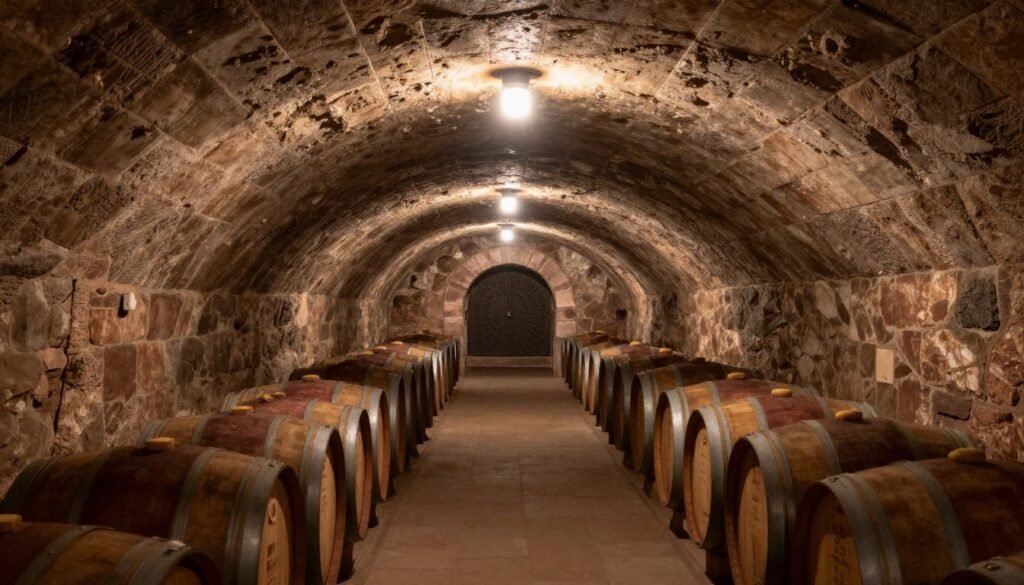
Founded in 1386, Hausbrauerei Altstadthof ranks among the city’s legendary beer institutions. The building sits in the old town near the Albrecht Dürer museum, with cellars carved from local stone beneath where beer properly ripens.
Tours of the underground cellars reveal centuries of brewing history. The tunnels were hacked from stone to maintain consistent cool temperatures year-round. These same cellars served as bunkers during World War II, protecting citizens from bombings.
The brewery crafts organic beers and whiskies using traditional methods. The “rot beer” (red beer) represents their signature brew, often cited as one of the best beers available anywhere. The malty sweetness and caramel notes define this historic Nuremberg style.
The menu features hearty German fare perfect as a winter warmer. Everything on offer proves satisfying, particularly the schäufele, a delicious crispy pork shoulder. The restaurant area inside isn’t huge, so reservations help ensure seating. A large courtyard accommodates al fresco dining in warmer months.
During lunch and dinner, sharing tables with strangers is common practice. This creates opportunities to meet locals and practice German. The friendly atmosphere makes this sharing natural rather than awkward.
Barfüßer
Located in the cellar of what was once the city’s granary, Barfüßer offers a proper German beer hall experience. The location between the main railway station and old town square makes it convenient for day trippers.
The space fills with tables reminiscent of Munich’s Hofbräuhaus, though underground. Copper vats where house beer is brewed create focal points throughout the room. The fresh, sparkly beer comes straight from production.
Food represents good, hearty pub fare rather than fine dining, which suits the beer hall setting. The roast pork pairs excellently with several beers. Portions are generous, and the atmosphere of chatting with tablemates elevates the experience.
The curious amount of British pub memorabilia decorating the walls creates an unexpected aesthetic. Despite this, the place maintains authentically German character. The crowds, especially during evening hours, contribute to the lively environment.
075 Weinbar & Handel
Though a newer addition to the restaurant scene, 075 Weinbar has quickly become the destination for wine lovers. The name refers to the standard 0.75-liter wine bottle volume. It functions as both a shop for purchasing bottles and a bar for drinking on-site.
Sommelier Difan Xu brings experience from top restaurants including Gordon Ramsay in London, Obauer in Austria, and Cordo in Berlin. The wine selection reflects this pedigree, featuring producers like Heinrich from Austria and Nyetimber English sparkling wine.
Small snacks including bread, cheese, charcuterie, and olives accompany the wine. Tables spilling onto the charming Weinmarkt street create perfect spots for afternoon glasses or relaxed evening drinks. The selection includes options for both natural wine enthusiasts and those preferring more classic styles.
The expertise behind the bar means you can trust their recommendations. Explaining your preferences leads to discoveries you wouldn’t find on your own. The place encourages exploration and learning about wine in a welcoming environment.
Die Blume von Hawaii
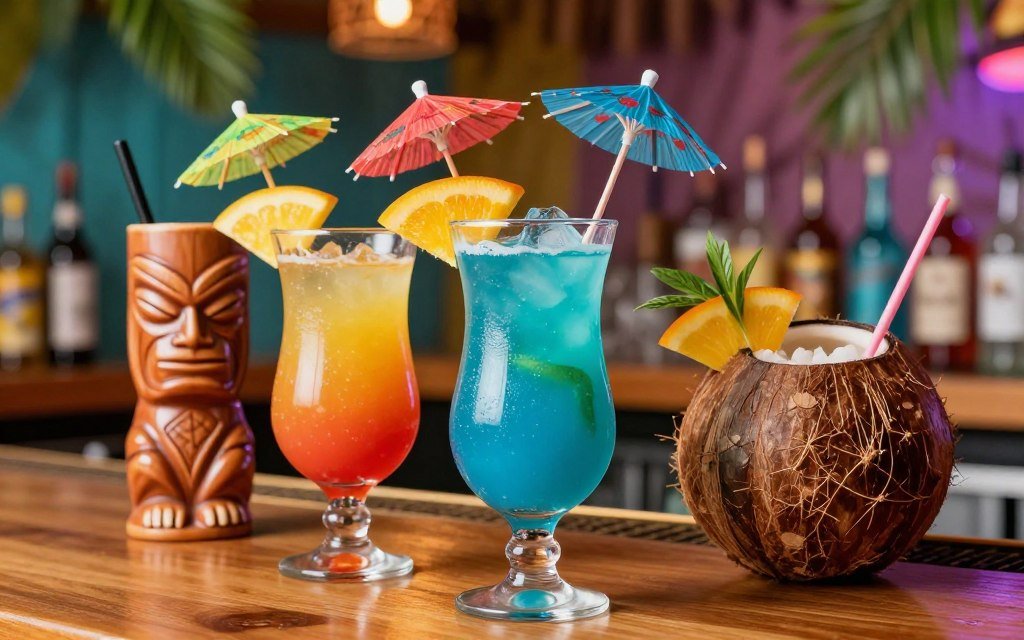
For something completely different, Die Blume von Hawaii (The Flower of Hawaii) offers a tiki-style bar experience in the heart of Bavaria. With over fifty cocktails on the menu, including more than a dozen Mai Tai variations, tropical getaway vibes prevail.
The Calypso Colada, a coconut-forward mix of guava, pineapple, and rum, arrives served in an actual coconut. Fun glassware matches each drink, adding to the experience. The menu provides something for every palate, from classic tiki drinks to creative modern interpretations.
The bar offers an escape from traditional German drinking culture while maintaining quality and craftsmanship. After days of beer halls and wine bars, the tropical atmosphere provides refreshing contrast.
Die Wirtschaft
For “Brotzeit” (bread time), Die Wirtschaft serves traditional Franconian tapas called “Gudzerla.” Three “Veschber” sets are available, featuring small snack plates such as croquettes, marinated limburger cheese, and Stadtwurst mit Musik—thick sausage sliced and served in mustard vinegar with oil.
The tapas-style portions work perfectly for sharing with groups while enjoying their homemade beer. The casual atmosphere encourages lingering conversations. This represents a more relaxed approach to traditional food compared to formal restaurant settings.
Weinbar 075
The Weinmarkt neighborhood contains some of the most picturesque streets in the city, framed by traditional German architecture. This area once served as the actual wine market, and today Weinbar 075 continues that tradition.
The bar features an expert sommelier who previously worked for Michelin-starred restaurants. The wine selection spans globally, from local Franconian wines to interesting bottles from the United States. The outdoor patio provides ideal people-watching while sipping white wine, red wines, or sparkling options.
This wine bar was named “New Opening of the Year” for Germany, beating out seven hundred other wine bars and thousands of cocktail bars. The recognition reflects the quality and curation found here.
Cafe Bar Katz
Most coffee shops close at six in the evening, but Katz stays open late, serving both coffee and alcohol. The space feels like a hipster living room with old-timey couches, armchairs, and art pieces on walls. Window sills function as benches, creating cozy seating.
In warm months, outdoor seating faces Hans Sachs Platz, perfect for people-watching. The menu includes cakes and light food alongside the drinks. The laid-back atmosphere makes it ideal for winding down after a day of sightseeing.
Late-night coffee availability makes this spot unique in the city. Whether you need a pick-me-up before evening activities or simply prefer coffee to alcohol, Katz accommodates these less common preferences.
Unique Dining Experiences and Special Venues
Beyond traditional restaurant categories, several unique venues offer memorable dining experiences that combine food with other attractions.
Katzentempel Nürnberg: Cat Cafe
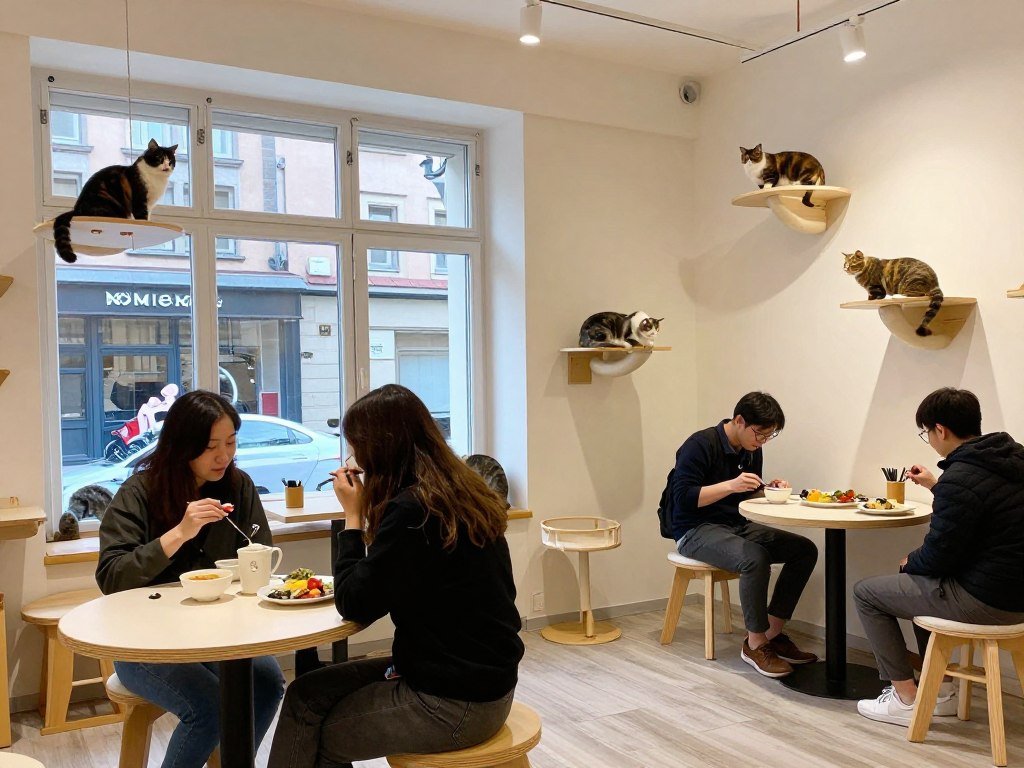
For cat lovers, Katzentempel combines quality organic vegetarian and vegan food with the opportunity to interact with resident felines. Unlike questionable animal cafes featuring species unsuited to public spaces, cats thrive in cafe environments when given proper accommodations.
The establishment maintains strict rules about guest interaction with cats. Everything occurs on feline terms, and they have an off-limits retreat room. If your chosen cat overlord doesn’t want attention today, you’ll be treated as if invisible.
The space stays spotlessly clean with plenty of places for cats to lounge, including high platforms. Peter likes hanging in the window watching sparrows on the pavement outside, much to his visible frustration.
The menu specializes in organic food with healthy breakfast options for those recovering from beer-heavy nights, plus veggie burgers, salads, and sandwiches. The chia seed burger stands out as extremely tasty and satisfying even for non-vegetarians.
Burgwächter: Dining at Castle Walls
If you’ve visited Nuremberg Castle, you’ve likely seen Burgwächter from above—the restaurant literally hugs the castle walls, close enough that you could look down and see what people are eating from the ramparts.
The name means “town watchman,” fitting for a location that has watched over the city for centuries. The atmosphere couldn’t be cozier or friendlier, with owners who ensure guests feel welcome. In chilly weather, outdoor seating includes overhead heaters and fluffy blankets.
The sauerbraten, beef soaked in red wine until tender and boozy, ranks among the best in the city. The pork knuckle also receives high praise from locals. The combination of historic setting, friendly service, and excellent food creates memorable meals.
There’s good indoor space, but sitting outside under the castle walls adds special ambiance. The location works perfectly for lunch after exploring the castle, allowing you to continue the historical theme.
Destination Dining Beyond Nuremberg
Franconia extends beyond the city limits, and several outstanding restaurants in the surrounding region deserve mention for those with time for excursions.
Aura by Alexander Herrmann & Tobias Bätz
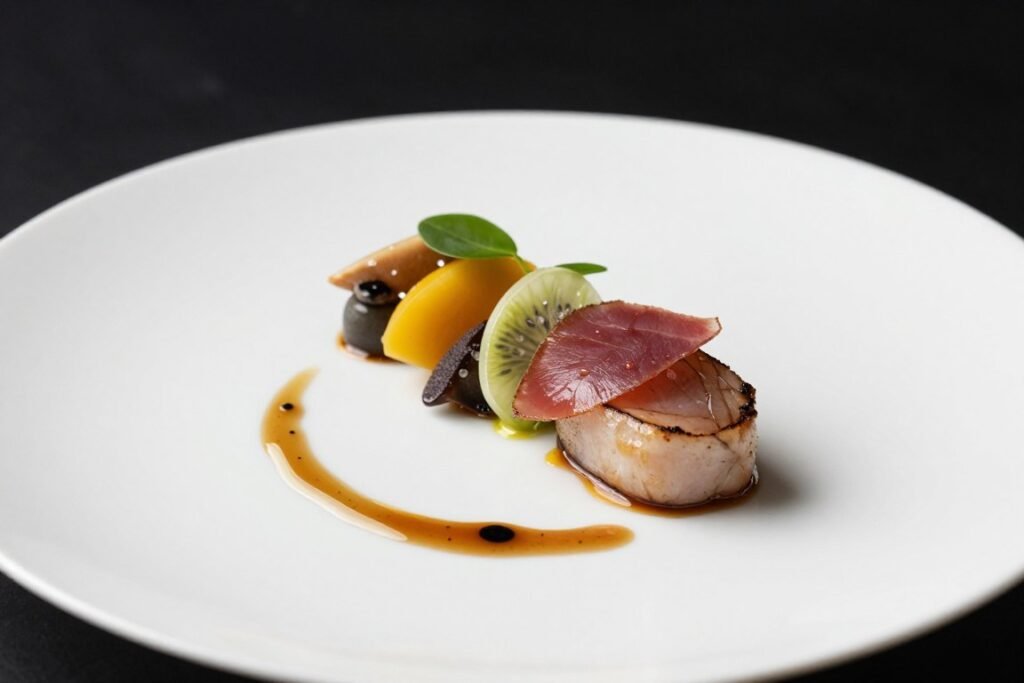
Located one hundred kilometers from Nuremberg in the small town of Wirsberg, Aura holds two Michelin stars and represents a culinary pilgrimage for serious food enthusiasts. TV chef Alexander Herrmann and Tobias Bätz have created a culinary oasis in a town of just over one thousand residents.
For fifteen years, these chefs alongside their “food scout” Joshi Osswald have advocated for Franconian ingredients and producers. The restaurant uses ninety-eight percent ingredients from Franconia, showcasing what the region offers through modern techniques.
Their “future lab” (research and development kitchen) employs fermentation, dry aging, and other methods to maximize flavor. They’ve developed unique ingredients only found here, like cherry wood syrup and lentil-based soy sauce. Deep research into regional possibilities combined with strong farmer collaborations defines their approach.
The menu changes four times yearly with the seasons. Dishes feature unique preparations and ingredients that exist nowhere else because they’ve been specifically developed. The team pushes boundaries while maintaining friendly, passionate service.
Inside the restaurant, a large mural states “Fuck Normal I Want Magic,” showcasing their whimsical, creative approach to food. This isn’t stuffy fine dining but rather exciting, boundary-pushing cuisine in an unexpected location.
Posthotel Alexander Herrmann
Staying overnight at Posthotel enhances the Aura experience. This historic hotel opened in 1869 and has been family-owned for six generations by the Herrmann family. Rooms feature special beds made from natural materials plus a pillow menu offering different options.
The hotel includes a natural stone bathing area with saunas and swimming pool. Stays include delicious à la carte breakfast at Oma & Enkel, the casual restaurant on-site. The ham and cheese sandwich on a pretzel croissant stands out as particularly satisfying.
The charming town of Wirsberg offers pleasant walks and peaceful surroundings. Making the trip from Nuremberg for an overnight stay transforms dinner at Aura into a proper food destination experience rather than a rushed day trip.
Bistro Oma & Enkel at Posthotel
While Aura holds two Michelin stars, Bistro Oma & Enkel (Grandma & Grandchildren) deserves its own recognition. This restaurant takes modern twists on classic Franconian recipes, and frankly, it’s shocking they don’t have at least one Michelin star.
The five-course signature menu and Franconian tapas menu (five courses with three small, creatively plated dishes per course) showcase chef Sandra Hofers’ mastery. Every plate demonstrates technical skill and creative vision.
Standout dishes include an amazing beet salad, a mind-blowing cup of Franconian slate truffle presented like a cappuccino but delivering an umami bomb, and crispy-yet-chewy french fries made from German potato dumplings. The meal concludes with a shot of local liquor.
Breakfast at Oma & Enkel also impresses. Favorites include crab bread deluxe with scrambled eggs and caviar, pretzel croissant prepared “reuben style,” and a sweet bun with luscious hay milk cream sauce.
Future Lab Anima
Just meters from Posthotel sits Future Lab Anima, the culinary laboratory for Alexander Herrmann restaurants. Tours reveal all the delicious items being pickled, fermented, distilled, cured, and preserved for restaurant group menus.
The chef team makes seven different house soy sauces, each establishing different flavors depending on wheat content and fermentation ingredients used. Sauce blend number six, featuring fermented leeks, creates a smoky, almost bacon-like flavor.
This behind-the-scenes look demonstrates the dedication to developing unique ingredients. You can taste Anima’s creations throughout all Alexander Herrmann restaurant concepts across Franconia.
Practical Information for Dining in Nuremberg
Reservation Recommendations
Fine dining restaurants like Etz and Tisane require reservations weeks in advance. Popular spots like Antipasteria da Gallo and Zum Gulden Stern also fill up quickly, especially during dinner service. Making reservations through restaurant websites or by phone ensures you won’t miss out.
Casual spots and beer halls typically don’t require reservations, operating on a first-come, first-served basis. However, arriving during peak lunch (noon to 1:30) or dinner (6:30 to 8:30) hours means potentially waiting for tables.
Typical Meal Times
Germans eat earlier than many other cultures. Lunch service runs from 11:30 AM to 2 PM, with kitchens often closing between lunch and dinner. Dinner service typically begins around 5:30 PM, with most locals dining between 6 and 8 PM.
Many restaurants close one day per week, often Monday or Tuesday. Checking hours before visiting prevents disappointment. Sunday openings vary, with some places closed while others operate normally.
Payment and Tipping
Cash remains preferred at many traditional restaurants, though most now accept cards. Having some euros on hand helps at smaller establishments and food stands. ATMs appear frequently throughout the old town.
Tipping culture differs from American standards. Five to ten percent represents appropriate gratuity for good service. Rather than leaving cash on the table, tell your server the total amount you want to pay including tip when they bring the bill.
Language Considerations
Most restaurant staff in the old town speak at least basic English, particularly at places frequented by tourists. Learning a few German phrases shows respect and often results in warmer interactions. “Guten Appetit” (enjoy your meal) and “Die Rechnung, bitte” (the check, please) go a long way.
Menus at traditional restaurants often appear only in German. Staff will translate and explain dishes when asked. Don’t hesitate to request clarification about ingredients or preparation methods.
Dietary Restrictions
Vegetarian options have improved significantly in recent years. Most restaurants now offer at least a few meatless dishes beyond salad. Dedicated vegetarian and vegan restaurants like Katzentempel provide more extensive plant-based menus.
Gluten-free dining proves more challenging, as bread, dumplings, and breaded items feature prominently in German cuisine. Upscale restaurants accommodate dietary restrictions when notified in advance. Grilled meats with vegetable sides represent safe options at traditional spots.
Best Times to Visit
Summer allows for enjoying outdoor seating and beer garden culture. Sidewalk tables along picturesque streets create memorable dining experiences. The weather remains pleasant from May through September.
Winter brings Christmas market season from late November through December. The city transforms into a festive wonderland, though crowds increase significantly. Cozy indoor dining with hearty German food feels particularly satisfying during cold months.
Shoulder seasons of spring and fall offer pleasant weather with fewer tourists. Restaurant reservations become easier to secure, and you’ll experience a more local atmosphere.
Navigating the Nuremberg Restaurant Scene
Old Town Concentration
Most recommended restaurants cluster within the old town, making them easily accessible on foot. The compact historic center allows visiting multiple places in a single day. Walking between venues takes ten minutes or less in most cases.
The Hauptmarkt serves as a central reference point. From here, you can reach Bratwursthäusle, Ganesha, and Buonissimo in under five minutes. Zum Gulden Stern and Hausbrauerei Altstadthof sit slightly further but remain within easy walking distance.
Neighborhoods Worth Exploring
The Weinmarkt neighborhood offers charming streets with wine bars and restaurants. Staying at Hotel Elch places you in the center of this photogenic area. Cobblestone streets framed by traditional architecture create storybook settings.
The Augustinerhof represents completely new development in the middle of old town, creating interesting contrast between modern design and historic surroundings. Karl August Hotel and its associated restaurants bring contemporary style to the riverfront.
Getting Around
Walking represents the best transportation method within old town. The pedestrian-friendly streets and compact layout make cars unnecessary. Comfortable shoes are essential given the cobblestone surfaces.
Public transportation efficiently connects areas outside the immediate center. The U-Bahn (subway) and buses run frequently and reliably. Single tickets or day passes can be purchased from machines at stations.
Taxis and ride-sharing services operate throughout the city. However, the distances within old town rarely justify the expense. Save taxis for returning from restaurants outside the center or late-night returns to accommodations.
Seasonal Considerations
Christmas market season transforms the Hauptmarkt into a wonderland of food stalls, crafts, and festive atmosphere. Traditional lebkuchen, roasted almonds, and glühwein (mulled wine) become available. The market operates from late November through December.
Summer brings beer garden culture to life. Outdoor seating at restaurants like Hausbrauerei Altstadthof becomes the place to be. Long daylight hours allow for leisurely evening meals that stretch into twilight.
Spring and fall offer comfortable temperatures without extreme crowds. Restaurants maintain normal operations, and reservation availability improves. These seasons provide ideal conditions for exploring the food scene.
Planning Your Culinary Journey Through Nuremberg
Multi-Day Itinerary Suggestions
For a weekend visit, balance traditional and modern dining. Start with breakfast at Brezen Kolb or White Bulldog, then explore the city before lunch at Bratwursthäusle or Zum Gulden Stern for your first bratwurst experience. Afternoon coffee at Bergbrand Kaffeerösterei provides a break before dinner at Das Steichele for traditional Franconian fare.
Day two could feature breakfast at Brasserie NITZ, followed by mid-morning lebkuchen shopping at Wicklein. Lunch at Restauration Kopernikus for that exceptional schnitzel, then ice cream at Die Kleine Eismanufaktur. Evening reservations at Etz or Tisane cap the day with fine dining.
Day three allows for experimenting with international options. Try Crazy Nate’s for lunch, explore Hauptmarkt food stalls, and finish at Hausbrauerei Altstadthof for beer and hearty food. Each day provides variety while covering essential experiences.
Quick One-Day Strategy
Limited time demands focus. Hit Brezen Kolb for authentic pretzels and coffee, grab drei im Weckla from Schlemmer Eck for lunch while sightseeing, and make dinner reservations at Zum Gulden Stern or Bratwursthäusle for traditional bratwurst. Stop at Wicklein for lebkuchen to take home. This covers the essential Nuremberg food experiences efficiently.
Food Lover's Extended Stay
A week allows deep exploration. Visit all traditional spots, try international restaurants, explore cafes and bakeries thoroughly, take a day trip to Aura in Wirsberg, and return to favorites. Join a food tour to learn historical context. Attend a gingerbread baking workshop. Visit multiple beer halls and wine bars. Extended time reveals the depth of the dining scene.
Budget Considerations
Traditional restaurants offer excellent value. Full meals at Zum Gulden Stern or Das Steichele cost fifteen to twenty-five euros per person. Street food like drei im Weckla runs two to three euros. Coffee and pastries at Brezen Kolb or Rösttrommel cost under five euros.
Fine dining at Etz or Tisane requires budgeting one hundred fifty to two hundred euros per person including wine. These represent special occasion meals rather than everyday dining. The range allows for mixing budget-friendly and splurge meals.
What to Skip
Tourist trap restaurants along the most heavily trafficked streets often disappoint. If a place has photo menus in ten languages and aggressive hosts pulling people inside, keep walking. The best restaurants don’t need hard sells.
Chain restaurants exist but offer nothing you can’t find elsewhere. With so many unique local options, spending money at international chains wastes opportunity. Save those for home.
Overpriced mediocre Italian and Greek restaurants populate the old town. Stick to recommended spots like Antipasteria da Gallo rather than randomly choosing based on proximity. Quality varies dramatically among similar-looking places.
The Rich Tapestry of Nuremberg's Restaurant Scene
The restaurants in Nuremberg present a dining landscape that honors tradition while embracing innovation. From historic bratwurst kitchens that have operated for six centuries to Michelin-starred establishments pushing culinary boundaries, the city offers remarkable depth for its size.
Understanding Franconian food culture enriches every meal. The protected status of Nuremberg sausages, the importance of local beer and wine, and the heritage of lebkuchen all contribute to a distinct regional identity. These traditions haven’t become museum pieces but remain living, evolving parts of daily life.
The best restaurants nuremberg provides balance between preservation and progress. Zum Gulden Stern maintains centuries-old techniques while young owners bring fresh passion. Alexander Herrmann’s restaurants showcase regional ingredients through modern methods. This duality defines the current dining moment in the city.
Whether you’re biting into your first drei im Weckla at Schlemmer Eck, savoring a perfectly crisped pork shoulder at Das Steichele, or experiencing the creativity of Etz’s tasting menu, each meal tells a story about place and people. The restaurants nuremberg gathered here represent years of exploration and countless meals.
The compact old town makes culinary exploration convenient. You can walk between traditional beer halls, modern wine bars, specialty coffee shops, and fine dining restaurants within minutes. This concentration creates opportunities for diverse experiences within short timeframes.
Beyond the old town center, Franconia rewards those willing to venture further. A trip to Wirsberg for Aura demonstrates how seriously this region takes food. Small towns throughout Franconia maintain similar dedication to quality and tradition.
The dining scene here continues evolving. New restaurants open, bringing fresh perspectives while respecting what came before. Visiting multiple times reveals how the food landscape changes while essential character remains constant. This balance between change and continuity creates ongoing interest.
For anyone planning a visit, this guide provides starting points rather than definitive answers. Your own explorations will reveal personal favorites and unexpected discoveries. The joy of dining in any city comes partly from planned experiences and partly from spontaneous finds.
The restaurants in Nuremberg deserve recognition alongside the castle, Christmas market, and medieval architecture. The city offers culinary experiences that satisfy casual diners and serious food enthusiasts equally. From budget-friendly street food to special occasion fine dining, quality remains consistently high.
