
Hamburg’s culinary landscape continues to evolve as one of Europe’s most dynamic food destinations. As we look toward 2026, the city promises an exciting dining scene shaped by innovation, sustainability, and cultural fusion. Whether you’re a local food enthusiast or planning a future visit, this comprehensive guide reveals what to expect from restaurants in Hamburg over the next year.
From Michelin-starred fine dining establishments to cozy neighborhood bistros, Hamburg’s restaurant scene reflects the city’s maritime heritage and international character. The Hanseatic spirit of exploration translates beautifully into its cuisine, where traditional North German dishes meet global culinary trends. This guide will help you navigate the anticipated openings, emerging neighborhoods, and dining experiences that will define Hamburg in 2026.
Trends Shaping Hamburg's Restaurant Scene in 2026
The restaurant landscape in Hamburg is transforming rapidly, driven by evolving diner expectations and global culinary movements. Understanding these trends helps you anticipate the type of dining experiences you’ll encounter across the city. Here are the four major trends defining Hamburg’s restaurant culture in 2026.
Hyper-Local and Sustainable Sourcing
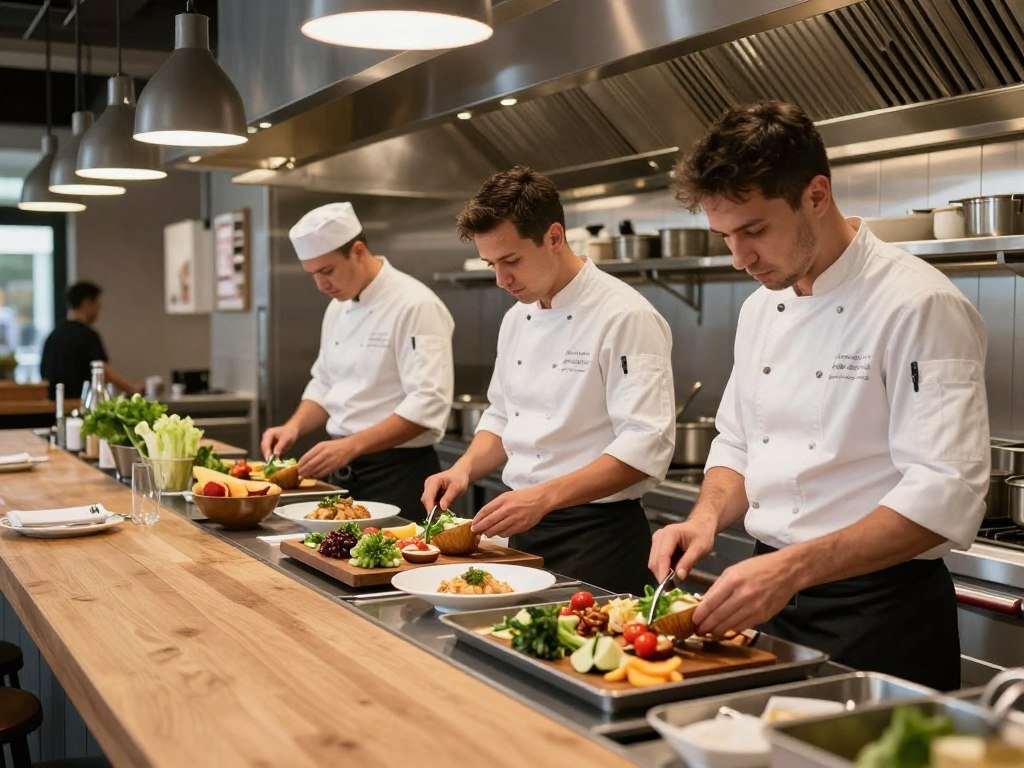
Hamburg restaurants in 2026 are doubling down on sustainability and regional ingredients. The farm-to-table movement has evolved into hyper-local sourcing, with many establishments partnering directly with producers within 50 kilometers of the city. This trend isn’t just about environmental responsibility—it’s about flavor and freshness.
Expect to see detailed provenance information on menus, with chefs celebrating specific farms, fisheries, and artisan producers. North German ingredients like Kiel sprats, Holstein beef, and Altes Land apples take center stage. Several new restaurants opening in 2026 will feature on-site gardens and fermentation labs, reflecting a deeper commitment to sustainable cuisine.
Technology-Enhanced Dining Experiences
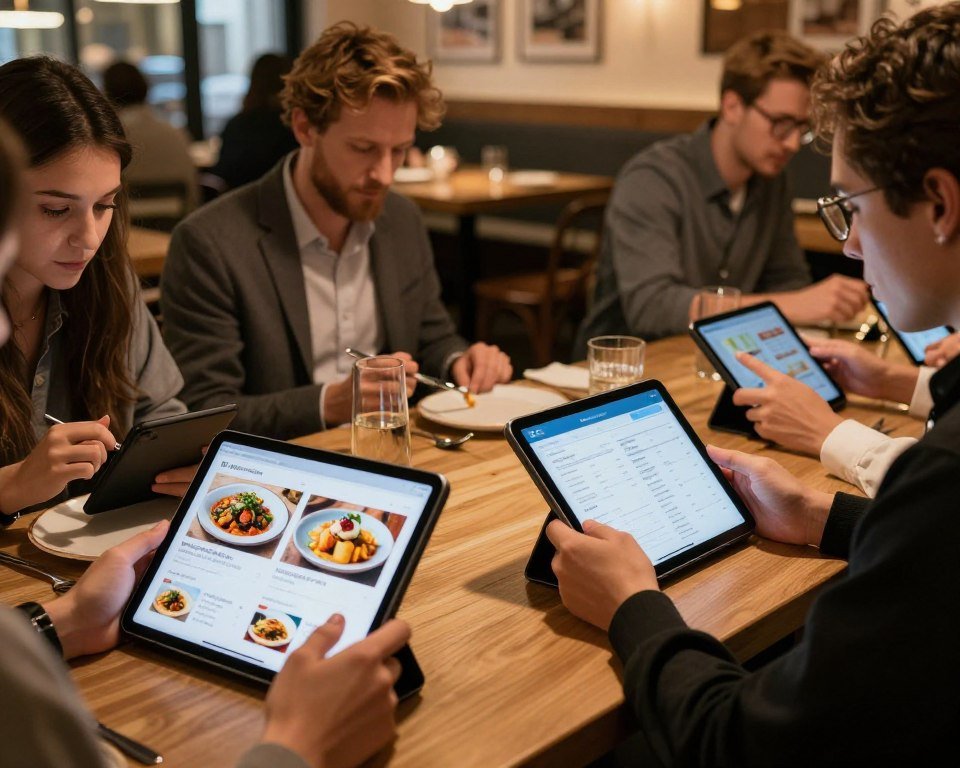
The integration of technology into Hamburg’s dining scene reaches new sophistication in 2026. Digital menu tablets with augmented reality features allow diners to visualize dishes before ordering. Smart reservation systems optimize table turnover while enhancing guest experience through personalized service.
Several high-end restaurants are implementing AI-driven wine pairing recommendations and automated kitchen systems that maintain perfect consistency. However, the human touch remains paramount—technology serves to enhance, not replace, the personal service Hamburg diners expect. QR code menus have evolved into interactive dining companions that provide ingredient stories, chef videos, and instant feedback channels.
Neo-German Cuisine Renaissance
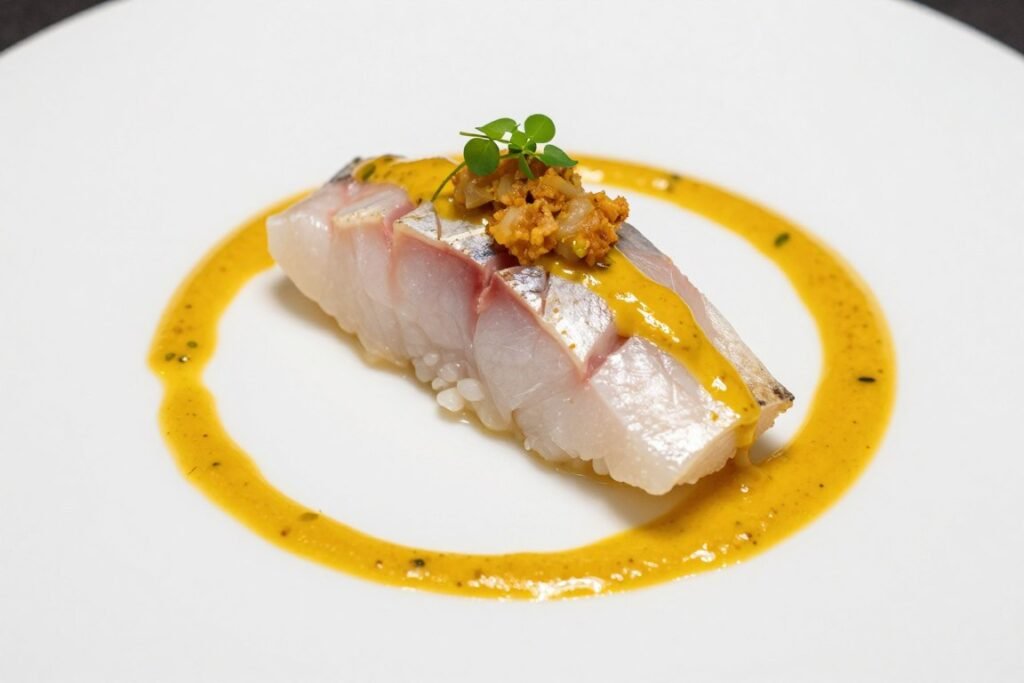
Traditional North German cuisine is experiencing a remarkable renaissance through creative reinterpretation. Young chefs are elevating classics like Labskaus, Finkenwerder Scholle, and Rote Grütze with modern techniques and presentation. This neo-German movement respects culinary heritage while making it relevant for contemporary palates.
The trend extends beyond nostalgic reinterpretation. Chefs are researching historical Hamburg recipes, reviving forgotten preparation methods, and applying fine dining techniques to humble ingredients. Expect elaborate interpretations of fish sandwiches, deconstructed versions of Aalsuppe, and sophisticated takes on maritime fare. This culinary nationalism reflects broader cultural pride in regional identity.
Pan-Asian Fusion and Nikkei Cuisine Expansion
Hamburg’s restaurant scene has embraced Pan-Asian cuisine with particular enthusiasm for Japanese-Peruvian Nikkei fusion. Building on the success of establishments like NIKKEI NINE, several new restaurants opening in 2026 explore this flavor territory. The combination works beautifully with Hamburg’s seafood abundance, creating exciting menu possibilities.
Beyond Nikkei, Korean, Vietnamese, and Thai influences are blending with German ingredients to create distinctive Hamburg interpretations. The city’s international character and maritime trading history make it naturally receptive to these global flavor combinations. Expect innovative dishes that pair Asian techniques with North Sea fish, local vegetables, and German brewing traditions.
Fine Dining: Hamburg's Michelin-Starred and Gourmet Restaurants
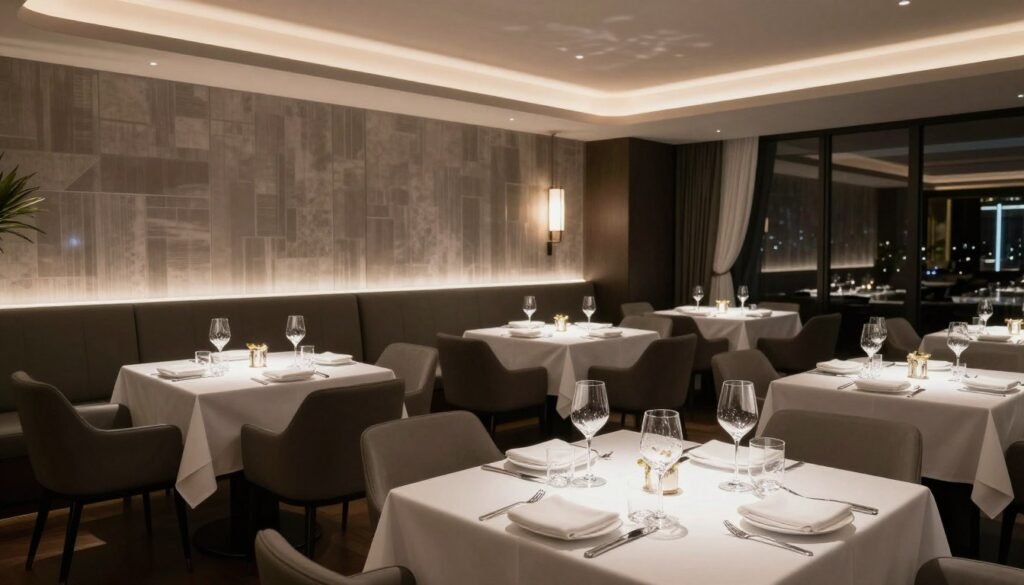
Hamburg’s fine dining scene in 2026 continues to command international respect with multiple Michelin-starred establishments and innovative gourmet restaurants. These venues represent the pinnacle of culinary achievement, offering exceptional cuisine, impeccable service, and memorable dining experiences. Whether you’re celebrating a special occasion or simply appreciate culinary artistry, these restaurants deliver extraordinary meals.
The Table Kevin Fehling
Kevin Fehling’s three-Michelin-starred restaurant remains Hamburg’s culinary crown jewel in 2026. Located in HafenCity, this eatery offers a unique communal dining concept where guests sit at a sweeping cherry wood counter surrounding the open kitchen. The tasting menu showcases Fehling’s mastery of technique and flavor composition, with dishes that surprise and delight through unexpected combinations.
Reservations remain highly competitive, often booking months in advance. The restaurant seats only 19 diners per service, creating an intimate atmosphere where every guest receives personalized attention. Expect a menu that changes with seasons, highlighting sustainable German ingredients prepared with global techniques. The experience typically spans three hours and represents a significant investment, but food enthusiasts consider it Hamburg’s essential fine dining destination.
Restaurant Haerlin
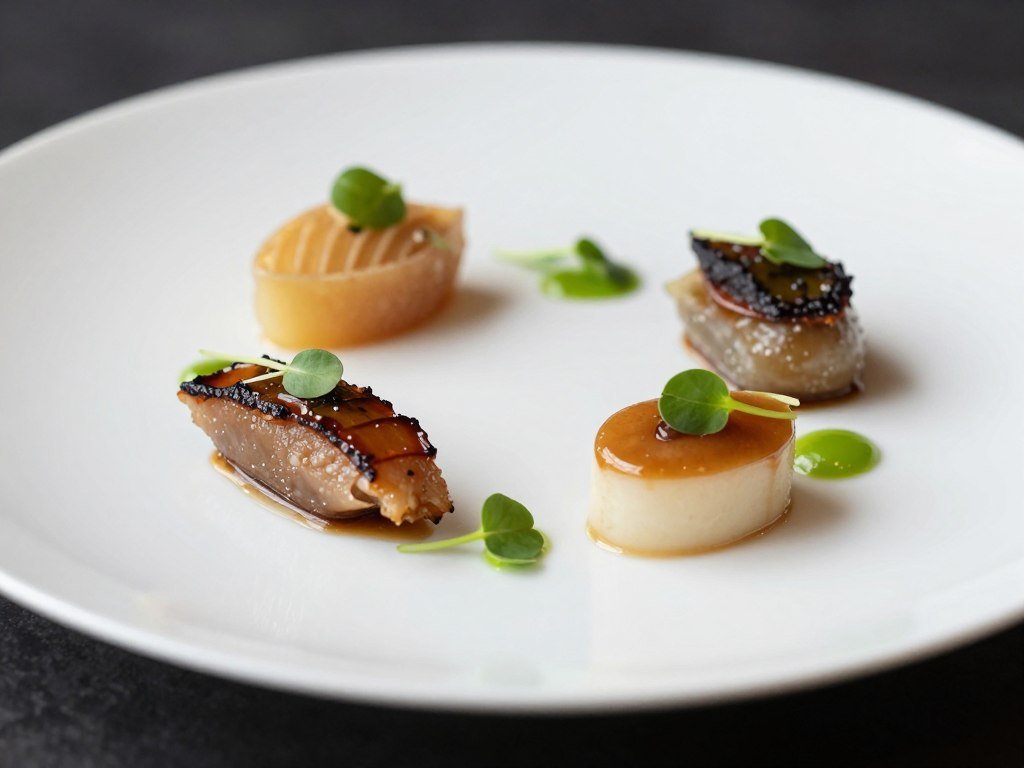
Located in the iconic Hotel Vier Jahreszeiten, Restaurant Haerlin maintains its two Michelin stars under the direction of talented chefs who balance tradition and innovation. The elegant dining room features classic luxury with crystal chandeliers and refined decor. The cuisine focuses on French techniques applied to premium German ingredients, resulting in sophisticated dishes that honor both culinary traditions.
100/200 Kitchen
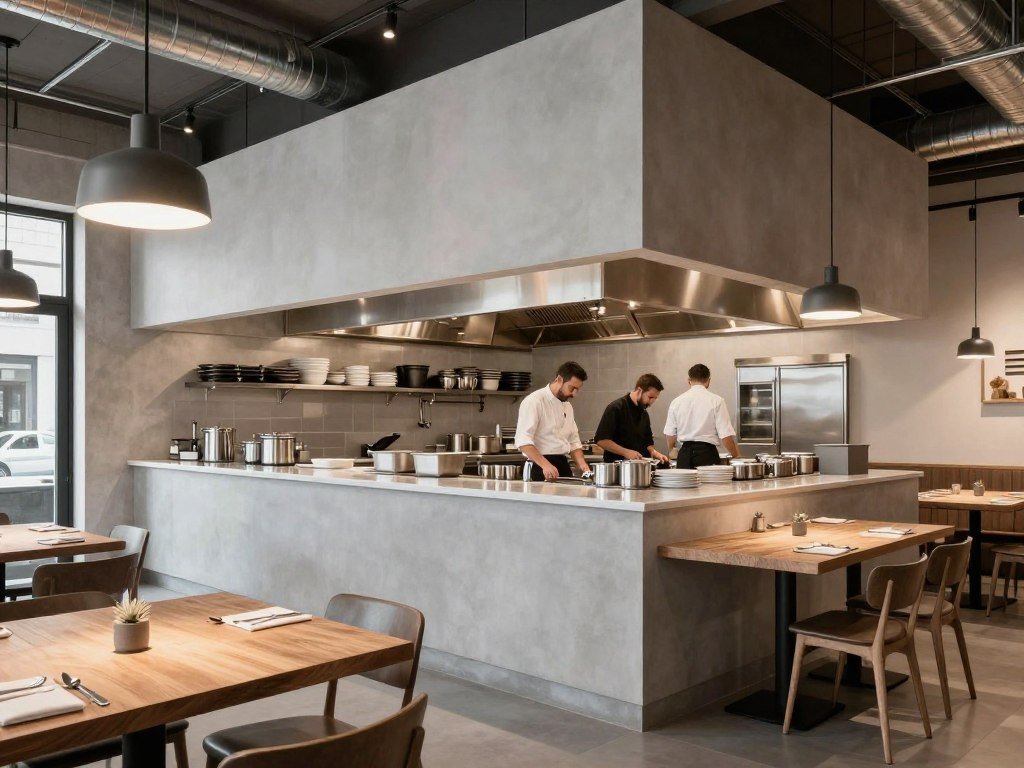
This Michelin-starred establishment in a converted industrial loft offers sustainable fine dining with a carte blanche menu concept. Diners choose between 100 or 200 gram portions, with the kitchen creating surprise tasting sequences. The open show kitchen allows guests to watch chefs craft innovative dishes using regional and seasonal ingredients. The industrial-elegant atmosphere creates a unique backdrop for modern German cuisine.
NIKKEI NINE
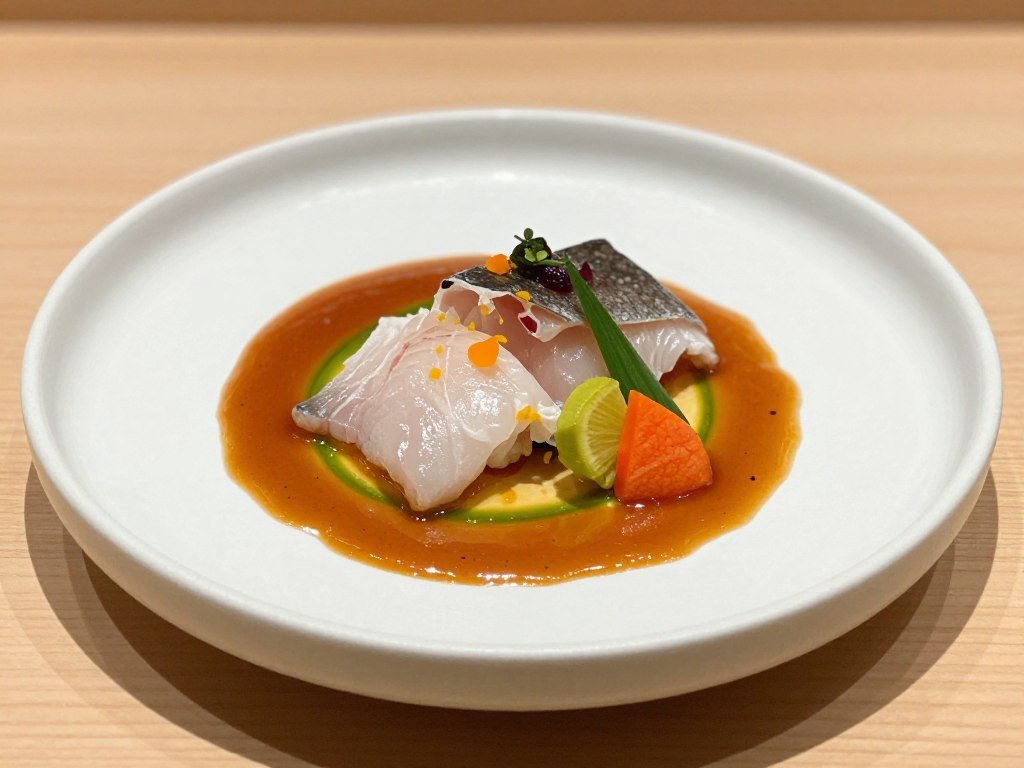
NIKKEI NINE continues to define Hamburg’s Japanese-Peruvian fusion dining scene in 2026. The restaurant’s sleek interior provides the perfect setting for creative dishes that marry Japanese precision with Peruvian boldness. Signature items include tiradito with aji amarillo, anticuchos, and innovative maki rolls. The bar program features pisco-based cocktails alongside Japanese whisky and sake selections.
Haebel
Chef Fabio Haebel’s intimate 14-seat restaurant in St. Pauli offers two nightly tasting menus: Flora (vegetarian) and Fauna (with meat and fish). The restaurant earned its Michelin star through meticulous attention to detail, creative flavor combinations, and artistic presentations. Each dish tells a story through carefully sourced regional ingredients prepared with French-influenced techniques.
The compact size ensures personalized service and allows diners to interact with the chef throughout the meal. Haebel’s open kitchen concept means guests witness the creation of every course. Wine pairings are expertly curated to complement the complex flavors. The atmosphere balances casual warmth with culinary seriousness, making fine dining feel approachable without sacrificing excellence.
Bianc
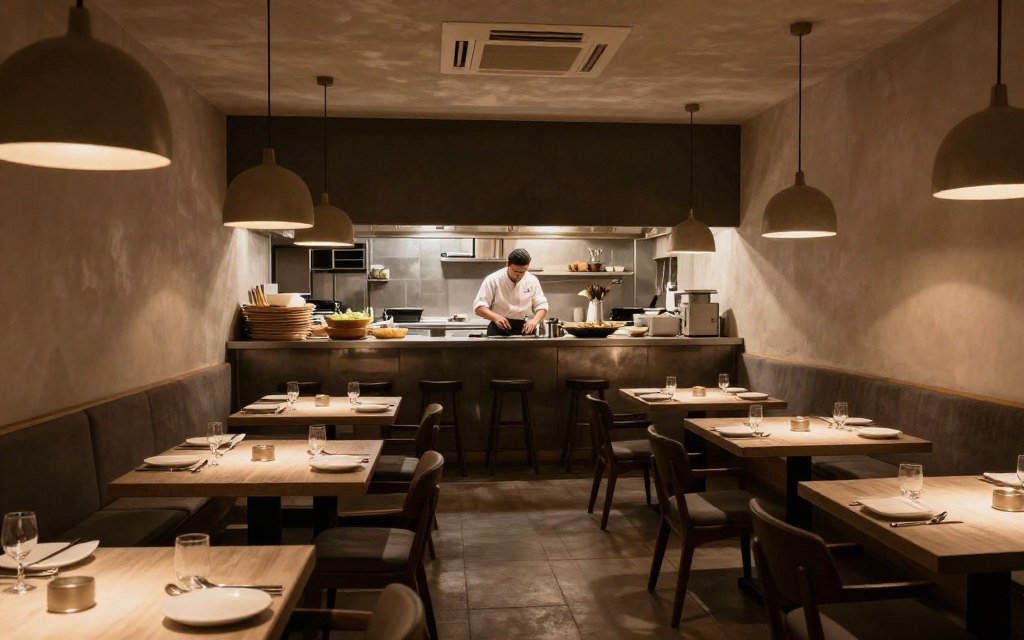
Overlooking the Elbe River in HafenCity, Bianc combines Michelin-starred Mediterranean cuisine with stunning waterfront views. The restaurant specializes in Italian and Southern French influences, with particular emphasis on seafood and seasonal vegetables. The sophisticated interior features floor-to-ceiling windows that showcase Hamburg’s harbor activity, creating a dynamic dining backdrop.
Chef Matteo Ferrantino crafts dishes that honor Mediterranean traditions while incorporating North German ingredients. Expect refined pasta courses, expertly prepared fish, and thoughtful vegetable compositions. The wine list focuses heavily on Italian and French selections, with sommeliers available to guide pairing choices. Bianc represents the evolution of Mediterranean cuisine in a distinctly Hamburg context.
Planning Your Fine Dining Experience?
Michelin-starred restaurants book quickly. Secure your reservation now for Hamburg’s top tables in 2026.
Modern German Cuisine: Reimagining Traditional Flavors
Hamburg’s modern German restaurant scene thrives on reinterpreting classic Northern cuisine through contemporary techniques and presentations. These establishments honor culinary traditions while making them exciting for today’s diners. The focus on regional ingredients, seasonal menus, and skilled craftsmanship defines this category.

Restaurant Bullerei
Located in the former Schanzenhöfe slaughterhouse, Restaurant Bullerei epitomizes the neo-German movement. The industrial-chic space features exposed brick, high ceilings, and an energetic atmosphere. Chef Cornelius Speinle creates contemporary German dishes that celebrate meat, fish, and vegetables with equal enthusiasm. The menu changes regularly based on seasonal availability and market finds.
Signature dishes include refined versions of schnitzel, innovative sausage preparations, and locally sourced fish preparations. The wine list emphasizes German producers, particularly from emerging wine regions. Bullerei strikes a balance between casual accessibility and culinary ambition, making it popular with both locals and visitors. The eatery’s popularity means reservations are essential, especially for weekend dining.
Philipps Restaurant
Philipps has been a Hamburg institution since 1982, and in 2026 it continues serving authentic German and international cuisine. The restaurant maintains traditional service standards while updating menu offerings to reflect contemporary tastes. Classic dishes like Tafelspitz and Wiener Schnitzel appear alongside lighter, more modern preparations.
The stylish interior creates a comfortable setting for business lunches, romantic dinners, or family celebrations. Philipps excels at hospitality, with attentive staff who guide diners through the menu and extensive wine selection. The restaurant represents reliable quality—guests know they’ll receive well-executed cuisine and professional service every visit.
Das Dorf
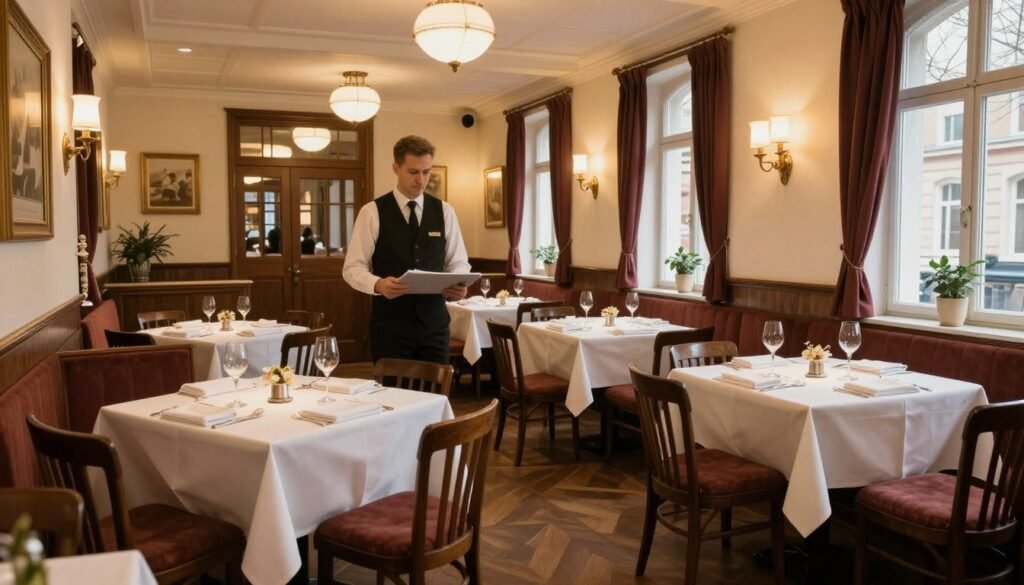
Das Dorf brings modern German cuisine to St. Georg with a focus on hearty, flavorful dishes made from quality ingredients. The rustic-contemporary interior features wooden tables and cozy seating that creates a welcoming atmosphere. The menu showcases northern German classics prepared with care and presented attractively.
Popular items include various schnitzel preparations, fresh fish dishes, and seasonal vegetable plates. The restaurant caters well to different dietary preferences, offering vegetarian options alongside meat and fish dishes. The relaxed vibe and moderate prices make Das Dorf ideal for casual dining without sacrificing food quality. The location near Hamburg’s main train station adds convenience for both tourists and locals.
Frauenhaus
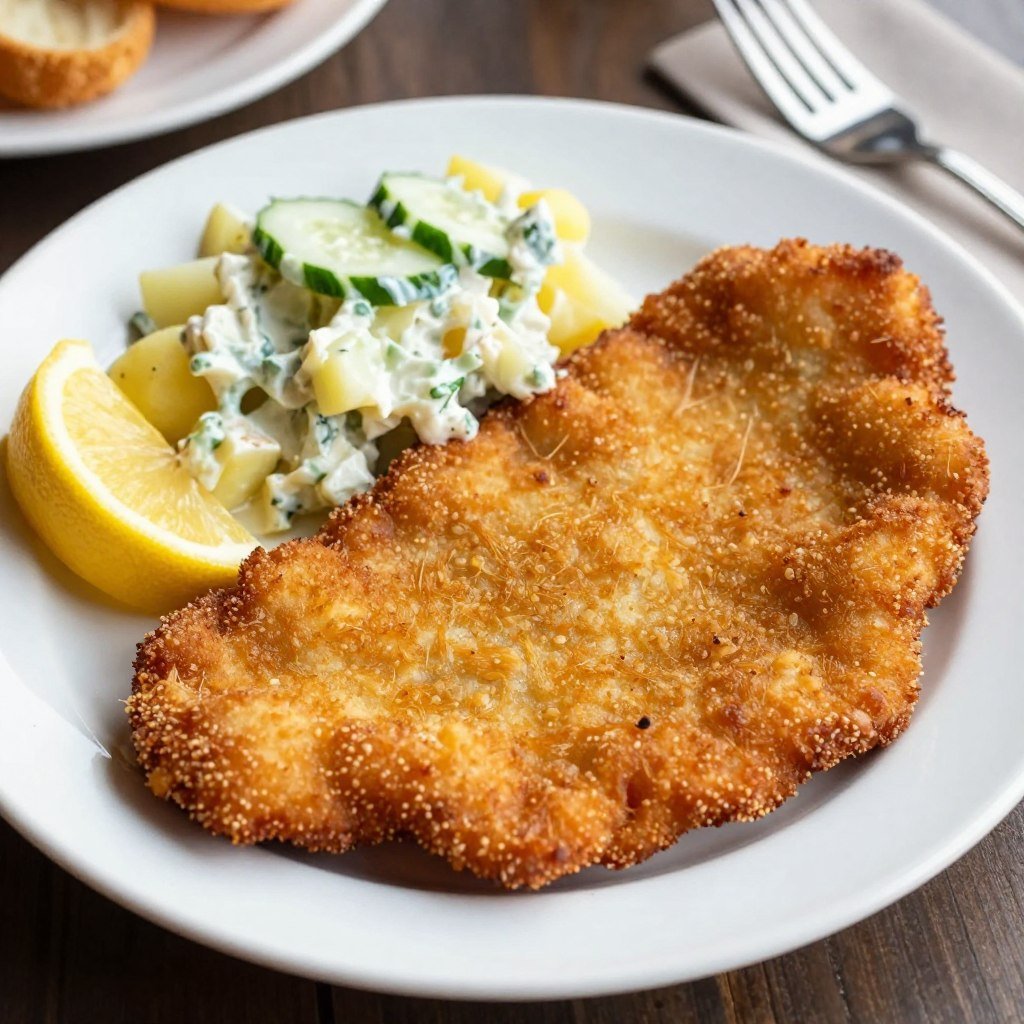
This neighborhood favorite in St. Pauli delivers comforting German cuisine in a casual, friendly environment. Frauenhaus specializes in generous portions of traditional dishes executed well—think perfect schnitzel, robust sausages, and classic side dishes. The restaurant doesn’t aim for culinary innovation but rather delivers consistent, satisfying meals.
The atmosphere feels genuinely local, with regulars mixing with first-time visitors. Prices remain reasonable for the quality and portion sizes. The restaurant represents the type of authentic German dining experience many visitors seek—unpretentious, delicious, and welcoming. The beer selection features regional breweries alongside German classics.
Anno 1905
Located near Holstenplatz, Anno 1905 serves authentic North German cuisine in a historic setting. The restaurant preserves traditional recipes while ensuring dishes meet contemporary quality standards. Specialties include Hamburg’s maritime classics—smoked fish, hearty stews, and regional seafood preparations. The old-fashioned charm extends to the decor, creating an atmospheric dining experience that feels like stepping back in time while enjoying thoroughly modern food quality.
International Flavors: Hamburg's Global Dining Scene
Hamburg’s international character shines through its diverse restaurant offerings. The city’s history as a major port has always attracted global influences, and the 2026 dining scene reflects remarkable culinary diversity. From authentic Asian cuisine to Mediterranean flavors, Hamburg offers world-class international restaurants.
TYO TYO
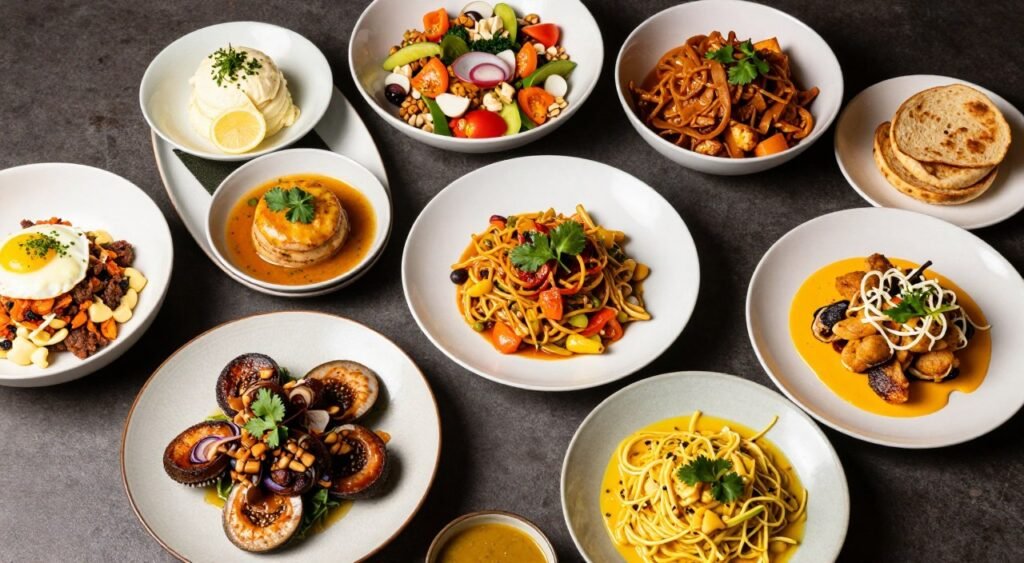
This highly-rated Asian restaurant in Winterhude continues to impress diners in 2026 with creative Pan-Asian cuisine. The menu draws inspiration from Japanese, Thai, and Vietnamese traditions, creating fusion dishes that work beautifully together. The elegant interior provides a sophisticated backdrop for the vibrant, flavorful food.
Popular dishes include creative sushi rolls, Thai curry adaptations, and Vietnamese-inspired bowls. The restaurant balances authenticity with innovation, respecting traditional techniques while creating dishes specifically for Hamburg palates. The cocktail program features Asian spirits and fresh ingredients. TYO TYO represents the successful integration of Asian culinary traditions into Hamburg’s dining culture.
Ola Lisboa
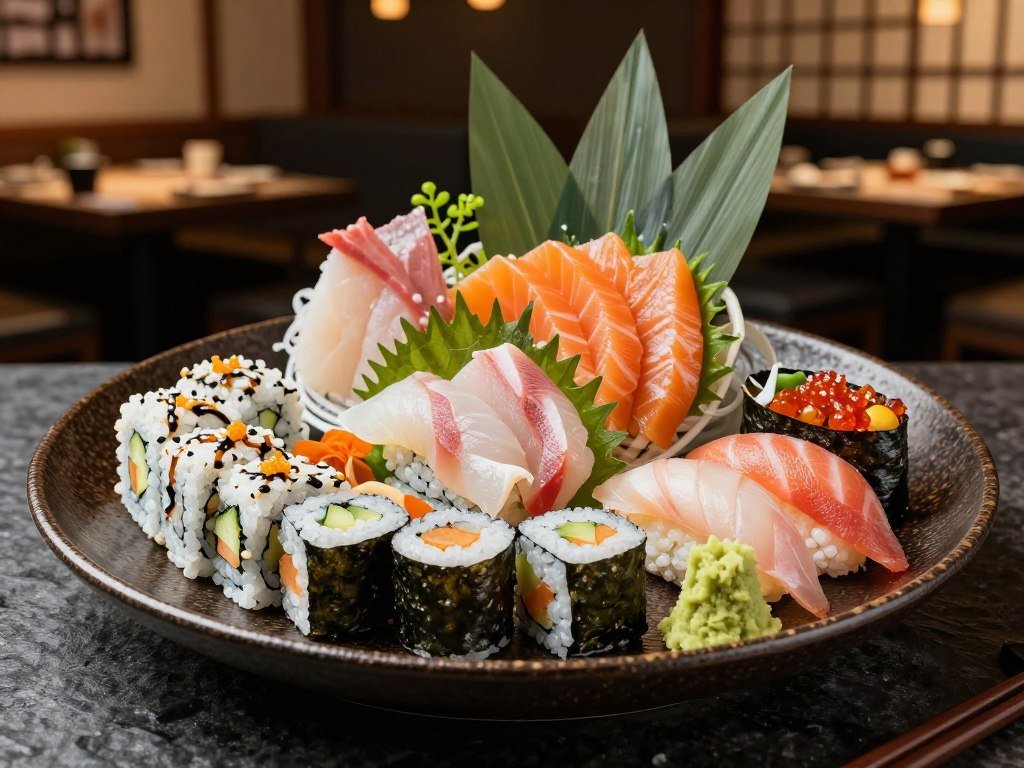
This Portuguese and Mediterranean seafood specialist brings Iberian flavors to Hamburg’s dining scene. The restaurant excels at grilled fish preparations, traditional Portuguese stews, and regional specialties. The warm atmosphere and generous portions create a convivial dining experience. Seafood arrives fresh daily, prepared simply to highlight quality ingredients. The wine list emphasizes Portuguese producers, offering excellent value.

LAURENT Hamburg
LAURENT delivers authentic Southern Italian cuisine with emphasis on fresh ingredients and traditional preparations. The restaurant features 100 indoor seats and an expansive 100-seat terrace for warm weather dining. Every dish is prepared à la minute, ensuring maximum freshness. Italian chefs bring genuine expertise to classics like handmade pasta, wood-fired pizzas, and regional specialties. The atmosphere balances casual warmth with attentive service.
Restaurant L'Orient
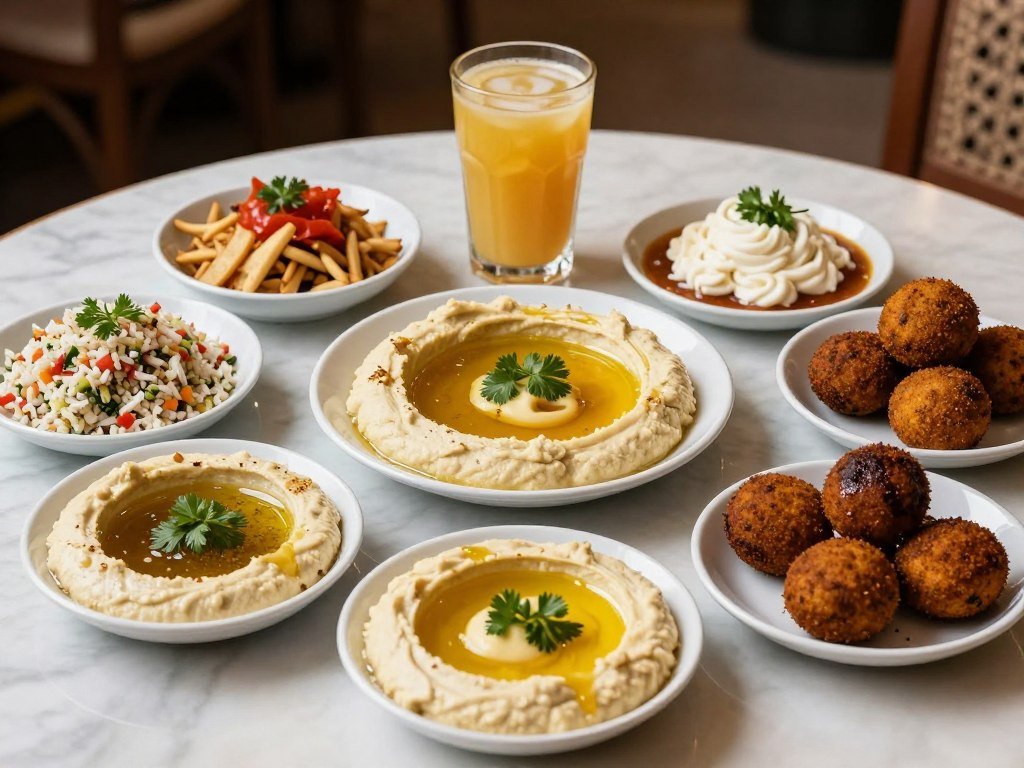
Restaurant L’Orient brings authentic Lebanese cuisine to Hamburg’s Ottensen neighborhood. The menu features traditional mezze selections, grilled meats, and vegetarian-friendly options. The warm hospitality reflects Middle Eastern dining traditions, with dishes meant for sharing and leisurely meals. Ingredients are sourced from specialty importers to maintain authenticity. The cozy atmosphere and reasonable prices make it a neighborhood favorite.
Matsumi
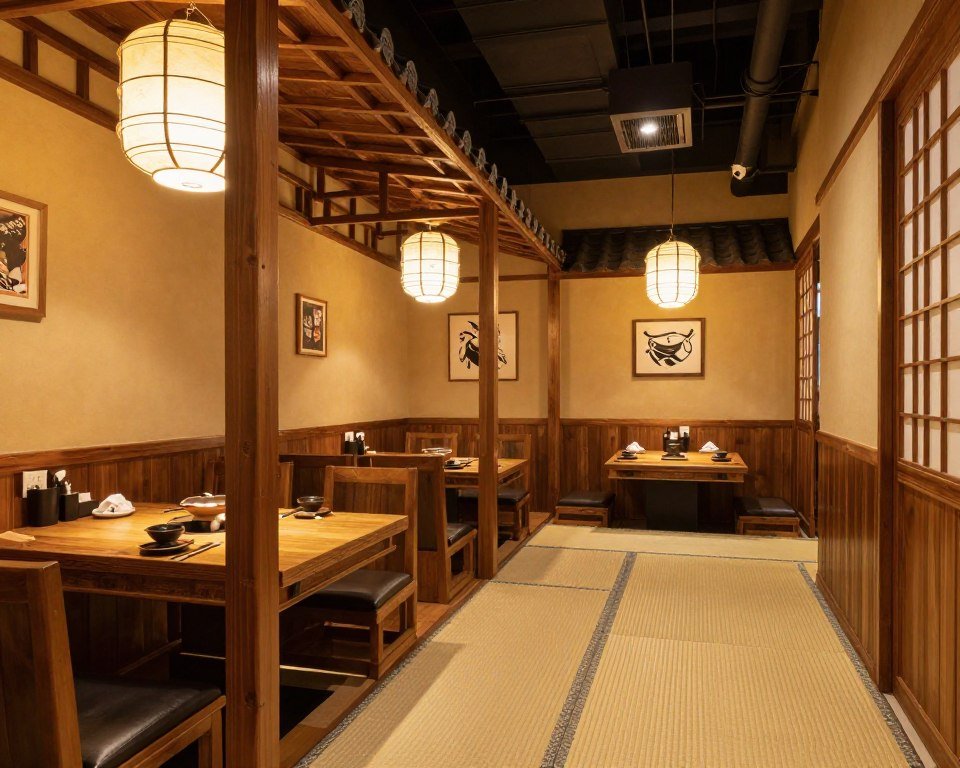
Founded in 1982, Matsumi remains Hamburg’s premier destination for authentic Japanese cuisine. The restaurant was originally created by Japanese owners for the Japanese community, ensuring genuine preparations and ingredients. In 2026, it continues this tradition with trained Japanese chefs preparing traditional dishes according to authentic recipes.
The menu spans the full range of Japanese cuisine—from delicate sushi and sashimi to comforting ramen and donburi. The traditional interior creates an immersive atmosphere, with tatami seating options available. Service follows Japanese hospitality standards, attentive without being intrusive. Matsumi represents Japanese cuisine in its purest form, without fusion adaptations or Western modifications.
Panthera Rodizio
This Brazilian rodizio restaurant delivers the full churrascaria experience with multiple meat offerings brought tableside by passadores. The restaurant specializes in grilled meats but also features an extensive salad bar with hot and cold options. The all-you-can-eat format makes it popular for group celebrations and hearty appetites.
The dining experience centers around the constant flow of different meat cuts—from picanha to chicken hearts—served directly at your table. The lively atmosphere and Brazilian hospitality create a festive dining environment. While focused on meat, the restaurant accommodates different preferences with seafood and vegetable options. The price point offers good value for the volume and variety of food provided.
Waterfront and Harbor Dining: Restaurants with Views
Hamburg’s maritime character makes waterfront dining a signature experience. The restaurants along the Elbe River and in HafenCity offer not just excellent cuisine but also stunning views of water, ships, and harbor activity. These establishments capitalize on Hamburg’s unique geography to create memorable dining atmospheres.
Fischereihafen Restaurant
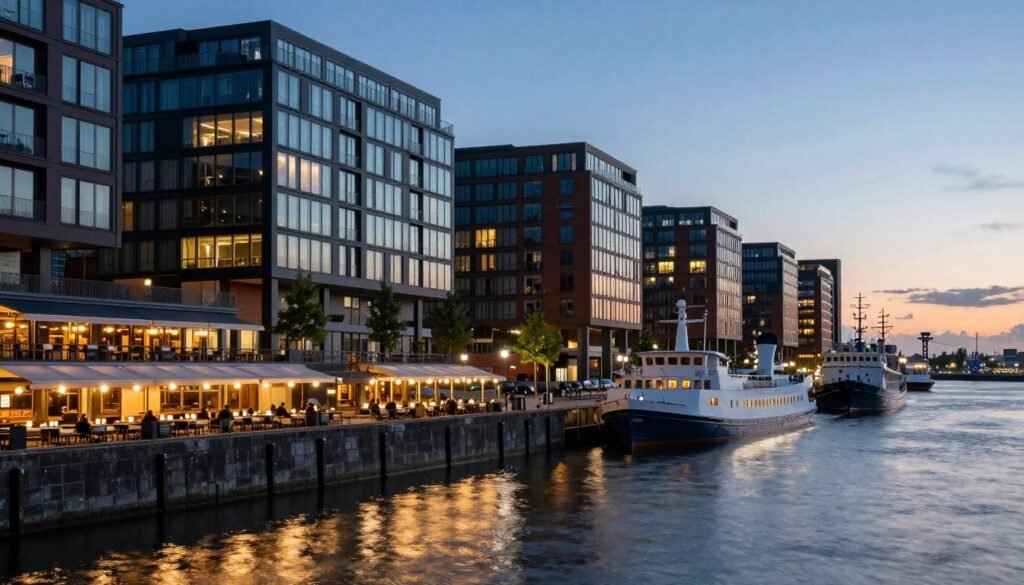
This iconic seafood restaurant has served Hamburg since 1981, and its waterfront location in Altona offers spectacular Elbe views. The restaurant specializes in fresh fish and seafood, with daily selections based on market availability. The Michelin-recognized kitchen prepares seafood with classic techniques, allowing quality ingredients to shine.
Signature dishes include North Sea sole, turbot preparations, and the restaurant’s famous fish platter. The elegant interior features nautical touches without becoming kitschy, creating a sophisticated atmosphere. The terrace provides outdoor dining during warmer months, with views of passing container ships and harbor activity. Fischereihafen represents traditional Hamburg seafood dining at its finest.
am kai
Located directly on the Elbe at the fishing port, am kai combines stunning water views with creative international cuisine. The restaurant emphasizes seasonal menus that change regularly based on ingredient availability. The modern interior uses floor-to-ceiling windows to maximize harbor views from every table.
The menu balances seafood with meat and vegetarian options, all prepared with French-influenced techniques. The atmosphere suits both romantic dinners and business meals, with professional service that feels warm rather than formal. Sunset dining offers particularly beautiful views as light plays across the water. The restaurant has earned recognition for both its cuisine and its unique location.

Bruecke 10
This casual waterfront eatery specializes in fish sandwiches and affordable seafood dishes. Located at Hamburg’s famous fish market, Bruecke 10 offers authentic harbor atmosphere and fresh seafood at reasonable prices. The menu focuses on traditional northern German preparations—smoked fish, fried fish sandwiches, and simple fish plates.
The no-frills atmosphere and quick service make it popular for lunch or casual dining. Despite the casual format, the fish quality remains excellent, sourced fresh from the adjacent market. Outdoor seating allows guests to enjoy harbor views and watch market activity. Bruecke 10 represents accessible Hamburg seafood dining with genuine local character.
Underdocks
This modern seafood restaurant brings contemporary flair to harbor dining. The menu features innovative preparations like fish tacos, fish hot dogs, and creative seafood bowls. The casual-contemporary atmosphere appeals to younger diners and those seeking lighter seafood options. The location provides harbor views in a more relaxed setting than traditional seafood restaurants.
Underdocks demonstrates how Hamburg chefs are reimagining seafood dining for contemporary tastes. The menu uses local fish but applies global preparations and flavor combinations. The bar program features craft beers and seafood-friendly wines. Prices remain moderate despite the prime location and creative cuisine.
Experience Hamburg's Waterfront Dining
Reserve your table at Hamburg’s best harbor restaurants. Enjoy fresh seafood with stunning Elbe River views.
Emerging Culinary Neighborhoods for 2026
While established areas like Neustadt and St. Pauli continue to thrive, several Hamburg neighborhoods are emerging as exciting culinary destinations in 2026. These districts offer innovative restaurants, unique atmospheres, and often more affordable prices than central locations. Understanding these areas helps you discover Hamburg’s evolving food culture beyond tourist hotspots.

Ottensen: Creative Dining Hub
Ottensen has transformed into one of Hamburg’s most exciting dining neighborhoods. This former working-class area in Altona now hosts numerous innovative restaurants, cafes, and bars. The district’s character combines artistic energy with residential comfort, creating an ideal environment for experimental dining concepts.
New restaurants opening in Ottensen emphasize sustainability, plant-based options, and global fusion cuisine. The neighborhood attracts young chefs willing to take creative risks, resulting in unique dining experiences. The area’s compact geography allows restaurant-hopping and creates a vibrant evening atmosphere. Expect Ottensen to continue gaining culinary prominence throughout 2026.
HafenCity: Waterfront Innovation
Hamburg’s newest district continues evolving as a dining destination. The modern architecture and waterfront location attract upscale restaurants with stunning views. In 2026, HafenCity offers everything from Michelin-starred fine dining to casual international eateries. The district’s planned development ensures new restaurants regularly open, maintaining culinary freshness.
The area works particularly well for special occasion dining, with restaurants designed for memorable experiences. Many establishments feature outdoor terraces capitalizing on the harbor setting. HafenCity represents Hamburg’s contemporary character—international, ambitious, and forward-looking. The district continues attracting innovative chefs who want modern spaces to match their creative cuisine.
Eimsbüttel: Neighborhood Dining Excellence
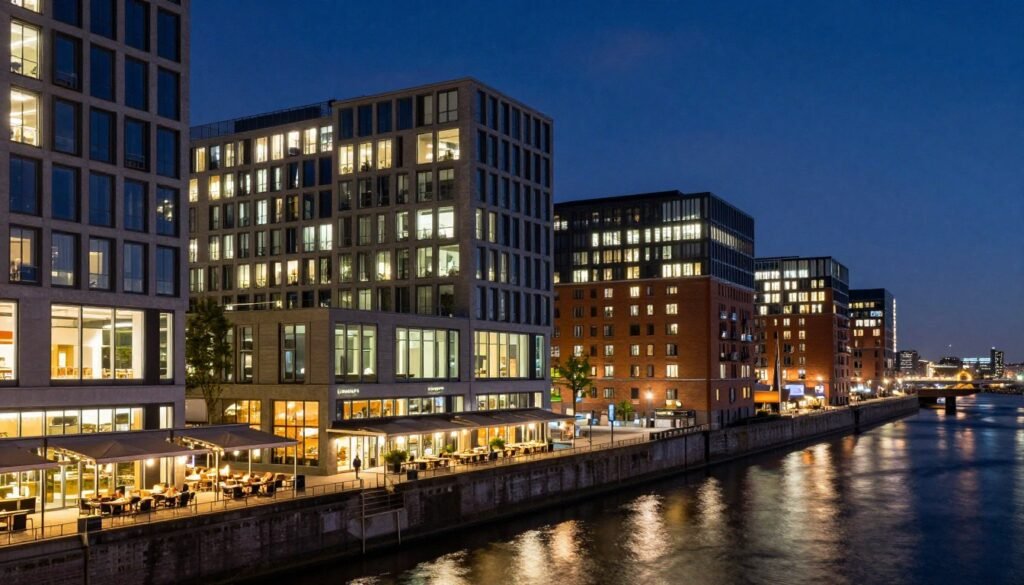
This residential district offers outstanding neighborhood restaurants serving diverse cuisines. Eimsbüttel’s dining scene emphasizes quality over pretension, with establishments focused on excellent food, fair prices, and welcoming atmospheres. The area particularly excels at Asian cuisine, Italian trattorias, and modern German bistros.
The restaurants here cater primarily to locals rather than tourists, resulting in authentic dining experiences and good value. Many establishments feature seasonal menus, weekly specials, and personal service from owner-operators. Eimsbüttel represents sustainable restaurant culture—places where you’d happily eat regularly rather than once for a special occasion.
Winterhude: Refined Dining District
Located north of the city center, Winterhude combines residential charm with sophisticated dining options. The neighborhood attracts chefs who want to serve quality-focused guests in elegant but unpretentious settings. Restaurants here tend toward contemporary European cuisine, creative Asian fusion, and upscale bistro concepts.
The tree-lined streets and attractive architecture create pleasant settings for restaurant strolls and discovery. Several establishments offer canal-side seating during warmer months. Winterhude’s dining scene balances ambition with accessibility—restaurants deliver high-quality cuisine without fine dining formality or prices. The area continues attracting new openings throughout 2026.
Budget-Friendly Gems: Great Food at Fair Prices
Hamburg offers excellent dining experiences across all price points. These affordable restaurants deliver quality food, authentic flavors, and satisfying meals without the premium pricing of upscale establishments. Whether you’re a budget-conscious traveler or simply seeking casual dining, Hamburg’s affordable restaurant scene impresses with variety and value.
Erdapfel Hamburg
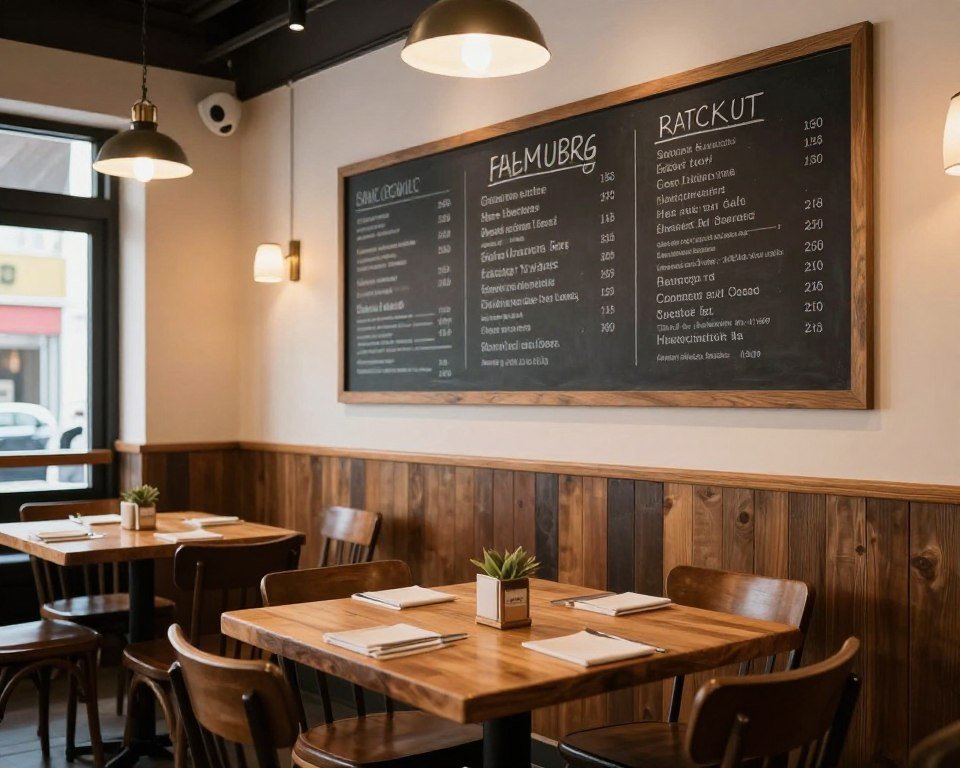
This healthy fast-casual concept specializes in loaded baked potatoes and bowls topped with various ingredients. Erdapfel offers vegetarian and vegan options alongside meat choices, all at budget-friendly prices. The casual counter-service format keeps costs down while maintaining food quality. The menu appeals to health-conscious diners seeking quick, nutritious meals.
Locations across Hamburg make Erdapfel convenient for lunch or light dinners. The customizable format allows diners to create meals matching their preferences and dietary requirements. Despite low prices, ingredients remain fresh and preparations taste homemade. Erdapfel represents the growing fast-casual category that delivers good food quickly and affordably.
Pizza Bande
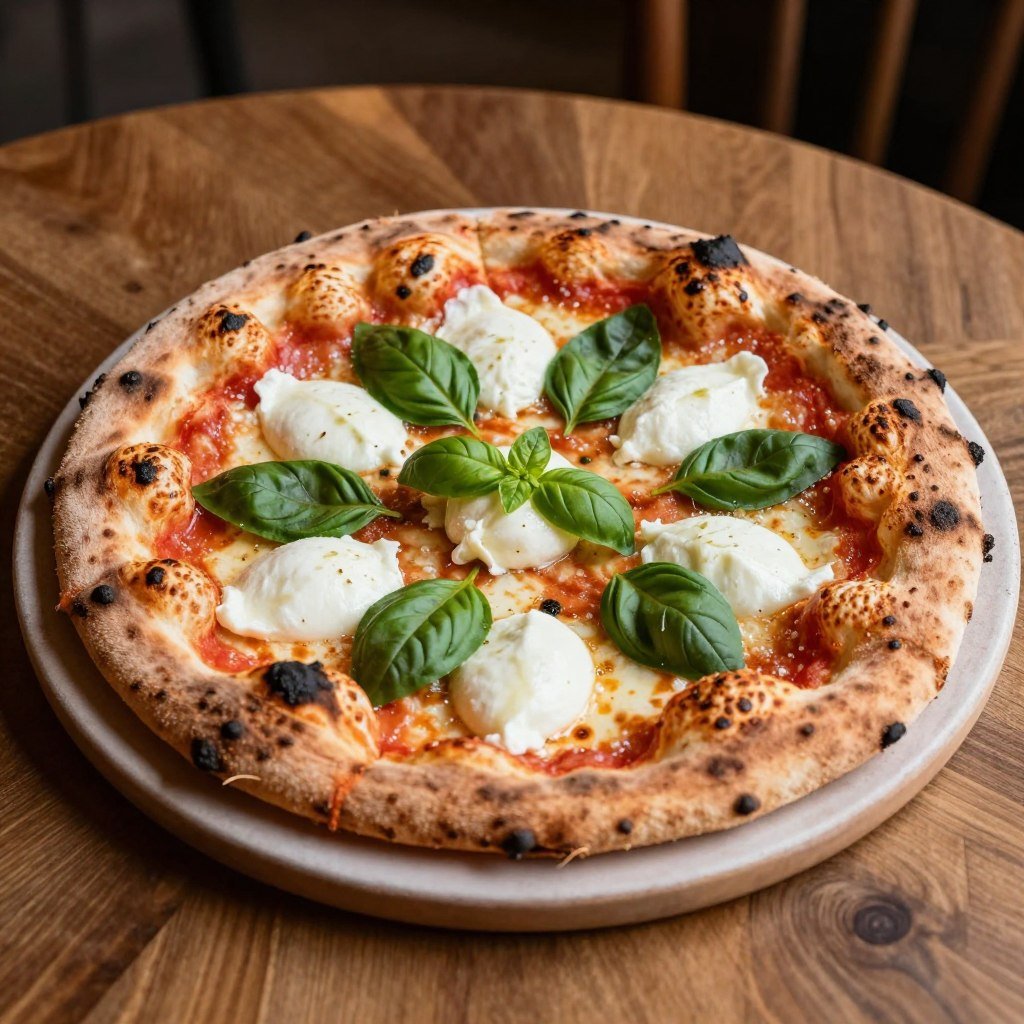
This Italian pizzeria serves excellent Neapolitan-style pizzas at remarkably fair prices. The restaurant uses quality ingredients and traditional techniques, creating authentic pizzas with properly charred crusts and fresh toppings. The casual atmosphere and efficient service make it popular for quick meals and takeaway.
The menu stays focused on pizza fundamentals rather than elaborate toppings, ensuring consistent quality. Simple salads and appetizers round out offerings. Pizza Bande proves that affordable dining doesn’t require compromising on authenticity or taste. The restaurant fills a crucial niche—reliable, delicious Italian food accessible to everyone.
Ukitchen
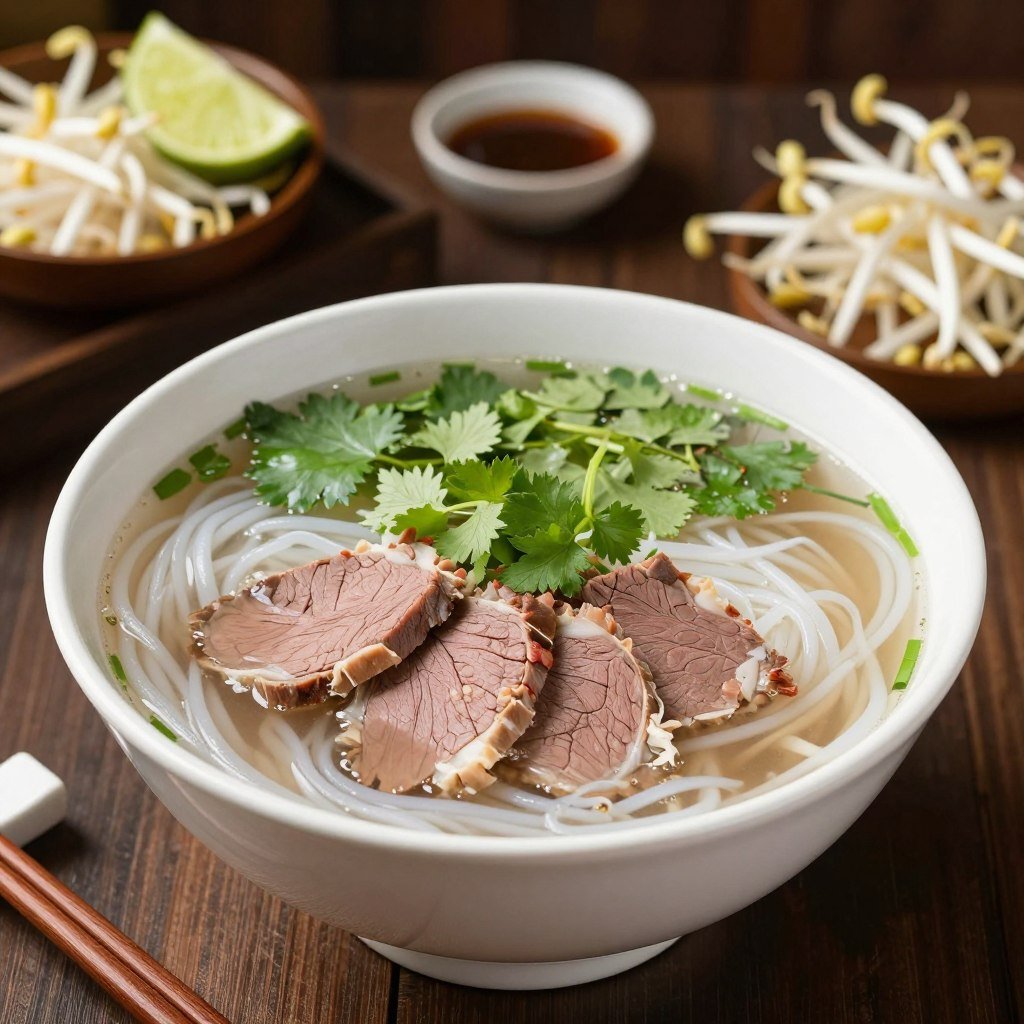
This Vietnamese restaurant offers authentic dishes at budget-conscious prices. The menu features pho, banh mi sandwiches, and various rice and noodle bowls. The casual, contemporary interior provides comfortable dining despite low prices. Everything is prepared fresh, with traditional Vietnamese flavors maintained through proper techniques and authentic ingredients.
Ukitchen represents the immigrant food culture that enriches Hamburg’s dining scene. The restaurant serves the Vietnamese community while welcoming all diners interested in authentic cuisine. The friendly service and quick preparation make it ideal for lunch or casual dinners. The value proposition is exceptional—filling, flavorful meals at prices that encourage frequent visits.
Hanoi Deli
Multiple locations across Hamburg serve Vietnamese and Asian fusion cuisine with modern presentation. Hanoi Deli’s menu spans sushi, Vietnamese classics, and creative Asian bowls. The contemporary interior and efficient service create an appealing fast-casual experience. Despite moderate prices, the food quality and presentation exceed typical quick-service expectations.
The restaurants work well for both solo dining and groups, with varied menu options accommodating different preferences. The sushi is particularly noteworthy for the price point, maintaining freshness and proper preparation. Hanoi Deli demonstrates how modern Asian restaurants can deliver quality and value simultaneously.
Breakfast and Brunch: Starting Your Day Right
Hamburg’s breakfast and brunch culture has flourished in recent years, with numerous establishments offering everything from quick coffee and pastries to elaborate weekend brunch spreads. Whether you’re an early riser seeking quality coffee or prefer leisurely weekend brunches, Hamburg delivers excellent morning dining options across neighborhoods.

Café Paris
This French-inspired café and restaurant serves breakfast and brunch in elegant surroundings. The menu features classic French breakfast items alongside heartier brunch plates. The beautiful Art Nouveau interior creates a sophisticated atmosphere for morning dining. Café Paris proves particularly popular for weekend brunch, when reservations are strongly recommended.
Expect croissants, pain au chocolat, eggs prepared multiple ways, and refined presentations. The coffee program emphasizes quality beans and proper brewing techniques. The restaurant’s central location and extended breakfast service hours make it convenient for various schedules. Prices reflect the upscale setting and quality ingredients but remain reasonable for the experience.
AHOI Strandkiosk
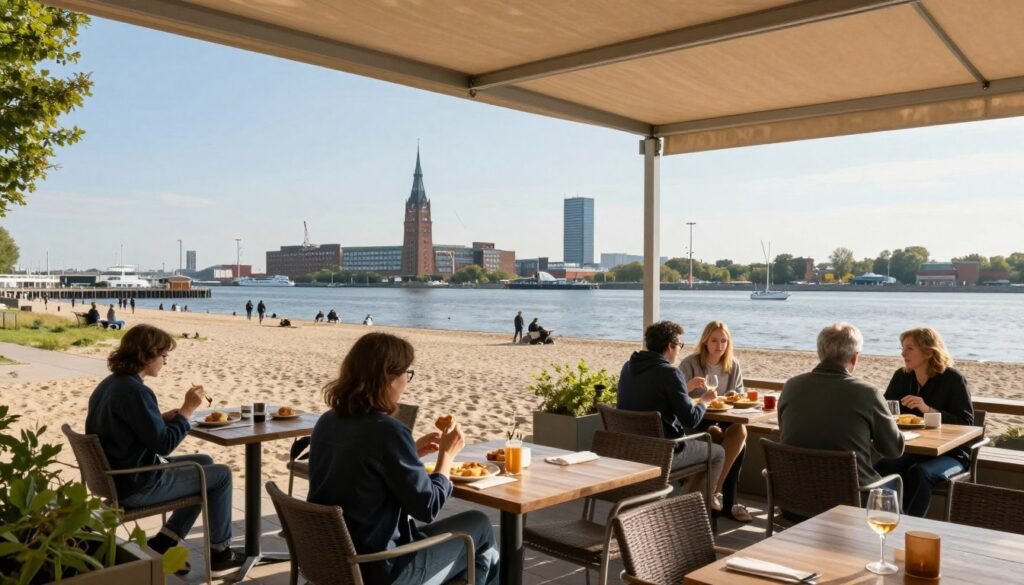
Located on the Elbe beach at Övelgönne, AHOI offers casual waterfront breakfast and brunch. The menu emphasizes organic ingredients in light, fresh preparations. The unique beach location creates a relaxed atmosphere unlike typical city dining. During warmer months, outdoor seating allows guests to enjoy harbor views while eating.
The café specializes in health-conscious options—smoothie bowls, avocado toast, organic pastries, and quality coffee. The format works well for quick breakfasts or leisurely brunches. The beach setting makes it particularly appealing during summer weekends. AHOI demonstrates Hamburg’s ability to combine casual dining with premium ingredients and beautiful locations.
Café Reinhardt
Multiple locations serve traditional German breakfast alongside contemporary brunch options. Café Reinhardt emphasizes generous portions, quality ingredients, and friendly service. The breakfast menu features German bread baskets, cold cuts, cheeses, and egg dishes. Weekend brunch expands offerings to include pancakes, salads, and hot dishes.
The café’s neighborhood locations create welcoming atmospheres where locals gather for morning meals. Service is efficient without feeling rushed, and the moderate prices encourage regular visits. Café Reinhardt represents reliable breakfast dining—nothing overly innovative but consistently well-executed and satisfying. The multiple locations ensure convenient access across the city.
Restaurant Mangold
This modern bistro serves an extensive weekend breakfast and brunch buffet until 1 PM. The loft-style interior creates a contemporary setting for leisurely morning dining. The buffet format allows guests to sample multiple items rather than committing to single dishes. Expect both German breakfast classics and international brunch favorites.
The quality and variety justify the buffet pricing, with fresh preparations and regular replenishment throughout service. The restaurant works well for groups with varied preferences, as everyone can customize their meal. The relaxed weekend atmosphere and generous time allowance encourage lingering over multiple coffee refills. Mangold demonstrates how traditional brunch concepts can feel fresh through quality execution and appealing settings.
Highly Anticipated Restaurant Openings for 2026
Several exciting restaurant concepts are scheduled to debut in Hamburg during 2026. While specific opening dates often shift, these projects generate significant buzz within the local dining community. Understanding upcoming openings helps you plan future visits and track the city’s evolving culinary landscape.
Waterfront Fine Dining Complex
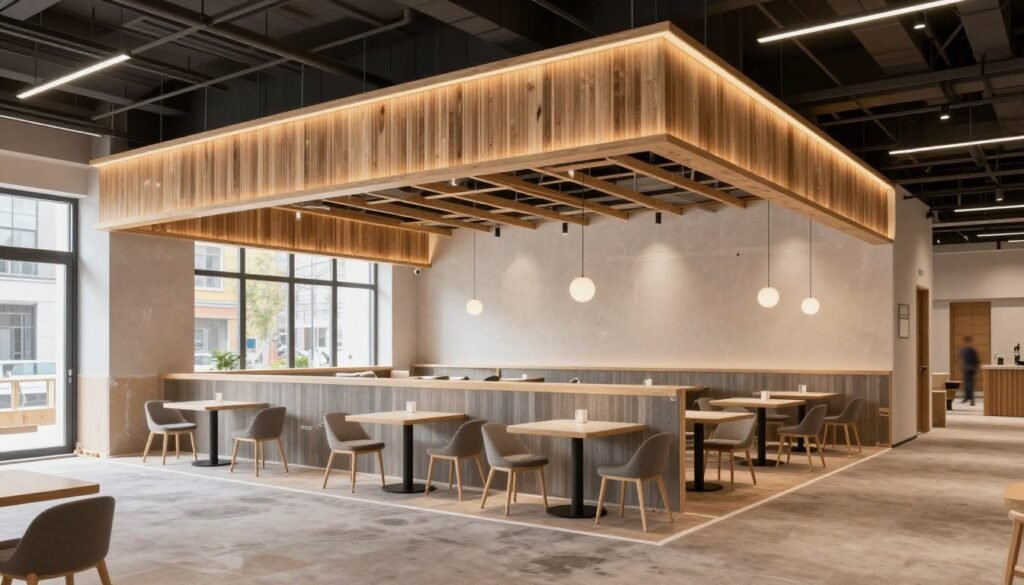
A major hospitality group is developing a multi-venue dining complex along the Elbe in the Neumühlen area. The project will feature three distinct restaurants—a seafood-focused fine dining establishment, a casual Mediterranean bistro, and a cocktail bar with small plates. The waterfront location promises spectacular views and creates a destination dining experience.
The fine dining venue aims for Michelin consideration from opening, with an internationally experienced chef leading the kitchen. The complex includes extensive outdoor terraces for seasonal dining. The project represents significant investment in Hamburg’s restaurant scene and demonstrates continued confidence in the city’s dining market. Expected opening is spring 2026, with reservations likely available several months in advance.
Neo-German Tasting Menu Restaurant
A young chef who trained at The Table Kevin Fehling is opening an intimate tasting menu restaurant focused on reinterpreting northern German cuisine. The 20-seat venue will feature an open kitchen and single seating per evening. The concept emphasizes forgotten regional ingredients, heritage recipes, and modern techniques applied to traditional dishes.
The chef’s background suggests Michelin potential, though the focus remains on creating meaningful dining experiences rather than chasing stars. The project has generated excitement within Hamburg’s food community for its ambitious yet locally grounded approach. Location in Eimsbüttel provides a neighborhood setting rather than tourist-centric placement. Anticipated opening is summer 2026.
Pan-Asian Market Hall
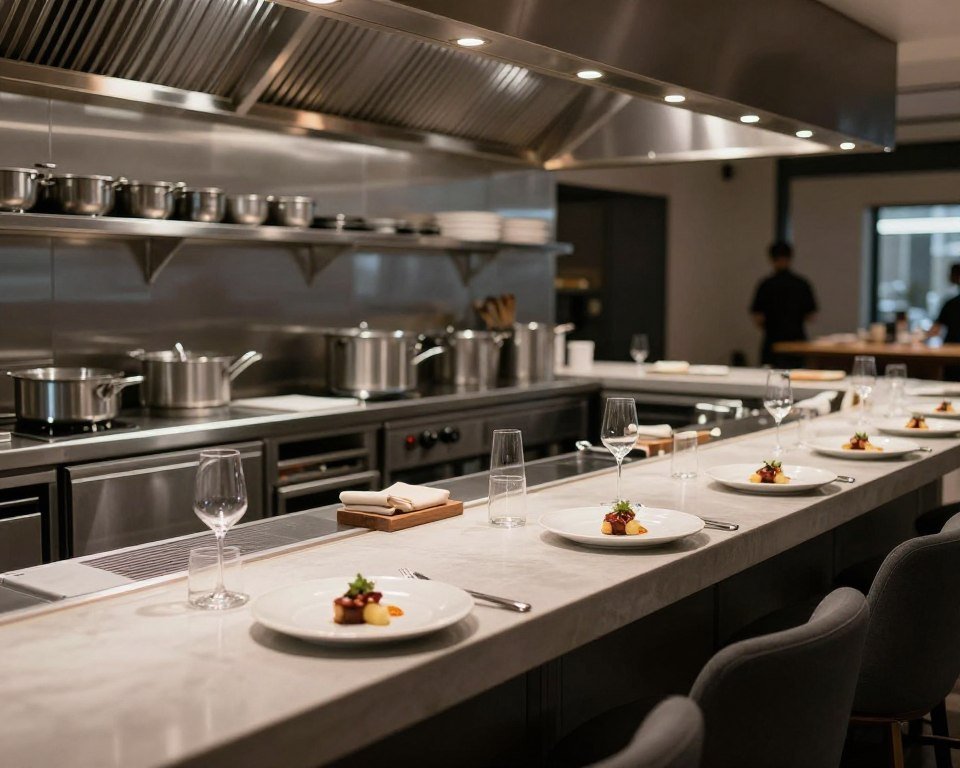
A collective of Asian chefs is creating a market hall-style venue featuring multiple cuisine stations under one roof. The concept will include Thai, Vietnamese, Korean, and Japanese counters, plus a central bar serving Asian-inspired cocktails. The format allows diners to sample multiple cuisines in a single visit, creating a dynamic food hall atmosphere.
Each station will be operated by specialists in that particular cuisine, ensuring authenticity across the board. The casual format and moderate pricing aim to make quality Asian food accessible to broader audiences. The project fills a gap in Hamburg’s dining scene, as the city lacks a comprehensive Asian food hall. Location in Schanzenviertel positions it in a high-traffic entertainment district. Expected opening is fall 2026.
Sustainable Vegetable-Forward Restaurant
An experienced chef known for sustainable practices is opening a restaurant where vegetables take center stage. While not strictly vegetarian, the menu will elevate plant-based ingredients to main course status, with meat and fish playing supporting roles. The concept reflects growing interest in environmental sustainability and plant-forward dining.
The restaurant will maintain its own urban garden and partner with local organic farms for seasonal produce. The chef’s reputation suggests refined preparations and creative flavor combinations that appeal beyond vegetarian audiences. The project demonstrates how sustainability principles can guide ambitious dining concepts. Location and exact opening date remain unconfirmed but anticipation runs high within Hamburg’s food-conscious community.
Practical Tips for Dining in Hamburg
Understanding local dining customs and practical considerations enhances your Hamburg restaurant experiences. These tips help you navigate reservations, tipping expectations, and optimal dining times. Whether you’re visiting for the first time or seeking to refine your approach, these insights prove valuable.
Reservation Strategies
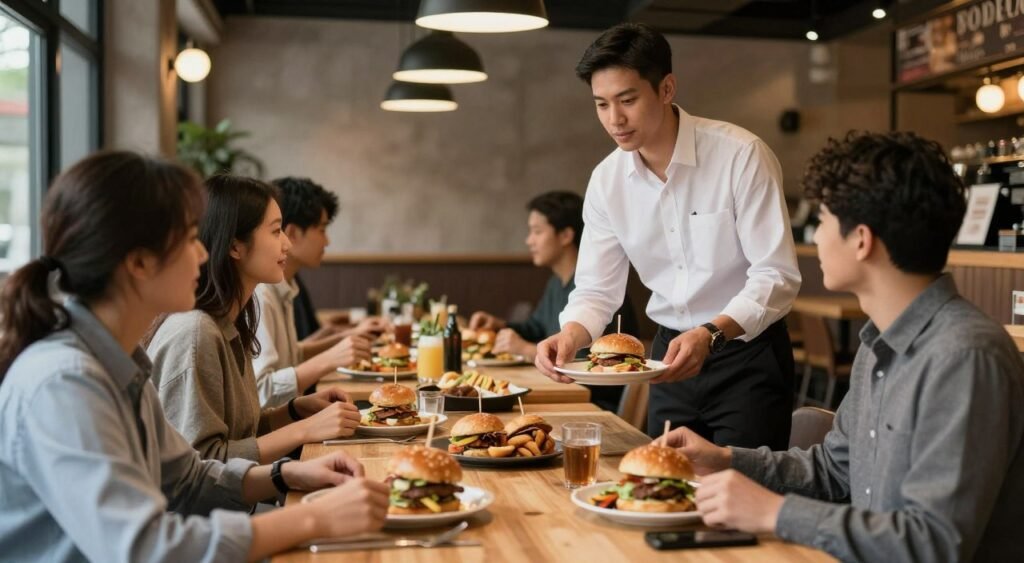
Popular restaurants in Hamburg often book weeks in advance, particularly for weekend evening slots. Fine dining establishments and waterfront restaurants require especially early planning. Use platforms like OpenTable, which many Hamburg restaurants now utilize, for convenient online booking. For Michelin-starred venues, book 2-3 months ahead when possible.
Walk-in dining remains possible at many casual restaurants, especially during weekday lunches. Bar seating often doesn’t require reservations and provides a more spontaneous dining option. If your desired time slot is unavailable, consider lunch instead—many upscale restaurants offer abbreviated lunch menus at lower prices with easier availability.
Dining Hours and Meal Times
German dining times differ from some international norms. Lunch typically runs from noon to 2 PM, with kitchens often closing after this period. Dinner service usually begins around 6 PM, though many Germans dine closer to 7 or 8 PM. Unlike Mediterranean countries, restaurants don’t typically serve continuously throughout the afternoon.
Many restaurants close between lunch and dinner service, so verify operating hours before visiting. Sunday closures remain common, particularly among neighborhood restaurants. Weekend brunch service extends late morning through early afternoon. Planning around these timing considerations prevents disappointment and ensures you experience restaurants at their best.
Payment and Tipping
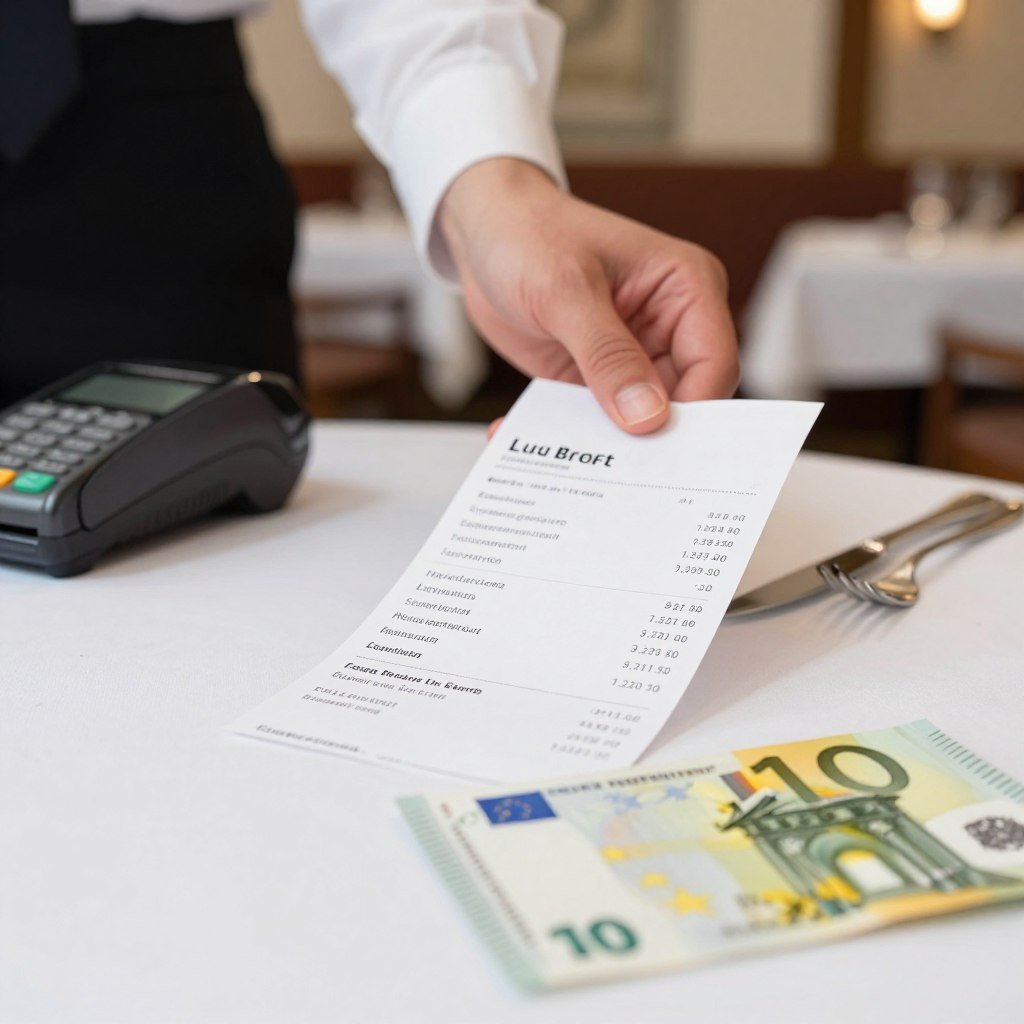
Cash remains widely used in Hamburg restaurants, though credit cards are increasingly accepted, especially at upscale establishments. Verify payment methods beforehand to avoid complications. German tipping customs differ from American practices—typically round up the bill or add 5-10% depending on service quality. State your final payment amount including tip when paying, rather than leaving cash on the table. Service charges aren’t automatically included despite common misconceptions.
Language Considerations
Most Hamburg restaurants, particularly those in tourist areas, have English-speaking staff and English menus. However, learning basic German food terms enhances your experience and shows respect for local culture. Staff appreciate attempts at German even if you immediately switch to English. Fine dining establishments universally accommodate English speakers, while neighborhood restaurants may have more limited English capabilities.
Dress Code Expectations
Hamburg maintains relatively casual dress standards compared to some European cities. Fine dining restaurants may prefer smart casual attire but rarely enforce strict dress codes. Business casual works for most upscale establishments. Casual restaurants welcome relaxed attire, though overly beachy or athletic wear may feel out of place. When in doubt, slightly overdressing proves safer than underdressing.
Your Hamburg Dining Adventure Awaits
Hamburg’s restaurant scene in 2026 offers extraordinary variety, quality, and innovation. From Michelin-starred fine dining to casual neighborhood bistros, from waterfront seafood specialists to international fusion concepts, the city delivers memorable dining experiences across all categories and price points. The trends shaping Hamburg’s culinary landscape—sustainability, technology integration, neo-German cuisine, and international influences—create an exciting, forward-looking food culture.
The restaurants highlighted in this guide represent just a fraction of Hamburg’s dining possibilities. New establishments continue opening, neighborhoods evolve, and chef talent keeps raising standards. Whether you’re planning a specific visit or simply dreaming about future meals, Hamburg rewards culinary curiosity and exploration. The city’s combination of maritime heritage, international character, and German precision creates a unique dining environment unlike anywhere else.
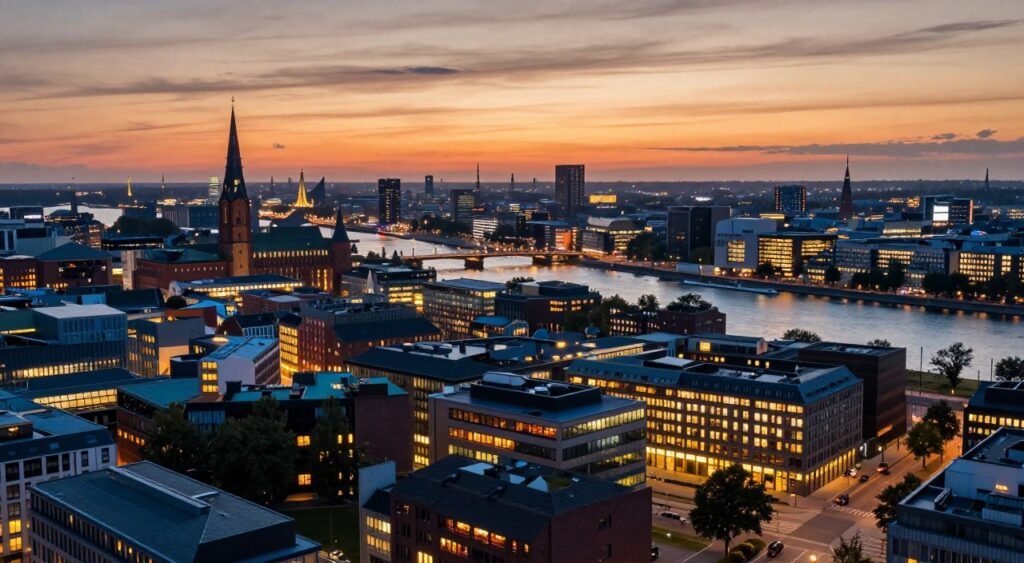
As you plan your Hamburg dining experiences for 2026, consider mixing establishment types—balance fine dining splurges with casual neighborhood discoveries, try both traditional German restaurants and international cuisines, explore emerging neighborhoods alongside established dining districts. This varied approach reveals Hamburg’s full culinary personality and creates a richer understanding of the city’s food culture.
The restaurant landscape continues evolving, with new openings and concepts constantly refreshing the scene. Stay informed about developments through local food media, social platforms, and dining newsletters. Hamburg’s chefs, restaurateurs, and food artisans work passionately to create memorable experiences, and your patronage supports this vibrant culinary community. The city’s dining scene awaits your exploration—approach it with an open mind, healthy appetite, and sense of culinary adventure.
