
As you step off the train in Cologne and catch your first glimpse of those impossibly tall Gothic spires piercing the sky, you’ll understand why this Rhineland city captivates over six million visitors each year. Yet Cologne remains wonderfully underrated on the European travel circuit, offering an authentic German experience that seamlessly blends two thousand years of history with a vibrantly modern urban culture.
In 2026, Cologne continues to evolve while honoring its rich past. The city that gave the world eau de cologne and Kölsch beer pulses with an energy that Germans affectionately describe as unique. Locals joke that while Cologne may not be Germany’s prettiest city, it’s certainly the friendliest. That warmth isn’t just talk. Walk into any traditional brewery and strangers will clink glasses with you. Queue for a museum and conversations spark naturally. This is a city where community matters.
What makes 2026 particularly exciting for visitors? The completion of several restoration projects around the UNESCO World Heritage cathedral, the continued renaissance of creative neighborhoods like Ehrenfeld, and the return of full-scale cultural events post-pandemic means Cologne is humming with renewed energy. Whether you’re planning to join the legendary Carnival celebrations, explore world-class museums, cruise the romantic Rhine, or simply drink endless tiny glasses of Kölsch beer, this guide covers everything you need to create an unforgettable Cologne experience in 2026.
Iconic Must-See Landmarks in Cologne 2026
Cologne Cathedral (Kölner Dom) - Germany's Gothic Masterpiece
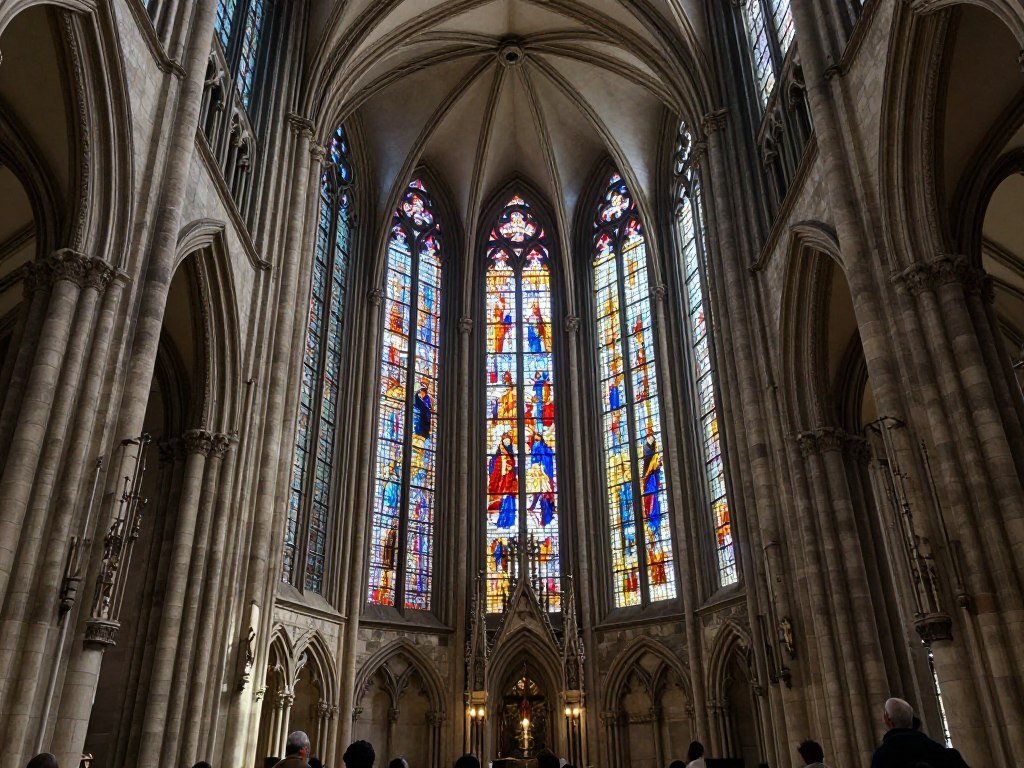
No list of things to do in Cologne 2026 can begin anywhere but the Kölner Dom. This architectural marvel isn’t just the city’s most famous landmark but Germany’s most visited tourist attraction, welcoming over six million people annually. The cathedral’s construction saga itself tells a remarkable story spanning six centuries. Work began in 1248 to house the relics of the Three Wise Men, but medieval builders bit off more than they could chew. Construction stalled completely in the 16th century, leaving Cologne with a half-finished cathedral for over 300 years.
The building wasn’t completed until 1880, making it one of the longest construction projects in human history. Today, the cathedral stands as a UNESCO World Heritage Site and one of the finest examples of Gothic architecture anywhere in the world. Those twin spires soar 157 meters into the sky, a height that remained unsurpassed by any structure until the Washington Monument topped it in 1884.
What strikes first-time visitors most isn’t just the scale but the intricate detail. Every surface tells a story through stone. The famous stained glass windows, many of which miraculously survived World War II bombing raids, cast kaleidoscopic patterns across the cavernous interior. Modern installations, including a controversial contemporary window by artist Gerhard Richter, prove the cathedral remains a living artistic space rather than a museum piece.
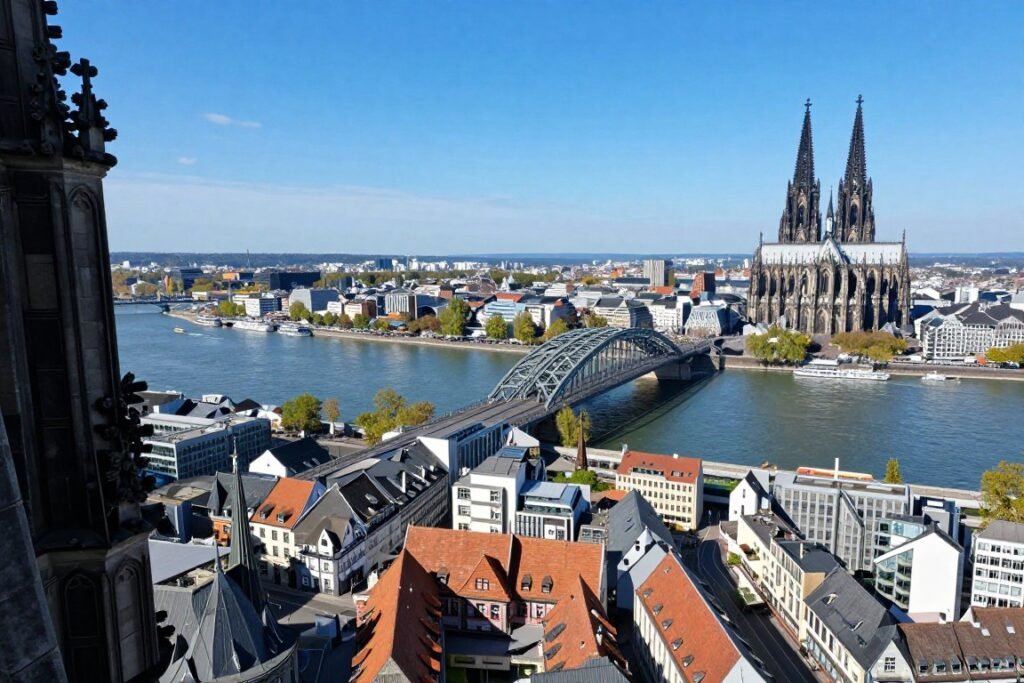
For those willing to earn their view, climbing the 533 steps to the south tower’s observation platform ranks among Cologne’s most rewarding experiences. The spiral stone staircase winds upward through increasingly narrow passages. About halfway up, you’ll pass the enormous cathedral bells, including the famous 24-ton St. Peter’s Bell, the largest free-swinging church bell in the world. The final push rewards you with sweeping views across Cologne’s terracotta rooftops to the Rhine River and distant hills beyond.
Entry to the cathedral itself remains free, though donations help fund ongoing restoration work. Guided tours in multiple languages run daily and provide fascinating historical context. The cathedral’s Treasury Museum houses precious liturgical objects, medieval manuscripts, and ornate vestments. Plan to spend at least ninety minutes here, possibly more if you’re climbing the tower or visiting the treasury.
Experience Cologne Cathedral in 2026
Skip the crowds with an early morning guided tour that includes tower access and fascinating stories about this Gothic masterpiece. Book now for best 2026 availability.
Hohenzollern Bridge - The Rhine's Most Romantic Crossing
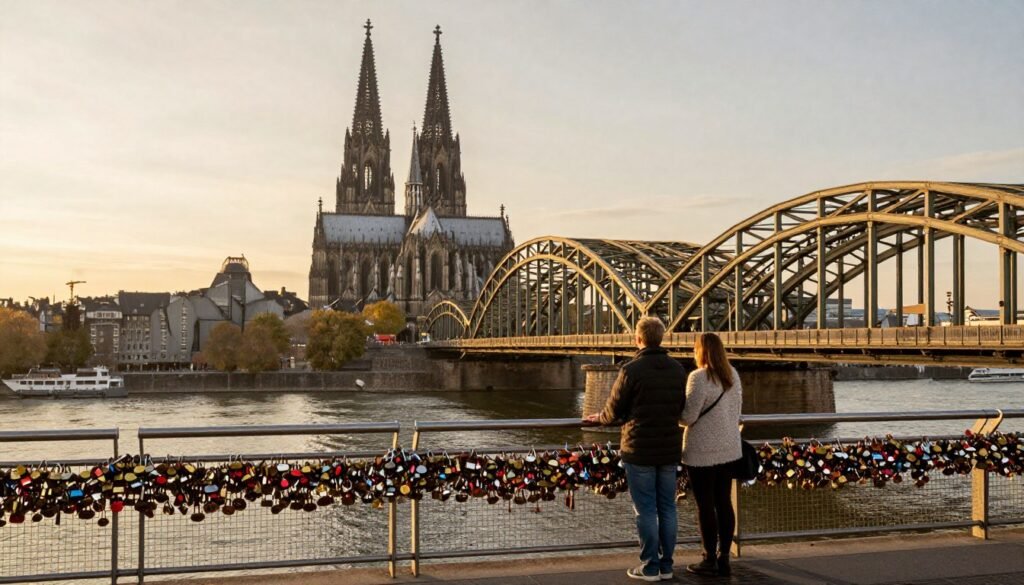
Stretching across the Rhine just steps from the cathedral, the Hohenzollern Bridge connects Cologne’s historic center with the trendy Deutz district. Originally built in the early 1900s, this railway bridge carries over 1,200 trains daily, making it one of Europe’s busiest rail bridges. But trains aren’t what make Hohenzollern special for visitors.
Since 2008, couples have attached thousands upon thousands of padlocks to the bridge’s pedestrian railings, inscribing them with names, dates, and declarations of love before tossing the keys into the Rhine below. The tradition started spontaneously and now over a million locks weight down the bridge’s metal fencing. City officials initially worried about structural integrity but eventually accepted that the love locks had become part of Cologne’s romantic identity.
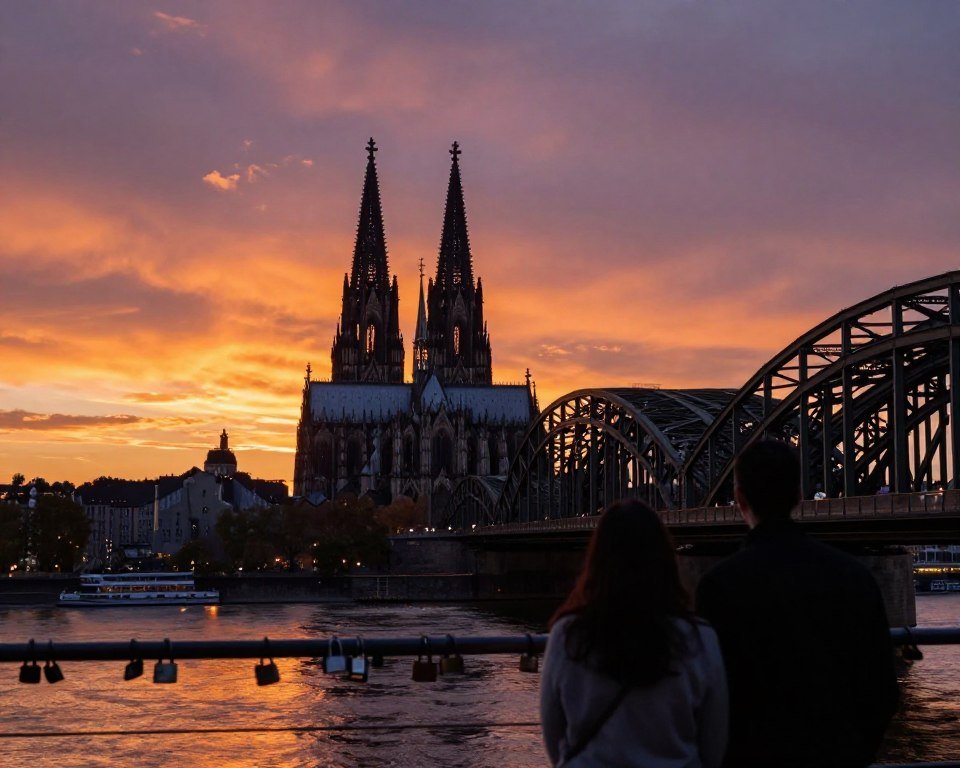
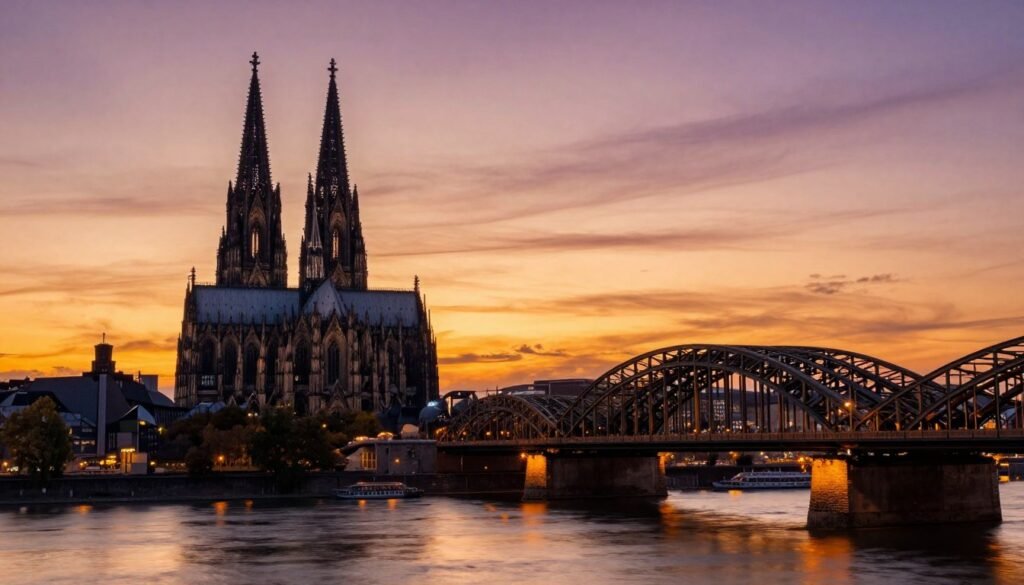
Walking across Hohenzollern, especially around sunset when golden light bathes the cathedral in warm hues, ranks among the most photogenic experiences in the city. The bridge offers the classic postcard view of the Dom reflected in the river waters. Street musicians often perform near the entrances, and the rattling passage of trains overhead adds to the urban symphony.
Historic Old Town (Altstadt) - Where Cologne's Heart Beats
The Altstadt sprawls along the Rhine’s western bank, a maze of narrow lanes where Cologne’s two-millennia history layers upon itself. Yes, Allied bombing during World War II devastated over ninety percent of the medieval city center. But careful postwar reconstruction preserved the essential character of key squares and monuments while introducing modern elements that create a fascinating architectural dialogue between past and present.
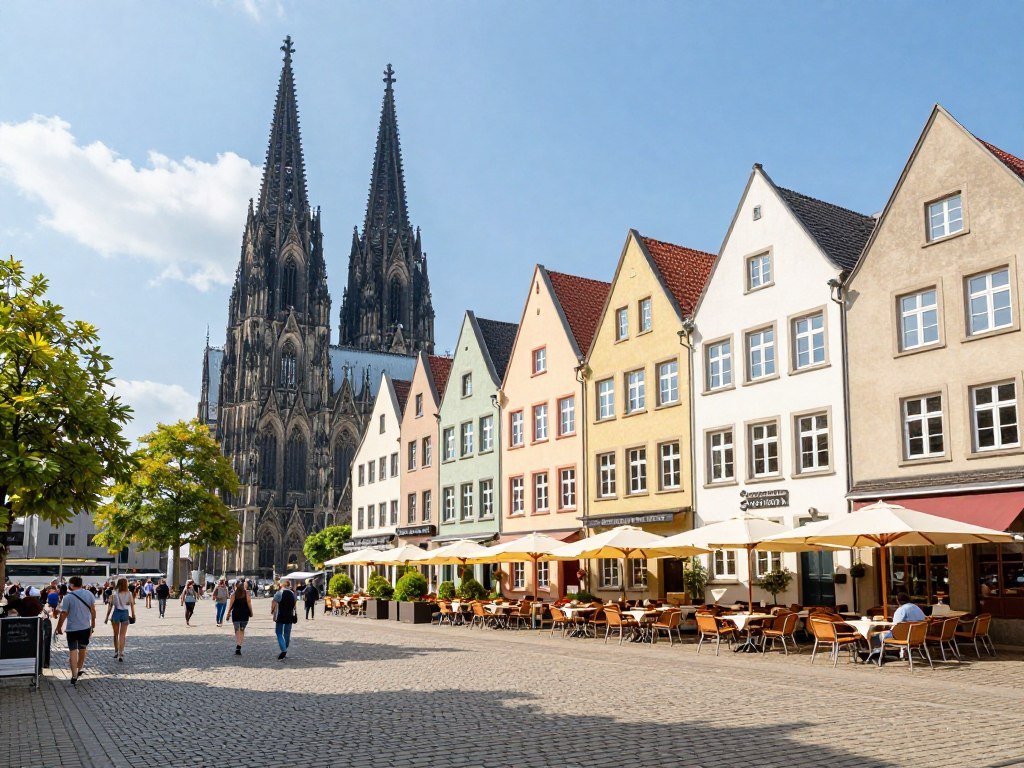
The Fischmarkt area near Groß St. Martin Church offers that storybook German aesthetic social media loves. Pastel-hued gabled houses crowd together like they’re sharing secrets, their facades barely wider than their front doors. This tiny square, once the center of Cologne’s medieval fish trade, now hosts outdoor cafes where you can sip coffee and watch the world amble past.
Wander from Fischmarkt to the Alter Markt, the old market square that has served as Cologne’s commercial and social hub for centuries. The Jan von Werth fountain stands at its center, commemorating a legendary 17th-century cavalry general in a tale involving unrequited love that eventually found fulfillment. Locals meet friends here, tourists orient themselves, and in December, one of Germany’s most atmospheric Christmas markets transforms the space into a winter wonderland.
The Altstadt truly comes alive after dark when traditional brewhouses fill with locals nursing those tiny 0.2-liter glasses of Kölsch beer. The clatter of servers delivering fresh beers, the convivial hum of conversation, and the smell of hearty Rhineland cooking create an atmosphere that epitomizes Cologne’s welcoming spirit.
2026's Cultural and Event Highlights
Kölner Karneval - The Crazy Days of February 2026
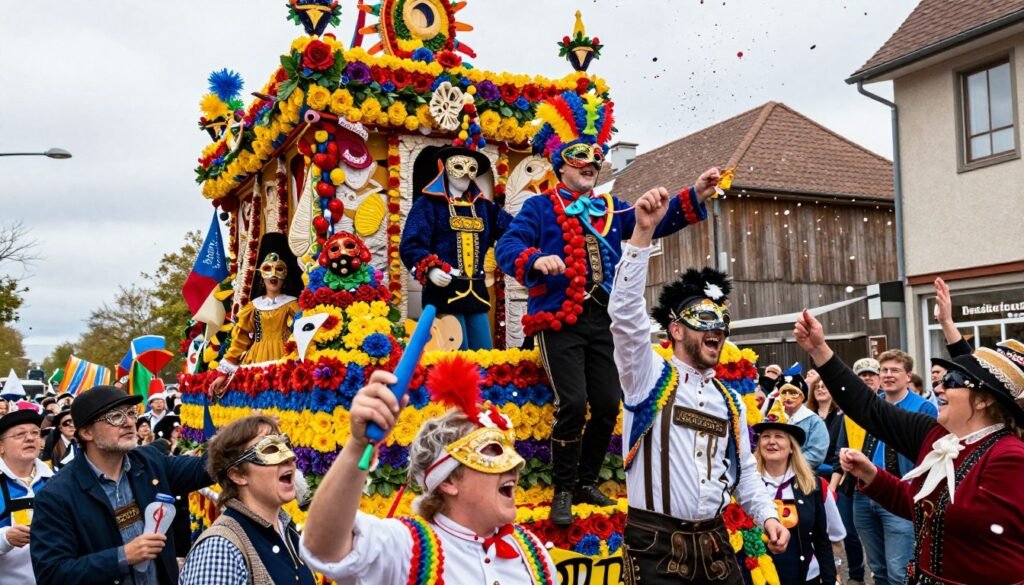
If you only visit Cologne once in your lifetime, make it during Carnival season. This isn’t some quaint folk festival or tourist attraction. Karneval represents a fundamental expression of Cologne’s identity, a citywide eruption of joy that transforms the normally reserved Rhinelanders into costume-wearing party animals for six glorious days each February.
The official Carnival calendar kicks off on November 11th at 11:11 AM when the city formally begins its slow build toward the main events. But the real madness arrives in late February 2026 when the so-called “Crazy Days” take over. Schools close. Businesses shut down. The entire city devotes itself to celebration.
Weiberfastnacht on the Thursday before Ash Wednesday marks the true beginning. Women symbolically seize control of the city, storming city hall and cutting off men’s ties with scissors. The partying intensifies through Friday and Saturday before climaxing on Rose Monday with Germany’s largest street parade.
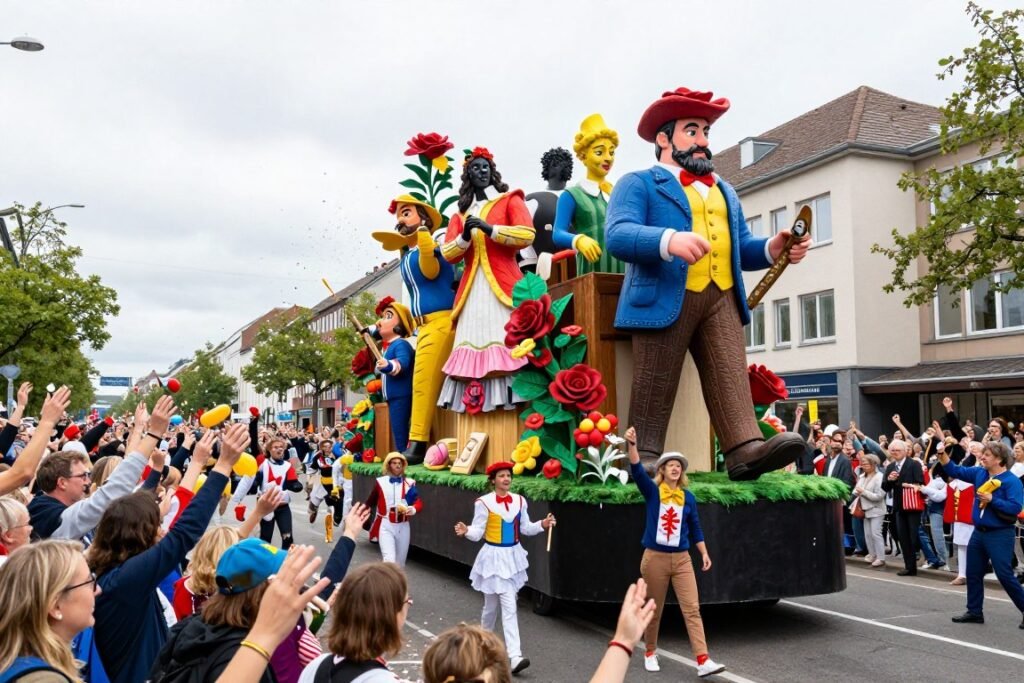
The Rose Monday parade stretches over seven kilometers and lasts roughly four hours. More than 10,000 participants on elaborate floats toss approximately 140 tons of sweets, 700,000 chocolate bars, and 300,000 flowers into the crowd. Expect political satire, regional humor, marching bands, dance troupes, and costumed revelers as far as the eye can see. The official Carnival cry of “Kölle Alaaf!” (roughly “Long live Cologne!”) echoes through the streets in a roar that raises goosebumps.
For 2026, Carnival falls from February 26 through March 4, with Rose Monday on March 2. Hotels book out months in advance for these dates, and accommodation prices spike dramatically. If you’re planning to experience this legendary celebration, book your lodging no later than early 2026.
Insider Tip: Locals recommend staking out a viewing spot along the parade route by 9 AM, even though the parade doesn’t start until 11 AM. Bring a bag for catching candy, dress warmly in layers under your costume, and embrace the chaos. This is controlled mayhem at its finest.
Don't Miss Karneval 2026
Secure your spot for Cologne’s legendary Rose Monday parade with an experienced local guide who knows the best viewing locations and insider secrets. Limited availability for 2026 season.
Cologne Christmas Markets - Winter Magic on the Rhine
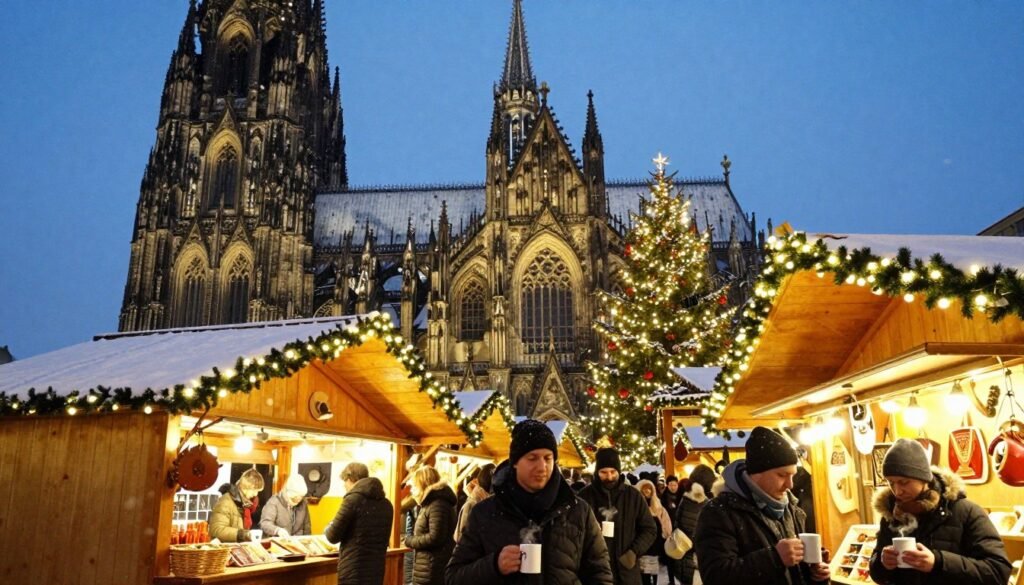
When December arrives and temperatures drop, Cologne transforms into one of Germany’s most magical Christmas destinations. Not one but seven distinct Christmas markets pop up across the city center, each with its own character and charm. The scent of roasted almonds, mulled wine, and grilled sausages wafts through the crisp air while lights twinkle against the early darkness.
The cathedral market naturally draws the biggest crowds, spreading across the plaza in front of the Kölner Dom. Over 160 wooden stalls offer traditional German Christmas decorations, handcrafted gifts, and seasonal treats. The massive Christmas tree and historic backdrop create that perfect holiday postcard scene. Expect dense crowds here, especially on weekends, but the atmosphere justifies the jostling.
For a more intimate experience, head to the market at Rudolfplatz in the Belgian Quarter. This neighborhood gathering feels more local than touristy, with younger crowds, artisan vendors, and a hip vibe that distinguishes it from traditional markets. The medieval market at Alter Markt recreates a historical atmosphere with costumed vendors and traditional crafts demonstrating centuries-old techniques.
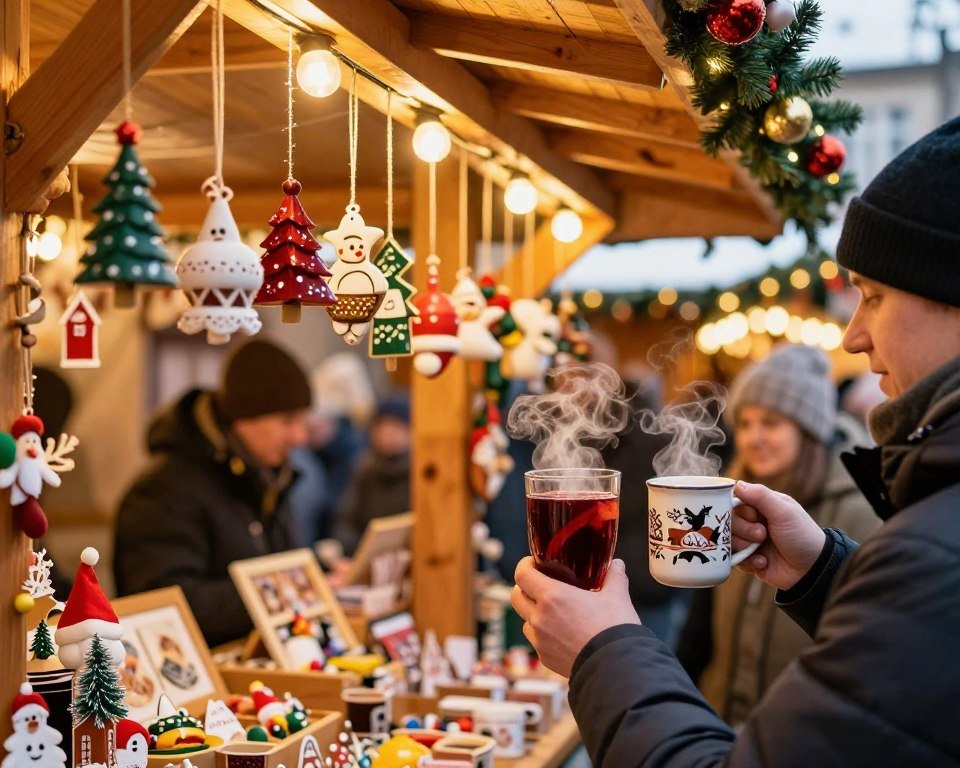
The harbor Christmas market along the Rhine offers something completely different with its nautical theme and harborside location. Meanwhile, the gay and lesbian Christmas market on Pipinstraße hosts Germany’s first LGBT-themed holiday market, proving Cologne’s reputation as one of Europe’s most inclusive cities.
In 2026, Cologne’s Christmas markets typically open around late November and run through December 23rd. Evening visits after dark showcase the markets at their most atmospheric, though you’ll fight bigger crowds. Monday through Thursday afternoons offer the best combination of ambiance and elbow room.
Cathedral Christmas Market
The largest and most famous, with over 160 stalls surrounding the illuminated Dom. Expect traditional German Christmas atmosphere, quality crafts, and dense crowds.
Harbor Christmas Market
Unique nautical-themed market along the Rhine with a maritime atmosphere, indoor heated areas, and spectacular river views perfect for romantic strolls.
Summer Music Festivals and Cultural Events
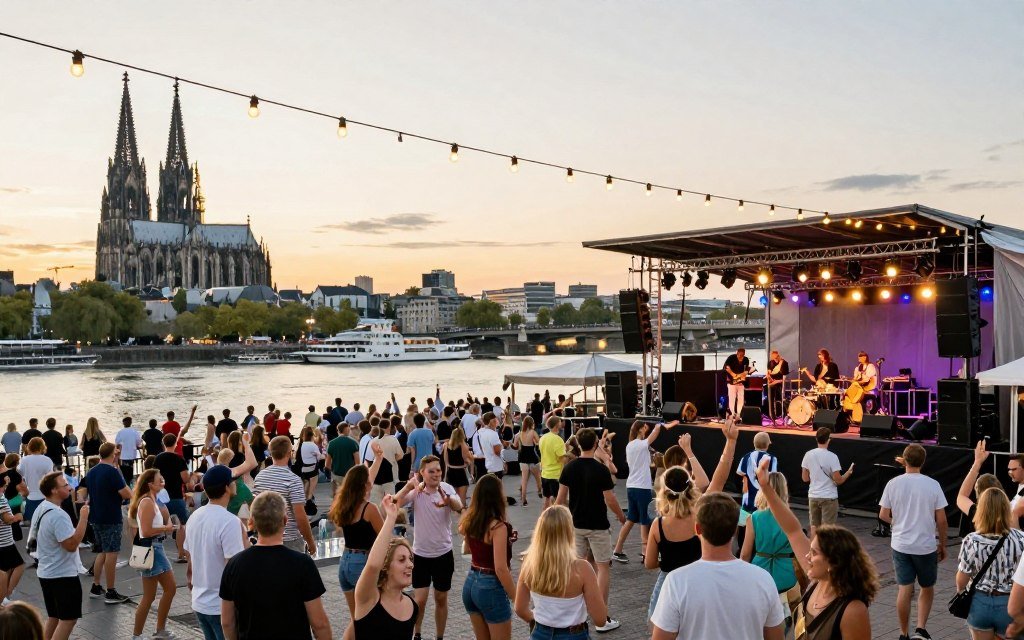
While Carnival and Christmas markets dominate Cologne’s event calendar, summer brings its own special atmosphere to the city. The Rhine River promenades transform into open-air party zones where locals gather for impromptu picnics with bread, cheese, and plenty of Kölsch beer. Germany’s liberal open container laws mean you can legally enjoy drinks along the riverside, creating a relaxed Mediterranean vibe that feels worlds away from stereotypical German formality.
Cologne Pride, one of Europe’s largest LGBT festivals, typically takes place in early July. The parade attracts over a million participants and spectators, filling the city center with rainbow flags and celebration. Music festivals ranging from electronic to classical pop up throughout summer months. The Cologne Lights fireworks spectacular along the Rhine draws massive crowds for synchronized pyrotechnics set to music.
For culture seekers, summer means outdoor theater performances, open-air cinema screenings, and concerts in historic courtyards. The Museum Mile transforms into a late-night party zone one night each November when all museums open until 2 AM with special programming, live music, and festival atmosphere for the annual Long Night of Museums.
World-Class Museums and Artistic Treasures
Museum Ludwig - Modern Art Powerhouse
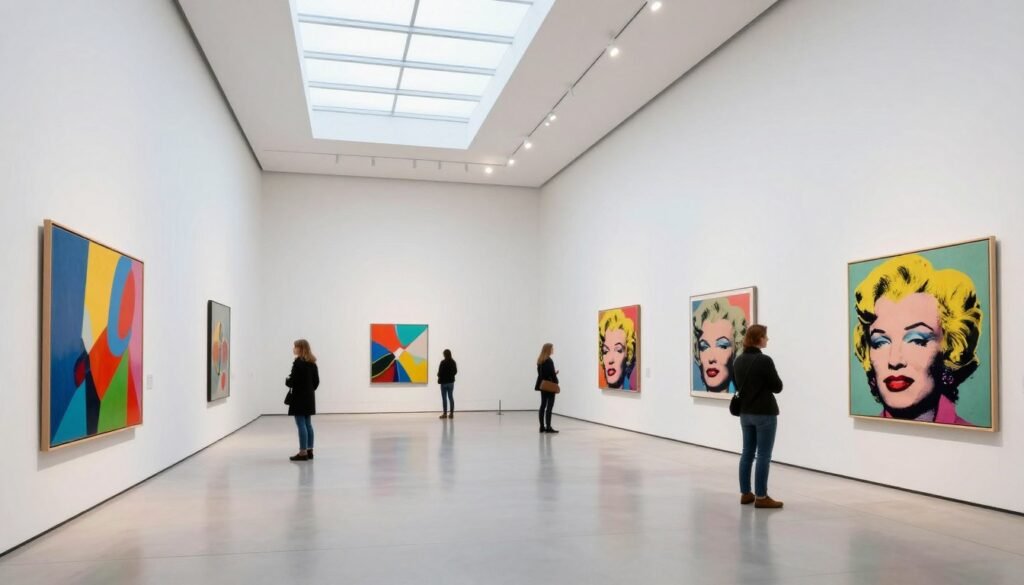
Positioned directly beside the cathedral, Museum Ludwig ranks among Germany’s premier modern art institutions. The collection spans 20th and 21st-century movements with particular strength in Pop Art, Surrealism, and German Expressionism. Art historians consider Ludwig’s Pop Art holdings one of the finest outside the United States, featuring major works by Andy Warhol, Roy Lichtenstein, and Robert Rauschenberg.
The Picasso collection alone justifies a visit, with hundreds of works tracing the Spanish master’s artistic evolution across multiple decades. Beyond the big names, Museum Ludwig champions contemporary artists and regularly rotates temporary exhibitions that push boundaries and spark conversations. The architecture itself, a striking postmodern structure, makes a bold statement about Cologne’s commitment to contemporary culture.
Photography enthusiasts shouldn’t miss the extensive photo collection featuring works by August Sander, whose systematic documentation of Weimar-era German society created one of photography’s most important social documents. The museum’s commitment to photography as fine art places it at the forefront of this sometimes-overlooked medium.
Plan at least two hours to properly explore Museum Ludwig’s permanent collection, though art lovers could easily spend half a day here. The museum cafe offers decent coffee and light meals with cathedral views. Audio guides in multiple languages provide helpful context for key works.
Wallraf-Richartz Museum - Medieval to 19th Century Art
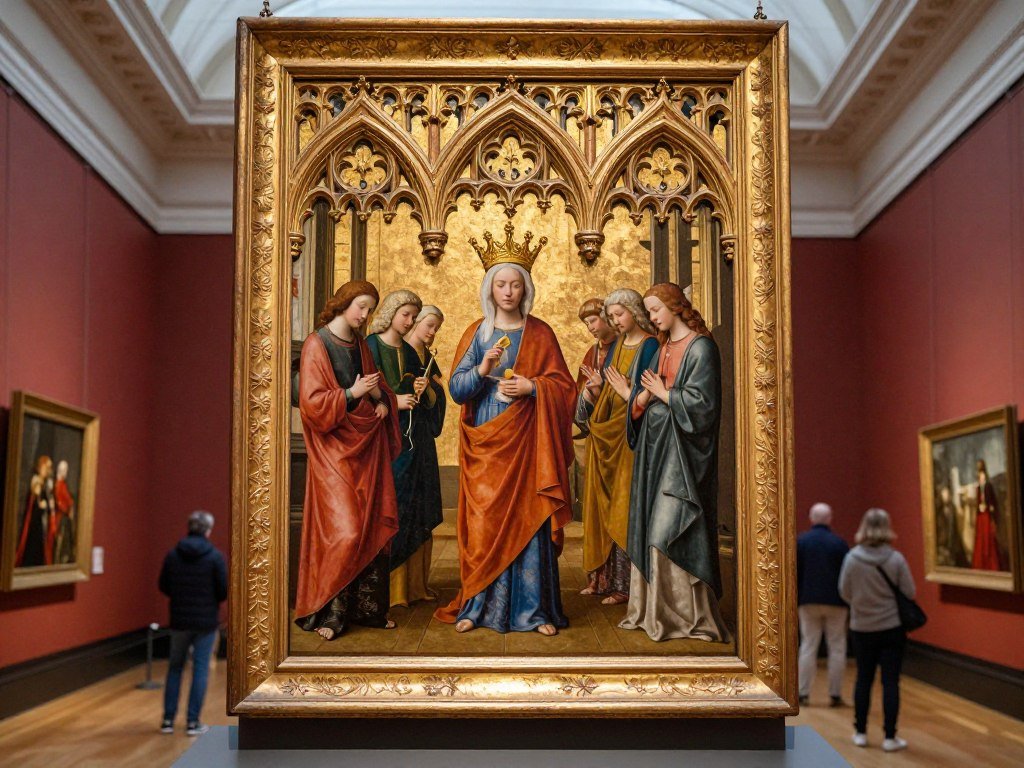
While Museum Ludwig covers modern movements, the Wallraf-Richartz Museum houses Cologne’s collection of old master paintings spanning the medieval period through the 19th century. The medieval section showcases the renowned Cologne School of painting, considered one of the world’s most important collections of medieval German religious art.
Stephan Lochner’s “Madonna in the Rose Bower” represents the museum’s crown jewel, a delicate masterpiece that exemplifies late medieval devotional painting. The Renaissance and Baroque galleries feature works by Albrecht Dürer, Rembrandt, Rubens, and other northern European masters. Impressionist galleries bring the collection into more recent centuries with canvases by Monet, Manet, and German Impressionists.
The museum’s strength lies in telling a coherent story of European art evolution. Rather than jumping between periods randomly, the layout guides visitors through stylistic developments chronologically. Educational programming and special exhibitions regularly complement the permanent collection.
Chocolate Museum (Schokoladenmuseum) - Sweet Indulgence
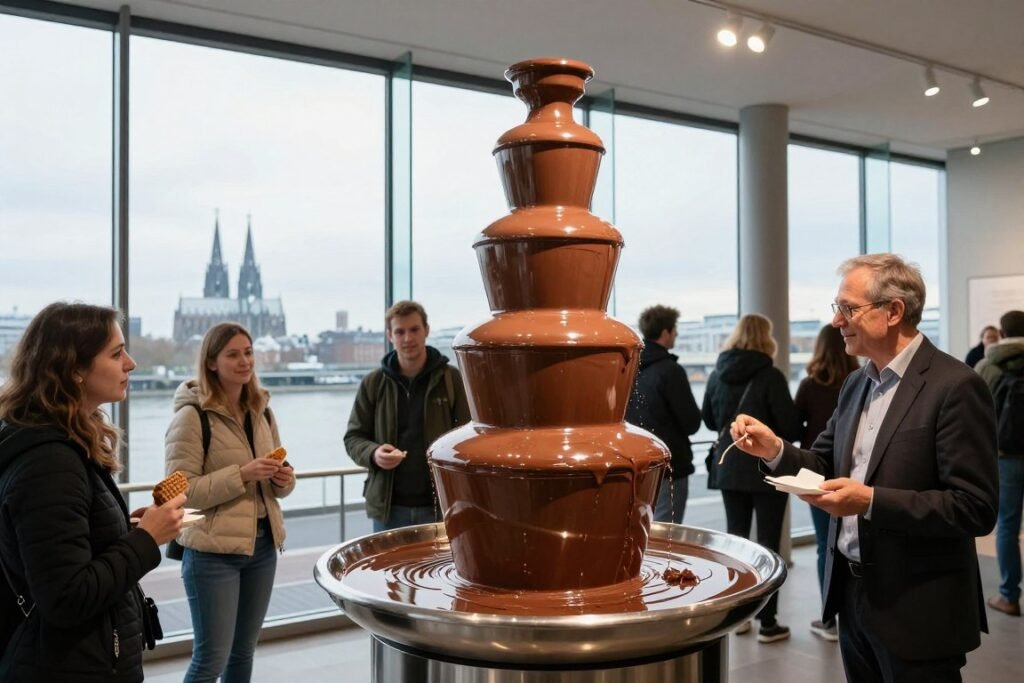
Jutting into the Rhine on its own peninsula, the Lindt Chocolate Museum offers sweeter sustenance for body and mind. This isn’t some corporate advertisement masquerading as a museum, though Lindt certainly maintains brand presence. The exhibitions trace chocolate’s fascinating journey from Mesoamerican sacred beverage to global commodity, covering botanical, cultural, and economic aspects with surprising depth.
The working chocolate production line demonstrates modern manufacturing processes, with machines spinning out pralines and chocolate bars before your eyes. A tropical greenhouse recreates the climate where cacao trees grow, complete with genuine cacao plants. Historical exhibits display antique chocolate molds, vintage advertising, and chocolate-making equipment through the centuries.
But let’s be honest about the main attraction: that three-meter-tall chocolate fountain continuously flowing with 200 kilograms of liquid chocolate. Staff members stand ready with wafers for dipping, offering unlimited free samples that make admission worthwhile regardless of educational value. Additional tasting opportunities appear throughout the museum, and you can even design custom chocolate bars to take home.
The museum cafe serves elaborate chocolate desserts and drinks with Rhine River views through floor-to-ceiling windows. On sunny days, the outdoor terrace provides perfect people-watching while you indulge your sweet tooth. The gift shop stocks premium Lindt chocolates and chocolate-related souvenirs.
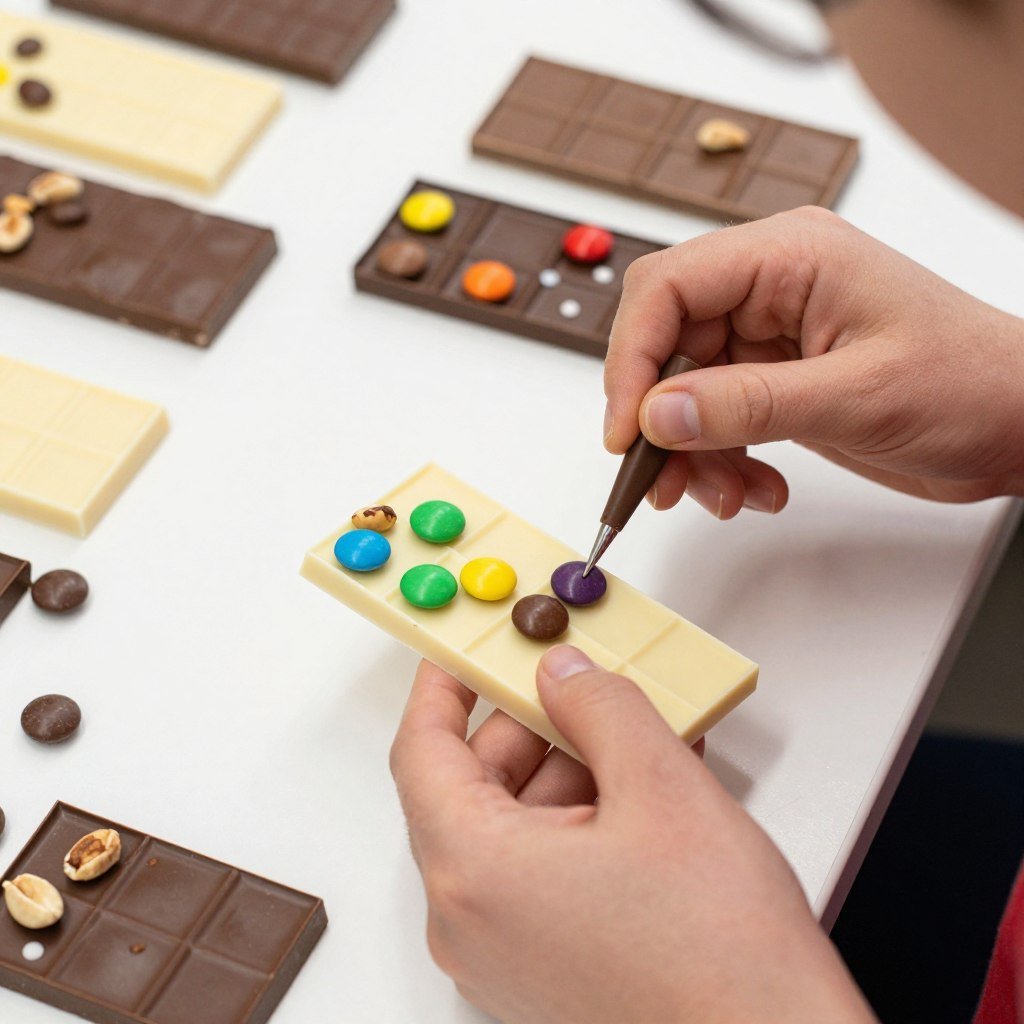
Create Your Own Chocolate Bar
Design and personalize your own chocolate creation with unlimited toppings and flavor combinations. Take home a unique souvenir made by your own hands.
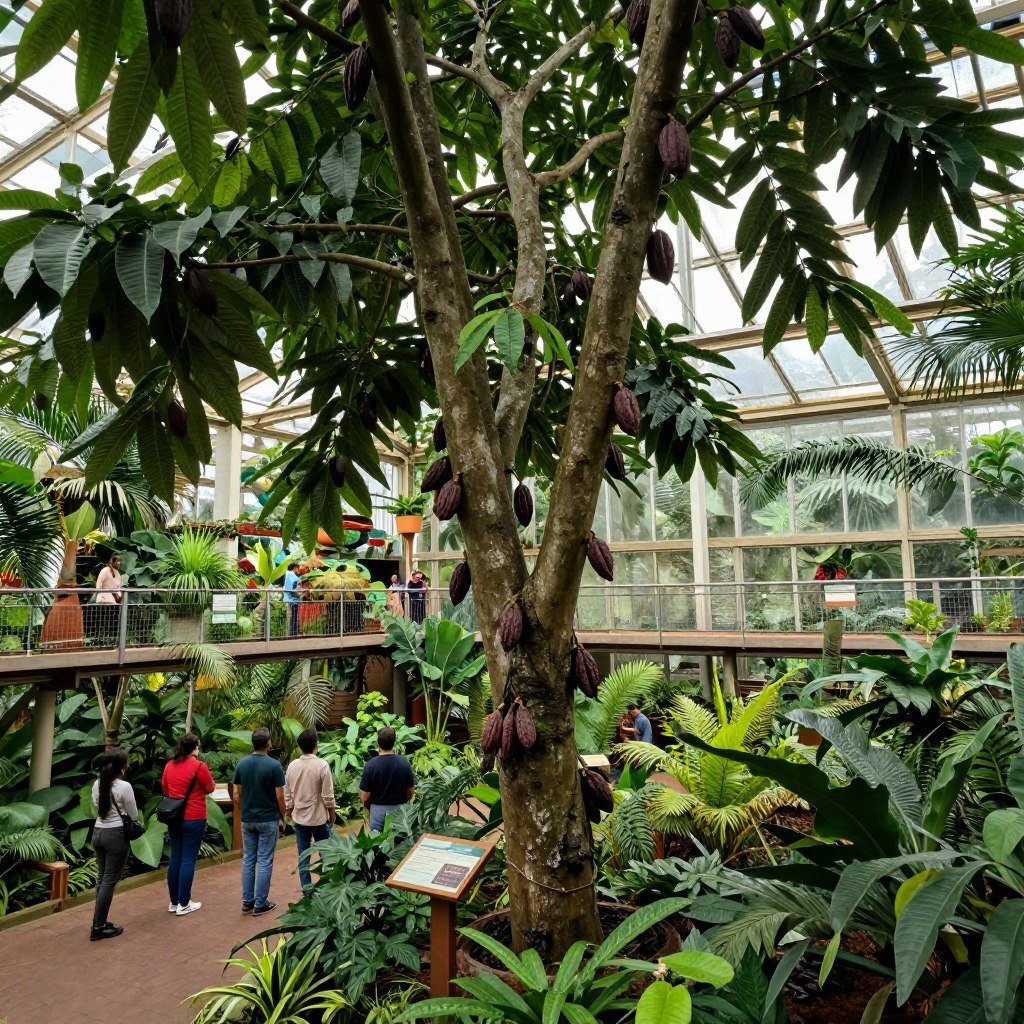
Tropical Cacao Greenhouse
Walk through a recreated rainforest environment where you can see real cacao trees growing and learn about chocolate’s botanical origins in Central America.
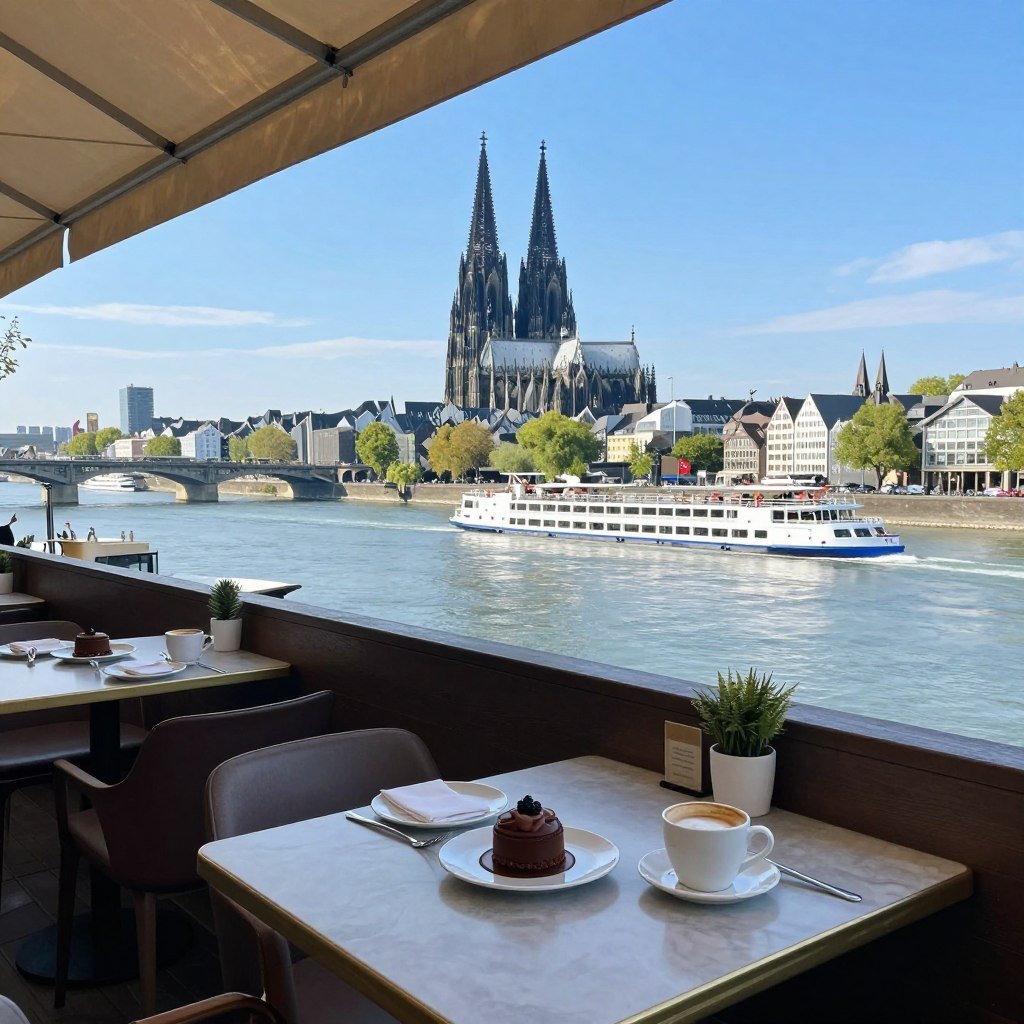
Riverside Cafe Views
Enjoy elaborate chocolate desserts, specialty drinks, and panoramic Rhine River views from the museum’s elegant cafe and outdoor terrace.
NS Documentation Center (EL-DE Haus) - Confronting Dark History
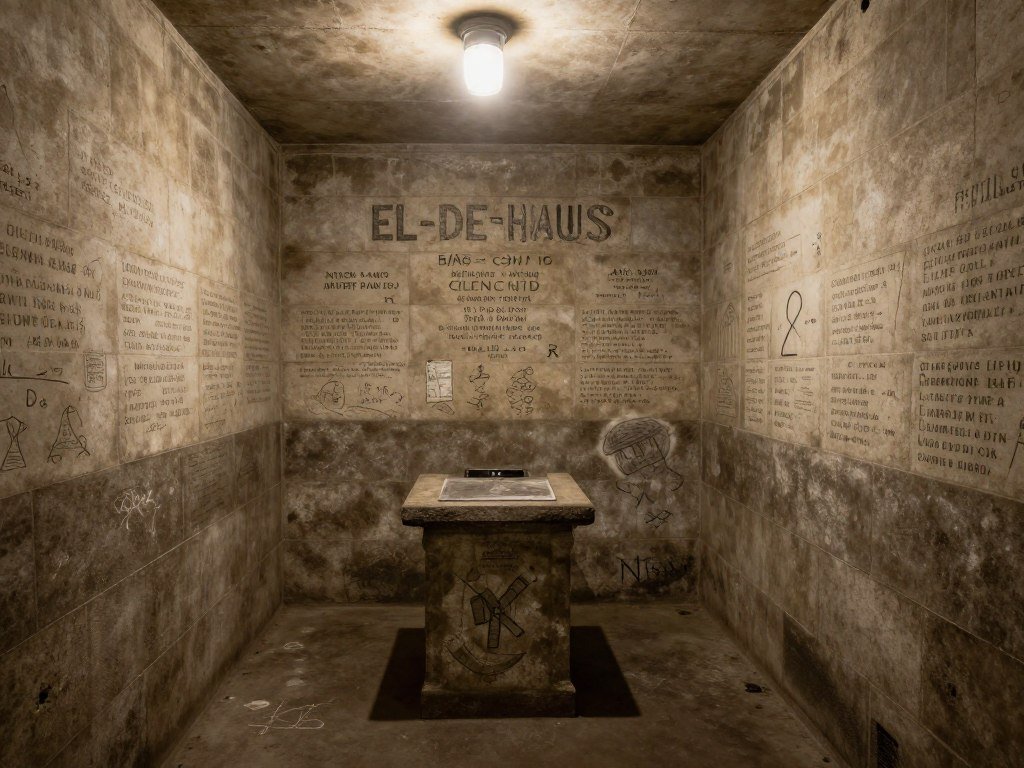
Germany confronts its darkest chapter with unflinching honesty, and the EL-DE Haus represents that commitment to historical memory. This unremarkable-looking building served as Cologne’s Gestapo headquarters from 1935 to 1945, a place where the Nazi regime’s machinery of terror operated daily. Today, the NS Documentation Center preserves these rooms as a memorial and educational space that refuses to let history fade.
The basement prison cells remain virtually unchanged since 1945. Stone walls bear scratched inscriptions left by prisoners awaiting interrogation, deportation, or execution. Reading these desperate messages, calculations of days imprisoned, and final words to loved ones creates a visceral connection to individual suffering that statistics cannot convey. The courtyard behind the building served as an execution site, now marked with simple memorial plaques.
Upper floors house detailed exhibitions about Cologne during the Nazi period, documenting collaboration, resistance, persecution of Jewish citizens, and the regime’s gradual tightening grip on daily life. The displays avoid sensationalism, instead presenting meticulous documentation that demonstrates how an advanced civilization descended into barbarism through incremental steps and ordinary citizens’ complicity.
This isn’t an easy museum to visit. The subject matter weighs heavily, and the authentic prison cells particularly affect visitors. But understanding this history remains crucial for preventing its repetition. Plan at least ninety minutes for a thorough visit. English audio guides provide essential context for international visitors.
Local Life and Neighborhood Gems in 2026
Ehrenfeld - The Creative Heart of Cologne
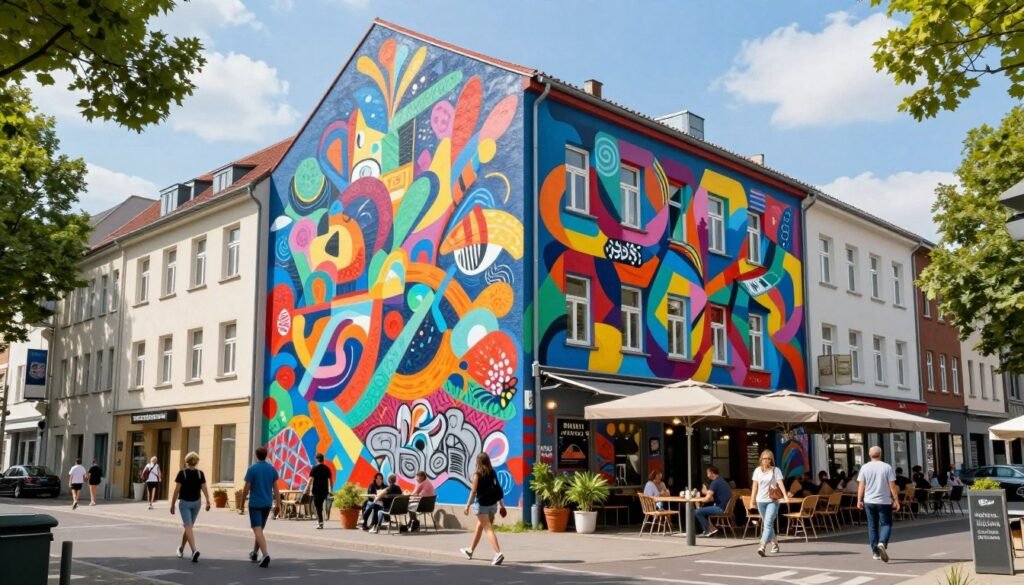
If Cologne’s city center represents its historical soul, then Ehrenfeld embodies its creative future. This formerly industrial neighborhood northwest of the center has transformed into the city’s hippest district, a magnet for artists, musicians, young professionals, and anyone seeking authentic urban culture beyond tourist circuits.
Street art transforms Ehrenfeld into an open-air gallery. Massive murals cover entire building facades, created by both local and international artists. The artwork ranges from abstract explosions of color to figurative pieces with political messages. Galleries, independent shops, and vintage clothing stores line streets like Venloer Straße, the neighborhood’s main commercial artery.
Ehrenfeld’s multicultural character creates a diverse food scene that rivals anywhere in Germany. Turkish bakeries stand beside Korean restaurants, Italian delis next to Vietnamese pho shops. The neighborhood embraces culinary experimentation, with new restaurants and cafes constantly opening to test innovative concepts.
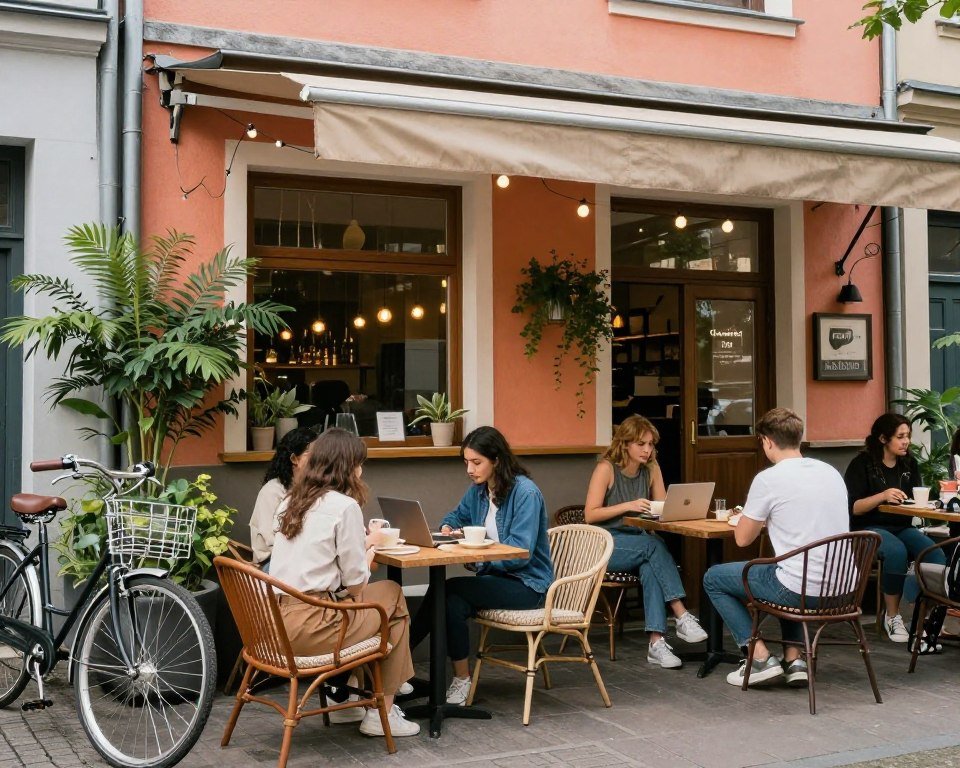
Music lovers find their paradise here. Live music venues host everyone from experimental electronic artists to indie rock bands. Underground clubs in converted industrial spaces thump until dawn. Record shops cater to vinyl collectors hunting rare pressings. This is where Cologne’s music scene actually happens, far from the tourist-oriented venues in the Altstadt.
The landmark Colonius telecommunications tower dominates the skyline, though it’s been closed to visitors since 1992. Efforts continue to reopen the observation deck, so check current status in 2026. Even without tower access, Ehrenfeld rewards aimless wandering. The neighborhood reveals itself gradually to those willing to explore without fixed agenda.
Discover Ehrenfeld's Street Art Scene
Join a local artist-led walking tour through Ehrenfeld’s most impressive murals and hidden creative spaces. Learn the stories behind the art and discover indie shops and cafes along the way.
Belgisches Viertel (Belgian Quarter) - Cologne's Style Capital
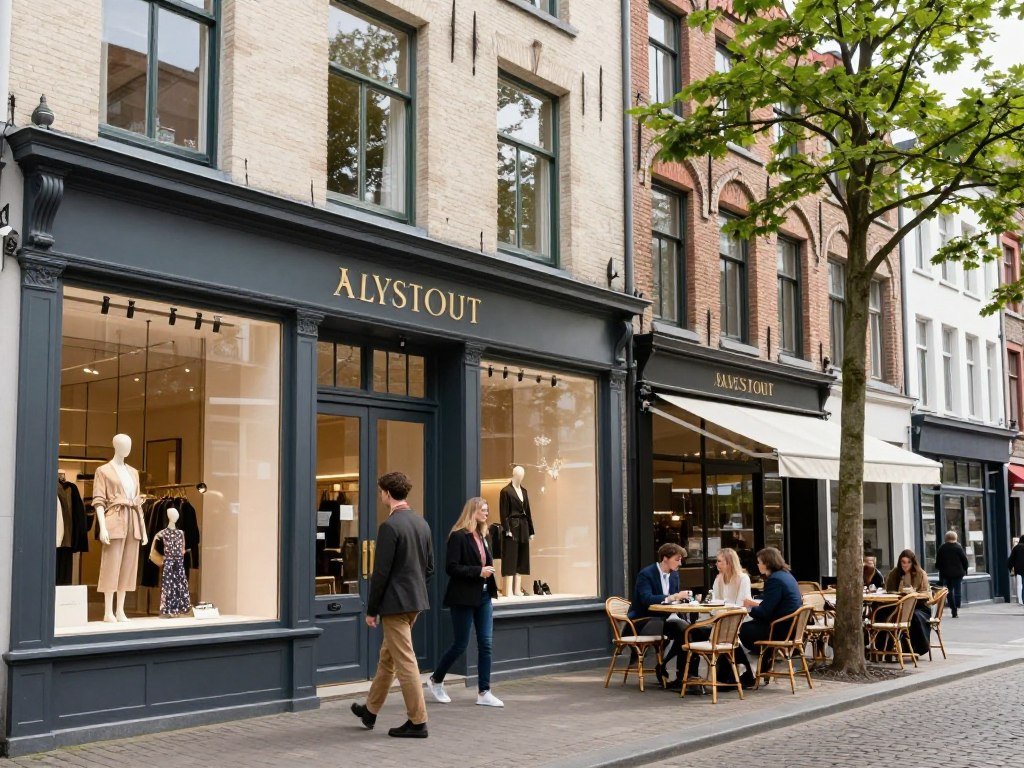
The Belgian Quarter stretches southwest of the city center, named for streets bearing Belgian city names like Brüsseler Platz and Antwerpener Straße. This neighborhood cultivates a more polished aesthetic than Ehrenfeld’s gritty creativity, attracting fashionable Kölners who appreciate designer boutiques, artisanal shops, and sophisticated dining.
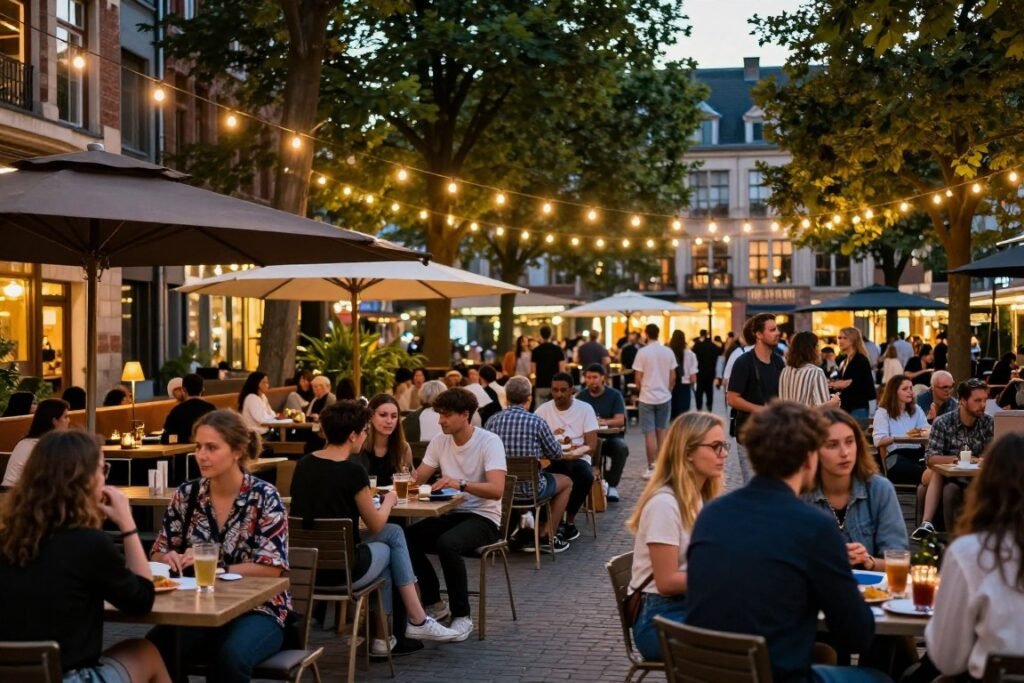
Brüsseler Platz forms the neighborhood’s pulsing heart, a leafy square surrounded by bars, cafes, and restaurants whose outdoor seating spills onto the plaza in warm weather. On summer evenings, the square transforms into an impromptu street party where young professionals mingle over wine and conversation. The vibe feels distinctly Mediterranean despite the northern German location.
Shopping here emphasizes independent designers and carefully curated concept stores over mass-market chains. Fashion boutiques showcase emerging German and international designers. Home goods shops display Scandinavian furniture and minimalist design objects. Specialty food stores stock artisanal products that appeal to Cologne’s growing foodie culture.
The Belgian Quarter also boasts an impressive collection of Art Nouveau architecture, with ornate facades featuring flowing organic details characteristic of the style. Architecture enthusiasts can spend hours admiring the decorative elements adorning buildings throughout the neighborhood.
Deutz and the Right Rhine Bank
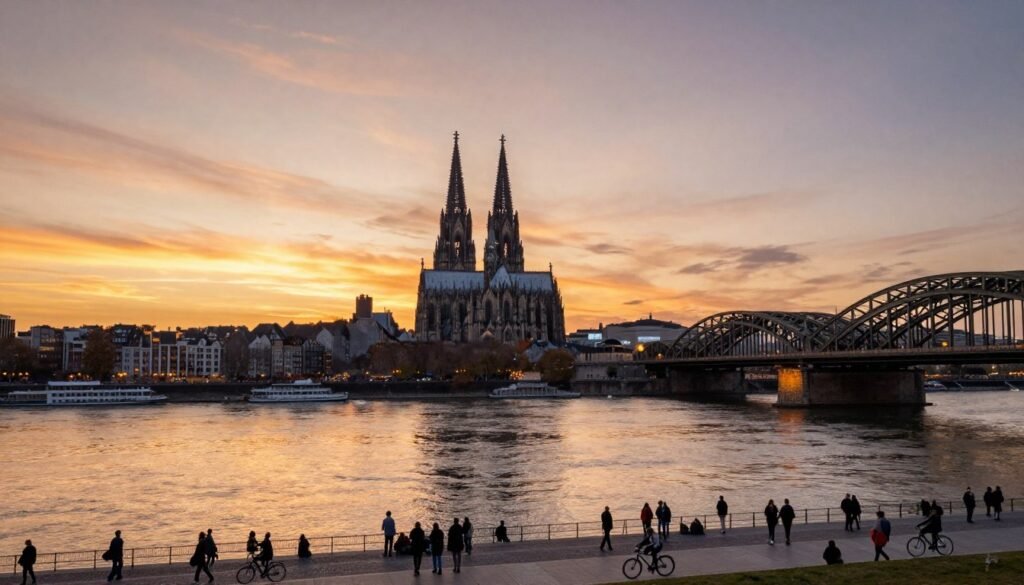
Most Cologne attractions cluster on the Rhine’s left bank, but crossing to Deutz on the eastern shore rewards visitors with spectacular perspectives back toward the cathedral and cityscape. The Deutz riverside promenade provides Cologne’s finest photo opportunities, especially around sunset when golden light bathes the Gothic spires.
Deutz lacks the historic density of the Altstadt, having developed more recently with modern architecture and open spaces. The KölnTriangle observation tower offers panoramic views from its 29th-floor platform, showcasing the cathedral, Rhine, and surrounding landscape from 100 meters up. The glass-enclosed viewing area means weather won’t ruin your photo opportunities.
The Rheinpark stretches along the riverbank, offering green space for jogging, cycling, or picnicking with that million-dollar cathedral view. The park hosts concerts and events throughout summer. The Claudius Therme spa complex provides upscale relaxation with thermal pools, saunas, and wellness treatments, some with Rhine views from the water.
Crossing back and forth between Deutz and the center via different bridges creates varied perspectives on the city. Each bridge offers slightly different angles on the cathedral and urban landscape. The cable car (Rheinseilbahn) provides yet another viewpoint, gliding above the river between the Zoo and Rheinpark when operating during summer months.
Kölsch Beer and Brewery Culture
Understanding Kölsch - More Than Just Beer
To understand Cologne, you must understand Kölsch. This isn’t just beer in the typical sense. Kölsch represents local identity, community values, and centuries of brewing tradition codified into a single distinctive beverage. The Kölsch Konvention of 1986 legally protects the name, stipulating that only beer brewed within Cologne city limits using specific methods qualifies as genuine Kölsch.
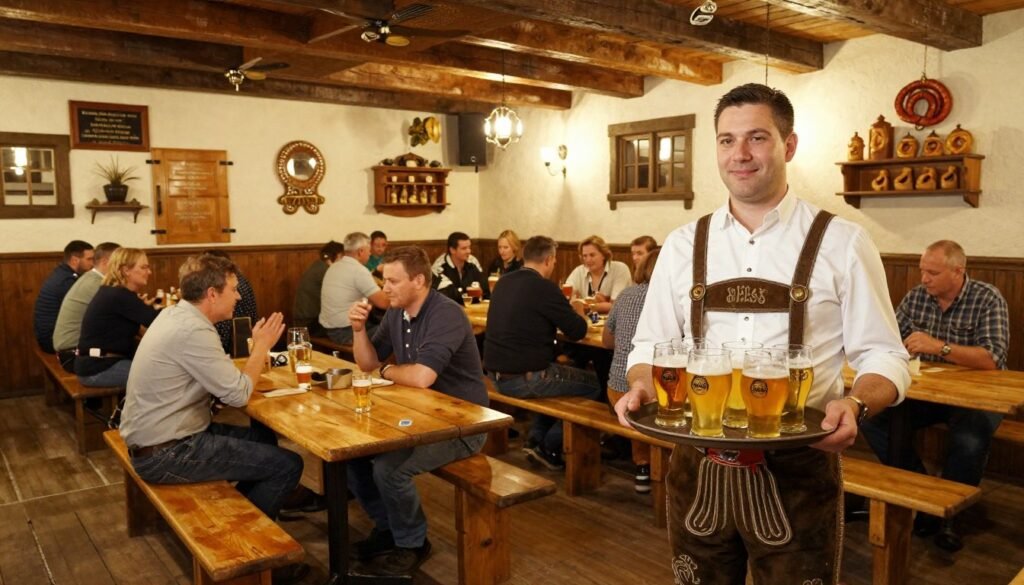
Kölsch occupies a unique position in the beer world as a hybrid style. Brewers use top-fermenting ale yeast but then condition the beer cold like a lager, resulting in a clear, crisp, delicate beer that drinks dangerously easily. The characteristic 0.2-liter straight glass (Stange) may seem comically small to visitors, but it ensures the beer stays cold and fresh from pour to finish.
Brewery service follows time-honored rituals. The server (Köbes) circulates constantly, automatically replacing empty glasses with fresh ones until you signal defeat by placing your coaster on top of your glass. The Köbes marks your consumption on your coaster, tallying up at the end. This system encourages social drinking rather than solitary nursing of large glasses. You’ll drink more than intended, but that’s part of the Cologne experience.
Kölsch Etiquette: Never order “ein Bier” (a beer) in Cologne. Ask for “ein Kölsch” or simply hold up fingers indicating quantity. Don’t expect much sympathy if you request other beer styles. The Köbes possess sharp tongues and won’t hesitate to express mock indignation at such requests. It’s all part of the theater.
Traditional Brewhouses Worth Visiting in 2026
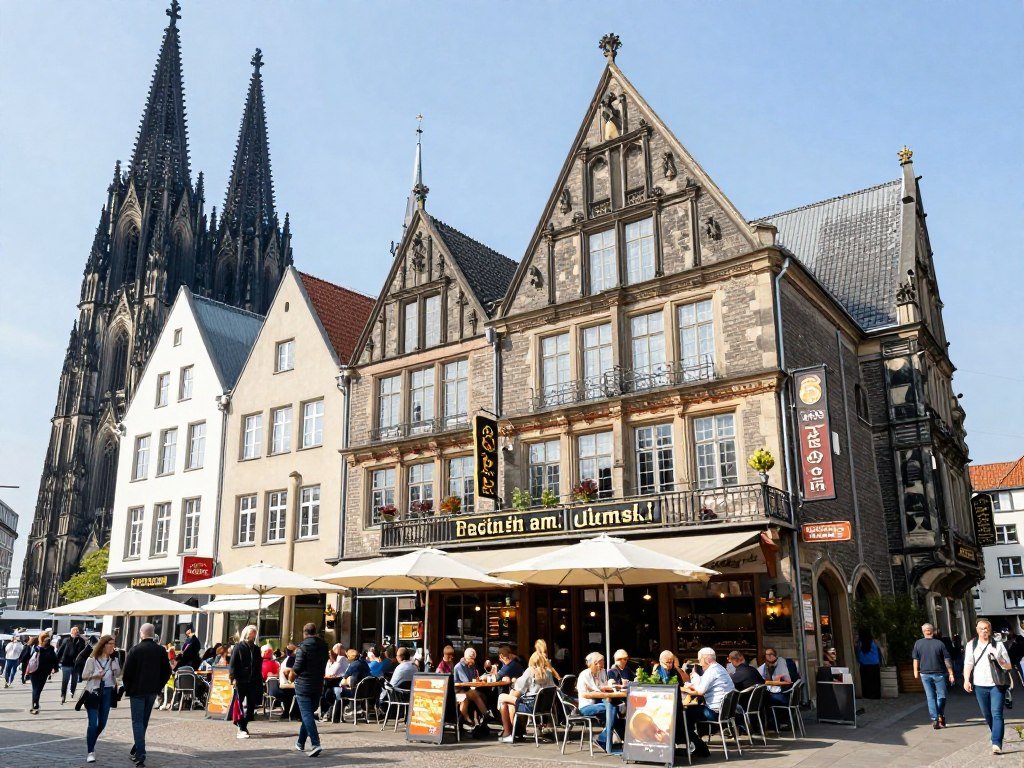
Cologne claims over a dozen active Kölsch breweries, each maintaining distinct character and loyal local following. The major players include Früh, Gaffel, Reissdorf, and Sünner, whose beers you’ll find in virtually every bar and restaurant citywide. Smaller independent breweries like Mühlen, Peters, and Päffgen cultivate passionate devotee bases who swear their preferred brewery produces superior Kölsch.
Früh am Dom stands directly beside the cathedral, making it impossible to miss and inevitably crowded with tourists. Despite the tourist traffic, Früh maintains quality and authentic atmosphere. The massive brewhouse seats over a thousand patrons across multiple rooms, yet somehow retains conviviality. The beer garden offers cathedral views that somewhat justify the premium prices.
Päffgen in the Belgian Quarter represents old-school Cologne brewery culture. The wood-paneled interior hasn’t changed in decades. Gruff Köbes deliver Kölsch with efficiency bordering on brusque. The menu offers hearty Rhineland classics like Himmel un Ääd (blood sausage with mashed potatoes and applesauce) and Halve Hahn (a rye roll with aged Gouda, despite “half rooster” suggesting something entirely different).
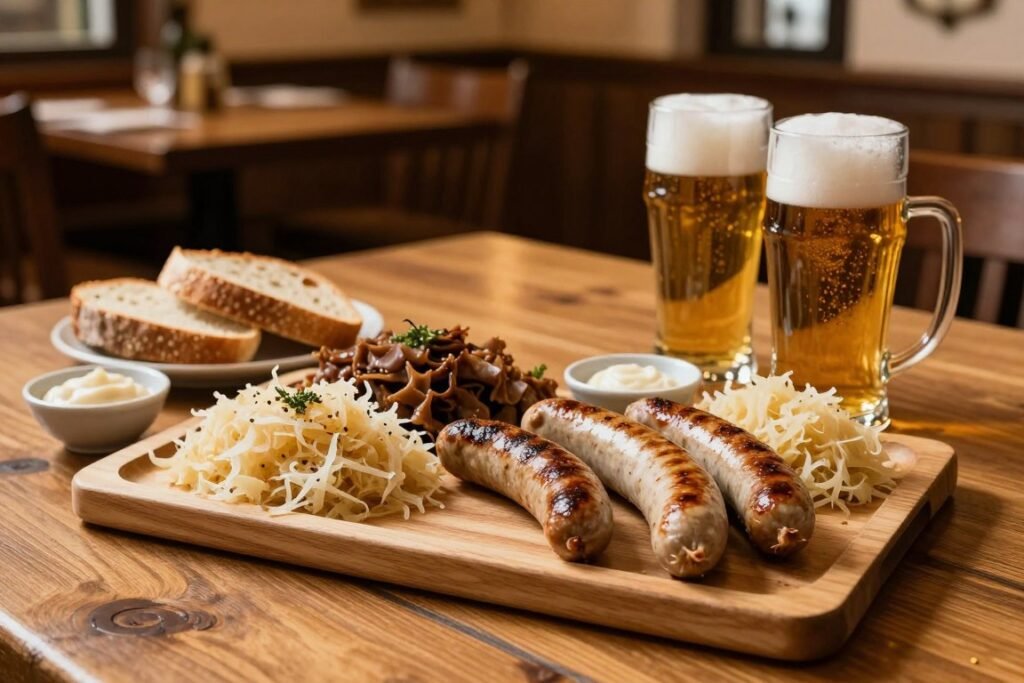
Brauhaus Sünner in Kalk operates Cologne’s oldest private brewery, established in 1830. The attached brewery museum displays antique equipment and brewing artifacts. Their beer garden provides relaxed atmosphere away from city center crowds. Gaffel am Dom offers another cathedral-adjacent option with slightly less tourist saturation than Früh.
For the complete Kölsch experience, consider an organized brewery tour that visits multiple establishments while providing historical context and local insights. These tours typically include multiple beer tastings plus traditional food samples, creating a comprehensive introduction to Cologne’s beer culture within a few hours.
The Legendary Kölsch Brewery Tour
Visit three traditional Cologne brewhouses with an expert guide who shares insider stories, beer-making secrets, and local history. Includes unlimited Kölsch tastings and traditional food samples. Book early for 2026 availability.
Modern Beer Bars and Craft Beer Scene
While tradition dominates Cologne’s beer culture, a small but growing craft beer movement challenges Kölsch hegemony. Bars like Craftbeer Corner and Hopfenkammer stock hundreds of German and international craft beers, offering Kölsch-weary visitors palate alternatives. These establishments remain minority players in a Kölsch-dominated market, but they demonstrate Cologne’s slowly evolving beverage landscape.
Even craft-focused bars typically keep at least one Kölsch tap. Refusing to serve the local beer in Cologne would be commercial suicide. But they pair it with IPAs, stouts, sours, and other styles that provide contrast for visitors who enjoy beer diversity.
Culinary Adventures Beyond Beer
Traditional Rhineland Specialties
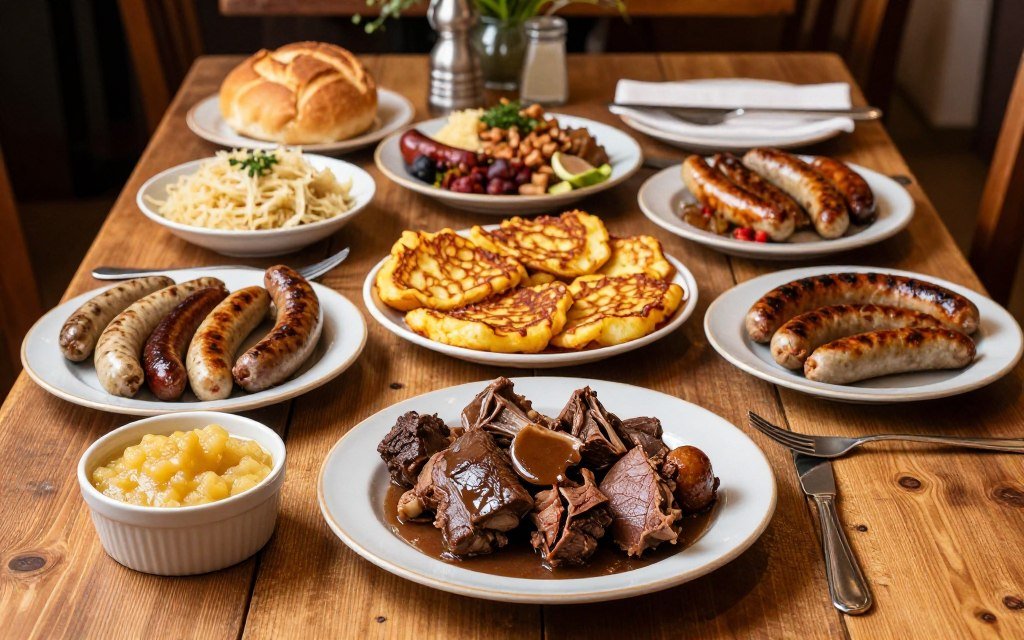
Rhineland cuisine embraces heartiness over delicacy, comfort over refinement. These are dishes developed by working people who needed sustenance for manual labor, recipes passed down through generations with regional pride. Understanding these culinary traditions provides another window into Cologne’s identity.
Himmel un Ääd (“Heaven and Earth”) combines mashed potatoes (from the earth) with applesauce (from heavenly trees above), topped with blood sausage and fried onions. The sweet-savory combination might sound strange but delivers satisfying balance. Halve Hahn isn’t half a rooster despite the name but rather a rye roll with aged Gouda cheese, onions, and mustard, a common beer accompaniment.
Sauerbraten represents Rhineland pot roast at its finest. Beef marinates for days in a wine-vinegar mixture with spices before slow braising until fork-tender. The resulting meat develops complex tangy-sweet flavors, traditionally served with red cabbage and potato dumplings. Every grandmother claims her own superior version.
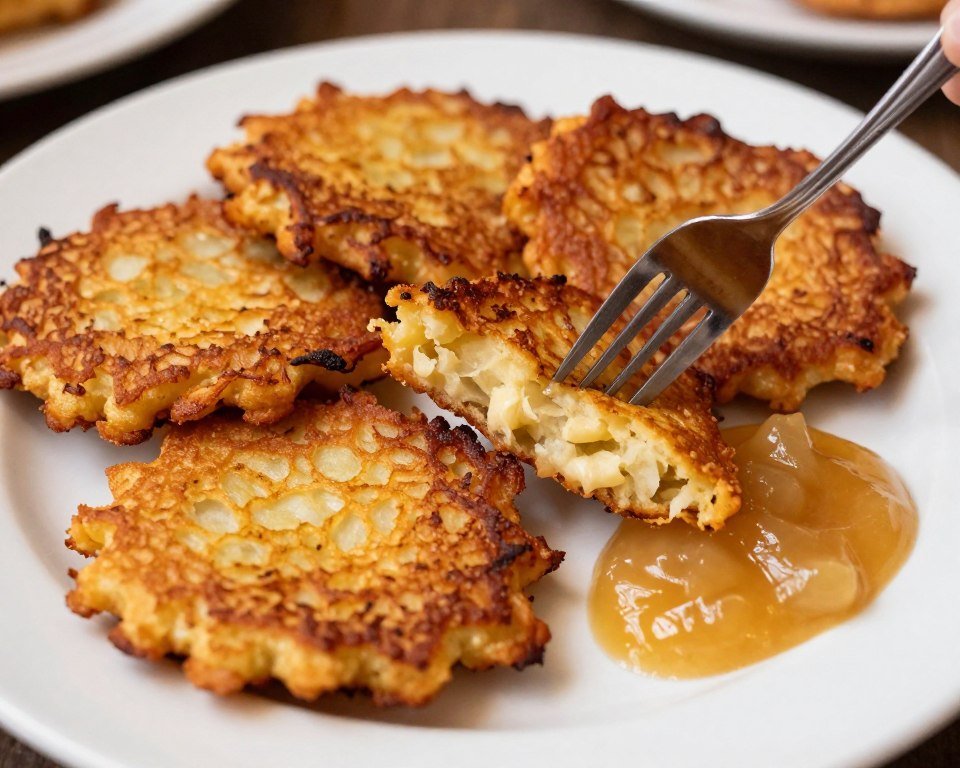
Reibekuchen (potato pancakes) achieve crispy-edged perfection when done properly. Grated potatoes mixed with onion and egg fry into golden discs with lacy crisp exteriors and tender centers. Served with applesauce or sour cream, these appear at festivals and Christmas markets throughout the region. Locals debate which vendor produces superior versions with religious fervor.
Sweet tooths shouldn’t miss Kölscher Kaviar, which despite the caviar reference actually consists of blood sausage on rye bread. The real treat comes with Nugatbretzel, a sweet pretzel coated in nougat glaze and almonds that pairs beautifully with morning coffee. Merzenich bakeries across Cologne produce excellent examples for under two euros.
Modern Dining and International Flavors
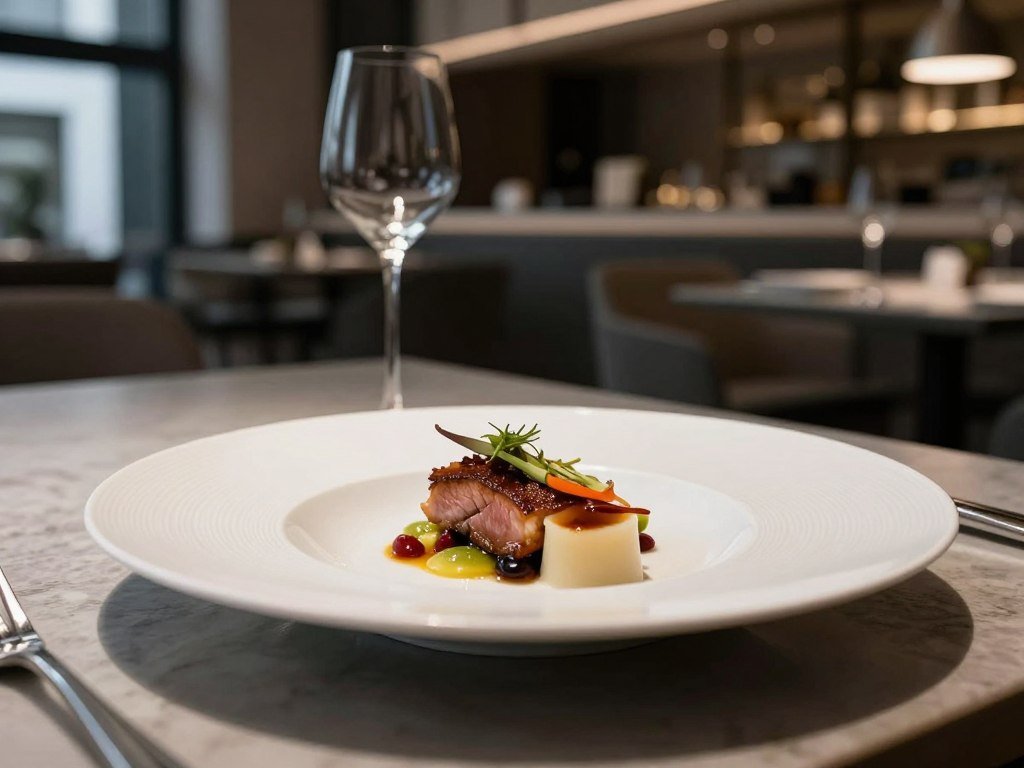
Traditional brewhouses and rustic Rhineland cooking remain important, but Cologne’s dining scene extends far beyond sausages and Kölsch. The city’s growing international population and increasingly sophisticated palates support diverse restaurants spanning global cuisines and innovative fusion concepts.
Turkish and Middle Eastern restaurants cluster in neighborhoods like Ehrenfeld, offering everything from döner kebabs to elaborate mezze spreads. Vietnamese pho shops, Korean BBQ restaurants, Italian trattorias, Spanish tapas bars, and Japanese ramen specialists serve Cologne’s multicultural community. Quality varies widely, but gems exist for those willing to explore beyond tourist zones.
Contemporary German cuisine has evolved beyond stereotypical meat-and-potatoes heaviness. Modern chefs reinterpret traditional recipes with lighter techniques and creative presentations while honoring core flavors. Fine dining establishments earn Michelin recognition through innovative approaches that still reflect regional terroir and seasonal ingredients.
The city center around Friesenplatz and the Belgian Quarter contain the highest concentration of quality restaurants. Make reservations for weekend dinners at popular spots. Many restaurants offer excellent lunch menus (Tageskarte) that provide multi-course meals at lower prices than evening service.
Food Markets and Street Food
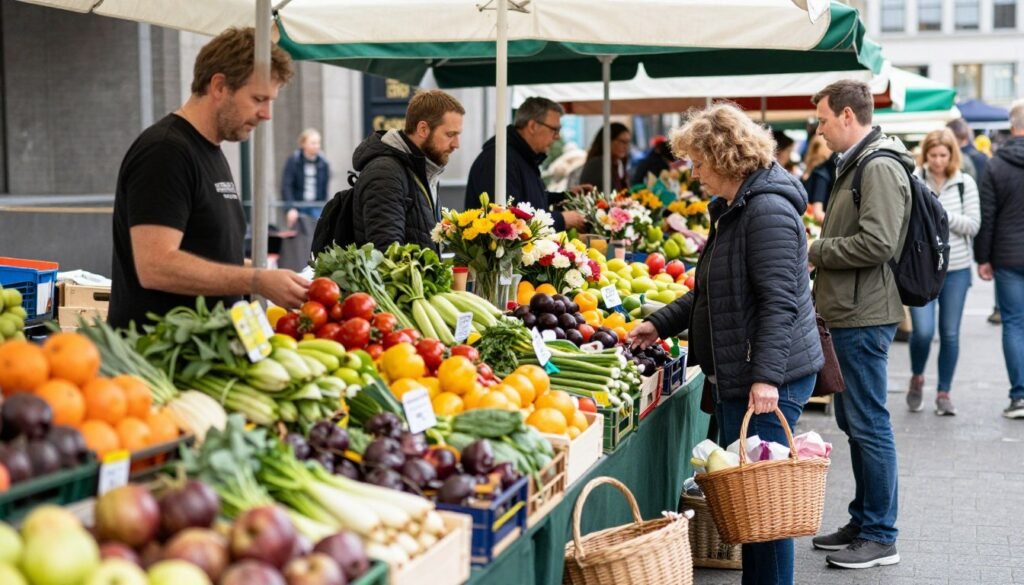
Weekly markets pop up throughout Cologne’s neighborhoods, where local farmers, bakers, and specialty food producers sell directly to consumers. The Nippes market operates Tuesdays and Fridays, the Südstadt market on Saturdays. These markets offer fresh seasonal produce, artisanal cheeses, fresh-baked breads, and prepared foods that make excellent picnic components for Rhine riverside lounging.
Street food culture arrived later to Germany than other European countries but now flourishes. Food trucks gather at rotating locations throughout the city, particularly during summer months. The Cologne Street Food Festival brings together dozens of vendors for weekend events featuring international flavors from tacos to Thai curries to gourmet burgers.
Eau de Cologne - The City's Signature Scent
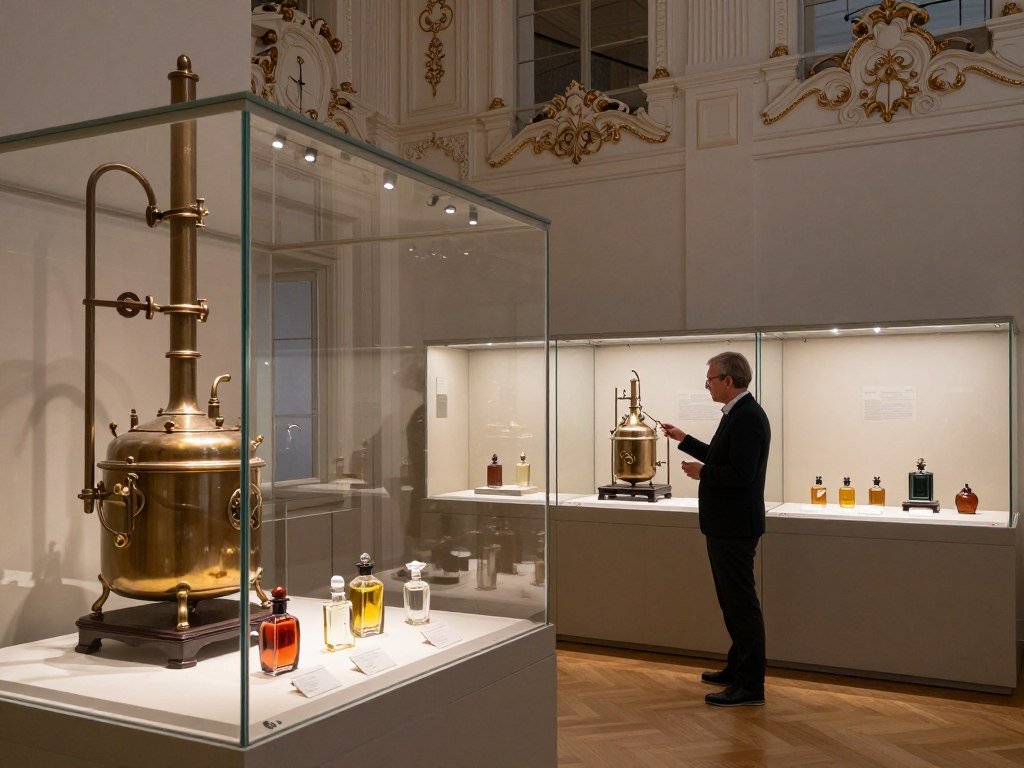
Farina Fragrance House - The Original Cologne
Long before it described a category of fragrance, cologne meant a specific scent created in a specific place by a specific person. In 1709, Italian perfumer Johann Maria Farina settled in Cologne and developed a revolutionary fragrance he described as capturing “an Italian spring morning after the rain.” That scent became Eau de Cologne, literally “Water from Cologne.”
Farina’s citrus-based formula contrasted sharply with the heavy musk and animal scents that dominated period perfumery. The fresh, light composition found immediate favor among European aristocracy at a time when frequent bathing remained uncommon and fragrances masked body odor. Napoleon reportedly used 60 bottles of Eau de Cologne monthly. Princess Diana, Mark Twain, and Goethe all became devoted clients.
The original Farina building still stands at Obenmarspforten 21, housing both the world’s oldest surviving fragrance factory and the Farina Fragrance Museum. Tours guide visitors through the historic production rooms where traditional methods continue unchanged across three centuries. The original formula remains a closely guarded family secret, passed down through Farina descendants who still operate the company today.
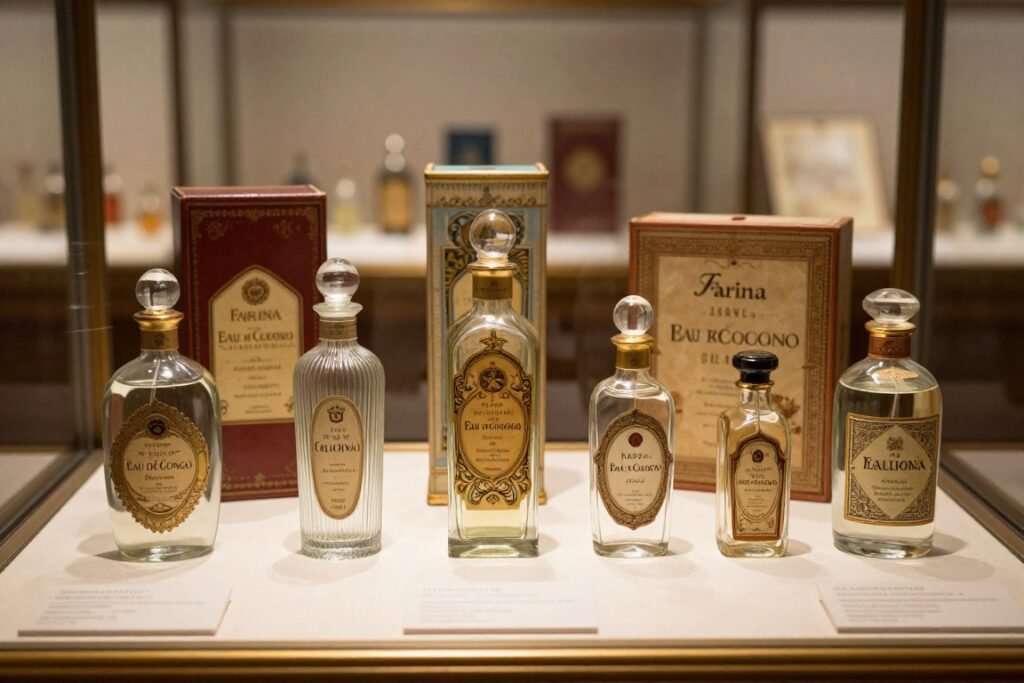
Museum exhibits trace eau de cologne’s cultural impact through centuries of advertising materials, celebrity testimonials, and historical artifacts. Visitors can smell the original formula and understand why this particular combination of citrus oils (orange, lemon, grapefruit, bergamot) plus herbs and florals created such lasting appeal. The museum shop sells authentic Farina products in beautiful bottles that make sophisticated souvenirs.
4711 - The Commercial Success Story
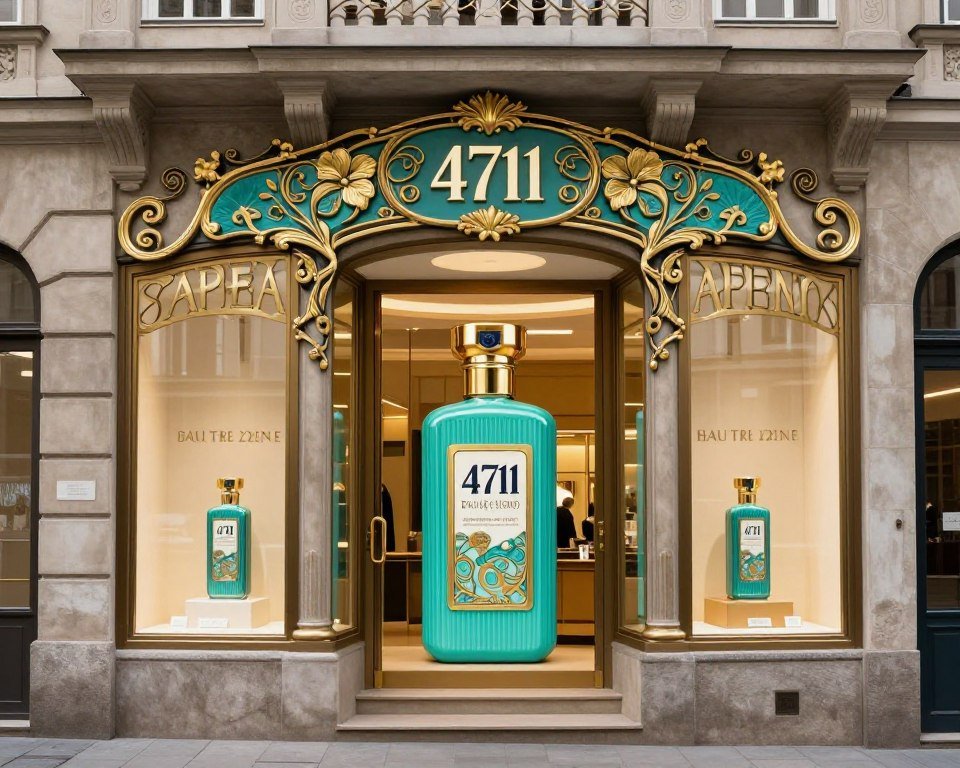
While Farina created the original, 4711 achieved global commercial dominance. Founded in 1792 by Wilhelm Mülhens, the company took its name from the building number assigned during French occupation. That turquoise-and-gold bottle became one of the world’s most recognizable product designs, earning nostalgic affection from Germans who associate the scent with childhood memories.
The 4711 flagship store on Glockengasse occupies a stunning Art Nouveau building worth visiting purely for architectural reasons. Inside, exhibitions trace the brand’s marketing evolution through vintage advertisements that reveal changing social attitudes across centuries. The fountain in the ground floor continuously flows with Eau de Cologne, offering free samples to visitors.
Multiple 4711 fragrances extend beyond the original formula today, though purists maintain the classic version remains superior. The gift shop stocks products ranging from traditional bottles to modern interpretations, soap sets, and branded merchandise. While I personally prefer Farina’s more subtle scent, 4711’s historical importance to Cologne’s identity makes it worth experiencing.
Experiencing the Mighty Rhine River
Rhine River Cruises and Boat Tours
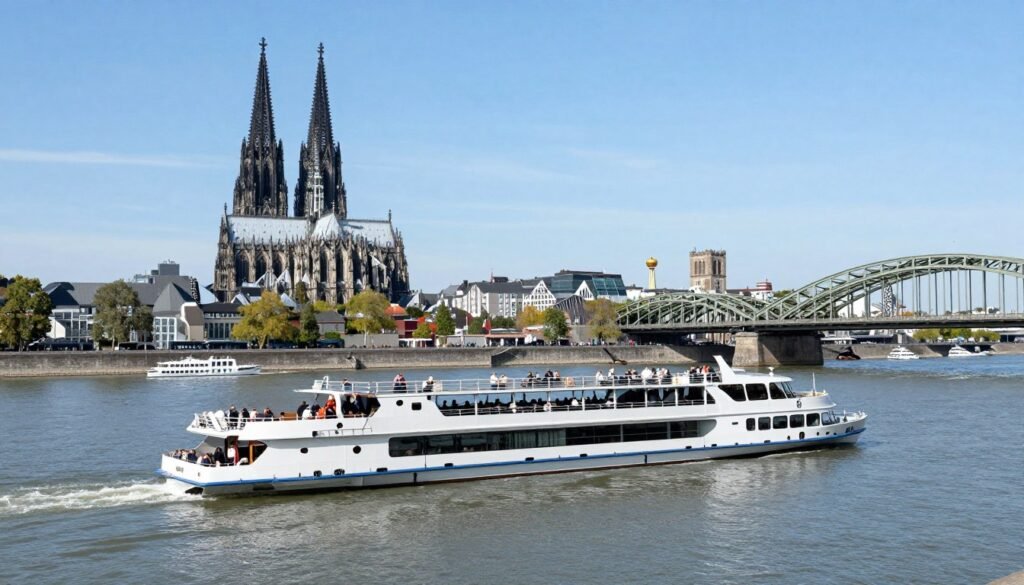
The Rhine River isn’t just a pretty backdrop but an integral part of Cologne’s identity and daily life. This mighty waterway connects Switzerland to the North Sea, carrying commercial shipping traffic alongside pleasure boats and ferries. Experiencing Cologne from the water provides perspective that land-bound exploration cannot match.
Short sightseeing cruises depart regularly from docks near the cathedral, offering one-hour roundtrip tours with multilingual audio commentary. These cruises showcase Cologne’s skyline from various angles while explaining the city’s history and notable landmarks. Sunset cruises provide particularly atmospheric experiences as golden light illuminates the cathedral and lengthening shadows dramatize the urban landscape.
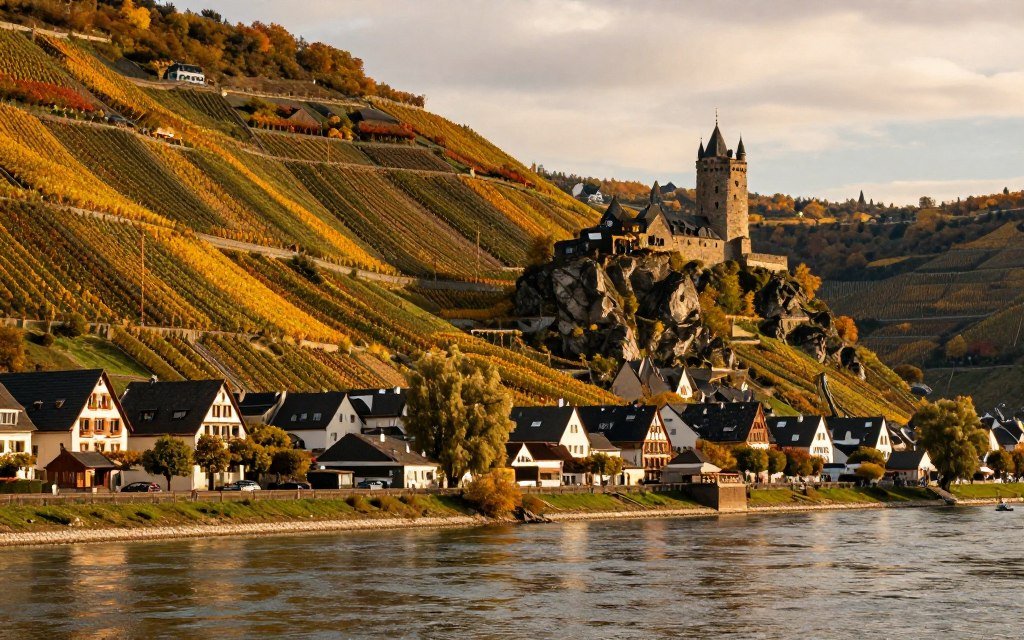
Longer cruises venture beyond city limits into the romantic Rhine Valley, where castle-crowned hillsides, terraced vineyards, and medieval villages create scenery that has inspired poets and painters for centuries. Day trips from Cologne can reach destinations like Königswinter with its Drachenfels castle, or venture south toward Koblenz where the Rhine and Moselle rivers converge.
For more active engagement with the river, pedal boat rentals and kayak tours provide water-level perspectives on your own schedule. Some operators offer stand-up paddleboard rentals for those seeking core workouts with their sightseeing. Just be aware that the Rhine current flows powerfully, and you’ll need reasonable fitness to paddle against it.
Rhine River Sightseeing Cruise
Enjoy Cologne’s iconic skyline from the water with a relaxing Rhine River cruise. Choose from one-hour city tours or full-day excursions to romantic castle valleys. Audio guides available in multiple languages.
Rhine Promenade Walks and Cycling
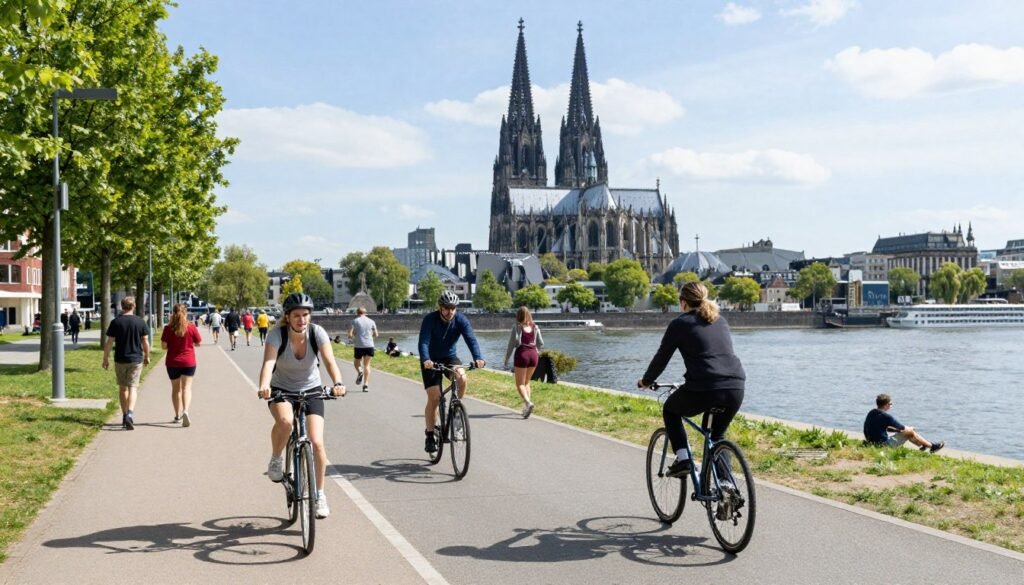
The paved promenades lining both Rhine banks provide Cologne’s favorite recreational spaces. On any pleasant evening or weekend, these paths fill with joggers, cyclists, roller skaters, and people simply strolling while enjoying river views. The western bank between Hohenzollern Bridge and Severins Bridge offers the most developed stretch with grassy areas perfect for picnicking.
Germans’ liberal open container laws mean you can legally enjoy drinks along the riverside. Locals regularly gather for informal picnics with bread, cheese, and Kölsch beer purchased from nearby shops. Join them if you want to experience authentic Cologne social culture rather than just observing it from tourist establishments.
Bicycle rentals, including the city’s bike-share system, make cycling the Rhine paths accessible even for visitors without their own wheels. The flat, paved trails suit all fitness levels and ages. Head south on the western bank, cross at either the Südstadt or Rodenkirchen bridges, then return north on the eastern side for spectacular cathedral views, especially during golden hour.
The promenades connect to longer cycling routes that extend far beyond Cologne. Serious cyclists can follow Rhine paths south toward Bonn and beyond, or north toward Düsseldorf. These longer routes pass through smaller riverside towns, nature areas, and agricultural landscapes that reveal Germany beyond its urban centers.
Hidden Gems and Unique Cologne Experiences
Basilica of St. Ursula and the Golden Chamber of Bones
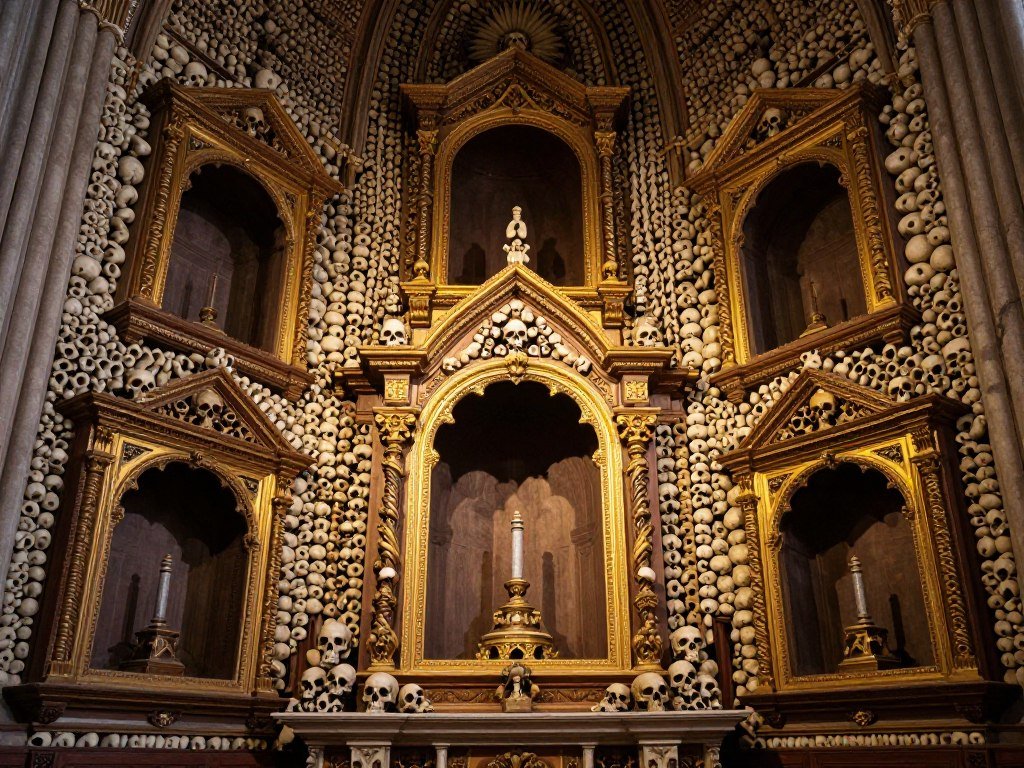
Among Cologne’s most unsettling yet fascinating attractions, the Basilica of St. Ursula houses a chapel decorated with human bones. This isn’t Gothic horror fantasy but genuine medieval relics displayed in ornate arrangements that blur lines between art, devotion, and death.
According to legend, St. Ursula was a British princess martyred in Cologne during the 4th century alongside 11,000 virgin companions by invading Huns. Historical accuracy of this tale remains questionable, but the basilica built on the supposed martyrdom site contains the Goldene Kammer (Golden Chamber), where walls display bones claimed to belong to Ursula and her followers.
The bones form elaborate decorative patterns, arranged in artistic configurations and encased in golden frames. Skulls peer from ornate displays. Entire skeletal elements create geometric designs across walls and alcoves. The effect simultaneously mesmerizes and disturbs visitors confronting mortality displayed as sacred art.
The basilica itself dates to the 12th century and represents Cologne’s Romanesque architectural heritage. The bone chamber requires special access, which involves approaching church staff to unlock the space. Opening hours prove limited, so verify current schedule before visiting. The experience of viewing this unique reliquary while a priest silently observes creates memorable awkwardness that somehow enhances the strange power of this place.
World War II Röhrenbunker Air Raid Shelter
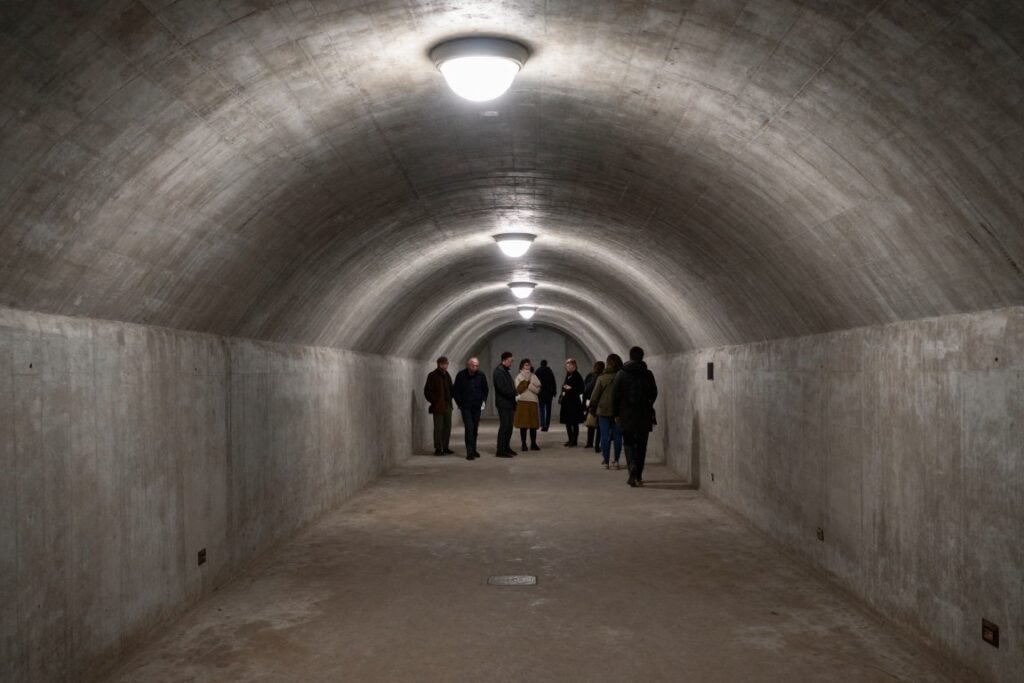
Beneath the grounds near Cologne’s Higher Regional Court lies a preserved World War II air raid shelter that offers visceral connection to the city’s wartime suffering. The Röhrenbunker (tube bunker) earned its name from distinctive rounded corridors designed to better withstand bomb blast effects through structural distribution.
Built in 1940, this shelter could house hundreds of civilians seeking protection during air raids. Allied bombing campaigns between 1942 and 1945 devastated Cologne, with over 250 raids eventually destroying ninety percent of the city center. The bunker provided vital refuge during those terrifying nights when sirens wailed and bombs fell.
Much of the original structure remains intact today, accessible through guided tours offered on specific days each month. Walking through the narrow passageways, visitors hear accounts of how Cologne residents endured repeated bombardments that reduced their city to rubble while leaving the cathedral miraculously standing among ruins.
The tours require advance booking and operate on limited schedules. English language tours may require special arrangement. The experience complements visits to the NS Documentation Center by showing the war’s impact from the civilian perspective of those sheltering underground while their world literally exploded above.
TimeRide Cologne Virtual Reality Experience
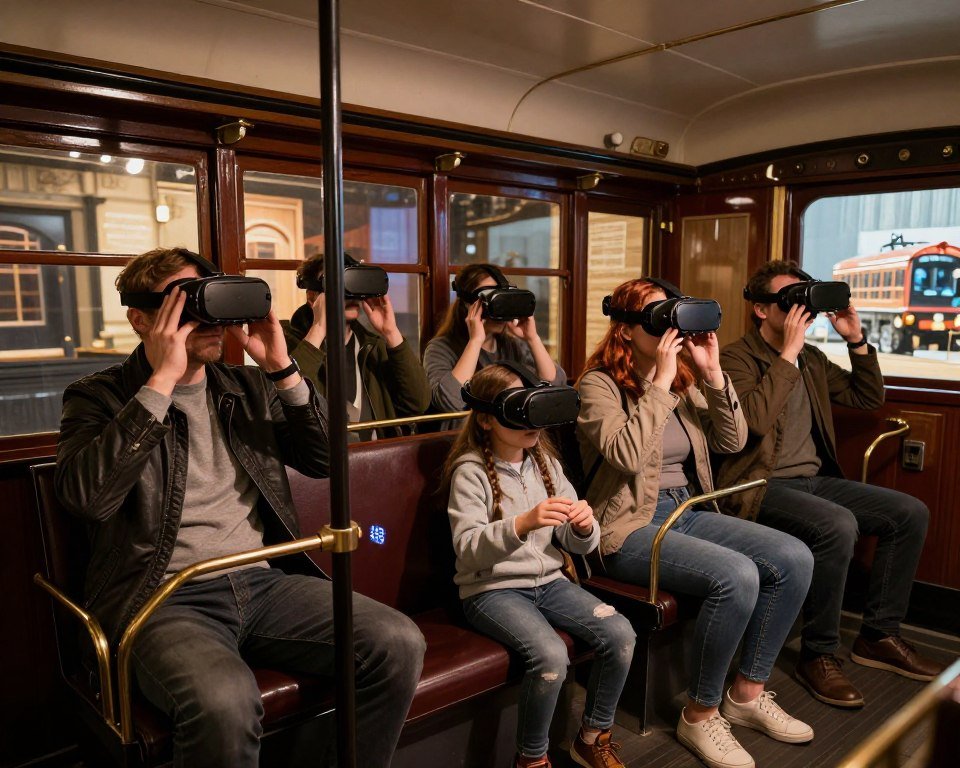
For a lighter take on Cologne’s history, TimeRide offers virtual reality journey to 1920s Cologne. Using VR headsets combined with physical sets and guided narration, visitors “travel” through the city during its pre-war heyday when Cologne thrived as a bustling commercial and cultural center.
The experience includes a simulated vintage tram ride through reconstructed historical streets, allowing you to experience Cologne as it appeared before wartime destruction. While perhaps more entertainment than serious historical education, TimeRide provides engaging introduction to the city’s past that appeals particularly to families with children or those seeking interactive alternatives to traditional museums.
Claudius Therme Spa Complex
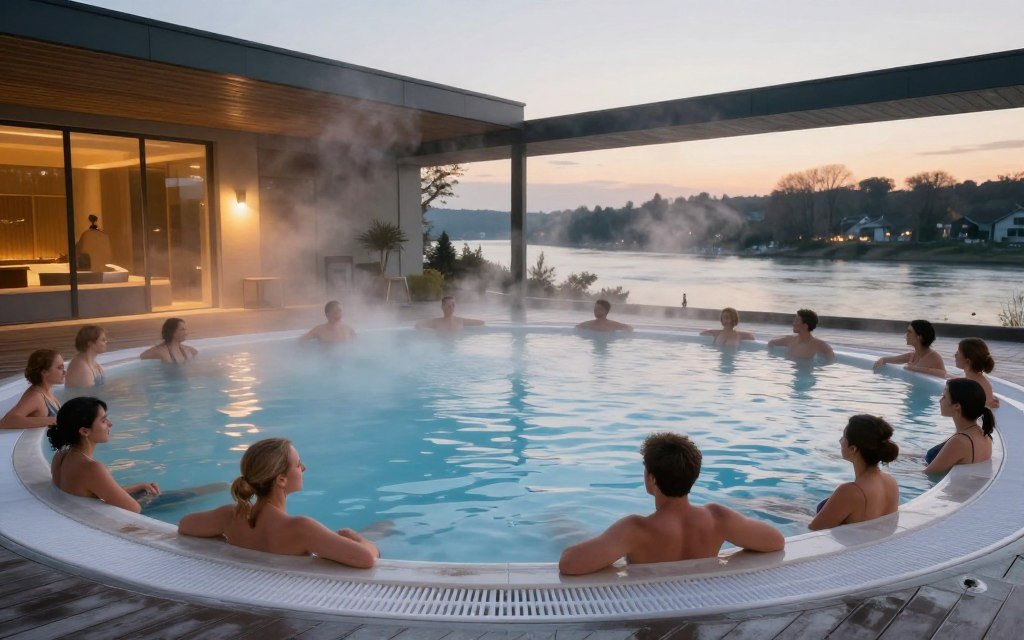
Germans take their wellness culture seriously, and thermal baths represent important social and health institutions rather than luxury indulgences. Claudius Therme ranks among Cologne’s finest spa complexes, offering thermal pools, extensive sauna facilities, and spa treatments with Rhine River views from several areas.
The complex includes both textile (clothing required) and nude areas, with nude sections operating as mixed-gender spaces following German custom. Multiple thermal pools maintain different temperatures, some with massage jets, bubble seats, and underwater music systems. The outdoor pool allows year-round bathing regardless of weather, with steam rising atmospherically on cold days.
The sauna landscape offers numerous rooms with varying temperatures and humidity levels, from gentle aromatic saunas to intense Finnish saunas. Some saunas provide Rhine views, creating unique atmosphere while you sweat overlooking Germany’s most famous river. Regular Aufguss ceremonies involve attendants waving towels to circulate essential oil-infused steam.
Plan at least three hours for a proper spa visit, though many locals spend entire afternoons here. Day passes provide better value than shorter time blocks if you intend to fully experience the facilities. Robes and towels can be rented on-site. The spa restaurant offers light meals and drinks between bathing sessions.
Flora Botanical Gardens and Conservatories
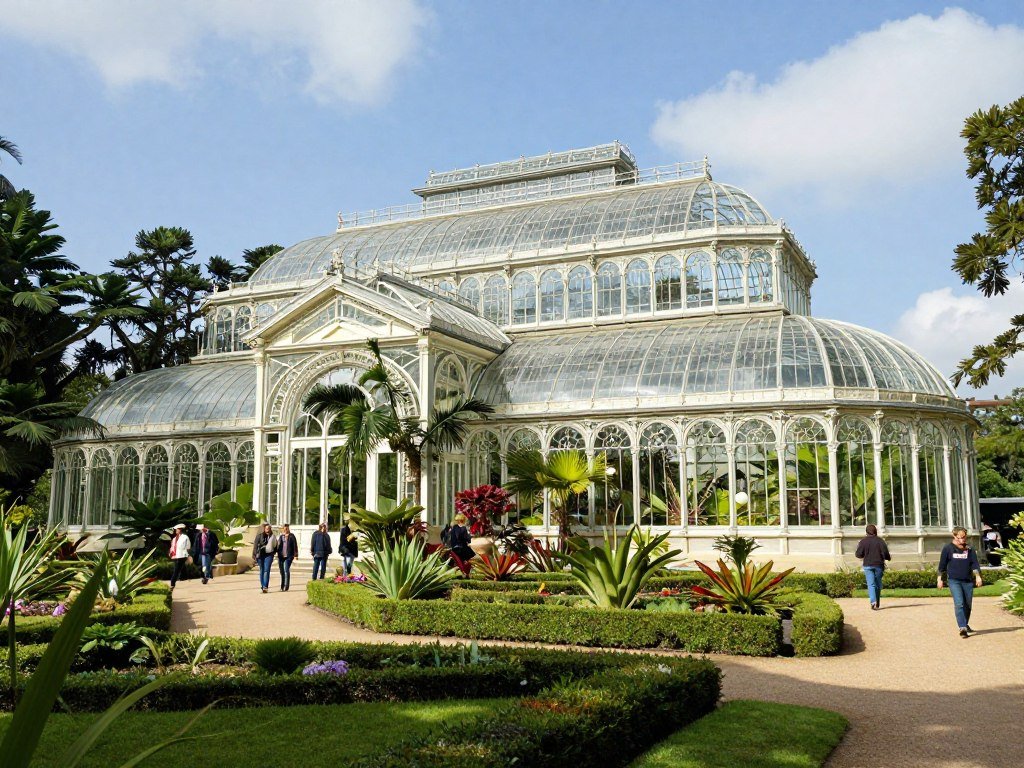
Providing peaceful escape from urban intensity, the Flora Botanical Gardens offer acres of landscaped grounds, thematic plant collections, and magnificent glass conservatories. Established in the 1860s, Flora contains over 10,000 plant species from around the world organized into gardens representing different climatic zones and botanical themes.
The centerpiece Palm House, inspired by London’s Crystal Palace at Kew Gardens, creates stunning Victorian architectural statement. The wrought-iron and glass structure houses tropical species in climate-controlled environment that transports visitors from Rhine Valley to equatorial rainforest. Additional greenhouses showcase Mediterranean species, cacti and succulents, and temperate plants.
Outdoor gardens include rose collections, perennial borders, rock gardens, and native Rhineland species. The grounds provide ideal setting for leisurely strolling, quiet reading, or picnicking on expansive lawns. A small on-site cafe serves coffee and light meals on a terrace overlooking the gardens.
Flora hosts regular events including guided botanical tours, gardening workshops, and seasonal exhibitions. Summer evenings sometimes feature outdoor concerts in the gardens. Entry fees remain modest, and annual passes offer good value for locals but also make sense for visitors staying longer periods in Cologne.
Exceptional Day Trips from Cologne in 2026
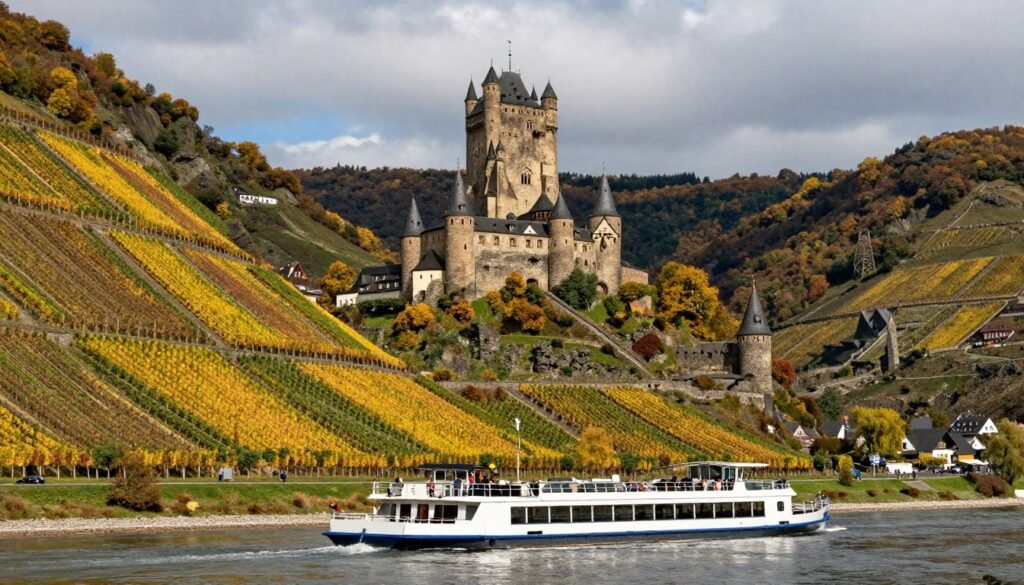
Romantic Rhine Valley and Castle Hopping
The Middle Rhine Valley between Koblenz and Bingen earns its UNESCO World Heritage status through sheer concentrated beauty. Medieval castles crown nearly every hilltop. Terraced vineyards cascade down steep slopes. Legendary rock formations and historic towns line both riverbanks. This landscape inspired the German Romantic movement and continues enchanting visitors today.
Day trip possibilities abound. Take trains to charming riverside towns like Bacharach or St. Goar, then ferry across to explore the opposite bank. Visit Marksburg Castle, the Rhine’s only hilltop fortress never destroyed, which maintains complete medieval defensive systems. Ride the cable car up to Niederwald Monument near Rüdesheim for sweeping valley views.
Alternatively, join organized day tours that combine castle visits, wine tasting at family-run vineyards, and scenic river segments by cruise boat. These tours maximize sightseeing while handling logistics, particularly valuable given the valley’s spread across significant distance and multiple small towns.
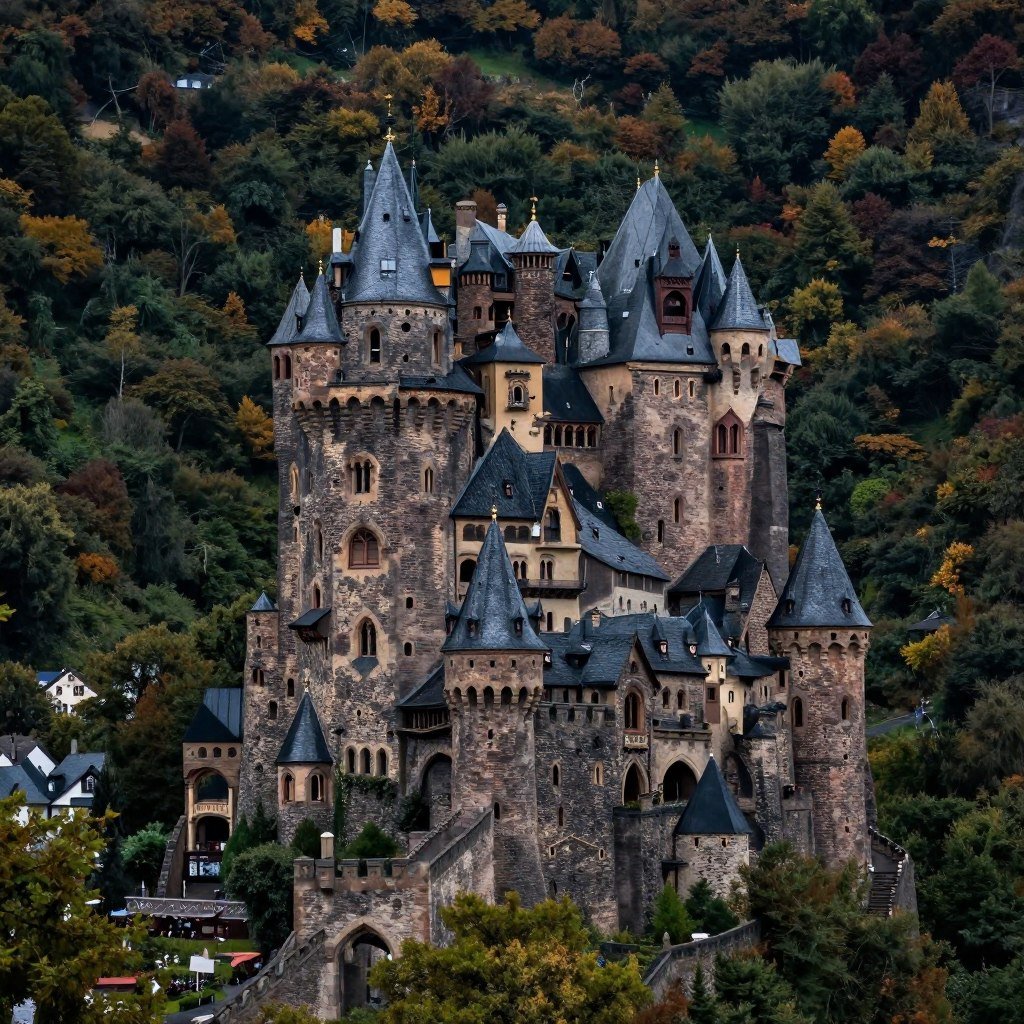
Burg Eltz Castle
One of Germany’s most beautiful castles, Burg Eltz sits dramatically in a forested valley near the Moselle River. The castle has remained in the same family for 850 years and maintains original medieval furnishings.
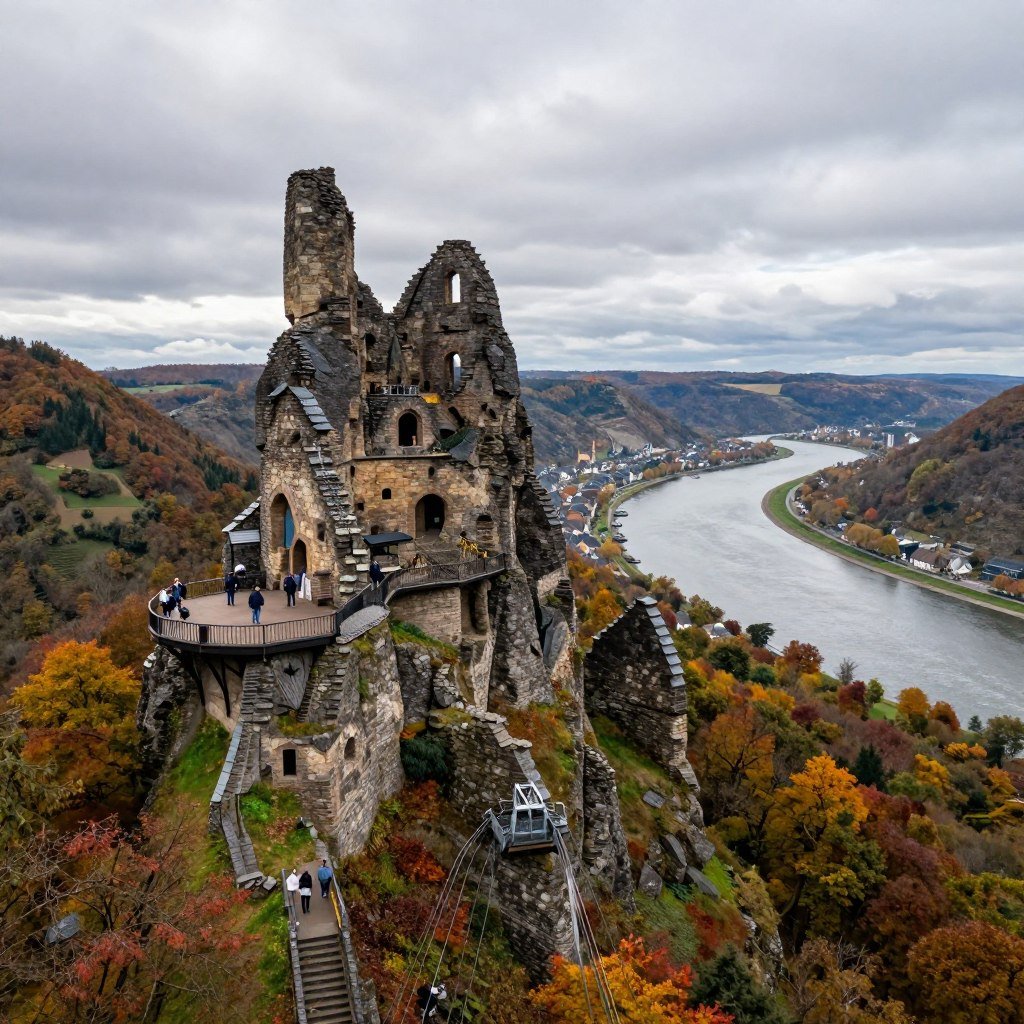
Drachenfels and Königswinter
Just 30 minutes from Cologne, Königswinter offers cable railway access to Drachenfels ruins with spectacular Rhine Valley views. Visit Drachenburg Castle, a 19th-century palace resembling a fairytale.
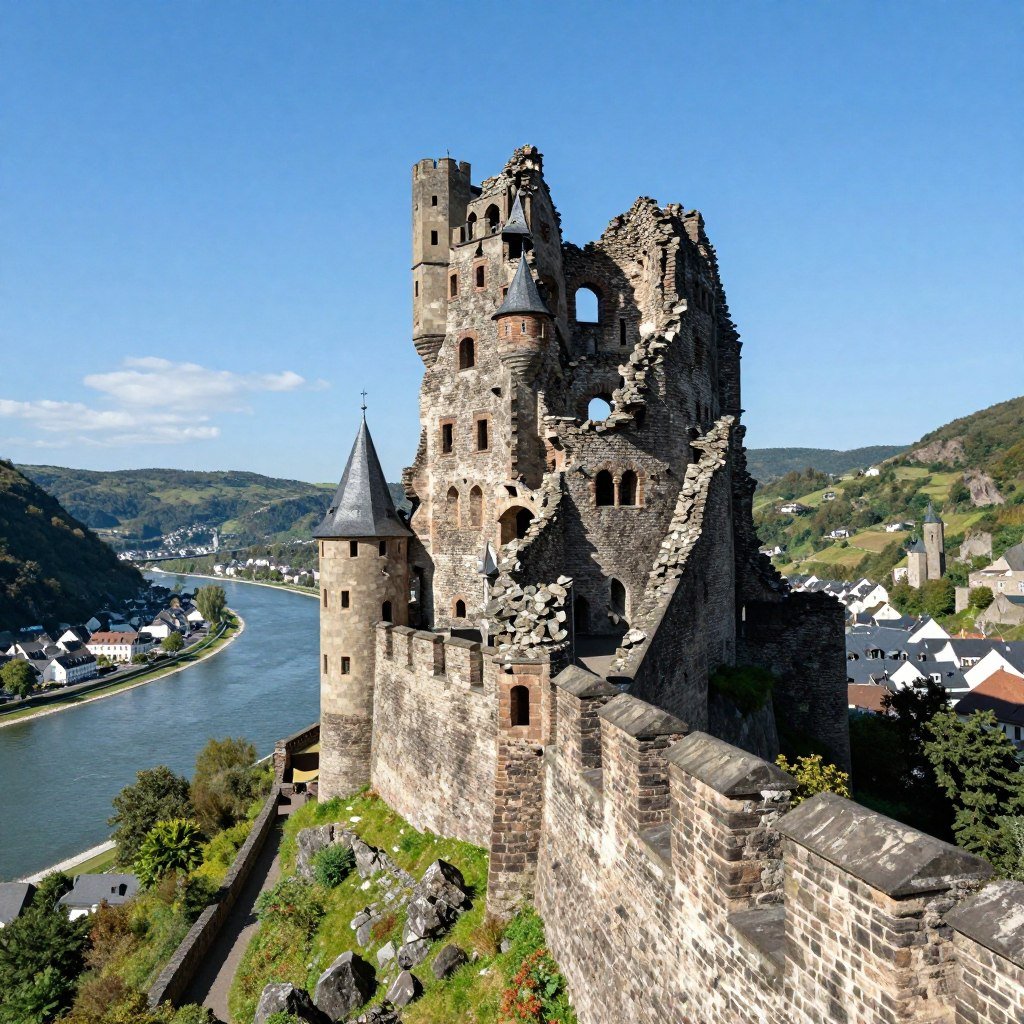
Rheinfels Castle
These extensive ruins near St. Goar represent one of the Rhine’s largest fortress complexes. Explore underground passages, defensive towers, and enjoy commanding valley views from various terraces.
Bonn - From Capital to University Town
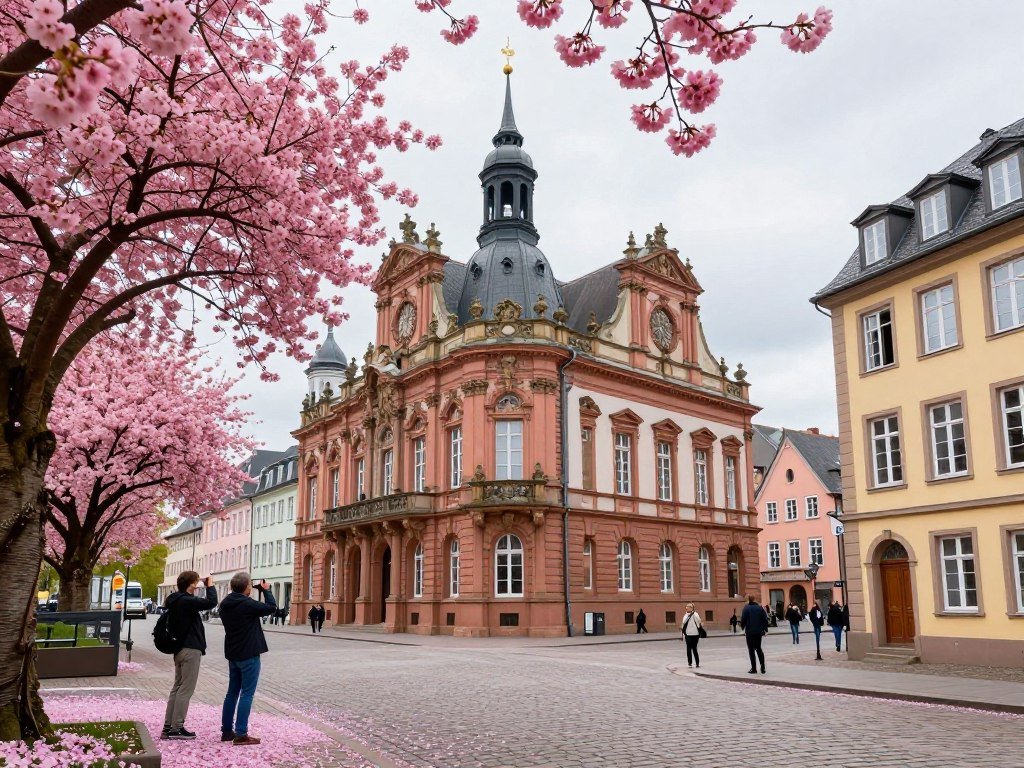
Just 20 minutes south by train, Bonn served as West Germany’s capital throughout the Cold War division. Today this university city offers distinct personality despite proximity to Cologne. The compact historic center, numerous museums, and beautiful riverside setting make Bonn worthy of full-day exploration.
Bonn’s most photogenic moment arrives in spring when cherry blossom trees transform residential streets into tunnel of pink blooms. The brief flowering period (typically April) draws photographers from across Germany to capture the ephemeral beauty. Outside blossom season, Bonn still rewards visitors with its Beethoven heritage (the composer was born here), excellent museums, and relaxed atmosphere.
The Haus der Geschichte chronicles post-1945 German history through comprehensive exhibitions covering division, reunification, and contemporary issues. Multiple art museums cater to various interests. The Poppelsdorf Palace botanical gardens provide green oasis near the university campus. Pedestrianized shopping streets offer retail therapy, while Rhine promenades invite leisurely strolling.
Aachen - Charlemagne's Capital
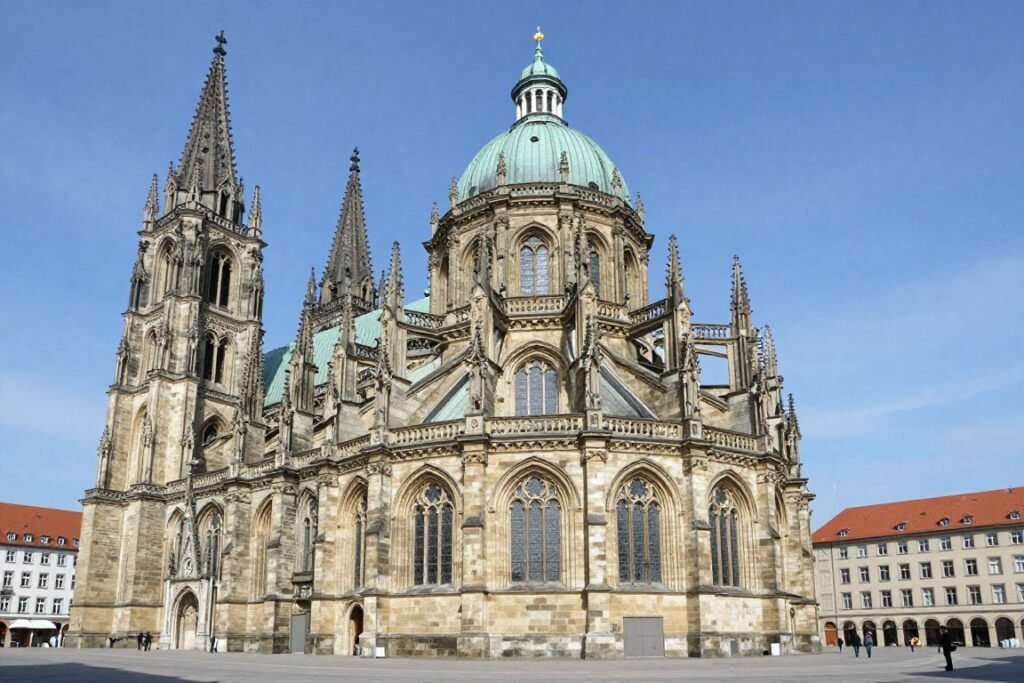
About 70 kilometers west of Cologne near the Belgian and Dutch borders, Aachen boasts remarkable history as Charlemagne’s imperial capital. The emperor’s cathedral, constructed around 800 AD, stands as one of Europe’s most important medieval structures and houses Charlemagne’s throne.
Aachen’s thermal springs attracted Romans who established baths here two millennia ago. The tradition continues today at modern spa facilities where you can soak in the same mineral-rich waters. The historic city center retains medieval character despite wartime damage. Christmas market season transforms Aachen into particularly atmospheric destination with multiple themed markets including one of Germany’s largest.
Day tours from Cologne typically combine Aachen with quick detours to both Belgium and Netherlands, allowing visitors to technically experience three countries in one day. Independent travelers can easily reach Aachen by direct train in about one hour.
Rhine Valley Day Trip from Cologne
Discover medieval castles, scenic river cruises, and wine tasting in the UNESCO World Heritage Rhine Valley. Experienced guides share legends and history while handling all logistics. Perfect for maximizing limited time.
Düsseldorf - Fashion and Art Along the Rhine
Germany’s fashion capital lies just 30 minutes north by frequent regional trains. Düsseldorf cultivates sophisticated image through upscale shopping along Königsallee (affectionately called Kö), world-class art museums, cutting-edge architecture in the MedienHafen, and refined dining scene.
The Altstadt (Old Town) nickname “the longest bar in the world” isn’t much exaggeration, with over 260 bars and restaurants packed into compact area. Düsseldorfers drink Altbier, a copper-colored top-fermented beer that provides interesting contrast to Cologne’s Kölsch. The friendly rivalry between the cities over beer superiority adds entertainment to any visit.
Art enthusiasts find paradise in Museum Kunstpalast and K20/K21 contemporary art spaces. The Rheinturm (Rhine Tower) observation deck offers panoramic views across the river. Shopping ranges from luxury brands on Königsallee to quirky boutiques in Flingern neighborhood. The rebuilt Altstadt balances historic character with modern vibrancy.
Essential Planning Tips for Cologne in 2026
Transportation and Getting Around
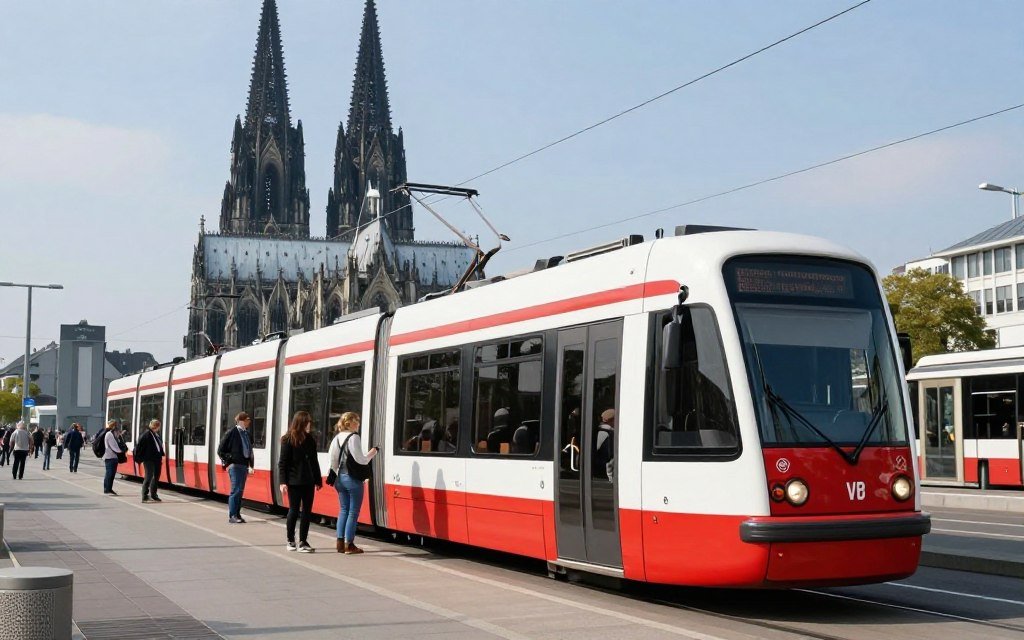
Cologne’s excellent public transportation system makes car rental unnecessary for city exploration. The KVB network combines trams (Stadtbahn), buses, and regional trains into integrated system covering the entire metropolitan area. Trains arrive from Cologne/Bonn Airport every 20 minutes, reaching the central station in 15 minutes.
Single tickets cost approximately €3 for central zone travel. Day passes (Tageskarte) around €9 allow unlimited rides within 24 hours and make sense if you’re taking more than three trips. Multi-day passes and small group tickets offer additional savings. Tickets must be validated before boarding trams and buses, though validation machines on trains create confusion among first-time visitors.
The compact city center remains very walkable, with major attractions clustered within easy strolling distance. Cycling provides efficient transport for longer distances, with extensive bike lanes and the KVB’s rental bike system (KVB-Rad) offering convenient short-term access. Download the app to locate and unlock bikes throughout the city.
Taxis and ride-sharing services operate widely but prove expensive for most trips where public transport suffices. River ferries provide alternative transportation methods while doubling as mini-cruises. The cable car connecting zoo and Rheinpark operates seasonally, offering elevated Rhine crossing with dramatic views.
The Cologne Card - Worth It or Skip It?
Cologne Card Benefits: Free public transportation plus discounted admission to over 30 museums and attractions, reductions on tours, cruises, and select restaurants. 24-hour card costs approximately €9, 48-hour €18.
Whether the Cologne Card makes financial sense depends entirely on your itinerary. If you’re planning to visit multiple museums, take a river cruise, and join a guided tour, the discounts quickly exceed the card cost. Visitors focusing primarily on free attractions like the cathedral, riverside walks, and neighborhood exploration won’t benefit much beyond transportation coverage that cheaper day passes also provide.
Calculate your likely admission costs and compare against card pricing. The card definitely benefits those planning intensive cultural sightseeing across two or three days. Casual visitors who prefer wandering and soaking up atmosphere may find standard transport passes sufficient.
Best Times to Visit Cologne in 2026
Peak Season (June-August & December)
Summer brings warm weather, outdoor festivals, riverside socializing, and beer garden culture. Expect crowds at major attractions and higher accommodation prices. December’s Christmas markets create magical atmosphere but book hotels months ahead.
Pros: Best weather, outdoor activities, festivals, long daylight hours
Cons: Crowds, premium prices, need advance reservations
Shoulder Season (April-May & September-October)
Spring and fall offer pleasant weather with fewer tourists. Cologne’s parks and gardens look beautiful in spring. Fall brings wine harvest celebrations and autumn colors along the Rhine.
Pros: Moderate weather, fewer crowds, better hotel rates, authentic local vibe
Cons: Variable weather, some attractions may have reduced hours
Carnival Season (Late February)
If experiencing Karneval is your priority, plan around late February dates (Rose Monday falls on March 2, 2026). Book accommodation immediately as hotels fill up to a year in advance and prices spike dramatically.
Pros: Unique cultural experience, incredible atmosphere, once-in-a-lifetime party
Cons: Extremely expensive hotels, massive crowds, many businesses closed
Off-Season (January-March & November)
Winter months outside Christmas and Carnival see fewer visitors and lowest prices. Museums and indoor attractions shine during cold, gray weather typical of Rhine winters.
Pros: Best deals, uncrowded attractions, authentic local experience
Cons: Cold weather, short daylight, less outdoor appeal
Where to Stay in Cologne 2026
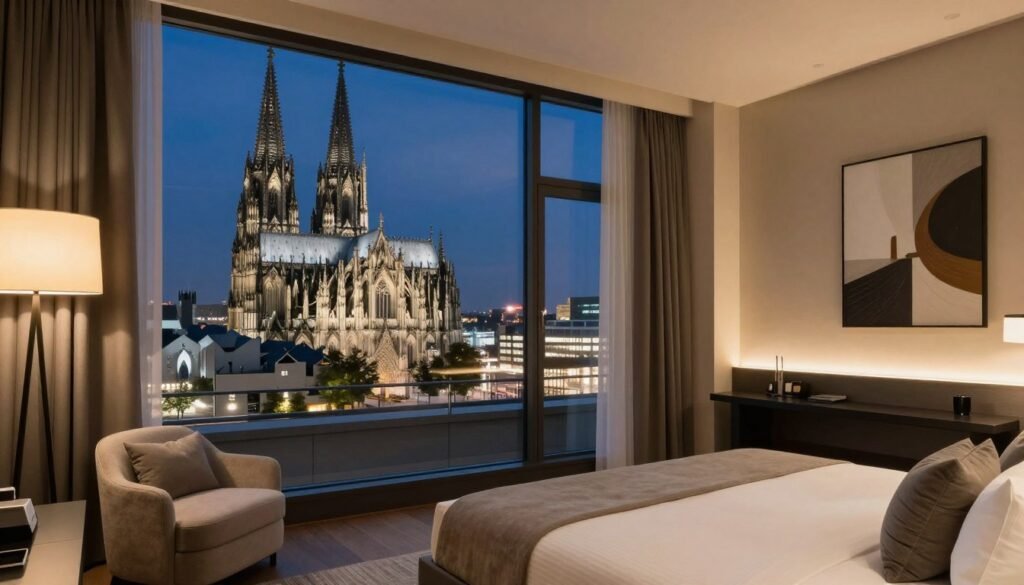
Location matters significantly for Cologne accommodation. Staying near the central station (Hauptbahnhof) places you within walking distance of major attractions and provides immediate access to trains for day trips. The Altstadt offers atmosphere and proximity to brewhouses, though noise levels run high on weekends.
The Belgian Quarter attracts visitors seeking stylish boutique hotels in trendy neighborhood with excellent restaurants and bars. Prices generally run slightly lower than comparable Altstadt properties. Deutz on the Rhine’s eastern bank offers good-value hotels with spectacular cathedral views, connected to the center by frequent trains and short walk across Hohenzollern Bridge.
Budget travelers find hostels clustered near the station and in Ehrenfeld. Airbnb apartments provide authentic neighborhood experiences and kitchen access for those watching expenses. Book early for Carnival, Christmas market season, and any major event periods when accommodation becomes scarce and expensive.
Language and Communication
English proficiency in Cologne generally proves sufficient for tourist needs, especially at hotels, major attractions, and restaurants in central areas. Younger Germans typically speak excellent English, while older generations may have more limited skills. Staff at tourist information offices and major museums almost always speak multiple languages.
That said, attempting basic German phrases demonstrates respect and often receives warm responses. Memorize “Guten Tag” (hello), “Danke” (thanks), “Bitte” (please/you’re welcome), and “Entschuldigung” (excuse me). In brewhouses, knowing “Ein Kölsch, bitte” will serve you well.
Translation apps work effectively for reading menus, signs, or having more complex conversations. Mobile data remains essential for on-the-go translation, maps, and transportation apps. European SIM cards or international phone plans prevent expensive roaming charges.
Safety and Practical Considerations
Cologne ranks as a safe city by international standards, with typical urban precautions sufficient. Watch belongings in crowded areas like the cathedral plaza, main train station, and packed public transport. Pickpockets target obvious tourists, so keep valuables secured and maintain awareness in dense crowds.
The area around the central station contains higher concentration of drug users and homeless individuals, particularly at night. While generally more unsettling than dangerous, exercise normal urban caution and avoid confrontations. Women traveling alone report feeling safe in Cologne, though standard nighttime precautions apply.
Tap water throughout Germany meets high quality standards and tastes fine for drinking. Restaurants may charge for table water, with bottled water (Mineralwasser) being standard beverage service. Asking for “Leitungswasser” (tap water) may receive confused or dismissive responses, as this practice isn’t common in German dining culture.
Plan Your Perfect 2026 Cologne Trip
Ready to experience everything Cologne offers? Book accommodation early, secure tickets for major attractions, and reserve spots on popular tours. Start planning your 2026 Cologne adventure today!
Your Unforgettable Cologne 2026 Adventure Awaits
Cologne may not boast the fairytale aesthetic of Rothenberg or the cosmopolitan glamour of Berlin, but this Rhine city offers something perhaps more valuable: authenticity. Here you’ll find Germans living their actual lives rather than performing for tourists. You’ll experience centuries-old traditions like Kölsch beer culture and Carnival celebrations that residents genuinely cherish rather than merely tolerate for economic benefit. You’ll discover neighborhoods where creativity flourishes organically, not because city planners designated “arts districts” on maps.
The 2026 travel year presents ideal timing for Cologne exploration. Recent restoration projects around the cathedral complex have been completed. Cultural institutions have regained full programming momentum. The city pulses with renewed energy as post-pandemic restrictions fade into memory and international visitors rediscover this underrated destination.
Whether you’re climbing the cathedral’s 533 steps for panoramic views, sampling endless tiny glasses of Kölsch in traditional brewhouses, joining millions in Carnival’s joyous chaos, or simply wandering cobblestone lanes that existed before Columbus sailed, Cologne creates memories that transcend typical tourist experiences. This is a city that rewards curiosity, embraces visitors warmly, and reveals itself gradually to those willing to look beyond the obvious.
Start planning your 2026 Cologne adventure today. Book those Carnival season hotels before they vanish. Mark calendar reminders for Christmas market dates. Research day trips that combine castles and Rhine Valley scenery. But also leave room for spontaneity. Some of Cologne’s best moments happen when you abandon itineraries to follow intriguing side streets, accept invitations from friendly locals, or linger longer than planned because you’ve found the perfect spot on the river with good beer and better company.
Cologne in 2026 awaits your discovery. Come find out why millions of visitors and residents alike have fallen for this riverside city where Gothic grandeur meets modern creativity, where tradition coexists comfortably with innovation, and where “Kölle Alaaf” echoes as both greeting and promise of good times ahead.
