
The Hague, known locally as Den Haag, stands as one of the Netherlands’ most distinctive cities. While Amsterdam may claim the title of capital, The Hague serves as the seat of Dutch government and royal residence. This elegant city by the North Sea is renowned for its international significance, cultural richness, and unique blend of historic grandeur and coastal charm. But what is The Hague famous for exactly? From world-changing institutions to artistic masterpieces, from royal palaces to sandy beaches, The Hague offers visitors a fascinating mix of global importance and local Dutch character that sets it apart from other European destinations.
The International City of Peace and Justice
The Peace Palace, home to the International Court of Justice
The Hague’s most significant claim to fame is its status as the global center for international law and justice. Often referred to as the “Legal Capital of the World,” the city hosts over 200 international organizations, tribunals, and diplomatic missions. This concentration of global institutions has earned The Hague its nickname as the “City of Peace and Justice.”
The Peace Palace
The iconic Peace Palace (Vredespaleis) stands as the most recognizable symbol of The Hague’s international status. Built between 1907 and 1913 with funding from American steel magnate Andrew Carnegie, this magnificent neo-renaissance building houses the International Court of Justice (the principal judicial organ of the United Nations), the Permanent Court of Arbitration, The Hague Academy of International Law, and the Peace Palace Library. The stunning architecture combines Gothic and Byzantine influences, while the interior features gifts from nations worldwide, including marble staircases, stained glass windows, and intricate woodcarvings.
Experience the Peace Palace Up Close
The Peace Palace offers guided tours that provide fascinating insights into its history, architecture, and the important work conducted within its walls. Tours must be booked in advance and sell out quickly.
International Criminal Court
Beyond the Peace Palace, The Hague is home to the International Criminal Court (ICC), which prosecutes individuals for genocide, war crimes, and crimes against humanity. The court’s modern headquarters, opened in 2015, stands in stark architectural contrast to the historic Peace Palace but equally represents The Hague’s commitment to international justice.
Other International Organizations
The city hosts numerous other international bodies, including Europol (the European Union’s law enforcement agency), the Organisation for the Prohibition of Chemical Weapons (OPCW), and the International Commission on Missing Persons. This concentration of global institutions has created a unique international atmosphere, with diplomats and civil servants from around the world calling The Hague home.
The Royal City: Palaces and Government

The historic Binnenhof complex, seat of Dutch Parliament since the 13th century
While Amsterdam is the constitutional capital of the Netherlands, The Hague serves as the seat of government and the residence of the Dutch royal family, giving the city a distinct regal character.
The Binnenhof
At the heart of The Hague stands the Binnenhof, a complex of buildings that has been the center of Dutch politics for centuries. Dating back to the 13th century, it’s one of the oldest parliament buildings still in use in the world. The complex includes the Gothic Ridderzaal (Knights’ Hall), where the monarch delivers the annual speech from the throne, and the Prime Minister’s iconic small tower office known as the Torentje. The Binnenhof surrounds a central courtyard and sits alongside the picturesque Hofvijver pond, creating one of The Hague’s most photographed views.
Noordeinde Palace
Noordeinde Palace serves as the working palace of the Dutch monarch, King Willem-Alexander. This elegant 17th-century building in the city center is where the King performs his official duties. While the interior is not open to the public, visitors can admire its stately facade and explore the adjacent Palace Gardens, a peaceful green space in the heart of the city.

Noordeinde Palace, the working palace of King Willem-Alexander
Huis ten Bosch
Located in the beautiful Haagse Bos forest, Huis ten Bosch Palace serves as the residential palace of the Dutch royal family. Built in 1645, this classical palace is surrounded by landscaped gardens and woodland. While not open to visitors, the palace represents The Hague’s continuing role as the royal city of the Netherlands.
World-Class Museums and Art
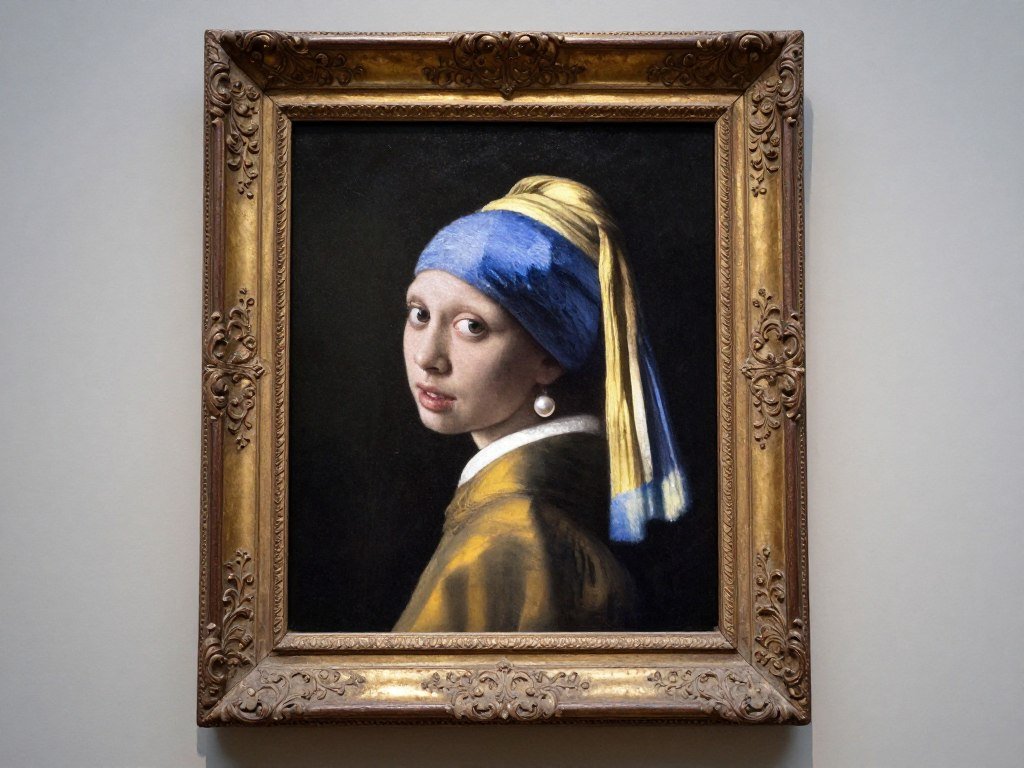
Johannes Vermeer’s “Girl with a Pearl Earring” at the Mauritshuis
The Hague boasts an impressive collection of museums that house some of the world’s most famous artworks and cultural treasures.
Mauritshuis
The Mauritshuis is home to some of the most famous paintings in Dutch art history. Housed in a 17th-century mansion, this compact museum contains masterpieces like Johannes Vermeer’s “Girl with a Pearl Earring” and “View of Delft,” Rembrandt’s “The Anatomy Lesson of Dr. Nicolaes Tulp,” and works by other Dutch Golden Age painters. The intimate setting allows visitors to get remarkably close to these world-renowned artworks.
Kunstmuseum Den Haag
Formerly known as the Gemeentemuseum, the Kunstmuseum Den Haag is housed in one of the most important Art Deco buildings in the Netherlands, designed by architect H.P. Berlage. The museum contains the world’s largest collection of paintings by Piet Mondrian, including his final masterpiece “Victory Boogie Woogie.” The museum also features extensive collections of modern art, fashion, decorative arts, and musical instruments.

The Kunstmuseum Den Haag, a masterpiece of Art Deco architecture
Escher in Het Paleis
Housed in the former winter palace of Queen Emma, Escher in Het Paleis showcases the mind-bending works of M.C. Escher, the Dutch graphic artist known for his mathematically inspired optical illusions. The museum features a comprehensive collection of Escher’s work, from his early nature-inspired prints to his famous impossible constructions and transformation prints. Interactive displays allow visitors to experience the optical illusions firsthand.
Panorama Mesdag
This unique museum houses a massive cylindrical painting created in 1881 by Hendrik Willem Mesdag. The panorama, measuring 14 meters high and 120 meters in circumference, depicts the coastal village of Scheveningen as it appeared in the late 19th century. Visitors stand in the center of the cylinder, experiencing a 360-degree view that creates a remarkable illusion of being on a dune overlooking the sea.
Discover The Hague's Artistic Treasures
Make the most of your visit to The Hague’s world-class museums with the Holland Pass, which offers free or discounted entry to top attractions throughout the Netherlands.
Scheveningen: The Premier Beach Resort

Scheveningen Beach and Pier, the Netherlands’ most popular seaside resort
The Hague is unique among major Dutch cities in having direct access to the sea. Scheveningen, the city’s famous beach resort, has been attracting visitors since the 18th century and remains one of the most popular seaside destinations in the Netherlands.
The Beach and Boulevard
Scheveningen boasts a wide sandy beach that stretches for kilometers along the North Sea coast. The bustling boulevard is lined with restaurants, bars, and shops, creating a lively atmosphere year-round. The beach is popular for sunbathing in summer and bracing walks in winter, with beach pavilions offering shelter and refreshments in all seasons.
The Pier and Kurhaus
Two iconic structures dominate Scheveningen’s skyline. The Pier, extending 382 meters into the sea, features restaurants, shops, a Ferris wheel, and even a zip line. The historic Kurhaus, a grand hotel dating from 1885, stands as an elegant reminder of Scheveningen’s long history as a fashionable resort. Its distinctive silhouette with twin towers and red roof has become a symbol of The Hague’s coastal identity.
Sea Life and Madurodam
Near the beach, visitors can explore Sea Life Scheveningen, an aquarium featuring marine life from the North Sea and tropical oceans. A short distance away lies Madurodam, a miniature park showcasing famous Dutch buildings and landmarks at a scale of 1:25. This unique attraction offers a charming overview of the Netherlands’ architectural highlights in a single visit.
Experience Scheveningen's Coastal Charm
From relaxing on the beach to thrilling activities on the Pier, Scheveningen offers something for everyone. Book your seaside adventure today.
Historic Neighborhoods and Architecture
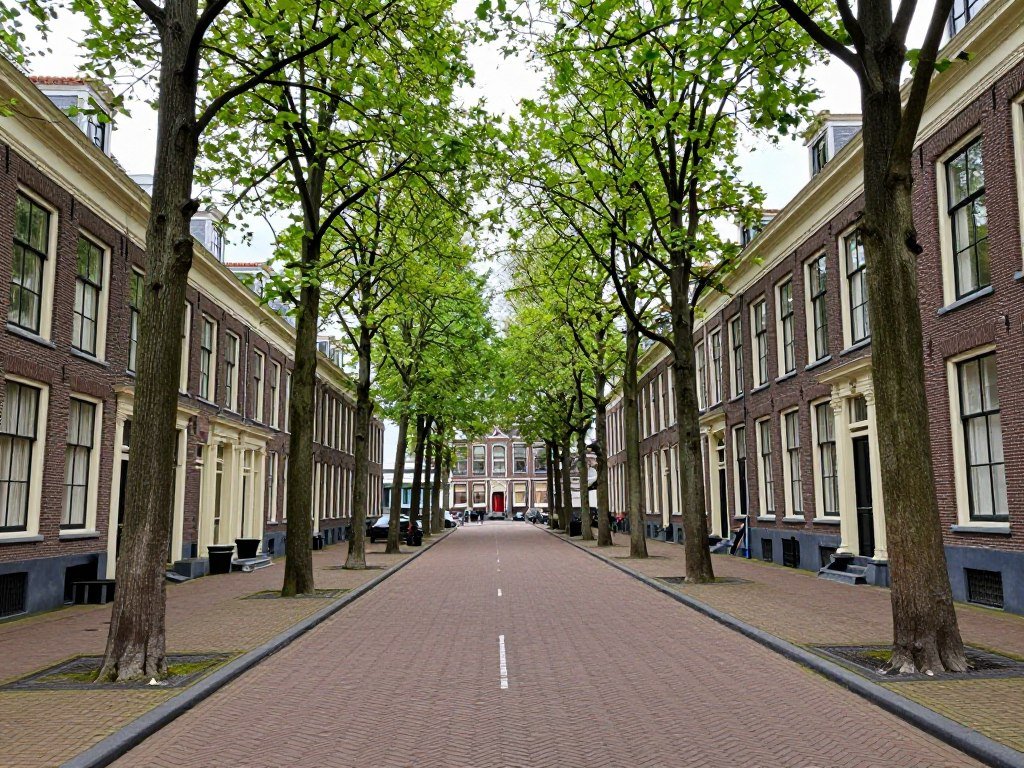
The elegant Lange Voorhout avenue with its historic buildings and linden trees
Beyond its international institutions and beaches, The Hague is known for its well-preserved historic center and distinctive architecture that spans centuries of Dutch history.
Lange Voorhout
The elegant Lange Voorhout is one of The Hague’s most beautiful streets. Lined with majestic linden trees and stately 18th-century buildings, this former aristocratic avenue now houses embassies, museums, and upscale hotels. The distinctive herringbone-patterned brick pavement and the L-shaped design create a unique urban space that hosts markets and cultural events throughout the year.
The Passage
The Hague is home to the Netherlands’ oldest shopping arcade, The Passage. Built in the late 19th century, this covered shopping street features a stunning glass dome and ornate architecture. Now recognized as a UNESCO monument, The Passage connects the modern city center with the historic heart of The Hague, offering a glimpse into the elegant shopping culture of a bygone era.

The historic Passage, the Netherlands’ oldest shopping arcade
Hofjes
Throughout The Hague, visitors can discover hidden hofjes—secluded courtyards surrounded by small houses that historically provided housing for the elderly and single women. These peaceful enclaves offer a quiet retreat from the busy streets and provide insight into historical Dutch social welfare. While many hofjes are private residences, some are open to respectful visitors during daylight hours.
Royal District
The area around Noordeinde Palace forms the Royal District, where elegant boutiques, art galleries, and antique shops line the streets. Noordeinde street itself is considered one of the most beautiful shopping streets in the Netherlands, with its mix of historic buildings and high-end retailers creating a sophisticated atmosphere.
Parks and Green Spaces
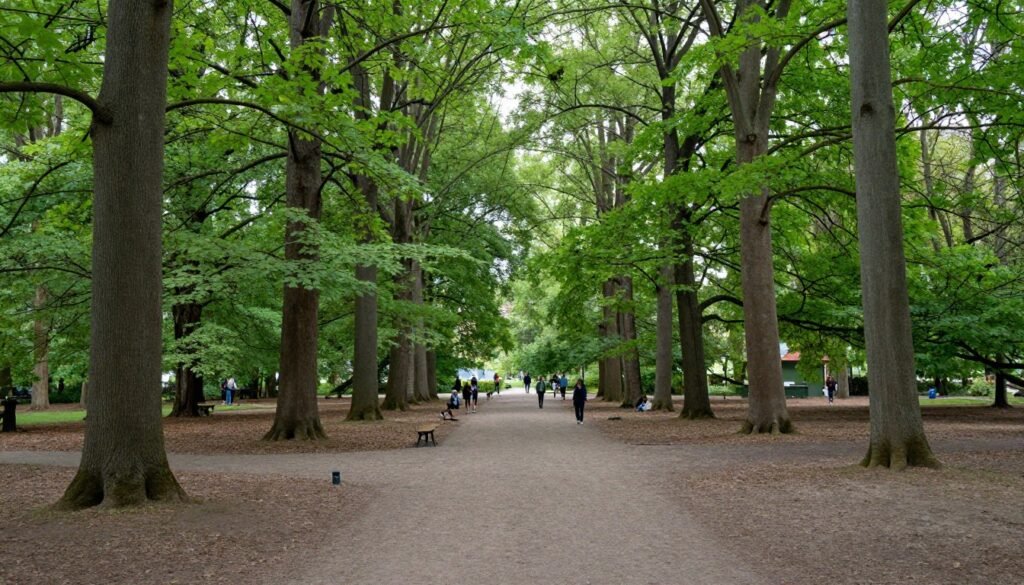
The Haagse Bos, an ancient woodland in the heart of the city
Despite being one of the Netherlands’ most densely populated cities, The Hague is known for its abundant green spaces, earning it the nickname “the green city by the sea.”
Haagse Bos
The Haagse Bos is a remarkable feature of The Hague—an ancient woodland dating back to the Middle Ages that extends right into the heart of the city. This forest once served as the hunting grounds for the counts of Holland and is now a protected natural area. Home to Huis ten Bosch Palace, the forest offers walking and cycling paths, open meadows, and a diverse ecosystem surprisingly close to the city center.
Westbroekpark and Japanese Garden
Westbroekpark is famous for its rose garden, which features over 20,000 roses of 300 different varieties. Within the park lies the Japanese Garden, a tranquil space created in the early 20th century. Open only for a few weeks each spring and autumn, this garden showcases authentic Japanese landscaping with stone lanterns, bridges, and carefully pruned trees.

The Japanese Garden in Clingendael Park, open only a few weeks each year
Clingendael Park
Clingendael Park surrounds a 17th-century manor house and features formal gardens, woodland areas, and a renowned Japanese garden. Created in the early 1900s, the Japanese garden contains rare trees and plants brought from Japan, along with authentic stone lanterns and bridges. Due to its fragility, the Japanese garden is only open to visitors for a few weeks each spring and autumn.
Zuiderpark
The largest park in The Hague, Zuiderpark offers extensive recreational facilities, including sports fields, playgrounds, and a swimming pool. The park hosts major events like the annual Milan Festival celebrating Hindustani culture and the Liberation Festival commemorating the end of World War II.
Culinary Traditions and Food Culture
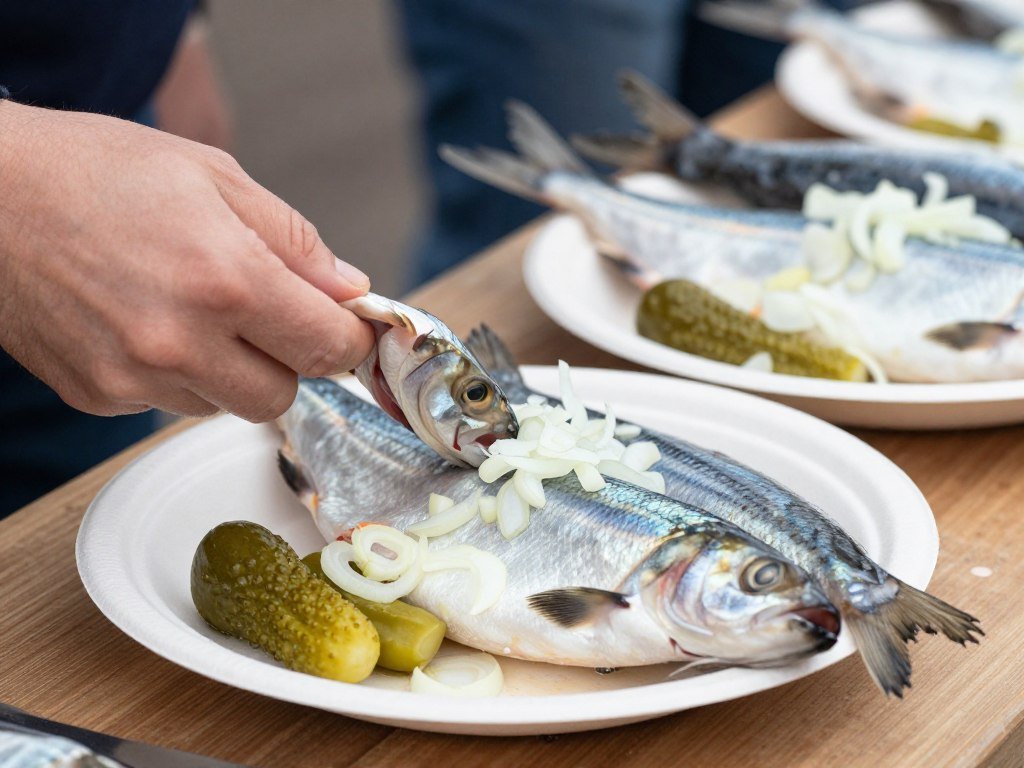
Traditional Dutch herring, celebrated during the annual Vlaggetjesdag festival
The Hague’s culinary scene reflects both its international character and its deep Dutch roots, offering visitors a diverse range of dining experiences.
Indonesian Cuisine
Due to the Netherlands’ colonial history in Indonesia, The Hague boasts some of the best Indonesian restaurants in Europe. The city is famous for rijsttafel (rice table), an elaborate meal consisting of many small dishes served with rice that was created during the colonial era. Local favorites include Garoeda, Soeboer, and Restaurant Blauw, where visitors can experience this unique culinary tradition.
Seafood Traditions
As a coastal city, The Hague has a strong seafood tradition. The most famous Dutch seafood delicacy is raw herring, traditionally eaten by holding it by the tail and lowering it into the mouth. Every year, the city celebrates Vlaggetjesdag (Flag Day), marking the arrival of the new herring season. Scheveningen’s harbor area offers numerous seafood restaurants serving fresh catch from the North Sea.

Indonesian rijsttafel (rice table), a colonial-era tradition popular in The Hague
Local Specialties
Traditional Dutch treats are readily available throughout The Hague. Don’t miss trying poffertjes (mini pancakes), stroopwafels (syrup waffles), and haagse hopjes, coffee-flavored candies that originated in The Hague in the 18th century. The city’s historic center features numerous cafés and bakeries where visitors can sample these Dutch classics.
International Dining
Reflecting its status as an international city, The Hague offers cuisine from around the world. The city’s Chinatown, centered around Wagenstraat, is the largest in the Netherlands and features authentic Chinese restaurants and specialty shops. Throughout the city, visitors can find everything from Argentinian steakhouses to Georgian restaurants, reflecting the diverse population of diplomats and international workers.
Taste The Hague's Culinary Diversity
Discover the rich flavors of The Hague with a guided food tour that takes you through the city’s diverse culinary landscape, from traditional Dutch treats to Indonesian specialties.
Festivals and Cultural Events
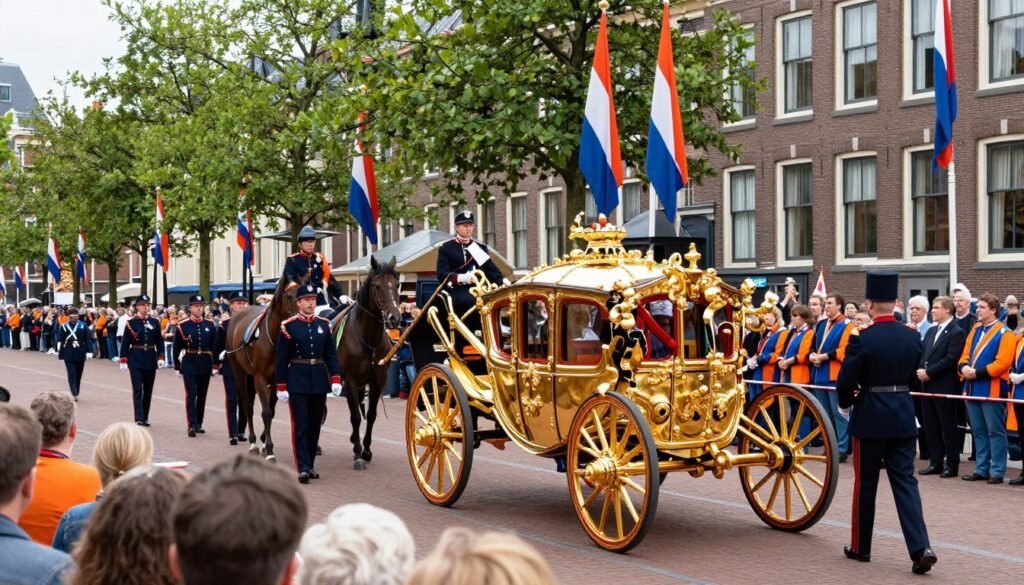
The Golden Coach procession during Prinsjesdag (Prince’s Day)
Throughout the year, The Hague hosts numerous festivals and events that celebrate its royal heritage, cultural diversity, and artistic spirit.
Prinsjesdag (Prince's Day)
Every third Tuesday in September, The Hague celebrates Prinsjesdag, marking the opening of the Dutch parliamentary year. The highlight is the procession of the Golden Coach carrying the monarch from Noordeinde Palace to the Binnenhof, where the King delivers the Speech from the Throne. The day features elaborate ceremonies, military parades, and crowds of spectators wearing orange, the national color.
Vlaggetjesdag (Flag Day)
Held annually in Scheveningen, Vlaggetjesdag celebrates the arrival of the first new herring of the season. The fishing fleet is decorated with colorful flags, and visitors can enjoy traditional music, dancing, and of course, fresh herring. This festival dates back to the 14th century and remains an important cultural tradition in The Hague.
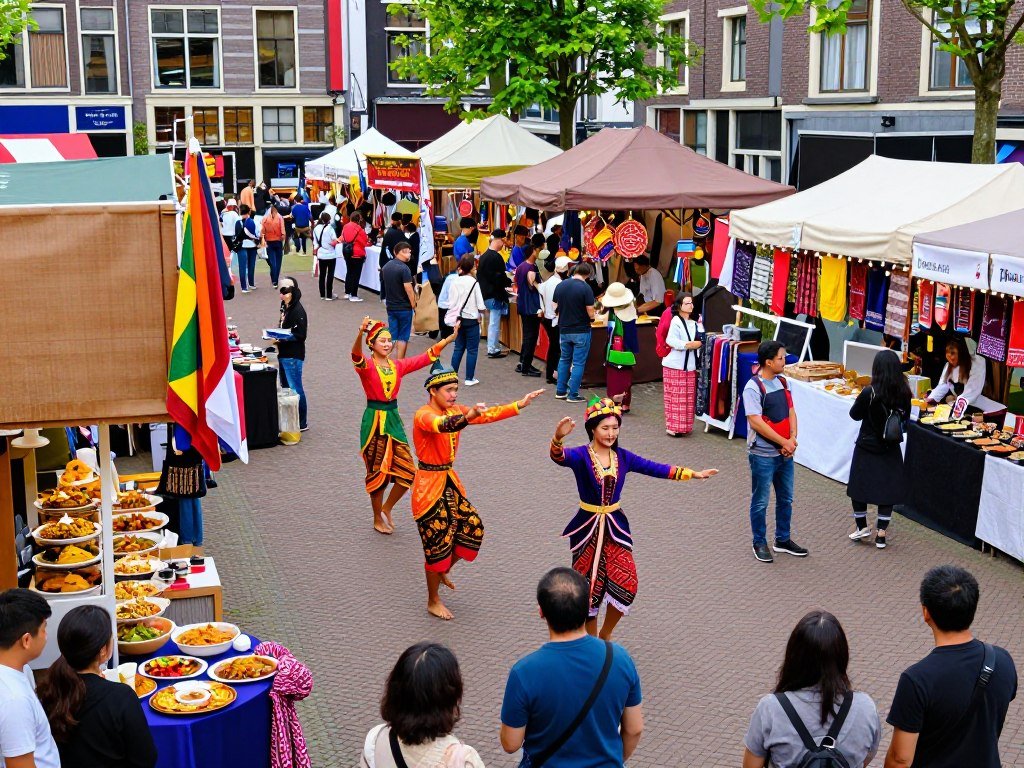
The Tong Tong Fair, Europe’s largest Eurasian festival
Tong Tong Fair
The Tong Tong Fair (formerly Pasar Malam Besar) is the largest Eurasian festival in the world, celebrating the cultural heritage shared between Indonesia and the Netherlands. Held annually since 1959, this vibrant event features Indonesian food, music, dance performances, and market stalls selling crafts and textiles from Southeast Asia.
North Sea Jazz Festival
Although now held in Rotterdam, the prestigious North Sea Jazz Festival originated in The Hague in 1976. The city still maintains a strong jazz tradition with smaller festivals and venues like the Paard van Troje hosting jazz performances throughout the year.
Parkpop
Held in Zuiderpark, Parkpop is one of Europe’s largest free pop music festivals. Since 1981, this one-day event has attracted tens of thousands of visitors to enjoy performances by Dutch and international artists across multiple stages.
Literary and Artistic Connections
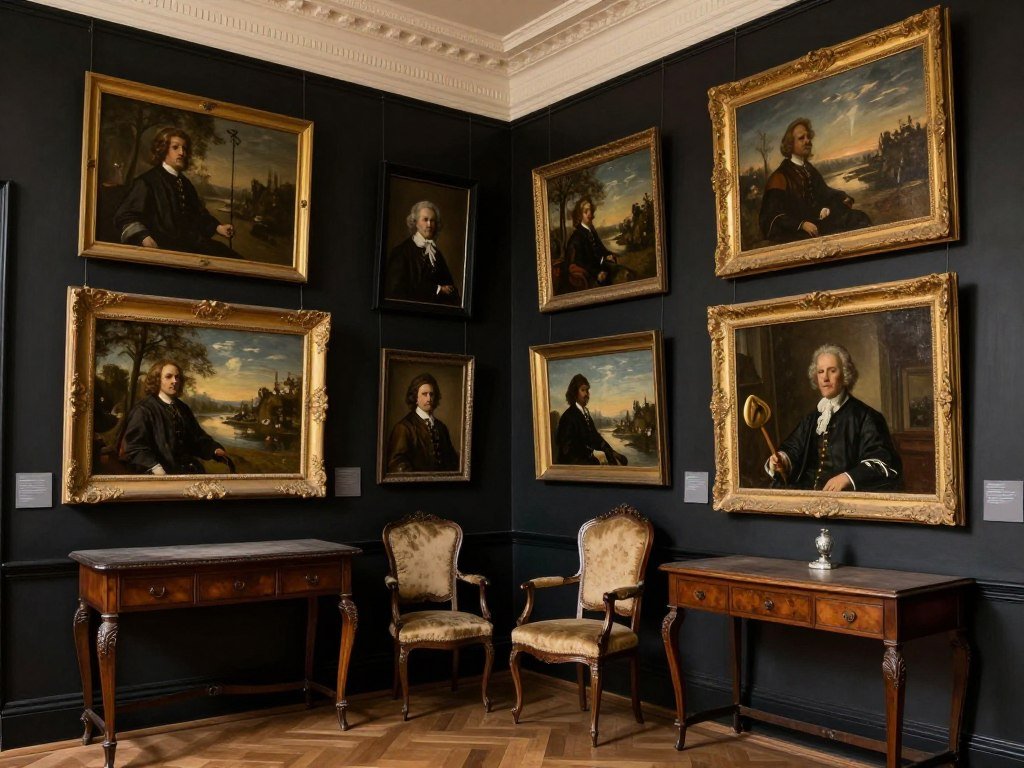
The Mesdag Collection, preserving the atmosphere of a 19th-century art collector’s home
Beyond its political and international significance, The Hague has played an important role in Dutch literary and artistic history.
The Hague School
In the late 19th century, The Hague was the center of an important art movement known as the Hague School. Artists like Hendrik Willem Mesdag, Jozef Israëls, and Anton Mauve created realistic paintings often depicting the Dutch landscape and fishing communities. Their work, characterized by somber colors and attention to atmospheric effects, earned them the nickname “the Gray School.” The Mesdag Collection preserves the home and studio of Hendrik Willem Mesdag, offering visitors a glimpse into the artistic life of this period.
Louis Couperus
One of the Netherlands’ most important novelists, Louis Couperus (1863-1923), was born and lived much of his life in The Hague. His novels, including “Eline Vere” and “The Hidden Force,” often depicted life among the upper classes of The Hague. The Louis Couperus Museum preserves his legacy and provides insight into the literary culture of the city during the Belle Époque.
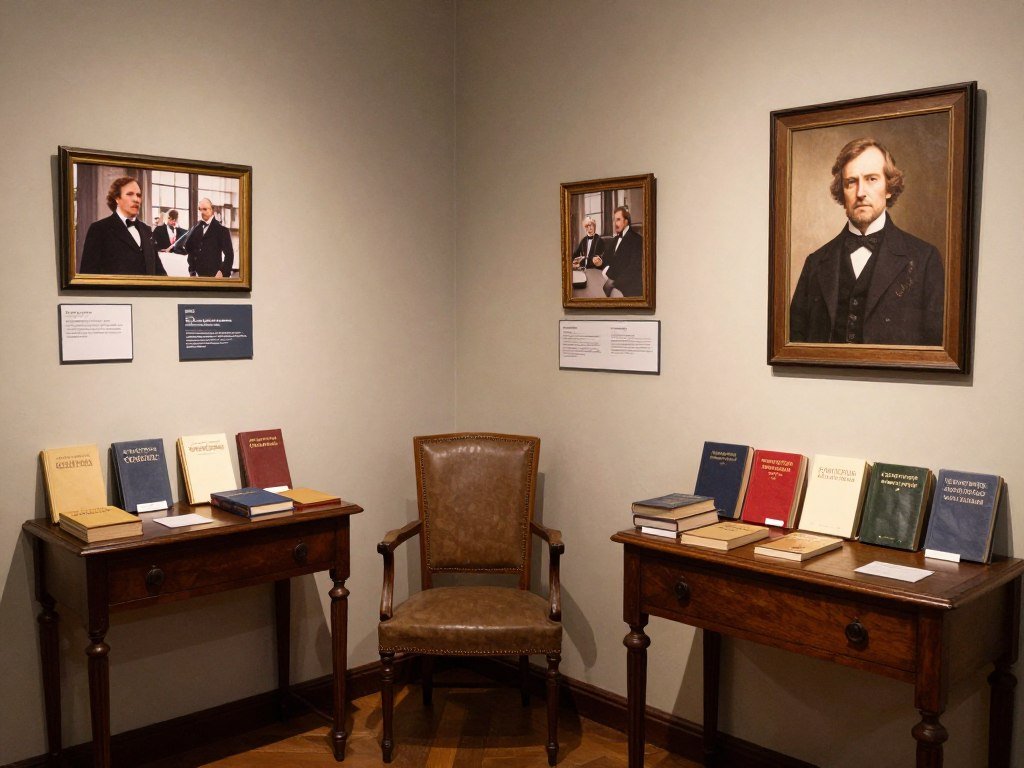
The Louis Couperus Museum, dedicated to The Hague’s famous novelist
Modern Literature
The Hague continues to play an important role in Dutch literary culture. The city hosts the annual Crossing Border Festival, which combines literature and music, bringing together authors and musicians from around the world. The Royal Library of the Netherlands (Koninklijke Bibliotheek), located in The Hague, serves as the national library and preserves important manuscripts and books from throughout Dutch history.
Modern Architecture and Urban Development

Modern high-rise buildings in The Hague’s Central Station area
While The Hague is known for its historic architecture, the city also features striking examples of modern design and urban planning that have transformed its skyline in recent decades.
Ministries Quarter
Near Central Station, the Ministries Quarter showcases bold contemporary architecture housing government departments. The twin towers of the Ministry of Justice and Security and the Ministry of Interior and Kingdom Relations, designed by Hans Kollhoff, stand at 146 meters as the tallest buildings in The Hague. Other notable structures include the Hoftoren (nicknamed “The Fountain Pen”) and the distinctive Castalia building with its twin peaks.
City Hall
The Hague’s City Hall, designed by American architect Richard Meier and completed in 1995, is a striking white structure that contrasts with the surrounding historic buildings. The complex integrates a 16th-century dance hall within its modern design, symbolizing the city’s blend of tradition and innovation.
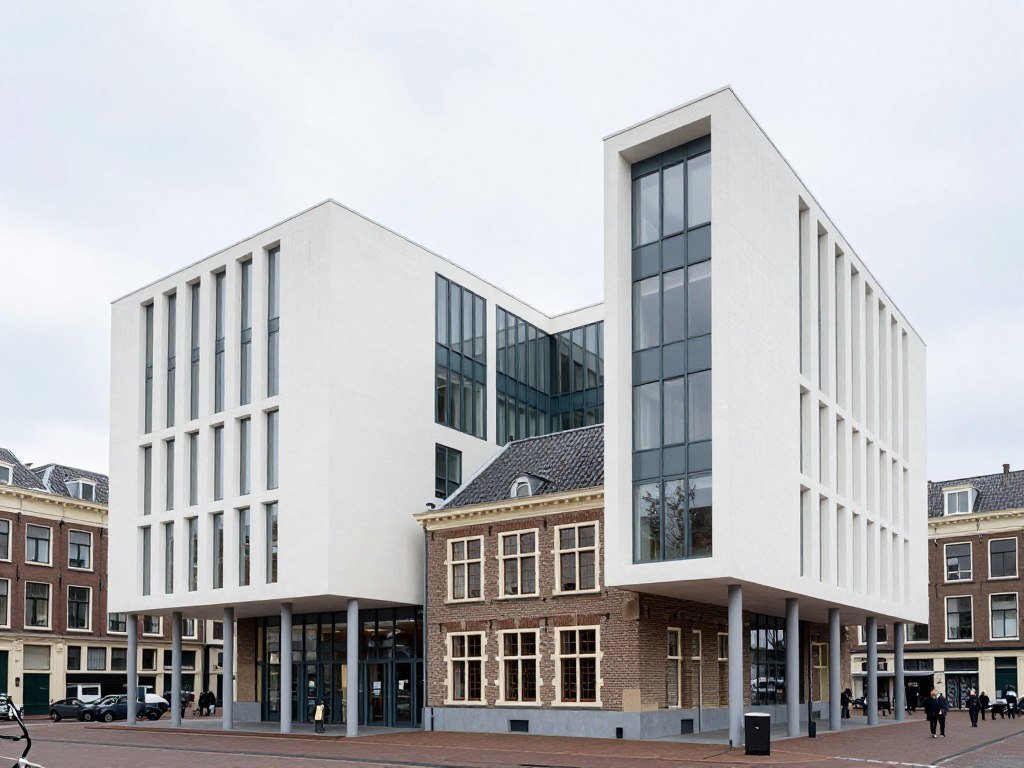
The Hague City Hall, designed by Richard Meier
De Resident
The De Resident complex, designed by multiple architects including Cesar Pelli and Michael Graves, transformed a former industrial area into a mixed-use development of government offices, residential buildings, and commercial spaces. The distinctive postmodern designs create a unique urban landscape that has become an architectural destination in its own right.
Future Development
The Hague continues to evolve with ambitious urban development projects. The Binckhorst area is being transformed from an industrial zone into a vibrant mixed-use neighborhood, while the Central Innovation District aims to create a knowledge hub connecting the city’s three main train stations. These projects reflect The Hague’s forward-looking approach to urban planning while preserving its historic character.
World War II History and Remembrance
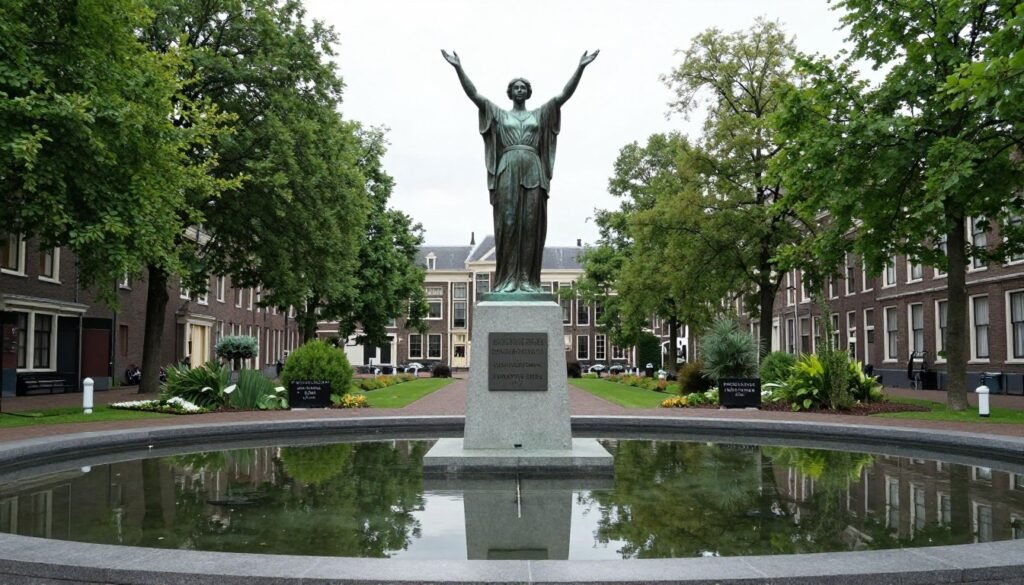
The Indisch Monument, commemorating victims of Japanese occupation in the Dutch East Indies
The Hague bears significant marks from World War II, with memorials and historic sites that commemorate both the suffering and resistance during the occupation years.
Atlantic Wall
As a coastal city, The Hague was heavily fortified as part of the Nazi Atlantic Wall defense system. This resulted in the demolition of entire neighborhoods to create a “forbidden zone.” Today, visitors can explore remnants of this massive defense system at the Atlantic Wall Museum in nearby Scheveningen, which preserves bunkers and fortifications from this period.
Bezuidenhout Bombing
On March 3, 1945, the Royal Air Force mistakenly bombed the Bezuidenhout quarter of The Hague, aiming for V-2 rocket installations but instead hitting a densely populated residential area. The bombing killed 511 civilians and destroyed much of the historic neighborhood. A memorial in the Juliana van Stolberg park commemorates this tragic event.

Memorial to the Bezuidenhout bombing of March 1945
Madurodam
What many visitors don’t realize is that Madurodam, the popular miniature park, was created as a war memorial. It was built in memory of George Maduro, a Dutch resistance hero who died in Dachau concentration camp. The profits from the park go to various charities, continuing his legacy of service.
Indisch Monument
The Indisch Monument commemorates the victims of the Japanese occupation of the Dutch East Indies (now Indonesia) during World War II. This significant memorial reflects The Hague’s strong historical connections to Indonesia and serves as an important site for the Indo-Dutch community to remember their history.
Unique and Quirky Attractions
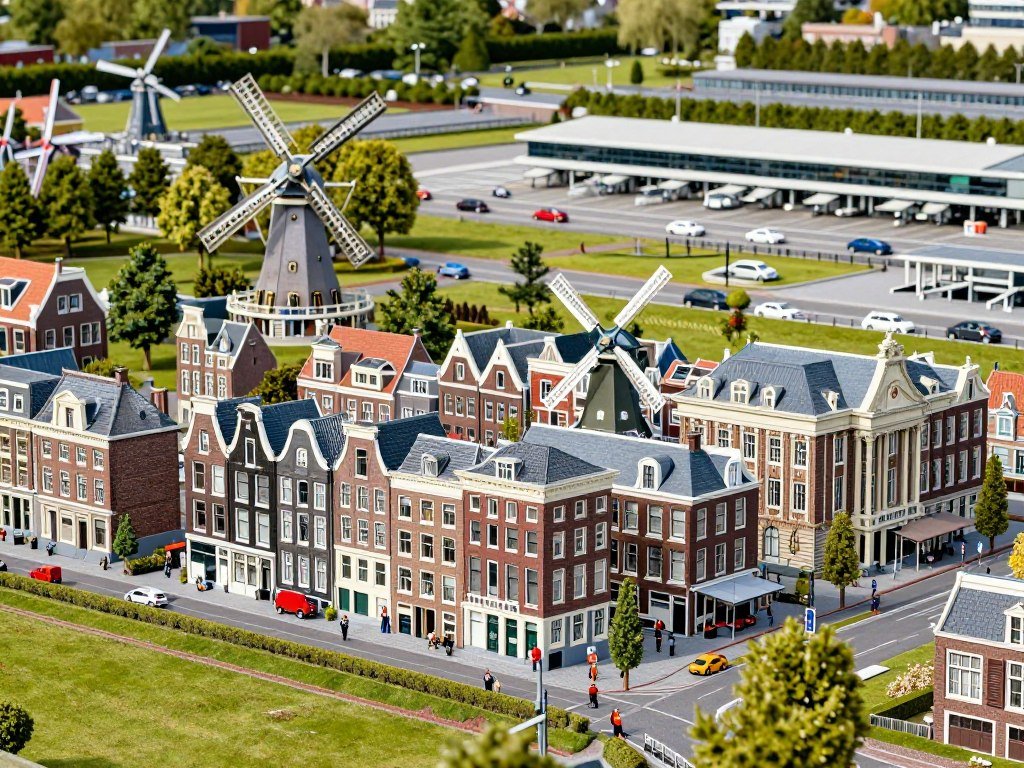
Madurodam miniature park, featuring 1:25 scale models of Dutch landmarks
Beyond its major attractions, The Hague offers visitors several unique and sometimes quirky experiences that can’t be found elsewhere.
Madurodam
While mentioned as a war memorial, Madurodam deserves recognition as a unique attraction in its own right. This meticulously crafted miniature park presents the Netherlands in 1:25 scale, featuring detailed replicas of famous Dutch landmarks, interactive elements, and working models of canals, railways, and airports. It offers a charming overview of Dutch architecture and engineering achievements in a compact, family-friendly setting.
Louwman Museum
Car enthusiasts shouldn’t miss the Louwman Museum, which houses the world’s oldest private collection of automobiles. Established in 1934, the museum displays over 250 historic and classic vehicles, including unique specimens like the 1910 Swan Car and the Aston Martin DB5 from the James Bond film “Goldfinger.” The building itself, designed by American architect Michael Graves, is an architectural highlight.

The Louwman Museum, home to one of the world’s finest automobile collections
Museon-Omniversum
The recently merged Museon-Omniversum combines an interactive science museum with Europe’s first 360-degree dome theater. Visitors can explore exhibits on natural history, science, and global cultures before experiencing immersive films projected onto the massive dome screen, creating a unique educational and entertainment experience.
Celestial Vault
Created by American artist James Turrell, the Celestial Vault is an art installation in the dunes of Kijkduin that transforms the way visitors perceive the sky. By lying on a stone bench at the center of a man-made crater, viewers experience the sky as a dome rather than a flat surface. This contemplative artwork offers a unique perspective on the relationship between earth and sky.
Plan Your Perfect Visit to The Hague
Discover all that The Hague has to offer with a personalized itinerary that includes the city’s famous landmarks, hidden gems, and unique experiences.
Why The Hague Stands Apart
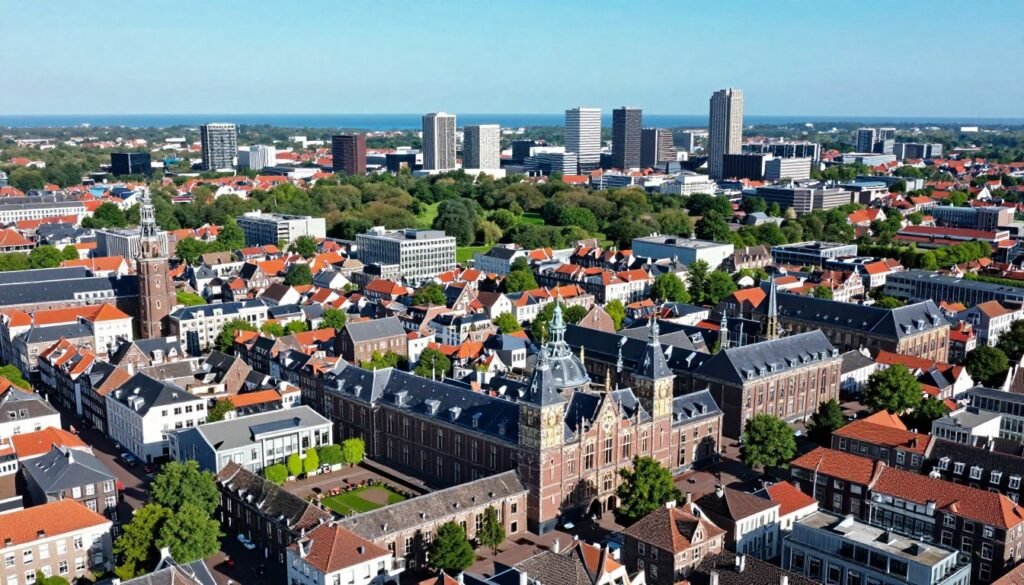
The Hague’s unique urban landscape blending history, modernity, and nature
What is The Hague famous for? As we’ve explored, this remarkable city stands apart for its unique combination of international significance, royal heritage, cultural richness, and coastal charm. Unlike Amsterdam with its tourist crowds or Rotterdam with its bold modernity, The Hague offers visitors a more balanced experience of the Netherlands—one that encompasses global importance and local traditions, historic elegance and contemporary innovation, urban sophistication and natural beauty.
The city’s identity as the international city of peace and justice gives it a global significance that extends far beyond its size. As home to the Dutch government and royal family, it maintains a stately character reflected in its architecture and cultural institutions. The presence of world-class museums housing masterpieces of Dutch art provides cultural depth, while the seaside resort of Scheveningen offers relaxation and recreation just minutes from the city center.
Perhaps most distinctively, The Hague manages to combine these diverse elements into a cohesive whole that feels both international and authentically Dutch. It’s a city where diplomats debate global issues in historic buildings, where royal traditions continue alongside modern governance, where Indonesian restaurants reflect colonial connections, and where urban parks lead to coastal dunes. This multifaceted character makes The Hague not just a place to visit but a place to experience the many dimensions of Dutch history, culture, and contemporary life.
Whether you’re interested in international affairs, art history, royal heritage, coastal recreation, or simply experiencing a distinctive European city beyond the usual tourist destinations, The Hague offers a wealth of experiences that illuminate why it remains one of the Netherlands’ most fascinating cities—a royal city by the sea with global importance and local charm.
