
The Hague may be known internationally as the seat of Dutch government and home to the International Court of Justice, but this charming city offers so much more than political significance. With its stunning blend of historic architecture, world-class museums, beautiful beaches, and vibrant cultural scene, The Hague (Den Haag) deserves a prominent spot on your Netherlands itinerary. Whether you’re planning a day trip from Amsterdam or a longer stay, this guide will reveal the most rewarding things to do in The Hague that showcase why locals and travelers alike are falling in love with this underrated Dutch gem.
Explore The Hague Your Way
Discover the best of The Hague with these highly-rated guided experiences. Book in advance to secure your spot!
Historical and Cultural Attractions in The Hague
The Hague seamlessly blends centuries of Dutch history with modern innovation. As both the seat of government and royal residence, the city offers visitors a unique glimpse into the Netherlands’ political and cultural heritage through its well-preserved historic buildings and world-class museums.
1. Explore the Binnenhof and Dutch Parliament
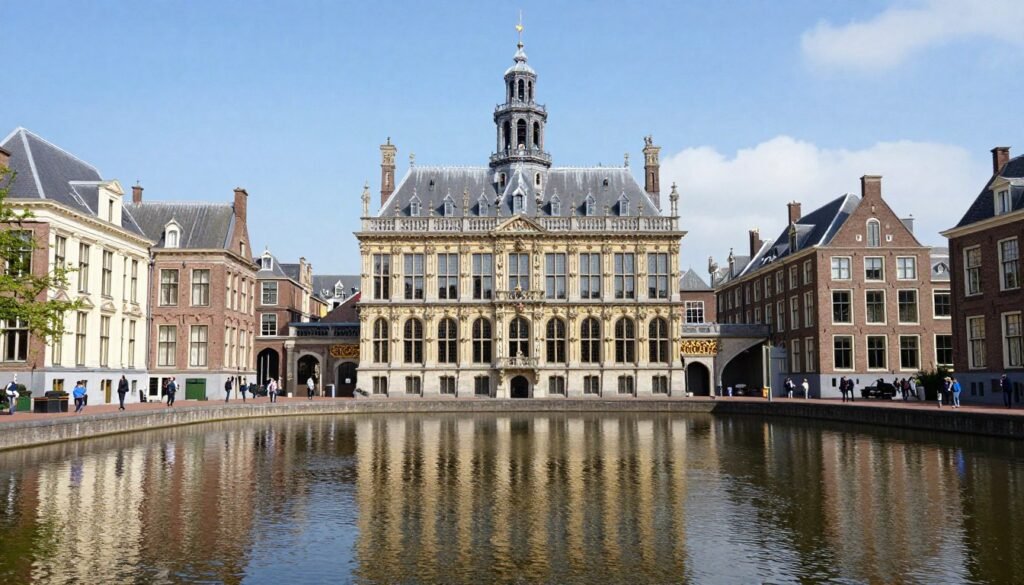
Dating back to the 13th century, the Binnenhof is the oldest house of parliament in the world still in use. This stunning Gothic complex houses the meeting places for both houses of Dutch parliament, the Prime Minister’s office, and the Ministry for General Affairs. The centerpiece is the magnificent Ridderzaal (Knight’s Hall), one of the largest non-religious Gothic buildings in Europe, where the Dutch monarch delivers the annual speech opening Parliament.
Take a leisurely stroll around the complex and enjoy views across the Hofvijver pond, which beautifully reflects the historic buildings. While interior tours are limited during parliamentary sessions, the exterior architecture and atmosphere make this a must-visit landmark that reveals where the city of The Hague was born.
“The Binnenhof started as a small homestead by the lake, which was purchased by the count of Holland in the 13th century. What is now the city of The Hague grew around this complex.”
2. Visit the Iconic Peace Palace

The Peace Palace (Vredespaleis) is the reason why The Hague is known as the “City of Peace and Justice.” This impressive neo-Renaissance building, constructed around 100 years ago with funding from American steel magnate Andrew Carnegie, houses the International Court of Justice, the Permanent Court of Arbitration, the Library of International Law, and the Hague Academy of International Law.
While interior tours are only available when courts are not in session, the imposing exterior with its beautiful gardens is worth visiting. The visitor center provides fascinating insights into the palace’s history and the important work conducted within its walls. Check the official website for tour availability during your visit.
Tour the Peace Palace
Experience this architectural masterpiece and symbol of global justice firsthand. Tours are limited and often sell out quickly!
3. Admire Dutch Masters at the Mauritshuis
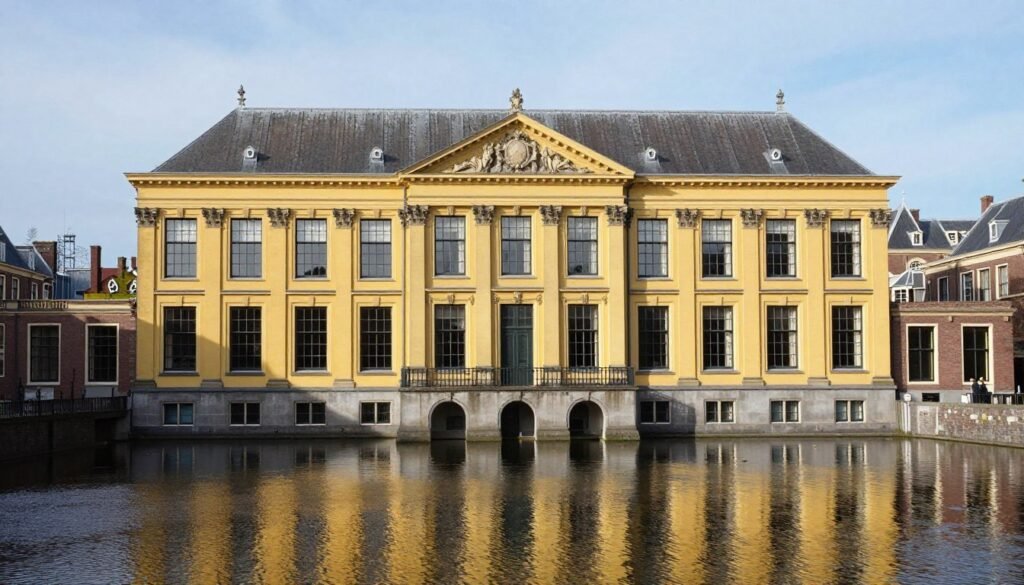
If you only have time for one museum in The Hague, make it the Mauritshuis. Housed in a 17th-century mansion, this world-renowned museum showcases an impressive collection of Dutch Golden Age paintings. The undisputed star is Johannes Vermeer’s “Girl with a Pearl Earring,” but you’ll also find masterpieces by Rembrandt, Jan Steen, and other Dutch masters.
Beyond the famous works, take time to appreciate the lavish interior of this former count’s residence. The museum’s collection includes over 200 works, with everything from detailed still lifes to scenes of daily Dutch life in the 17th century. Art enthusiasts could easily spend half a day here, but even casual visitors will be captivated by the exceptional quality and historical significance of the collection.
Skip the Line at Mauritshuis
See the Girl with a Pearl Earring and other Dutch masterpieces without waiting in line.
4. Experience Optical Illusions at Escher in the Palace

Housed in the former Winter Palace of the Queen Mother, Escher in the Palace (Escher in Het Paleis) offers a fascinating glimpse into the mind-bending world of Dutch graphic artist M.C. Escher. The museum displays a comprehensive collection of his works, from early Italian landscapes to his famous “impossible” optical illusions and mathematical prints.
Don’t miss highlights like “Drawing Hands,” “Waterfall,” and the three “Metamorphosis” pieces that showcase Escher’s mastery of tessellated patterns and perspective manipulation. The royal setting adds another dimension to the experience, with original furnishings and unique chandeliers in each room—some shaped like umbrellas, globes, or even skull and crossbones.
Skip the Line at Escher in the Palace
Secure your visit to this popular attraction and avoid waiting in line.
Beach Life in The Hague
One of The Hague’s most surprising features is its 11 kilometers of beautiful sandy beaches. Unlike most European capital cities, The Hague offers the perfect combination of urban exploration and beach relaxation, making it an ideal destination for travelers seeking variety.
5. Relax or Play at Scheveningen Beach

Scheveningen is The Hague’s most famous beach resort, located just 5 kilometers from the city center and easily accessible by tram. The star attraction is the renovated pier, featuring shops, restaurants, a Ferris wheel, and even a zipline for adventure seekers. The wide, sandy beach is lined with beach clubs and restaurants that create a lively atmosphere, especially during summer months.
Beyond sunbathing, Scheveningen offers numerous activities including surfing, kitesurfing, paddleboarding, and beach volleyball. The elegant Kurhaus hotel provides a historic backdrop to this vibrant beach scene. Even in winter, the beach has a special charm with fewer crowds and dramatic North Sea views that inspire bracing walks along the shore.
Learn to Surf at Scheveningen
Try your hand at surfing with professional instructors at one of the Netherlands’ best surf spots.
6. Discover the Tranquil Kijkduin Beach
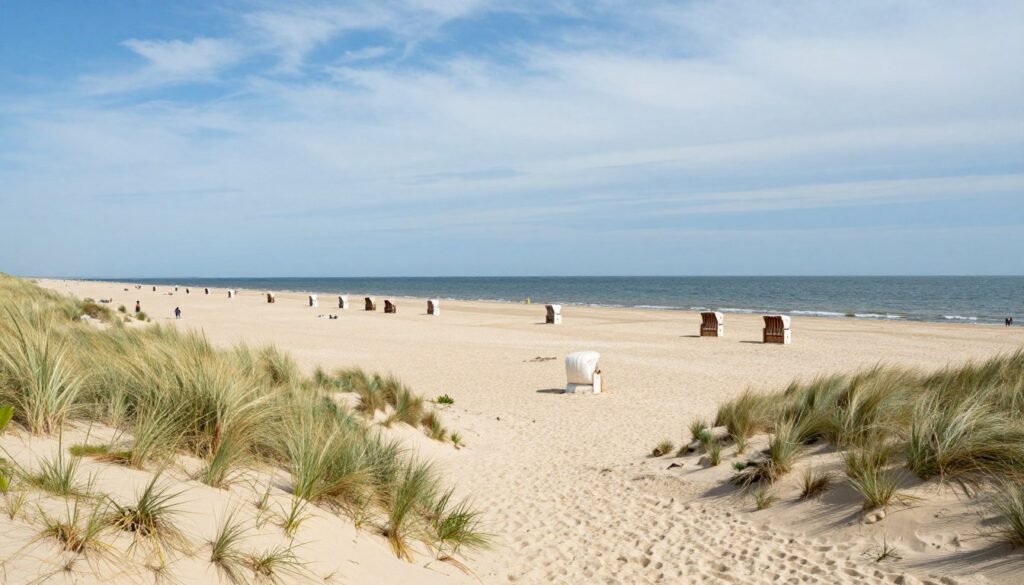
For a more relaxed beach experience, head to Kijkduin, the smaller and quieter of The Hague’s two beach resorts. Surrounded by beautiful sand dunes and with a more family-friendly atmosphere, Kijkduin offers a peaceful alternative to the busier Scheveningen. The beach clubs here are more low-key but still provide excellent food and drinks with stunning sea views.
One unique attraction at Kijkduin is the chance to see artist Theo Jansen’s fascinating “Strandbeesten” (beach beasts)—large kinetic sculptures that move with the wind. The surrounding dune landscape also offers beautiful walking trails through protected nature reserves, perfect for those seeking both relaxation and natural beauty.
Local Tip: For a truly special experience, consider staying in one of the Haagse Strandhuisjes (The Hague beach houses) on Kijkduin beach. These compact but well-equipped beach houses offer the magical experience of falling asleep to the sound of waves and waking up to panoramic sea views.
Unique Experiences in The Hague
Beyond the well-known attractions, The Hague offers several distinctive experiences that showcase the city’s creative spirit and cultural diversity. These unique activities will give you a different perspective on this multifaceted city.
7. Explore Miniature Netherlands at Madurodam

Madurodam offers a unique opportunity to see the entire Netherlands in just a few hours. This meticulously crafted miniature park features 1:25 scale models of famous Dutch landmarks, including Amsterdam’s canal houses, windmills, the Delta Works, and even The Hague’s own Peace Palace. Interactive elements allow visitors to operate windmills, load container ships, or prevent a dike from flooding.
What many visitors don’t realize is that Madurodam is actually a war memorial with a heartwarming story. It was built to honor George Maduro, a war hero from Curaçao who died in WWII, with profits going to children’s charities. This combination of entertainment and meaningful history makes it a worthwhile visit for all ages.
Visit Madurodam
Experience the Netherlands in miniature at this unique attraction.
8. Step Back in Time at the Prison Gate Museum
For a glimpse into the darker side of Dutch history, visit the Prison Gate Museum (Museum de Gevangenpoort). This former medieval prison reveals how justice was administered in the Netherlands from the 15th to 19th centuries, when torture was commonly used to extract confessions.
Guided tours take you through the cell blocks and torture chambers, showing the stark contrast between accommodations for wealthy and common prisoners. The museum houses the largest collection of torture instruments in the Netherlands, including branding irons, hand clamps, and flogging benches. While not for the faint-hearted, it offers fascinating insights into how concepts of crime and punishment have evolved over the centuries.
9. Discover The Hague's Hidden Canals

While Amsterdam may be famous for its canals, The Hague also has a charming canal system that many visitors overlook. Dating back to the 14th century, these waterways were originally built for transportation and defense. Though many were filled in during the 20th century, several beautiful canals remain and offer a peaceful perspective on the city.
One of the most scenic canal walks starts at Lange Voorhout near the Escher Museum. Follow Maliestraat to the canal, then continue along Nieuwe Uitleg, Hooikade, and Mauritskade. End your walk at Veenkade, where you’ll find cafés with floating terraces—perfect for enjoying a drink while watching boats pass by. For an even more immersive experience, consider taking a canal cruise or renting your own boat.
See The Hague from the Water
Experience the city’s hidden canals on a guided boat tour.
10. Experience the Multicultural Haagse Markt

For a taste of The Hague’s multicultural character, visit the Haagse Markt—the largest outdoor market in Europe. Located between the Transvaal and Schilderswijk neighborhoods, this vibrant market has been operating for centuries and reflects the city’s diverse population with goods from around the world.
Food lovers will be particularly delighted by the variety of international cuisines available, from Dutch kibberling (battered fish pieces) and Surinamese donuts to Turkish snacks and Caribbean empanadas. Beyond food, you’ll find clothing, flowers, household goods, and much more. The market operates Monday, Wednesday, Friday, and Sunday from 9 am to 5 pm, offering an authentic glimpse into local life.
11. Shop and Spot Royalty on Noordeinde

Noordeinde is often considered the most beautiful street in The Hague and offers a unique shopping experience with a royal connection. This elegant street houses many historic buildings with stunning Art Deco touches and is lined with independent boutiques, art galleries, antique shops, and cozy cafés.
What makes Noordeinde truly special is the working palace of King Willem-Alexander, located right on the street. If the Dutch flag is flying, it means the King is in residence. Behind the palace, you’ll find the Palace Gardens (Paleistuin), a peaceful green space perfect for a picnic or moment of relaxation. Don’t miss the semi-secret passage connecting the garden with the rest of Noordeinde for a hidden gem experience.
12. Visit Museum Voorlinden for Contemporary Art
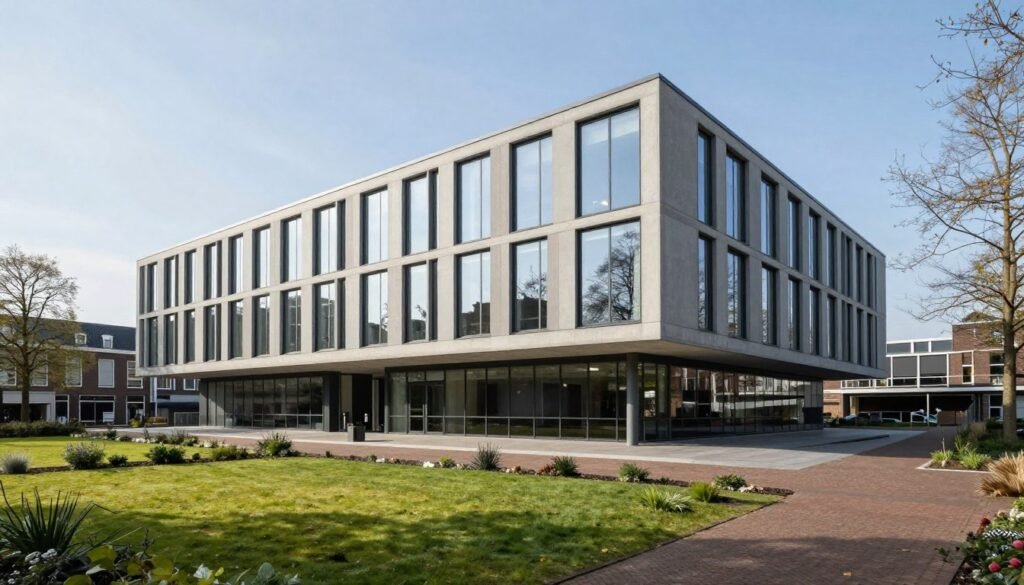
For art lovers seeking something different from the Old Masters, Museum Voorlinden offers an exceptional contemporary art experience. Located in a private estate just outside The Hague, this modern museum opened in 2016 and features both temporary exhibitions and permanent installations in a light-filled building designed to enhance the viewing experience.
The museum is best known for its immersive installations like Leandro Erlich’s “Swimming Pool,” where visitors can access the bottom of a pool while others watch from above, and Richard Serra’s “Open Ended,” a maze of steel plates. The surrounding estate grounds are also beautiful, making this a perfect destination for both art and nature appreciation.
Culinary Experiences in The Hague
The Hague’s diverse population is reflected in its rich culinary scene, offering everything from traditional Dutch cuisine to international flavors influenced by the city’s colonial history and multicultural present.
13. Savor Indonesian Cuisine
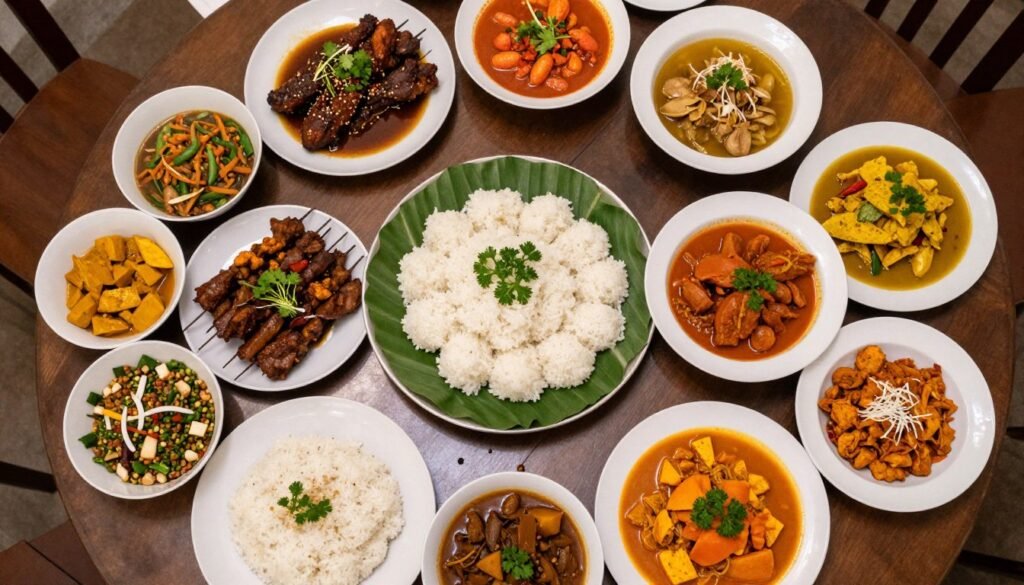
The Hague boasts one of the largest Indonesian populations outside Indonesia, a legacy of Dutch colonial history. This makes it the perfect place to experience authentic Indonesian cuisine, particularly the famous rijsttafel (rice table)—a feast consisting of numerous small dishes served with rice that was created during colonial times to showcase the archipelago’s diverse culinary traditions.
From casual warungs (small family restaurants) to upscale dining establishments, The Hague offers Indonesian options for every budget. Popular dishes to try include rendang (slow-cooked beef in coconut milk and spices), satay (grilled meat skewers with peanut sauce), and gado-gado (vegetable salad with peanut sauce). For an authentic experience, try local favorites like Warung Bude Kati or Restaurant Garoeda.
14. Explore The Hague's Chinatown
The Hague is home to the largest Chinatown in the Netherlands, located between Den Haag HS station and the city center. This vibrant neighborhood offers excellent Chinese, Vietnamese, Thai, and other Asian cuisines, along with specialty grocery stores and bubble tea shops.
For dim sum, locals recommend Kaa Lun Palace or Full Moon City, while St. Anny Tea House is known for its delicious Chinese pastries. Don’t forget to try hopje, The Hague’s famous coffee-flavored caramel candy, which was invented by accident when a coffee-loving baron left a mixture of coffee and sugar on the stove for too long.
Practical Information for Visiting The Hague
15. Getting To and Around The Hague
Getting to The Hague
The Hague is easily accessible from major Dutch cities:
- From Amsterdam: Direct trains run every 30 minutes, taking under an hour (€12.20)
- From Rotterdam: Trains depart every 10 minutes, taking less than 30 minutes (€5.10)
- From Amsterdam Schiphol Airport: Direct trains take about 30 minutes
Getting Around The Hague
The city has excellent public transportation:
- Trams and buses cover the entire city, including beaches
- Day passes are available on some trams (bring coins)
- The city center is very walkable
- Cycling is popular with rental bikes available
Plan Your Stay in The Hague
Find the perfect accommodation for your visit to this royal city by the sea.
Why The Hague Deserves Your Visit
The Hague offers a refreshing alternative to the crowded streets of Amsterdam, combining cultural richness with beach relaxation in a way few European cities can match. From world-class museums and historic architecture to beautiful beaches and diverse culinary experiences, this “green city by the sea” provides a perfect balance of urban exploration and natural beauty.
Whether you come for the Girl with a Pearl Earring, the Peace Palace, or simply to discover a different side of the Netherlands, The Hague rewards visitors with its unique blend of royal elegance, international significance, and laid-back coastal charm. As you’ve seen from our guide to the best things to do in The Hague, this underrated Dutch city deserves much more than its reputation as just a government center—it’s a destination worth experiencing in its own right.
Is The Hague worth visiting?
Absolutely! The Hague offers a perfect blend of cultural attractions, beautiful beaches, historic architecture, and excellent dining that makes it well worth a visit. It’s less crowded than Amsterdam but equally rich in experiences, making it ideal for travelers seeking an authentic Dutch experience without the tourist crowds.
How many days do you need in The Hague?
While you can see the main highlights in a day trip, 2-3 days is ideal to fully appreciate The Hague’s diverse attractions. This gives you time to explore the museums, visit the beach, enjoy the culinary scene, and discover some of the city’s hidden gems at a relaxed pace.
What is The Hague best known for?
The Hague is best known as the seat of Dutch government, home to the royal family, and an international center for peace and justice. It houses important institutions like the International Court of Justice and the International Criminal Court. Beyond politics, it’s known for Vermeer’s “Girl with a Pearl Earring” at the Mauritshuis, beautiful beaches at Scheveningen, and its excellent Indonesian cuisine.
